You know that restless itch that shows up on vacation when you feel oddly stressed if you do not visit every landmark, try every restaurant, or hit every scenic overlook? That same urge can creep into dating apps, Netflix queues, social media feeds, and even career choices: a low‑key panic that you might be missing out on the better thing just around the corner. On the surface, it looks like simple curiosity or ambition. But dig a little deeper, and psychology suggests this drive to “see it all” often has roots in the earliest chapters of your life story.
Childhood does not just give us memories; it lays down templates for how safe we feel, how much we trust, and whether we believe good things will come back if we let them go. When those early experiences are shaky, many people grow up with a chronic fear of missing out, of choosing wrong, or of being left behind. The need to sample everything becomes less about joy and more about survival. Once you see it that way, the constant scanning, scrolling, and searching stop looking like a personality quirk and start looking like a coping strategy that once made sense.
How Childhood Shapes Our Relationship With “Enough”

Think back to how “enough” was defined in your family. In some homes, resources were scarce, attention was unpredictable, or affection was given only when you performed or pleased. In those environments, kids learn fast that you never quite relax into satisfaction, because the good stuff can vanish without warning. The nervous system adapts by staying on high alert, constantly scanning for more, better, safer. Later in life, that can show up as a compulsion to try every option before you commit, because on a gut level it feels dangerous to stop looking.
By contrast, children who repeatedly experience stability, repair after conflict, and a sense that their needs will basically be met tend to grow into adults who are more comfortable with “good enough.” They can walk away from a city still unexplored or a party left early without spinning into regret. It is not that they lack curiosity; it is that curiosity is not tangled up with anxiety. If your internal world never felt stable, though, the outside world often becomes the place you try to control by seeing, knowing, and doing as much as humanly possible.
Scarcity, Unpredictability, and the Urge to Check Every Corner

Growing up around financial instability, emotional volatility, or inconsistent caregiving teaches a harsh lesson: what you have today may not be there tomorrow. A child in that situation might hoard toys, food, or attention, or become hyper‑aware of what siblings are getting. That mindset easily morphs into an adult habit of needing to survey all the options and collect all the experiences. It is as if some part of you believes that if you miss this chance, the universe will not offer another one.
This is why people who lived through chaotic or deprived childhoods sometimes feel a disproportionate urgency around travel, social events, or life milestones. They are not just chasing fun; they are outrunning a sense of inner scarcity. Even in obviously abundant situations – a buffet, a packed social calendar, an endless catalog of streaming shows – there can be a quiet panic that you are perpetually behind. The outside world looks rich, but inside there is a script that says, “If I do not take everything now, I will end up with nothing.”
Attachment Styles: When “Seeing It All” Is Really About Feeling Safe

Attachment theory offers a useful lens here. Kids who grow up with caregivers who are mostly available and responsive usually develop a secure attachment style. As adults, they are better able to commit to choices – partners, jobs, homes – because their nervous system expects that if something goes wrong, they can cope or repair. People with more anxious or avoidant attachment, on the other hand, often learned early that connection could be inconsistent or suffocating, and both of those can feed the need to keep options open.
Anxiously attached adults may fear choosing “wrong” so intensely that they keep scanning for a better partner, better city, or better friend group, even when what they have is already working. For them, seeing all the options can feel like insurance against abandonment. Avoidantly attached adults might chase breadth to avoid depth, sampling experiences and relationships without staying long enough to be vulnerable. From the outside, it can look adventurous and free‑spirited, but underneath it may be a strategy to dodge the risks that intimacy and genuine commitment bring.
Perfectionism, Performance, and the Myth of the Perfect Choice

If you grew up in an environment where worth was tied to performance, the bar for “right” decisions probably got set painfully high. Maybe praise only came when you aced the exam, played the lead role, or chose the “impressive” path. In that kind of atmosphere, making a choice starts to feel like a test you can fail. The logical extension is perfectionism: the sense that there is one best option, partner, career, or itinerary, and your job is to find it or risk lifelong regret.
This perfectionistic streak turns the modern world into a psychological minefield, because we now live in a sea of endless options. Review sites, social feeds, and recommendation algorithms promise that the ideal thing is always out there, just a little more research away. For someone primed by childhood to equate choices with moral worth, this is brutal. They cannot just pick a restaurant; they need the highest‑rated one. They cannot simply go on a trip; they need the ultimate trip. The need to “see it all” becomes an exhausting audition for a life that always feels one step out of reach.
Social Media, FOMO, and Old Wounds in New Outfits

Social media did not invent the fear of missing out; it just gave it a twenty‑four‑seven stage and a high‑definition camera. If you carry childhood wounds around exclusion, not being picked, or being the last to know, those apps are basically a pressure cooker. Every story and post becomes proof that everyone else is out there living brighter, fuller, more complete lives while you sit on the sidelines. The urge to “see it all” on your screen is really an urge to make sure you are not being left out again.
What makes this so tricky is that the platforms reward exactly the behaviors that keep old wounds sore: constant checking, comparing, and scrolling. People with insecure attachment or perfectionistic tendencies are especially vulnerable, because the apps echo childhood dynamics – favoritism, popularity contests, sudden silence – on a global scale. The nervous system that once monitored a parent’s mood now monitors likes and views. That is why logging off can feel weirdly threatening, as if you are turning your back on vital information about where you stand in the tribe.
Psychology also shows that our brains have a bias toward noticing what we are missing rather than what we have. Combine that with curated feeds, and you get a recipe for chronic dissatisfaction. No trip, party, or relationship feels complete, because somewhere out there, someone must be having a better version. For people whose childhood taught them that being on the outside is dangerous, this can turn life into an endless, anxious chase with no finish line.
When Exploration Is Healthy Curiosity Versus Anxiety in Disguise
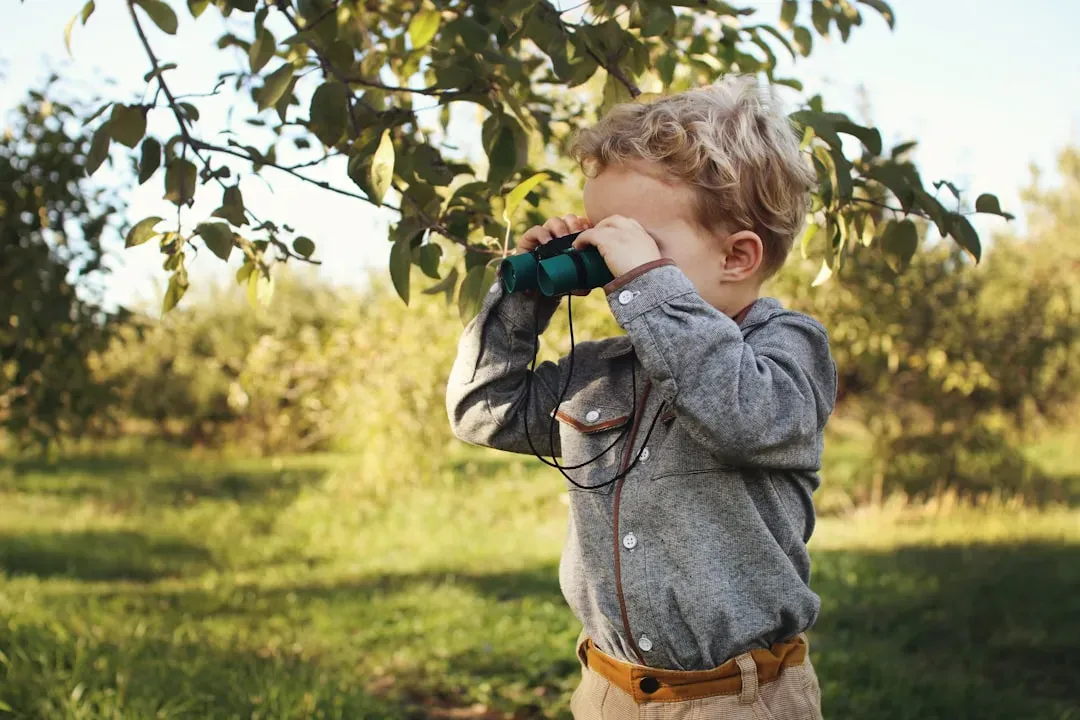
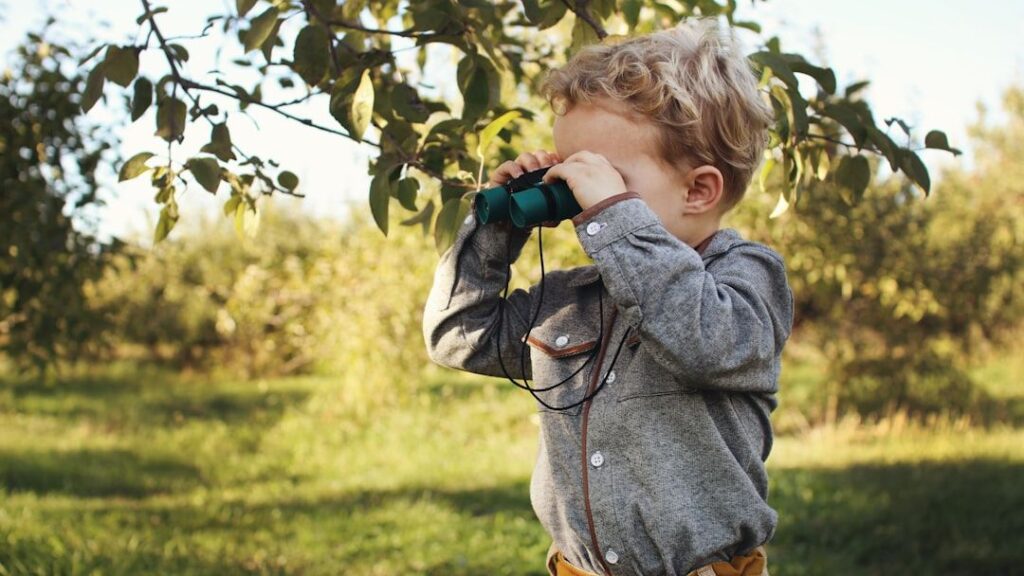
It is important to say this clearly: wanting to explore, learn, and experience a lot is not automatically a problem. Human beings are wired for novelty, and many people genuinely thrive when they travel widely, try new hobbies, or live non‑traditional lives. Healthy curiosity feels energizing more than draining. You can change your mind, skip things, and take breaks without spiraling into shame or fear. You might feel a twinge of regret sometimes, but it does not control you.
The red flag is not how much you do, but how you feel if you cannot do it. If you find yourself flooded with anxiety, anger, or self‑blame when you have to miss an event, choose one path, or leave something unseen, that is a sign the urge is carrying old emotional weight. People often tell themselves they are just adventurous or “maximizing life,” when in reality they are terrified of feeling the same helplessness, invisibility, or deprivation they felt as kids. The behavior can look identical from the outside; the difference is whether it is driven by joy or by fear.
Healing the Need to “See It All” So You Can Actually Enjoy Your Life

The good news is that patterns rooted in childhood are not life sentences; they are starting points. One powerful step is simply noticing the moment your nervous system flips into scarcity mode. Maybe it is when you are planning a trip, when a partner suggests commitment, or when you see friends hanging out without you. Instead of automatically launching into more research, more checking, more scrolling, you pause and ask a deceptively simple question: “What am I afraid will happen if I do not see or do everything?” Often the answer is not about the trip or the event at all – it is about being forgotten, trapped, or left behind.
Therapy, secure relationships, and self‑compassion all help rewire that old template. Learning to soothe your own anxiety, tolerate regret without catastrophizing, and consciously choose “good enough” in small ways builds a new internal sense of safety. Over time, you may still love exploring new places, people, and possibilities – but it stops feeling like a race you are losing and more like a playlist you are allowed to pause. Speaking personally, the first time I left a city without hitting every “must‑see” spot and still felt content, it was strangely liberating. I was not less curious; I was just no longer bargaining with my childhood every time I closed a door.
Conclusion: Choosing Less, Living More

When you realize that the obsession with seeing and doing it all often comes from early experiences of scarcity, instability, or conditional love, it becomes much harder to glorify it. Our culture loves to praise the person who is always on the move, forever optimizing, never satisfied, as if that is the pinnacle of ambition. From a psychological standpoint, it is often a sign of an overworked nervous system trying to outrun old pain. That might look glamorous on a highlight reel, but from the inside it feels like never being allowed to sit down.
My own opinion is that maturity is less about collecting more experiences and more about having the courage to let some of them pass by. The point of understanding the childhood roots of the need to “see it all” is not to shame yourself, but to reclaim your right to rest, to commit, and to miss out on some things without feeling like you are losing everything. In a world that constantly screams for your attention, the quiet act of deciding, “This is enough for me,” is almost rebellious. Maybe the real question is not whether you have seen it all, but whether you are actually present for the small slice you are living right now. When you look back years from today, which will matter more: that you checked every box, or that you were truly there for the moments you chose?