
Think about the last time you opened your fridge, caught a whiff of something sour and wrong, and recoiled before you even knew what it was. That instant wave of disgust feels automatic, almost like your body made a decision before your brain could catch up. You did not sit down as a child and study which smells mean danger; your nose just knew. That eerie sense of automatic revulsion is not a random quirk or just picky taste – it is a survival system that has been tuned for hundreds of thousands of years.
Psychologists and evolutionary biologists now see that our hatred of the smell of rot is not some cultural preference you picked up from your parents or from a health class video. It is baked into your biology at a level that runs deeper than modern humans as a species. In a world where we have refrigerators, expiration dates, and food safety laws, it can be easy to forget that our ancestors trusted one main warning system: their senses. And the sense of smell may be the oldest alarm of them all.
The Disgust Response: Your Brain’s Built‑In Biohazard Alarm

The first shocker is this: disgust is not just an emotion, it is a protective program. When you smell rotting food, your brain rapidly triggers a cluster of reactions – the curl of your lip, the urge to gag, the instinct to push the item away. These are not polite social gestures; they are motor responses wired to stop you from letting something dangerous past your lips. Even infants, who have never sat through a lecture on bacteria, show reactions of clear aversion to intensely rotten or fecal smells.
Psychology research has linked this disgust response to a specific network in the brain that includes areas like the insula, which helps track internal bodily states, and regions involved in threat and avoidance. This system activates not only when we see or smell contamination but also when we even imagine it. Disgust is a bit like a built‑in biohazard sticker: once something falls into that category, your brain will flag it quickly and harshly. Rotting food is one of the most consistently tagged stimuli across cultures and ages.
Why Smell, Specifically, Became Evolution’s Early Warning System

Smell seems like such a fragile sense compared to sight and hearing, but from an evolutionary perspective, it is one of the oldest and most fundamental tools for survival. Long before our ancestors had complex language or tools, they had noses capable of picking up chemical signals that indicated danger, decay, or disease. Volatile compounds released by decomposing matter essentially advertise that microbes are actively breaking down the tissue – the smell is a chemical banner that something is no longer safe.
Unlike touching or even tasting, smelling allows a margin of safety: you can detect danger from a distance. The stench of rot spreads through the air, which means an early hominin did not have to bite into infected meat to realize it was a terrible idea. Over countless generations, individuals whose brains treated the scent of rot as a loud danger signal would be more likely to avoid foodborne illness, survive longer, and pass on that pattern of responses. Smell became a sort of chemical radar system, quietly scanning the environment long before conscious thought kicks in.
Rotting Food, Pathogens, and the “Behavioral Immune System”
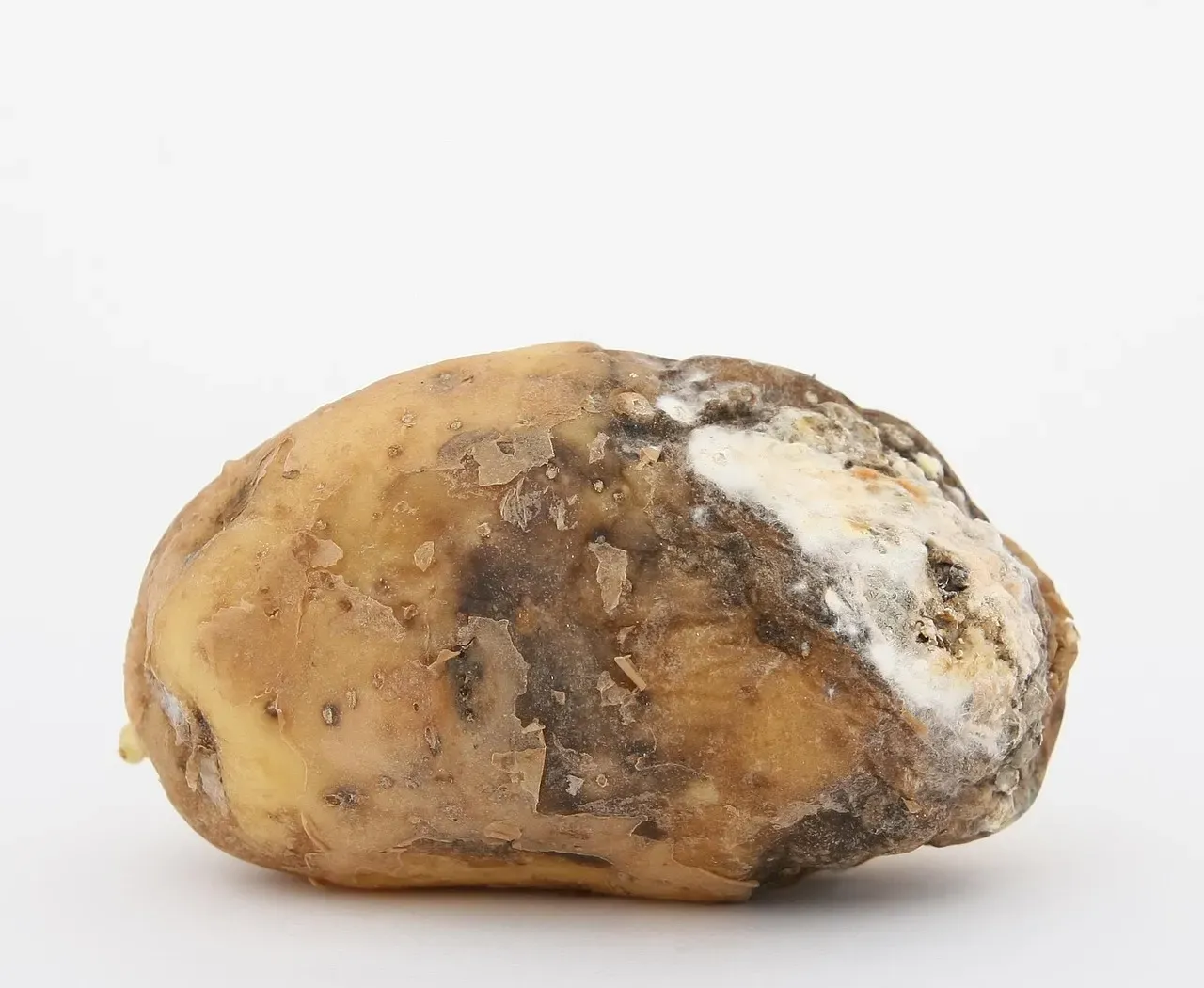
Modern psychology has started using a powerful phrase for this pattern: the behavioral immune system. While your biological immune system uses cells and antibodies to attack invaders inside your body, your behavioral immune system tries to stop those invaders from getting in at all. Disgust toward rotting food, vomit, feces, and bodily fluids acts like a psychological shield that nudges you away from infection risks before they become medical problems.
Rotting food is one of the clearest signals that pathogens are present in huge numbers. Decomposition is driven by bacteria, fungi, and other microorganisms that can also harm you if you ingest them. The sharp, foul smell is not just unpleasant; it is conveying information about microbial overgrowth. When you feel a wave of revulsion at that scent, what is really happening is a fast, subconscious risk calculation. Your brain is effectively saying that any calories you might gain from eating this are absolutely not worth the potential cost of violent illness or death.
Innate, Not Taught: Evidence from Infants and Cross‑Cultural Studies

One of the strongest arguments against the idea that this reaction is learned comes from looking at very young infants. Babies who have had minimal cultural teaching already show avoidance behaviors to extremely unpleasant smells associated with decay. They screw up their faces, turn their heads away, and sometimes even grimace in ways that mirror adult disgust. No one has sat them down and walked them through the dangers of spoiled meat; their little nervous systems simply react.
Cross‑cultural research adds another important layer. While different cultures may have wildly different cuisines and spice tolerances, the scent of heavy rot tends to be rated as repulsive almost everywhere it has been studied. That universality is a huge clue. If something shows up consistently across very different environments and traditions, it is more likely tied to shared human biology than to specific cultural learning. The exact foods we like might be influenced by family, but the food smells we instinctively hate seem anchored in our evolving nervous systems.
Brain Pathways That Turn the Smell of Rot into Instant Disgust

From a neuroscience angle, what you experience as an instant “gross” reaction is actually a rapid chain of information processing. Odor molecules enter the nose and bind to receptors in the olfactory epithelium, which send signals to the olfactory bulb. From there, the information heads into brain regions involved in emotion, memory, and bodily awareness. Unlike other senses, smell takes a more direct route to these emotional centers, which helps explain why reactions to odor can feel so fast and visceral.
Functional brain imaging has shown that disgusting smells – including those mimicking rot – light up regions tied to both disgust and pain, as well as areas that help generate avoidance responses. This is not a slow, logical evaluation of pros and cons; it is an almost reflex‑like slam on the brakes. You can sometimes override it consciously, but your default wiring is clearly defensive. In that sense, the brain treats rotting food a bit like an oncoming punch: you flinch first, think later.
We also know that individual sensitivity can vary, which is why some people seem extra sensitive to bad smells while others tolerate them more. Genetic differences in olfactory receptors and in how strongly the brain’s disgust circuits respond can tweak this threshold. But the core pattern remains: rotten scents are among the most reliable activators of the brain’s defensive networks.
Beyond Humans: Other Animals Also Avoid the Stench of Decay

If this reaction truly predates modern humans, we should see similar patterns in other animals – and we do. Many mammals rely heavily on smell to decide what to eat, and they often avoid food that smells “off” or strongly decomposed. Some species may scavenge carcasses, but even they tend to favor fresher remains over advanced decay, where the load of harmful microbes and toxins is much higher. The line between edible and dangerous is written in chemical cues, not on a printed label.
Primates in particular show fascinating parallels to humans. Monkeys and apes inspect food visually and by smell, sometimes rejecting items that appear or smell spoiled. While animals do not have expiration date rules, their behavior reveals a similar logic. If the scent profile of the item suggests high risk, they back off. This shared pattern across related species suggests that the roots of our disgust toward rot reach back to a common ancestor, long before our branch of the evolutionary tree became what we now call Homo sapiens.
Modern Life, Expiration Dates, and Why Your Ancient Alarm Still Matters
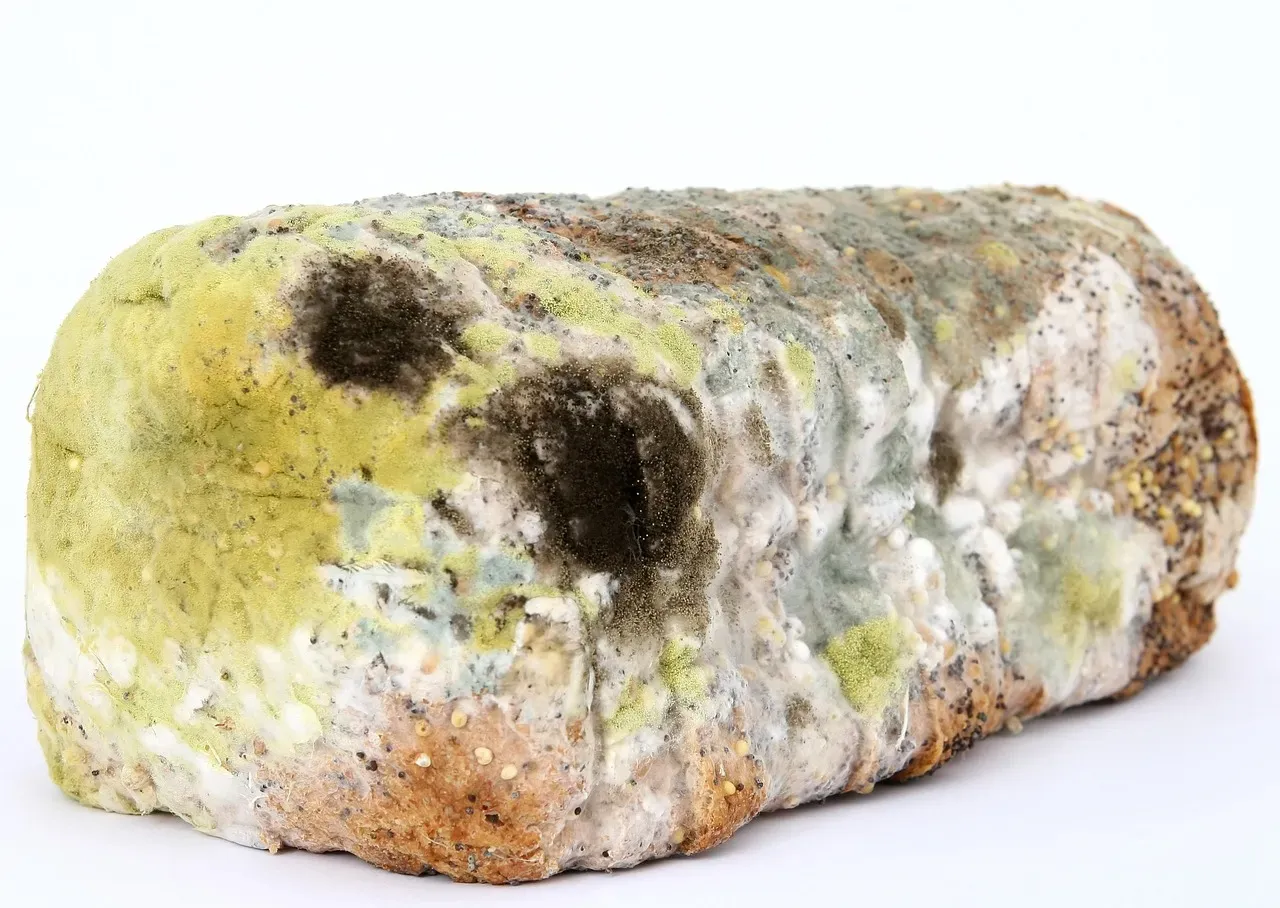
In today’s world, we like to think we are rational shoppers reading labels and following guidelines, but if we are honest, most of us still go with our nose when in doubt. You might look at a yogurt that is technically past its printed date, sniff it carefully, and then decide. That is your ancient biological system quietly overruling the modern legal system of sell‑by and use‑by labels. And if your nose says no, you are almost certainly going to listen, even if the date looks fine.
The irony is that some of us now try to suppress this instinct, especially in a culture filled with food trends like fermented products and strong cheeses that deliberately flirt with the edge of what smells “safe.” There is nothing wrong with enjoying complex or pungent flavors when they are carefully controlled, but I think we underestimate how much we still depend on those old circuits. Every time you crack open a container and hesitate because the aroma feels suspicious, you are leaning on an evolutionary defense system that got your ancestors through dangerous times without refrigeration, industrial hygiene, or laboratory testing.
Conclusion: Trusting the Nose That Kept Your Ancestors Alive
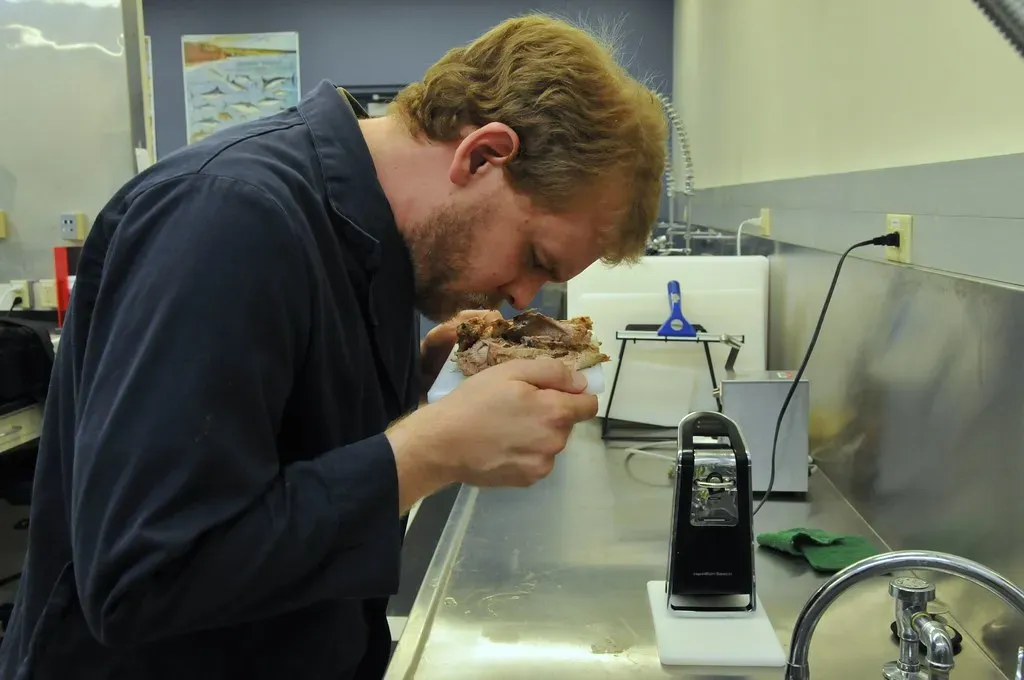
When you step back, it is almost humbling to realize how much of your daily life is guided by instincts that were shaped long before cities, supermarkets, or human history as we know it. Your disgust at the smell of rotting food is not a personal quirk, and it is definitely not just something you were scolded into as a child. It is a deeply wired, time‑tested defense that helped countless generations dodge invisible threats like bacteria and toxins. We like to believe we are purely rational eaters, but our noses and guts were doing safety checks ages before our rational minds evolved.
My own view is that we should respect this instinct far more than we currently do. You do not need to become paranoid about every aroma, but if something inside you recoils at the scent of food, that is not pickiness – that is survival intelligence whispering in your ear. In an age of ultra‑processed food and sometimes confusing safety messaging, one of the most reliable tools you still have is the same one your distant ancestors used: if it smells truly rotten, do not negotiate, just walk away. Next time your nose makes you gag at a mystery container in the back of the fridge, will you see it as an annoyance – or as proof that your ancient defenses are still very much alive?