
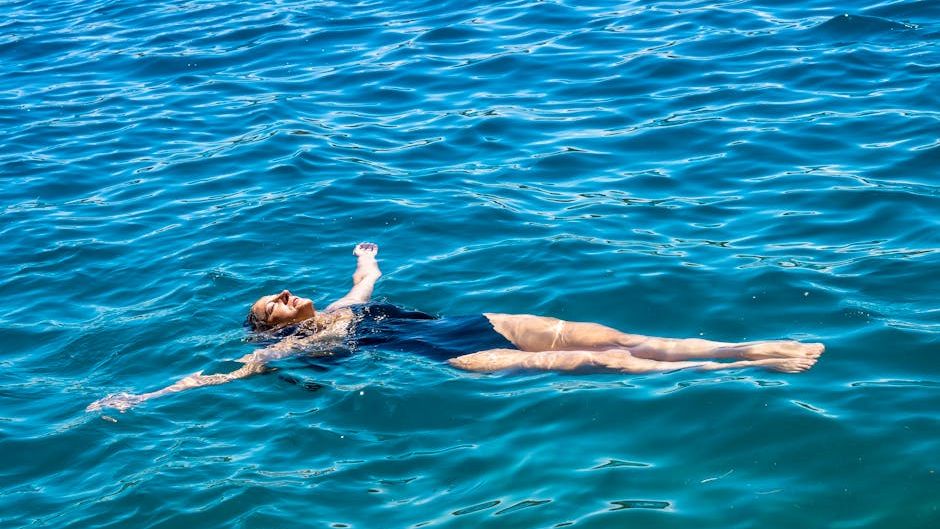
You know that instant exhale your body does when you finally reach the beach, sit by a lake, or even just hear a shower running after a long day? That reaction is not just about aesthetics or your love of good vacation photos. There is growing evidence that your pull toward water is wired into you at a deep, ancient level, shaped by the environments where early humans had the best chance of surviving. In other words, that craving for ocean views and riverside walks might be a survival echo from your ancestors rather than a modern lifestyle preference.
Once you start looking for it, the pattern is almost eerie. Real estate with water views sells for more, people report feeling calmer near fountains or ponds, and city planners now deliberately build “blue spaces” because they know residents seek them out. At the same time, we romanticize beaches in movies, retreats, and even phone wallpapers. This is not a random cultural trend; it mirrors how brains evolved in landscapes where water meant food, safety, and life itself. Let’s unpack how psychology and evolution team up to explain why you feel so irresistibly pulled toward water.
Why Water Feels Like Home: The Evolutionary Backdrop
Imagine being a human thousands of generations ago, before supermarkets, plumbing, or weather apps. In that world, stumbling onto a river, lake, or reliable spring could mean the difference between life and death. Water meant drinking, of course, but it also meant plants, animals, fish, and often safer routes for moving across land. Over huge stretches of time, individuals who were naturally drawn toward watery environments would have had better odds of staying alive long enough to pass on their genes. That subtle preference for water, multiplied over countless generations, can turn into something that feels almost instinctive.
Psychologists sometimes talk about “adaptive preferences”: feelings and attractions that once directly boosted survival, even if now they feel more emotional or aesthetic. Your brain does not announce that it likes lakes because they historically signaled resource-rich environments; it just gives you a little hit of calm and pleasure when you see them. In a way, your love of coastlines is like a quiet evolutionary whisper, nudging you toward the kinds of places that kept your ancestors alive, even if you now only go there to sip iced coffee and scroll your phone.
The Savanna Hypothesis and the Rise of “Blue Spaces”
One influential idea in environmental psychology, sometimes called the savanna hypothesis, suggests that humans evolved to prefer landscapes that resemble the African savannas where early humans thrived. Those environments often featured open grasslands, scattered trees, and, importantly, visible water sources. When people today choose favorite landscapes in studies, they tend to gravitate toward scenes that mirror those ancient, resource-rich views – gentle slopes, some trees for shade, and water nearby. Your Pinterest board full of beach sunsets and lakeside cabins may be less of a personality quirk and more of a prehistoric echo.
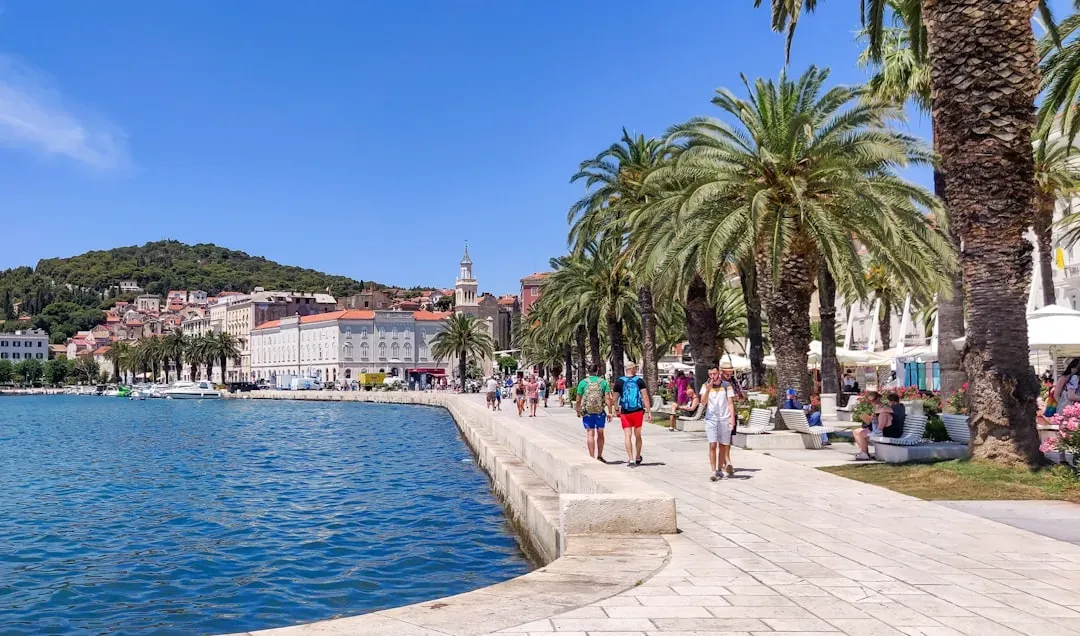
More recently, researchers and urban planners have started talking about “blue spaces” in the same breath as “green spaces.” Parks with ponds, canals running through cities, riverside trails, and waterfront districts are now recognized as especially desirable. People report feeling more relaxed, happier, and often more energized after spending time near water compared with fully built-up areas. City governments lean into this, redesigning waterfronts and canal zones as cultural and recreational hubs because they instinctively know people will flock there. It is like we are quietly rebuilding small pieces of our ancestral landscape inside modern cities.
How Your Brain Reacts to Water: Calm, Focus, and Awe
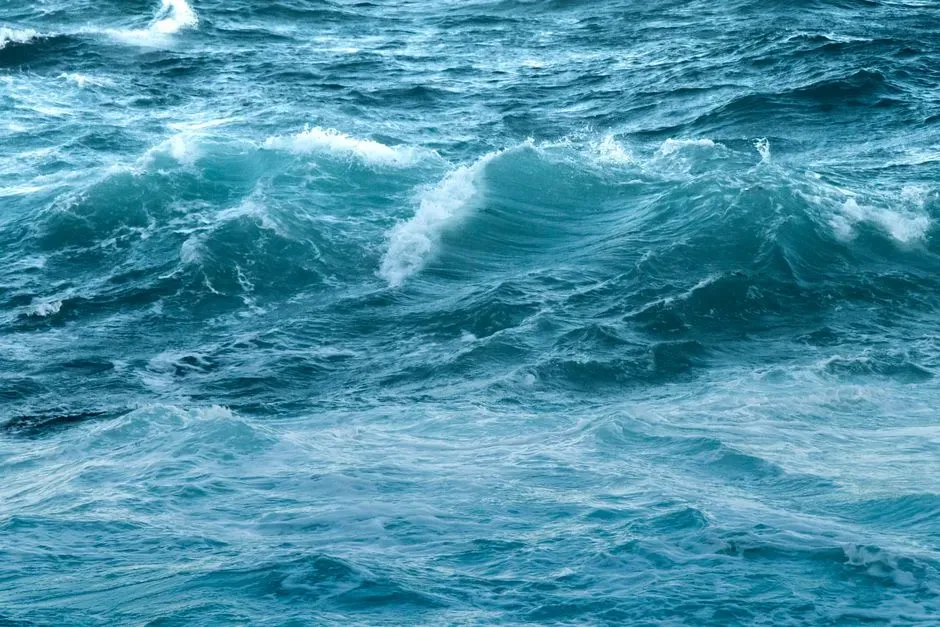
On a psychological level, water hits a sweet spot between predictability and fascination. Waves roll in and out, rivers flow in one direction, rain falls downward; there is a structure to it that your brain can quickly grasp. At the same time, water is in constant motion, shimmering, rippling, reflecting light, and making subtle, soothing sounds. This combination creates what researchers sometimes describe as a gently absorbing experience: interesting enough to hold your attention but not so demanding that it exhausts you. That is prime territory for mental restoration.
This may be why so many people describe feeling calmer and more clear-headed after spending time by the sea or a lake. The sights and sounds of water can help shift your mind away from obsessive, repetitive thoughts toward a softer, more open focus. It is similar to how a campfire draws your gaze and quiets the conversation without forcing anything. In that quieter mental state, stress hormones can drop, breathing can deepen, and you might even feel a bit more reflective or creative. Water becomes a kind of passive therapist, always available, never judging, just flowing.
Water as a Built-In Safety Signal
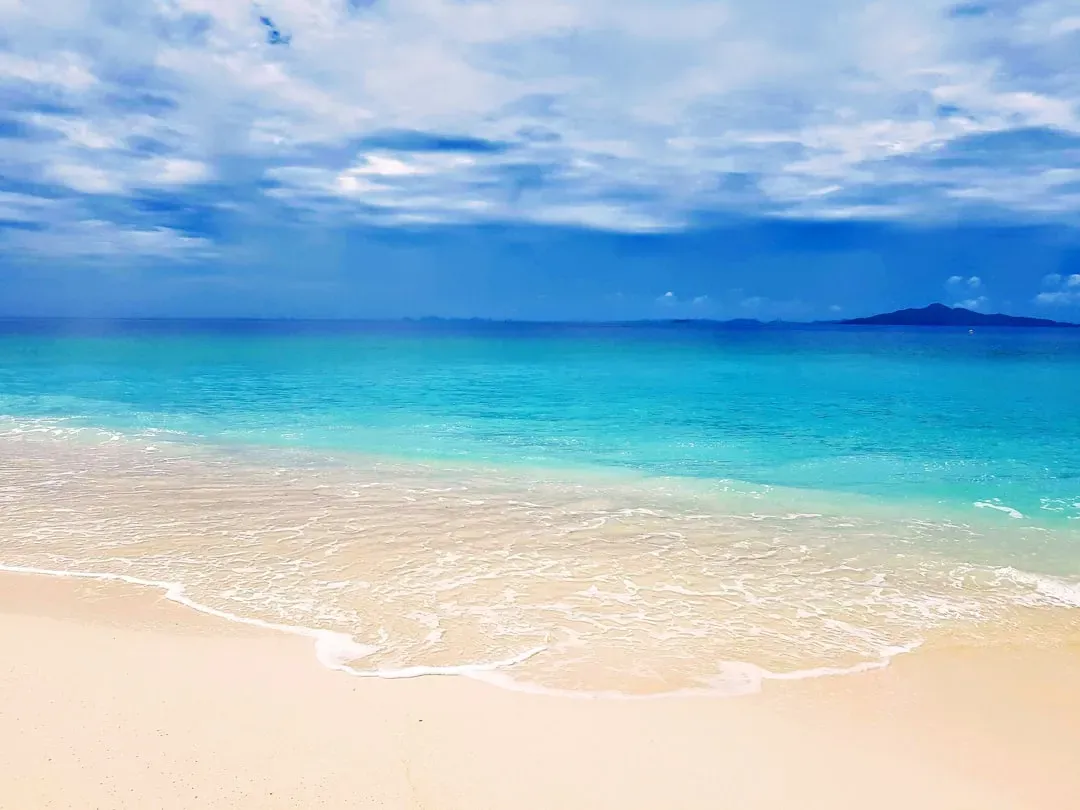
From an evolutionary perspective, water not only provided resources – it also offered a form of safety signal. A pool, river, or coastline that you can see clearly from a distance suggests a stable source of hydration and food, especially in otherwise harsh or unpredictable environments. Early humans who felt at ease near such places could invest energy in exploring, hunting, forming social bonds, or raising children rather than constantly worrying about where the next drink would come from. Over many generations, it makes sense that brains that “relaxed” near water would have a survival edge.
Even today, when most people in developed countries have running water at home, that deep association between water and safety seems to linger. Think about the pull of a beach vacation when you feel burned out, or the way hotels advertise pools as if they guarantee comfort and escape. On some level, simply being near a visible body of water can make your nervous system behave like it is in a more predictable, less threatening environment. That does not mean everyone feels safe in the ocean – storms, waves, and deep water can absolutely trigger fear – but the baseline association is still strongly comforting for many people.
The Allure of Coasts, Lakes, and River Cities
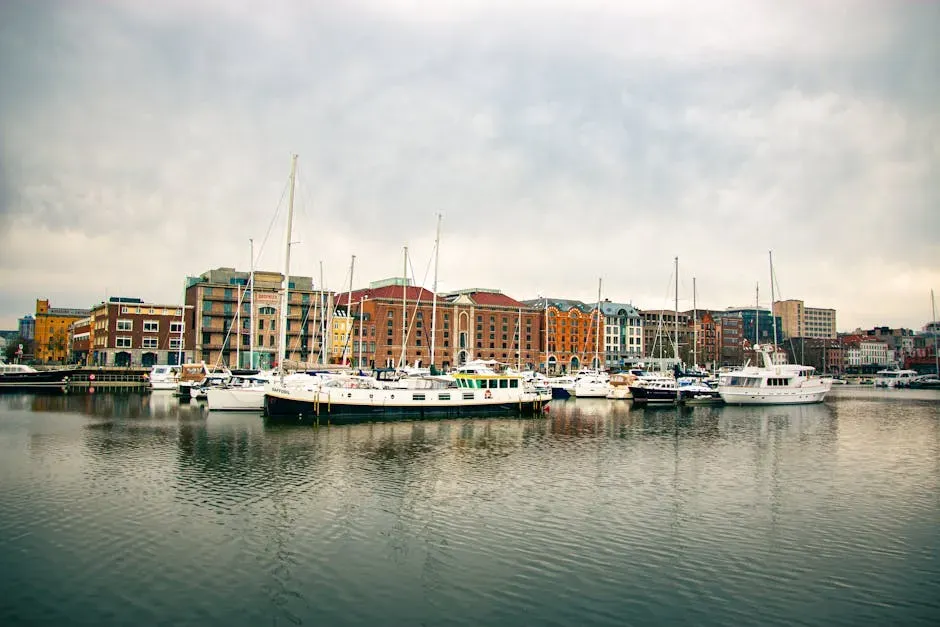
Look at a map of where people concentrate around the world, and an obvious pattern jumps out: human populations cluster along coasts, rivers, and lakes. Historically, this made perfect sense – waterways were highways for trade, sources of food, and lifelines in dry seasons. But even now, when technology has made it easier to live almost anywhere, coastal cities and lakeside towns often remain the most sought-after places to live. People pay more for homes with ocean views, and tourism industries heavily lean on beaches, waterfront promenades, and island getaways because demand never really fades.
There is also something socially magnetic about water. Waterfronts become natural gathering points, drawing restaurants, markets, festivals, and nightlife. Riverfront walks, fishing piers, and harbor districts essentially act as outdoor living rooms where strangers feel less like strangers. That sense of shared attraction to the water can strengthen community bonds, even among people who never speak to each other. It is as if modern cities are unconsciously reenacting ancient camp settlements around oases or river bends, just with more neon signs and food trucks.
From Survival to Self-Care: How We Use Water Today
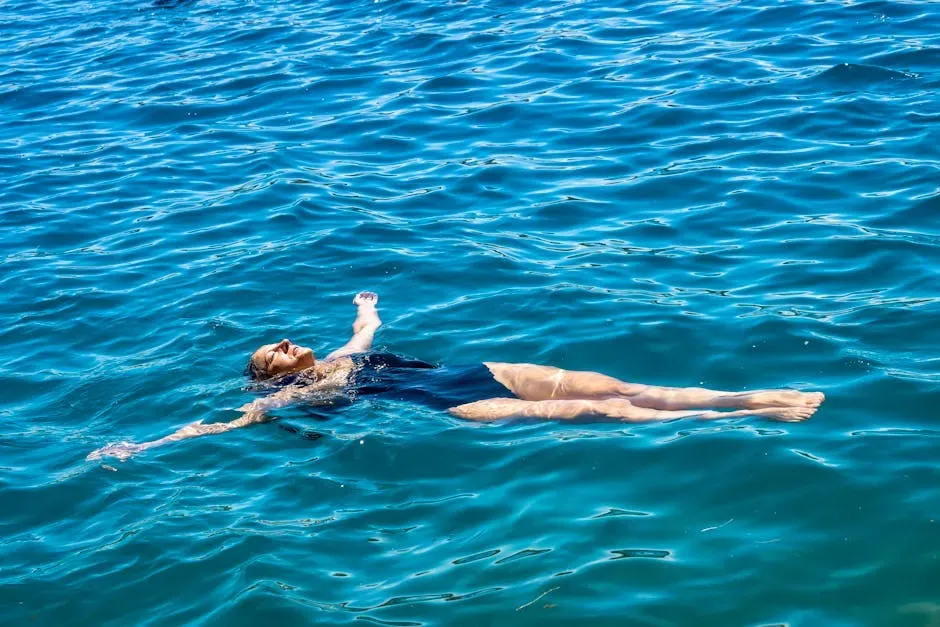
While your ancestors might have approached water for hunting or washing, you are more likely to approach it for stress relief, exercise, or a bit of escapism. Swimming, surfing, paddleboarding, or even just walking along a boardwalk have become part of a modern wellness toolkit. Many people talk about taking a “mental shower” by simply sitting next to a river and letting their thoughts drift. The survival function has evolved into a psychological one: water now sustains your emotional life as much as your physical one.
There is a reason so many wellness trends, spa experiences, and relaxation practices incorporate water sounds or imagery. Apps offer looping wave audio, gyms advertise hydrotherapy, and even basic mindfulness exercises often invite you to imagine a calm lake or gentle stream. That might sound trendy on the surface, but it lines up with how your nervous system responds to water – slowing down, softening, and widening its focus. In a world that constantly asks you to speed up and multitask, water is one of the few forces that almost universally asks you to slow down instead.
Not Everyone Loves the Deep End: Fear, Trauma, and Individual Differences

Of course, the story is not as simple as “everyone loves water because evolution says so.” Many people have intense fears related to water – drowning, deep oceans, murky lakes where you can not see the bottom. These fears can come from personal experiences, stories, cultural narratives, or even broader survival instincts around the unknown. Large bodies of water can hide threats, and human bodies are not naturally equipped to live underwater, so caution around deep or dark water can also be adaptive. In that sense, your brain holds two truths at once: water is life-giving and potentially dangerous.
Attachment to water is also shaped by the environment you grow up in. Someone raised in a coastal town might feel more at ease in waves than in a dense forest, while someone from a desert village might associate rivers with rare, almost sacred events. Access matters as well; if you never learned to swim or had a traumatic experience, the idea of relaxing at the beach might feel absurd. So while evolution loads the dice by making water generally appealing and important, individual experience ultimately decides whether you seek it out, tolerate it, or avoid it as much as you can.
Why Digital Water Still Works: Screens, Sounds, and Simulated Seas
Here is where things get really interesting: you do not even have to be physically near water to feel some of its psychological effects. People often report calming reactions to high-quality photos or videos of oceans, waterfalls, or rainstorms, and many use water soundtracks to fall asleep. Your brain seems willing to accept a convincing simulation – an image or sound – as “close enough” to tap into some of the same responses it has to the real thing. It is like your nervous system is more interested in the pattern of water than in whether it is physically in front of you.
This is part of why so many phone backgrounds, meditation apps, and even advertising campaigns rely heavily on water imagery. A looping video of waves may not hydrate you or feed you, but it still plays into ancient mental templates that associate water with calmness and possibility. I have caught myself staring at a video of rain on a window and feeling my shoulders drop, even when I am sitting in a crowded apartment nowhere near a real storm. In a hyper-digital era, water has quietly become one of the most powerful natural themes we keep importing into our screens.
Conclusion: Your Love of Water Is Ancient, But What You Do With It Is Up to You
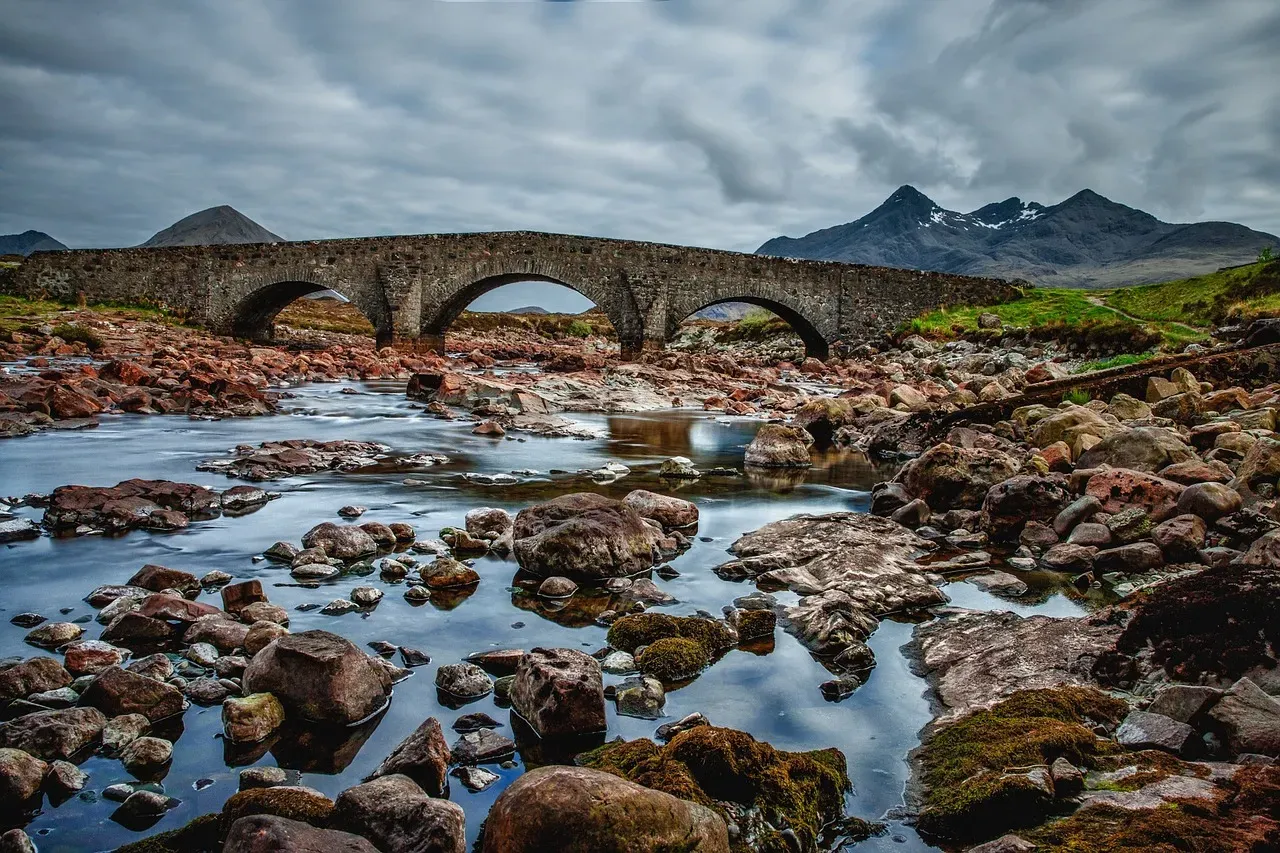
When you step back and look at the evidence, the story that emerges is fairly clear: your attraction to water is not a random modern quirk, it is an evolutionary inheritance. For countless generations, humans survived, traveled, and built entire cultures around rivers, lakes, and seas, so it makes sense that your brain lights up when you get near them. Water signals safety, resources, and mental relief, and even in a world of air conditioning and indoor plumbing, those associations refuse to disappear. They just show up now as vacation plans, city design trends, mood playlists, and quiet urges to go sit by a fountain when life feels too heavy.
At the same time, I think we underestimate how much responsibility comes with that deep pull. If water is wired into us as a source of comfort and life, then treating oceans, rivers, and lakes as disposable resources is not just environmentally reckless – it is psychologically self-sabotaging. Protecting blue spaces is not a trendy side issue; it is about safeguarding one of the oldest calming forces your nervous system knows. Next time you feel that almost magnetic urge to head for the nearest beach or riverbank, maybe see it as more than just a craving for a pretty view. Could it be your evolutionary past tapping you on the shoulder, reminding you where you truly feel most human?