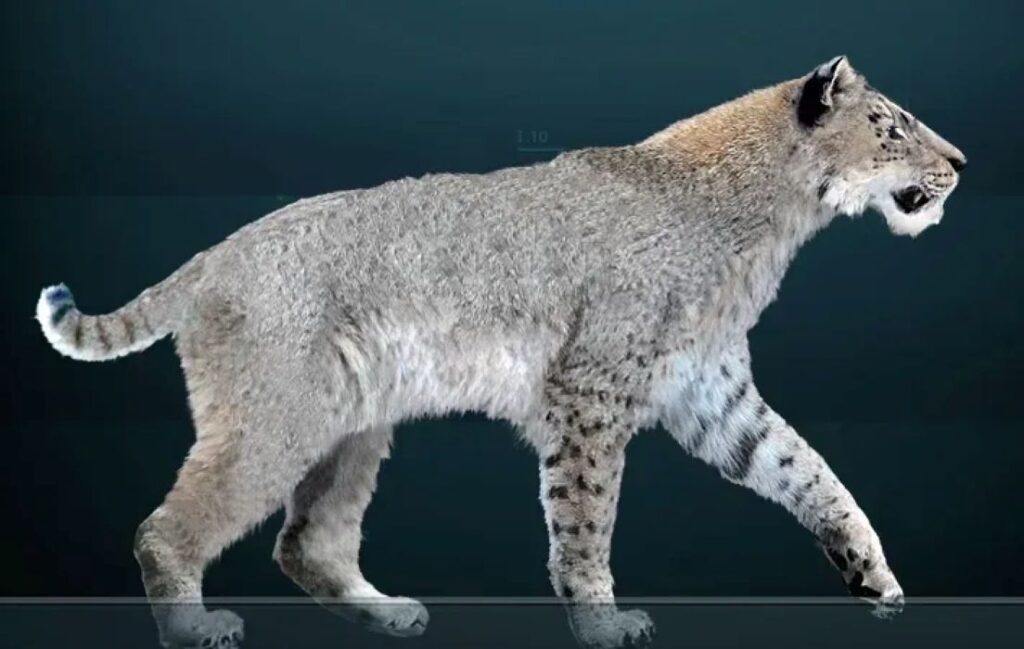
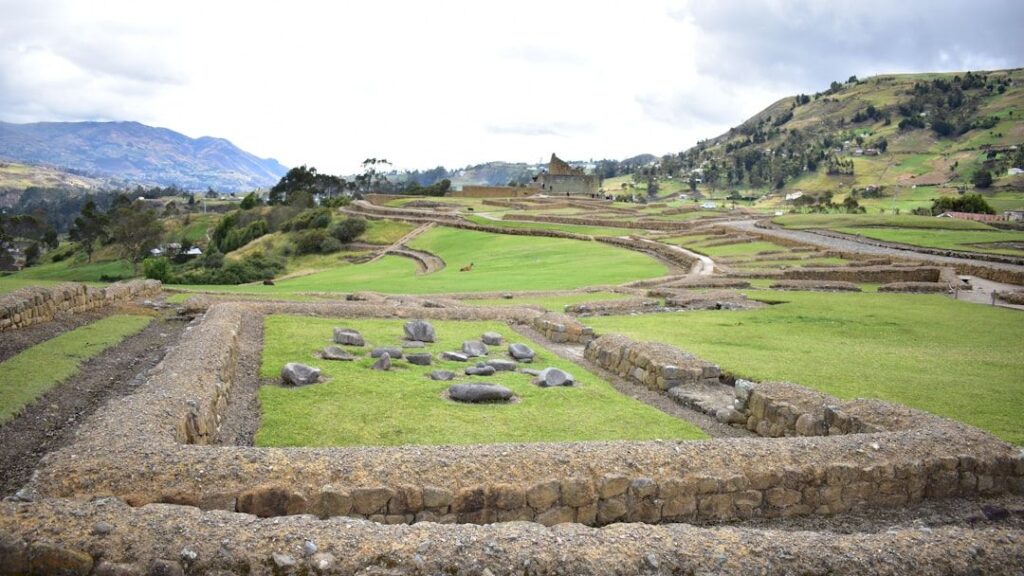
Ayacucho, Peru — In the remote highlands where pumas prowl and livestock graze precariously, Indigenous Quechua women have pioneered a shift from conflict to coexistence with elusive wildcats.
A Legacy of Conflict Gives Way to Curiosity
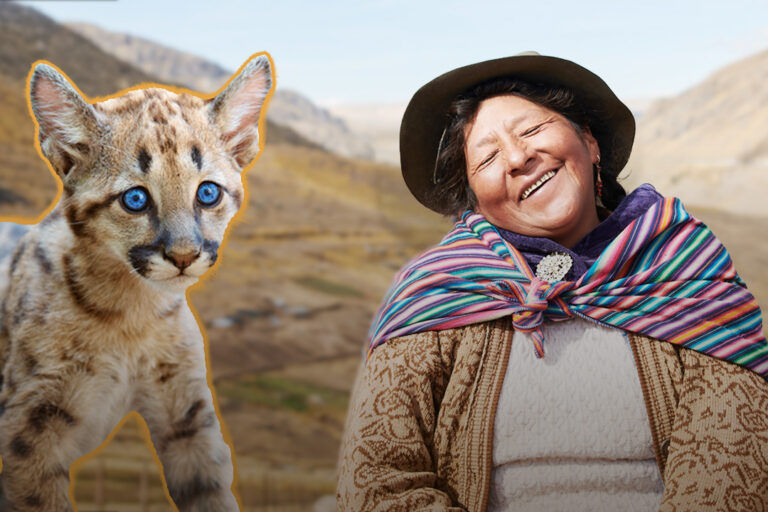
A Legacy of Conflict Gives Way to Curiosity (Image Credits: Imgs.mongabay.com)
Communities once viewed pumas, Andean cats, and Peruvian desert cats solely as predators threatening chickens, guinea pigs, and other livestock. Residents hunted the animals without pause to protect their livelihoods. Fear dominated interactions in these high-altitude ecosystems.
That perspective began to change through the efforts of local women. Biologist Merinia Mendoza Almeida sparked the transformation by organizing gatherings that blended fun, education, and conservation. What started as casual meetings evolved into a structured initiative empowering women in a traditionally patriarchal society.
Camera Traps Unlock Secrets of the Shadows
Quechua Women United for Conservation deployed camera traps across the rugged terrain to gather baseline data on wildcat populations. These devices captured images of pumas, the endangered Andean cat, and near-threatened Peruvian desert cat, revealing their behaviors and habitats. Training sessions equipped 27 women with skills to monitor and analyze the footage.
The technology fostered respect. Alicia Ccaico, a resident of Licapa village, recalled her former mindset: “I thought they were just bad animals. We only saw the harm they did.” Now, the data informs strategies to reduce encounters, such as reinforcing corrals with wire and wood or rotating grazing zones away from prime puma territory.
Tradition Meets Innovation in Handcrafted Conservation
Beyond fieldwork, the women revived weaving and embroidery traditions to create stuffed wildcat toys and handicrafts. These items generate income while raising awareness about the species. Partners like Panthera commissioned Andean cat plush toys for global distribution, connecting the group to international supporters.
- Puma: Frequent in human-wildlife conflicts but key to ecosystem balance.
- Andean cat: Endangered, rarely sighted without camera traps.
- Peruvian desert cat: Near-threatened, focus of early monitoring efforts.
- Pampas cat: Additional species benefiting from habitat protection.
The dual approach not only cuts livestock losses but also builds community pride. One participant noted, “Before, I thought only men could speak for the forest. Now, I speak for it too.”
Empowerment Ripples Through the Community
The initiative has trained over 30 women, creating a space for leadership and decision-making. Attacks on domestic animals have declined as practical measures take hold. Attitudes softened, with residents recognizing wildcats’ role amid challenges like deforestation and prey scarcity.
Dr. Jim Sanderson, a small wildcat expert, praised the model: “Success in wildlife conservation comes when people living closest to the land become the stewards. These women are redefining what it means to protect nature.” Initial funding from the Small Wild Cat Conservation Foundation laid the groundwork, drawing further backing from global organizations.
Shepherd Ida Isabel Auris Arango exemplifies the change, bridging her daily work with conservation advocacy.
Key Takeaways
- Women-led monitoring reduced conflicts and documented rare species.
- Handicrafts provide sustainable income tied to biodiversity awareness.
- Global partnerships amplified local efforts, securing ongoing support.
This blend of science, culture, and empowerment offers a blueprint for harmony in fragile ecosystems. As these women continue their work, the Andes echo with a new story of stewardship. What do you think about community-led conservation like this? Tell us in the comments.