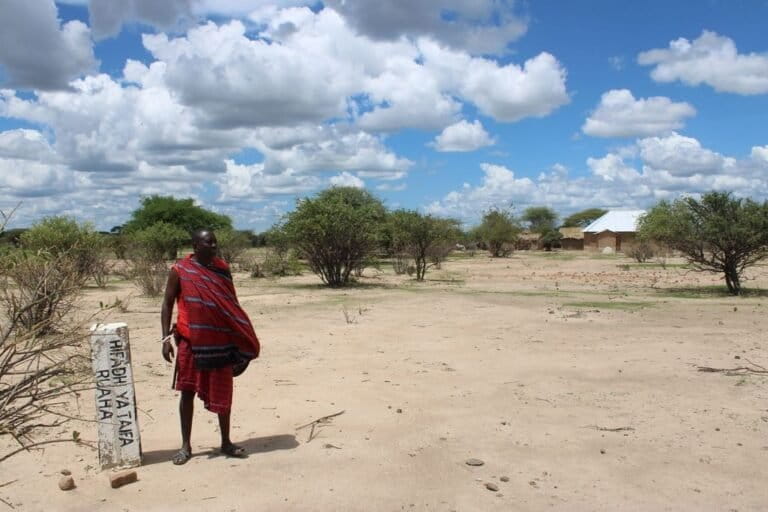
Tanzania – In the shadow of Ruaha National Park’s vast savannas, local communities grapple with the fallout from a defunct tourism initiative that promised economic growth but delivered persistent hardship.
The Rise and Fall of the REGROW Project
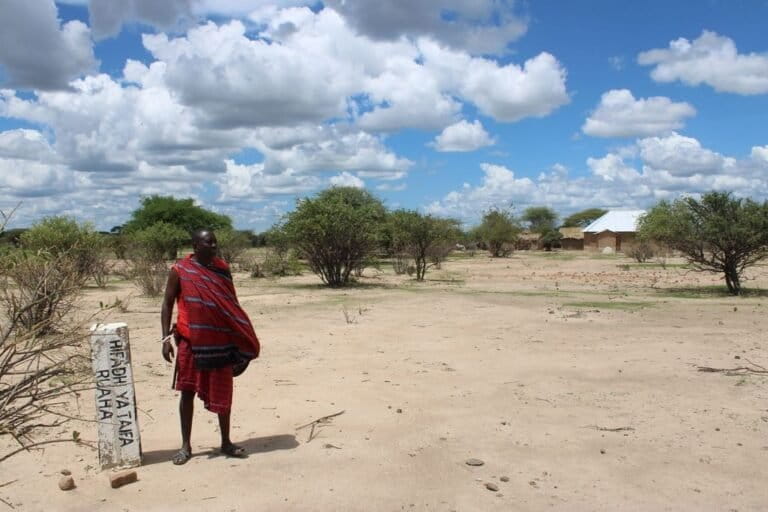
The Rise and Fall of the REGROW Project (Image Credits: Imgs.mongabay.com)
The REGROW project, a $150 million effort backed by the World Bank, aimed to enhance tourism infrastructure around Ruaha National Park. Authorities launched it to expand the park’s boundaries and attract more visitors to one of Africa’s largest protected areas. However, reports of severe human rights issues quickly overshadowed these ambitions. In early 2025, the World Bank suspended funding amid allegations of forced evictions and violence against residents. The Tanzanian government ultimately canceled the project in January 2025, citing compliance concerns.
Despite the cancellation, the initiative’s legacy lingers in the form of unresolved disputes over land use. Park expansion plans had targeted areas inhabited by thousands of people reliant on farming and herding. Civil society organizations documented cases where rangers confronted locals, leading to injuries and fear among villagers. The decision to halt the project marked a rare victory for advocacy groups, yet it failed to address the immediate threats faced by those living on the periphery.
Ongoing Violence and Restrictions
Community members near Ruaha continue to report assaults by park guards, even after the project’s official end. Residents described incidents where rangers enforced no-trespassing rules aggressively, preventing access to traditional grazing lands and farmlands. These confrontations have disrupted livelihoods for families who depend on the land for survival. Advocacy reports from groups like the Oakland Institute highlighted how such actions persisted into late 2025, with no clear abatement.
The Tanzania National Parks Authority maintained that these measures protected wildlife habitats, but locals viewed them as overreach. Restrictions on cattle herding and crop cultivation have intensified food insecurity in surrounding villages. Over 80,000 individuals remain at risk, according to monitoring by international observers. This tension underscores a broader pattern in conservation efforts where protected areas encroach on indigenous territories without adequate consultation.
Civil Society’s Push for Accountability
Organizations monitoring the situation urged the government to honor its commitments post-cancellation. They pointed to threats of eviction that kept communities in a state of uncertainty. In reports released throughout 2025, these groups called for dialogue between park officials and villagers to redefine boundaries fairly. The World Bank’s involvement had initially raised hopes for safeguards, but its withdrawal left a vacuum in oversight.
Local leaders expressed frustration over the lack of compensation or relocation support for affected families. Civil society documented patterns of intimidation, including warnings against speaking out. Efforts to engage authorities yielded limited results, with promises of resolution often unfulfilled. This ongoing advocacy highlights the need for international funders to enforce long-term protections in similar projects.
Balancing Conservation and Human Rights
Ruaha National Park boasts diverse wildlife, drawing tourists eager to witness elephants, lions, and baobab-dotted landscapes. Yet the push for expansion revealed deep conflicts between ecological preservation and community needs. Past expansions in Tanzanian parks have displaced populations, fueling debates on sustainable development. Experts argue that true conservation requires integrating local rights from the outset.
Government officials defended the park’s management as essential for biodiversity, but critics contend it prioritizes revenue over equity. The REGROW saga serves as a cautionary tale for global tourism initiatives in sensitive areas. Without reforms, similar projects risk repeating cycles of displacement and unrest.
Key Takeaways
- The REGROW project’s cancellation in 2025 did not end ranger violence or land access restrictions for nearby communities.
- Thousands of residents face ongoing eviction threats, disrupting farming and herding practices.
- Advocacy groups stress the importance of inclusive policies to reconcile conservation with human rights.
As Ruaha’s story unfolds, it reminds us that tourism’s benefits must not come at the expense of vulnerable populations. Policymakers now face the challenge of rebuilding trust through equitable solutions. What steps should governments take to protect both wildlife and local livelihoods? Share your thoughts in the comments.