Picture Antarctica, and you probably see an endless sheet of ice, howling winds, and a place that feels almost alien to life. Now flip that image upside down: towering trees, milky-green rivers, thick fern undergrowth, and huge dinosaurs lumbering through the shade. It sounds like fantasy, but that bizarre picture is exactly what modern science is slowly piecing together from rocks and fossils pulled out of the coldest continent on Earth.
In the last few decades, scientists have uncovered stunning evidence that Antarctica was once blanketed in dense forests and teeming with dinosaurs, turning our idea of “polar life” completely on its head. What they are finding is forcing researchers to rethink how climate, ecosystems, and even dinosaur biology worked in a world without permanent ice at the poles. The story is not just about ancient trees and giant reptiles; it is about how wildly different our planet can be – and how fast it can change.
From Frozen Desert To Lush Green World
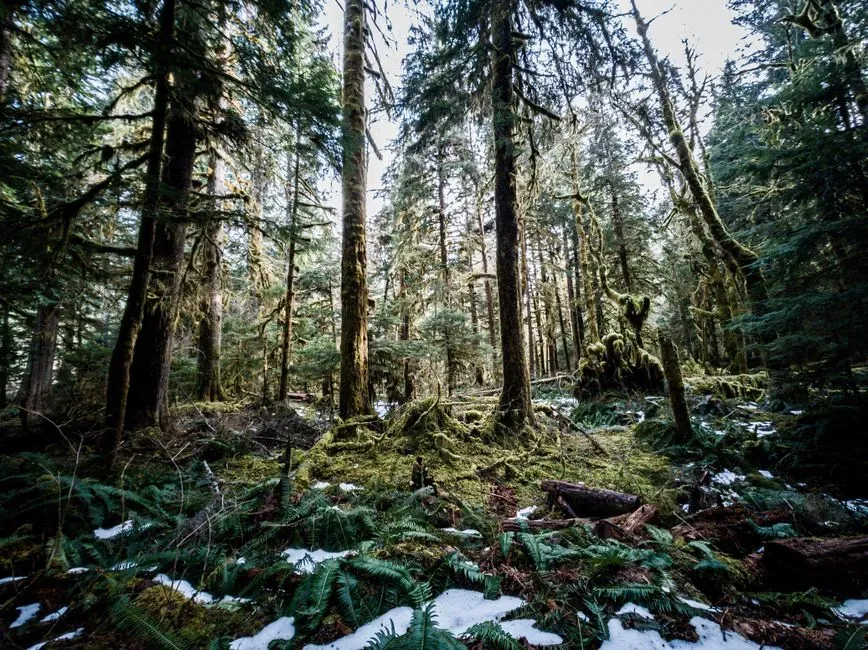
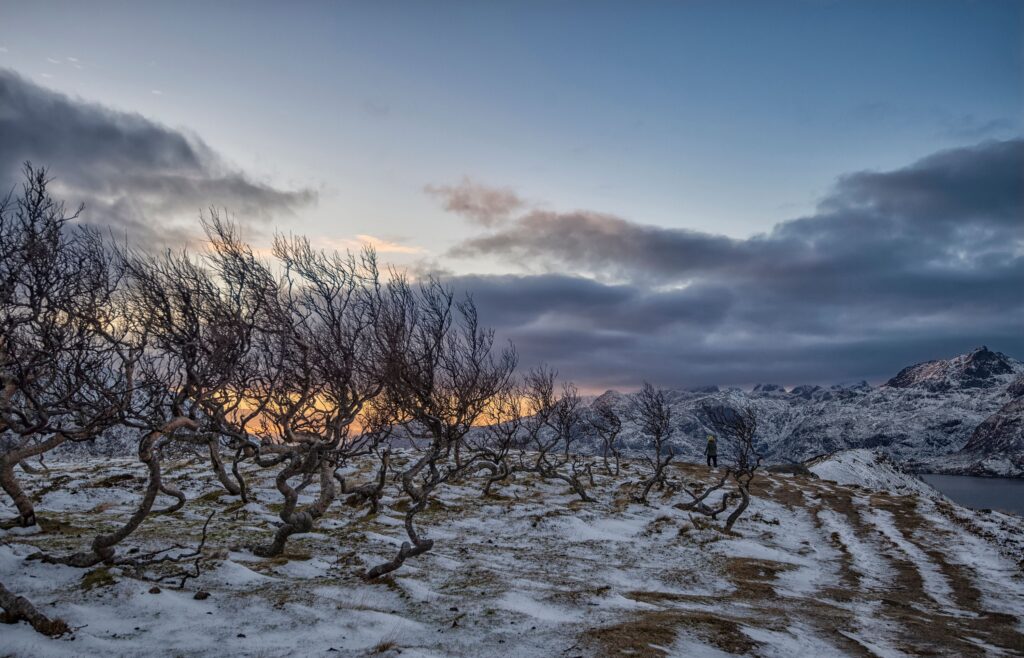
The strangest part of this story is that the Antarctica we know today used to sit more or less where it is now, near the South Pole, yet it supported rich forests and thriving animal life. Climate reconstructions suggest that during parts of the Mesozoic era – the age of dinosaurs – the polar regions were far warmer, with mild, moist conditions instead of the brutal cold we associate with them now. Think of a cool, rainy temperate forest rather than a tropical jungle, but still shockingly green for a place bathed in months of darkness each year.
This was possible because global carbon dioxide levels were much higher and there were no large ice sheets locking up water at the poles. That greenhouse world wrapped the planet in a kind of thermal blanket, keeping temperatures elevated even at extreme latitudes. As a result, Antarctica was less a white wilderness and more a dark, swampy forest where plants and animals had to cope with unusual rhythms of long polar day and long polar night. It was the same continent on the map, but functionally a different planet.
Fossil Forests Locked In Stone
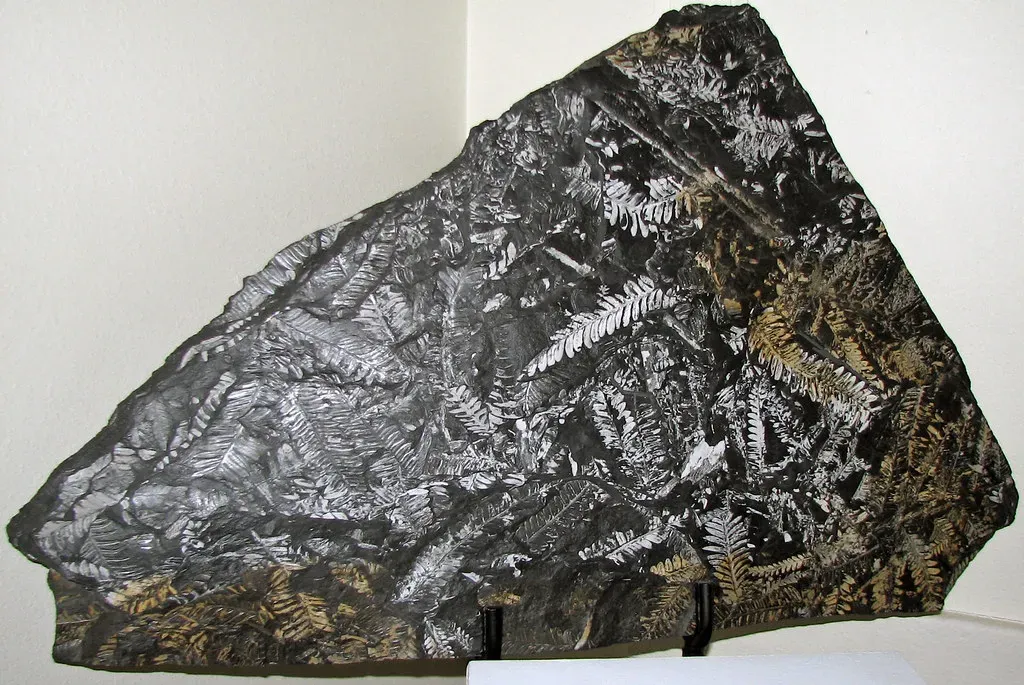
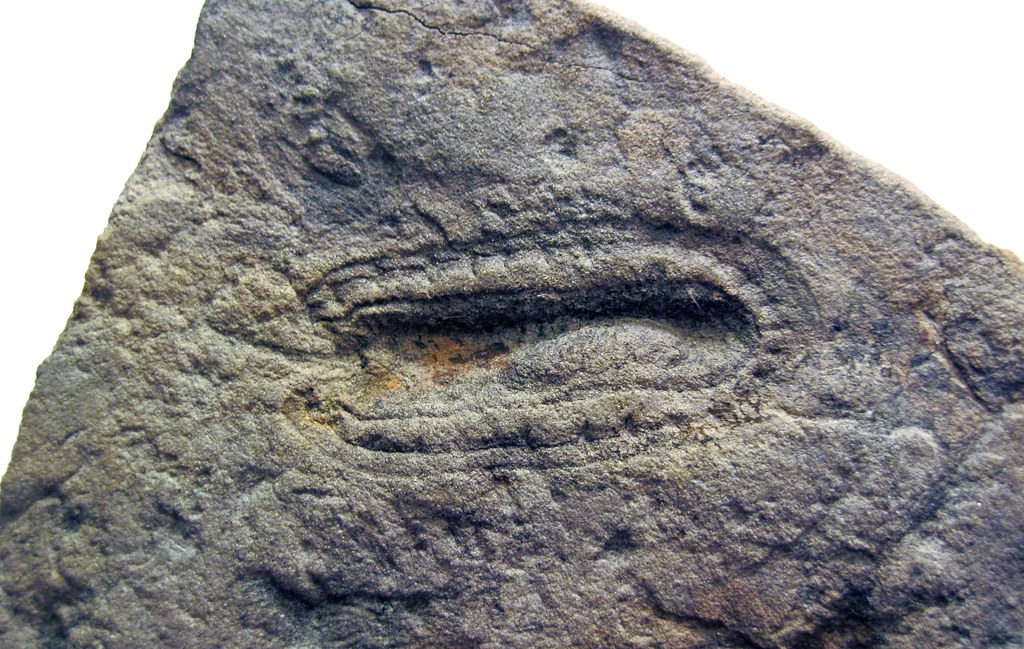
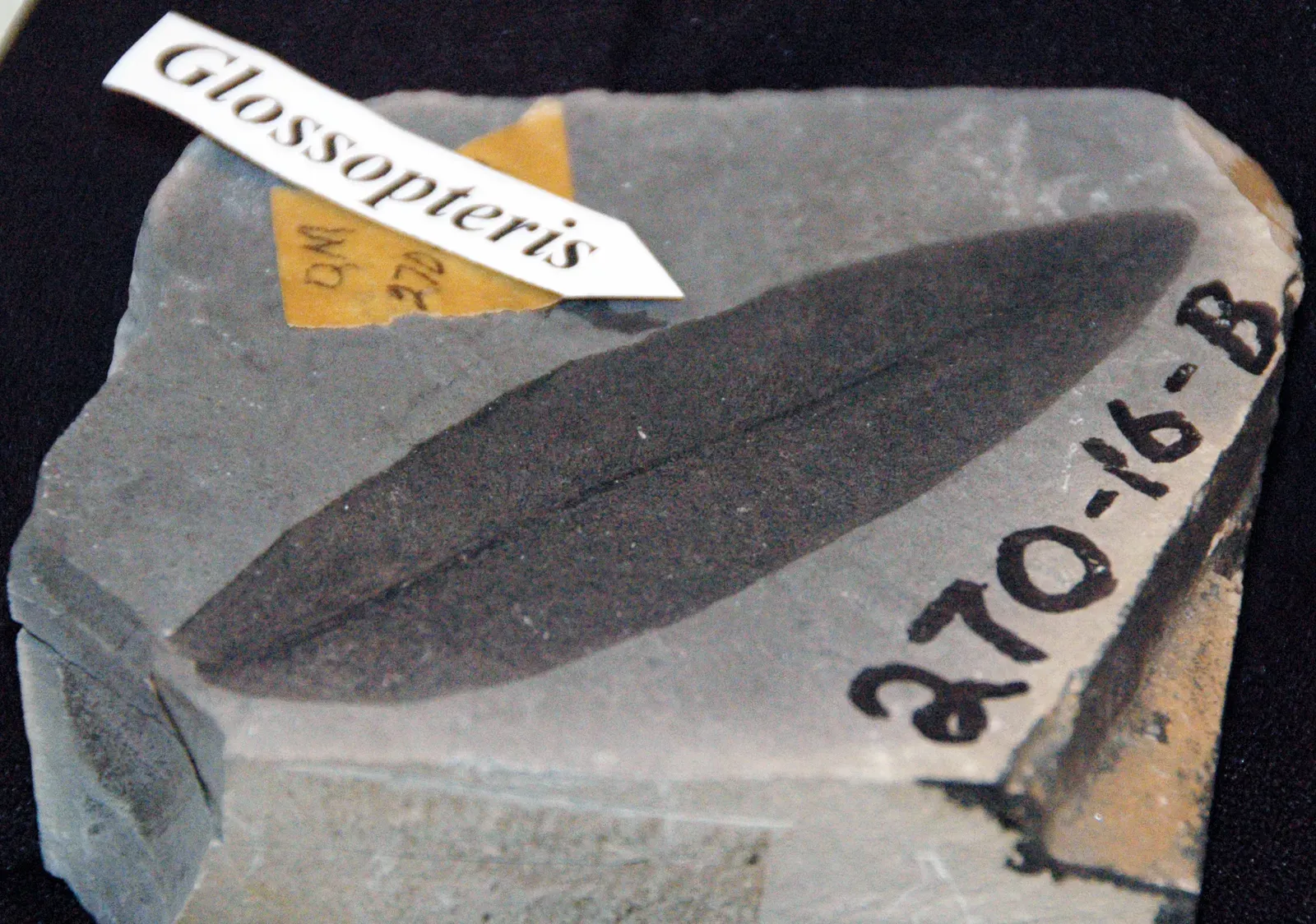
The most direct, almost eerie proof of those ancient forests comes from fossilized tree trunks, roots, and even entire forest floors discovered in Antarctica’s rocks. In some places, paleobotanists have found upright stumps still rooted in the ground where they once grew, complete with growth rings and cellular structure preserved in exquisite detail. You can literally trace the tree’s life season by season, even though it has been entombed in stone for tens of millions of years.
These fossil forests show communities crowded with conifer-like trees, ginkgo relatives, and dense undergrowth of ferns and seed ferns. In certain regions, multiple stacked forest horizons reveal that whole ecosystems grew, died, were buried, and then were replaced again and again, building up a history of vegetation through time. Standing among those petrified stumps, scientists get something rare in geology: a frozen snapshot of a living forest, unambiguously rooted in what used to be polar soil.
Dinosaurs At The Bottom Of The World
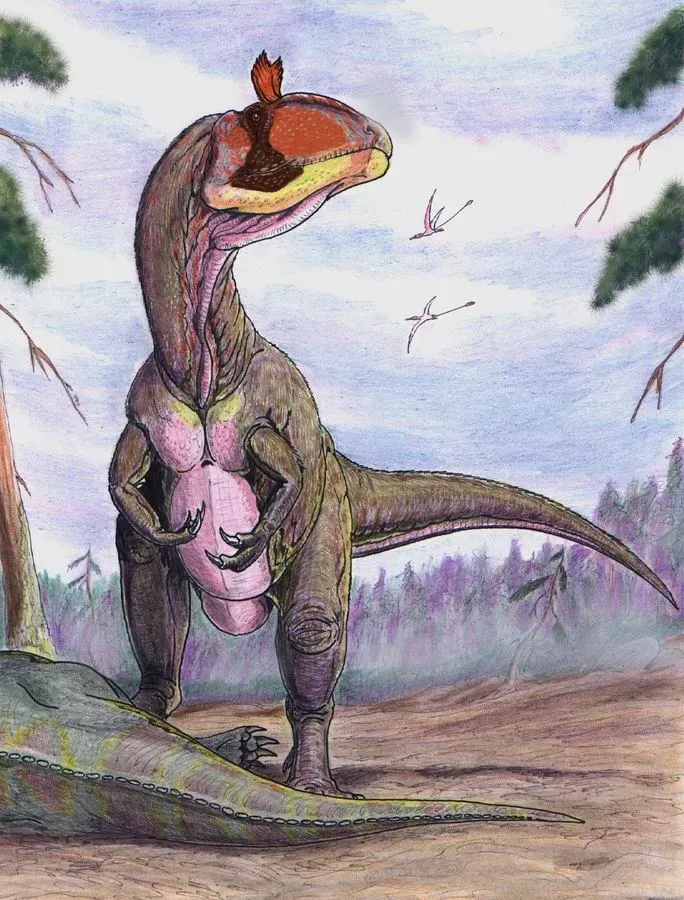
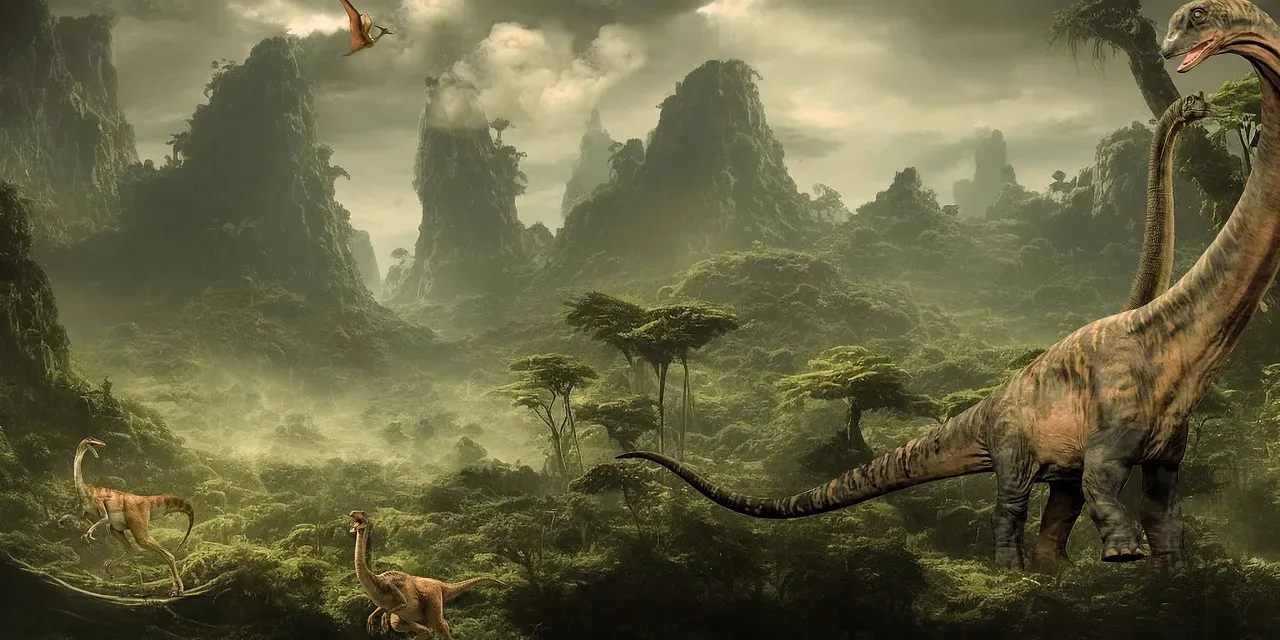
Forests alone would be remarkable, but the story becomes far more dramatic when you add dinosaurs moving through those polar woods. Fossil discoveries from Antarctic rock layers have revealed a variety of dinosaur bones and teeth, including plant-eating sauropods and ornithischians, as well as predatory theropods related to some of the better-known meat-eaters of the age. The sample is still small compared with places like North America or Asia, mostly because Antarctica is so hard to work in, but what we have is enough to prove dinosaurs called the polar forests home.
These animals were not just passing through; the evidence suggests at least some of them were year-round residents that had to cope with months of dim light or darkness during winter. That reality challenges the old picture of dinosaurs as purely tropical or subtropical creatures. Instead, it hints they were tougher, more adaptable, and more physiologically advanced than once assumed, able to live in climates with seasonal extremes very different from today’s temperate zones.
How Trees Survived Months Of Night
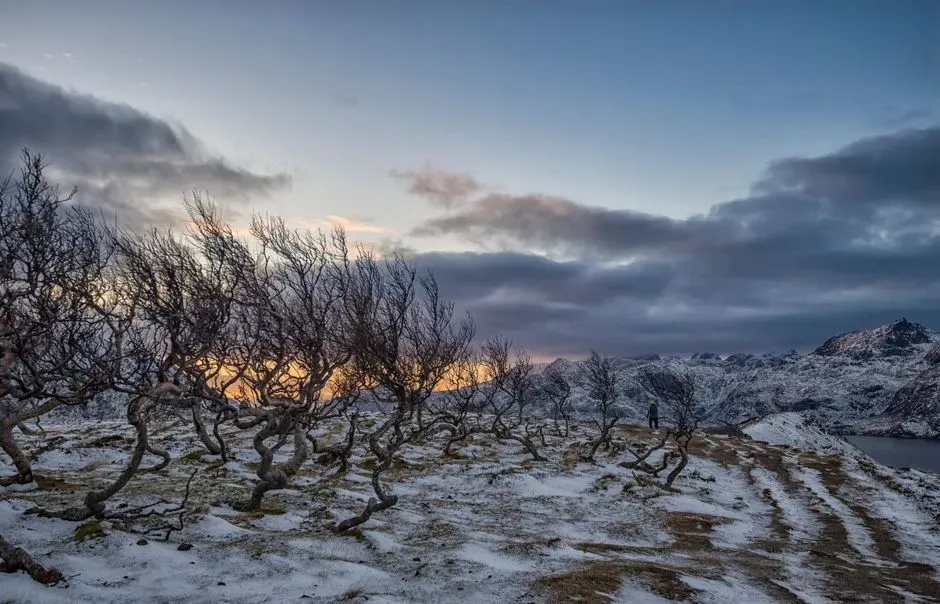
One of the most mind-bending questions is how those Antarctic trees survived the long polar night, when the sun dipped below the horizon for weeks or even months. Growth rings preserved in fossil wood show clear patterns of seasonal growth and slowdown, suggesting that these trees shifted gears with the light cycle. In some cases, their growth rings are relatively uniform, hinting at a stable, cool climate rather than wildly fluctuating temperatures.
Researchers think many of these ancient conifer-like trees behaved a bit like modern high-latitude plants that can handle prolonged low light and cold. They probably slowed their metabolism, dropped some foliage, or reduced growth during the dark season, then ramped up photosynthesis when the sun returned. The result would have been forests that did not look exactly like those in New Zealand or the Pacific Northwest today, but operated with somewhat similar strategies – highly tuned to rhythm rather than to heat alone.
Dinosaurs Built For Polar Life
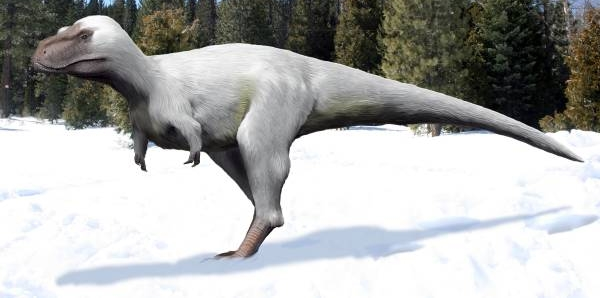
To live in a dense polar forest, dinosaurs likely needed special tools, and the fossil record hints at several. Many of the Antarctic dinosaurs identified so far appear to have relatively large eyes or skull features that suggest good low-light vision, a clear advantage for hunting or foraging in long twilight conditions under a forest canopy. Their bone structure and growth patterns also hint at steady, sustained growth, which lines up better with an active, warm-blooded style of life than with sluggish, reptile-like metabolism.
Some scientists argue that polar dinosaurs provide some of the strongest circumstantial evidence that many dinosaur groups had at least partially elevated body temperatures and maybe insulation like feathers or dense skin coverings. If you are living in a forest that spends part of the year in darkness and chill, producing your own body heat and trapping it efficiently is a powerful survival strategy. While the exact details are still debated, the simple fact that dinosaurs thrived so far south makes the old stereotype of dinosaurs as slow, sun-loving swamp giants look increasingly outdated.
What This Reveals About Ancient Climate
Those forests and dinosaurs are not just cool trivia; they are data points for understanding how Earth’s climate system behaves under very different conditions. Finding lush forests at polar latitudes tells scientists that greenhouse climates can dramatically reduce the temperature differences between the equator and the poles. That, in turn, reshapes ocean circulation, storm patterns, and the types of ecosystems that can exist across the planet.
By analyzing fossil soils, plant types, and isotopes in the rocks, researchers can estimate ancient temperatures, rainfall, and even atmospheric carbon dioxide levels. The broad picture that emerges is a world where high-latitude regions were surprisingly warm, with frost rare and ice essentially absent. For us today, studying that world is like opening a time capsule showing what happens when greenhouse gases remain very high for long periods: forests expand into places we’d never expect, and animals adapt in startling ways to a more uniform, humid, and warm Earth.
The Harsh Reality Of Antarctic Fieldwork
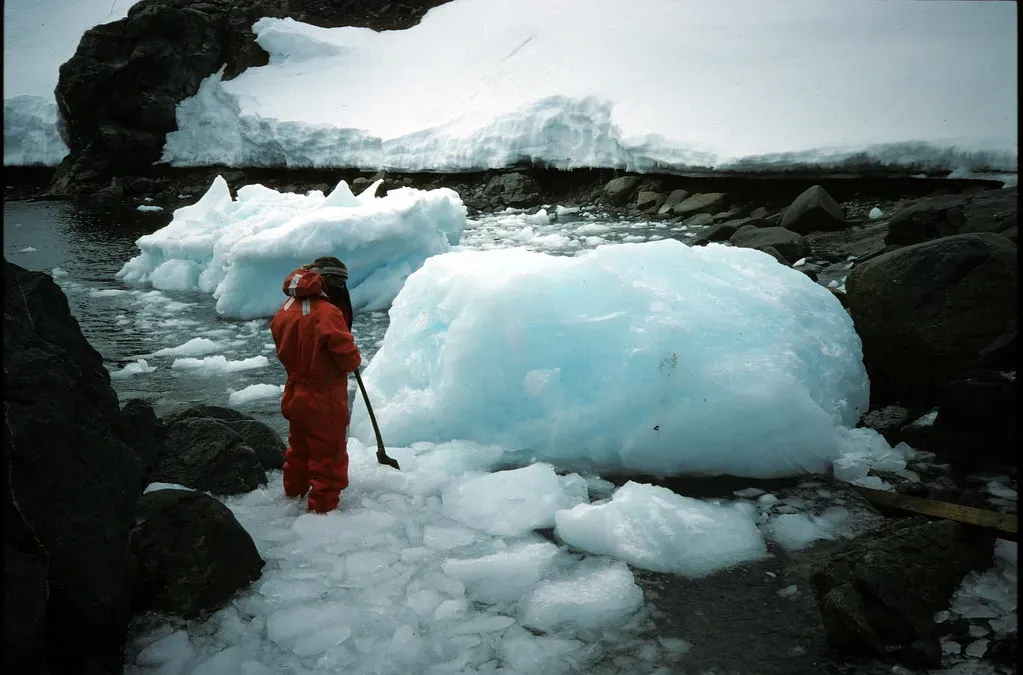
One reason this story still feels incomplete is that Antarctica is quite literally one of the worst places on Earth to do fieldwork. Paleontologists must battle extreme cold, unpredictable storms, dangerous crevasses, and complicated logistics just to reach the rock outcrops that might hold fossils. A single field season often involves helicopter flights, remote camps, and careful planning, with only a short window of time to work before conditions become too hazardous.
Because of that, every fossil forest or dinosaur bone that emerges from the continent carries an outsized weight. The sample size is still painfully small compared to easier places, so each new find has the potential to rewrite parts of the story. As more expeditions push into new areas and better imaging and drilling technologies are used, we can expect a slow but steady drip of discoveries. It will not be a flood of information, but each new piece will sharpen our view of that long-lost polar paradise.
Why Antarctica’s Green Past Still Matters Today
At first glance, it might be tempting to treat the idea of dinosaur-filled Antarctic forests as a fun piece of trivia with no real bearing on our modern world. But in reality, that ancient greenhouse Earth is a powerful reminder of how sensitive our planet is to changes in atmospheric chemistry. When carbon dioxide stayed high for millions of years, ice sheets vanished, forests marched toward the poles, and entire ecosystems reorganized around new climate patterns.
We are not headed toward a dinosaur-style world overnight, and the ancient climate shifts unfolded far more slowly than today’s rapid human-driven changes. Still, the fossil record from Antarctica is a blunt, stone-written warning that the planet is fully capable of becoming ice-free at the poles under sustained greenhouse conditions. To me, that connection makes those petrified trees feel less like distant curiosities and more like a mirror tilted slightly into our future. The real question is whether we are willing to learn from a continent that once hosted dinosaurs in its forests and now sits entombed in ice – because if Antarctica can reinvent itself so completely, what makes us think our present world is as fixed as it feels?