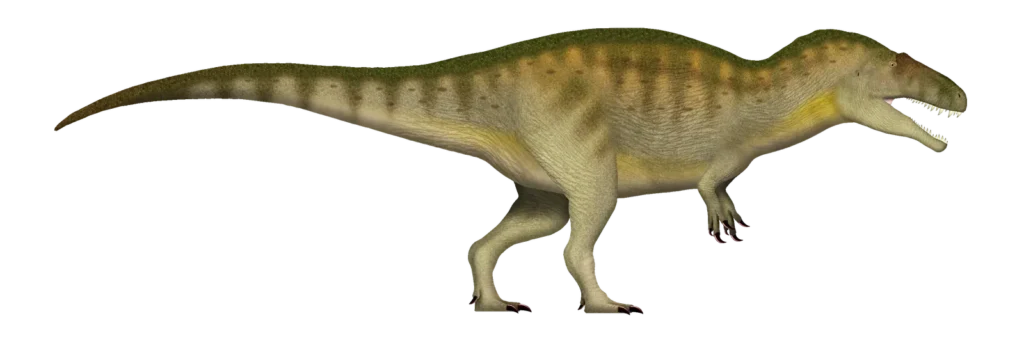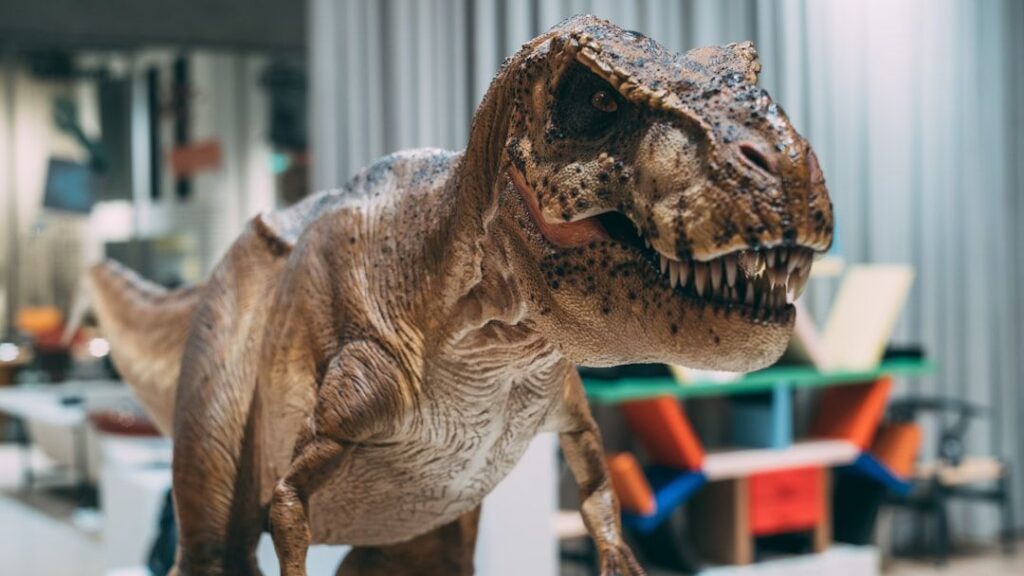
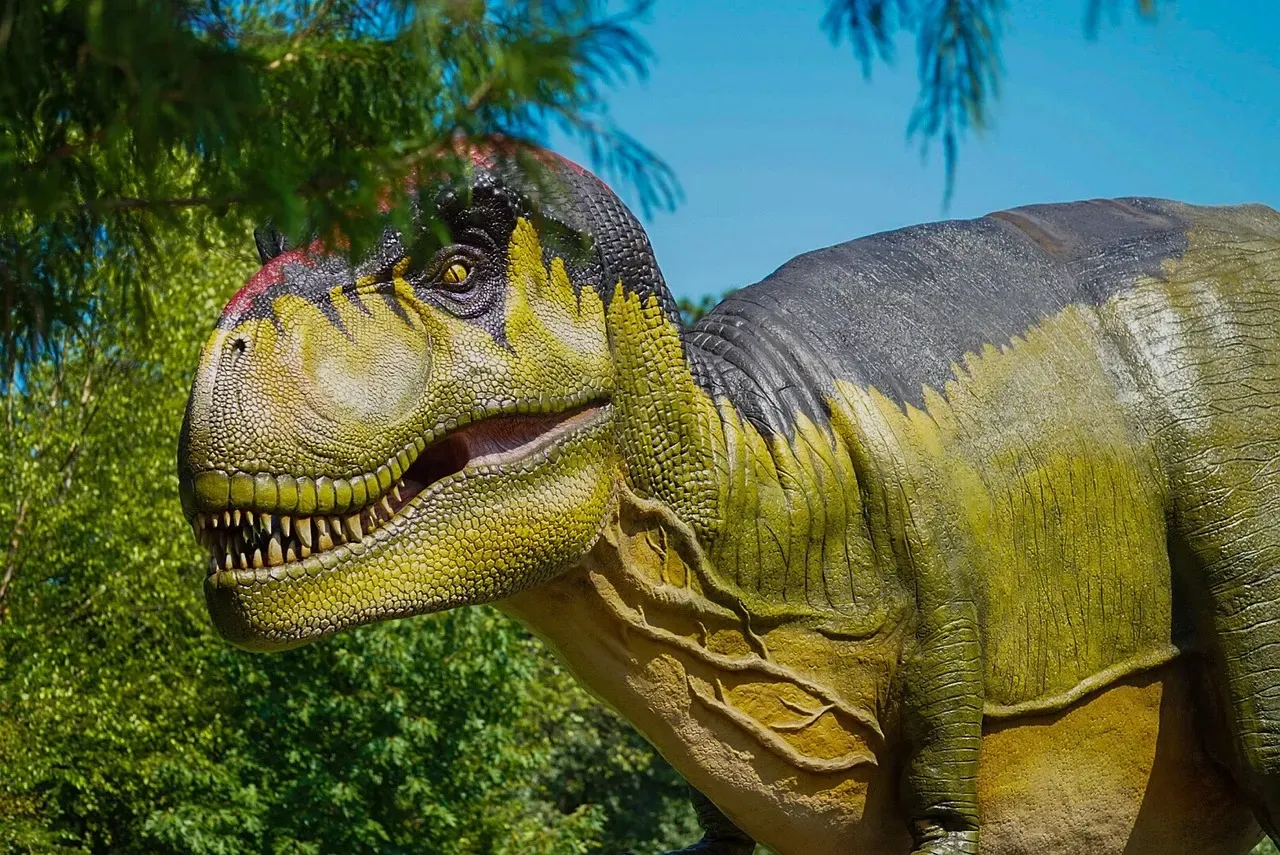
If you grew up with posters of a snarling T. rex plastered over your bedroom walls, get ready for an emotional whiplash. The classic image of the tyrant lizard king – jaws agape, teeth permanently hanging out like a crocodile with anger issues – is being quietly retired by many scientists. New research suggests T. rex probably had thin, scaly lips that covered its teeth when its mouth was closed, giving it a surprisingly “gummy” look instead of that skeletal grin.
For a lot of people online, that tiny strip of skin might as well be a full-blown personality transplant. Memes, rants, and dramatic “they ruined T. rex” posts have been everywhere since the 2023 Science paper arguing for lizard‑like lips on big meat‑eating dinosaurs. Underneath the jokes and outrage, though, is a fascinating story of how science actually works: slowly, cautiously, and often in ways that mess with our favorite movie monsters.
Wait, T. Rex With Lips? What Scientists Are Actually Saying
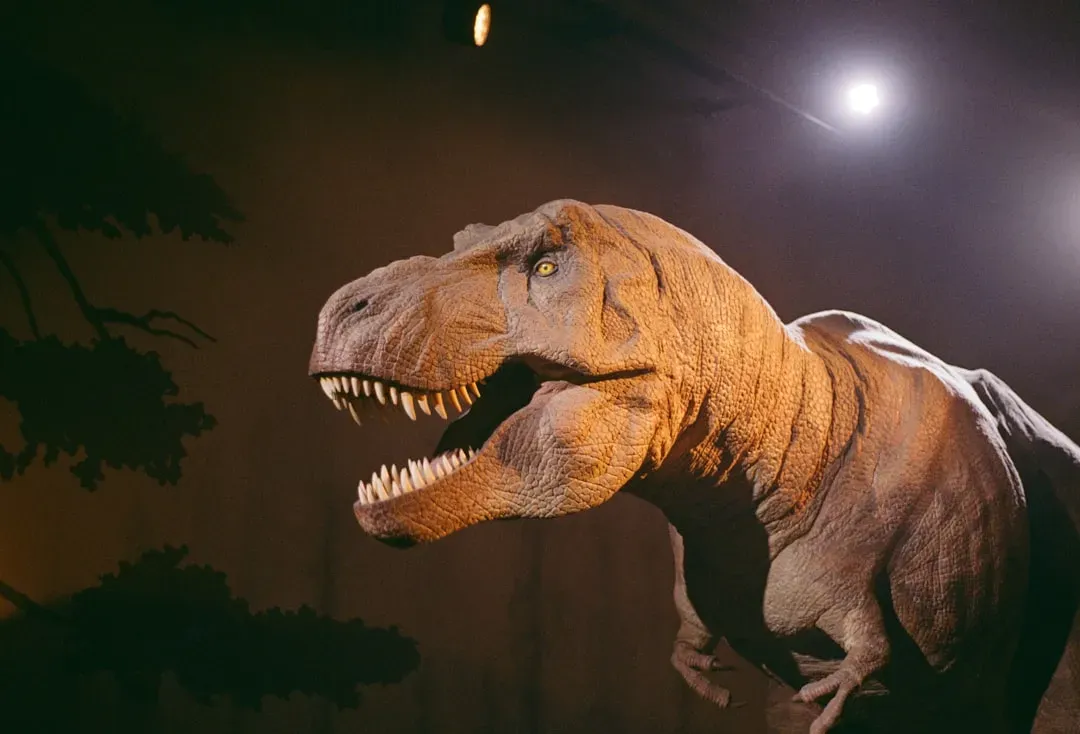
The “T. rex had lips” idea sounds ridiculous at first because we picture human lips: soft, fleshy, expressive, good for pouting in selfies. That is not what paleontologists are talking about. The research points to thin, scaly coverings more like those of modern lizards and many other reptiles, which simply close over the teeth and keep them protected when the mouth is shut. Think less lipstick, more scale‑covered gasket.
The key Science study from 2023 compared skulls, teeth, and facial anatomy of large theropod dinosaurs (like T. rex) with living reptiles, especially lizards and crocodilians. The authors argued that features such as the pattern of tiny holes in the skull (for nerves and blood vessels) and the way the teeth fit into the jaw make theropods look more like lizards with lips than crocodiles without them. They did not claim T. rex had big floppy mammal lips or a cartoon pout – just that its teeth were probably not hanging out in the breeze all day.
Teeth, Enamel, And Why Constantly Air‑Exposed Fangs Make No Sense
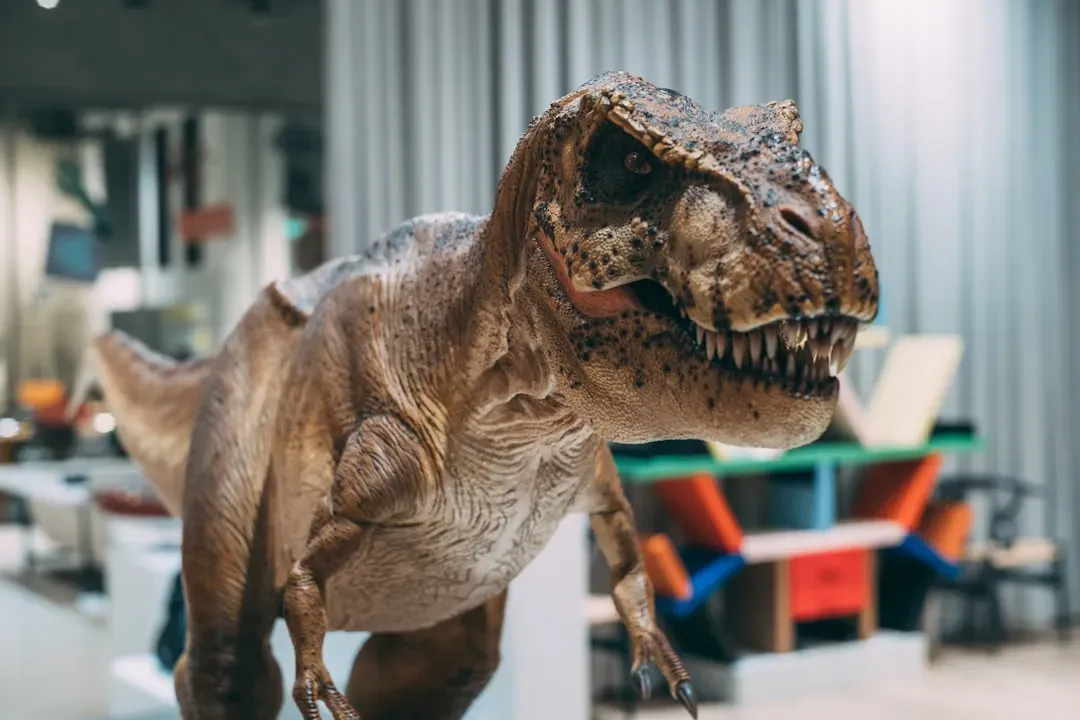
One of the strongest arguments for lips is painfully practical: tooth care. When researchers studied theropod teeth, including large tyrannosaur cousins, they found tooth enamel that looked surprisingly well preserved for something that supposedly sat exposed in dry air whenever the animal closed its mouth. In crocodiles, which really do have exposed teeth, enamel gets more worn and damaged because it is constantly drying out and getting hit by the environment.
Comparisons with monitor lizards and other “lipped” reptiles showed that even very big, blade‑like teeth can be fully covered when the mouth is closed. That means there is no simple size limit where teeth supposedly get “too big” for lips. In fact, the study argued that hiding the teeth behind a seal of scaly tissue would help protect them from wear, just like a sheath protects a knife blade. For an animal whose survival depended on powerful, reliable teeth, having a natural scabbard makes functional sense.
How Pop Culture Turned “Lipless T. Rex” Into the Only Acceptable Monster
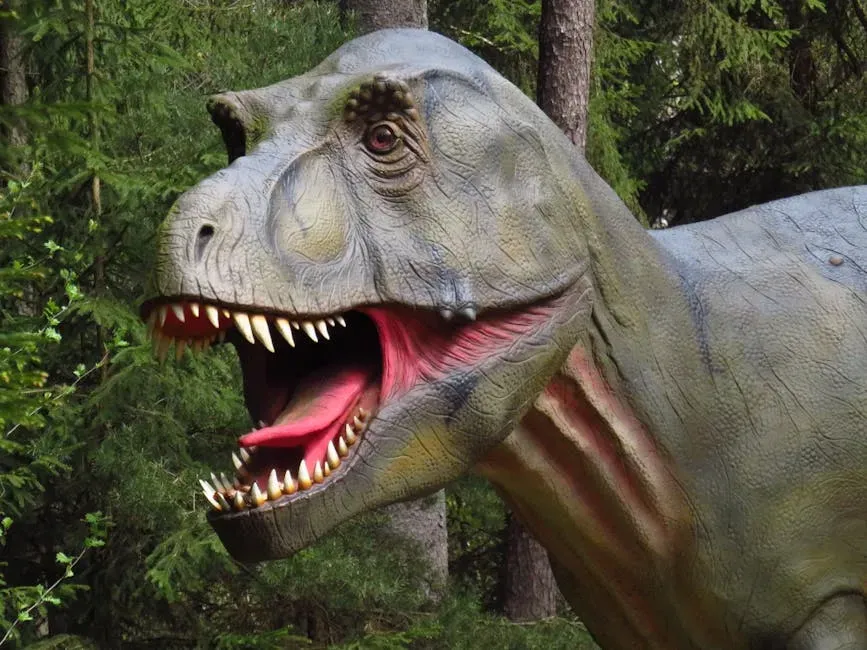
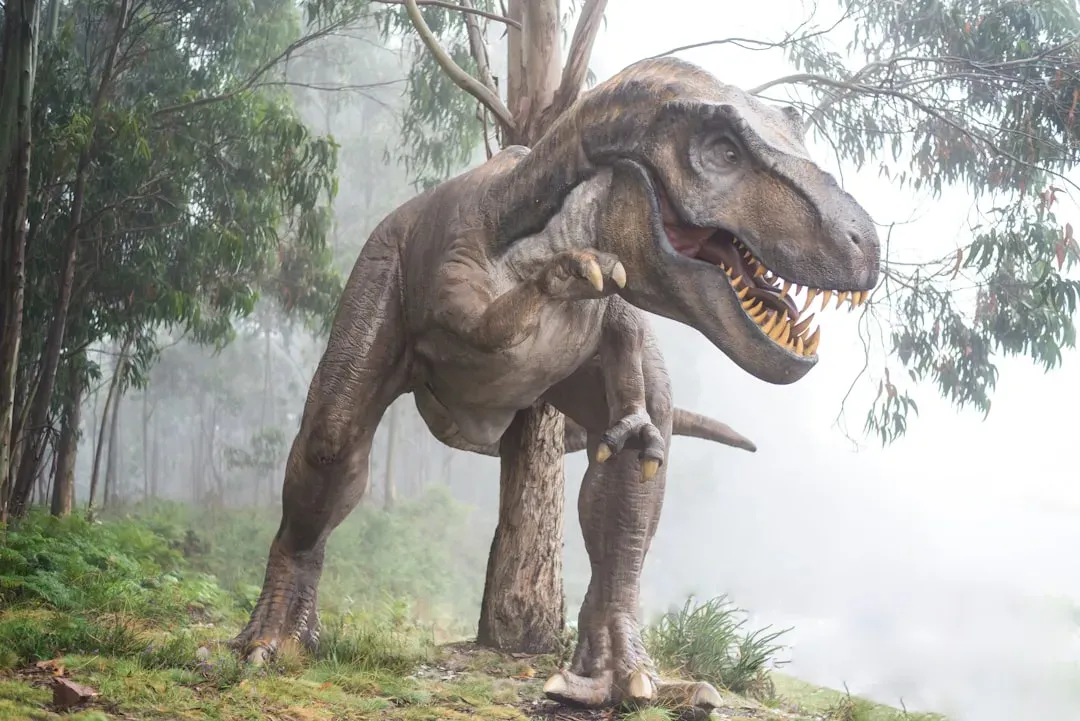
Scientifically, the lip idea is not brand‑new, but visually it lost the culture war for decades. Movies, toys, and museum models leaned hard into the bare‑toothed, crocodile‑style T. rex, especially after that now‑iconic 1993 blockbuster cemented the look in everyone’s brain. Directors and artists deliberately exaggerated the exposed teeth to make the animals scarier, and that design became the default “realistic” dinosaur for an entire generation.
Once that image sinks in from childhood – lunchboxes, Jurassic Park games, Halloween costumes – anything different feels wrong even if it is more accurate. This is where the internet meltdown really comes from: it is not just a detail about soft tissue, it is a tiny assault on nostalgia. People are not just defending a bone structure; they are defending the feeling of being ten years old, scared and thrilled by a roaring monster in the dark.
Inside the Lips Debate: Why Not Everyone Is Convinced
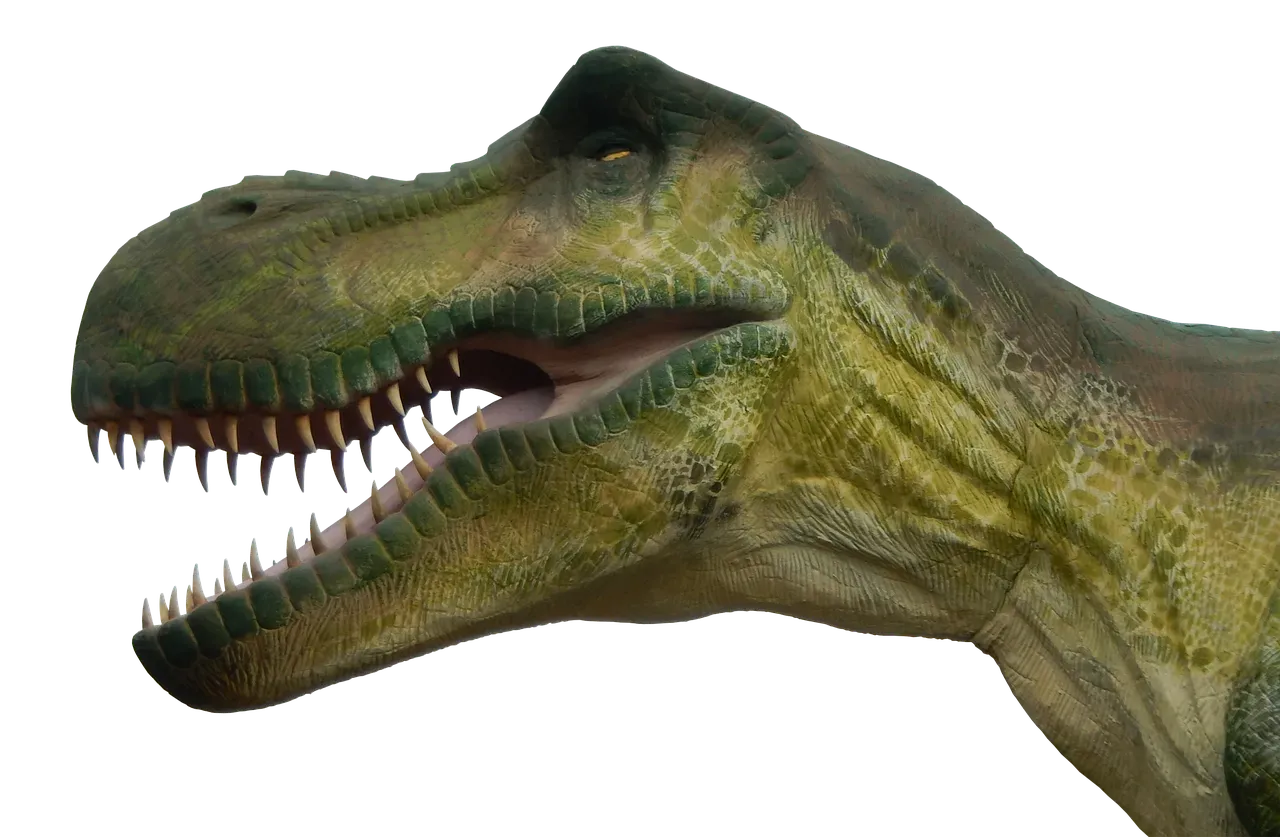
To be fair, not all paleontologists are fully on board with lipped tyrannosaurs. Earlier work in the late 2010s argued against lips based on certain skull surface textures that seemed more compatible with scaly skin tightly attached to bone, similar to crocodiles. Some experts have also questioned whether the gigantic teeth of T. rex would really fit comfortably behind lips without interfering with jaw mechanics or bite force.
This disagreement is not a scandal; it is how a young, data‑poor field like dinosaur soft‑tissue reconstruction naturally works. We cannot fossilize lips directly, so scientists are inferring them from modern analogs, bone surfaces, and tooth wear, and different teams weigh those clues differently. Personally, I think the lip side currently has the better stack of evidence, but the honest reality is that we are still dealing in probabilities, not courtroom‑style proof. Anyone shouting that this is “100 percent settled forever” is overselling it almost as badly as the people yelling that it is “obviously fake.”
Why the Internet Keeps Losing Its Mind Over Tiny Scientific Updates
The reaction to lipped T. rex says as much about us as it does about dinosaurs. Any time scientists tweak a familiar image – Pluto is not a planet, Neanderthals were not brainless brutes, T. rex might have had lips – people read it as a reversal rather than a refinement. Online, that turns into “they changed their minds again, science knows nothing,” which is wildly unfair and completely misses the point of how knowledge evolves.
What is really happening is that new data allow us to whiten in areas that used to be blurry pencil lines on the picture. Dinosaur reconstructions from the mid‑1900s already look laughable now; the ones we love today will probably seem equally quaint to people in 2126. It is strange how uncomfortable that idea makes people, but I actually find it reassuring. The willingness to update our mental T. rex – even if it means giving him reptilian chapstick – is a sign science is working, not failing.
Lips, Behavior, And What A “Gummy” T. Rex Means For Its Life
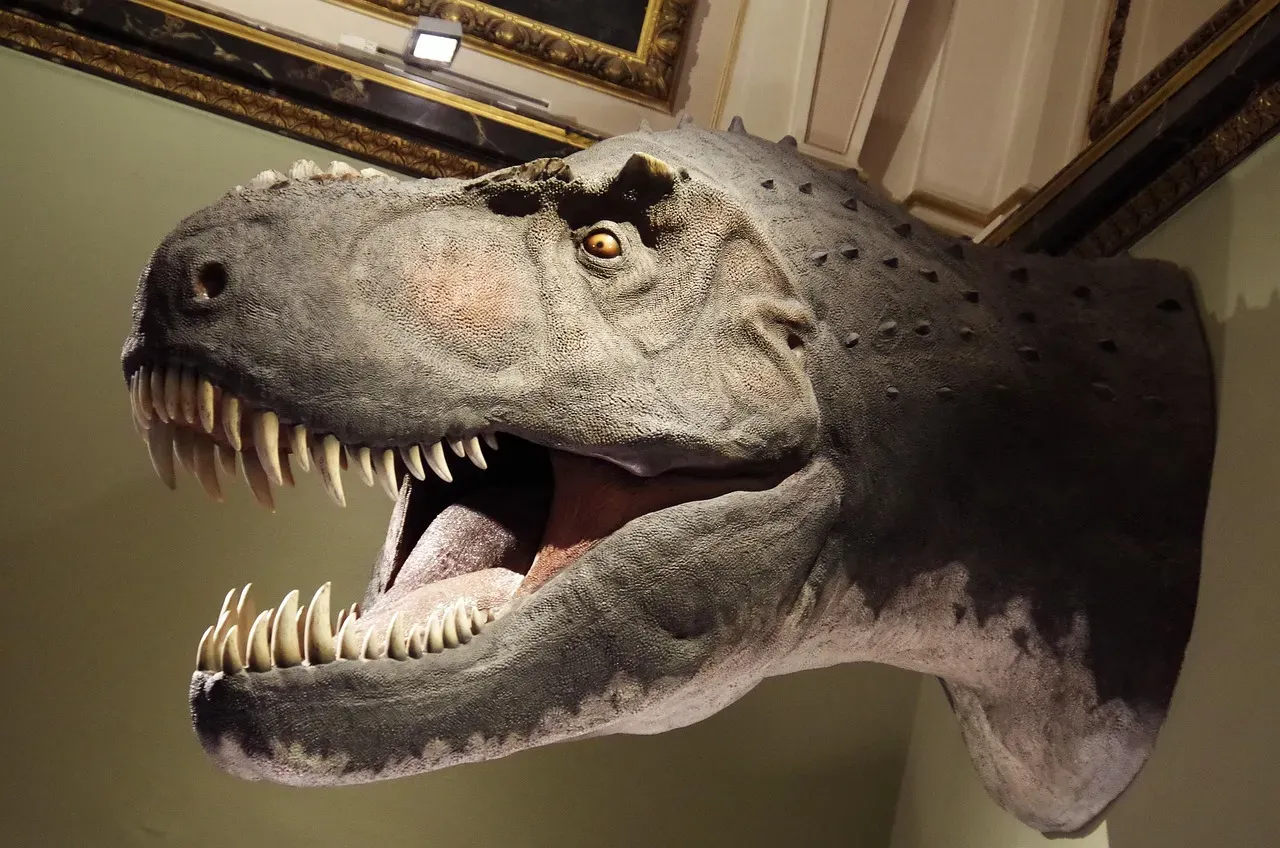
Of course, the big question everyone secretly cares about is: does a lipped T. rex look less terrifying? Honestly, maybe a little… until you remember it was still a multi‑ton apex predator with a bite force that could crush bone like dry pasta. Thin lips would not have made it any less lethal; they just would have made its teeth last longer and its mouth seal better, possibly aiding in moisture retention and maybe even in protecting soft tissues while it fed.
Some researchers have speculated that lips might also affect how we imagine facial expressions. A crocodile‑style exposed grin invites snarling movie shots; a lizard‑like lip line suggests a more neutral, resting‑lizard‑face even when the animal is at rest. That does not mean T. rex could frown or smile like a dog, but it probably could not pull that classic Hollywood snarl either. In a strange way, the lips make T. rex feel more like a real animal and less like a horror‑movie prop – still dangerous, just not custom‑designed for human nightmares.
Memes, Fan Art, And The Great “Soft Tissues vs. Cool Factor” Struggle
If you scroll through social media, you will see lipped T. rex treated like a personal insult to dinosaur fans: people calling it “duckface rex,” endless Photoshops with lipstick and lip gloss, and artists half‑joking that they refuse to draw the new version because it is “less metal.” At the same time, there is a growing wave of fan art trying to embrace the science and still make T. rex look powerful and awe‑inspiring, just with a different silhouette around the mouth.
I sympathize with both sides more than I expected. On one hand, I grew up on the toothy monster too, and there is a tiny pang of loss when that image gets nudged aside. On the other, science is not obliged to protect our favorite aesthetics. The most interesting work I see now is from paleoartists who treat accuracy as a creative challenge, not a creative cage. They are proving you can have lips, feathers, scars, and all kinds of weird soft tissues and still end up with a creature that looks like it could end you in one bite.
Why Getting T. Rex “Right” Actually Matters
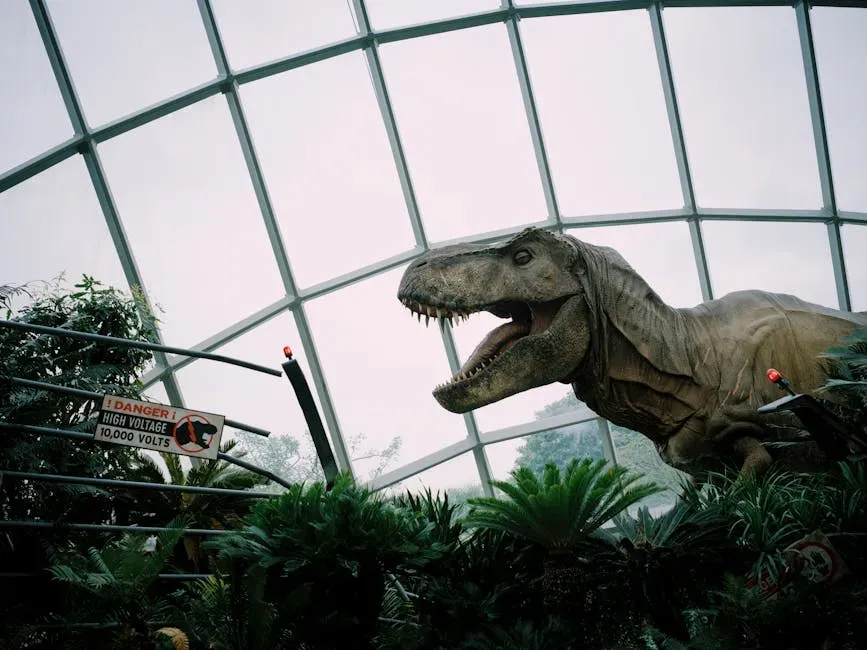
It is easy to shrug and say, who cares, it is just lips. But small corrections like this ripple outward. The more accurate our reconstructions become, the better we can reason about biomechanics, feeding styles, social behavior, and even how these animals evolved in their environments. If T. rex had lips similar to many lizards, for example, that strengthens the case for certain evolutionary paths and weakens others that leaned heavily on crocodiles as the main model.
There is also something quietly profound about insisting that even our monsters deserve honesty. Dinosaurs are often the gateway drug to science for kids, and the signal we send matters: do we cling to the coolest image, or do we keep updating the picture as the evidence shifts, even when it spoils the poster on the wall a little? I would argue that teaching people to be comfortable with a lipped T. rex is the same skill we need to accept new data about climate, health, technology – any topic where reality refuses to sit still for our favorite stories.
Conclusion: The Tyrant Lizard King Can Survive A Little Lip Service
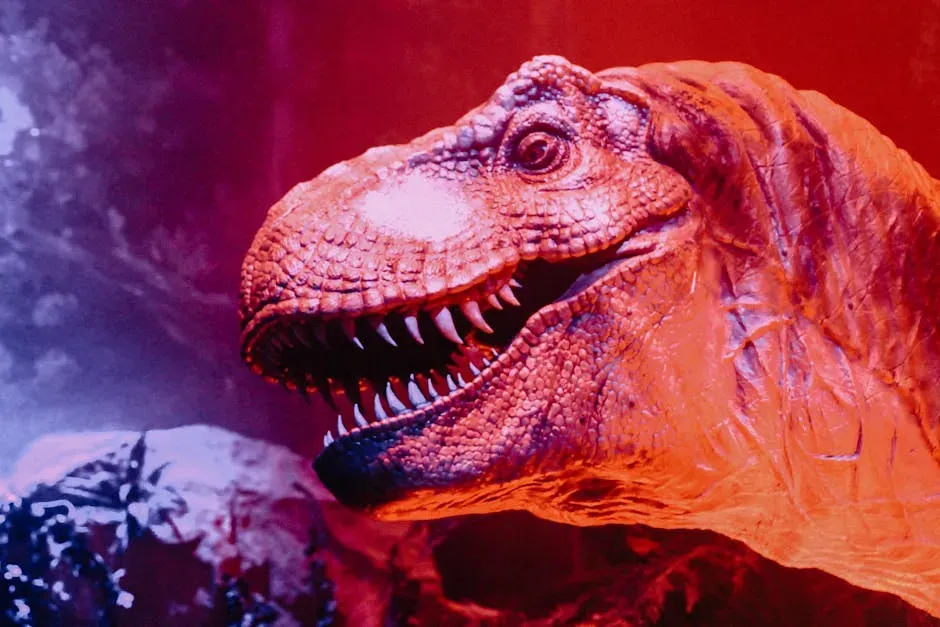
In my view, the uproar over T. rex lips is wildly overblown, but also completely understandable. We fell in love with a version of this animal that was built for cinema, not for anatomical rigor, and now the grown‑up truth is nudging in at the edges. The emerging evidence leans toward a T. rex with thin, scaly lips, and I think we should let that version into our imagination without sulking about how it “ruined” anything.
If anything, this update makes T. rex more interesting: not a skeleton in motion, but a living, breathing reptile with complex soft tissues we are only starting to glimpse. The internet may not be handling it well, but the science is doing exactly what it is supposed to do – refine, correct, and sometimes annoy people who prefer their monsters unchanged. The real question is not whether T. rex had lips; it is whether we can handle the idea that even our most iconic creatures are still works in progress in our minds. Did you really think science was done with the king of the dinosaurs?