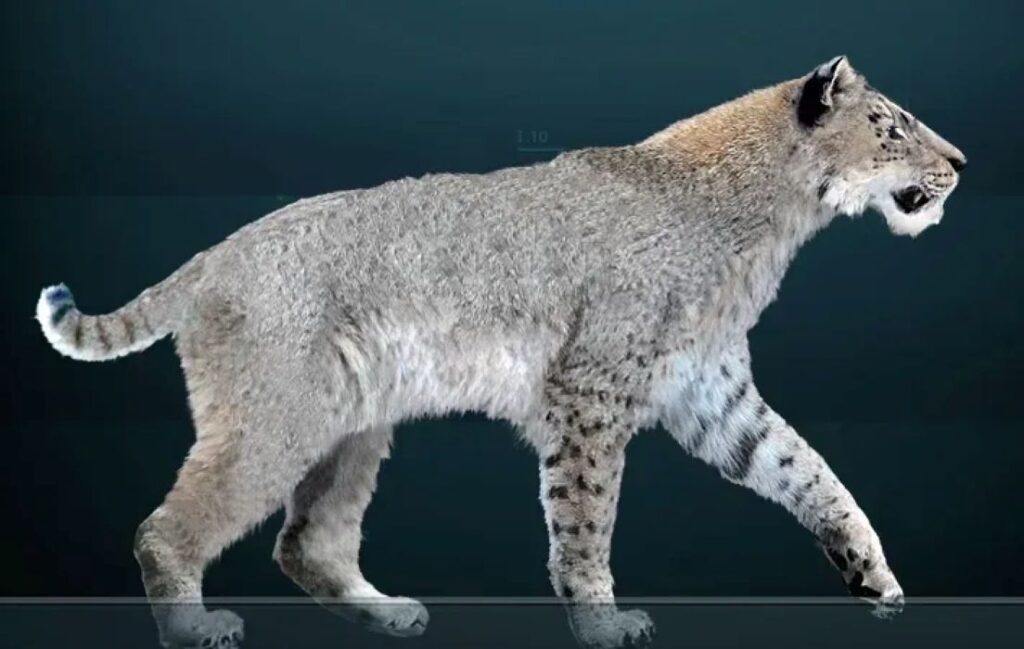
India – guardian of 70 percent of the world’s tigers alongside major shares of Asian elephants, rhinos, and lions – grapples with a deepening crisis where vanishing habitats eclipse poaching as the paramount threat to its biodiversity.
Deadly Conflicts Signal a Deeper Problem
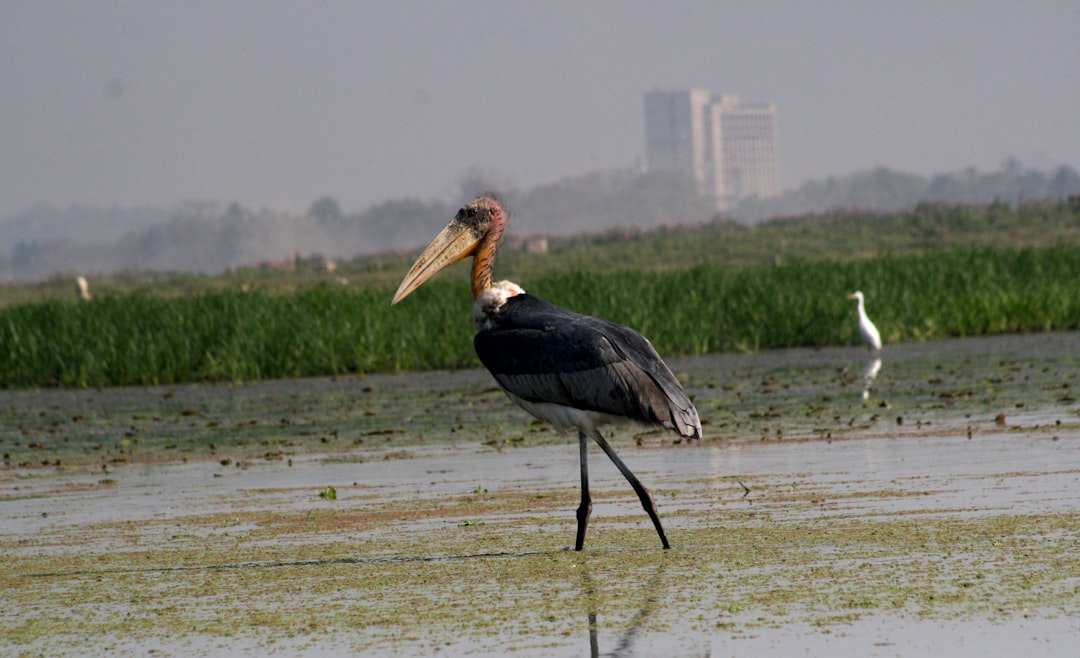
Deadly Conflicts Signal a Deeper Problem (Image Credits: Unsplash)
More than 500 people perish each year in India from encounters with large mammals, underscoring the strain on wildlife squeezed into shrinking domains.
This toll reflects a stark paradox. The country hosts 1.4 billion people, boasts the highest number living in extreme poverty under $100 monthly, and pursues 8 to 9 percent GDP growth. Conservation efforts persist strongly, yet forests dwindle under these competing demands.
Iconic species bear the brunt. India shelters 60 percent of Asian elephants, 85 percent of Asian rhinos, and 100 percent of Asiatic lions. These populations demand expansive, quality habitats now fragmented by human expansion.
Revivals That Inspire Action
Vulture populations in India plummeted by over 90 percent in some species, yet recovery programs have begun reversing the trend.
The mugger crocodile shifted from Endangered to Least Concern on the IUCN Red List within 50 years, thanks to dedicated protection. Manas National Park escaped UNESCO’s World Heritage in Danger list in 2011, after inscription in 1992.
These successes highlight effective interventions. Committed foresters, civil society, judiciary, and media have rallied to defend nature and amplify triumphs.
Fragmentation Fuels the Fire
Subsistence farming encroaches on forests, while roads and railways slice through landscapes. Large-scale land conversions for development further erode wild spaces.
Protected areas stand isolated without secure corridors, forcing animals like elephants into human zones. Exotic weeds invade, depleting palatable forage.
Human attitudes harden, with calls for captures that fail long-term as territories refill. Poverty and growth imperatives compound the pressure.
- Agricultural expansion into wild lands
- Linear infrastructure disrupting migrations
- Missing wildlife corridors
- Spread of invasive species
- Shifting tolerance to conflict
Strategies for Landscape Harmony
Securing corridors emerges as vital, linking reserves for safe passage. Holistic management spans protected zones, passages, and human areas, safeguarding natural bastions.
Nationwide campaigns must combat invasive weeds. Advanced tools like AI and synthetic biology aid species monitoring and revival.
Global precedents guide efforts. The scimitar-horned oryx returned from wild extinction in Africa. California’s condor repopulated skies after vanishing in the wild.
| Species | Status Shift |
|---|---|
| Mugger Crocodile | Endangered to Least Concern |
| Vultures (select species) | 90% decline to recovery |
| Manas National Park | Danger list to delisted |
Rarer Indian species like the caracal and Great Indian Bustard could follow tiger recovery models.
Key Takeaways
- Prioritize corridors and holistic landscapes to curb conflicts.
- Leverage technology for invasive control and species intervention.
- Build on successes to save edge species before they vanish.
Vivek Menon, founder of Wildlife Trust of India and newly elected as the first Asian Chair of the IUCN Species Survival Commission, remains cautiously optimistic. Strong laws and united voices offer hope amid global biodiversity neglect. As species like the northern white rhino teeter – with only two females left – persistence defines the path forward. “All we can do is to try, try and try again,” Menon writes in The Week.
India’s wildlife hangs in the balance of bold habitat strategies. What steps should prioritize next? Share your views in the comments.