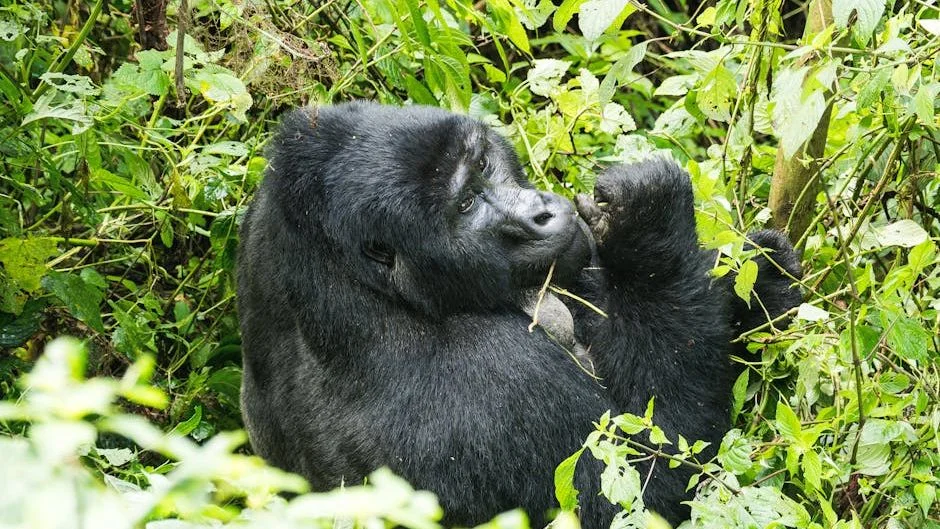
In the mist-shrouded peaks of the Greater Virunga Landscape, spanning Rwanda, Uganda, and the Democratic Republic of Congo, a rare conservation success story unfolds. The mountain gorilla population has surged 73% since 1989, shifting the subspecies from critically endangered to endangered status. Yet with only about 1,063 individuals remaining, these majestic primates face relentless dangers from human encroachment and violence in one of the world’s most volatile regions.
A Population on the Rise Amid Dire Odds
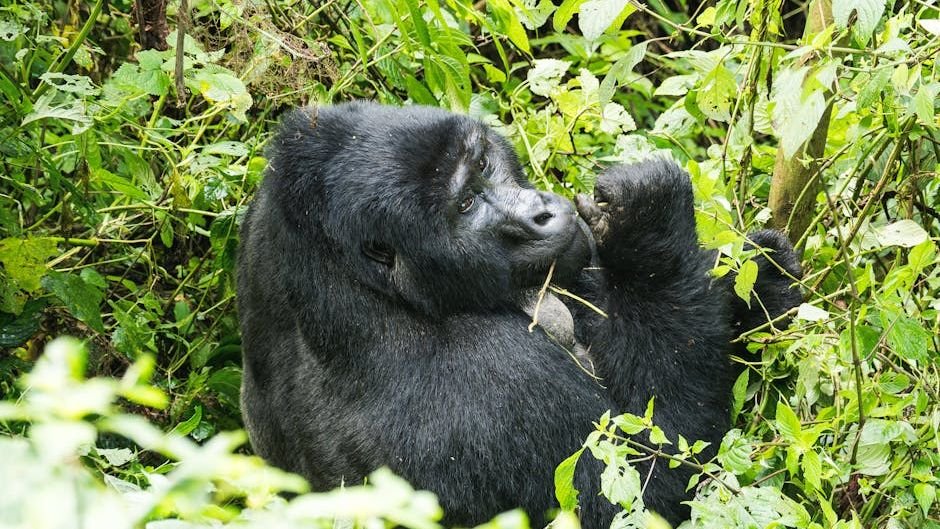
A Population on the Rise Amid Dire Odds (Image Credits: Pexels)
Conservationists marked a pivotal milestone when the mountain gorilla, or Gorilla beringei beringei, earned its upgraded status. This rebound reflects decades of persistent efforts in a landscape scarred by conflict. Rangers and local communities have navigated extraordinary hurdles to protect these animals, whose numbers once teetered perilously close to oblivion.
The achievement stands out because the gorillas inhabit such a confined area. High-altitude forests from 2,400 to 4,000 meters provide their sole refuge, yet these elevations offer little natural barrier against threats. The recovery signals that targeted interventions can yield results even in the toughest environments.
Persistent Threats in a War-Ravaged Habitat
Armed conflicts have long plagued the Virunga region, complicating protection efforts. Rebel groups and instability displace communities and enable poaching networks to thrive. Rangers patrol amid these risks, confronting snares meant for other animals that ensnare gorillas by mistake.
Direct hunting targets the apes for bushmeat and body parts, while demand for infants in tourist attractions fuels infant trafficking. Habitat loss compounds the crisis as expanding agriculture and logging fragment their steep valley homes. These pressures persist despite the population gains, underscoring the fragility of progress.
The Rise of SMART: Tech Tailored for the Wild
Rangers now rely on the Spatial Monitoring and Reporting Tool, or SMART, a versatile cellphone platform transforming patrols. Adapted specifically for mountain gorillas and the Virunga terrain, it integrates protected area boundaries, wildlife corridors, and routine patrol paths. The software generates real-time maps, supports navigation through rugged gorges, and captures photos alongside field data.
Data flows into organized analyses that reveal patterns in threats and animal movements. Teams customize the tool to match local needs, making it indispensable for vast, challenging landscapes. This technology empowers rangers with actionable insights previously out of reach.
From Data to Action: Prosecuting Poachers and Saving Lives
SMART’s outputs serve as courtroom evidence, strengthening cases against offenders. Detailed records of incursions and captures bolster prosecutions that deter future crimes. Authorities deploy personnel more effectively, concentrating efforts where risks peak.
By highlighting hotspots for snares or incursions, the platform prevents incidents before they escalate. Rangers report quicker responses and better resource allocation, which directly safeguards gorilla families. These gains illustrate how digital tools bridge gaps in understaffed operations.
- Population at 1,063, up 73% since 1989.
- Reclassified from critically endangered to endangered.
- SMART enables maps, data analysis, and prosecutions.
- Virunga remains volatile with poaching and habitat threats.
Toward a Stable Future for the Silverbacks
While challenges endure, the integration of SMART marks a scalable model for other imperiled species. Broader efforts, including community involvement and anti-poaching patrols, sustain the momentum. The gorillas’ story offers guarded optimism: technology, paired with resolve, can secure wild places against overwhelming odds.
Protectors in the Virungas continue their watch, adapting tools like SMART to evolving threats. This blend of innovation and grit keeps the subspecies on a path toward stability, a testament to human capacity for stewardship in conflict’s shadow.