Sri Lanka – Dragon lizards of the Agamidae family, prized for their unique adaptations and striking appearances, endure mounting pressures from human activities and environmental shifts on this biodiversity hotspot island.
Nearly 90 Percent Unique to the Island
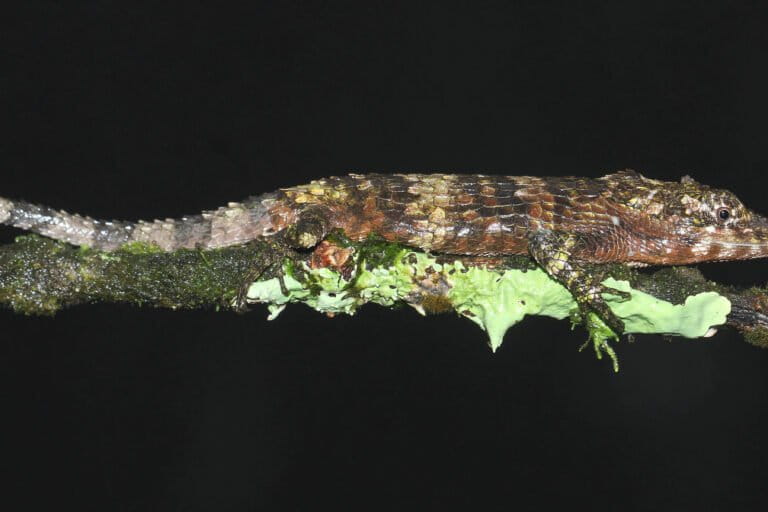
Nearly 90 Percent Unique to the Island (Image Credits: Imgs.mongabay.com)
Sri Lanka sustains 22 agamid lizard species, 19 of which exist only within its borders. This extraordinary endemism underscores the nation’s role as a global reptile diversity center, where over two-thirds of reptiles prove unique.
These lizards inhabit diverse ecosystems, from southwestern wet zone rainforests to central highlands reaching 2,000 meters, including Sinharaja and Knuckles ranges. Species cluster into six genera, with Calotes dominating at nine varieties. Ceratophora follows with six, while others like Cophotis and Otocryptis contribute rarer forms. Many qualify as microendemics, confined to tiny locales vulnerable to disturbance.
Conservation assessments label 72.7 percent as threatened on the IUCN Red List, including five critically endangered and five endangered per national evaluations. Their ecological roles proved vital: they regulated insect populations and served as prey for birds and mammals.
Habitat Loss Drives Population Declines
Deforestation accelerated the erosion of forest homes essential for these arboreal reptiles. Agricultural expansion, logging, and urbanization fragmented landscapes, isolating populations. Wet zone forests, prime habitats for endemics, shrank amid land-use changes.
Studies highlighted priority conservation zones outside protected areas, where species distribution models revealed hotspots at risk. Such fragmentation hampered dispersal, heightening extinction risks for range-restricted species. Pesticides and pollution compounded stresses on remaining patches.
| Primary Threats | Impacts on Agamids |
|---|---|
| Deforestation and agriculture | Loss of arboreal habitats, fragmentation |
| Pollution and pesticides | Direct toxicity, prey decline |
| Invasive species | Competition and predation |
Illegal Pet Trade Emerges as Major Peril
Smugglers targeted colorful endemics for exotic pet markets, particularly in Europe. Recent investigations exposed a surge in trafficking, despite national protections for all species. CITES documents assessed trade volumes, noting poaching in protected sites like Sinharaja.
Authorities cracked down in some instances, but demand persisted. Experts warned that collection depleted wild stocks, especially microendemics. National laws shielded species, yet enforcement lagged against international routes.
Climate Change Intensifies Vulnerabilities
Shifting temperatures and rainfall patterns altered suitable climates for agamids. Projections indicated habitat contraction by 2060 under various scenarios, with limited dispersal trapping populations.
Highland species faced upslope migrations blocked by elevation limits. Combined with habitat loss, these changes threatened evolutionary distinct lineages. Researchers urged expanded protected networks to buffer impacts.
Key Takeaways
- Sri Lanka harbors 22 agamid species, 19 endemic and over 70 percent threatened.
- Habitat destruction remains the top threat, followed by pet trade and climate shifts.
- Priority actions include bolstering protections outside reserves and curbing illegal exports.
Preserving Sri Lanka’s agamid lizards demands urgent habitat safeguards and trade crackdowns to avert irreversible losses. Stronger international cooperation could stem the pet trade tide. What steps should prioritize to save these island treasures? Tell us in the comments.