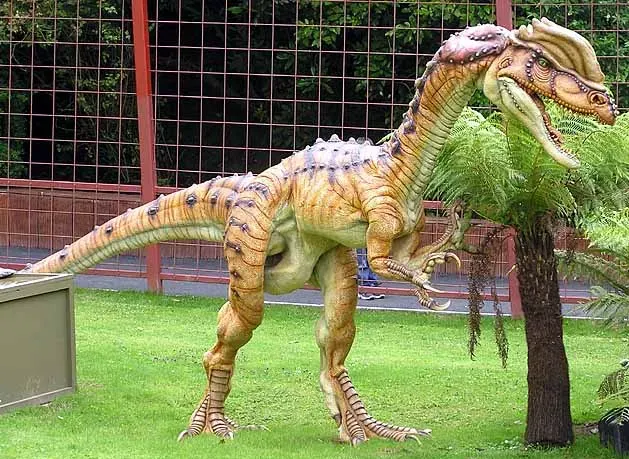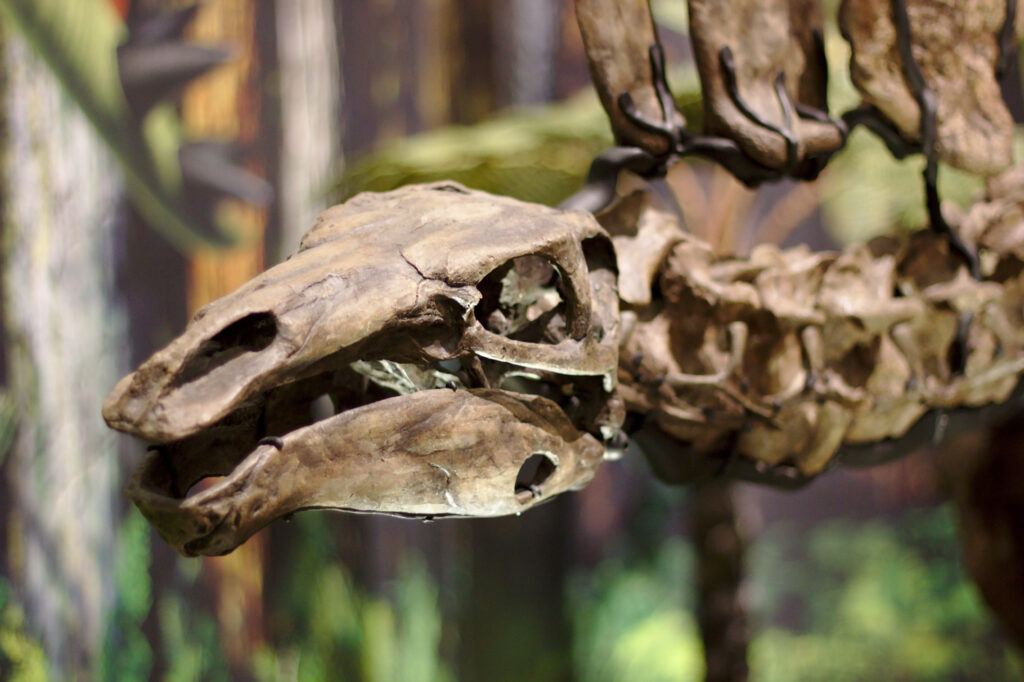
In the heart of Pittsburgh, where steel mills once roared and industrial giants shaped America’s backbone, an entirely different kind of giant holds court. The Carnegie Museum of Natural History stands as a testament to ancient power, housing some of the most spectacular dinosaur fossils ever discovered. But this isn’t just any collection gathering dust behind glass cases – it’s a living laboratory where the past comes alive through cutting-edge science and passionate dedication.
The Titan That Started It All
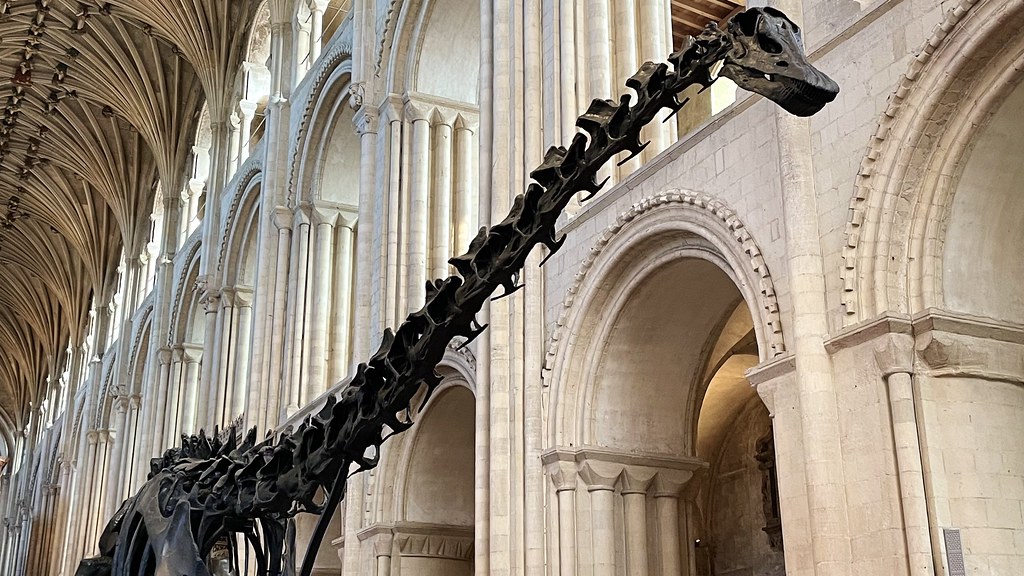
Picture this: a creature so massive that its thigh bone alone stands taller than most humans. Diplodocus carnegii wasn’t just the first major dinosaur discovery that put Carnegie Museum on the paleontological map – it became the museum’s calling card to the world. When Andrew Carnegie funded the expedition that unearthed this gentle giant in 1899, he couldn’t have imagined the scientific revolution he was about to unleash. The discovery of this 84-foot-long sauropod sent shockwaves through the scientific community and established Pittsburgh as an unlikely epicenter of dinosaur research. Today, visitors can walk beneath the towering skeleton and feel dwarfed by the sheer magnitude of prehistoric life.
Digging Deep: The Museum’s Legendary Expeditions
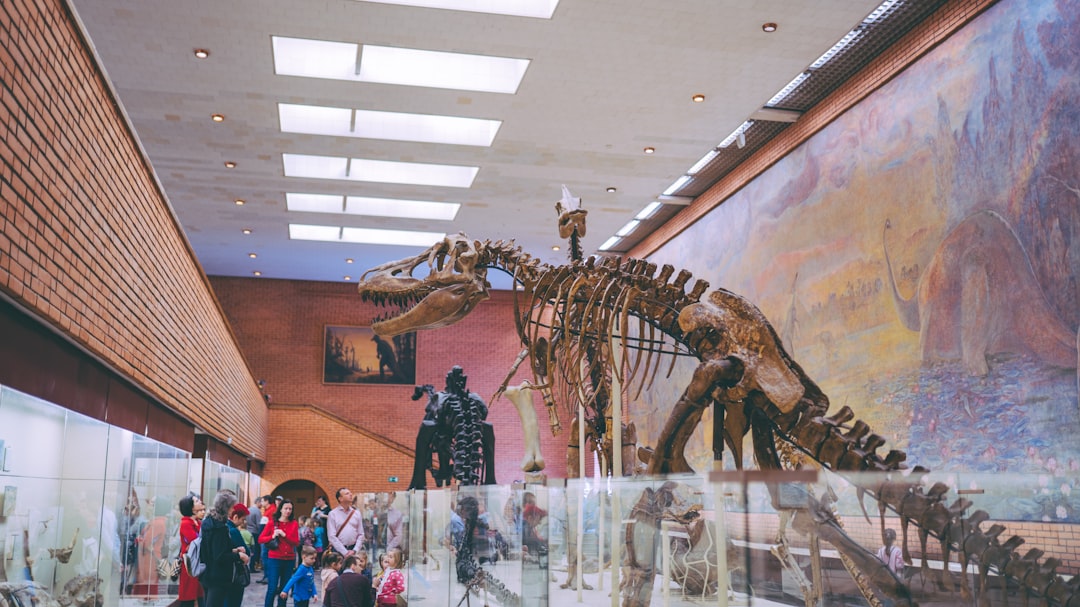
Long before Indiana Jones made paleontology look glamorous, Carnegie Museum’s fossil hunters were braving harsh conditions in the American West to uncover treasures buried for millions of years. The museum’s expeditions to places like Dinosaur National Monument and the Morrison Formation became the stuff of legend, with teams enduring scorching heat, sudden storms, and rattlesnake encounters. Earl Douglass, one of the museum’s most celebrated paleontologists, spent years chiseling fossils from solid rock with tools that would seem primitive by today’s standards. These expeditions weren’t just about collecting specimens – they were about writing the story of life on Earth, one fossil at a time. The dedication of these early explorers laid the foundation for what would become one of the world’s most comprehensive dinosaur collections.
Where Science Meets Spectacle
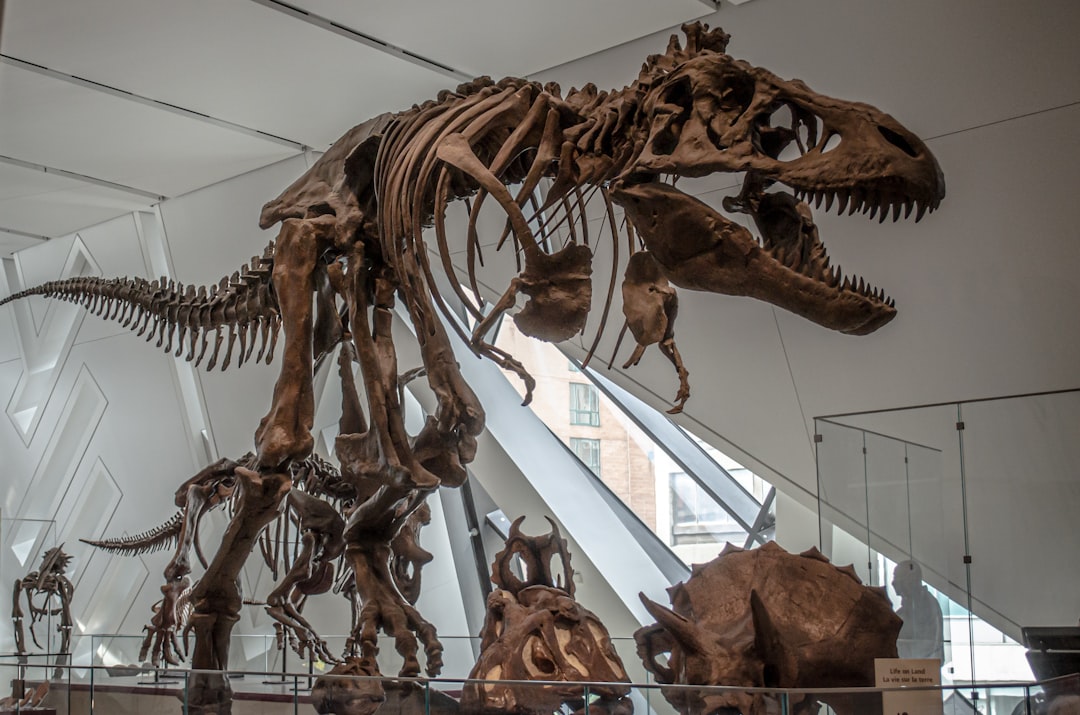
Walking into the Carnegie Museum’s dinosaur hall feels like stepping into a prehistoric cathedral, where towering skeletons cast dramatic shadows across polished floors. But beneath the awe-inspiring displays lies serious scientific work that continues to reshape our understanding of these ancient creatures. The museum’s approach to exhibition design balances educational value with pure wonder, creating spaces where a five-year-old can be amazed while a graduate student discovers new research insights. Interactive displays allow visitors to feel the texture of fossilized skin, compare their stride to that of a Tyrannosaurus rex, and understand the painstaking process of fossil preparation. This seamless blend of entertainment and education has made the Carnegie Museum a model for natural history institutions worldwide.
The Tyrant King’s Pittsburgh Home
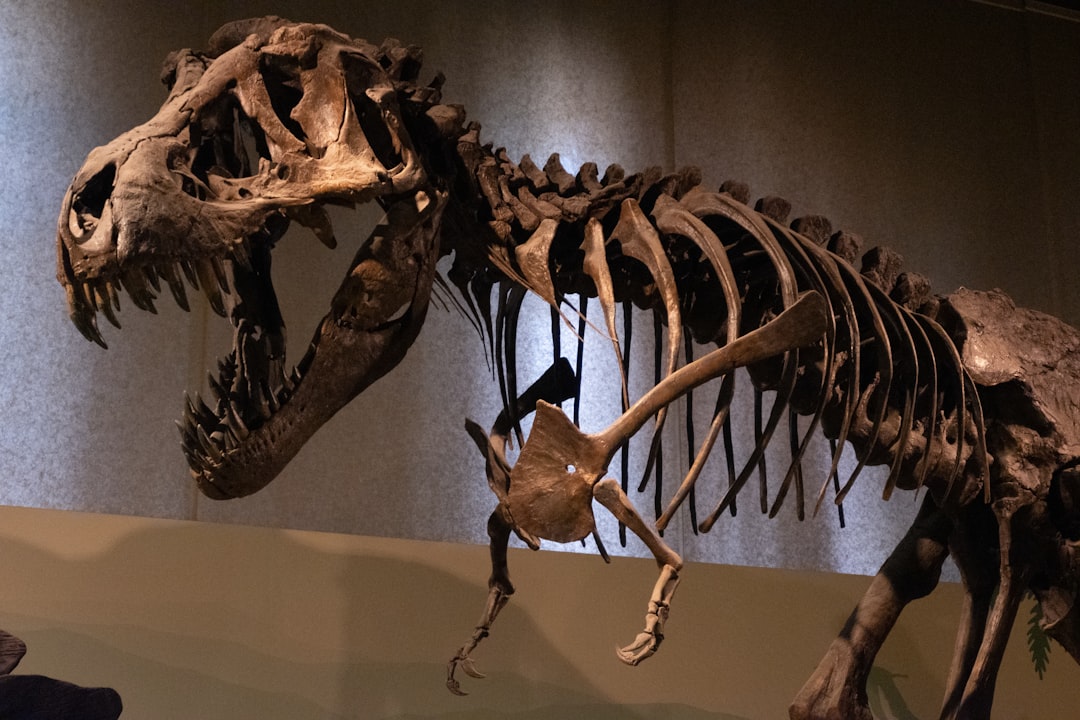
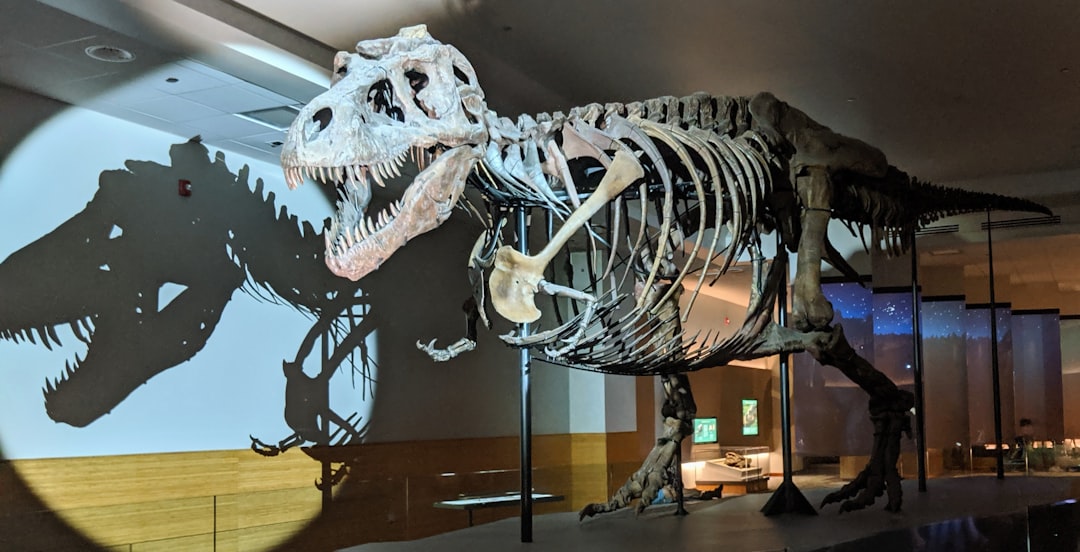
Standing face-to-face with a Tyrannosaurus rex skeleton is an experience that stops visitors in their tracks, and Carnegie Museum’s specimen delivers that primal thrill in spades. This isn’t just any T. rex – it’s a nearly complete skeleton that tells the story of one of history’s most fearsome predators with unprecedented detail. The museum’s T. rex stands 12 feet tall at the hips and stretches 40 feet from snout to tail, its massive skull filled with teeth the size of bananas. What makes this specimen particularly special is the evidence of healed injuries visible in the bones, telling a story of survival and struggle in the Cretaceous period. Researchers continue to study this specimen, using advanced imaging techniques to uncover secrets about T. rex biology and behavior that weren’t visible to earlier generations of scientists.
Ancient Ecosystems Brought to Life
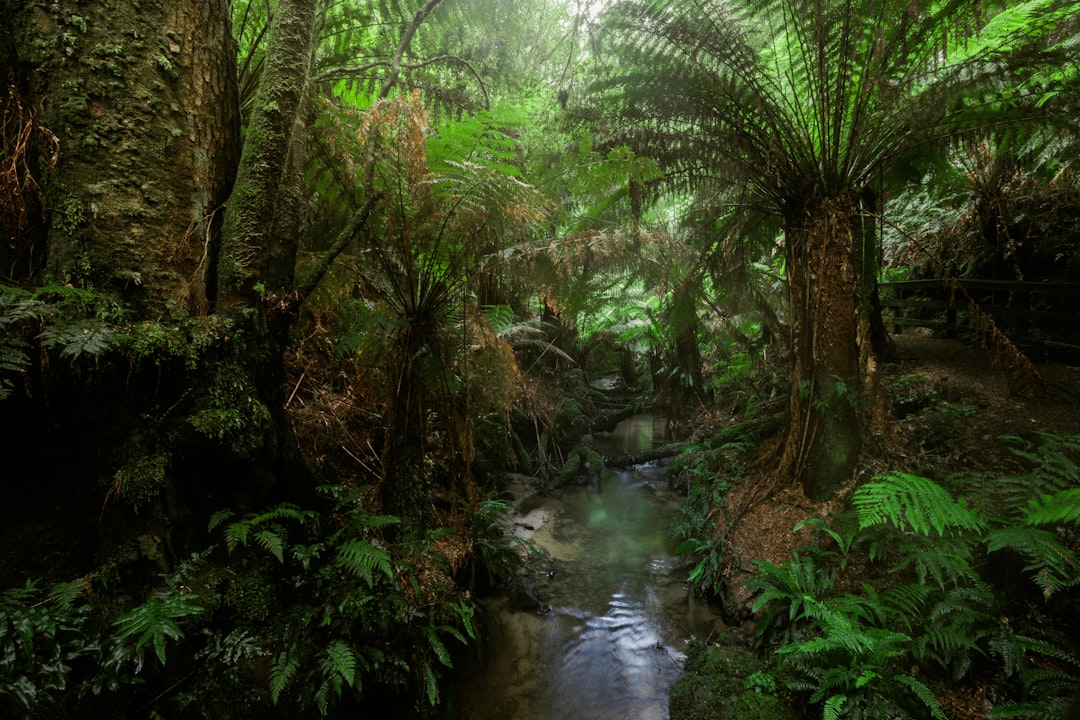
The Carnegie Museum doesn’t just display individual dinosaurs – it recreates entire prehistoric worlds that help visitors understand how these creatures lived, hunted, and died. The museum’s ecosystem approach shows how Jurassic forests teemed with life, from massive sauropods browsing treetops to small mammals scurrying underfoot. Detailed dioramas recreate ancient landscapes with stunning accuracy, incorporating the latest research about prehistoric climates, vegetation, and animal behavior. These displays reveal fascinating relationships between species, showing how predators and prey evolved together in an endless evolutionary arms race. The museum’s paleobotanists work alongside dinosaur experts to ensure these ancient environments are as scientifically accurate as possible, creating windows into worlds that vanished 65 million years ago.
Behind the Scenes: Where Fossils Come to Life
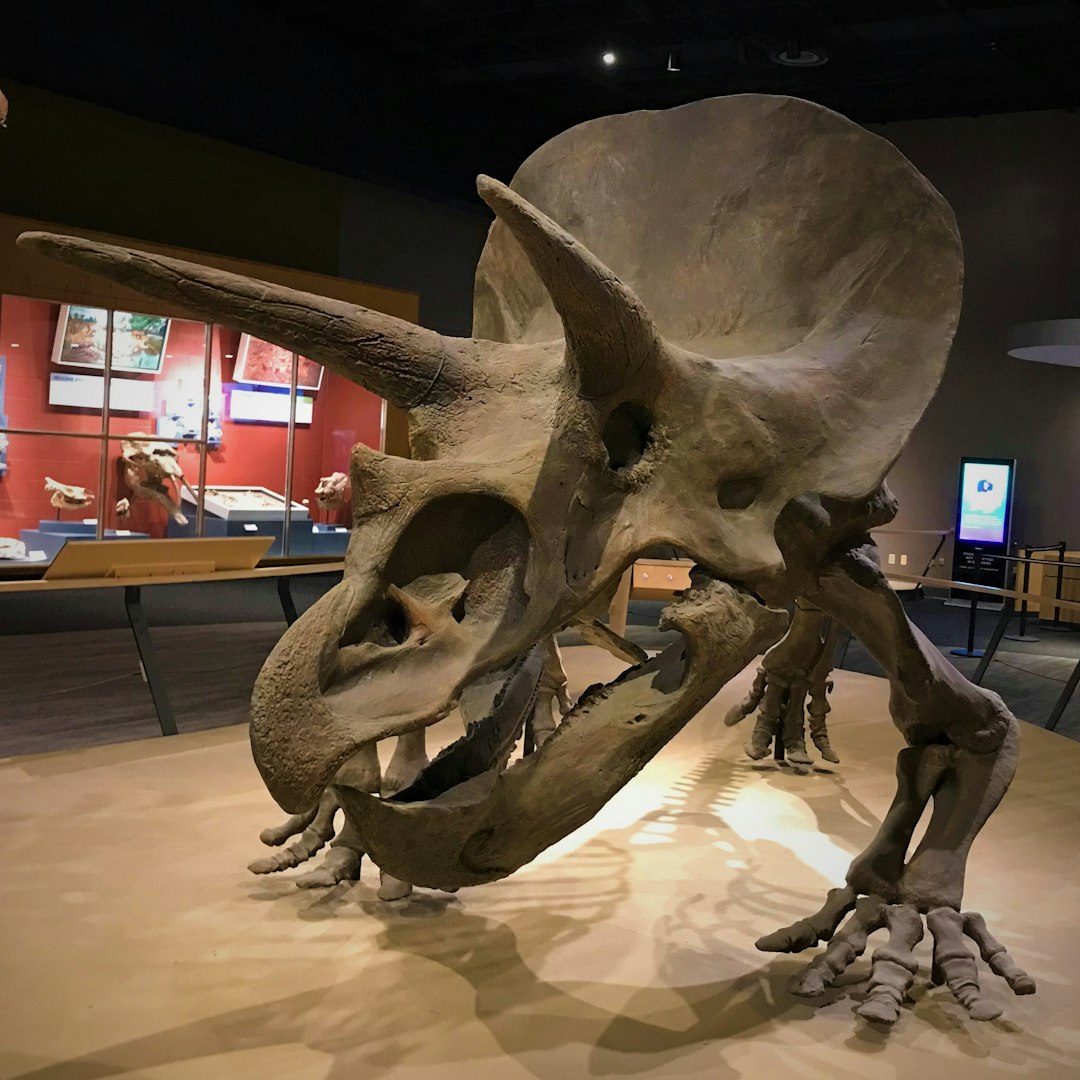
Most visitors never see the most important work happening at Carnegie Museum – the painstaking process of fossil preparation that takes place in laboratories hidden from public view. In these quiet spaces, skilled preparators spend months or even years carefully removing rock from ancient bones using everything from dental picks to powerful microscopes. The museum’s prep lab is where chunks of rock become recognizable dinosaur bones, and where fragmentary remains are reconstructed into complete skeletons. This work requires the patience of a monk and the precision of a surgeon, as a single slip could destroy millions of years of natural history. Visitors who take behind-the-scenes tours often describe the prep lab as the museum’s best-kept secret, where they can watch fossils literally emerge from stone.
Revolutionary Research Changing Everything
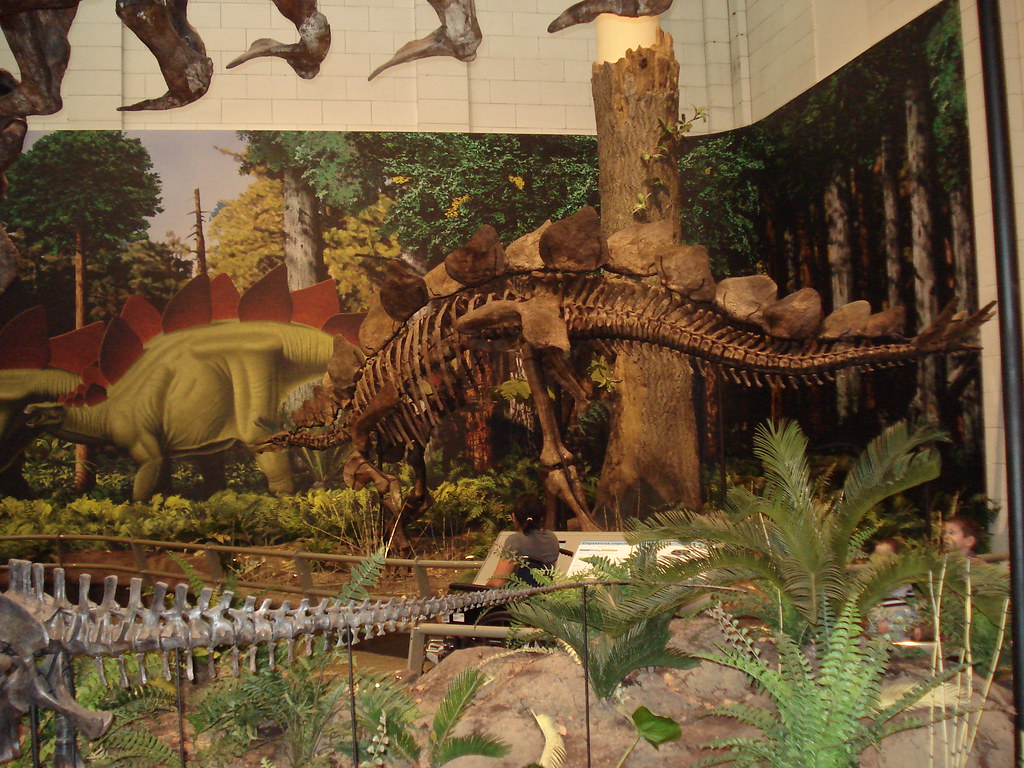
The Carnegie Museum isn’t content to simply display fossils – its researchers are actively rewriting the dinosaur story using cutting-edge technology that would have seemed like science fiction just decades ago. CT scanning allows scientists to peer inside fossilized skulls without damaging them, revealing brain structure and sinus cavities that provide clues about dinosaur intelligence and behavior. Advanced chemical analysis of bone tissue has revealed that some dinosaurs were warm-blooded, overturning decades of scientific assumptions about these ancient creatures. The museum’s paleontologists collaborate with institutions worldwide, sharing data and specimens that contribute to breakthrough discoveries about dinosaur evolution, extinction, and their relationship to modern birds. This ongoing research ensures that the museum’s displays remain current with the latest scientific understanding, making each visit a chance to learn something new.
The Bone Wars Legacy
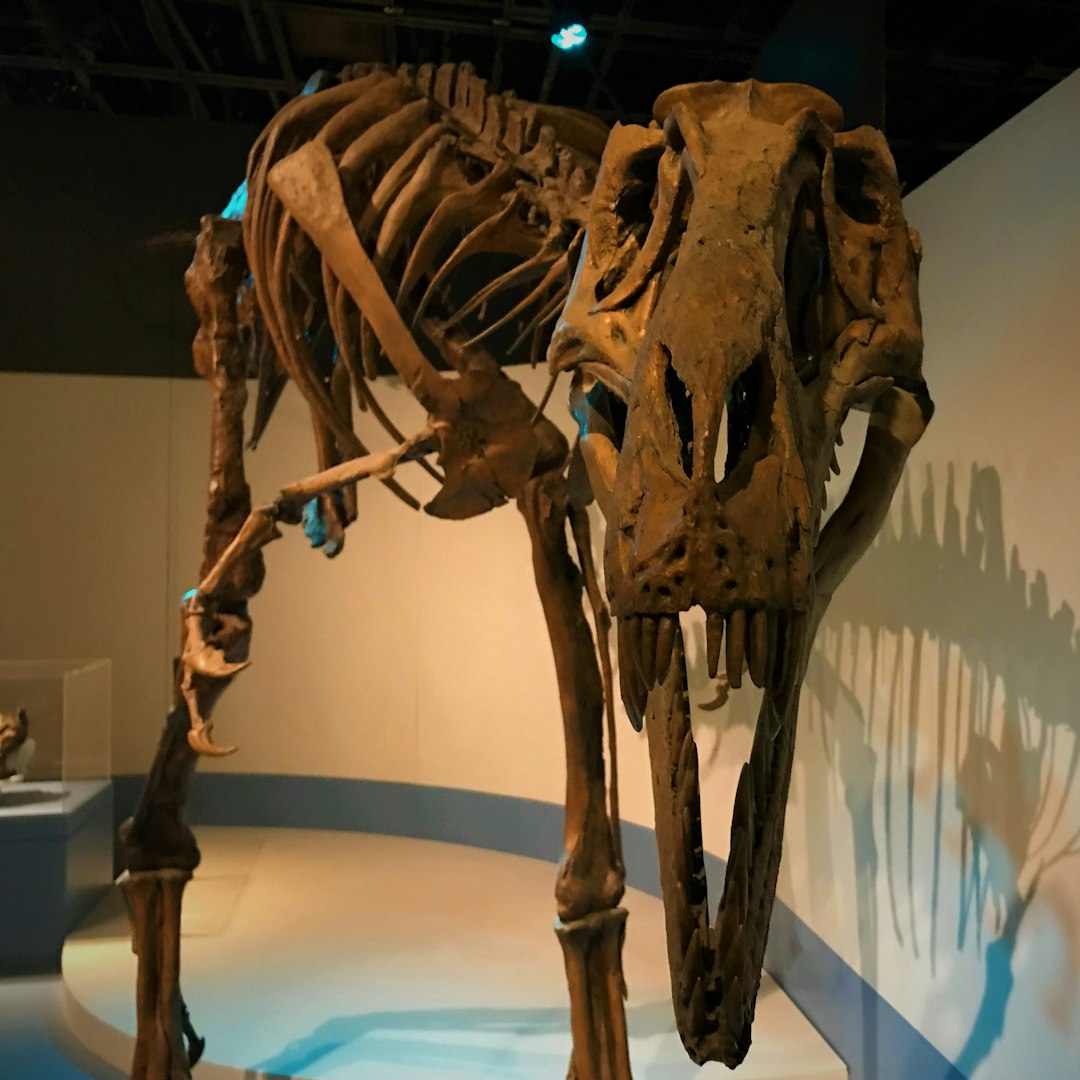
The Carnegie Museum’s dinosaur collection bears the scars and triumphs of paleontology’s most colorful chapter – the legendary Bone Wars of the late 19th century. During this period of fierce competition between rival paleontologists, Carnegie’s well-funded expeditions gave the museum a significant advantage in the race to discover new species. The museum’s collectors often found themselves in direct competition with teams from other institutions, leading to dramatic confrontations in the fossil fields of the American West. These expeditions sometimes resembled military operations more than scientific ventures, with armed guards protecting dig sites and rival teams attempting to sabotage each other’s work. While the Bone Wars eventually ended, they left Carnegie Museum with an incredible collection of specimens and established the institution’s reputation as a serious player in paleontological research.
From Dusty Bones to Digital Wonders
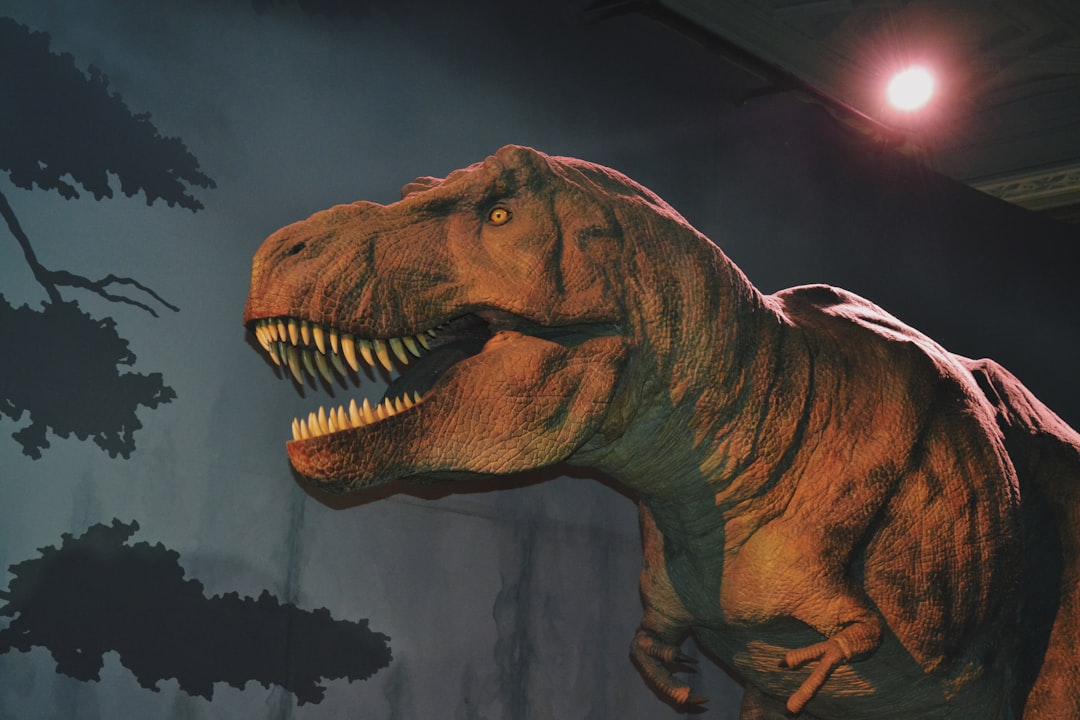
The digital revolution has transformed how Carnegie Museum shares its dinosaur treasures with the world, making prehistoric giants accessible to millions who may never visit Pittsburgh in person. High-resolution 3D scanning allows researchers to create perfect digital copies of fossils, enabling collaborative research with scientists around the globe. Virtual reality experiences let visitors walk among living dinosaurs in their natural habitats, bringing these ancient creatures to life in ways that static displays never could. The museum’s online databases contain detailed information about thousands of specimens, making Carnegie’s collection a valuable resource for researchers and educators worldwide. These digital initiatives ensure that the museum’s dinosaur legacy continues to inspire and educate future generations, regardless of geographic boundaries.
The Feathered Revolution
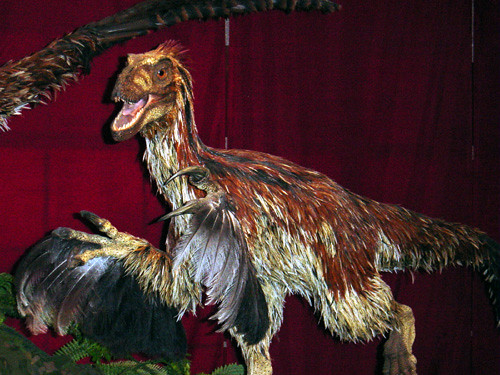
Perhaps no discovery has shaken the dinosaur world more than the realization that many of these ancient giants were covered in feathers, not scales. Carnegie Museum’s researchers have been at the forefront of this revolution, studying specimens that preserve evidence of primitive feathers and investigating the evolutionary link between dinosaurs and modern birds. The museum’s displays now feature dinosaur models with colorful plumage, a far cry from the scaly, lizard-like creatures that dominated popular imagination for decades. This research has revealed that feathers originally evolved for insulation and display rather than flight, adding new layers of complexity to our understanding of dinosaur behavior and social structure. The museum’s work in this area continues to challenge visitor assumptions about what dinosaurs actually looked like and how they lived.
Educational Impact Beyond the Walls
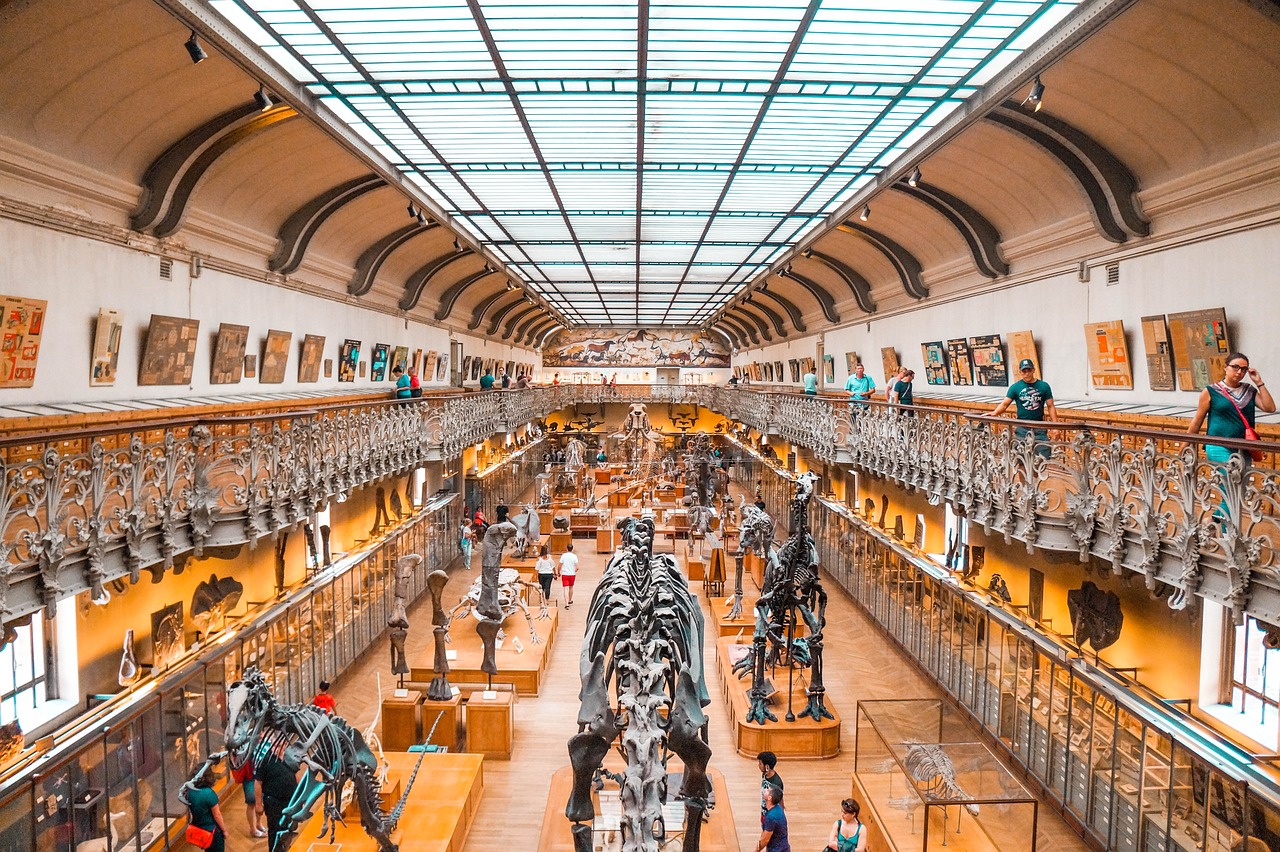
The Carnegie Museum’s influence extends far beyond its physical boundaries, shaping how dinosaurs are taught in classrooms across America and around the world. The museum’s educational programs reach thousands of students annually, from elementary school field trips that spark lifelong interests in science to graduate research opportunities that train the next generation of paleontologists. Teacher workshops help educators bring current dinosaur science into their classrooms, ensuring that students learn accurate information rather than outdated myths. The museum’s educational materials, from books to documentaries to online resources, carry Carnegie’s scientific authority to audiences that may never set foot in the building. This educational mission transforms the museum from a simple repository of fossils into a dynamic force for scientific literacy.
Conservation Challenges in the Modern Era
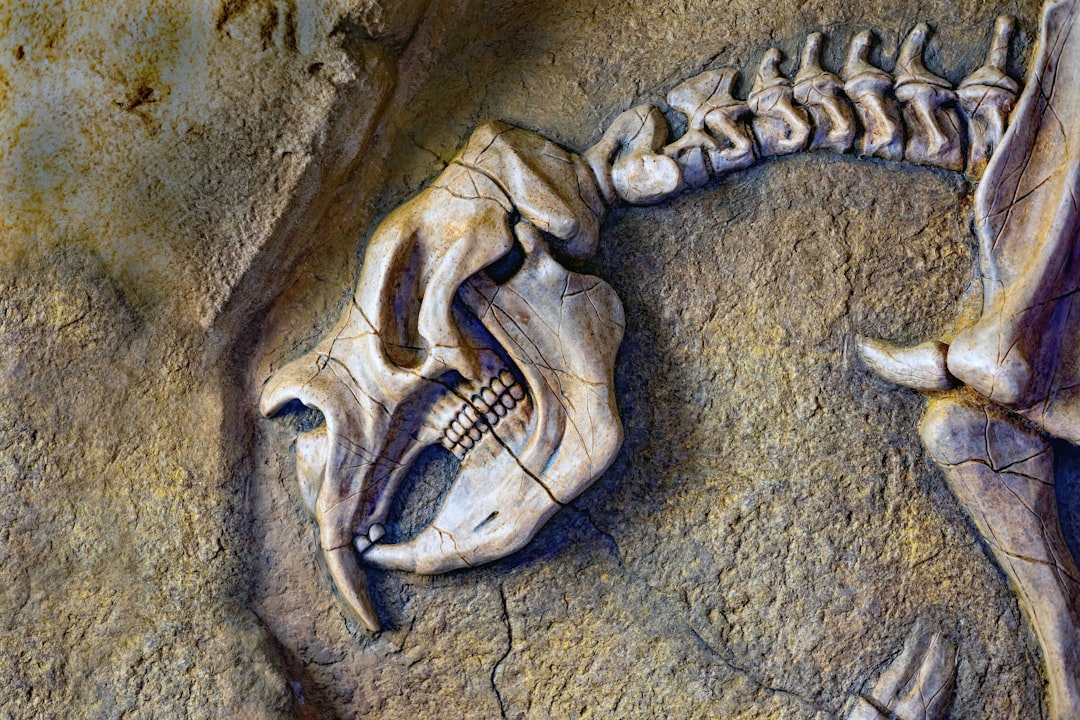
Preserving 150-million-year-old fossils for future generations presents unique challenges that museum staff face every day. Temperature fluctuations, humidity changes, and even vibrations from city traffic can threaten these irreplaceable specimens over time. The museum’s conservation team uses sophisticated monitoring systems to maintain optimal conditions for fossil preservation, while also developing new techniques for stabilizing fragile specimens. Climate change poses an additional threat, as extreme weather events and shifting environmental conditions could affect the museum’s ability to maintain stable storage conditions. The museum’s conservation efforts extend beyond its own walls, as staff members train conservators from around the world in best practices for fossil preservation and collaborate on international efforts to protect paleontological heritage sites.
The Next Generation of Discovery
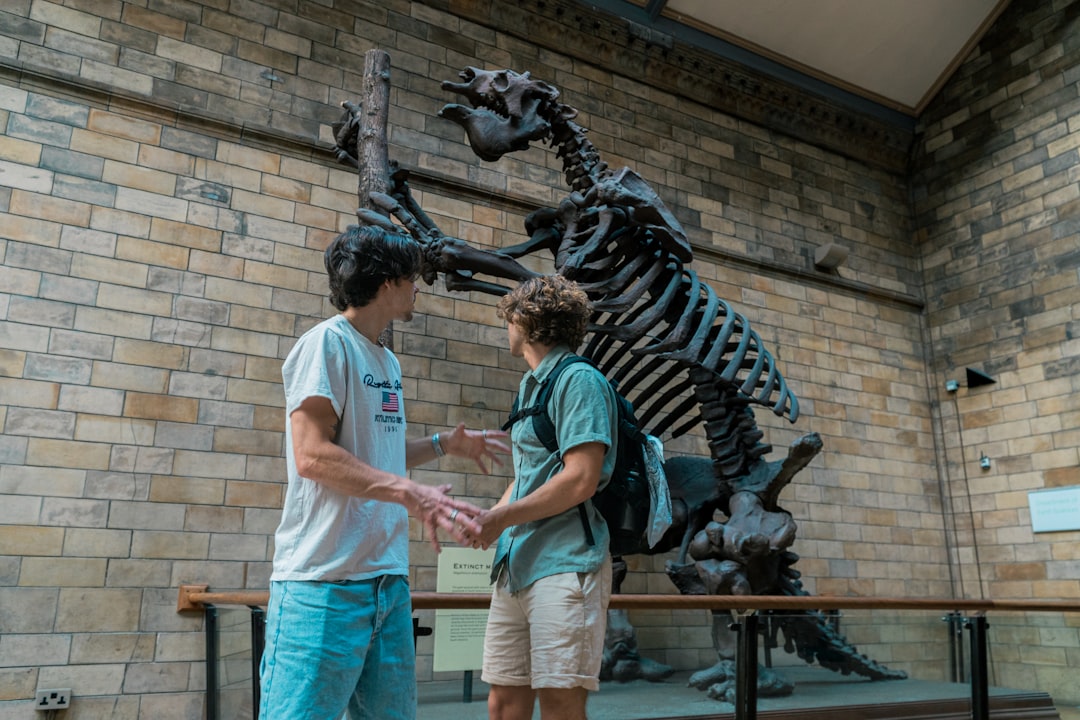
Young scientists working at Carnegie Museum today are pioneering research techniques that will define paleontology for decades to come. Graduate students and postdoctoral researchers use artificial intelligence to analyze fossil data, apply molecular techniques to extract information from ancient proteins, and develop new methods for understanding dinosaur behavior from trace fossils. The museum’s mentorship programs pair experienced researchers with emerging scientists, ensuring that knowledge and expertise pass from one generation to the next. Collaborative projects with universities worldwide expand the museum’s research capacity while training the next generation of paleontologists. These young researchers bring fresh perspectives and innovative approaches to age-old questions about dinosaur biology, evolution, and extinction.
A Future Written in Stone
As Carnegie Museum looks toward the future, its dinosaur legacy continues to evolve with new discoveries, advancing technology, and changing public understanding of these magnificent creatures. Ongoing expeditions in remote corners of the world promise to add new species to the museum’s collection, while advanced research techniques continue to reveal secrets hidden within specimens collected decades ago. The museum’s commitment to public education ensures that future generations will have the opportunity to experience the wonder of standing among these ancient giants. Plans for expanded exhibition space and enhanced digital experiences will allow even more visitors to connect with the prehistoric past. The intersection of cutting-edge science and public engagement that has defined Carnegie Museum’s approach to dinosaurs shows no signs of slowing down, promising continued revelations about life in the deep past.