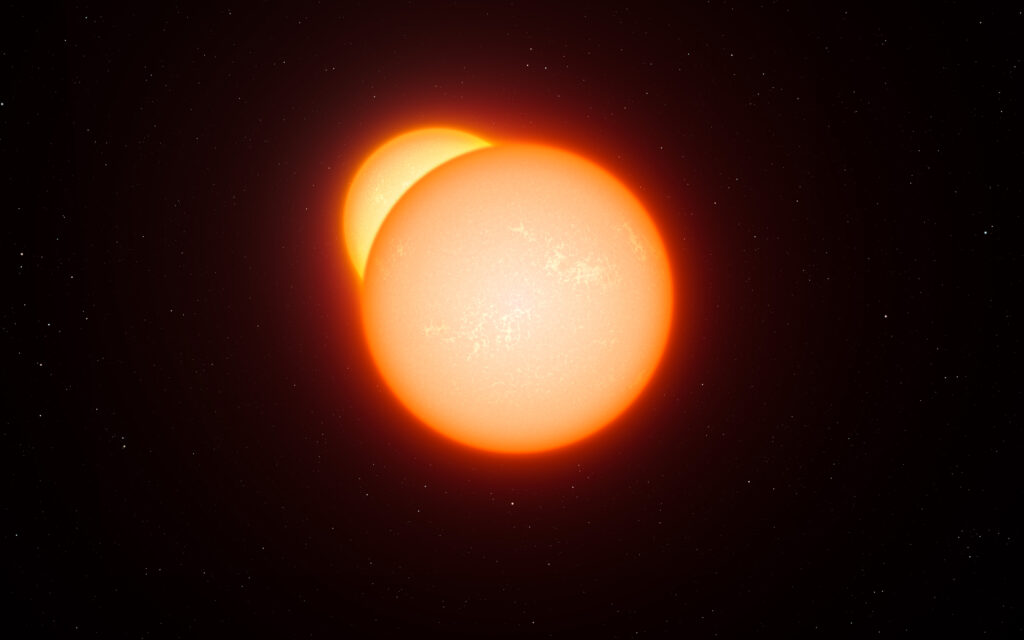
Astronomers observed a star much like the Sun plunge into unexpected darkness for months, prompting a frantic investigation that uncovered a colossal obstruction in its light path.
A Star Blinks Out Without Warning
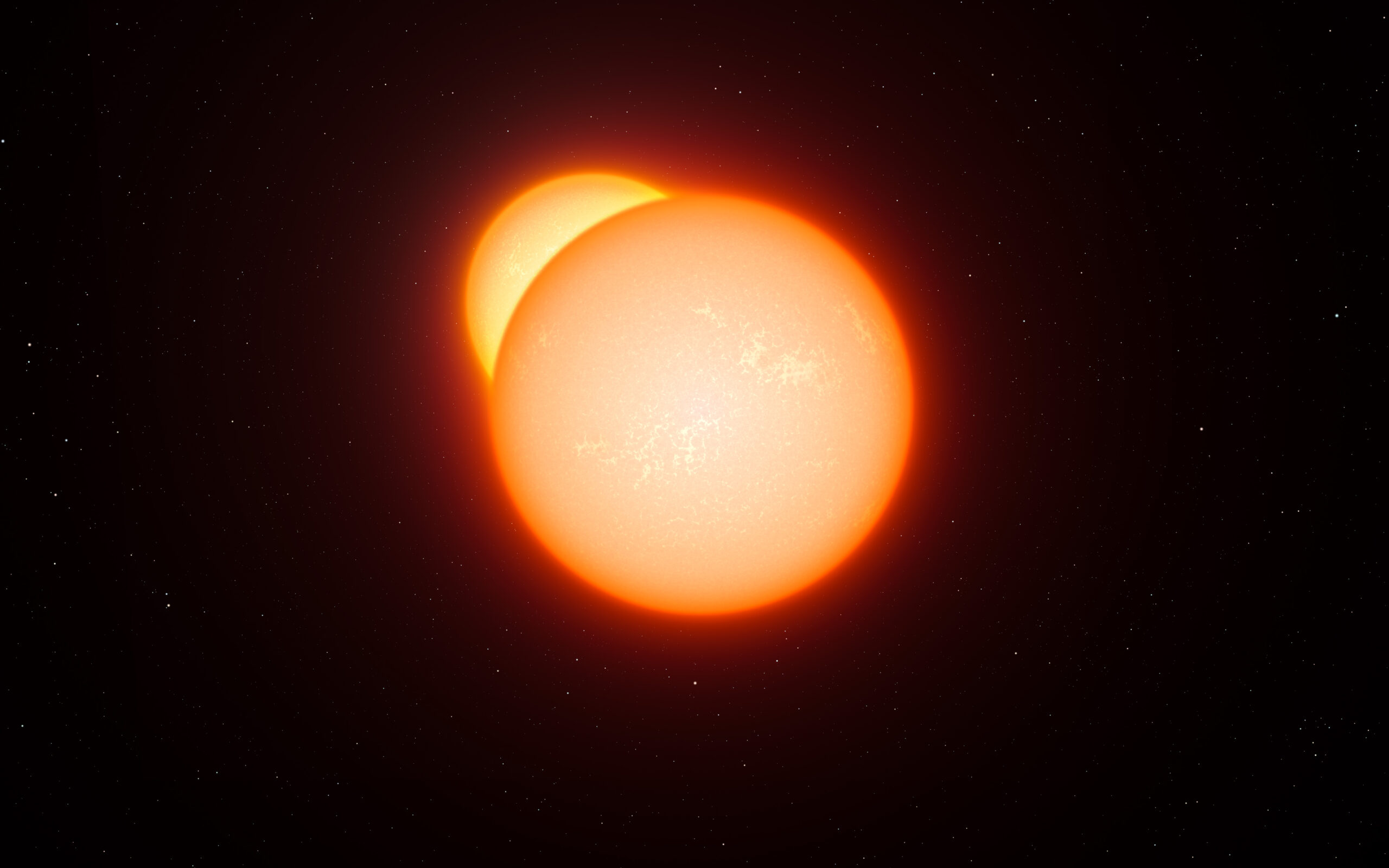
A Star Blinks Out Without Warning (Image Credits: Upload.wikimedia.org)
The event began when telescopes detected the star’s brightness drop sharply, an anomaly that defied conventional stellar behavior. Scientists initially suspected a glitch in their instruments, but repeated checks confirmed the dimming was real. This Sun-like star, located far beyond our solar neighborhood, had effectively vanished from view.
Within weeks, researchers mobilized global observatories to track the phenomenon. Their data painted a picture of something enormous blocking the starlight. The discovery marked a rare glimpse into transient cosmic events that unfold over human timescales.
Unmasking the Giant Disk
High-resolution observations pierced the veil, revealing a vast disk of gas and dust encircling an invisible companion object. This structure, immense in scale, consisted of material rich in vaporized metals, likely remnants of shattered worlds. The disk’s passage directly in front of the star caused the prolonged blackout.
Spectral analysis showed the composition included heavy elements typically forged in planetary interiors. The companion at the disk’s center remained hidden, its presence inferred from the orbiting debris. Such configurations challenge models of stable mature star systems.
First Direct View of Metallic Winds in Motion
For the first time, astronomers quantified the dynamics within this debris field by measuring the speed and direction of metallic winds. These outflows, driven by intense heat and radiation, swirled at velocities captured through Doppler shifts in the light spectrum. The measurements provided unprecedented data on how such material behaves post-collision.
Key instruments, including advanced spectrographs, allowed precise tracking of individual metal lines. The winds’ patterns suggested ongoing turbulence from a recent impact. This breakthrough opens doors to studying similar processes in distant systems.
Catastrophic Collisions in Old Star Systems
The findings indicate that even stars billions of years old can host violent planetary disruptions. Traditional theories held that mature systems settled into quiet orbits, yet this event proves otherwise. Massive smashups between planets or large bodies can generate debris disks capable of eclipsing host stars.
Here are signs that pointed to a planetary origin for the disk:
- Abundance of vaporized iron and other metals from rocky cores.
- Disk size matching scaled-up versions of our asteroid belt.
- Orbital dynamics consistent with destabilized giant impacts.
- Temperature profiles indicating fresh collision energy.
- Short-lived nature of the transit, aligning with dissipating debris.
Key Takeaways
- A Sun-like star dimmed due to a passing disk of collision debris.
- Direct measurements of metallic winds mark a scientific first.
- Ancient systems remain prone to dramatic planetary violence.
This discovery reshapes our understanding of long-term solar system evolution, reminding us that cosmic chaos persists across eons. What implications might it hold for exoplanet hunts or our own system’s future? Share your thoughts in the comments.