You probably picture Tyrannosaurus rex as the ultimate movie monster: a roaring, bone-crushing predator that turned anything in its path into a snack. That image is not completely wrong, but recent research paints a far more complicated creature than the mindless killer you grew up with. When you look closely at the fossils, bite marks, and even microscopic bone details, you start to see traces of behavior that looks, well… almost gentle.
This does not mean T. rex was secretly a dinosaur teddy bear. It was still one of the most powerful predators that ever lived. But if you imagine it only as a bloodthirsty villain, you miss the softer edges that are starting to appear in the scientific picture. As you walk through this evidence, you’ll see how a giant, sharp-toothed animal could also show care, restraint, and even long-term bonds that feel surprisingly familiar.
When Bite Marks Tell a Story of Survival, Not Just Violence
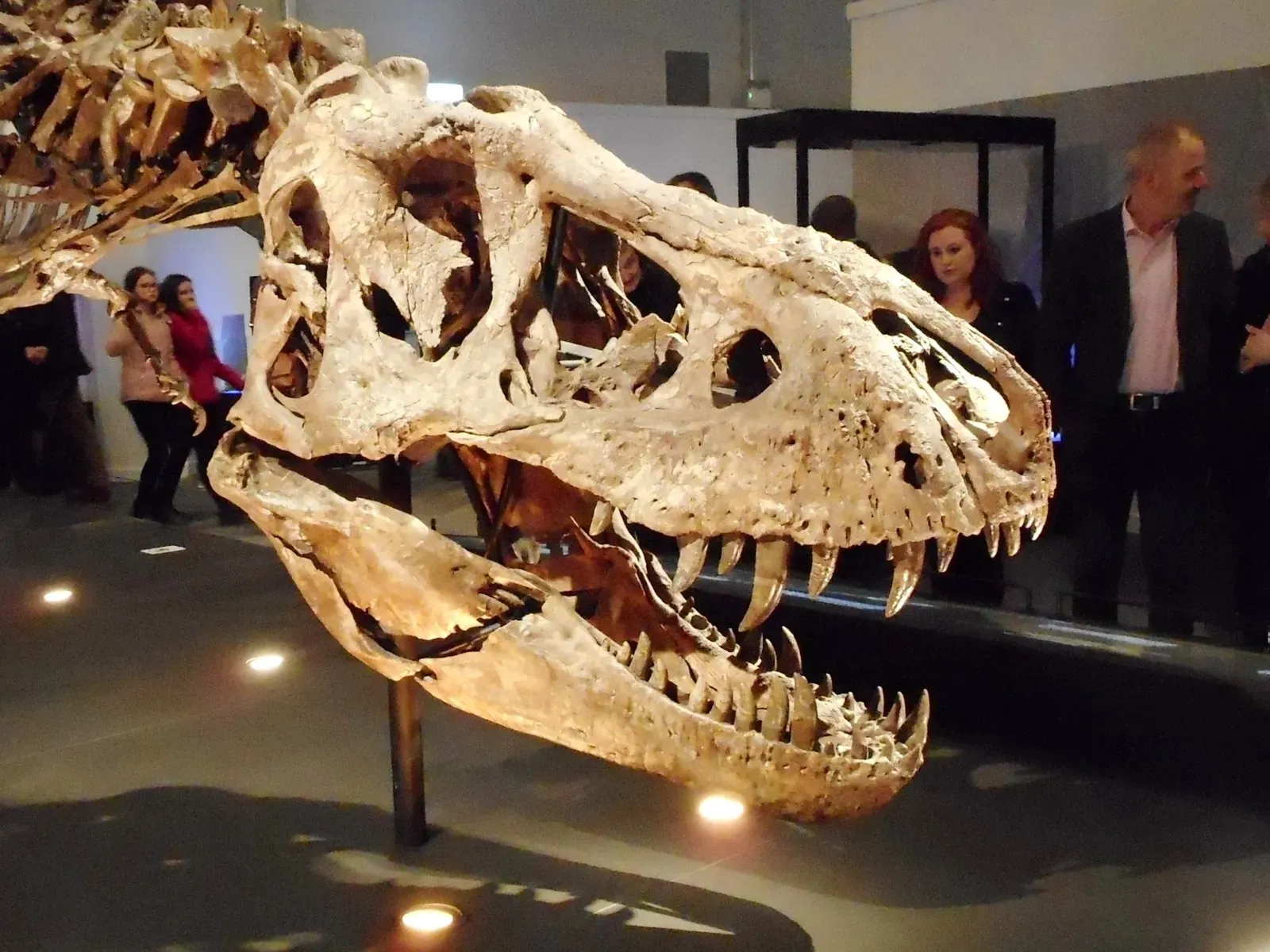
When you look at T. rex fossils, one of the most striking details is how many of them show healed bite marks. You might assume that any bite from a T. rex meant instant death, yet some skulls and bones show deep punctures that clearly healed while the animal was still alive. That tells you two important things at once: T. rex sometimes bit members of its own species, and those encounters did not always end in fatal carnage.
Instead of a nonstop kill-or-be-killed bloodbath, you start to see something more like controlled conflict. Think of how modern crocodiles or big cats sometimes clash, bite, and then back off instead of fighting to the death. When you see a healed T. rex bite mark on another T. rex, you are seeing a moment where the attacker stopped short of finishing the job. That kind of restraint suggests social rules, not random rage, and it nudges you toward viewing these animals as capable of more nuanced behavior than simple slaughter.
Evidence That Some T. Rexes Lived Long, Hard, And Cared-For Lives
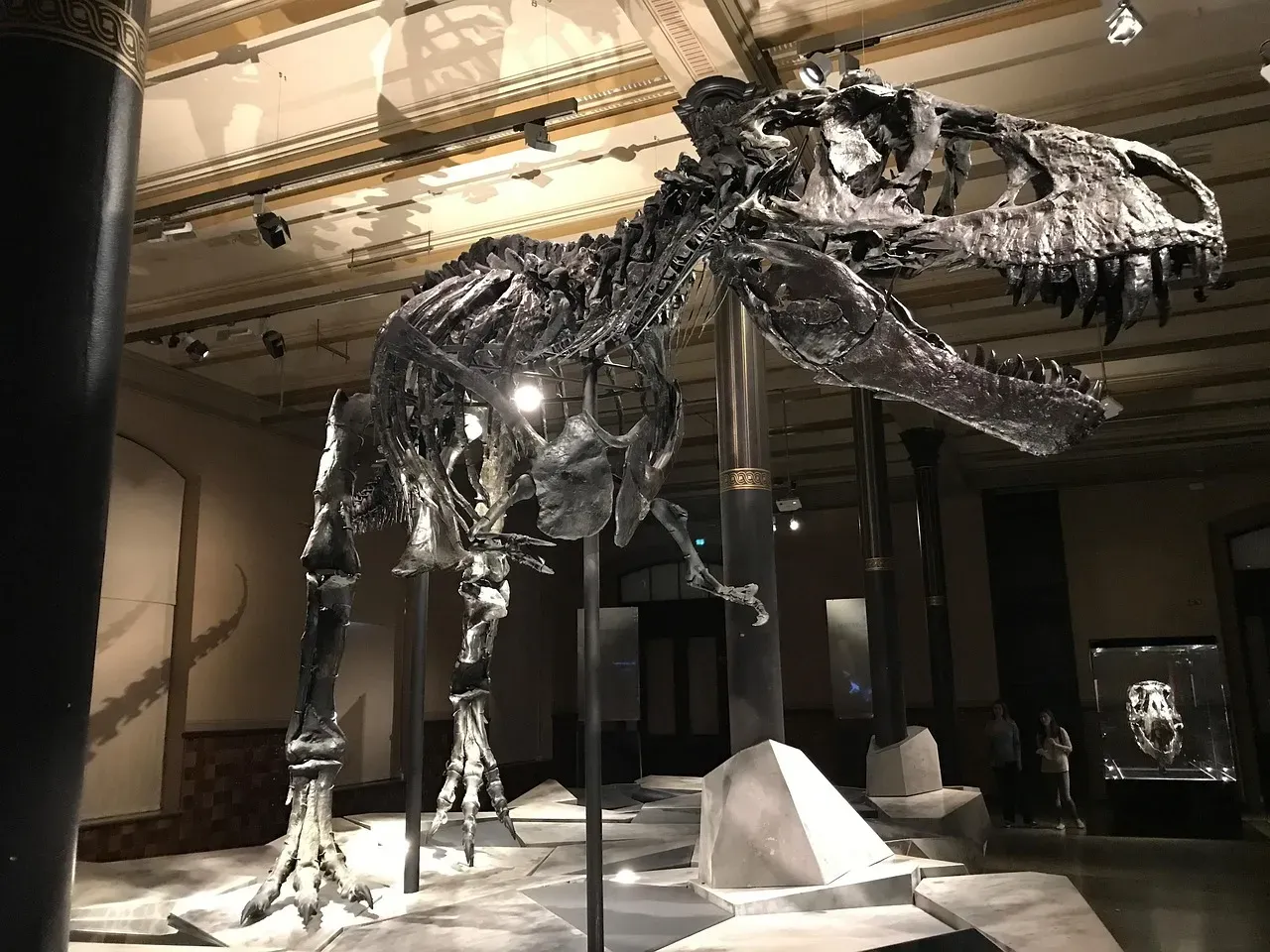
When scientists cut into T. rex bones and study their internal structure, they can estimate the animal’s age and even see signs of disease and injury over time. A few famous skeletons show animals that lived well into adulthood with arthritis, broken ribs, or damaged limbs that had healed. If you picture yourself as a limping, injured predator the size of a bus, you quickly realize you would struggle to hunt alone in a brutally competitive world.
That is where the gentler side sneaks in. If some of these injured T. rexes managed to live for years after major trauma, they may not have survived purely by going solo. You can imagine scenarios where other T. rexes tolerated, protected, or at least did not immediately chase away a weaker individual from a carcass. You see a similar pattern today in some social predators, where old or injured animals persist because the group’s behavior offers them a buffer. You cannot prove full-on caregiving from bones alone, but you can say survival like that hints at more than ruthless isolation.
Nests, Juveniles, And The Possibility Of Attentive Parenting
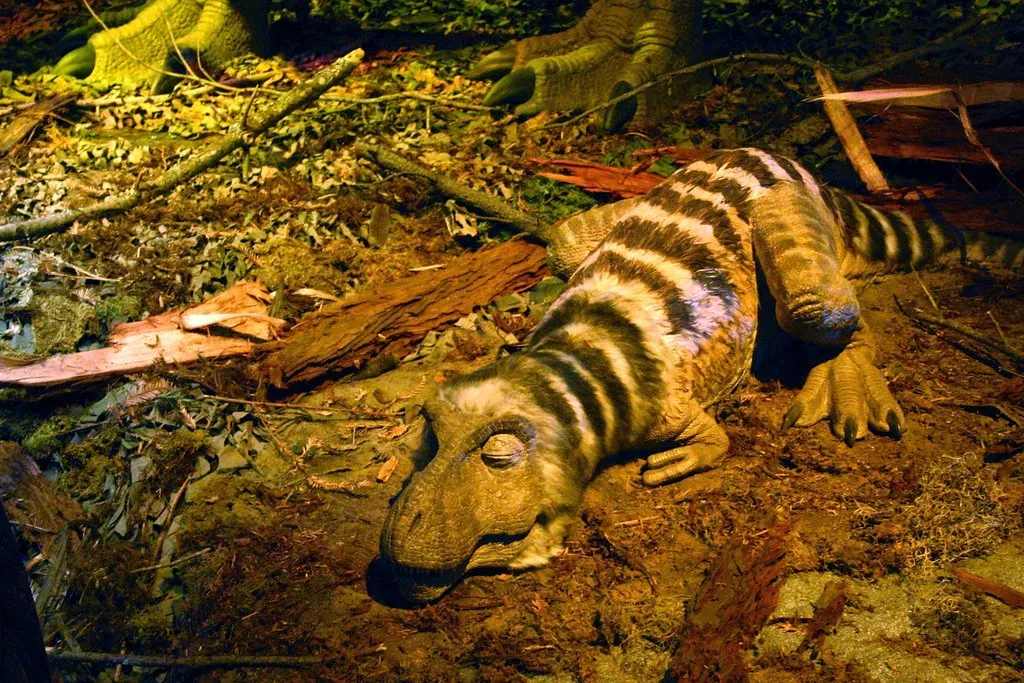
Direct fossil evidence of T. rex nests is still rare and debated, but you can look at what is known about closely related tyrannosaurs and other large theropods. Several sites show nest structures, eggs, and clusters of juvenile bones that suggest at least some big meat-eating dinosaurs invested serious energy in their young. When you add in the long growth period of T. rex, you get a picture of a creature that did not just hatch and run off on its own the same day.
You can think of T. rex more like a giant, terrifying bird than a cold, uncaring reptile. Many modern birds, which are dinosaur descendants, spend a lot of time brooding eggs, feeding chicks, and defending nests. If you apply that perspective to T. rex, you start to see a towering animal that may have guarded nesting sites, watched over clumsy juveniles, and possibly taught them how to find food or avoid danger. That is not gentle in a cute, cuddly sense, but it is gentle in the way any devoted, dangerous parent can be.
Big Brains, Big Senses, And Room For Complex Emotions
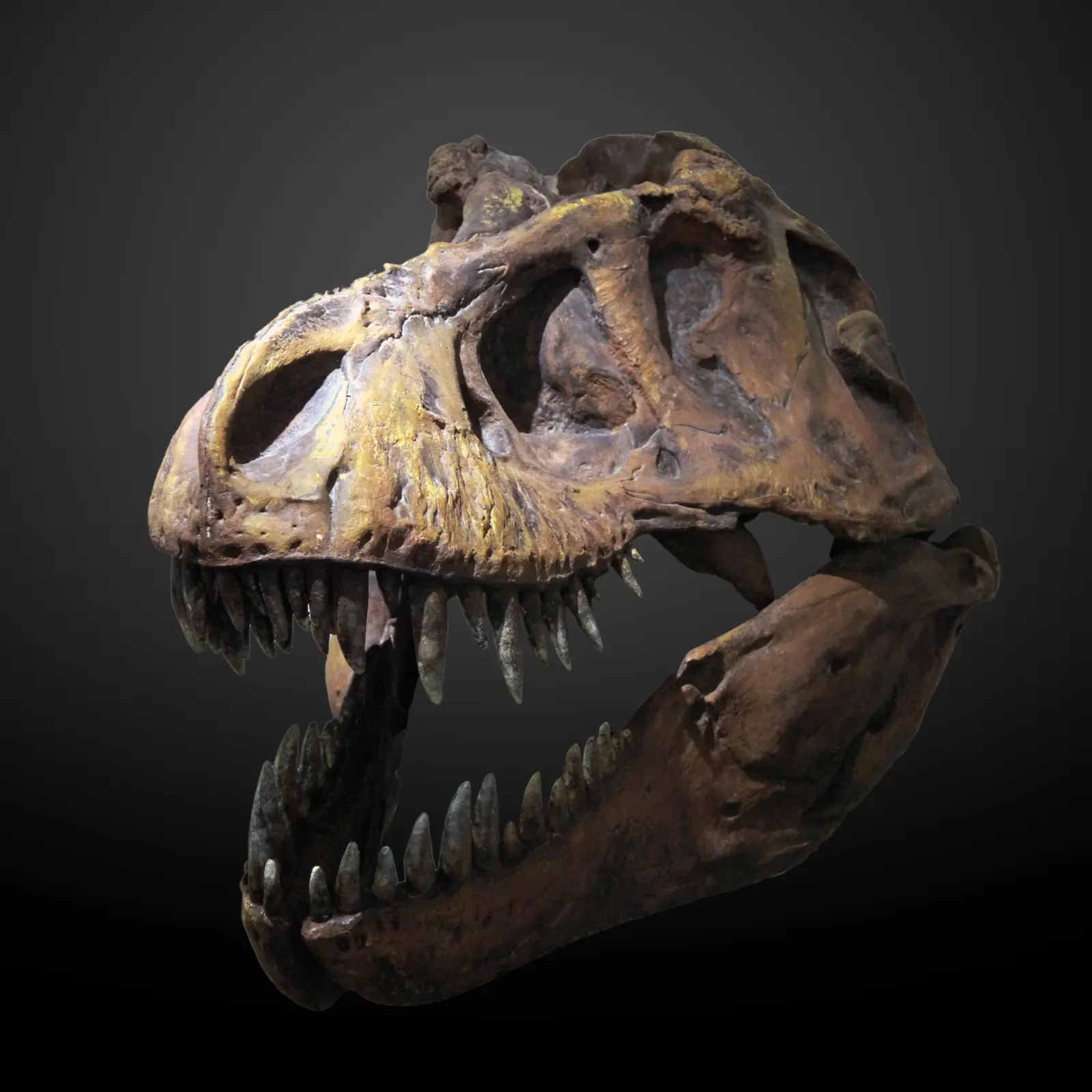
When you look at endocasts – models of the brain cavity – in T. rex skulls, you see an animal that had a relatively large brain for a reptile and extremely developed sensory regions. Its sense of smell was especially strong, and its vision and hearing were likely impressive too. That level of sensory power does more than help you hunt; it sets the stage for sophisticated behavior, recognition of individuals, and learning.
If you compare that to modern animals with powerful senses and decent brain size, you often see complex social lives and a wide range of emotional responses. You would not be surprised to hear that a wolf or a raven can remember specific individuals, form long-term bonds, or change behavior based on experience. T. rex may have lived something similar in dinosaur terms. You cannot say it felt love the way you do, but you can reasonably imagine it recognizing mates, rivals, and offspring, and responding with something more layered than pure aggression.
Sharing Meals Instead Of Constantly Fighting Over Them
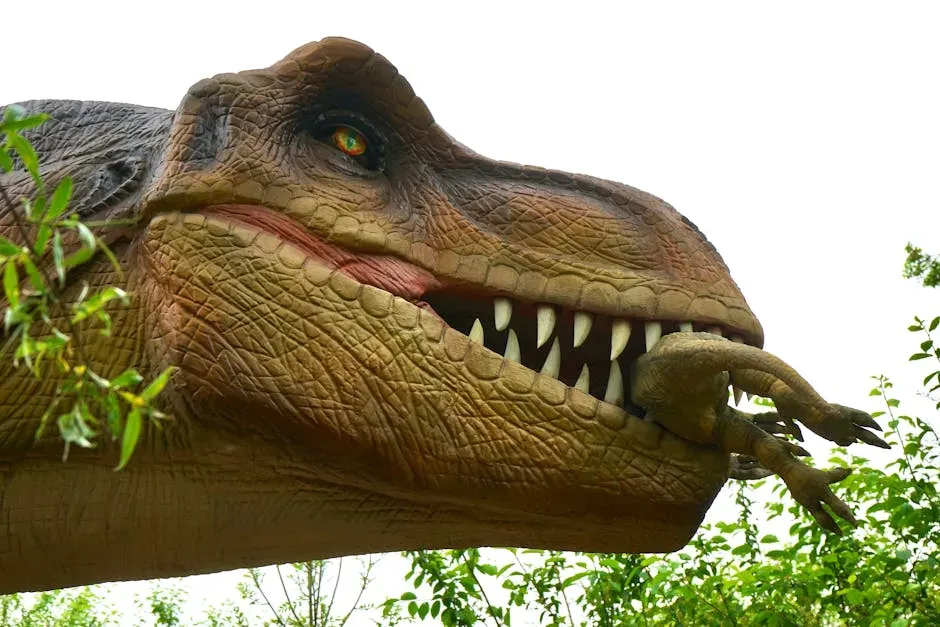
Some fossil sites contain bones from multiple large tyrannosaurs alongside the same prey species, hinting that more than one big predator fed at the same carcass. If you picture a massive T. rex body next to another equally huge T. rex, you can feel the tension that must have existed around food. Still, the very possibility that they fed in the same place suggests they did not always turn instantly on each other in a frenzy of violence.
When you think about how modern predators behave, the parallels get interesting. Wolves, hyenas, and even large birds will share a kill within a group, negotiating space with gestures, postures, and low-level threats that rarely escalate into deadly attacks. If T. rex did something even vaguely similar, you are looking at a dinosaur that could moderate its strength when the situation demanded it. That kind of meal-time tolerance is a subtle but meaningful form of gentleness, especially for an animal with jaws capable of crushing bone.
From Movie Monster To Complex Animal In Your Imagination
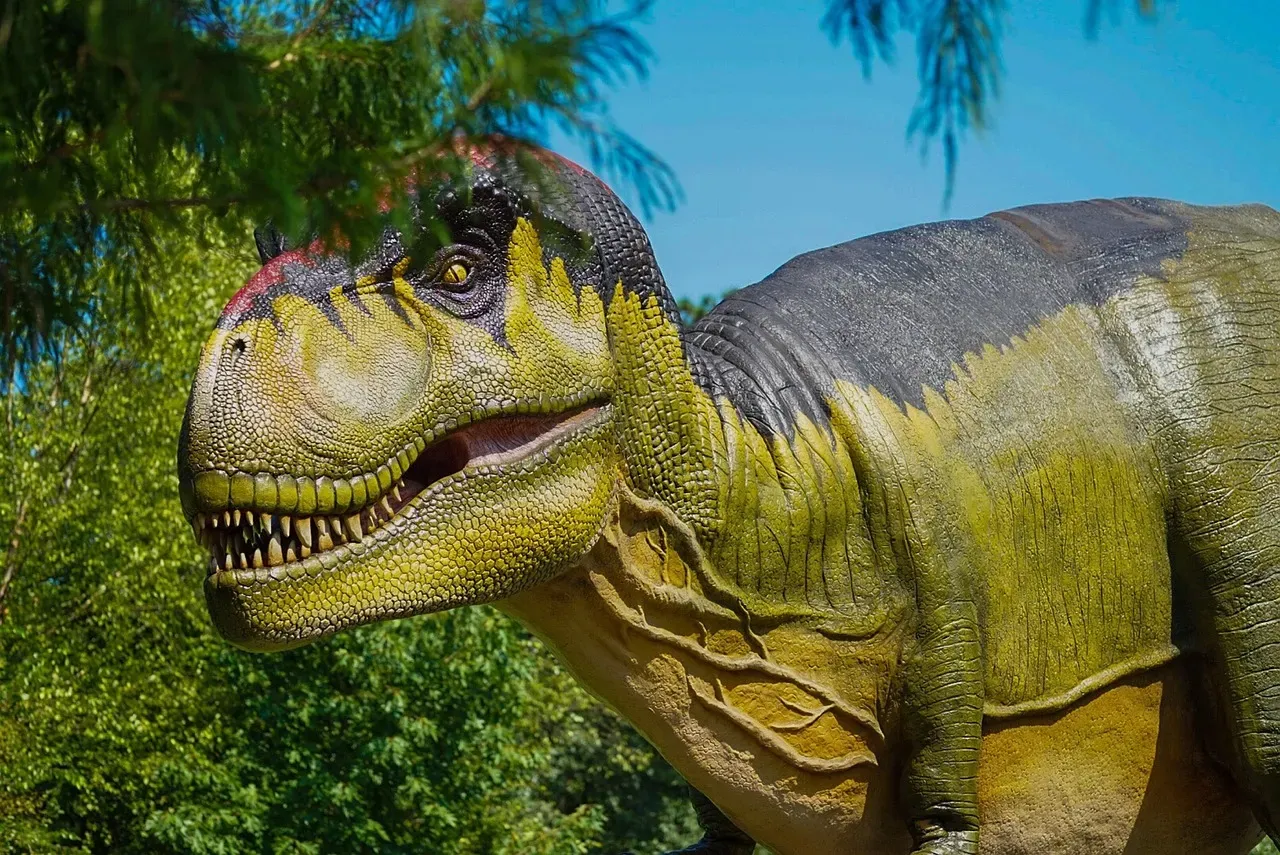
Your mental image of T. rex has probably been built more by films, games, and theme parks than by scientific papers. Those portrayals usually lean hard into the horror angle: the thundering footsteps, the roar, the chase. When you step back and line up the actual evidence – healed injuries, possible social feeding, slow-growing juveniles, and long-lived adults – you see a creature that does not fit neatly into the mindless-killer box anymore.
As you update that image, you are not stripping T. rex of its fear factor; you are adding depth. It can still be the apex predator that makes your heart race, while also being an animal that sometimes showed care, restraint, or loyalty. In your head, you can hold both truths at once: jaws that could splinter bone and behaviors that hint at bonds and rules. That shift makes T. rex more interesting, not less, because it moves from cartoon villain to something closer to a living, breathing, feeling being.
Why A “Gentle” T. Rex Changes How You See All Dinosaurs
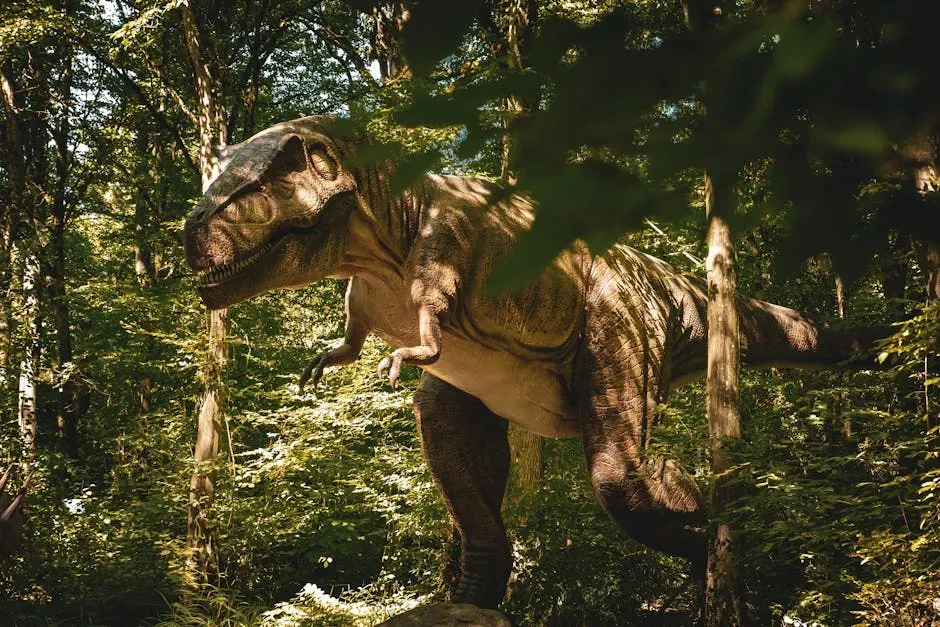
Once you accept that T. rex might have had a gentle streak, it changes how you read the rest of the dinosaur world. You start to question every simple label – hunter, scavenger, loner, brute – and replace it with questions about social lives, communication, and emotional range. Instead of assuming dinosaurs lived like walking weapons, you begin to wonder which ones cared for their young longer, which cooperated, and which might have formed pairs or alliances that lasted for years.
This new way of looking does something important for you as a modern human too. It reminds you that nature is rarely just one thing or the other, vicious or kind, cruel or tender. You can look at a lion today and see a ruthless hunter and an affectionate parent in the same body; T. rex may have been no different in principle. When you let that complexity in, dinosaurs stop being just prehistoric special effects and start to feel like real animals with lives that were rich, messy, and full of contradictions.
Conclusion: Holding Power And Gentleness In The Same Giant Skull
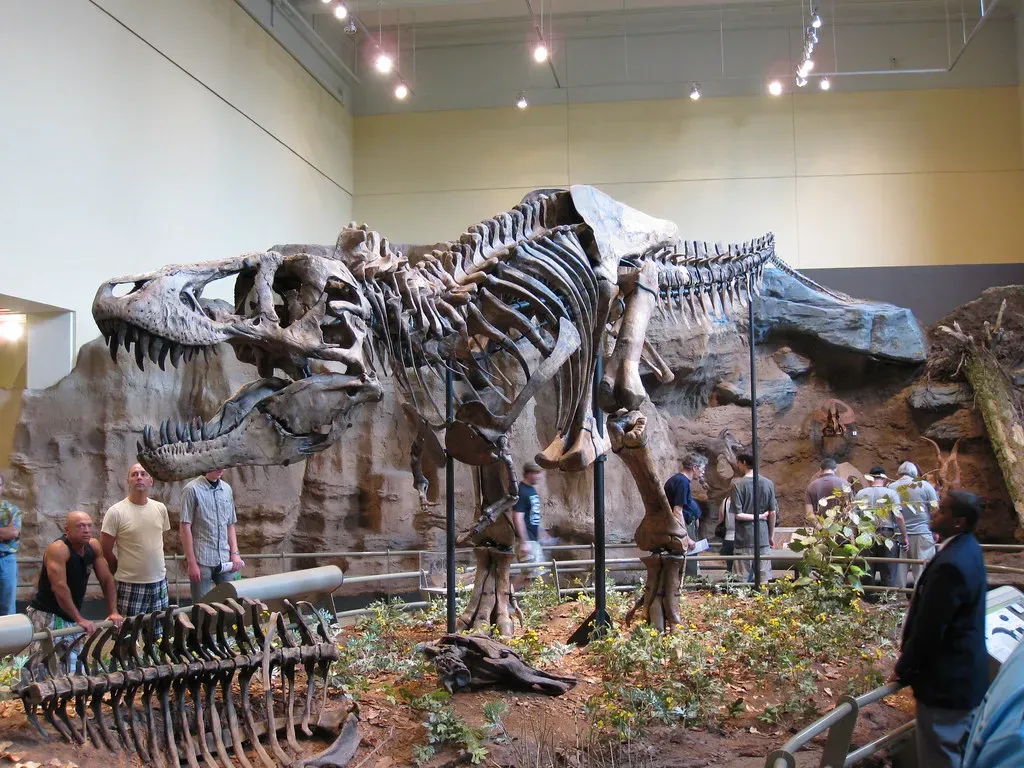
When you pull all the threads together – healed bite marks, long-lived injured adults, hints of nesting behavior, and the brain power for complex senses – you end up with a T. rex that is still terrifying but also unexpectedly layered. You are no longer stuck choosing between monster and caretaker; you can see a predator that sometimes spared, sometimes shared, and sometimes protected. That mix of power and gentleness will probably never be fully mapped out, but the fact that you can even talk about a softer side in such a fearsome animal is astonishing by itself.
The next time you see a T. rex skeleton looming over you in a museum, you can let your mind wander a bit. Imagine not only the thunder of its footsteps during a hunt, but also the quiet moments: a watchful adult near a nest, a scarred survivor resting while others feed, a wary standoff that ends without bloodshed. In that space between terror and tenderness, you get closer to the real animal that once ruled its world. When you picture that version, does T. rex become more frightening to you – or more familiar?