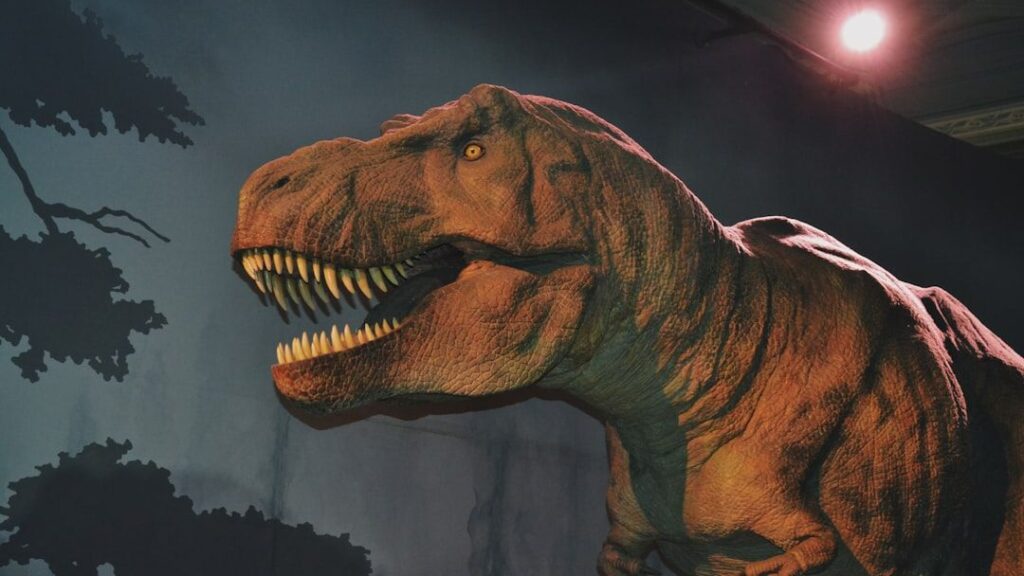
If you grew up picturing Tyrannosaurus rex as a giant head on legs with two useless, comically tiny arms flapping at its sides, you’re not alone. For decades, those short forelimbs have been the punchline of dinosaur memes and late-night jokes. But what if those arms were not a design mistake at all? What if they were actually brutal, close-quarters weapons, perfected by evolution for a very specific kind of violence?
In recent years, a growing number of paleontologists have started to rethink the classic story of T. rex’s arms being basically worthless. As fossils, biomechanics, and comparisons with modern animals pile up, a new picture is taking shape: those stubby limbs might have been more like a pair of sharpened grappling hooks or a wrestler’s hidden advantage. In this article, we’ll dig into the science, the speculation, and a bit of honest uncertainty about what T. rex was really doing with those infamous little arms.
The Myth Of Useless Arms: Why We Laughed At T. Rex
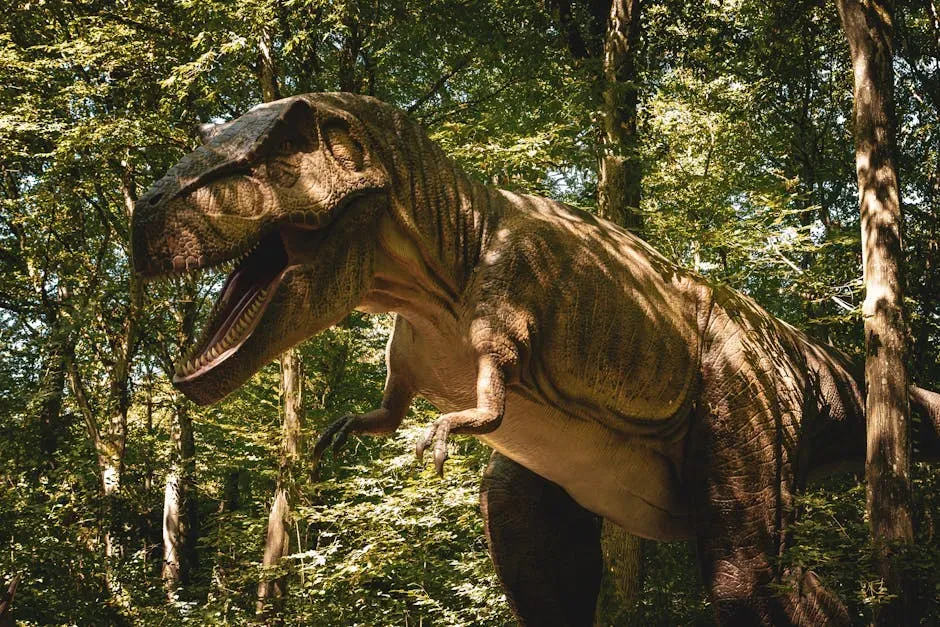
For much of the twentieth century, T. rex was portrayed as a sort of evolutionary oddity from the shoulders up. You had this enormous skull, massive jaws, tree-trunk legs… and then two ridiculous little arms that barely seemed able to reach its own chest. Textbooks and documentaries often shrugged and wrote them off as evolutionary leftovers, the biological equivalent of an appendix that never got the memo to disappear.
That idea stuck partly because it fit a simple story: big predators rely on their jaws and legs, not their arms. It also felt intuitively funny and easy to remember, so it echoed through pop culture, from movies to cartoons. Even as more detailed studies came out, the meme of the helpless-armed T. rex had a life of its own. I remember as a kid doodling T. rex trying and failing to do push-ups, never once wondering if those arms might actually be good at something we just weren’t imagining yet.
Built Like A Brawler: What The Bones Really Show
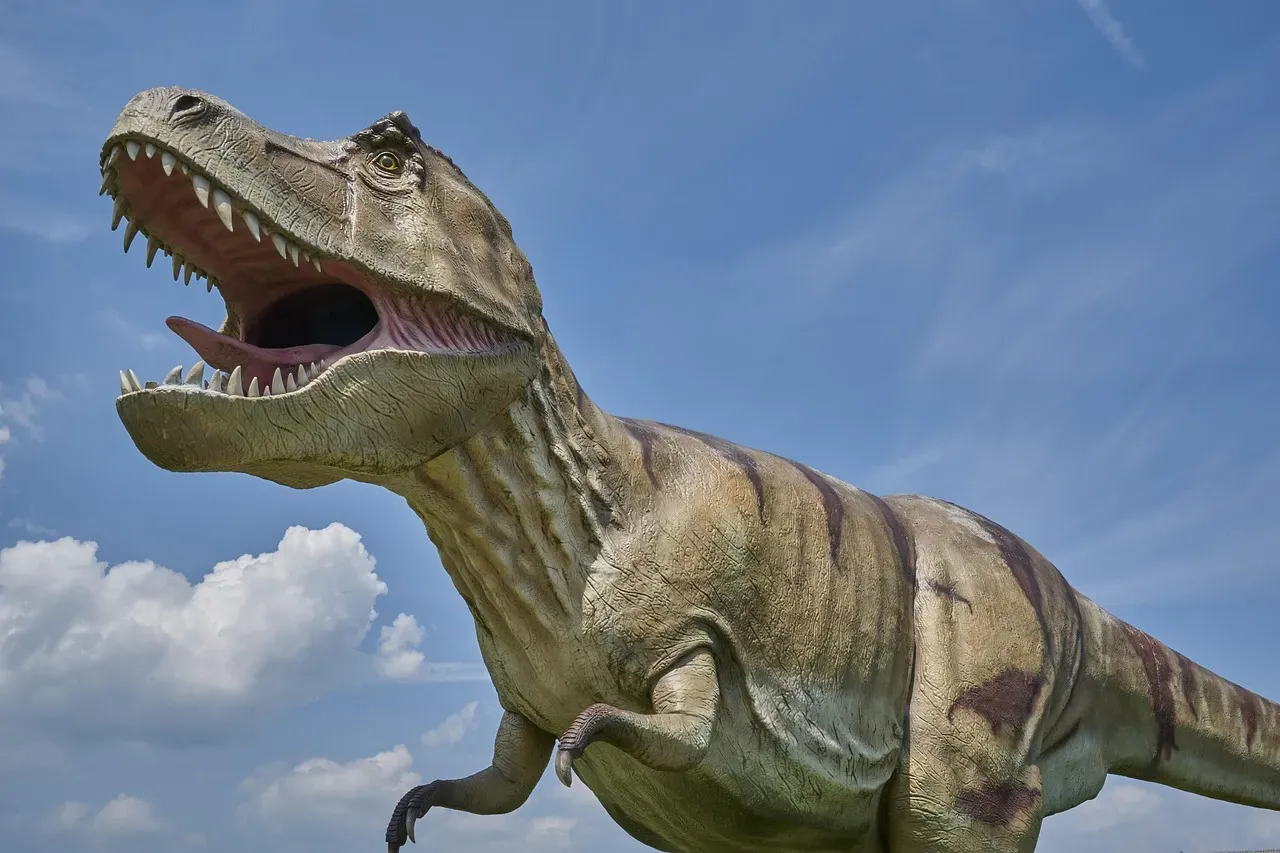
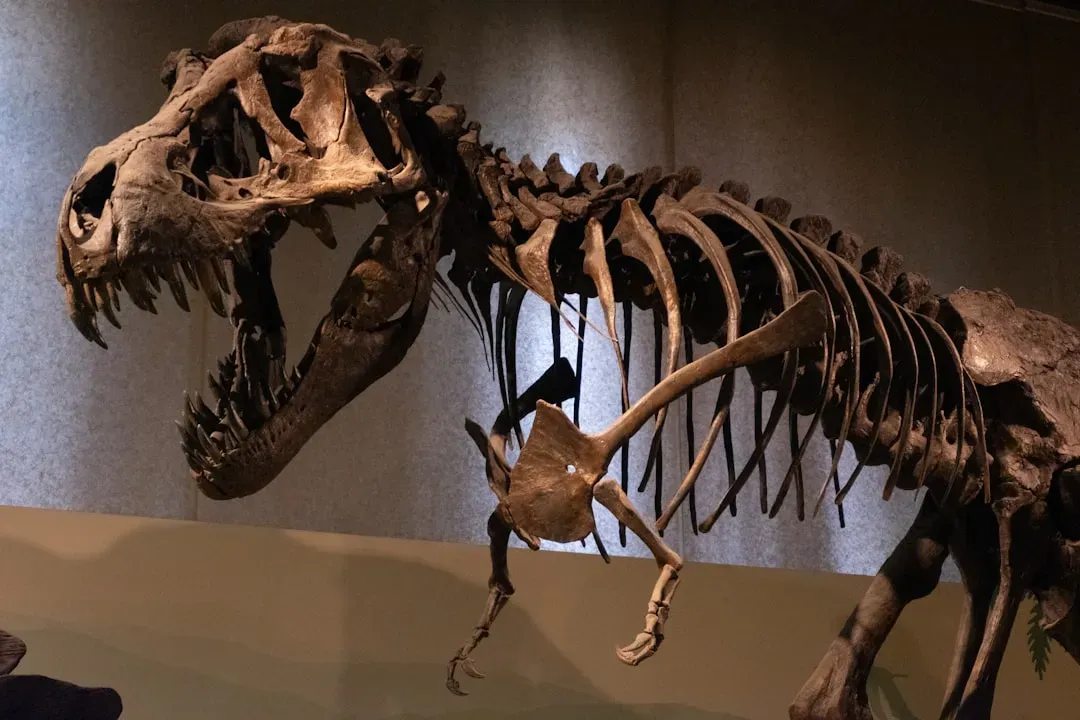
When you stop laughing and actually look at the fossils, the first shock is this: T. rex arms are short, but they’re not delicate. The bones are thick and robust, with big muscle attachment areas, especially around the shoulder and upper arm. That anatomy screams strength, not weakness. In purely structural terms, they look more like compact, reinforced levers than forgotten leftovers.
Researchers who have modeled the musculature suggest that, for their size, T. rex arms could have generated impressive pulling power. The claws at the end of those two-fingered hands were not tiny either; they were relatively large, curved, and sharp. When you combine a powerful, stocky arm with serious claws, you do not get a useless ornament. You get something built to dig in, rake, or hold on when it really counts.
Grappling Hooks And Meat Hooks: How The Arms Could Strike
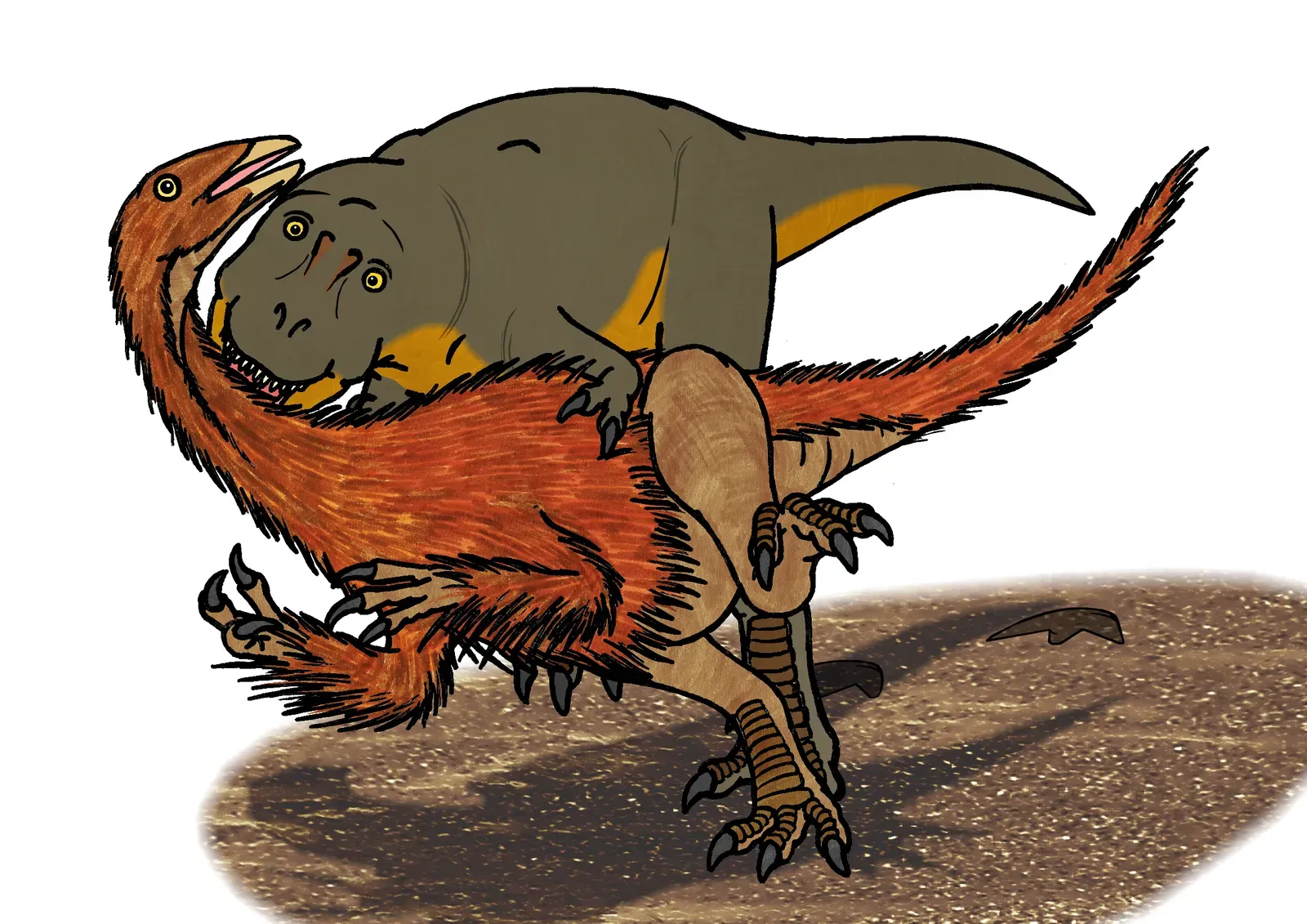
If you imagine a T. rex engaging a prey animal or a rival up close, those arms suddenly find a believable job description. With a head doing the main damage, the arms could act like grappling hooks, helping to pull struggling prey closer or steadying a thrashing carcass while the jaws went to work. Short arms are actually less likely to be injured if you’re smashing your face into something large and dangerous at high speed.
There is also the possibility that the arms delivered slashing blows at very close range, especially once the animal was already in biting distance. Think of a heavyweight fighter closing in for a clinch and peppering short, vicious strikes that never travel very far but matter a lot. The claws could rake soft tissue, tear at open wounds, or help maintain grip on slippery flesh. That image might feel a little brutal, but this was a predator designed to turn large, living animals into food as efficiently as possible.
Armor Against Bites: The Safety Benefit Of Being Short-Limbed
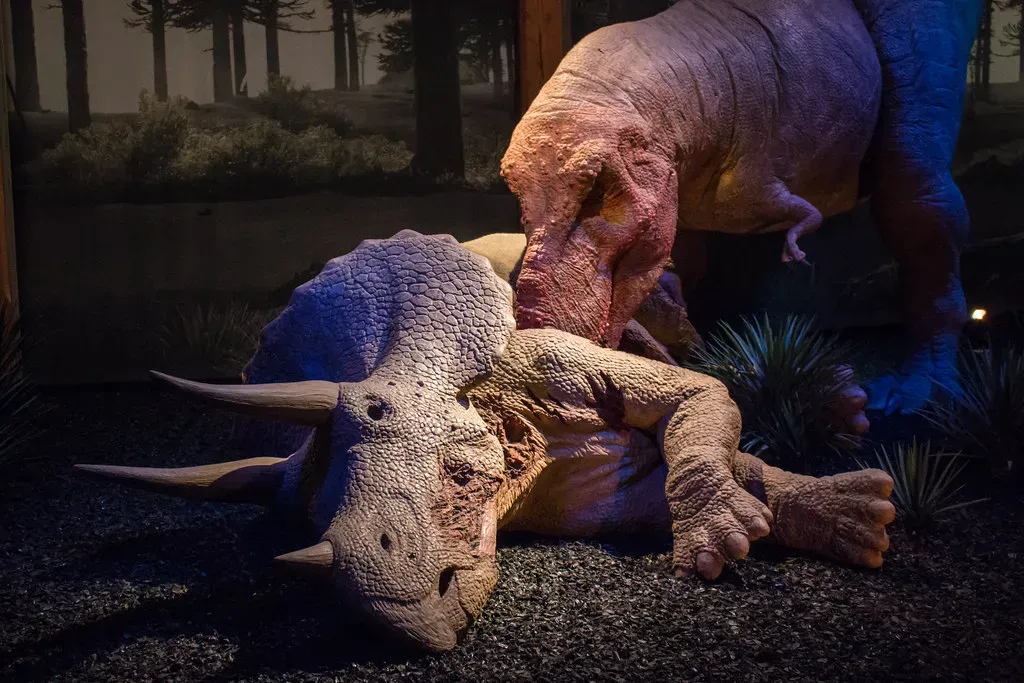
One of the underrated arguments for T. rex’s small arms being functional is that their size may have been protective. Long, sprawling forelimbs would have been painfully easy targets for bites or kicks from huge, dangerous prey. By tucking those arms in closer to the body and keeping them short, T. rex might have reduced the chance of catastrophic limb injuries that could mean starvation.
There’s also a physics angle: a shorter lever puts less stress on the joint when forces travel through it, which matters a lot when you are hurling a multi-ton body at something and clamping down with bone-crushing jaws. Shorter, stronger arms attached near the chest could handle intense stresses without snapping or dislocating. So even if the arms were used aggressively, their design likely balanced offensive power with self-preservation in a way that made evolutionary sense.
Claws, Grip, And Control: Subtle Power In Small Packages
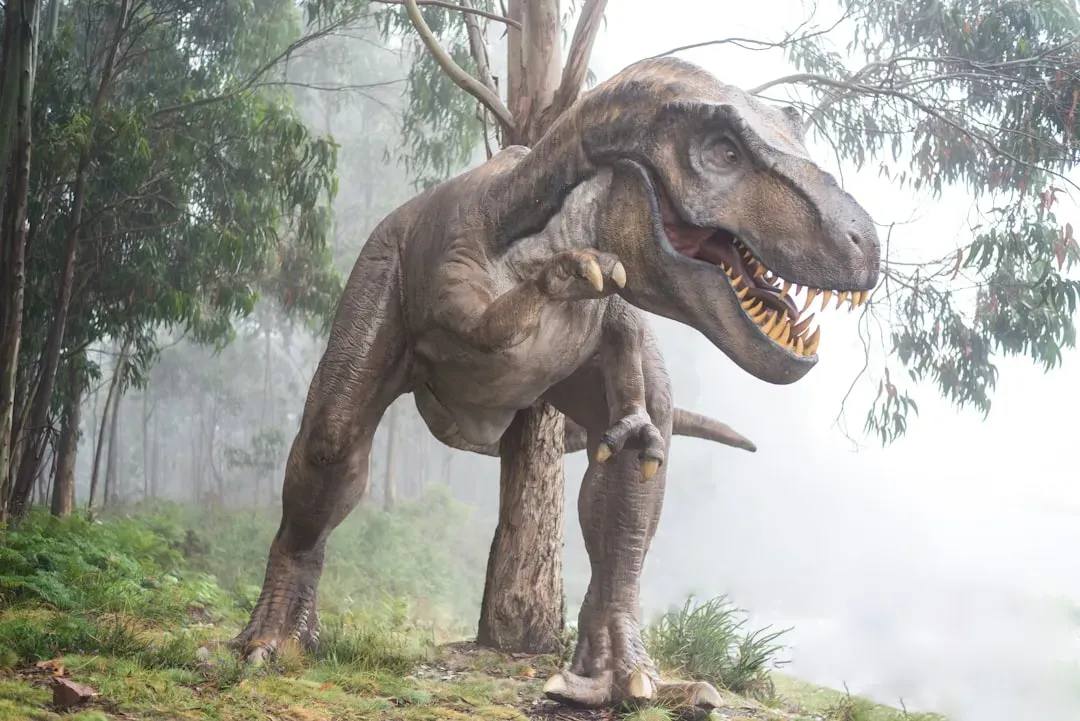
We tend to focus on length because it is visually obvious, but control is often more important than reach in a real fight. The claws at the ends of T. rex’s arms appear well-suited for gripping and tearing. Even a relatively small movement of a powerful limb with sharp claws can create deep gashes or maintain a firm hold on a victim. You do not have to swing your arms in a wide arc to do damage; you just have to sink them in where it hurts.
Imagine T. rex with its jaws locked around a struggling hadrosaur, the prey twisting and jolting in panic. Those arms could clamp into the side, shoulders, or neck area, anchoring the kill in place and stopping it from slipping free. It is like the difference between dragging a heavy box with bare hands and adding a couple of hooks – suddenly the job gets a lot easier, even if the hooks themselves are small. The arms may have been the little extra that made big hunts more reliable.
More Than Weapons: Mating, Balance, And Everyday Life
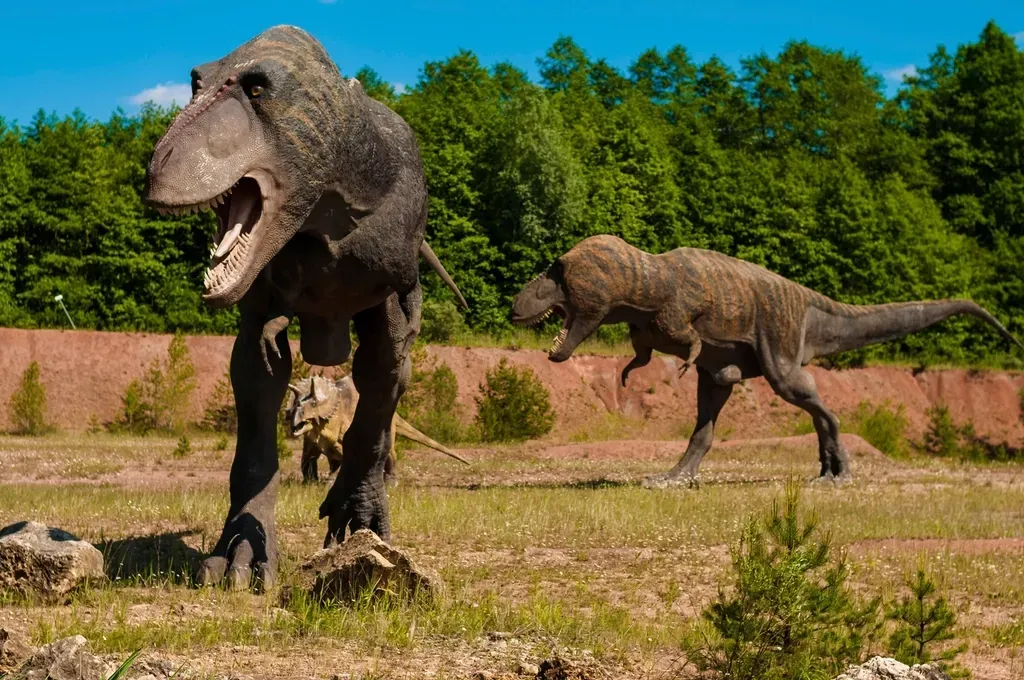
As dramatic as the weapons idea is, the reality is probably more complicated. Animals rarely evolve body parts that only do one job. Some scientists have suggested that T. rex might have used its arms during mating, helping to stabilize or position partners in ways that reduced the risk of falls or injury. When you are dealing with animals that weigh several tons, anything that makes their bodies easier to coordinate in close contact can be a big deal.
Others have floated ideas like the arms helping T. rex rise from a resting position, or providing extra balance when it twisted its torso during feeding. These uses are harder to prove, but they fit the general pattern we see in nature: structures are rarely truly pointless. Personally, I think the most honest stance is that the arms were multi-purpose tools – sometimes weapons, sometimes stabilizers, sometimes just background support for the real star of the show, the head.
What Modern Animals Can (And Can’t) Tell Us
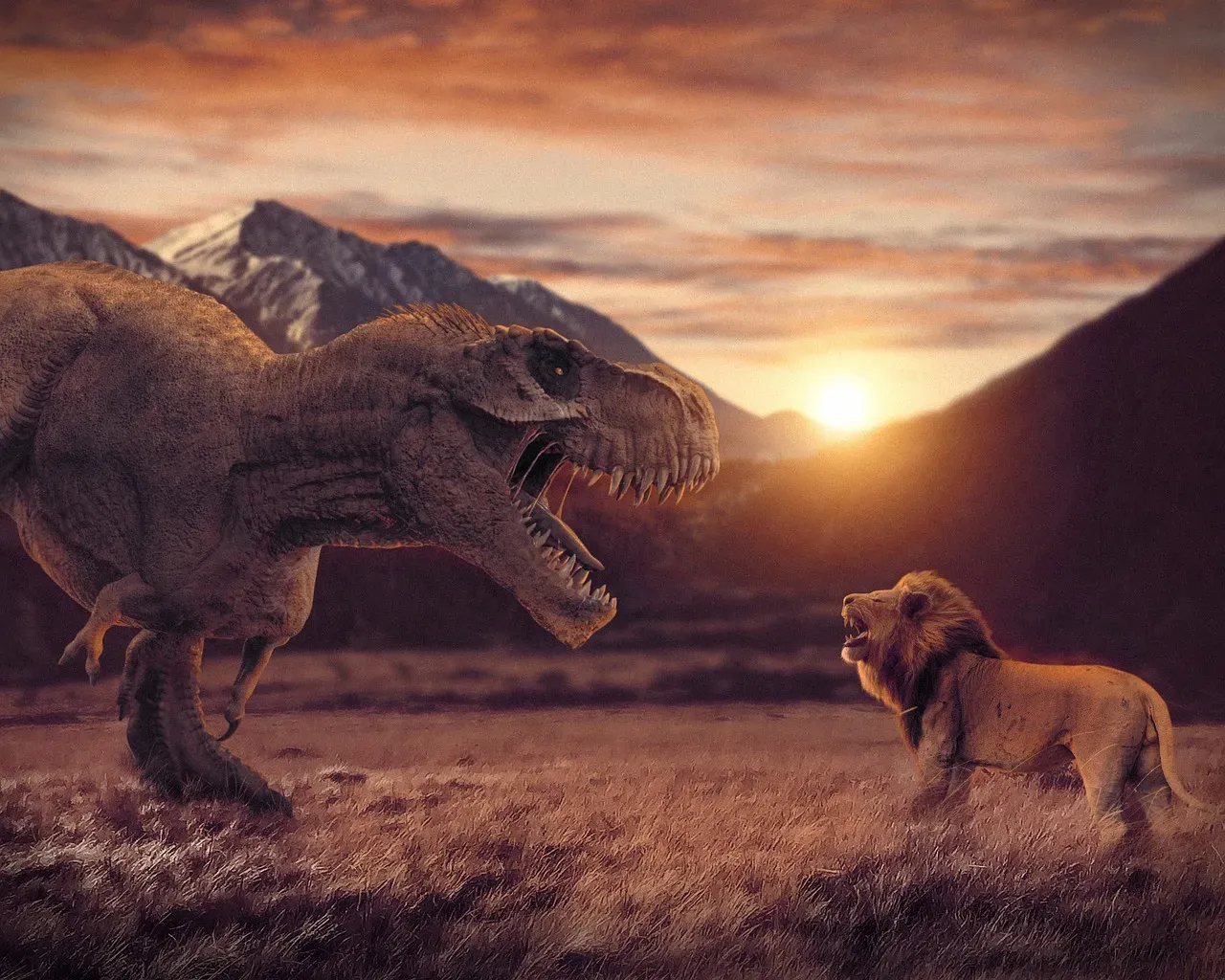
We do not have a living T. rex to observe, so a lot of ideas about its arms come from analogies with modern animals. Big predators today, like big cats, bears, or giant birds, almost always use their forelimbs for something crucial: grappling, climbing, balance, or manipulating food. You rarely see a large carnivore carrying around two strong, heavily muscled limbs that do absolutely nothing important.
That said, there is no perfect modern stand-in for T. rex. Nothing alive today has that exact mix of huge head, bipedal posture, and short but stout forelimbs. So comparisons can guide our thinking but not answer everything. The best we can do is combine what we see in living animals with the hard evidence of bones, muscle attachments, and biomechanics. The result points away from the idea of useless arms and toward a role that involved at least some active, forceful use – whether that was slashing, holding, steadying, or all of the above.
Accepting Uncertainty: How Much Can We Really Know?
Here is the tricky part that does not always make it into flashy headlines: we probably will never know exactly how T. rex used its arms, in the fully detailed sense. Bones preserve shape and strength, but they do not give us a replay of behavior. We can build simulations and test how much force the joints could handle, we can compare to living animals, and we can weed out ideas that are physically impossible, but we cannot rewind the clock and watch a real hunt.
That uncertainty does not mean we know nothing; it just means we have to be honest about the difference between evidence and imagination. The evidence strongly suggests the arms were powerful and structurally capable of serious work, not flimsy decorations. What still lives in the realm of informed speculation is precisely how often they were used as weapons, versus for mating, balance, or other tasks. The story is exciting, but it is still written in pencil, not ink.
Conclusion: Tiny Arms, Big Attitude
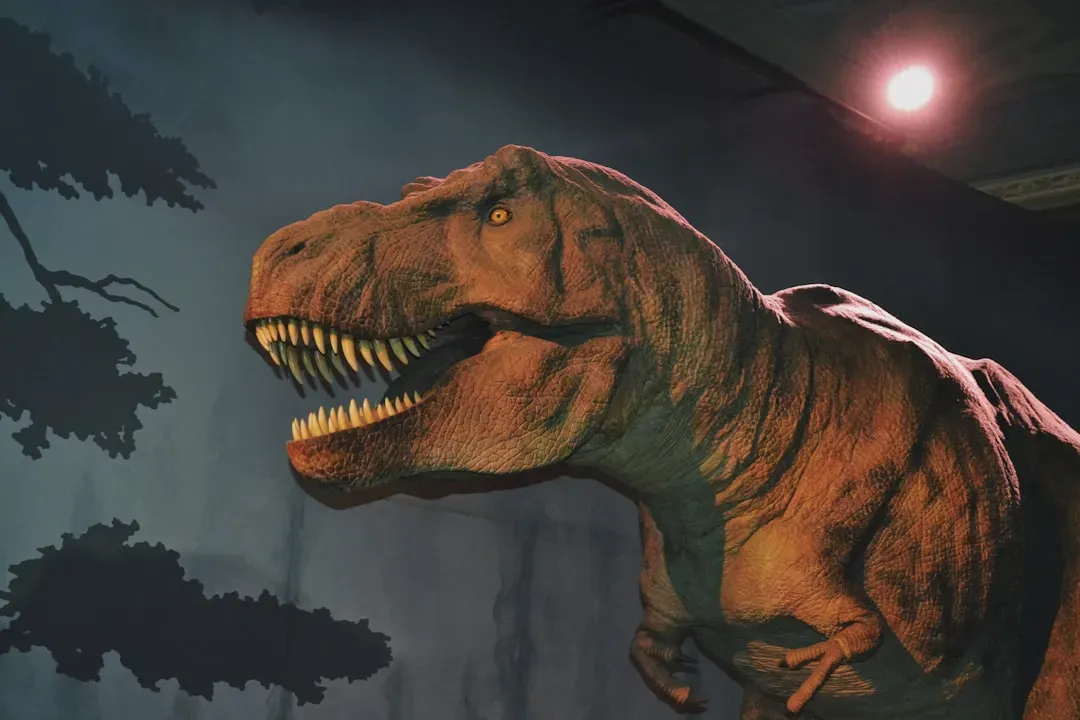
When you put all of this together, T. rex’s tiny arms start to look less like a cosmic joke and more like a very specific solution to a very specific lifestyle. In my view, calling them useless is lazy; the anatomy simply does not support that. They were short, yes, but also thick, strong, and armed with serious claws – exactly the kind of package you would expect if an animal needed tough, close-range tools that would not snap in the chaos of a multi-ton brawl.
Do I think those arms were the main killing weapons of T. rex? No – the jaws were still the undisputed star. But I do think the arms were vicious sidekicks, helping to hold, rake, and stabilize prey in ways that tipped the odds in the predator’s favor. The funny meme version of T. rex will probably never die, and honestly, that is part of the fun. But behind the jokes is an animal whose design makes a ruthless kind of sense. Next time you see that cartoon of T. rex struggling to clap, ask yourself: would you really want to be close enough to find out what those “useless” arms could do?