
You know those people who always seem to have it together? The ones who approach life with steady determination and a calm that feels almost unshakeable? There’s a good chance they’re Taureans. You see them as the rock, the reliable friend, the steady partner who provides comfort and security when everything else feels chaotic.
Yet here’s what most people don’t realize: beneath that composed exterior lies a landscape of deep-seated fears and vulnerabilities that Taurus works incredibly hard to conceal. Your Taurus friend might appear solid as stone, but inside, they’re wrestling with anxieties that would surprise you. Let’s explore what truly keeps this earth sign awake at night.
The Paralyzing Terror of Change

You might notice that change is something you dread more than most. When life shifts unexpectedly, it threatens the very foundation you’ve carefully constructed for yourself. You’re reactive to any form of instability, feeling genuinely threatened by anything that could disrupt your sense of security.
Think about it this way: while other signs might see change as adventure or opportunity, you see it as potential catastrophe. When your routine gets thrown off – maybe your favorite spot closes down or your job situation becomes uncertain – it feels like the ground is literally shaking beneath your feet, and you start wondering if everything else in your life is about to crumble too. That’s not dramatic thinking for you; that’s genuinely how it feels when your world becomes unpredictable.
What Will Come Next: The Constant Mental Loop

Your biggest insecurity is that you’re always questioning what will come next, constantly worrying about change that may be coming your way. This isn’t just casual concern. It’s a persistent mental soundtrack that plays in the background of your life, even during your calmest moments.
You can sometimes worry about things that haven’t happened yet, and since you crave stability above all else, it can be hard to accept that you don’t control the future. Let’s be real, this creates a peculiar kind of suffering. You’re not worrying about what is happening – you’re tormented by what might happen. Your mind becomes a generator of worst-case scenarios, each one feeling distressingly plausible.
The Fear of Loss Disguised as Resistance
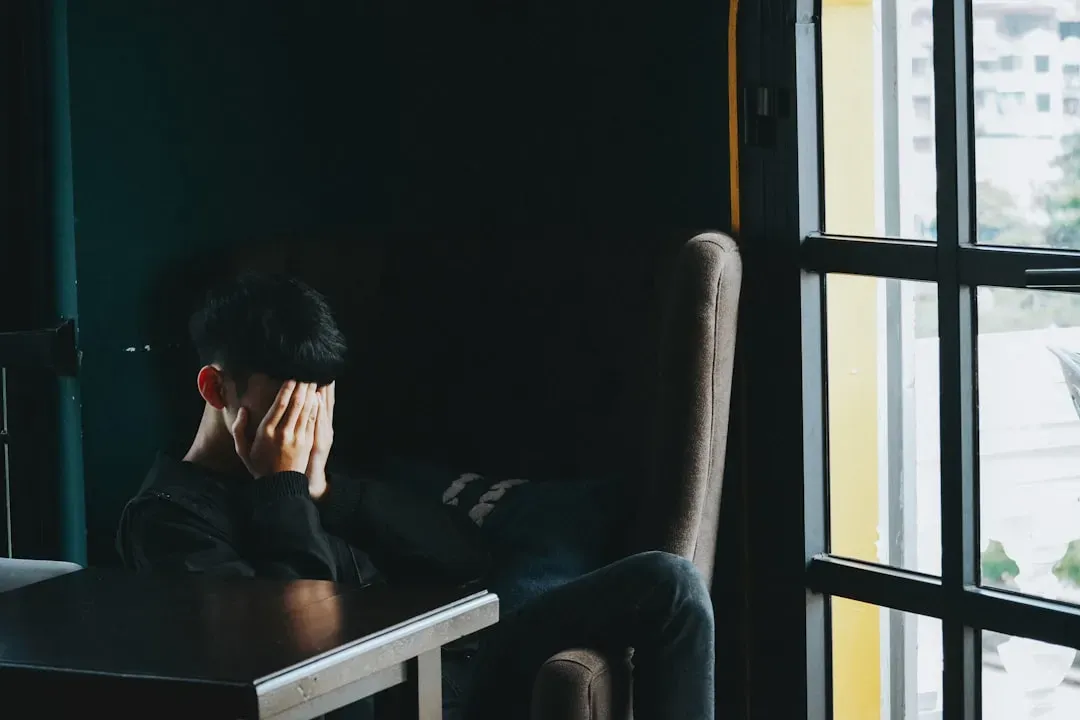
Here’s where things get interesting, and honestly, a bit heartbreaking. You don’t actually fear change itself – you fear loss disguised as change. You fear trusting something that feels solid only to watch it crumble. Every time you resist a new situation, it’s really about protecting yourself from potential grief.
You’re steady because life rarely is, and steadiness is the only thing that has ever felt like home to you. Think about the emotional weight of that statement. Your unwavering nature isn’t stubbornness for its own sake – it’s a survival mechanism you’ve developed because unpredictability has hurt you before. You’ve learned that the only thing you can truly rely on is your own ability to remain constant.
Material Possessions as Emotional Armor

Your anxiety is often rooted in feelings of lack, which are tied to material wealth, hedonism, and all the untouchable aspects of nature and beauty. Now, people might judge you for your love of nice things or call you materialistic. Yet they’re missing the deeper truth entirely.
Acquiring valuable goods serves as a marker of your financial prowess, while stockpiling everyday items is actually a way to mitigate psychological anxiety and bolster your sense of internal security through material accumulation. For you, material ownership represents a visible, beneficial, and concrete affirmation of self. Your possessions aren’t just things – they’re tangible proof that you’re safe, that you’ve built something real, that you won’t be left with nothing.
The Vulnerability You Hide Behind Emotional Walls

You’re cautious about getting hurt and hesitant to be vulnerable with people too quickly. That’s why it can sometimes take a long time for you to build a solid sense of trust with people in relationships. This cautiousness isn’t coldness, though others might misinterpret it that way.
While you possess emotional depth, you can also be quite guarded. You may hesitate to share your vulnerabilities or fears, preferring to maintain a strong exterior, which can create misunderstandings or feelings of distance in relationships as partners may perceive this emotional reserve as disinterest. I think this is one of your most challenging contradictions. You crave deep connection, yet the very act of opening up feels dangerous. You want people to truly know you, yet revealing your soft underbelly means risking the kind of hurt that could destabilize your entire world.
Status Anxiety and the Comparison Trap

You can get overly concerned about your status and how you rank compared to those around you. You find yourself comparing your accomplishments to others further up the chain and feel insecure about your own position and how you fit in. This particular insecurity can eat away at you quietly.
You might not broadcast this fear to the world, keeping up your composed facade. Inside, though, you’re tallying up achievements, measuring worth, wondering if you’re enough. It’s an unhealthy habit but one that’s often hard for you to break. The irony? You’re usually accomplishing far more than you give yourself credit for, yet your internal measuring stick remains impossibly high.
The Fear of Being Unloved or Betrayed in Love
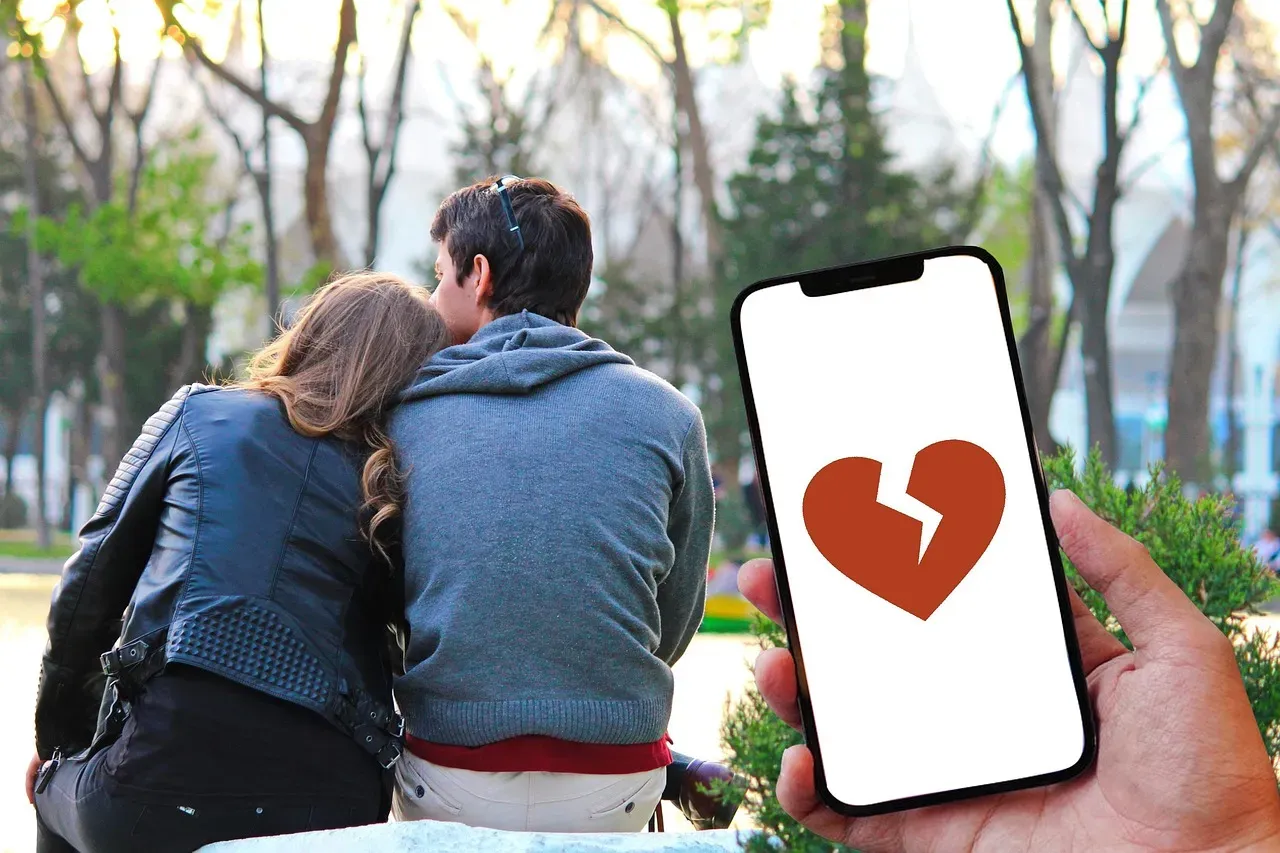
You are most insecure where love is concerned. You have a deep desire to be valued, loved, and appreciated for what you bring to the table, but the moment you detect even the slightest scent of betrayal from a partner, everything changes. This isn’t about being dramatic or overly sensitive – it’s about the fact that emotional security matters as much to you as physical security.
While your loyalty is a strength, it can also lead to possessiveness. Your fear of losing stability may trigger jealousy if you feel neglected or insecure in the relationship. When you love someone, you’re all in. You invest your entire being into that relationship, which means the stakes are terrifyingly high. The thought of that investment being wasted or betrayed cuts deeper than most people understand.
Finding Peace Beyond the Facade of Control

This insecurity can be paralyzing, preventing you from achieving your full potential or realizing your dreams. You must learn to recognize these fears and challenge yourself to move forward despite any feelings of instability. Growth happens outside comfort zones, yet comfort zones are precisely where you feel safest.
Remember, true stability comes from within, not from external factors. It’s hard to internalize this truth when everything in you screams to control your environment, to build thicker walls, to hold tighter to what you have. The paradox is that the more desperately you cling to stability, the more fragile it becomes. Real security comes from developing the inner flexibility to weather life’s inevitable storms while maintaining your essential nature.
Understanding your hidden fears doesn’t make you weak – it makes you human. Your strength lies not in denying these vulnerabilities but in acknowledging them while still choosing to move forward with courage. What’s one fear you’re ready to face today?