I love the Jurassic Park films probably more than is reasonable for an adult, but there’s a point where even the most forgiving fan just winces. These movies gave a whole generation its first real crush on science and dinosaurs, but they also gave working paleontologists endless headaches and facepalm material. Some of the science slip‑ups are small, some are understandable, and some are so spectacularly wrong that you can practically hear actual scientists screaming into their popcorn.
This list walks through ten of the most scientifically embarrassing moments across the franchise, from early classics to the newer Jurassic World entries, ranked from mildly cringeworthy to flat‑out inexcusable. We’re not nitpicking tiny details like the exact angle of a claw; we’re talking about moments where the films stomped all over what we actually know about biology, evolution, behavior, and basic physics. Think of this as a love letter from someone who adores the series enough to admit when it badly needs a red pen.
10. The Velociraptor Size Upgrade That Never Got Fixed
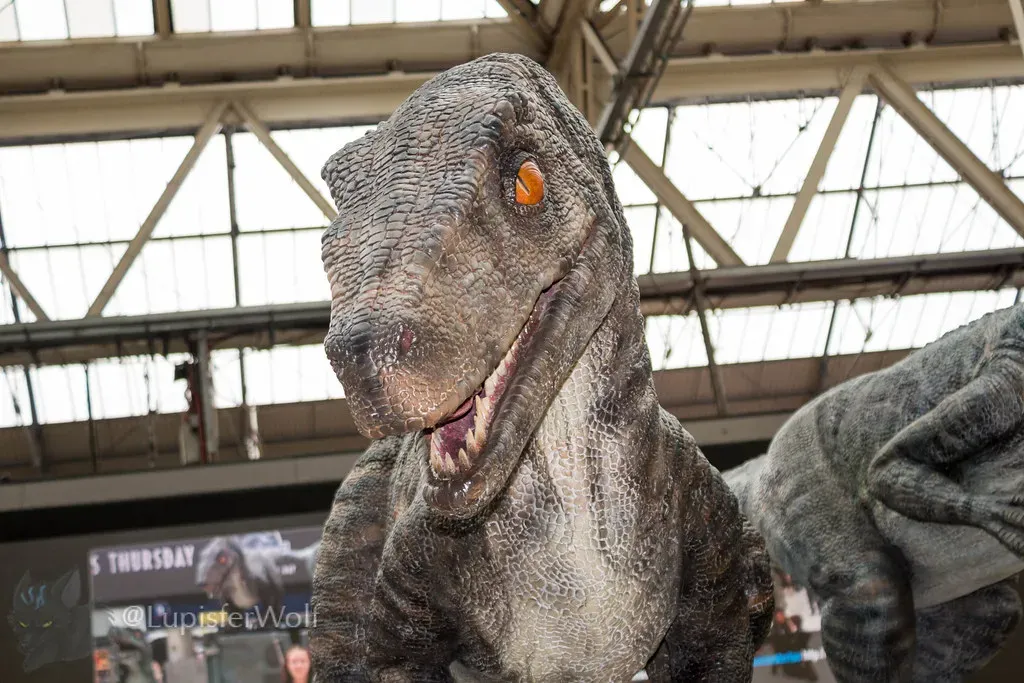
Let’s start with the raptors. In the real world, Velociraptor was roughly turkey‑sized, slender, and not the six‑foot tall nightmare ninja the films turned it into. The creatures on screen are closer to another dromaeosaur called Deinonychus or even Utahraptor in size and body proportion, yet they’re consistently called Velociraptor as if that name just sounded cooler in a trailer, which it absolutely did.
To be fair, this is one of the more forgivable sins, especially for the original Jurassic Park, which was based on a novel that had already exaggerated raptor size. Where it turns embarrassing is that the franchise sticks to this mislabeling for decades while claiming, in‑universe, to be all about genetic accuracy and cutting‑edge science. It’s like proudly opening a high‑tech zoo, calling the elephants “horses,” and then acting surprised when people question your expertise.
9. The “Frogs Made Them Change Sex Overnight” Explanation
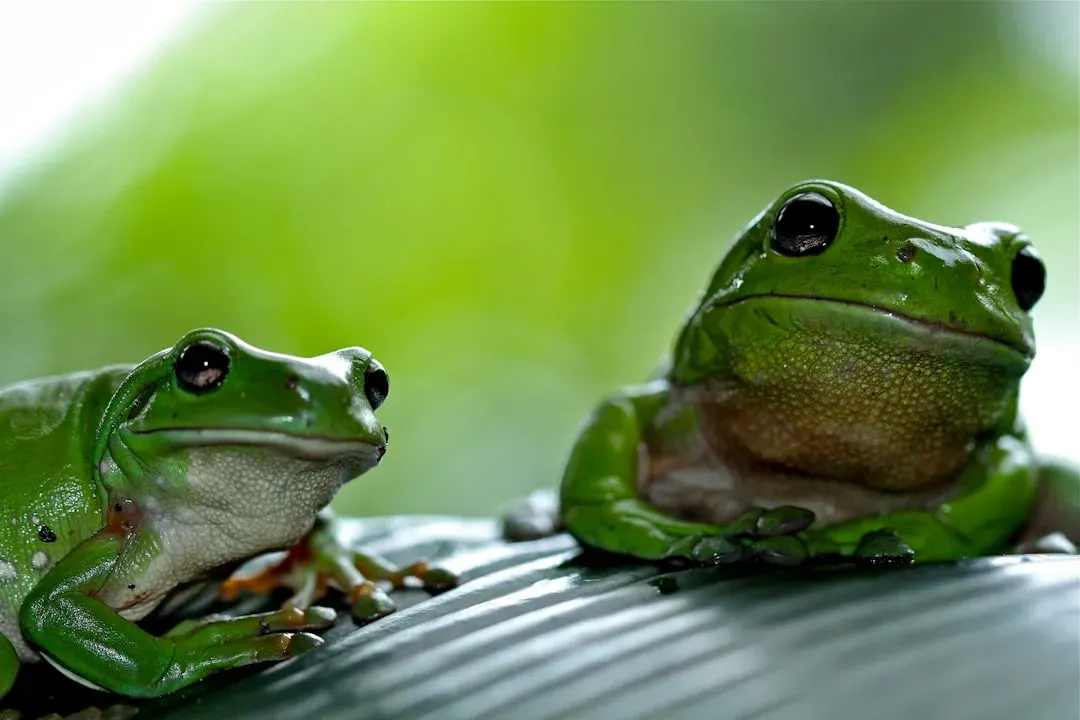
The first film leans on a clever‑sounding plot device: the dinosaurs were all engineered as females, but some spontaneously changed sex because their DNA was patched with frog genes. In real biology, some frog species can indeed change sex in response to environmental conditions, and sex reversal does occur in a variety of animals. That part is not pure fantasy; it has a foothold in reality.
The embarrassing bit is how fast and conveniently it all happens in the story and how vaguely hand‑wavy the mechanism is. Real sex change in vertebrates is complex, hormonally driven, and usually tied to social structures or environmental pressures, not just “oops, we used frog DNA so now the park’s collapsing.” It turns a nuanced phenomenon into a cheap narrative trick, like blaming a server crash on “some extra code from another app” instead of admitting the whole system was underdesigned from the start.
8. Herbivores Behaving Like Hollywood Monsters
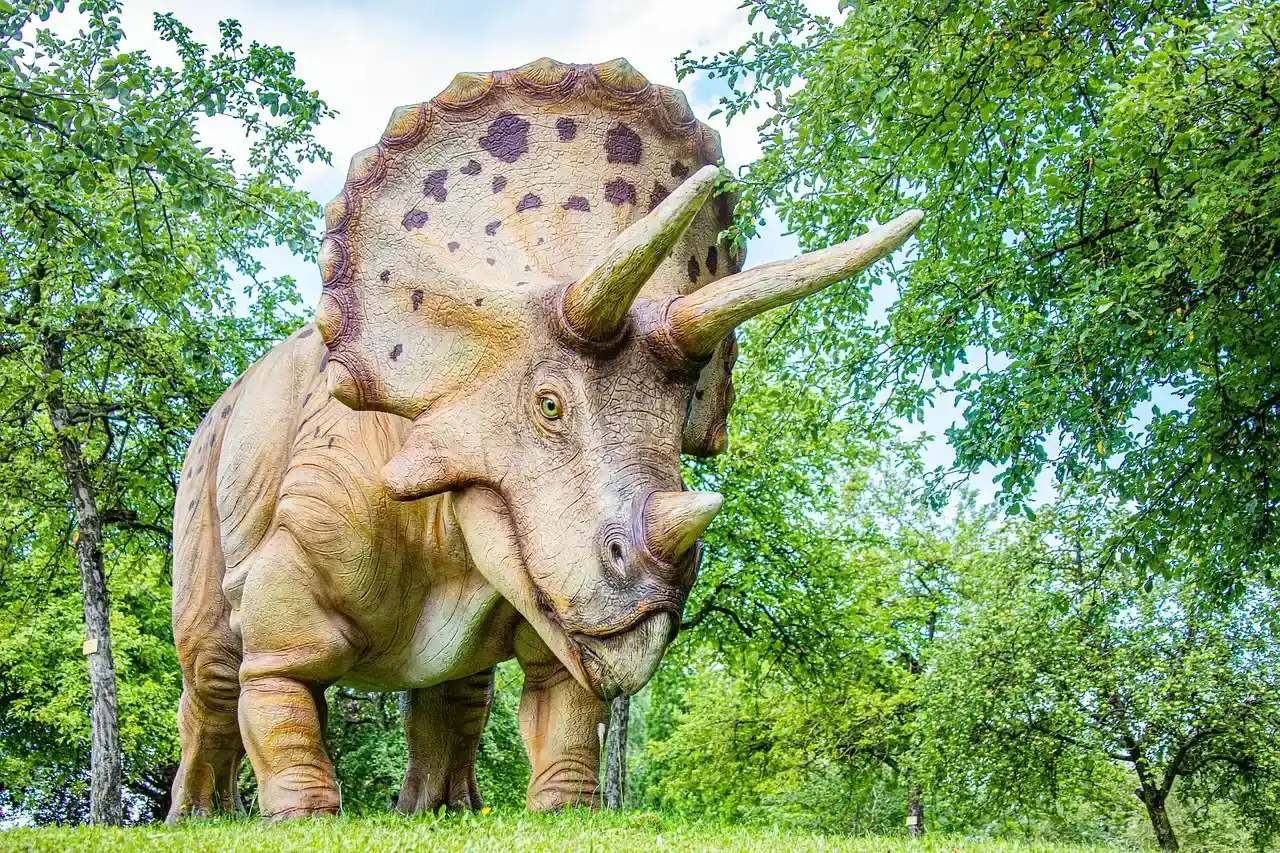
Across the series, herbivorous dinosaurs are often shown as either gentle giants or, when drama demands it, irrational battering rams that charge vehicles for no clear reason. While any large animal can be dangerous, especially when stressed, the films lean into random aggression in a way that makes some scenes feel more like a haunted house than a living ecosystem. Triceratops ramming stuff like a medieval tank on command looks cool but ignores the subtleties of animal behavior.
In real ecosystems, large herbivores like elephants, rhinos, and bison can definitely attack, but it is usually highly context‑dependent: protecting calves, defending territory, or responding to clear threats. The movies often skip that nuance and treat every encounter as an excuse for a collision, which quietly undermines the series’ claim that we’re watching animals and not theme park monsters. It is not the worst offense scientifically, but it is a missed opportunity to show how complex and interesting real animal behavior can be.
7. The “T. rex Can’t See You If You Don’t Move” Myth
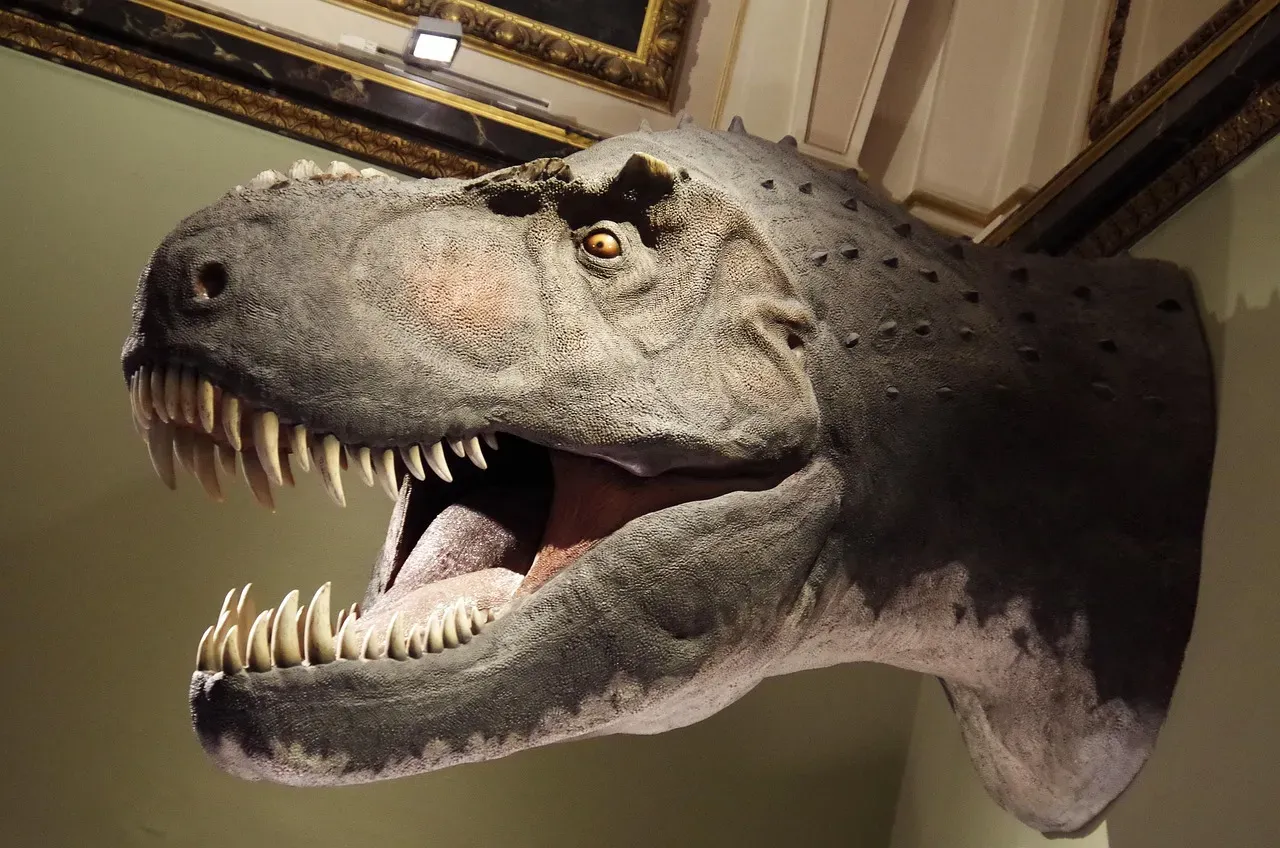
One of the most famous scenes in Jurassic Park hinges on the idea that the Tyrannosaurus rex has vision based on movement, so if you stand still, you are safe. It is an iconic tension device, but scientifically, it is built on sand. Studies of tyrannosaur skulls and eye placement suggest T. rex likely had strong binocular vision and depth perception, more comparable to a large predatory bird or mammal than a motion‑triggered security camera.
The entire stillness gimmick feels extra embarrassing in hindsight because the film simultaneously tries to ground everything in real paleontological discussion. The reality is that a predator of that size, with that head morphology, probably had very good visual acuity and multiple sensory channels for detecting prey. Think less “cheap dinosaur from an old monster movie” and more “giant eagle‑like hunter with a seriously powerful sensory toolkit.” Standing still would have made you a conveniently non‑dodging snack, not an invisible one.
6. Ignoring Feathers Long After the Evidence Was In
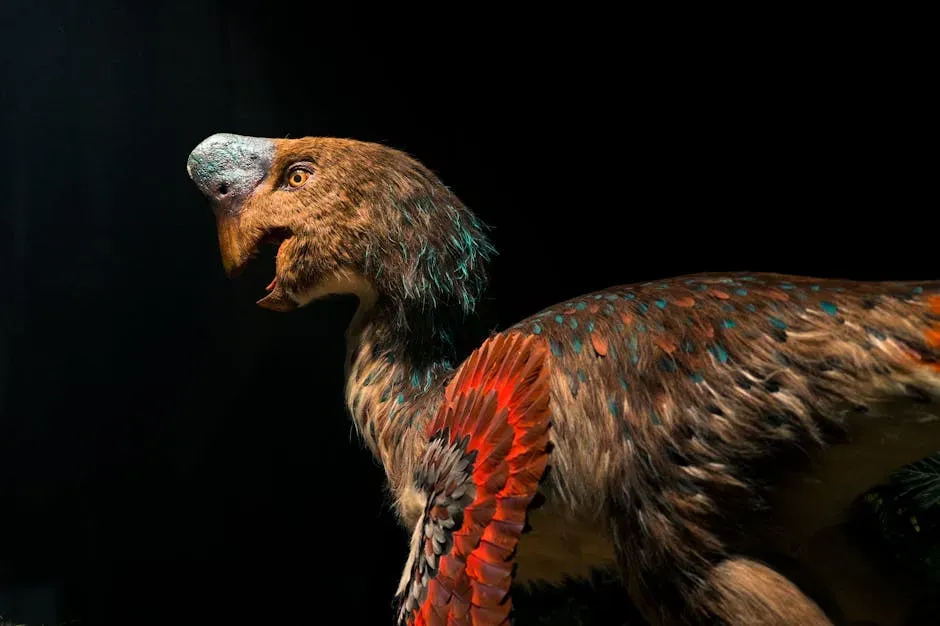
By the time the later Jurassic Park and Jurassic World films were rolling out, the scientific consensus that many theropod dinosaurs, especially smaller ones like dromaeosaurs, had feathers or feather‑like structures was extremely strong. Fossils from China and elsewhere clearly showed plumage impressions, and the idea of scaly, bare‑skinned raptors was already outdated. Yet the franchise clung stubbornly to the old design, offering only vague hand‑waving about “this is how the public expects them to look.”
This is where the embarrassment shifts from understandable to willful. The series had a golden chance to visually evolve alongside science and instead chose brand recognition over accuracy. Imagine if a space franchise kept showing astronauts with no helmets in open space because “that is what people are used to.” The refusal to feather up the raptors turned what could have been a thrilling aesthetic update into a very public reminder that the films were drifting further from the actual science that originally inspired them.
5. The Overpowered, Biologically Nonsensical Hybrids
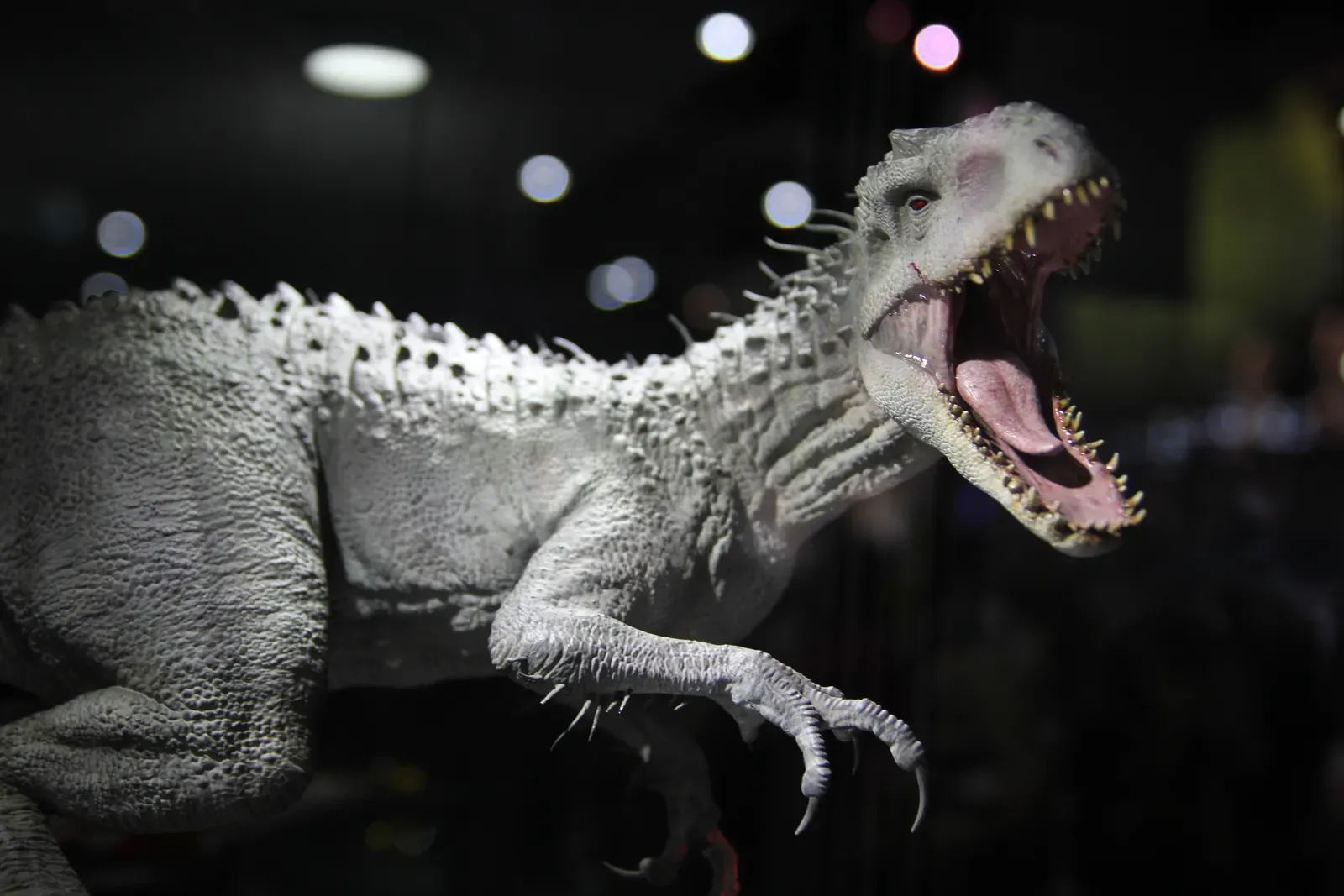
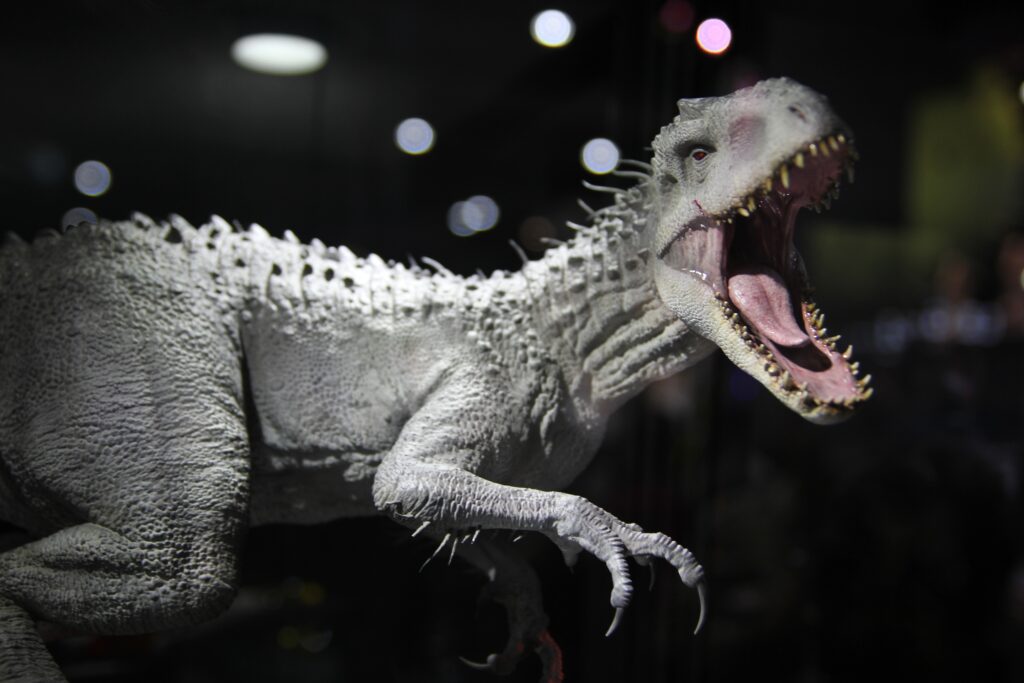
Once the Jurassic World era leans into hybrid dinosaurs like Indominus rex and Indoraptor, the science goes from shaky to almost satirical. Hybrids in biology are real, but usually between closely related species, and the results are constrained by developmental biology, genetics, and basic compatibility. The films instead treat the genome as a buffet where you can casually mix cuttlefish, velociraptor, T. rex, and who‑knows‑what into a single animal that just happens to get every superpower you need for the plot.
The hybrids’ abilities – thermal regulation tricks, camouflage, ultra‑high intelligence, perfect stealth, and sometimes near‑invulnerability – make them feel more like comic book villains than living organisms. There is no attempt to grapple with trade‑offs, developmental failures, or immune system chaos, all of which would plague any real attempt at such extreme gene mixing. The result is entertaining, sure, but scientifically it is like watching someone claim they built a working dragon by mixing a tiger, an eagle, and a flashlight in a blender.
4. Dinosaur Super‑Brains and Tactical Genius
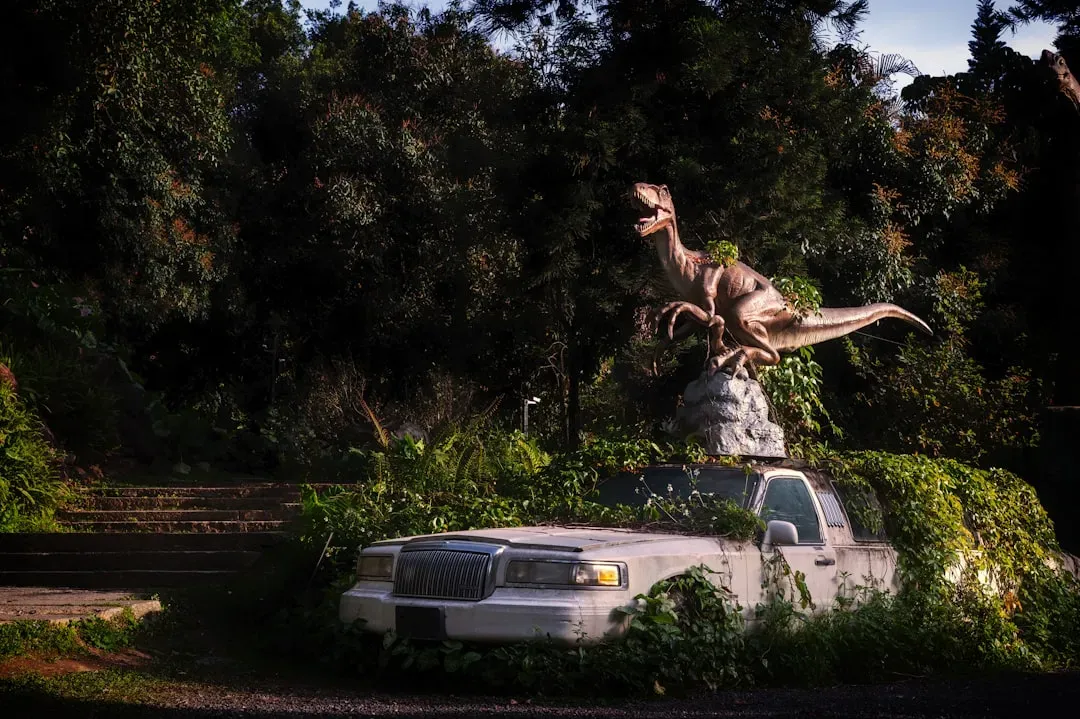
The original Jurassic Park did a decent job hinting at behavioral complexity without going completely off the rails. Later entries, however, start treating some dinosaurs – especially raptors and hybrids – as tactical geniuses coordinating multi‑step ambushes, battlefield deception, and almost human‑level strategic planning. Intelligence in non‑avian dinosaurs is still an active area of research, but nothing suggests they were masterminding heist‑movie level schemes.
Modern birds, which are their closest living relatives, can be remarkably smart, and some corvids and parrots reach problem‑solving levels that surprise even researchers. But the films push things way past that into the territory of reading human intentions, understanding complex technology, and improvising like trained special forces. It is one thing to show an animal learning a pattern or exploiting a repeated weakness; it is another to have it acting like it just finished a tactics seminar and a psychology course.
3. Human Clones and Dino DNA Logic Drift
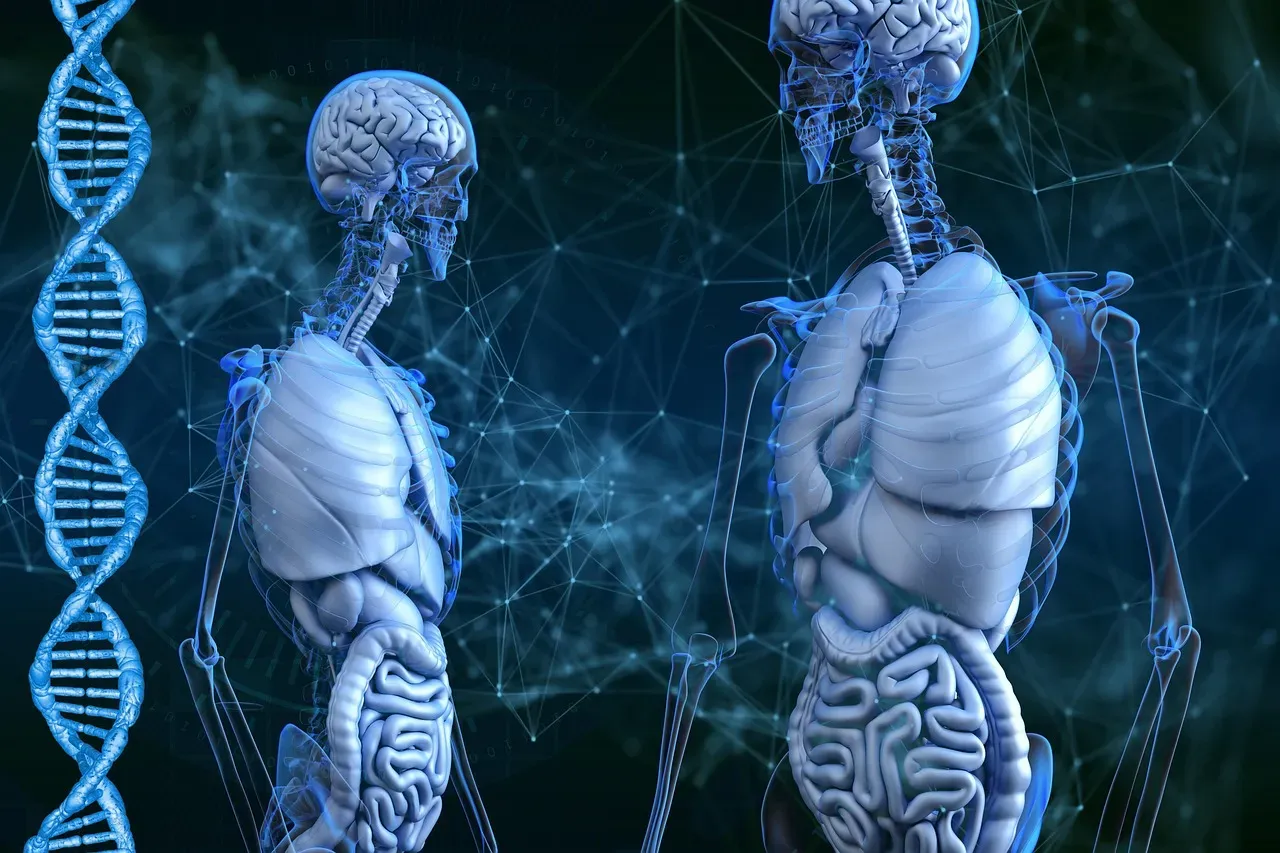
As the franchise expands, it starts playing with human cloning and links it loosely to the dinosaur resurrection technology. While human cloning is conceptually possible in a broad sense, the films blur everything together into a vague, almost magical “we have the technology” stew. The earlier movies at least pretended to engage with the challenges of reconstructing ancient DNA from partial sequences and filling gaps with modern analogs; the later ones flatten that complexity into a universal genetic magic wand.
The science of ancient DNA is incredibly difficult, with real projects having to fight degradation, contamination, and the brutal reality that deep‑time DNA simply does not survive beyond a certain window. When the films start acting as if the same hand‑wave can apply equally to dinosaurs, modern humans, and whatever else the plot needs, they reveal how far they have strayed from any meaningful scientific grounding. Instead of using new discoveries about genetics and cloning to update the story, they lean into a vague “we can do anything” philosophy that undercuts the stakes.
2. The Mosquito in Amber Resurrection Idea (Taken Way Too Literally)
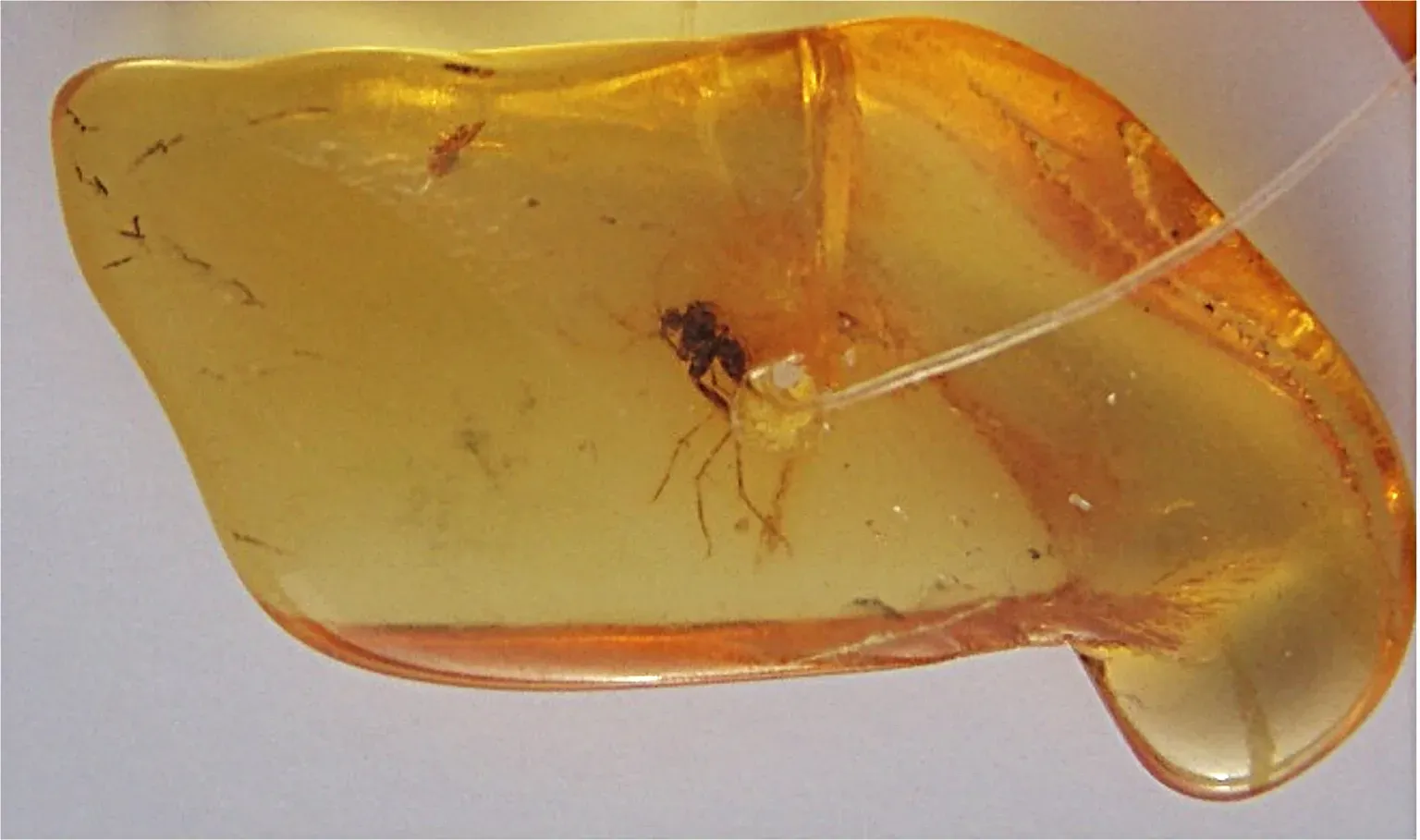
The central premise of Jurassic Park – extracting dinosaur DNA from blood meals preserved in amber‑trapped mosquitoes – is one of the most famous bits of movie science ever. It is also one of the least plausible when you dig into the details. DNA is a fragile molecule that breaks down over time, and research on ancient DNA suggests that even under ideal conditions, it does not remain intact for tens of millions of years. Insects in amber can preserve amazing structural detail, but preserving readable dinosaur genomes that way is wildly unlikely.
What makes this embarrassing rather than just speculative is that the films never evolve the premise as science advances. They keep doubling down on the same simplistic amber‑mosquito pipeline even as real scientists publish tighter estimates on DNA survival times and produce clearer evidence of its limits. The idea that you could sequence a coherent dinosaur genome, much less mass‑produce whole living animals from it, belongs firmly in the realm of imaginative science fiction, not borderline plausible extrapolation. The franchise rarely acknowledges that gap, which makes the original “this could almost be real” vibe feel more misleading over time.
1. Dinosaurs Living as Modern Invasive Species Without Ecological Collapse
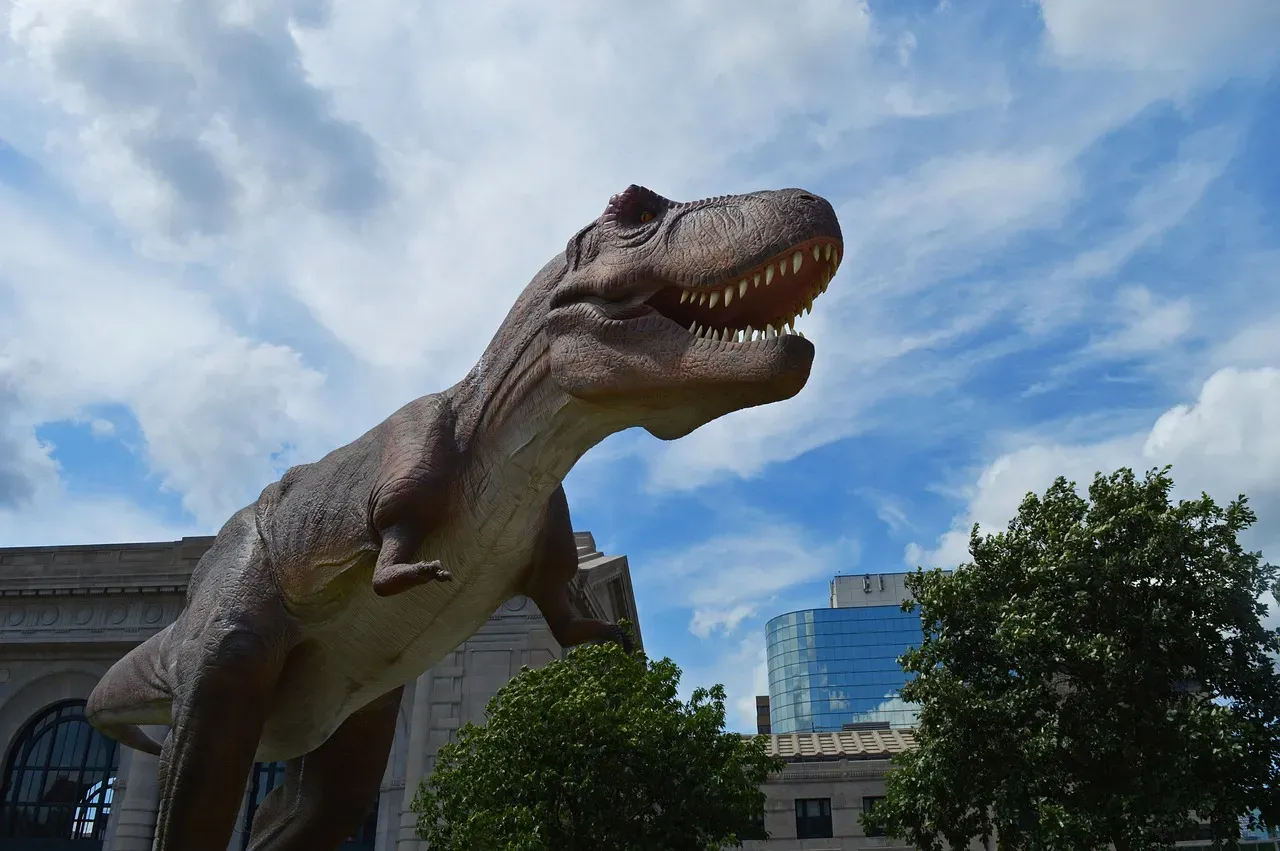
The most inexcusable scientific sin shows up in the later films that depict dinosaurs roaming the modern world almost like slightly inconvenient wildlife. You get scenes of people dodging small herds on roads or dealing with the occasional escaped predator, but the broader global ecological and evolutionary consequences are wildly underplayed. Dropping large Mesozoic predators and herbivores into existing ecosystems would be like dumping ancient apex sharks into freshwater lakes worldwide – everything would change, fast and violently.
Real ecosystems are delicate networks of energy flow, competition, disease, and coevolution. Suddenly adding large, non‑native megafauna with no evolved checks or balances would trigger cascading extinctions, new pathogen dynamics, and massive disruption of agriculture and human infrastructure. The films treat it more like a series of local nuisances and black‑market pet problems than a deep planetary crisis. For a franchise that started as a cautionary tale about scientific hubris, glossing over the actual scale of what resurrected dinosaurs would do to the modern biosphere is not just scientifically embarrassing – it is thematically hollow.
Conclusion: A Franchise That Forgot Its Own Science Lesson
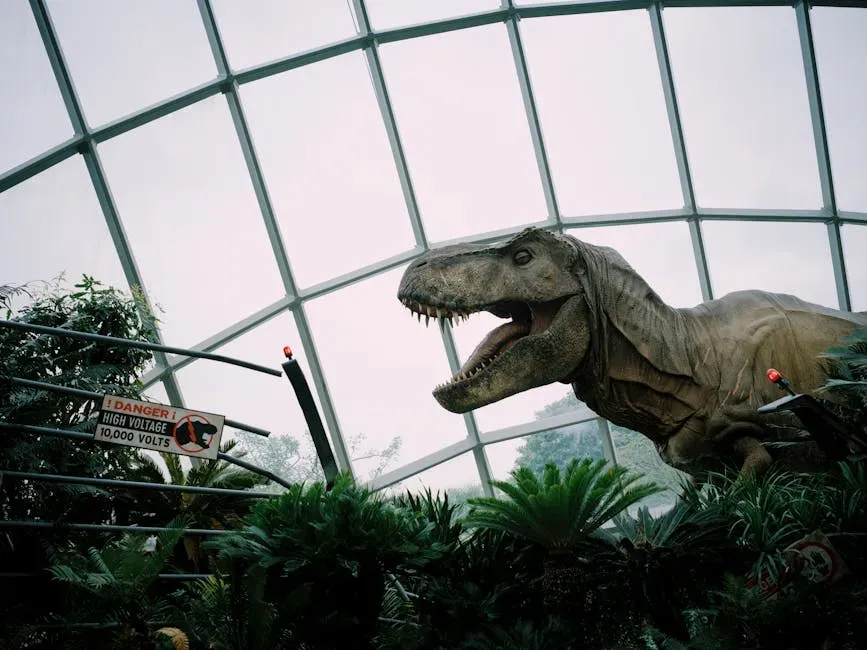
What makes these mistakes sting is not that Jurassic Park was ever meant to be a documentary, but that the original film worked so hard to feel grounded in real science even as it bent the rules. Over time, the series drifted from “plausible‑ish speculative biology” to “superhero monster mash,” and it never really looked back. You can almost track that drift by watching how seriously the films treat things like genetics, ecosystems, and animal behavior: early on they are central questions, later they are set dressing for bigger explosions.
Personally, I still get a thrill when that first T. rex steps out of the paddock, and I do not think loving these movies and criticizing their worst scientific moments are in conflict. If anything, the frustration comes from knowing how much richer and more terrifying they could be if they respected what we now understand about dinosaurs and biology. The franchise taught a whole generation that science is powerful and that hubris has consequences; somewhere along the way, it started breaking its own rules. Maybe the real question now is this: if they ever reboot it again, will they finally let the science evolve too, or will we be stuck with scaly supervillains forever?