Dinosaurs ruled the Earth for roughly 180 million years, and they didn’t manage that just by being big. Some evolved truly bizarre shapes, odd behaviors, and unexpected adaptations – the kind that make you wonder how they even worked. From long-clawed plant-eaters to bat-winged gliders, these unusual species show just how creative evolution can be.
What’s especially striking is that many of these weird features weren’t quirks or evolutionary accidents. Dinosaurs developed various behavioral and physical adaptations to ensure their survival, and over millions of years, natural selection favored characteristics that allowed them to thrive in changing environments. Here are seven of the most outlandish adaptations ever found in the fossil record, and why each one actually worked.
1. Spinosaurus and Its Paddle-Shaped Tail for Life in the Water
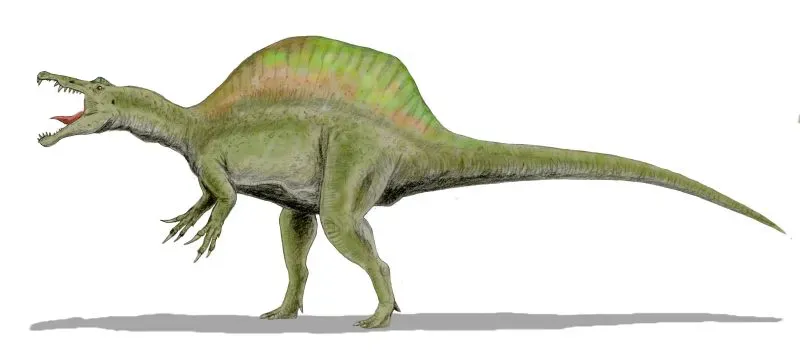
Spinosaurus_BW.jpg: ArthurWeasley, CC BY 2.5)
You probably think of dinosaurs as land creatures. That’s the assumption that held for decades, right up until Spinosaurus completely upended it. The skull of Spinosaurus was long, low, and narrow, similar to that of a modern crocodilian, and it bore straight conical teeth. Its distinctive neural spines grew to at least 1.65 meters long and were likely to have had skin connecting them, forming a sail-like structure.
What truly sets this animal apart is what was found in 2018 when paleontologists excavated a nearly complete tail from Morocco. Researchers presented unambiguous evidence for an aquatic propulsive structure in this dinosaur – it has a tail with an unexpected and unique shape consisting of extremely tall neural spines and elongate chevrons, which forms a large, flexible fin-like organ capable of extensive lateral excursion. Evidence suggests it was semiaquatic, although the extent of its swimming capability has been strongly contested. Whether you see it as a dedicated swimmer or a wading ambush predator, the anatomy of Spinosaurus represents one of the most startling pivots in dinosaur evolution ever recorded.
2. Parasaurolophus and Its Built-In Horn for Long-Distance Communication
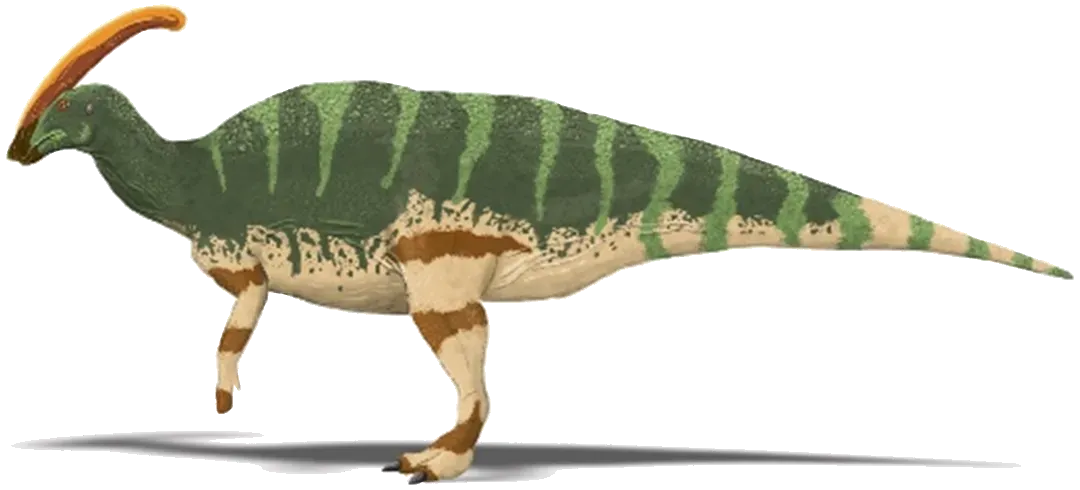
Imagine carrying a six-foot hollow tube on the back of your skull as a survival tool. That’s essentially what Parasaurolophus did, and it worked brilliantly. Parasaurolophus is a hadrosaurid known for its range of bizarre head adornments, which were likely used for communication and increased hearing. This genus is known for its large, elaborate cranial crest, which forms a long curved tube projecting upwards and back from the skull in its largest form.
The cranial crest was hollow and connected to the nasal passages, forming a network of tubes that likely acted as a resonating chamber. When the animal exhaled, air would pass through these tubes, causing them to vibrate and produce sound waves. Studies using 3D modeling and acoustic simulations suggest the crest could produce low-frequency sounds, potentially traveling long distances. Such frequencies are ideal for herd coordination, as they allow individuals to stay in contact over vast areas. Low-frequency calls could also serve as a warning system, alerting the herd to distant threats. In a world full of large predators, being able to signal your herd from a distance wasn’t just convenient. It was a genuine lifeline.
3. Ankylosaurus and the Ultimate Defense System
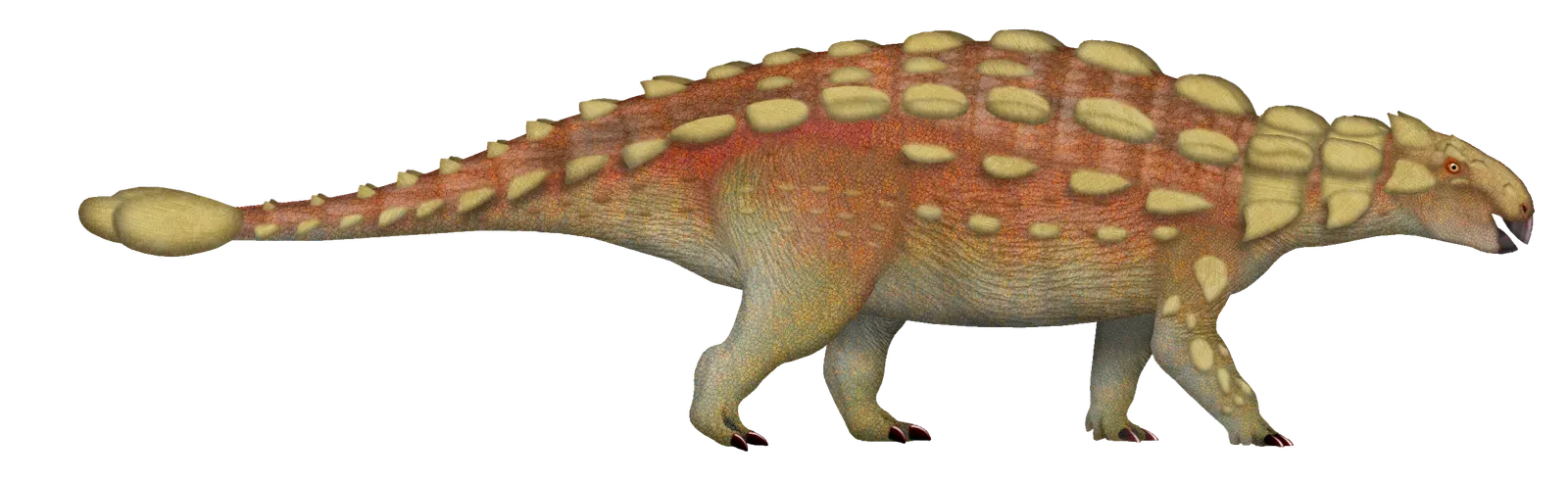
No discussion of bizarre survival adaptations would be complete without Ankylosaurus, a dinosaur that essentially turned itself into a living fortress. Ankylosaurus was covered in thick bony plates called osteoderms, providing protection from predators. Its tail ended in a powerful bone club capable of breaking bones with a single strike.
Its low, wide build made it nearly impossible to flip over, and its armor acted as a shield against bites. Ankylosaurus represents defense perfected by evolution – one of the ultimate survivors of the dinosaur world. New fossil finds of Ankylosaurus in Alberta, Canada displaying extensive bony armor and clubbed tails have revealed the lengths to which dinosaurs evolved for survival against predators, showcasing incredible evolutionary adaptations. What’s remarkable is that this animal didn’t need speed or aggression to survive – it engineered its body into something that predators simply couldn’t overcome.
4. Microraptor and Its Four-Winged Body Plan
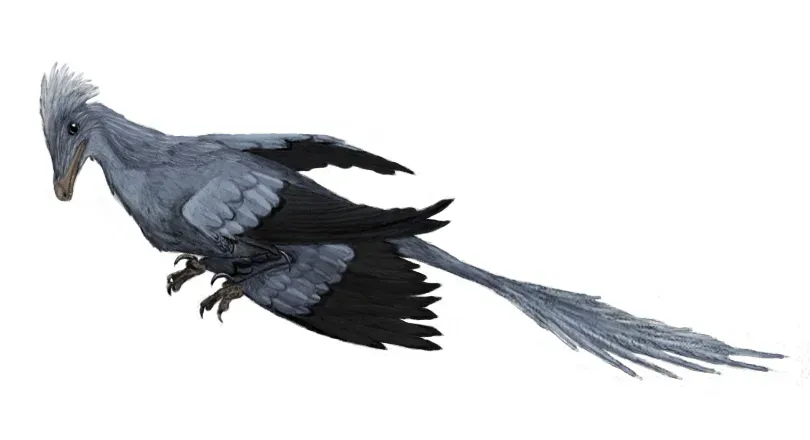
Most animals that fly have two wings. Microraptor decided four was better. Microraptor was a crow-sized dinosaur from China with feathers on both its arms and legs, giving it four wings. It likely glided between trees, hunting small prey. Its glossy black feathers and unusual body plan make it a key species for studying the evolution of flight in dinosaurs.
This four-winged design is fascinating because it doesn’t match any living animal’s solution to flight. Feathers evolved before flight and may have functioned as insulation to keep dinosaurs warm, or for display as a way to attract mates. With Microraptor, however, feathers clearly served an aerodynamic function too. Its unusual body plan makes it a key species for studying the evolution of flight in dinosaurs, and it had iridescent black feathers much like a modern crow’s shimmering plumage. That iridescence also suggests the feathers may have played a role in visual signaling, meaning this single adaptation was doing multiple jobs at once.
5. Nigersaurus and Its 500-Tooth Lawnmower Jaw
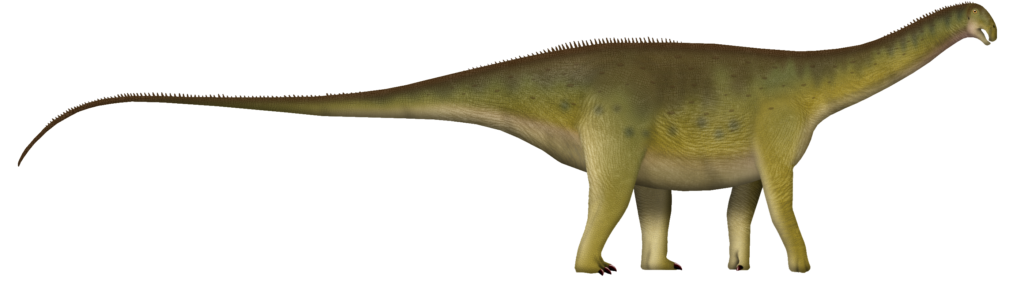
Most plant-eating animals have a reasonable number of teeth. Nigersaurus chose a different strategy entirely. Nigersaurus, known as the “Mesozoic cow,” was a peculiar sauropod from the Middle Cretaceous of Niger. With a broad snout and over 500 active and replacement teeth, this dinosaur is famed for its grazing specialization, feeding close to the ground akin to modern cattle. Its body structure supported a head-down, ground-level feeding posture.
The Sahara Desert unveiled Nigersaurus, a dinosaur with more than 500 teeth adapted for sweeping up ground vegetation. Its unique skull and jaw mechanics continue to baffle scientists wishing to understand niche dietary roles in prehistoric ecosystems. The genius of this adaptation is efficiency. Rather than spending energy searching for diverse food sources, Nigersaurus specialized so completely in low-lying vegetation that its entire skull was essentially redesigned to serve that single purpose. The teeth were arranged in rows at the very front of the jaw, like a wide rake, perfectly suited for sweeping up plants in bulk.
6. Pachycephalosaurus and Its Dome of Solid Bone
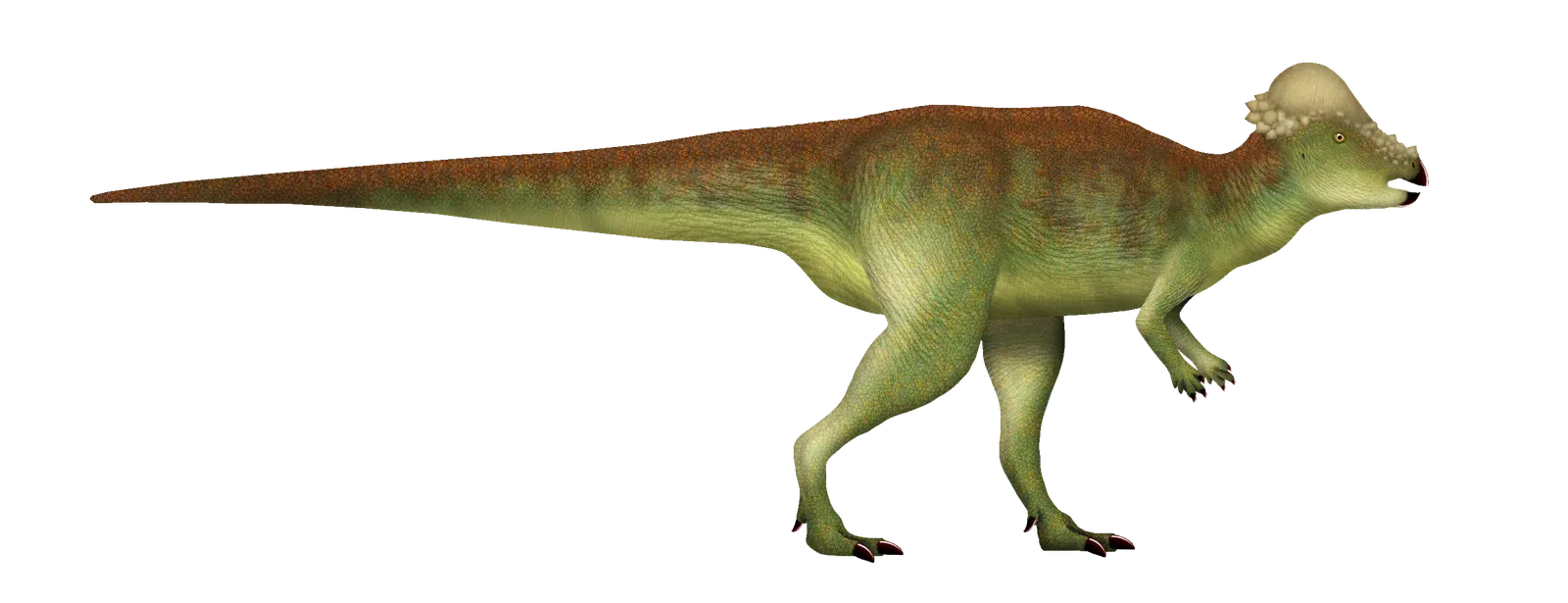
A skull so thick it could withstand incredible impact sounds more like science fiction than biology, yet that’s exactly what Pachycephalosaurus evolved. With its thick, rounded skull, Pachycephalosaurus stands out as one of the most unusual dinosaurs ever discovered. Living during the Late Cretaceous, this herbivore is best known for its helmet-like dome head. Scientists believe Pachycephalosaurus may have used its skull for head-butting contests, similar to modern rams, though this behavior is still debated. Its skull could be up to 10 inches thick, one of the most extreme adaptations among dinosaurs.
Bizarre structures in dinosaurs have four main traditional explanations: mechanical function, sexual selection, social selection, and species recognition. For Pachycephalosaurus, the dome likely served at least two of those purposes simultaneously. Elaborate display structures such as horns or crests are common to all dinosaur groups, and some extinct groups developed skeletal modifications such as bony armor and spines. The dome of Pachycephalosaurus sits squarely in this tradition, but taken to a remarkable extreme. Whether it was used for direct head-butting or as a visual signal of dominance within the herd, that bone dome made this otherwise unassuming herbivore distinctly difficult to ignore.
7. Oryctodromeus and the Survival Strategy of Burrowing Underground
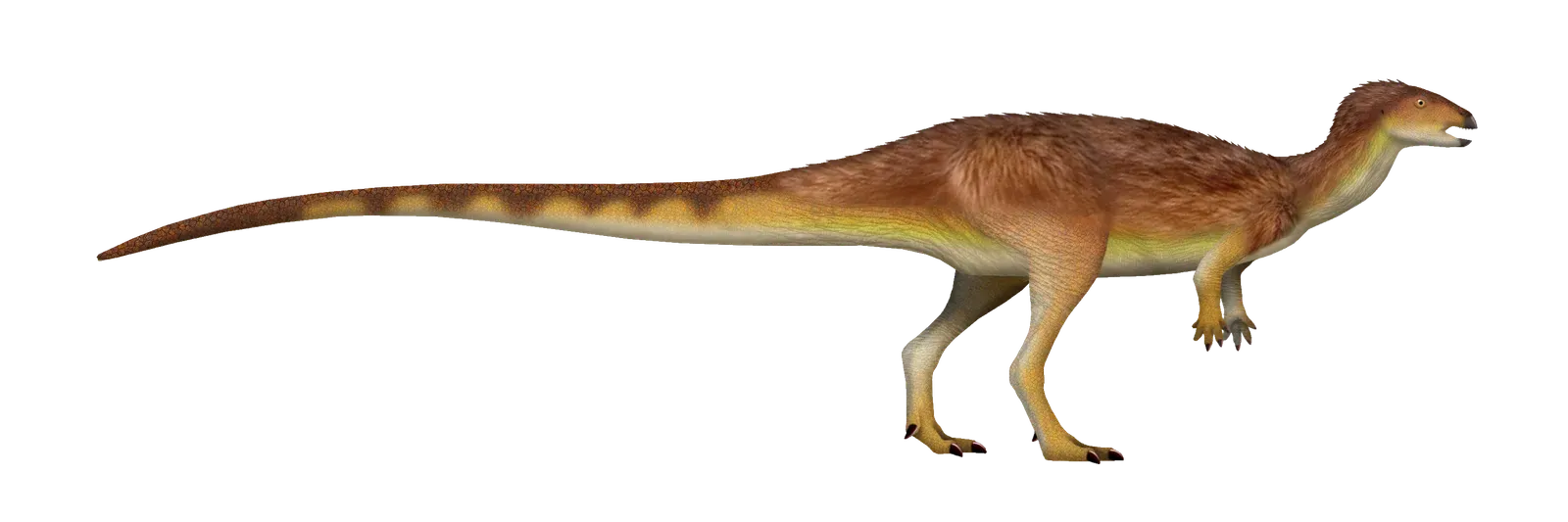
You wouldn’t necessarily expect a dinosaur to dig its own home, yet that’s precisely what Oryctodromeus did. As a group, dinosaurs aren’t really known for burrowing – this is a behavior most often associated with mammals and one of the often-suggested reasons why they survived the asteroid-induced mass extinction 66 million years ago. However, there is a dinosaur that scientists are confident built and maintained burrows: Oryctodromeus. This labrador-sized animal lived in the western United States during the Late Cretaceous, roughly 100 million years ago, and belongs to a family of herbivorous, fast-running dinosaurs known as thescelosaurs.
Oryctodromeus was discovered in 2007 after paleontologists unearthed a fossilized burrow in southwestern Montana that contained the remains of three partial skeletons from an adult and two juveniles. The burrow closely matched the proportions of the adult specimen, suggesting it had dug out its own home rather than squatted in a burrow made by another animal. The implications here are significant. A burrow provides shelter from predators, protection from extreme temperatures, and a safe environment for raising young. Research indicates that some dinosaurs migrated over vast distances much like modern wildebeests or caribou, and analysis of oxygen isotopes in fossilized teeth has provided clues to their movements across different landscapes. Such studies suggest migration patterns were driven by seasonal changes and food availability. Oryctodromeus took a simpler, more contained approach: instead of moving with the seasons, it dug in and held its ground.
Conclusion: Evolution Doesn’t Follow a Blueprint
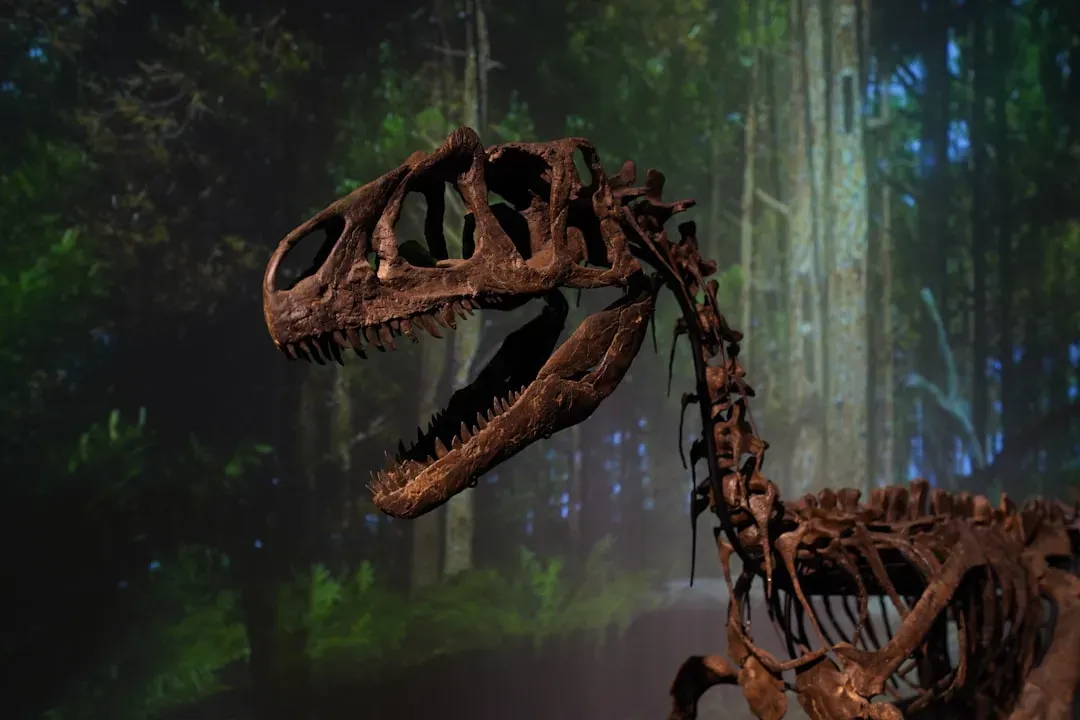
What these seven animals share isn’t size or ferocity. It’s the ability to solve a specific survival problem in a way that no other creature before them had attempted. A paddle-shaped tail, a hollow resonating skull, half a thousand teeth, or a burrow dug into Montana rock – each one was evolution testing a new answer to an old question: how do you stay alive?
Dinosaurs weren’t just giant reptiles – they were diverse, inventive, and sometimes downright strange. Studying their odd adaptations gives us a deeper appreciation for evolution and the complexity of prehistoric ecosystems. The stranger the adaptation seems to you today, the more it likely reflects just how different the pressures of the Mesozoic world truly were. These animals didn’t survive in spite of their oddities – they survived because of them.