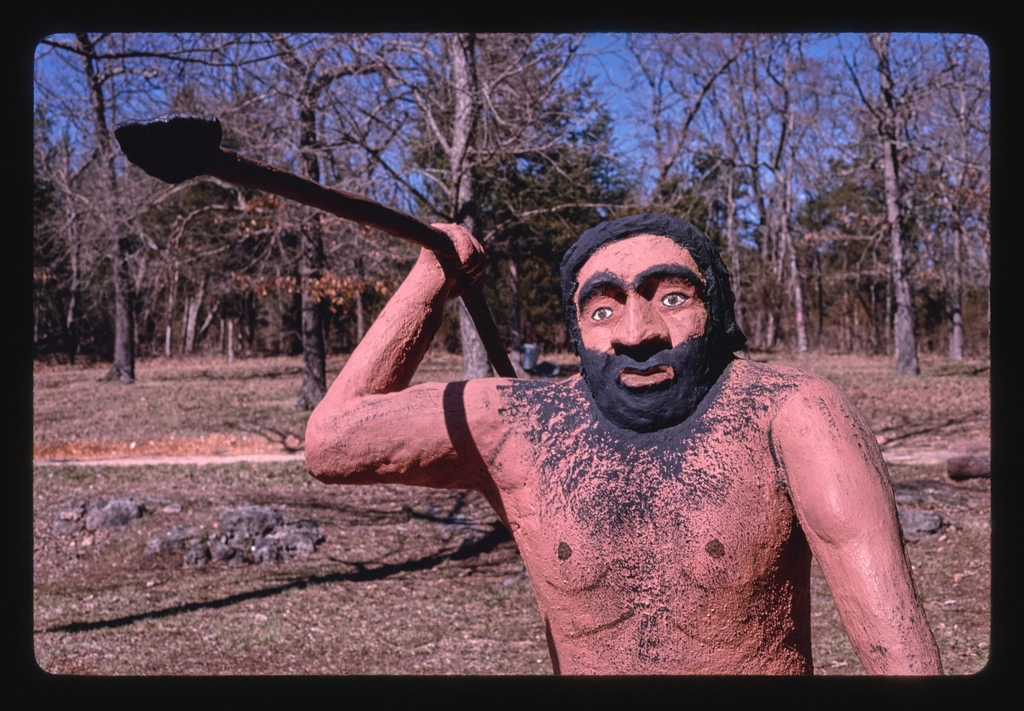
Cavemen in movies are basically time-traveling mascots for chaos: grunting guys in fur underwear who club things, drag women around, and apparently invented every bad haircut known to humanity. They show up whenever a story needs something “primitive” or “prehistoric,” even if that means throwing science straight out the cave door. The result is a version of early humans that’s entertaining, sure, but about as accurate as a dinosaur wearing sunglasses and driving a sports car.
What makes this fun, though, is noticing how wildly wrong so many of these tropes are once you compare them with what archaeologists and anthropologists actually know. Real prehistoric people were inventive, social, adaptable, and far from stupid. So let’s walk through the biggest movie myths about “cavemen,” why they make no sense, and what the evidence suggests instead. Fair warning: once you see these clichés clearly, you’ll never be able to unsee them.
1. Cavemen and Dinosaurs Hanging Out Like Awkward Neighbors
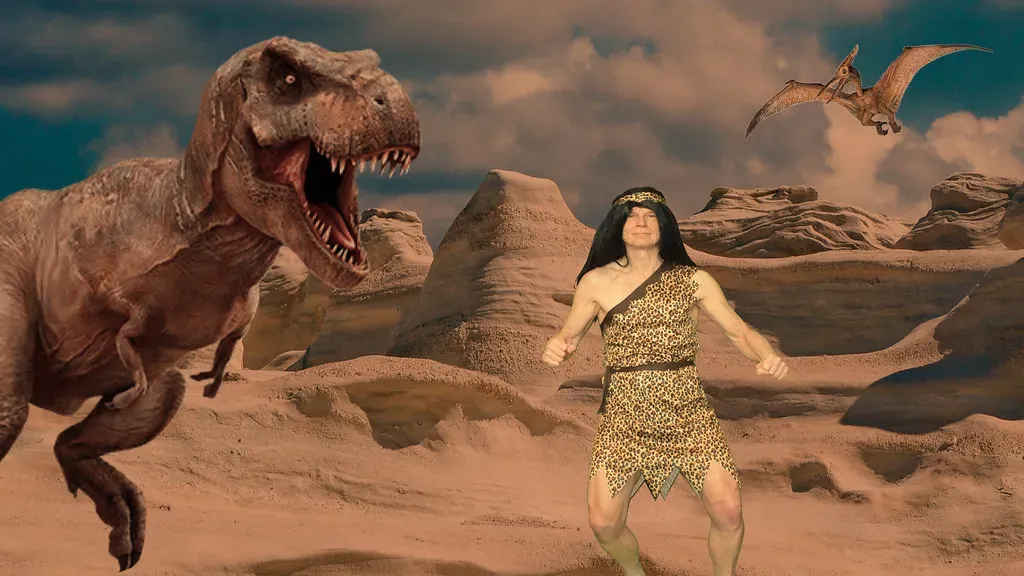
That classic image of a shaggy human sprinting away from a roaring T‑rex might be one of the most stubborn movie lies ever. Dinosaurs (except for birds) vanished tens of millions of years before the first humans evolved; we are closer in time to your favorite streaming service than humans are to non‑avian dinosaurs. Yet films still mash them together like it is some kind of prehistoric crossover episode, because it looks cool on a poster.
In reality, the age of dinosaurs and the age of humans are separated by an absurdly huge span of time, more than enough for continents, climates, and ecosystems to change over and over again. Early humans dealt with saber‑toothed cats, mammoths, and giant ground sloths, not velociraptors lurking behind every rock. When movies ignore this, they turn Earth’s deep history into a messy collage instead of the long, layered story it actually is.
2. Everyone Looks Like a Dirty, Half‑Conscious Brute
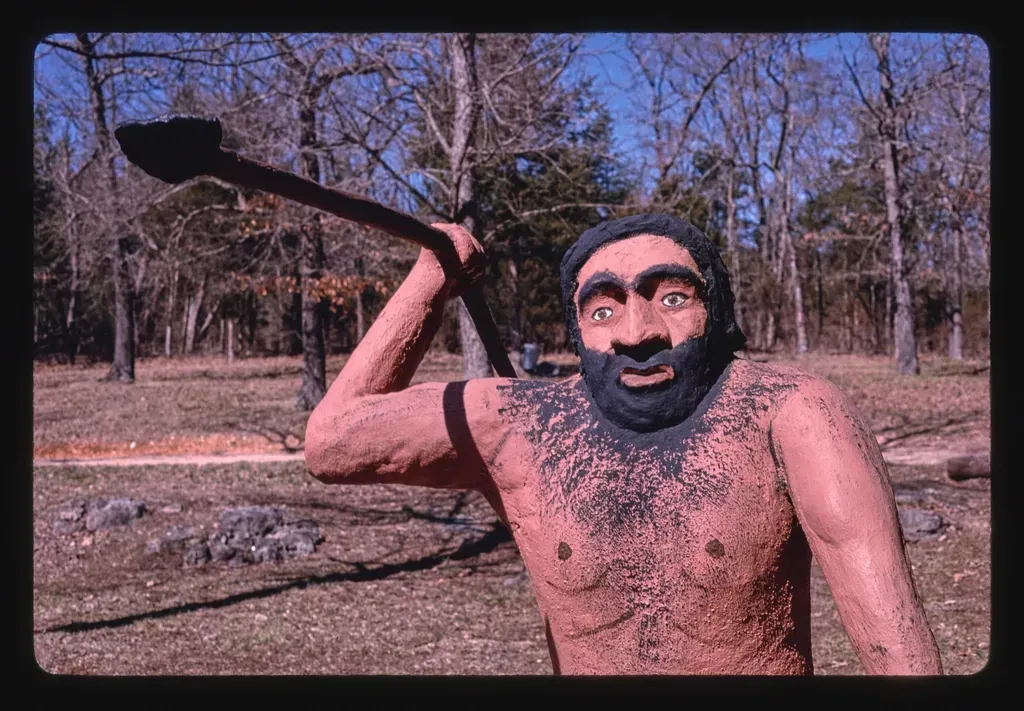
Hollywood loves the idea that early humans were basically walking stereotypes of stupidity: hunched backs, slack jaws, wild eyes, and a permanent film of mud. They grunt instead of talk, stumble instead of walk, and often seem confused by basic ideas like “fire hot” or “rock heavy.” It is an easy way to signal “primitive,” but it seriously underestimates how much brainpower it takes to survive without any modern safety net.
Think about it: these people navigated landscapes full of predators, tracked animals for days, recognized edible plants, dealt with injuries, and taught their children all of this without books or schools. Stone tools alone require planning, precision, and fine motor skills; mastering fire, hunting strategies, and seasonal migrations takes another level of organization. If anything, everyday life for them demanded constant observation and quick thinking, not the vacant, half‑asleep state movies love to show.
3. Cavemen Only Communicated in Grunts and Roars
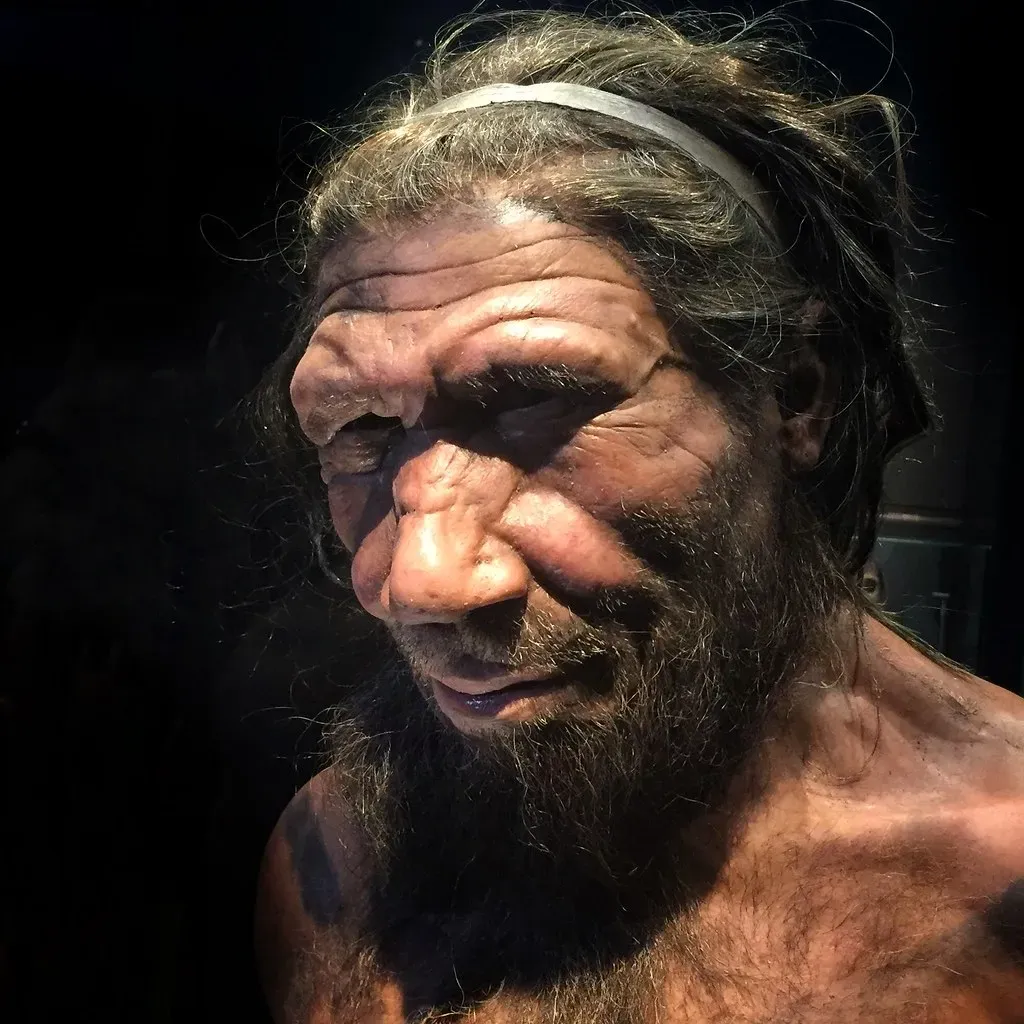
One of the most damaging movie myths is the idea that early humans barely had language, just a handful of grunts and maybe a dramatic roar or two. It makes for cheap comedy when a character misinterprets a grunt, but it flies in the face of what complex cooperation actually requires. Coordinated hunts, shared childcare, toolmaking lessons, and conflict resolution all become almost impossible if all you have is “ugh” and “oogh.”
While we cannot replay the soundscape of prehistoric conversations, everything we know about group size, social bonds, and cultural transmission points toward rich verbal communication. You do not get intricate stone tool traditions, long‑distance trade of materials, or symbolic art if no one can explain anything. Movies collapse this richness into cartoon noise, which makes early humans look like animals, when they were likely telling stories, sharing knowledge, and gossiping about each other just as much as we do.
4. Women as Helpless, Silent Accessories

There is a tired old scene that shows up again and again: a huge caveman throws a smaller woman over his shoulder and hauls her off like luggage, while she screams and flails. She never hunts, decides, or leads; she just decorates the background or exists as a reward for the hero. This fantasy says more about modern gender stereotypes than it does about prehistoric reality.
When you look at how small, mobile groups survive in harsh environments, it becomes obvious that everybody has to contribute and adapt. Gathering plants, processing food, tanning hides, making clothing, carrying children, and likely participating in some forms of hunting or trapping are serious skills, not side quests. Evidence from ancient burials and tools increasingly suggests that roles were more flexible than the movie caveman‑drags‑woman cliché allows. Reducing half the population to props does not just distort history; it erases a huge portion of human ingenuity and labor.
5. Cavemen as Eternal Idiots Who Never Innovate
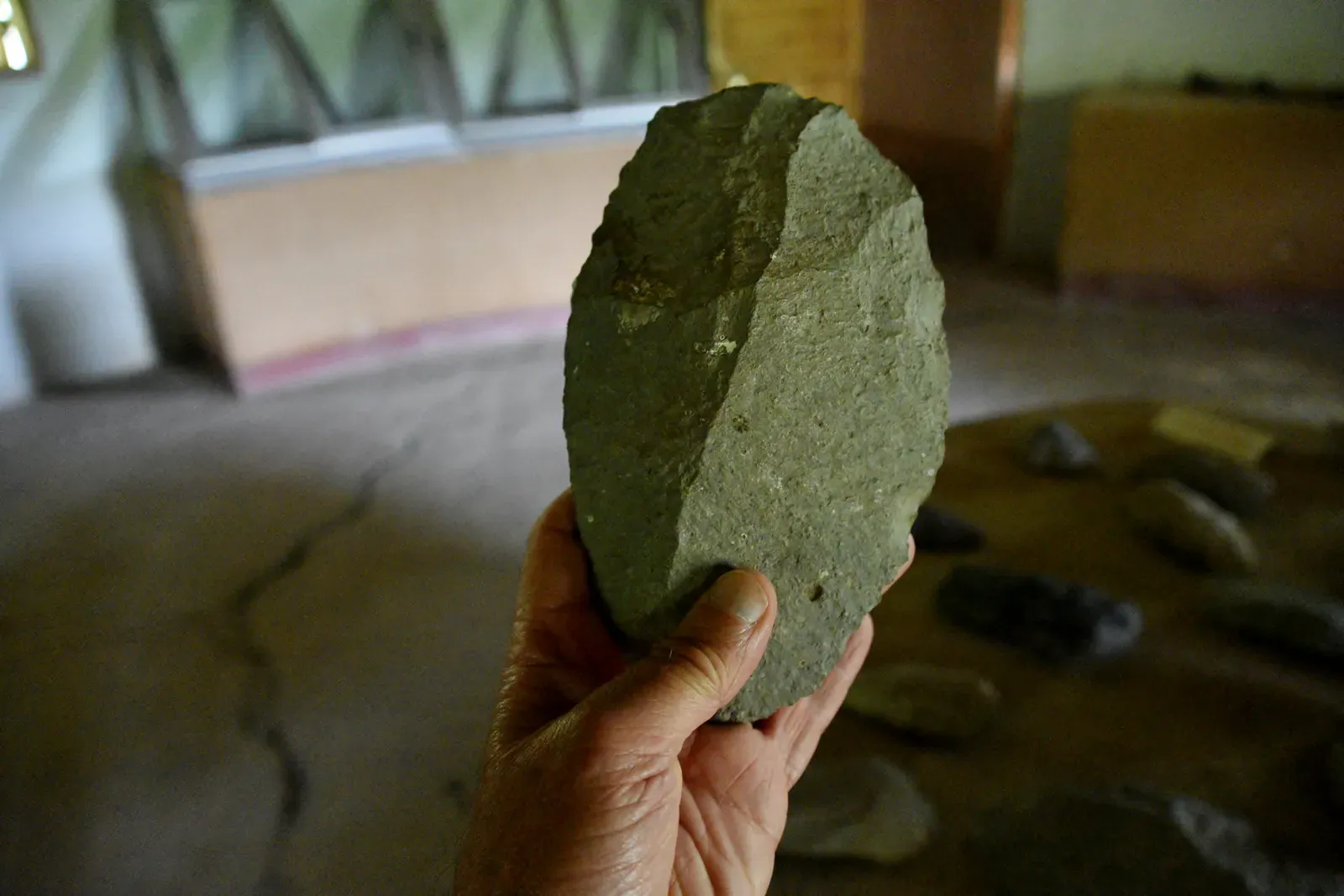
Movies often treat prehistoric people like they are stuck in a permanent technological Groundhog Day: the same clubs, the same fires, the same “discovering” wheel gag again and again. There is almost never a sense that knowledge accumulates, that someone remembers yesterday’s trick and builds on it. It turns tens of thousands of years of human adaptation into one long, boring weekend camping trip.
The archaeological record tells a completely different story: stone tool designs change, hunting tactics evolve, new raw materials are used, and symbolic behavior emerges and spreads. That means people were observing, experimenting, sharing, and improving over generations. Imagine your phone never updating, no apps, no new features, ever; that is basically how movies picture prehistoric technology. The truth is that our ancestors were constantly patching and upgrading their world with whatever limited hardware they had.
6. Every Caveman Lives in a Literal Cave
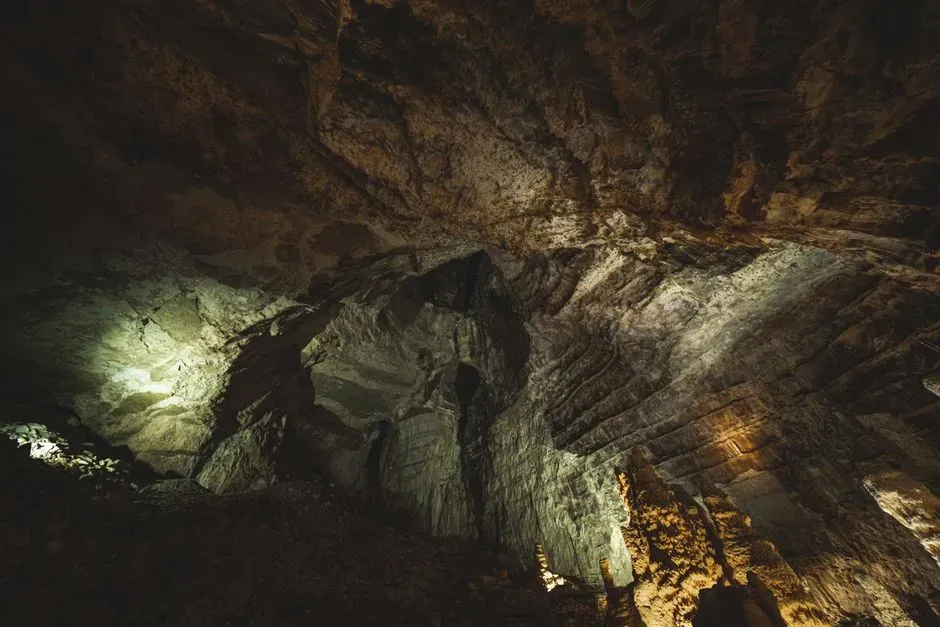
Thanks to films, you might think early humans spent all day shuffling in and out of the same gloomy rock hole, decorating the walls when they got bored. Yes, caves matter to archaeology, because they preserve artifacts and art extremely well, but that does not mean everyone lived in one full‑time. It is more like caves are nature’s filing cabinets where bits of past lives happened to get stored, not the complete story of how people actually lived.
In reality, hunter‑gatherers used a mix of shelters depending on the season, location, and available materials: rock overhangs, open‑air camps, temporary huts, and more. Imagine trying to squeeze your entire life into a single room with no sunlight and constant damp air; it would not be ideal unless you absolutely had to. Movies cling to the cave as a visual shortcut for “old and primitive,” even though early humans were more like expert campers, shifting their homes as the landscape and weather demanded.
7. A World of Constant Violence and Clubbing

Another favorite movie image: every disagreement is solved with a club to the head, every neighboring group is an enemy, and life is one long war. Cavemen are shown as naturally violent, aggressive, and suspicious of anything unfamiliar, like humanity started as a bar fight that never ended. This story comforts the idea that modern conflict is just “human nature,” baked in from the very beginning.
What we actually see in small, mobile societies is a mix of cooperation, tension, sharing, rivalry, friendship, and sometimes violence. The fact that people survived long enough to raise children and teach complex skills suggests that trust and collaboration were at least as important as aggression. You cannot coordinate hunts, share scarce resources, or care for the sick if everyone is constantly smashing each other with clubs. Movies zoom in on the most dramatic moments of conflict and skip the quieter, everyday negotiations that made survival possible.
Cavemen comedy loves the cheap laugh of a confused ancestor poking at a smartphone or thinking a car is some kind of monster. The underlying idea is that prehistoric humans would be completely overwhelmed by any modern technology, as if their brains were fundamentally weaker. It is comforting to imagine ourselves as massively upgraded models compared to some outdated version of humanity, but the evidence does not really support that smugness.
Genetically and anatomically, there is no sign that people from tens of thousands of years ago were any less intelligent than we are today; they just had different problems to solve. A person who could track an animal for miles, read the weather from tiny signs in the landscape, and make tools from raw stone might struggle with a laptop at first, but so did plenty of people born in the twentieth century. Give them time to learn, and there is no reason to think they would not adapt quickly. The gap is cultural and technological, not a built‑in difference in brain quality.
8. Cavemen as a Single, Generic “Stage” of Humanity
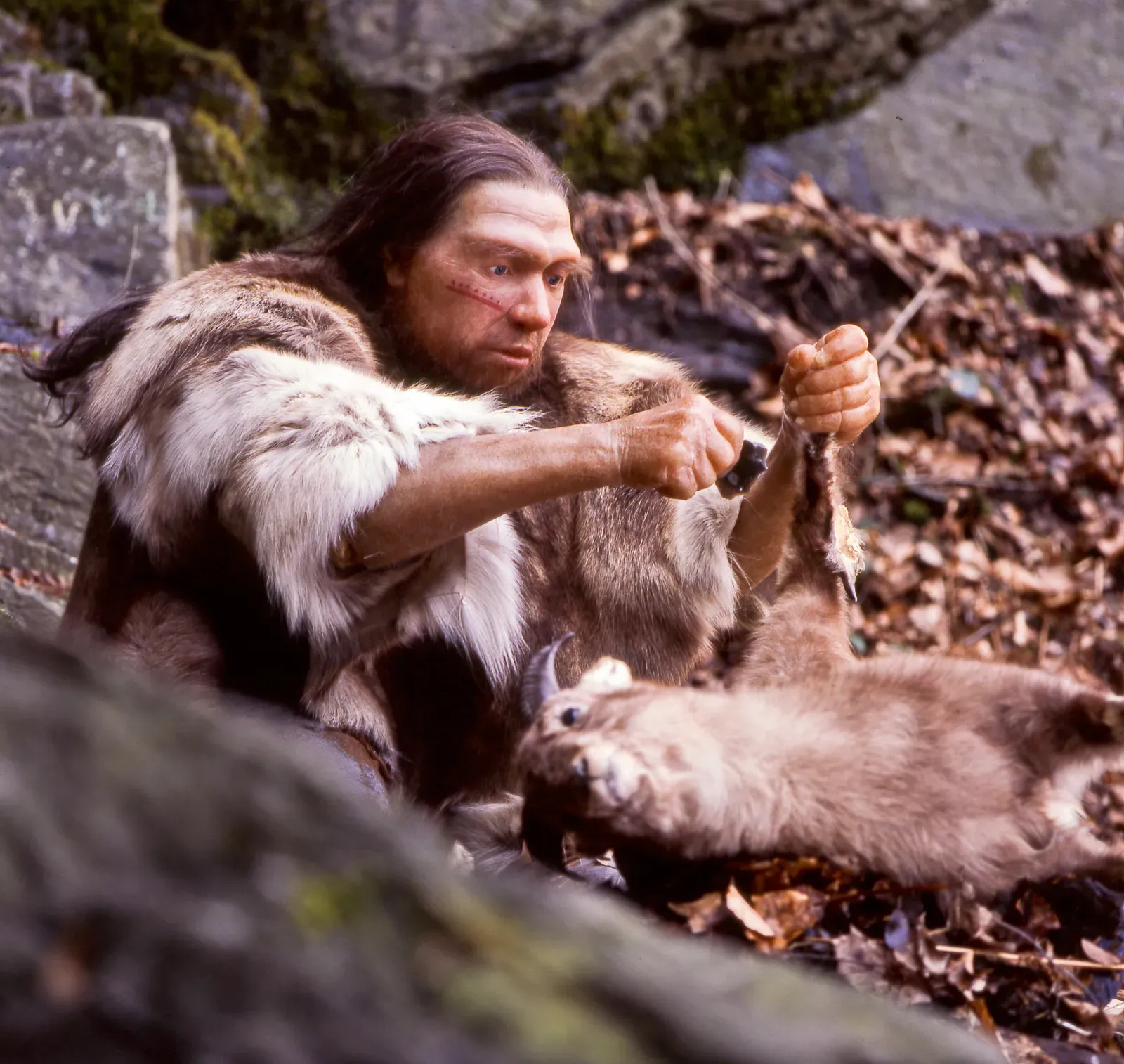
Maybe the sneakiest movie myth is the idea that there was one uniform “caveman era” where everyone everywhere looked and acted the same. Big brow ridges, furs, clubs, cave, done. That flattens an enormous stretch of time and space into a single cartoon phase, like humanity passed through a brief, awkward prehistoric teenager stage and then moved on. It erases the fact that many different human groups, with different bodies and cultures, existed and overlapped.
Over hundreds of thousands of years, climates shifted, populations migrated, species of humans came and went, and ways of living changed again and again. Some groups carved intricate tools, others left stunning art, some interbred with other human species, and all of them were responding to local conditions. When movies toss all of that into one bag and label it “cavemen,” they bury the real diversity of our past under a single fuzzy wig of stereotypes. It is like calling everything from ancient Egypt to the internet age simply “the time when people used buildings.”
Conclusion: Why These Myths Still Matter

I still enjoy a ridiculous caveman movie now and then, the same way I enjoy a sci‑fi film that clearly ignores physics; sometimes you just want mammoths, bad wigs, and over‑the‑top chaos. But when every portrayal leans on the same lazy shorthand of dumb, dirty, violent brutes, it quietly shapes how we think about human nature. It suggests we are only civilized because of gadgets and skyscrapers, and that underneath it all we are doomed to be cruel and stupid, because that is where we came from.
The science paints a different picture: early humans were resourceful, social, creative, and constantly adapting, not props for slapstick gags. Remembering that makes our own species feel less like a mistake that barely crawled out of the mud, and more like a long, ongoing experiment in cooperation and curiosity. Next time a movie throws a club‑waving caricature at you, it might be worth asking whose story that really serves. Did you ever imagine that the real “cavemen” might actually have more in common with thoughtful problem‑solvers than with the punchlines we keep turning them into?