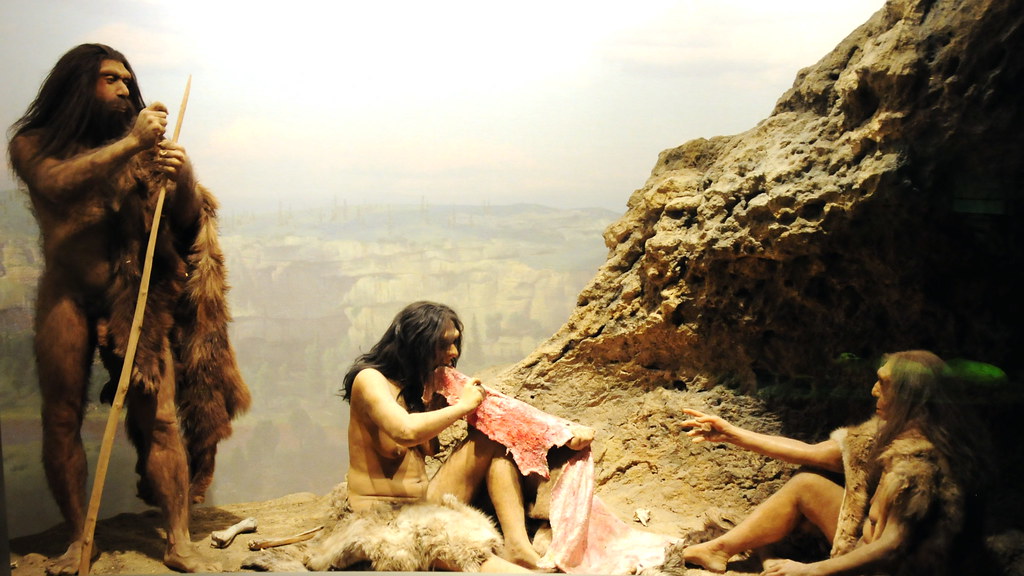
You might picture early humans as brutish cavemen dragging clubs behind them, grunting instead of speaking, living short miserable lives in dark caves. That image is everywhere, from cartoons to movies to even insurance commercials. Yet here’s the thing: most of what you think you know about prehistoric life is flat-out wrong. Modern archaeology and DNA research have flipped the script on our ancient ancestors in ways that might genuinely surprise you.
Let’s be real, we’ve been fed some pretty wild stories about early human existence. The discoveries made in just the last few decades reveal a picture far more complex, fascinating, and surprisingly relatable than the caveman stereotypes suggest. Ready to have your assumptions challenged? Let’s dive in.
Early Humans Lived Primarily in Caves

The idea that prehistoric people spent their days huddled in caves is perhaps the most persistent myth, yet caves are simply where artifacts have been best preserved over millennia rather than indicating they were typical homes. Early humans occasionally used caves for shelter during harsh weather, but most of their lives were spent outdoors building temporary shelters from wood, animal hides, and stones.
Think about it logically. Nomadic hunter-gatherer tribes lived in a variety of temporary structures like tents and wooden huts until the last glacial period. Caves were convenient storage units for what would become archaeological evidence, preserving bones and artwork that wooden structures couldn’t. It’s honestly a bit like future archaeologists assuming we all lived in bank vaults just because that’s where our documents survived best.
They Only Ate Meat and Had a Primitive Diet
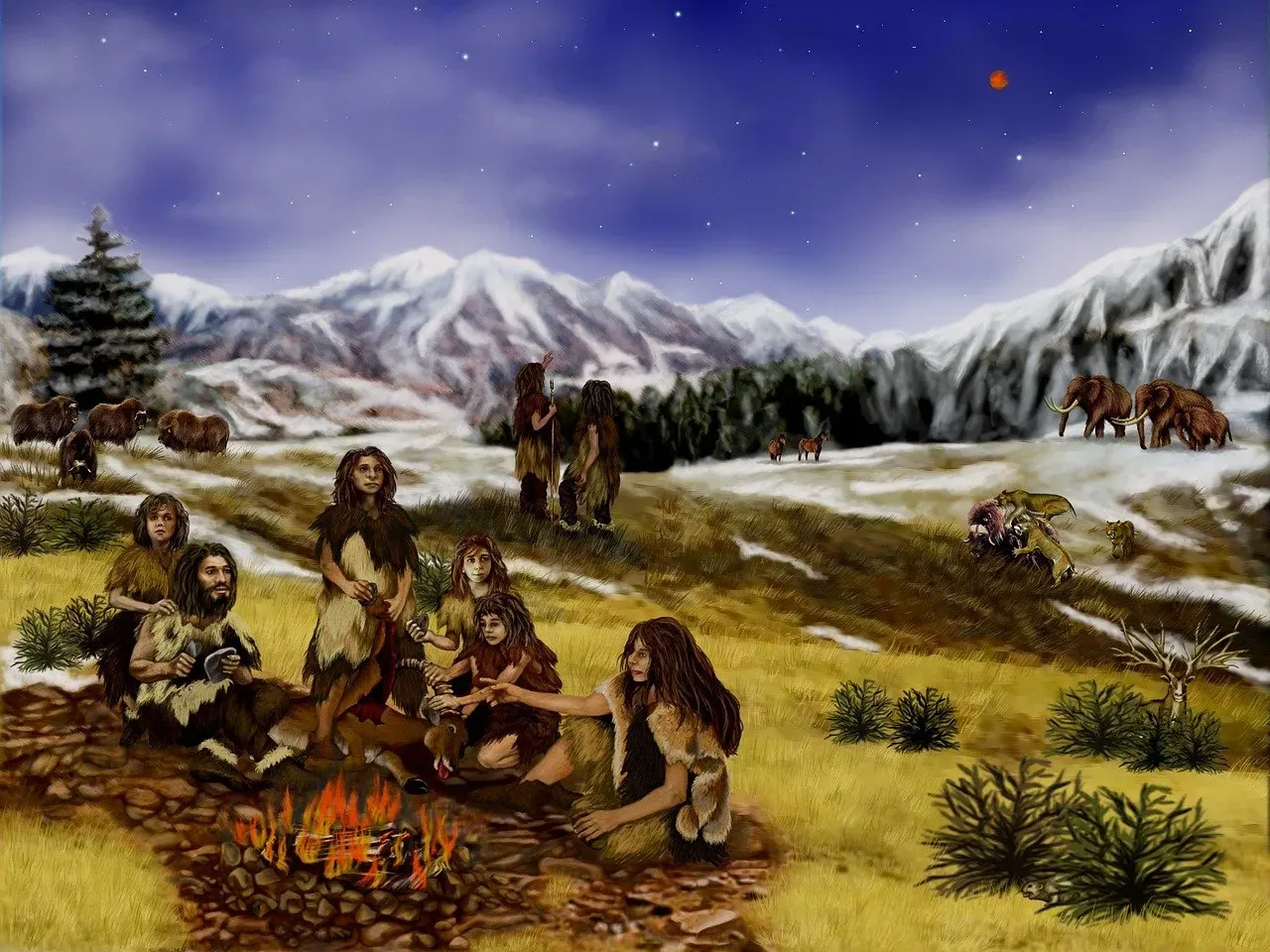
The stereotype that ancient humans hunted large animals and feasted on mammoth steak is being challenged by research showing prehistoric groups had much more plant-based diets than previously thought. Archaeological findings actually challenge the modern belief that prehistoric humans relied mainly on animal protein sources and raw foods.
Studies of dental remains and ancient cooking sites reveal early humans consumed nuts, seeds, fruits, tubers, and grains, which provided crucial nutrients especially in environments where meat wasn’t readily available. Pottery shards found along the Baltic Sea from about six thousand years ago contained traces of fish, shellfish, deer, and garlic mustard used to flavor dishes. Turns out prehistoric humans were actually pretty sophisticated cooks. Neanderthals and early Homo sapiens combined plant-based ingredients like wild nuts, peas, vetch, lentils and wild mustard, showing genuine culinary skill.
Human Evolution Was a Linear March of Progress
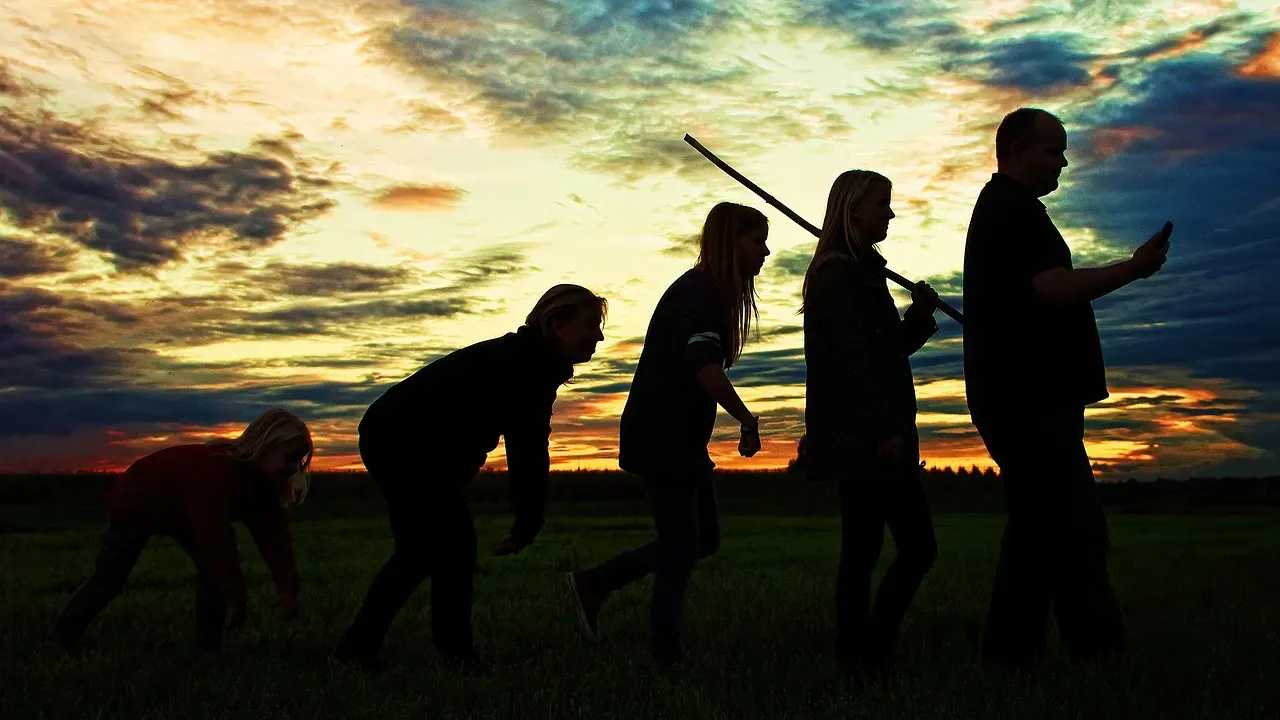
That iconic image showing an ape gradually straightening up into a modern human? Human evolution isn’t a straightforward path from apes to modern humans but rather a branching tree with many offshoots, some leading to extinction while others contributed to our genetic makeup. History and evolution don’t progress linearly, with many Homo genera living on earth together, meaning early Homo sapiens lived alongside cousins like Homo floresiensis as recently as fifteen thousand years ago.
Multiple species of early humans coexisted including Homo sapiens, Neanderthals, and Denisovans, living in different regions and developing distinct cultures, diets, and technologies. The reality is messier and more interesting than a simple evolutionary ladder. The popular impression that one single creature is the missing link is deeply flawed because technically every single species and fossil is a missing link due to slow development of transitional anatomies.
Early Humans Were Less Intelligent Than Modern People
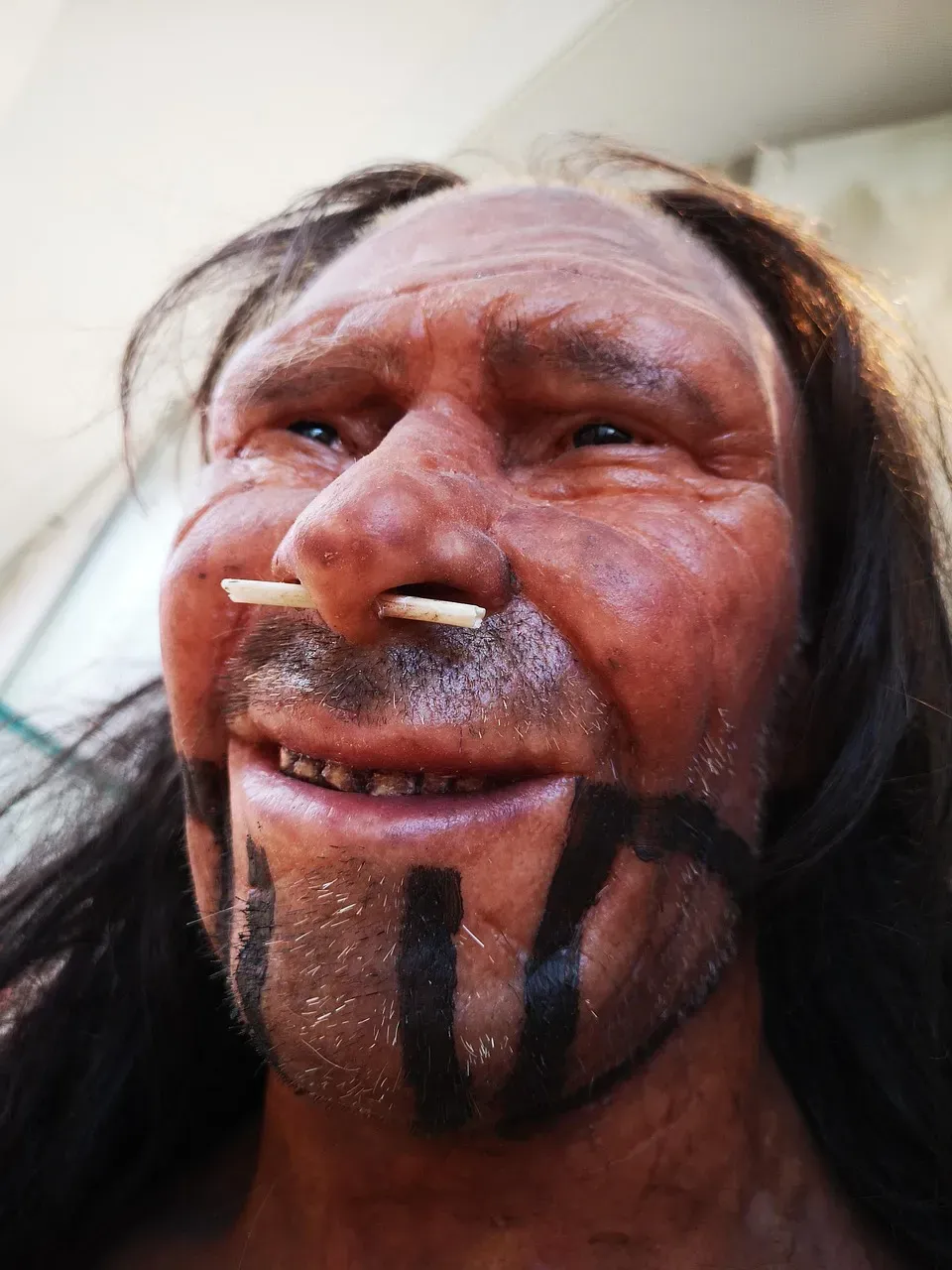
The stereotypical caveman is portrayed as inarticulate and dim-witted with limited capacity for innovation, yet recent discoveries show cavemen were more intelligent, articulate, creative and culturally sophisticated than many modern people. This misconception couldn’t be further from reality. Neanderthals are now known to have had the same or similar levels of intelligence as modern humans, and they had their own distinct culture.
Neanderthals, often wrongly stereotyped as less advanced, were skilled toolmakers and even created symbolic art. The complexity of Neanderthal stone tools indicates advanced working memory, and the use of personal ornaments such as beads is another sign of highly developed memory capacities. These weren’t bumbling brutes. They planned, they created, they remembered complex information about landscapes and resources.
Women Only Gathered While Men Hunted
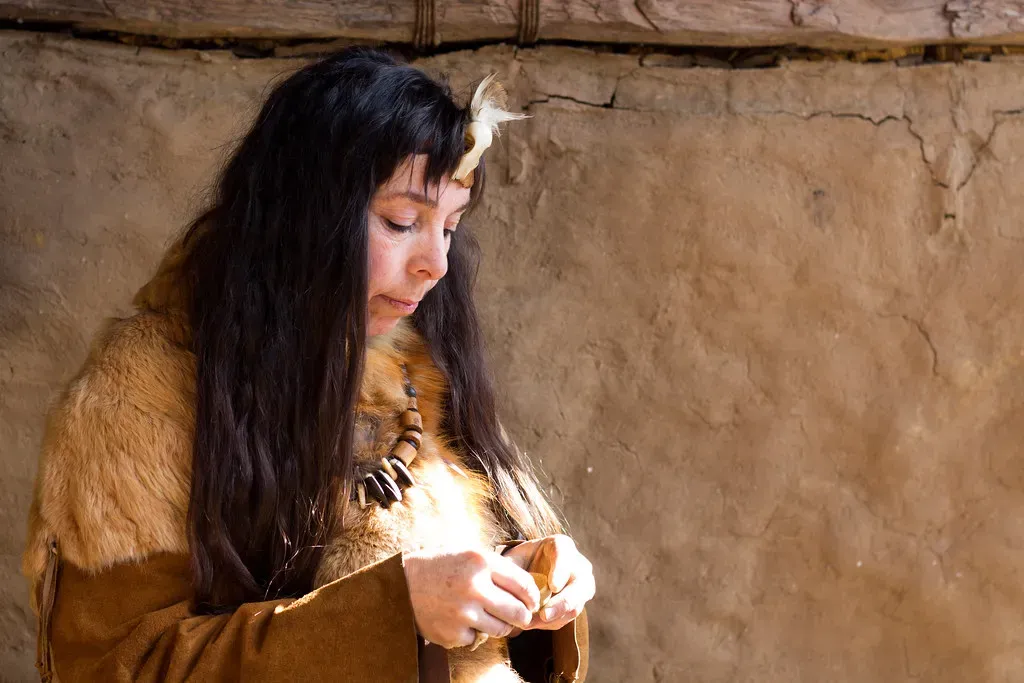
The belief that men were hunters and women were gatherers is too simple and doesn’t fully reflect the reality of early human life. This gender division is more about modern assumptions than ancient reality. Archaeological findings show both men and women took on a variety of roles including hunting and making tools, with a study revealing women in ancient Peru were actively involved in hunting large game, challenging the long-standing belief that only men were hunters.
The flexibility of prehistoric societies gets overlooked when we force them into rigid boxes. The perception that hunting was a key behavioral innovation is rooted partly in early studies carried out by male scholars who primarily focused on big game hunting by men and did not document or downplayed the important dietary role of women gathering smaller game and plant resources. Honestly, it says more about the biases of past researchers than about actual prehistoric life.
They Lived Short, Miserable Lives of Around 30 Years
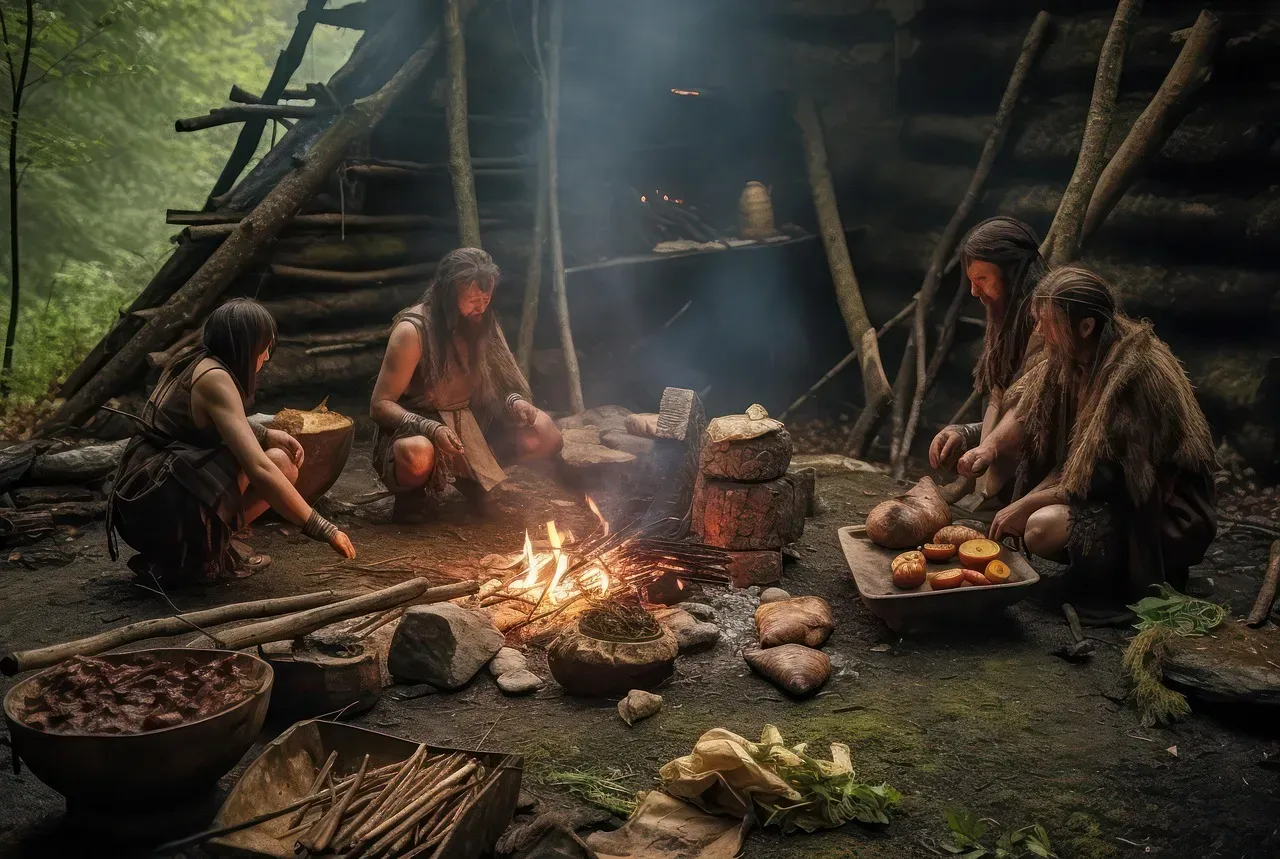
What’s commonly known as average life expectancy is technically life expectancy at birth, and because child mortality rate was extremely high in our ancient past, this skews the life expectancy rate dramatically downward. Here’s where statistics can really mislead you. The estimated maximum life expectancy of thirty-five years for prehistoric humans doesn’t mean the average person died at thirty-five but rather that for every child who died in infancy, another person might have lived to be seventy.
When scientists compared the lifespan of adults in contemporary hunter-gatherer tribes excluding infant mortality rates, life span was calculated between seventy and eighty years, the same rate found in contemporary industrialized societies. While life expectancy was lower due to disease, injury, and environmental hazards, many early humans lived healthy active lives, and those who survived childhood could live into their forties or fifties.
Early Humans Were Isolated and Never Interacted With Other Groups
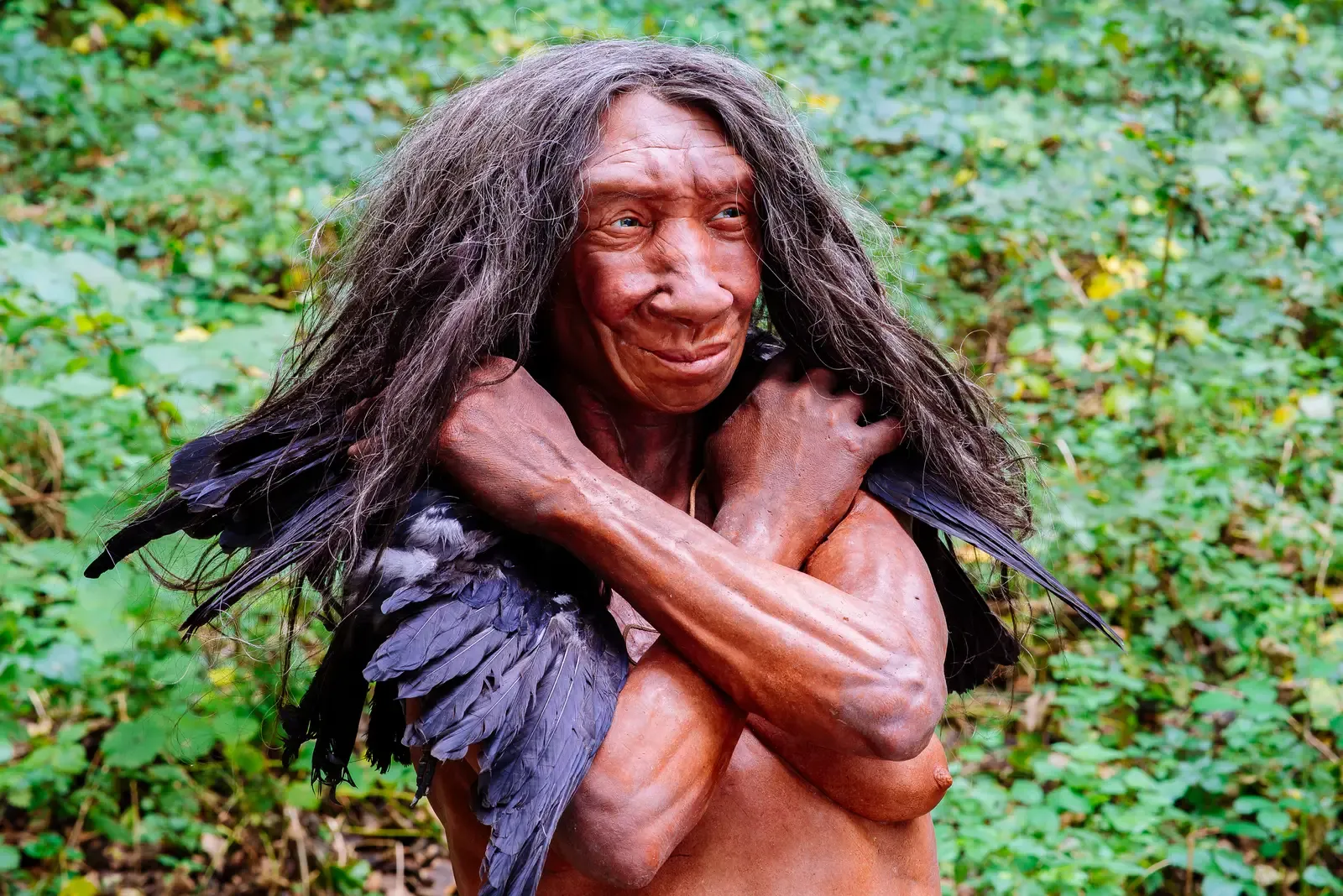
The myth that early humans lived in isolated groups cut off from one another is contradicted by evidence showing prehistoric humans were part of larger interconnected networks, engaging in trade, cultural exchanges, and even interbreeding with other groups. The idea of small, disconnected tribes barely surviving just doesn’t match the archaeological record.
Early Upper Paleolithic contexts in Europe preserve evidence for long-distance trade, mortuary rituals, architecture, personal adornments, and art. These people weren’t hermits. They traveled, they traded, they shared ideas. Genetic studies reveal that modern humans carry small percentages of Neanderthal DNA, indicating interbreeding occurred. The mixing of different human groups contributed directly to who we are today.
Early Humans and Dinosaurs Lived at the Same Time
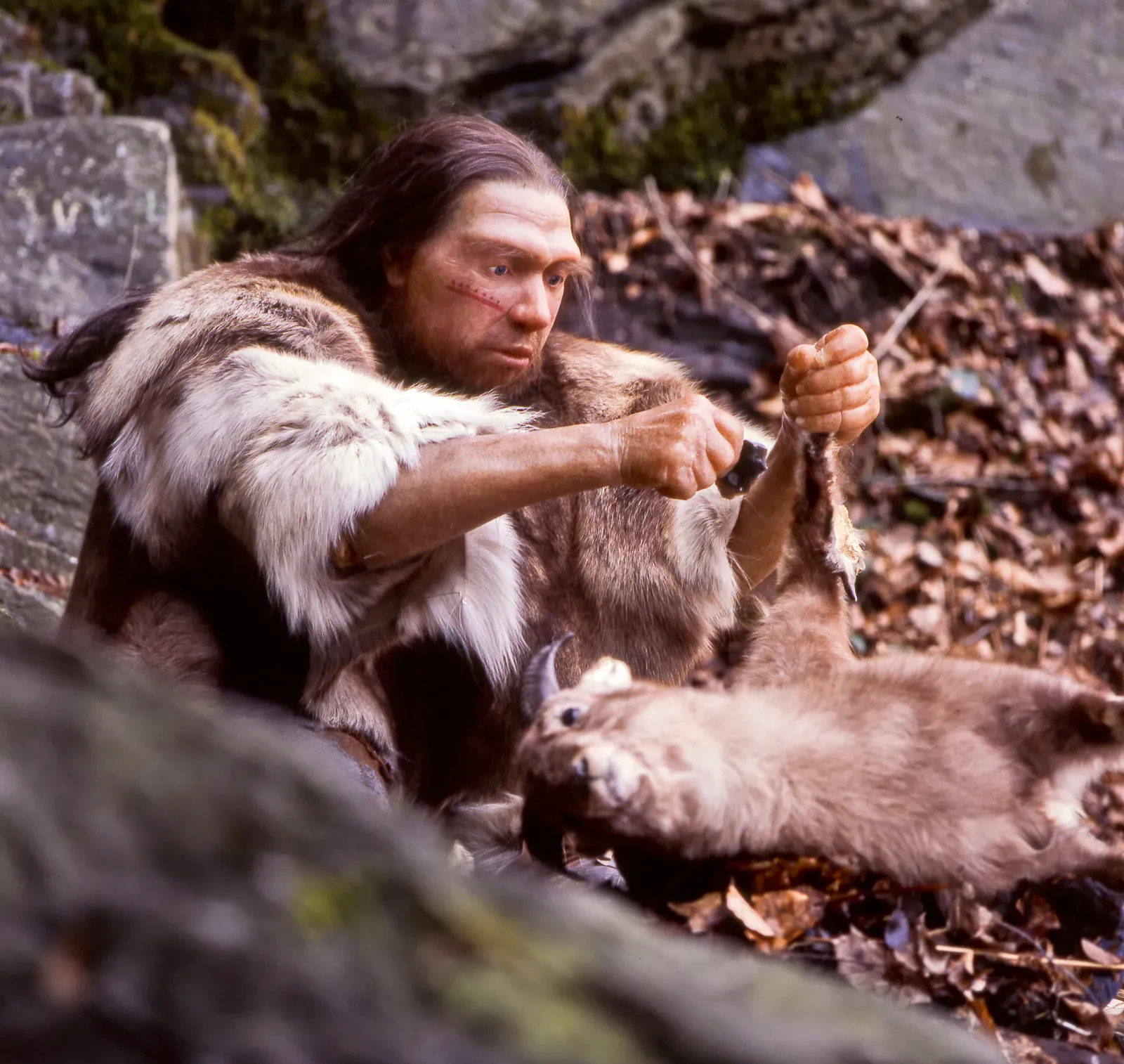
Early portrayals of cavemen and dinosaurs together reinforced the incorrect notion that non-avian dinosaurs coexisted with prehistoric humans. Let’s clear this up once and for all: dinosaurs went extinct roughly sixty-five million years ago, while anatomically modern humans emerged around three hundred thousand years ago. The gap between them is staggering.
Around the time of the Scopes trial, a deputy sheriff dug up lead alloy objects near Tucson with what looked like a brontosaurus carved in them, suggesting the carver drew from life, but archaeologists declared the objects obvious forgeries. The anachronistic combination of cavemen with dinosaurs became a cliché often intentionally invoked for comedic effect, with cartoonist Gary Larson even confessing his cartooning sins for portraying primitive man and dinosaurs in the same cartoon. It’s pure fiction, entertaining but biologically impossible.
They Never Cared for the Sick or Elderly
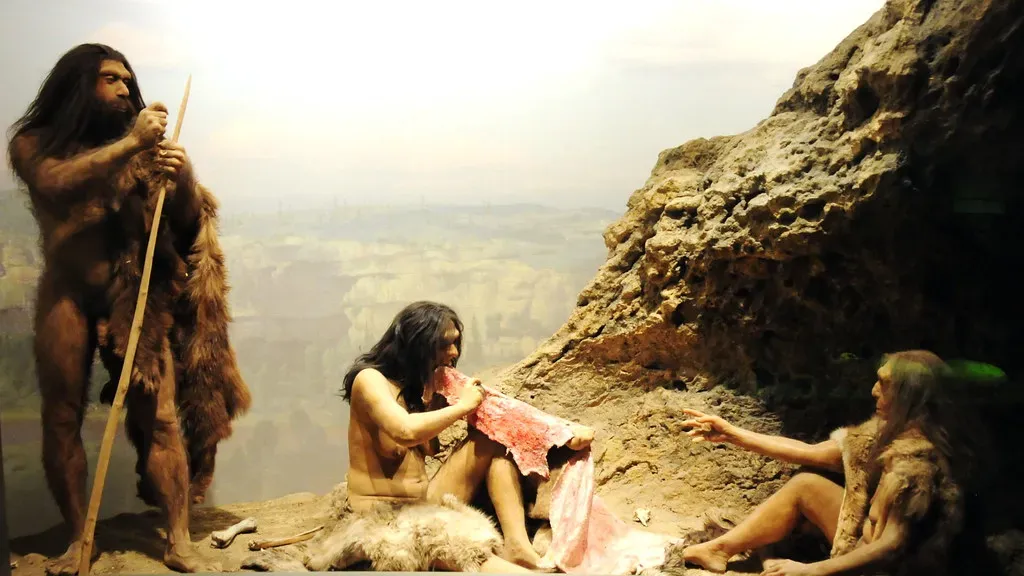
Neanderthals were once considered too primitive to bury their dead, but this belief has been upended by discoveries including a fifty-thousand-year-old skeleton in France that had been carefully placed in a grave with great care taken to protect the body from scavengers. This reveals something profound about prehistoric compassion.
The remains of one dog suggest it caught fatal canine distemper at around five months old and was seriously ill for up to six weeks at a time, yet each time it was brought back to health, indicating the dog could only have survived thanks to intensive and long-lasting human care. Care played a crucial role in the survival and adaptation of Neanderthals in harsh environments, aiding them in overcoming adversity and potentially being a key factor in their ability to coexist with early modern humans for thousands of years. The evidence points to genuine empathy and social bonds that mirror our own.
Conclusion
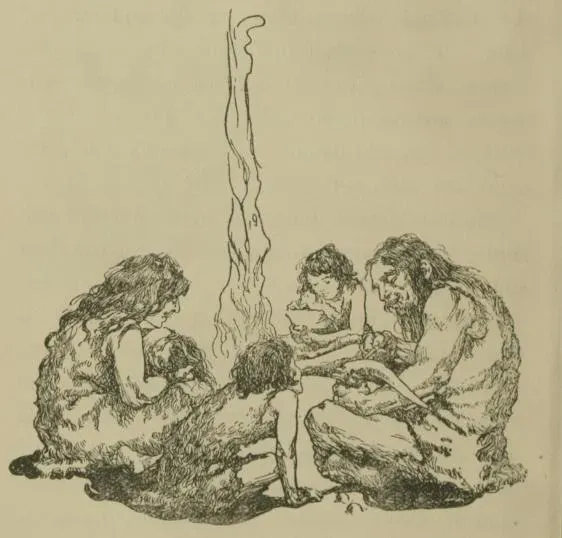
The more we learn about early humans, the more we realize how much we’ve underestimated them. These weren’t primitive brutes stumbling through existence. They were sophisticated, adaptable, creative people who cared for each other, traveled vast distances, created art, cooked diverse meals, and survived in conditions most of us couldn’t handle for a day.
Our ancestors deserve better than the cartoonish stereotypes we’ve given them. They were human in every sense that matters, facing challenges with intelligence and ingenuity. Next time you hear someone use the term caveman as an insult, maybe you’ll remember that those so-called cavemen were actually pretty remarkable.
What surprises you most ? The reality is so much richer than the myths we’ve been told.