Most people, when they think of prehistoric life, picture towering dinosaurs ripping through jungle canopies. But here’s the thing – by the time the last non-avian dinosaur took its final breath, roughly 66 million years ago, the stage was already being set for something just as jaw-dropping. The extinction of non-avian dinosaurs, caused by a cataclysmic asteroid impact, marked the end of the Cretaceous Period and the dawn of the Cenozoic Era – a mass extinction event that cleared ecological niches, allowing mammals to diversify and flourish.
The Cenozoic Era represents the last 66 million years of Earth’s history, characterized by the dominance of mammals, insects, birds, and angiosperms. What followed was an age of unimaginable biological creativity – creatures so enormous, so terrifying, and so utterly bizarre that they make the average zoo look like a petting farm. You probably know more about them than you think. Let’s dive in.
Paraceratherium: The Titan of the Land
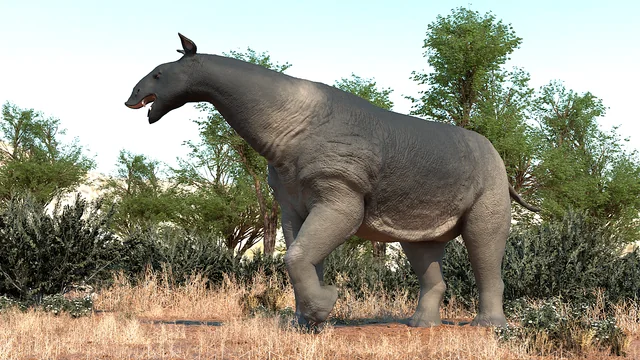
Imagine a rhinoceros that could look a giraffe in the eye. That’s basically what you’d be dealing with if you came face to face with Paraceratherium. During the Oligocene epoch about 33.9 to 23 million years ago, most mammals remained small, but one giant stood out – this enormous hornless rhino, stretching over eight metres long and weighing as much as five elephants, was one of the largest land mammals ever to roam the Earth. The scale of this animal is genuinely hard to wrap your head around.
As the largest terrestrial mammal ever known to exist, Paraceratherium was quite comfortable living the life of a high browser, feeding from the tree canopy – again a similarity to a giraffe in terms of ecological niche. By browsing tall-growing vegetation, Paraceratherium could exist without competing with the multitude of smaller herbivorous animals that could not reach so high. It had large, tusk-like incisors and a nasal incision suggesting it had a prehensile upper lip or even a short trunk-like proboscis. Honestly, it’s the kind of animal that makes you wish time travel were real.
Smilodon: The Saber-Toothed Assassin
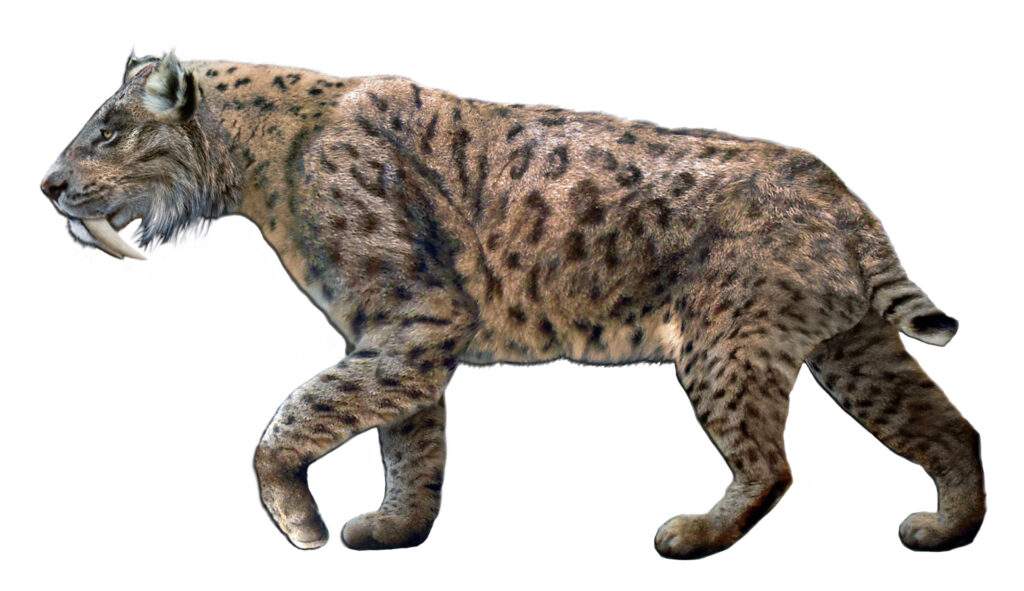
Smilodon, commonly known as the saber-toothed cat, was part of a tribe of machairodont felids, meaning that machairodonts diverged from the ancestors of modern cats around 20 million years ago and are not closely related to any cat species alive today. The popular nickname “saber-toothed tiger” is, in short, a complete misnomer – and science is here to ruin the fun. Still, the real creature is far more fascinating than any nickname could capture.
Its iconic fangs grew up to 28 centimeters long, paired with a robust and muscular physique, allowing Smilodon to become the apex predator of the Americas and hunt prey substantially larger than itself. The largest members of Smilodon populator possibly reached over 400 kilograms in weight. Smilodon is thought to have been an ambush predator, built for physical battles with large but relatively slow animals. It was certainly a capable runner, but not built for sustained speed – meaning its hunting style was probably more like a modern leopard than a lion.
Basilosaurus: The Sea Serpent That Was Actually a Whale
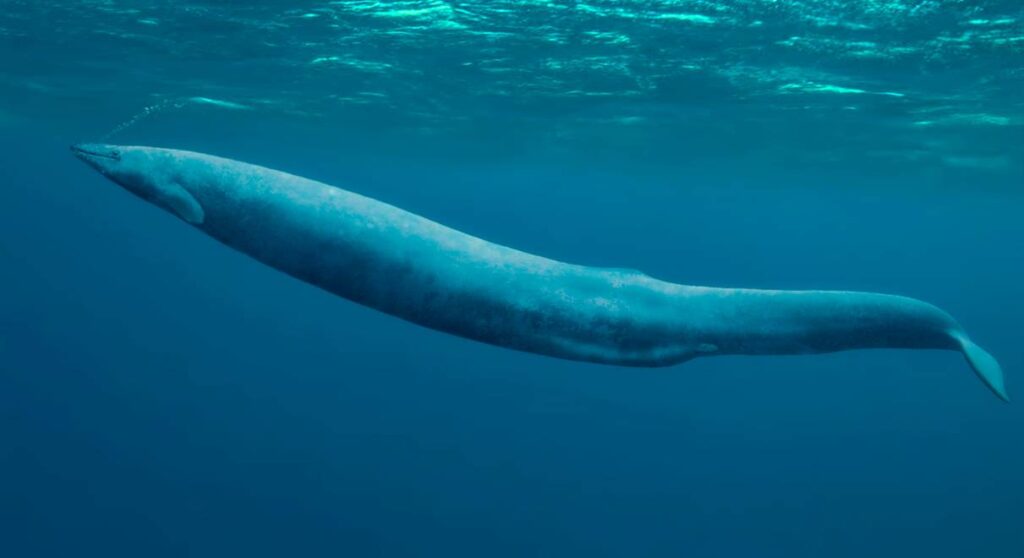
Here’s a story that sounds completely made up but isn’t. Basilosaurus, meaning “king lizard,” is a genus of large, predatory, prehistoric archaeocete whale from the late Eocene, approximately 41.3 to 33.9 million years ago, and was the first archaeocete and prehistoric whale known to science. When its enormous bones were first discovered in the early 19th century, scientists genuinely thought they had found a sea monster.
Basilosaurus could grow up to 60 feet long, and its elongated body resembled that of a sea serpent. These creatures were likely the first fully aquatic whales, transitioning from their land-dwelling ancestors to a life entirely at sea. Scientists were able to estimate the bite force of Basilosaurus by analyzing scarred skull bones of another species of prehistoric whale, Dorudon, and concluded that it could exert a maximum bite force of at least 16,400 newtons. Analyses of stomach contents have also shown that one species fed exclusively on fish and large sharks, while bite marks on the skulls of juvenile Dorudon suggest a dietary difference between species. A whale that ate other whales. Frightening.
Megatherium: The Giant Ground Sloth You Never Saw Coming
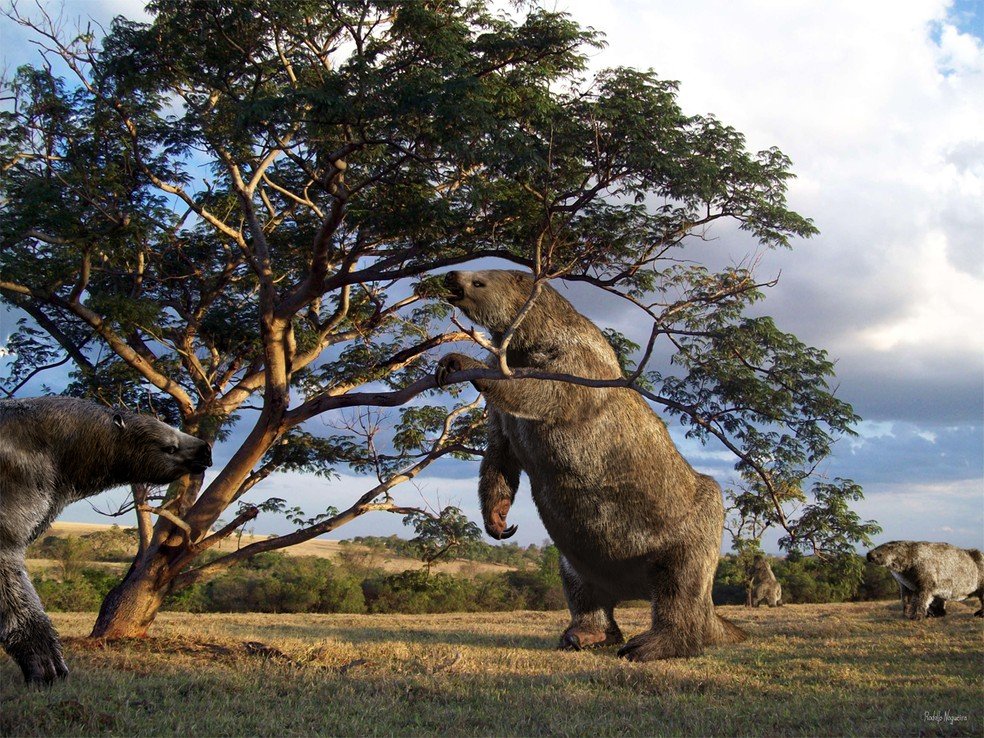
You might picture a sloth as something slow, small, and happily dangling from a tropical branch. The Megatherium would like a word with you. Megatherium was a giant ground sloth that lived in South America from the Pliocene to the end of the Pleistocene. Thought to have weighed up to 4 tonnes and being 6 metres in length, it was one of the biggest animals of its day. That’s roughly the size of a modern elephant, roaming around on four legs and occasionally rearing up on two.
Megatherium in South America was a whopping three tons by conservative estimates, and possibly larger. Megatherium had large claws, which may have been used for burrowing rather than for climbing. A pack of Smilodon populator could potentially take down fully grown megaherbivores such as Megatherium, and isotopic analysis suggests that Megatherium was indeed among the primary prey of the saber-toothed cat in South America. So even this enormous sloth wasn’t completely safe. That’s the Cenozoic for you – nowhere is truly comfortable.
Andrewsarchus: The Terrifying Mystery Predator
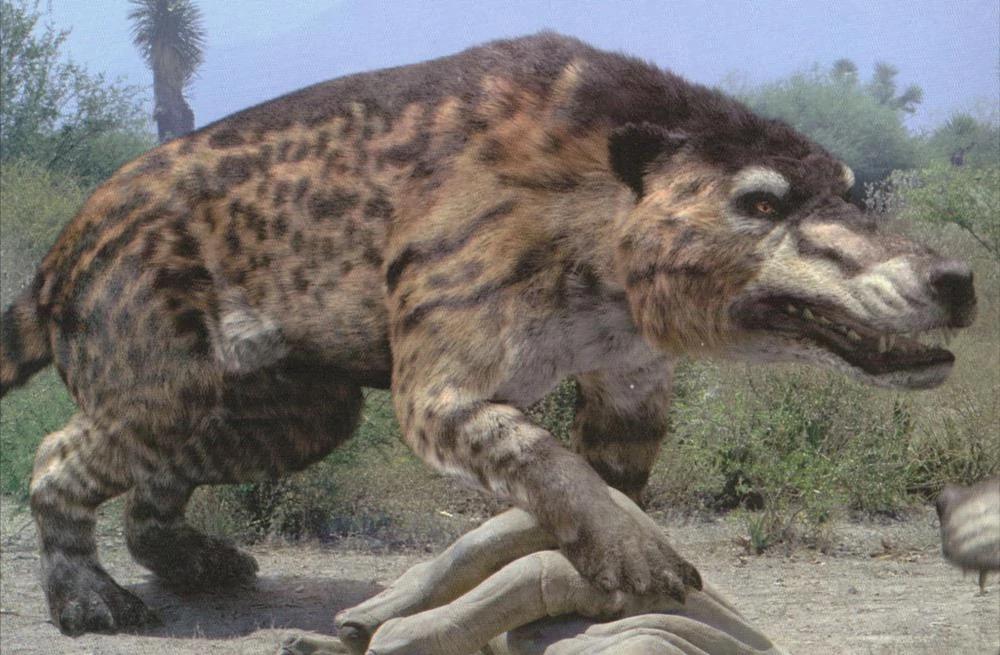
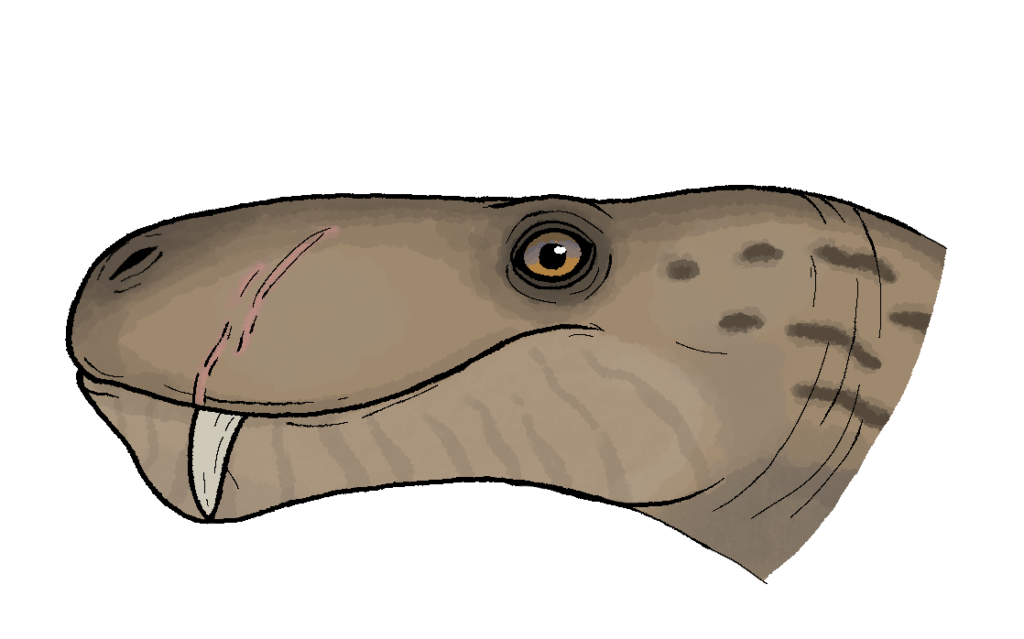
I think Andrewsarchus might be the most intriguing creature on this entire list – not just because of its size, but because of how little we actually know about it. Our knowledge of the species known as Andrewsarchus is based on a single three-feet-long skull that was discovered at the Irdin Manha Formation, Inner Mongolia in 1923. One skull. That’s it. From just that one skull, scientists have pieced together a picture of an animal that may be without equal.
Andrewsarchus was a large mammal that lived in the Paleogene period, an early artiodactyl related to hippos and whales, discovered in Mongolia by naturalist Roy Chapman Andrews after whom the genus was named. Based on skull measurements, it may have been the largest ever carnivorous mammal to have lived on land. Based on the skull, experts have concluded that Andrewsarchus would have weighed around one ton with a body that stretched some 12 feet in length, had a very powerful jaw, and may have run faster than a modern-day wolf. Think about that combination for a second.
Woolly Mammoth: The Ice Age Icon That Defined an Era
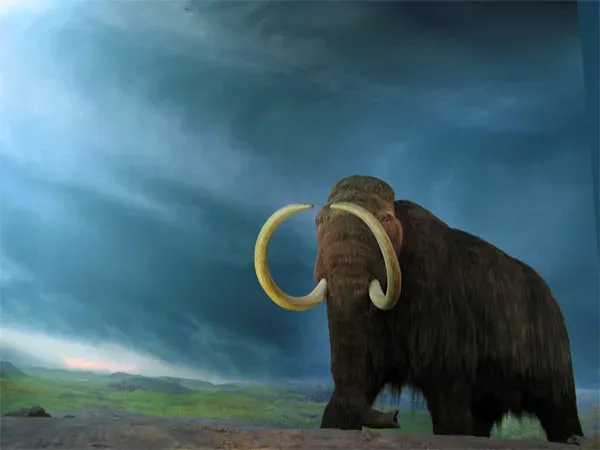
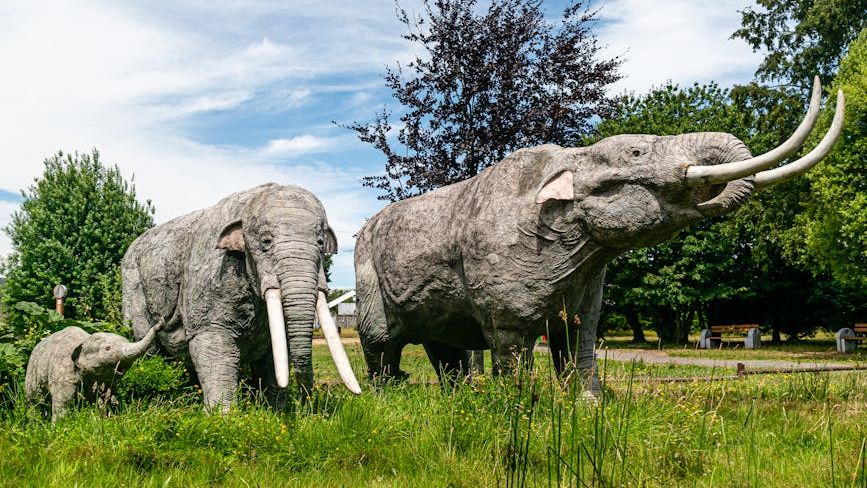
If you had to pick one prehistoric mammal that the entire world already has a mental image of, it would be the woolly mammoth. Shaggy, tusked, and magnificent – this animal has captured imaginations for centuries. Among the mammals commonly identified in popular culture is the woolly mammoth, which dominated the Pliocene and Pleistocene landscapes. The woolly mammoth’s tusks could grow up to a whopping 16 feet long – longer than most living rooms.
Elephants evolved in the late Eocene about 40 million years ago and spread throughout much of the world. Many placental forms of giant size, such as the woolly mammoth, inhabited the forests and plains in the Pliocene. Cenozoic life was affected significantly by a major extinction event that occurred between 10,000 and 8,000 years ago. This event, which involved the sudden disappearance of many mammals after the most recent Ice Age, has been attributed to either climatic change following the melting of Pleistocene glaciers or overkill by Paleolithic hunters. The debate over what exactly wiped them out continues to this day, which makes their story feel strangely unfinished.
Entelodont: The “Hell Pig” That Earned Its Nickname
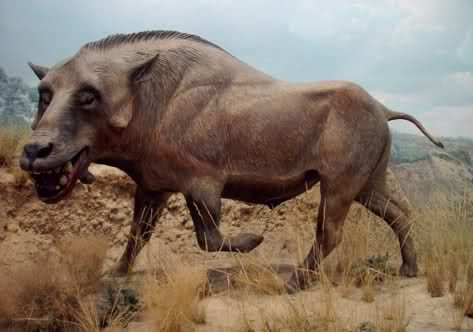
Let’s be real – if you had to design an animal specifically engineered to be frightening, you might come up with something very close to the entelodont. In the earlier part of the Cenozoic, the world was dominated in part by entelodonts – creatures that have earned the gloriously vivid nickname “Hell Pig” from paleontologists and enthusiasts alike. Honestly, it fits. These were not gentle grazers.
The Cenozoic is full of mammals both strange and familiar, including entelodonts alongside chalicotheres, whales, primates, sabre-toothed cats, mastodons and mammoths, three-toed horses, and giant rhinoceroses like Paraceratherium. Entelodonts were massive, pig-like creatures with wide, bony facial flanges, powerful jaws, and a diet that appears to have included just about anything they could get into their mouths – including other entelodonts. During the Paleogene and Neogene periods, often called the Age of Mammals, mammals evolved into an astonishing variety of forms, including massive herbivores and apex predators whose evolutionary developments underscored mammals’ ability to exploit new opportunities and adapt to changing environments. The entelodont perfectly embodies that aggressive adaptability.
Conclusion: A World We Can Barely Imagine
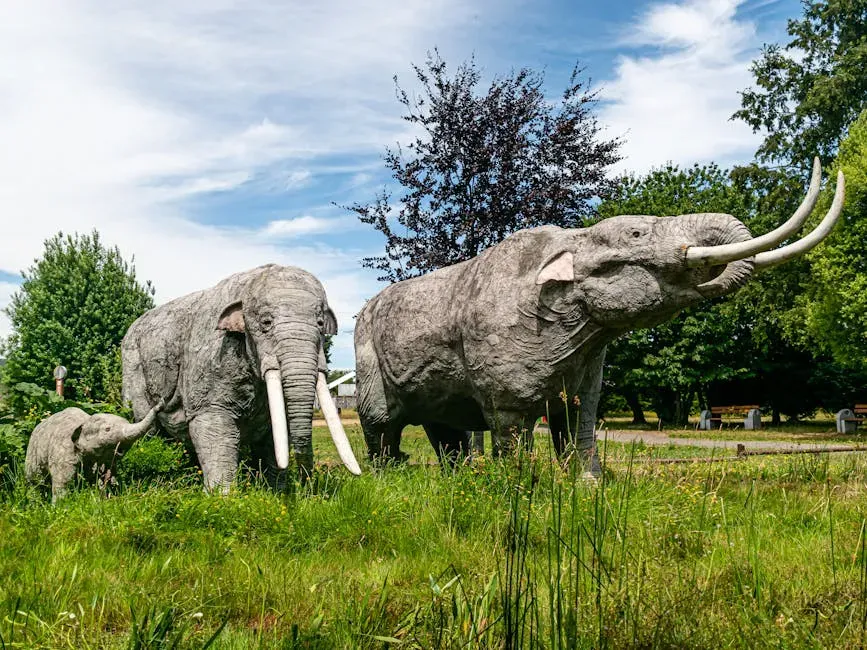
The Cenozoic Era was not a quiet, gentle transition period between the age of dinosaurs and the modern world. It was a roiling, competitive, violent, and breathtakingly diverse chapter of life on Earth. At the end of the Pleistocene around 12,000 to 11,000 years ago, many megafauna species went extinct, and scientists are still trying to understand why – some suggest climate change affecting food sources or excessive hunting by humans could have led to their demise.
It is not a coincidence that humans began to evolve around the time most of these large mammals went extinct. Scientists hypothesize that humans may have overhunted some of these mammals while they were already suffering food shortages, and these two effects combined may have led to the downfall of many of the large mammals. That’s a sobering thought. We didn’t inherit a world emptied by chance – we may have shaped it ourselves.
Each of these seven animals tells a story about survival, adaptation, and the sheer relentless creativity of evolution. They ruled continents and oceans for millions of years, only to vanish like shadows at dawn. The next time you see an elephant, a rhino, or even a house cat, remember what their ancestors were capable of. What do you think – if one of these giants could be brought back, which would you choose to see roam the Earth again? Tell us in the comments below.