
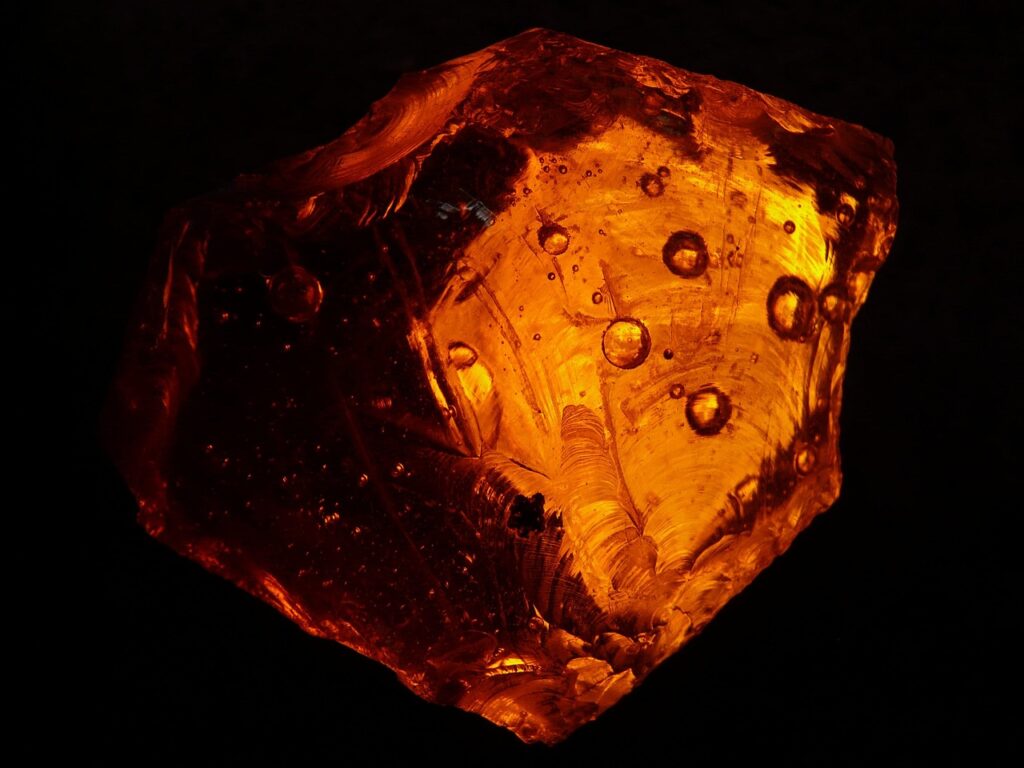
For more than a century, museums around the world have quietly stored drawers of amber gathered by Victorian-era naturalists who had no idea what future technology might reveal. Every so often, one of those forgotten specimens turns out to be far more extraordinary than anyone imagined. The idea that a simple lump of fossilized tree resin collected in the 1800s could still surprise scientists today feels almost unreal, like finding a new message scribbled in the margins of a book you thought you had already read cover to cover. Stories about nineteenth‑century amber yielding soft tissue and previously unknown species sit at the frontier of what we can responsibly say about the fossil record. Amber is absolutely capable of preserving delicate structures in jaw‑dropping detail, and researchers regularly discover new species locked inside it, but claims about entire “unknown creatures” preserved with soft tissue from a single old specimen are still extremely rare and often debated. So instead of spinning a specific tall tale, let’s walk through what actually can and does happen with historical amber, and why even a small, neglected piece from the 1800s can completely rewrite part of life’s story when modern science takes a second look.
The strange power of amber to freeze moments in time
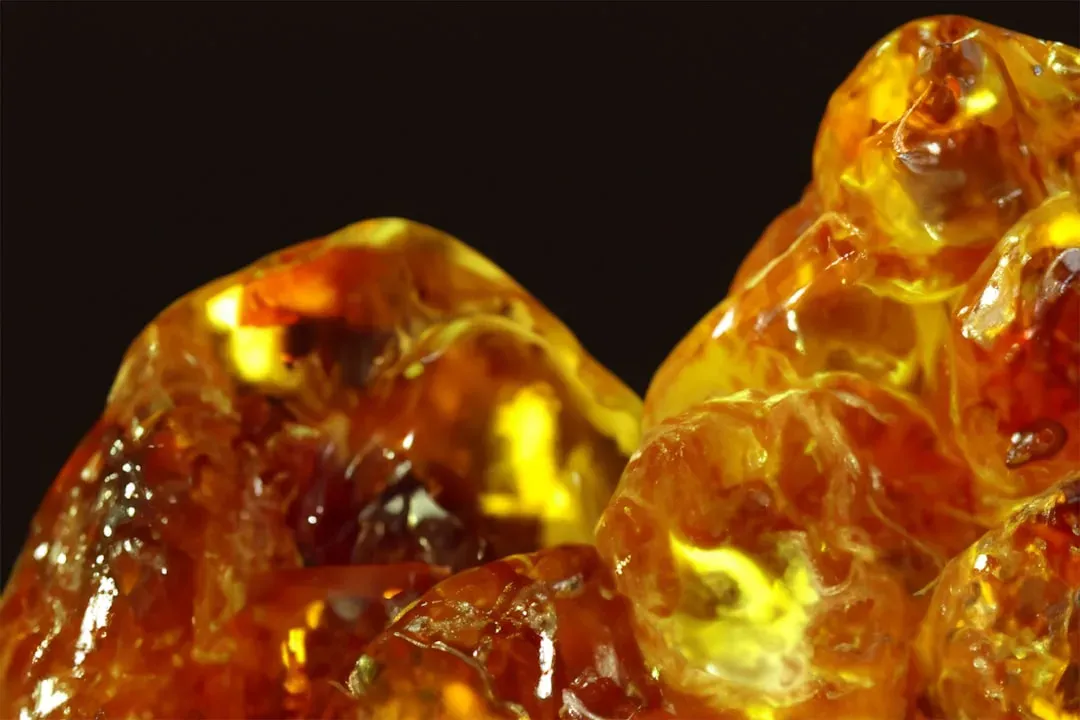
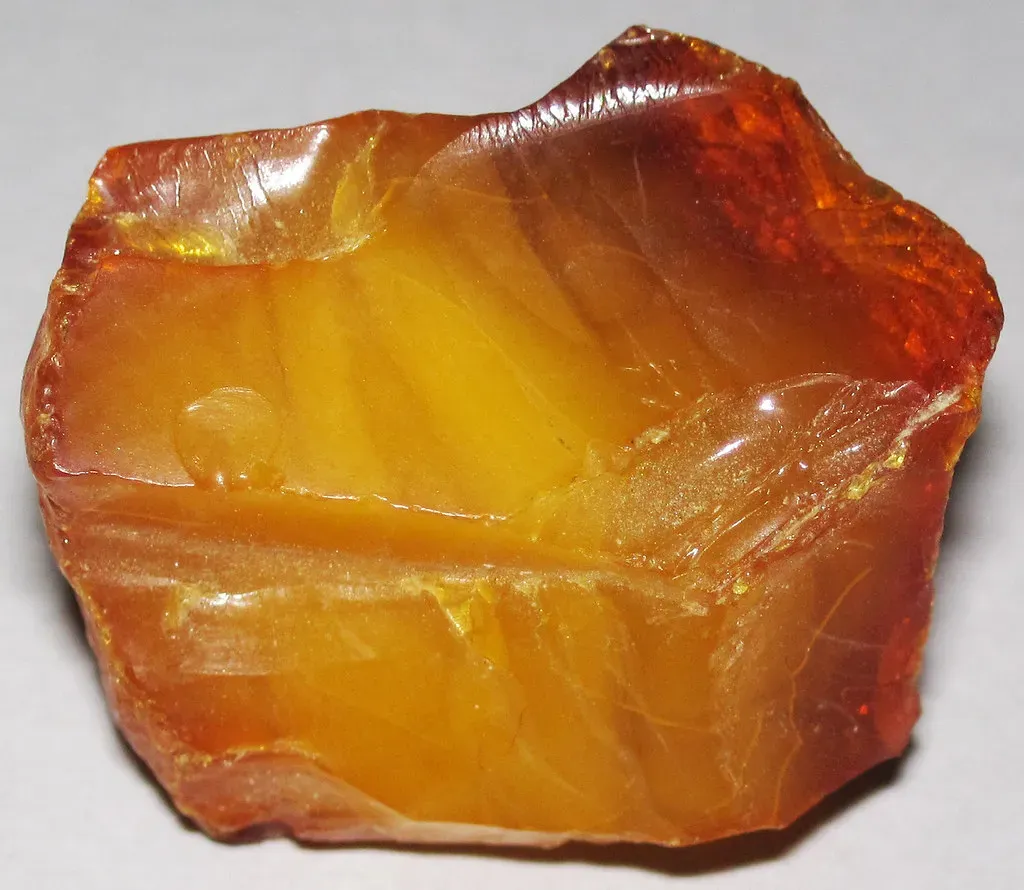
Amber is not just a pretty gemstone; it is fossilized tree resin that sometimes grabs small organisms and moments from deep time and keeps them almost eerily intact. Unlike typical rock fossils, which often preserve only hard parts like bones and shells, amber can trap hairs, feathers, skin impressions, and even cellular structures, giving scientists an almost voyeuristic window into ancient worlds. When you hear people talk about “time capsules” in nature, amber is one of the closest real things we have.
Because the resin hardens quickly around insects, spiders, tiny lizards, and fragments of plants, it can preserve three‑dimensional shapes that would normally decay within days. Under the right conditions, even soft tissues can leave incredibly detailed traces, such as pigment patterns, microscopic surface textures, or residues of internal organs. That is why researchers treat some amber pieces like priceless historical photographs: they may be the only surviving snapshots of long‑lost ecosystems, recorded with a level of detail that rock alone almost never offers.
How nineteenth‑century collectors accidentally built a goldmine for modern science
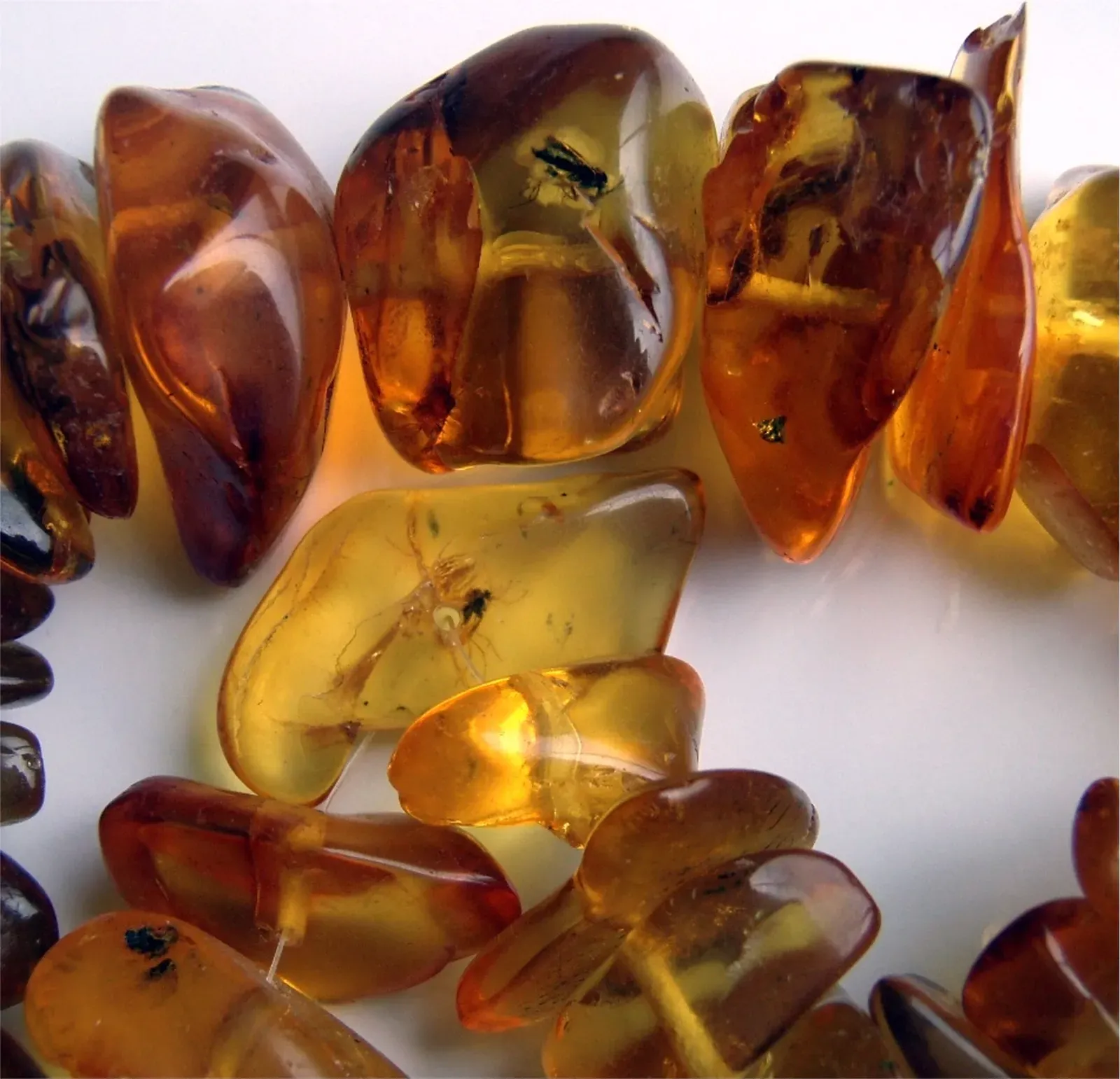
In the 1800s, natural history collecting was a mix of rigorous science, curiosity, and, honestly, a bit of fashionable trend. Wealthy Europeans gathered fossils, minerals, shells, and amber much like people now collect high‑end sneakers or rare trading cards. Many of these collectors were not thinking in terms of DNA or high‑resolution microscopy. They simply knew amber was beautiful, curious, and sometimes contained charming “little animals” inside, so they bought or traded pieces and passed them on to museums.
Those Victorian collections became the foundation of many modern natural history museums, where amber from places like the Baltic region was cataloged, labeled with dates and locations, and placed into drawers. For decades, some specimens were barely studied beyond a quick note about “insect inclusion” or “plant fragment.” Nobody in the 1800s could scan an amber blob with micro‑CT, sequence any remaining biomolecules, or model its interior in three dimensions. So today, when scientists pull an old, dusty specimen from a cabinet and put it through modern analysis, it can feel like opening a time‑locked file that previous generations never had the password to read.
Soft tissue in amber: what science says we can actually trust
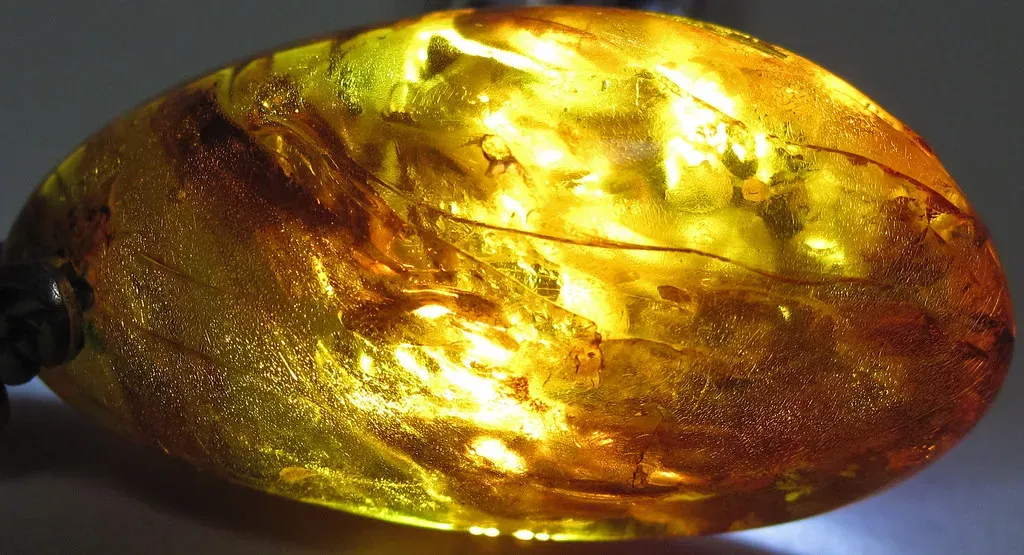
The phrase “soft tissue” triggers understandable excitement, because it hints at things like preserved skin, muscles, or even internal organs. With amber, what scientists typically find is not fully functioning tissue, but micro‑scale structures, textures, and sometimes biomolecular residues that correspond very closely to what we see in modern organisms. For example, amber has preserved feathers with intact shapes and pigment‑bearing organelles, tiny hairs with clear surface scales, and delicate wing membranes of insects that look like they could still flutter.
However, soft tissue claims have to be treated cautiously. Time, heat, and chemical changes break down most original cells and molecules. What often remains are detailed casts, films, or altered remnants rather than pristine tissue that you could test like a modern biopsy. When researchers do suggest that proteins, pigments, or fragments of original organic material survive, those findings are thoroughly vetted, repeated, and debated. That may sound frustratingly careful, but it is exactly that caution which makes the genuine discoveries so meaningful and prevents the field from drifting into wishful thinking.
What it really means when a “creature no researcher had previously known” is found
When you hear that scientists have found a creature no one previously knew existed, it is tempting to picture something wildly alien, like a miniature dragon or a jellyfish with glowing eyes. In paleontology and zoology, what this usually means is that the fossilized animal represents a new species, genus, or sometimes an entirely new lineage within a broader group of known organisms. Maybe it is a beetle with a unique jaw arrangement, a mite with never‑before‑seen sensory organs, or a tiny lizard whose scales and bone proportions do not match any known species.
Amber is a particularly rich source of such discoveries because it captures small, delicate creatures that often leave no trace in standard rock deposits. Many of the animals found in amber are close relatives of living groups but display combinations of traits that modern species have lost or further modified. So when scientists say a creature was previously unknown, they typically mean it had gone formally undescribed and unnamed, even if it clearly belongs somewhere on the sprawling tree of life. It is still a big deal: each new species forces researchers to rethink who evolved from whom, when, and under what environmental pressures.
How re‑examining old amber can completely change the story
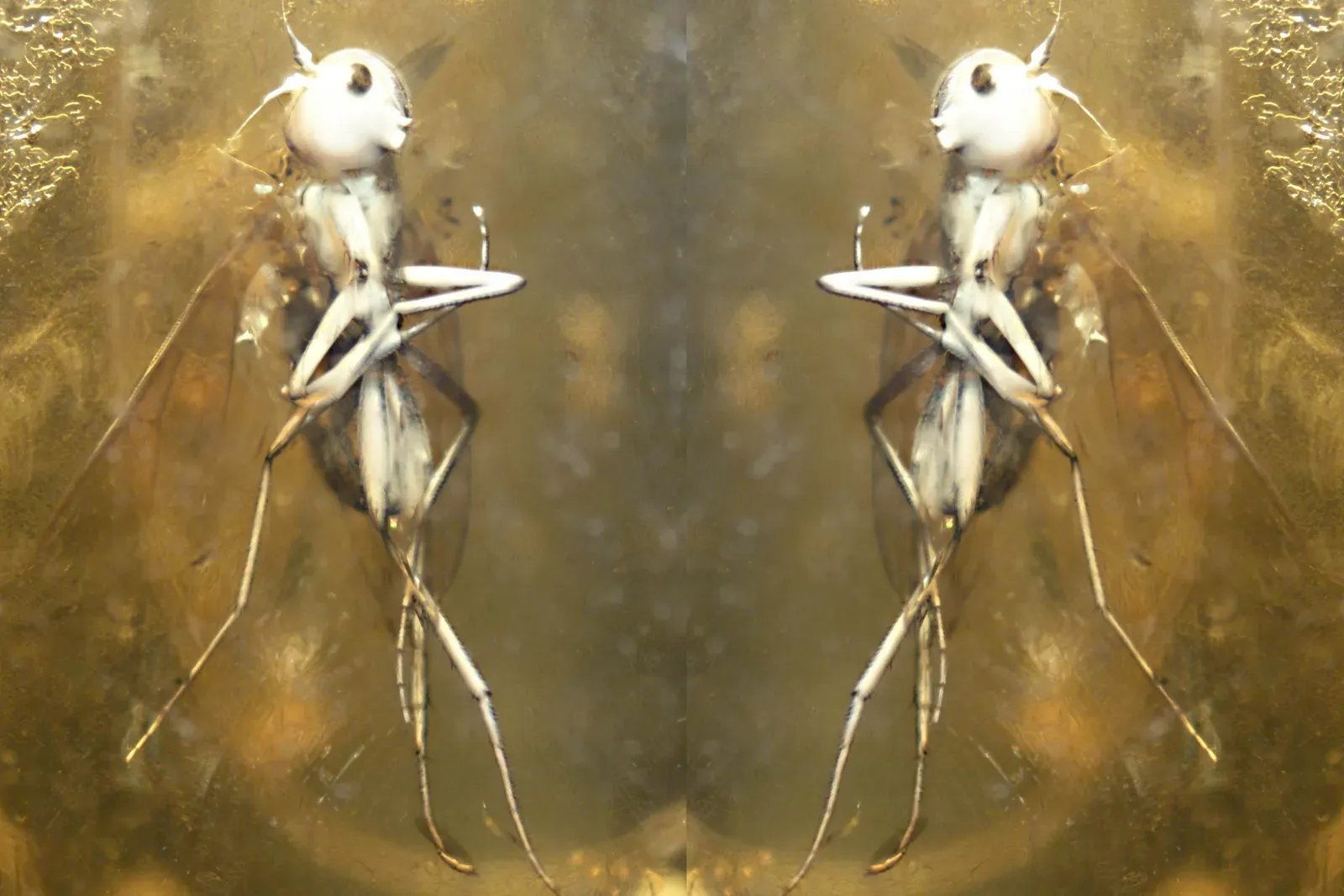
One of the most exciting trends in modern paleontology is the careful re‑examination of old museum material, especially amber collected more than a century ago. When researchers apply micro‑CT scans, advanced imaging, and chemical analysis to these nineteenth‑century specimens, they sometimes find hidden inclusions that earlier scientists literally could not see. A piece once labeled as “insect wing fragment” may turn out to contain an almost complete tiny arthropod, a portion of soft tissue, or structures that reveal behavior such as parasitism or camouflage.
Reinterpretations like these can ripple through scientific understanding. A previously overlooked feature might push the appearance of a certain trait millions of years earlier than anyone thought. A misidentified organism could be reclassified as part of a different group, reshuffling evolutionary family trees. When that happens to a specimen from the 1800s, the story becomes especially satisfying: a relic from a time of oil lamps and handwritten labels suddenly informs cutting‑edge debates about how life diversified on Earth, reminding us that progress sometimes begins by taking a more patient, careful look at what we already have.
Why the most sensational amber stories deserve a skeptical, hopeful eye
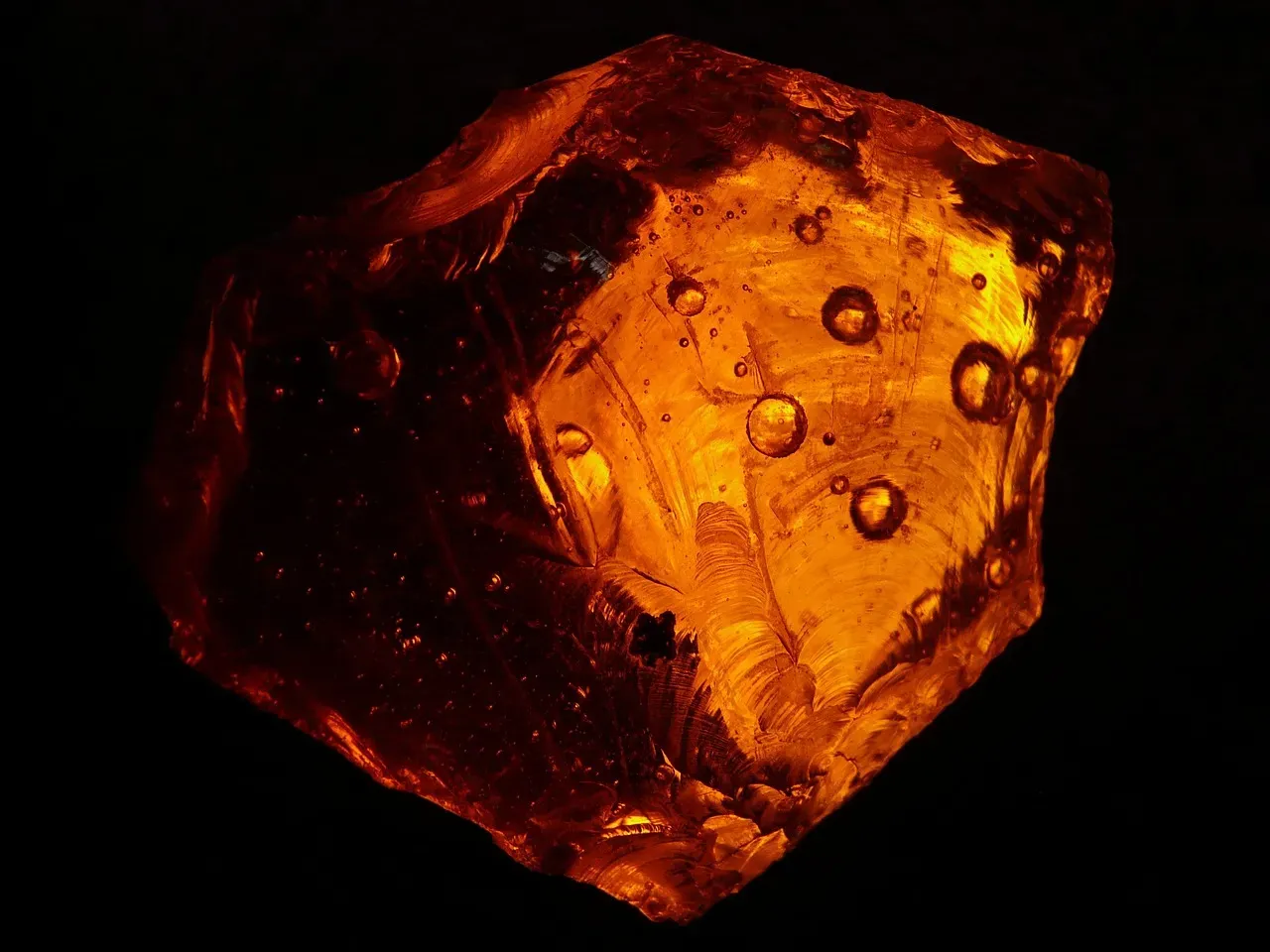
We live in a media landscape that loves dramatic headlines, and the idea of an old amber piece yielding soft tissue from a completely unknown creature is almost tailor‑made for viral stories. As someone who follows this field closely, I think we should welcome the sense of wonder but stay demanding about the evidence. Whenever claims sound too close to science fiction, it is worth asking how the specimen was analyzed, whether other labs have checked the results, and if there might be more ordinary explanations like contamination or over‑interpretation.
At the same time, it would be a mistake to swing all the way to cynicism. Amber has already delivered discoveries that would have sounded outrageous a few decades ago: ancient feathers preserved in exquisite detail, tiny dinosaurs’ relatives with intricate plumage, and bizarre insects that look like engineering experiments. So if an old nineteenth‑century specimen someday does yield unmistakable traces of soft tissue from an animal that forces us to redraw parts of the evolutionary tree, I will not be shocked. I will be thrilled, but I will also want to see the data twice, and I think that combination of wonder and skepticism is exactly where science does its best work.
Conclusion: Old specimens, new questions, and why patience beats hype
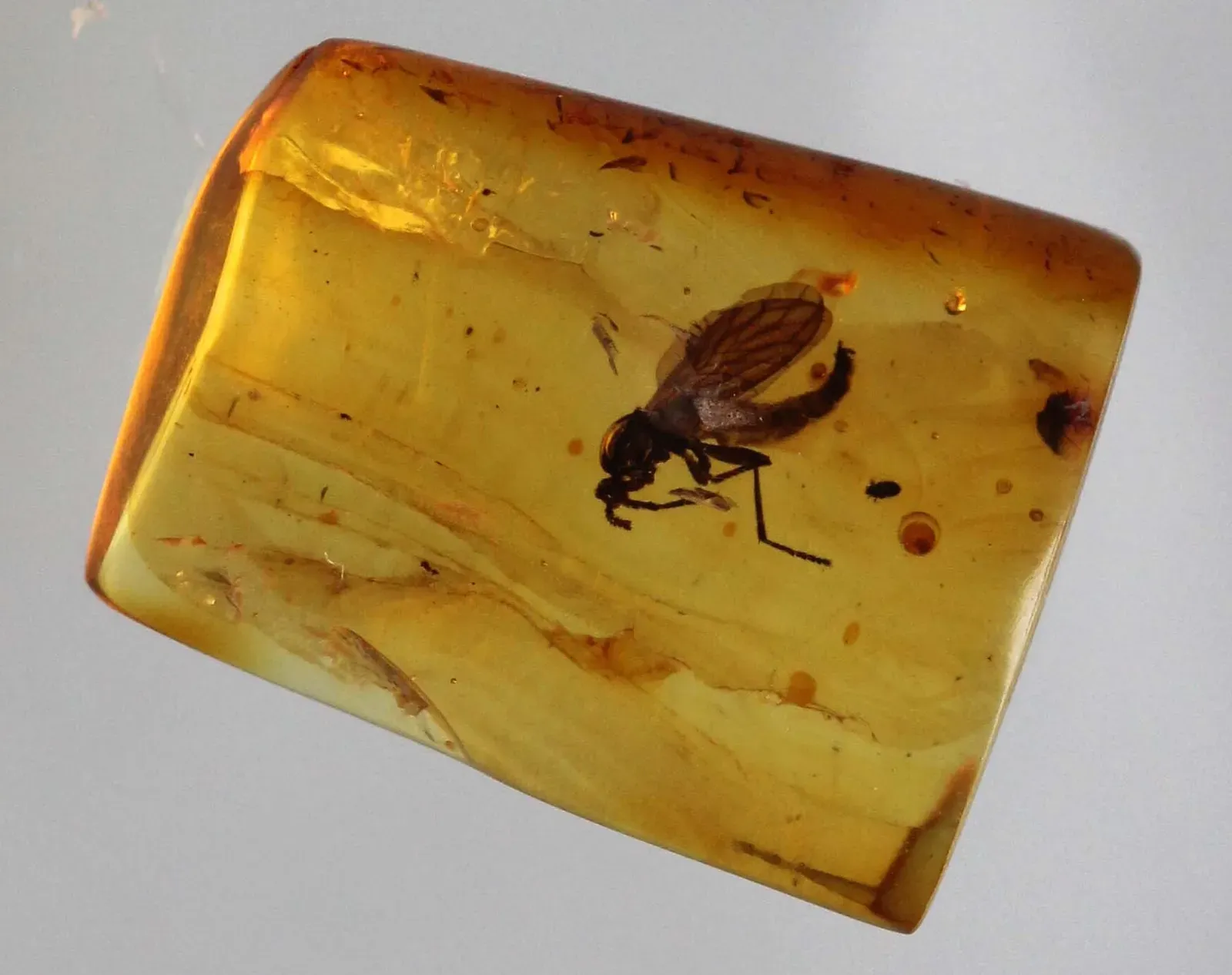
To me, the real magic of a nineteenth‑century amber specimen is not in whether it hides some single, headline‑ready monster, but in how it quietly expands our understanding of ancient life piece by piece. The most meaningful breakthroughs usually come from carefully documented details: a new arrangement of mouthparts here, a surprising pigment pattern there, a soft‑tissue trace that nudges a theory rather than shattering it. That kind of slow, evidence‑driven progress is less flashy than the idea of a perfect, unknown creature frozen in resin, but it is far more trustworthy and ultimately more transformative.
If anything, old amber collections teach us that scientific revolutions are often hiding in plain sight, waiting for better tools and more patient questions. I think we should be wary of stories that promise too much from a single specimen and instead celebrate the long, sometimes stubborn process of turning curiosity into reliable knowledge. After all, the most radical idea is not that there is one mythical creature waiting in a Victorian drawer, but that thousands of small, real discoveries are still sitting there, ready to change how we see the past. When you picture those amber cabinets now, do you imagine dusty trinkets – or unopened letters from a world we are only just learning to read?