
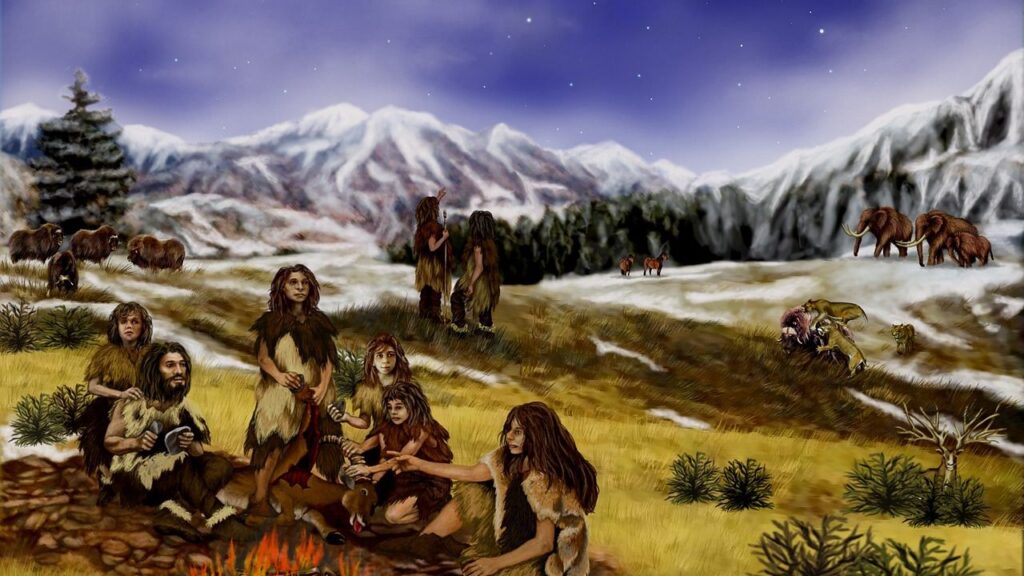
Imagine discovering that your family once held a reunion where some relatives were not just from another country, but from an entirely different kind of human. That sounds like science fiction, but for our species, it is real history written in our DNA. Around fifty thousand to sixty thousand years ago, a wandering band of Homo sapiens met long‑lost cousins like Neanderthals and Denisovans, and instead of keeping to themselves, they mixed. The echoes of that encounter are still pulsing through your immune system, your brain, maybe even your risk of depression or your ability to handle high altitudes.
I still remember the first time I saw a genetic map of human ancestry and realized that these ancient meetings were not a footnote; they were a plot twist. It hit me that the story of “us” is not a clean, straight line of progress, but a messy, emotional, deeply human family drama across continents and millennia. This ancient family reunion matters because it quietly rewired what it means to be human, and once you see how, you’ll never look at your own body – or your family tree – the same way again.
The Moment Our Species Stepped Out And Met The Neighbors
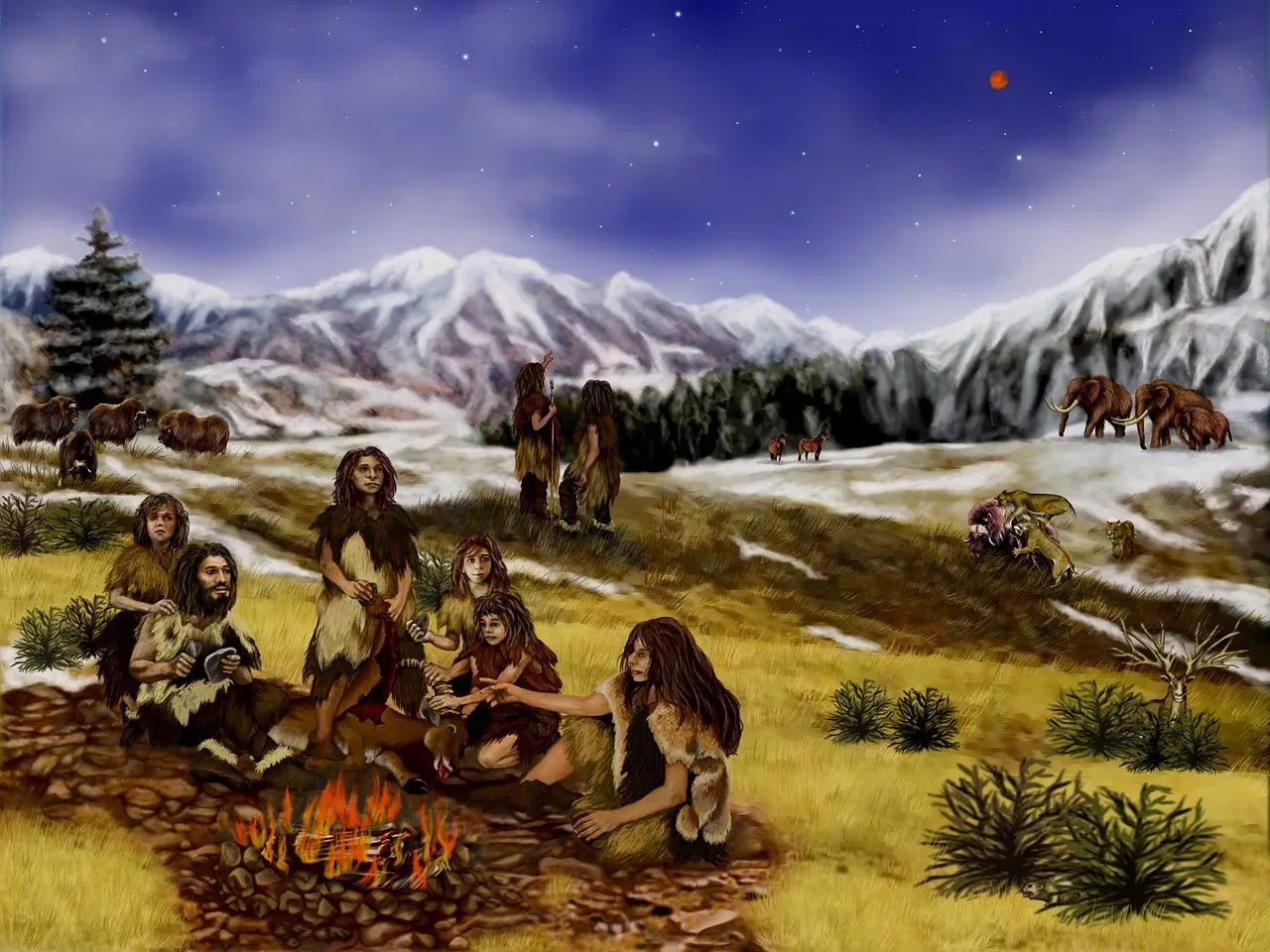
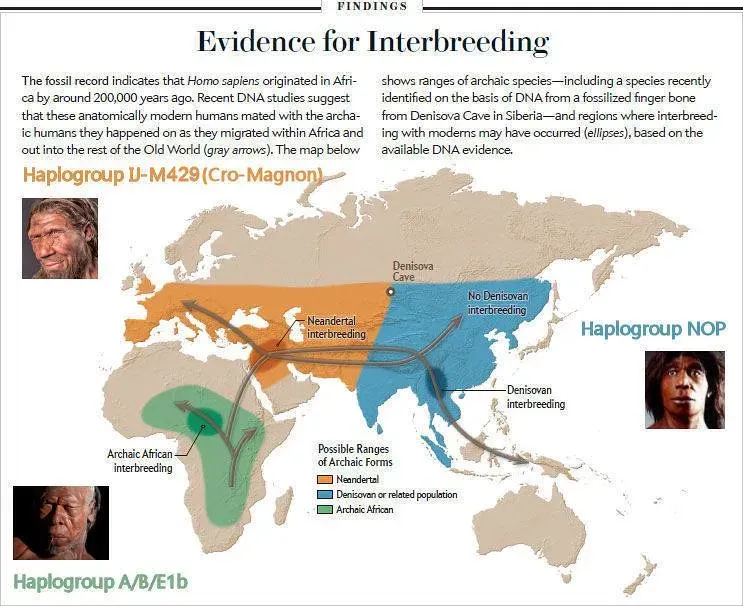
Here’s the wild part: for most of our history, Homo sapiens were just another clever ape living in Africa, one smart branch among several. Then, somewhere around seventy thousand to fifty thousand years ago, groups of our ancestors began to leave Africa in waves, following coastlines, rivers, and game trails into the Middle East, Europe, and Asia. They did not walk into a blank, unoccupied world; they walked into lands already home to other humans like Neanderthals in Europe and western Asia, and later, Denisovans farther east.
Think of it like moving into a neighborhood and realizing you are not the first family on the block. These neighbors were not aliens; they used tools, controlled fire, cared for their injured, and survived brutal Ice Age climates. The big shift was that our wandering ancestors did not just displace them instantly in some clean, one‑sided conquest. Instead, for a while, there was overlap: shared landscapes, shared resources, probably shared conflicts – and, crucially, shared beds. That overlapping time window is the heart of the ancient family reunion.
When Hybrid Children Became The New Normal
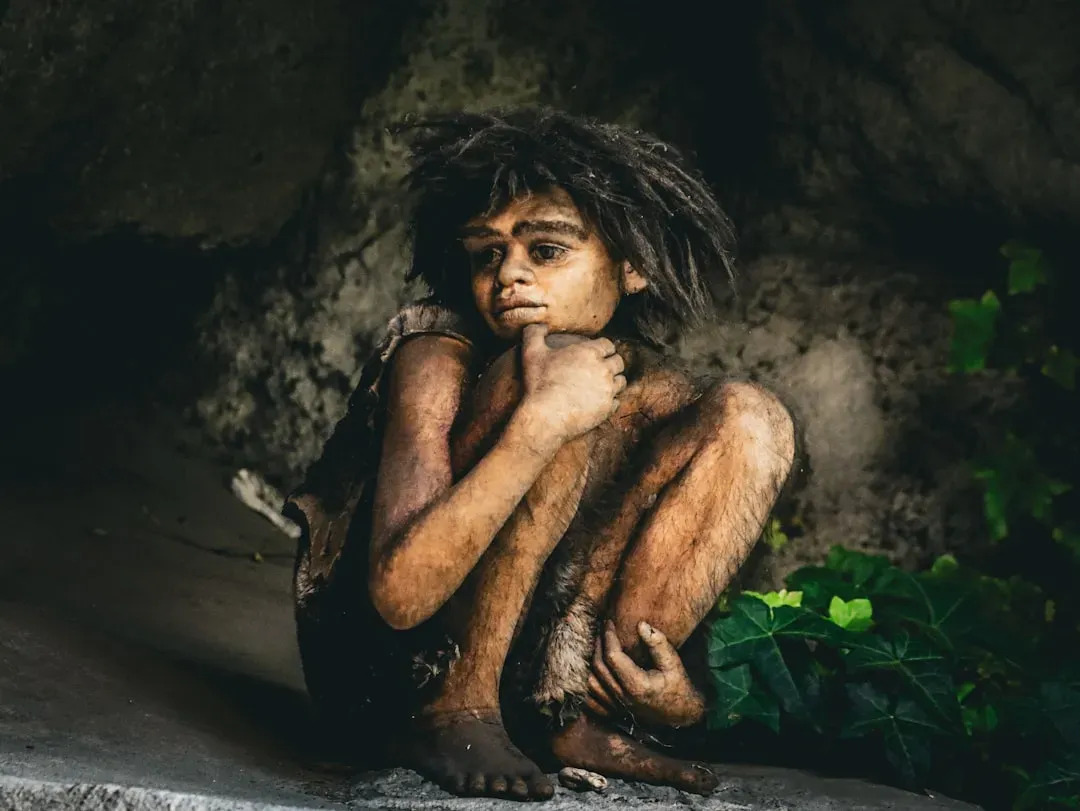
For a long time, scientists assumed that if our ancestors met Neanderthals or Denisovans, they either wiped them out or ignored them. Then ancient DNA blew that idea apart. When researchers sequenced Neanderthal and Denisovan genomes and compared them to living people, they found small but clear chunks of those ancient genomes inside modern humans outside Africa. In other words, at some point, real human beings formed relationships, however brief or complicated, that produced children whose descendants are still walking around today.
If you have ancestry from Europe, Asia, or the Americas, there’s a good chance that roughly a few percent of your DNA traces back to Neanderthals, and in some populations, a small share comes from Denisovans too. The picture is not of a one‑off fling but of multiple episodes of contact in different places and times. Those hybrid children were not evolutionary dead ends; they grew up, had kids of their own, and quietly stitched the family branches together. The “reunion” was not a single dinner – it was more like a series of awkward, intense gatherings over thousands of years that slowly blended once‑separate lineages.
How Borrowed Genes Helped Us Survive New Worlds
One of the most surprising outcomes of this ancient mixing is how practical it turns out to have been. Our ancestors were stepping into colder climates, new pathogens, different diets, and intense environmental stress. The humans already living there – Neanderthals and Denisovans – had spent hundreds of thousands of years adapting to those exact conditions. When modern humans interbred with them, they did not just share stories around the fire; they shared survival tools coded in their genes.
Researchers have found archaic DNA fragments that influence immune responses, skin and hair biology, and how our bodies react to sunlight. In some high‑altitude populations, a key gene variant that helps people cope with low oxygen seems to have been inherited from Denisovan ancestors. You can think of it like moving into a new city and inheriting the neighbor’s well‑worn street map instead of figuring everything out from scratch. Natural selection then kept the borrowed gene segments that helped and quietly trimmed away those that were harmful, sculpting a genetic toolkit that made our species more flexible and resilient.
The Hidden Cost Of Our Ancient Inheritance
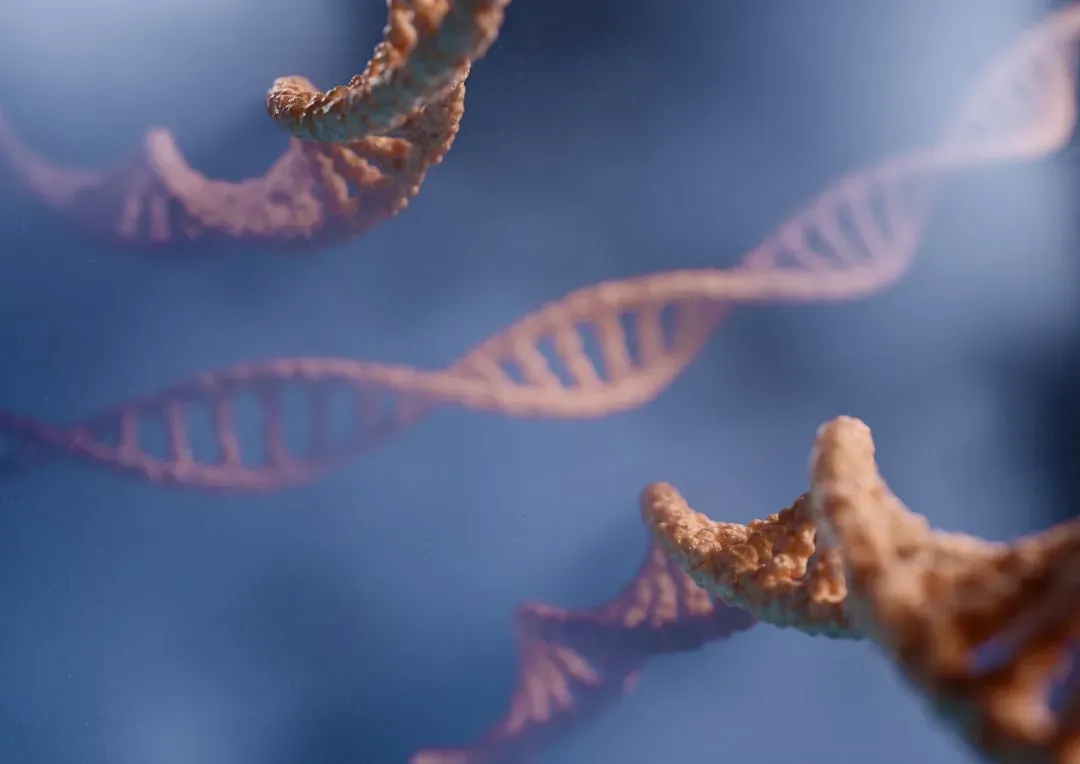
Of course, a family reunion is rarely all upside, and neither was this one. Not every gene we picked up from Neanderthals or Denisovans turned out to be a win. Some of those archaic segments are now linked to higher risks of autoimmune disease, certain metabolic conditions, and even mental health issues in modern populations. It is as if we inherited a family heirloom that looks beautiful but occasionally gives you splinters.
Over time, natural selection has reduced the amount of archaic DNA in key parts of our genome, especially in regions tied to brain development and reproductive biology, suggesting that some combinations just did not work well together. But enough of that DNA survived for us to see its fingerprints in things like inflammation, allergies, and how our bodies deal with viruses. Our ancient family reunion did not simply upgrade humanity in a clean way; it complicated us. We are, in a very literal sense, walking negotiations between helpful and harmful legacies from relatives we will never meet.
Why There Are No Pure Humans (And Never Really Were)
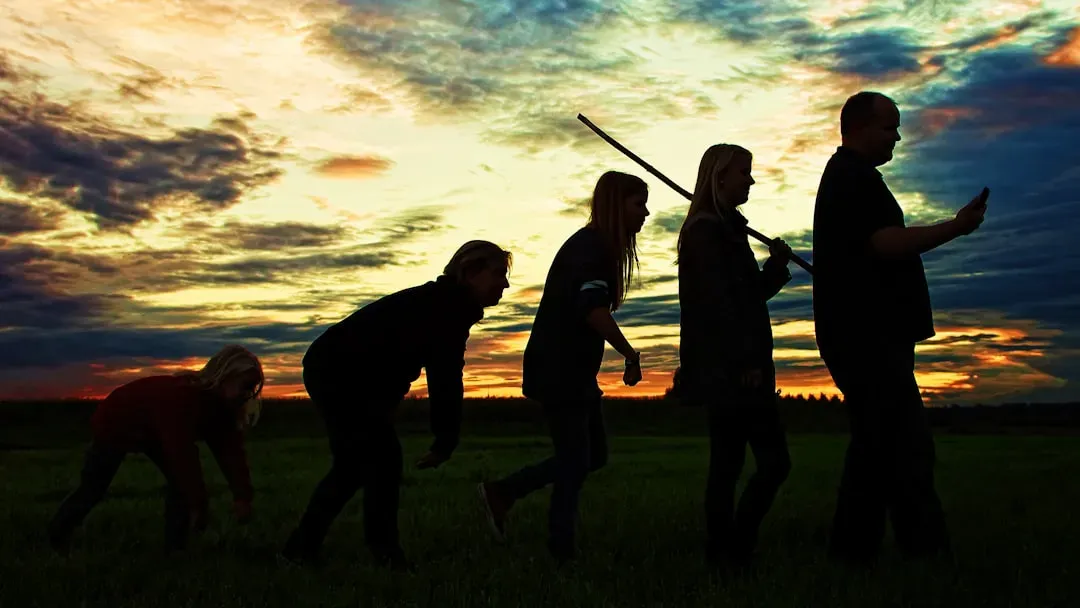
Many people still talk about human ancestry as if there are “pure” groups somewhere – purely modern, purely African, purely European, purely anything. Our deep history laughs at that idea. Within Africa itself, diverse hunter‑gatherer groups and early populations were likely exchanging genes for hundreds of thousands of years, long before anyone left the continent. Once people spread across Eurasia, that web got even more tangled with Neanderthals, Denisovans, and possibly other lineages we barely understand yet.
So when you hear about a “modern human” versus a “Neanderthal,” do not picture two totally separate species like a wolf and a shark. It is closer to distant cousins who took different paths, developed their own styles, and then re‑met at an enormous family gathering where some cousins decided to join branches again. The idea that humans were ever cleanly divided into sealed, unmixed categories just does not survive contact with the genetic data. We are not pure anything; we are the outcome of a long, ongoing remix, and that realization can be strangely freeing.
How This Ancient Reunion Still Shapes Culture, Identity, And Ego
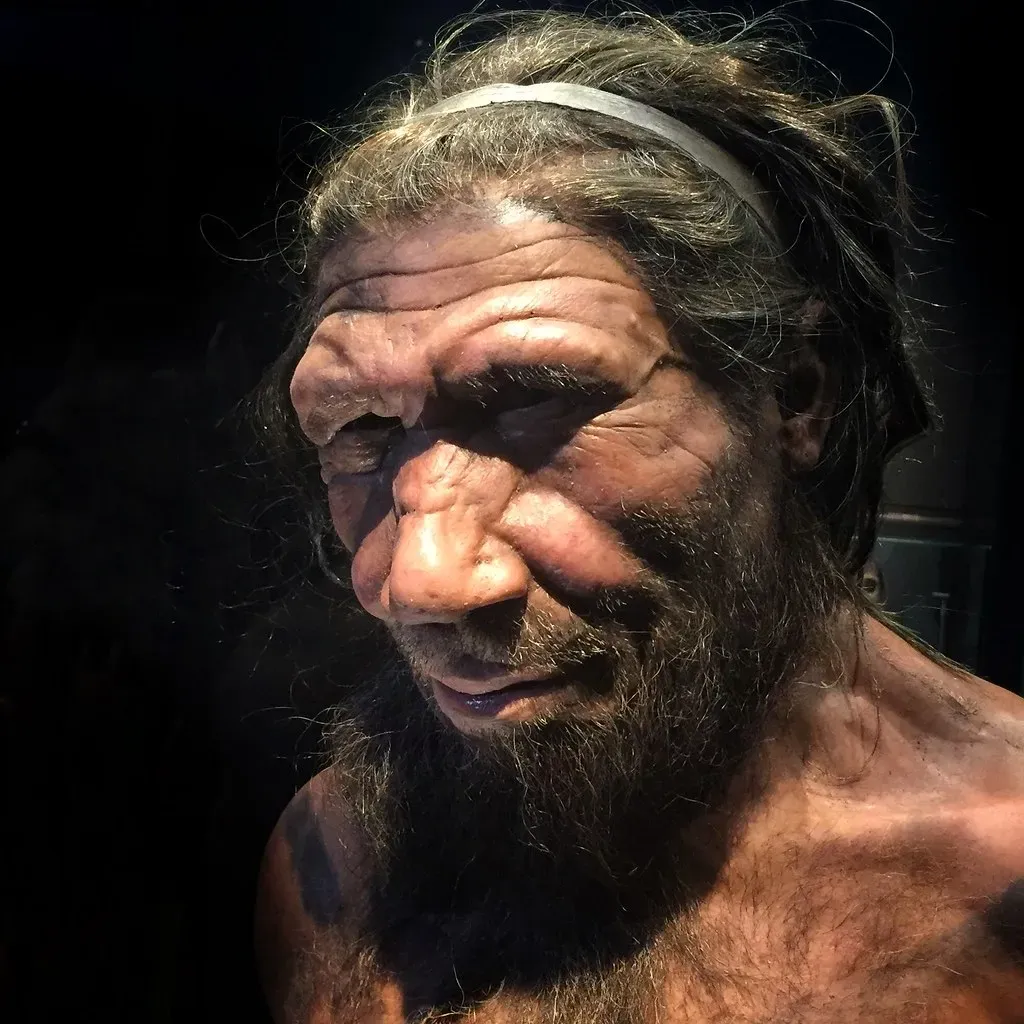
Learning that you carry Neanderthal or Denisovan DNA can feel oddly personal, even though we are talking about events tens of thousands of years old. Some people treat it like a party trick – comparing percentages on consumer DNA tests – while others feel uneasy, as if being “less modern” would somehow mean being less human. But the science pushes us toward a more grounded view: human identity is not about purity at all; it is about shared, intertwined history and the ability to connect across difference.
There is also something humbling about realizing that we are not the lone geniuses of the human story. We borrowed, blended, and benefited from relatives we once wrote off as inferior or primitive. In my view, clinging to a myth of untouched, superior modern humans is not just wrong; it robs the story of its most interesting, honest parts. Admitting that we are a patchwork of different human lineages takes a bit of ego out of the picture and replaces it with a healthier respect for how messy, collaborative evolution really is.
The Biggest Plot Twist: We Are The Reunion’s Living Memory
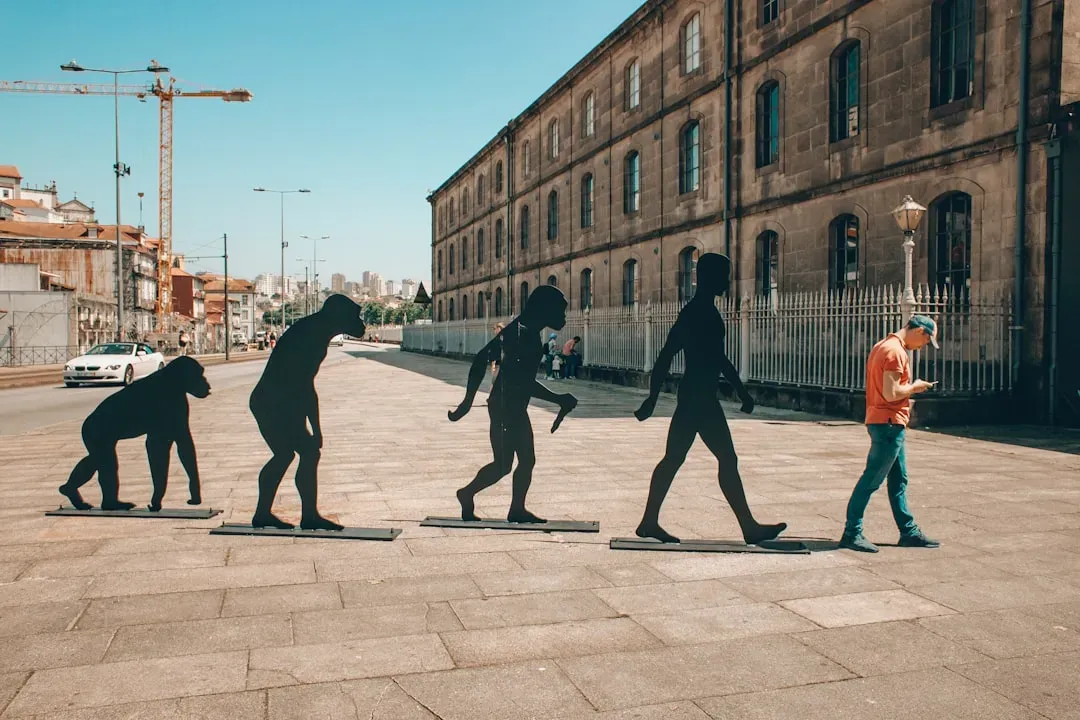
When you step back, this ancient family reunion around fifty thousand years ago is not just a quirky detail for science fans; it is one of the big turning points that made our species what it is. By the time modern humans had spread across Europe, Asia, and eventually into the Americas, we were no longer the same population that had first walked out of Africa. We were carrying pieces of other human worlds inside us, and that hidden cargo helped us survive new climates, fight off new diseases, and experiment with new ways of living.
Here is my opinionated take: the real revolution in humanity was not just a bigger brain or better tools, but the willingness – intentional or not – to connect with the “other” and let that connection actually change us. Our bodies are living museums of that choice. Every time you breathe easily at altitude, fight off a flu, or just marvel at how a single species came to dominate the planet, you are feeling the consequences of that ancient moment when walls between human groups turned porous. The question that lingers for me is simple and a little unsettling: if our greatest strength came from embracing those distant cousins back then, what does that say about how we should treat our fellow humans today?