Picture an ocean sixty feet underwater where giants ruled supreme. This wasn’t the realm of the mighty Megalodon we’ve all heard about. Instead, a different predator reigned over these ancient seas, one whose story reveals the brutal truth about early ocean warfare. Long before modern whales evolved their peaceful filter-feeding lifestyle, their ancestors faced a terrifying adversary that turned the primordial seas into hunting grounds.
These early oceans witnessed an evolutionary arms race between the first fully marine mammals and their relentless pursuers. The stakes couldn’t have been higher: survival meant adapting faster than your predator could evolve new hunting techniques. Let’s dive into this forgotten chapter of marine history.
The King Lizard That Ruled Ancient Seas
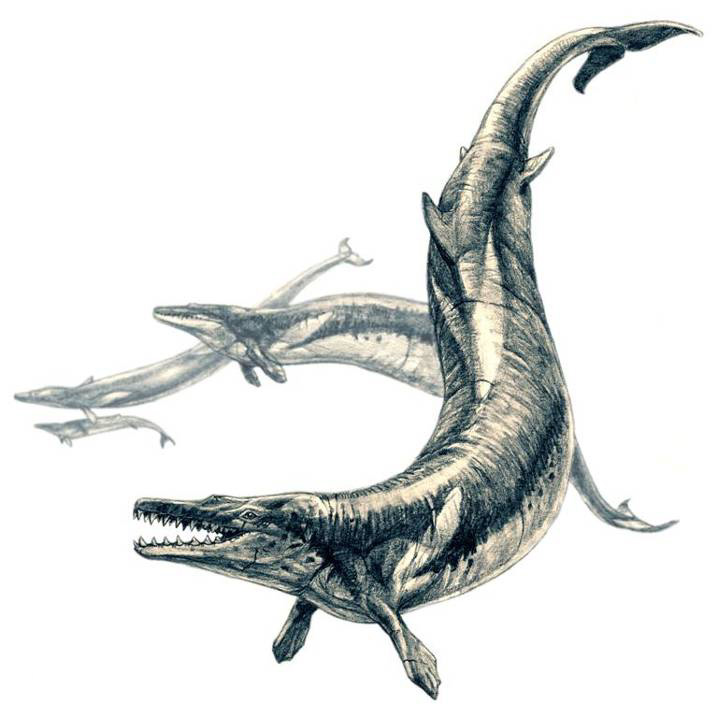
Basilosaurus, meaning “king lizard,” was a genus of large, predatory, prehistoric archaeocete whale from the late Eocene, approximately 41.3 to 33.9 million years ago. Despite its fearsome name, this creature wasn’t a reptile at all, though early scientists understandably mistook it for one.
First described in 1834, it was the first archaeocete and prehistoric whale known to science. The generic name, meaning “king lizard,” was given due to the initial misconception about the fossil material as that of a giant reptile. When researchers finally realized their mistake, they discovered something far more remarkable than any sea monster from myth.
This extinct predator roamed the ancient seas between 38 and 34 million years ago when it would have been the largest whale of its time – alongside its sister species Basilosaurus cetoides – measuring up to 18 meters in length. Think of a creature longer than a city bus, armed with teeth that could crush bone and powered by muscles designed for one purpose: hunting other marine mammals.
When Whales First Conquered the Oceans
Whales first evolved from land-living mammals related to hippos around 16 million years after the mass extinction that wiped out the non-avian dinosaurs and marine reptiles 66 million years ago. By the late Eocene, about 35-40 million years ago, large, fully marine predatory whales were found in all the world’s oceans.
Ocean ecosystems also collapsed in the aftermath of the strike, and, like the non-avian dinosaurs on land, almost all the impressive marine reptiles that had swum the ancient seas disappeared. Then, as life recovered, the oceans offered possibilities that had not been open for over 180 million years – waters virtually free of large predators. There, early whales could take the evolutionary plunge.
This evolutionary opportunity created a perfect storm. With the great marine reptiles like mosasaurs and plesiosaurs gone, early whales found themselves in relatively empty oceans. However, nature abhors a vacuum, and it wasn’t long before some of these early whales evolved into apex predators themselves.
The Fearsome Arsenal of Ancient Whale Hunters
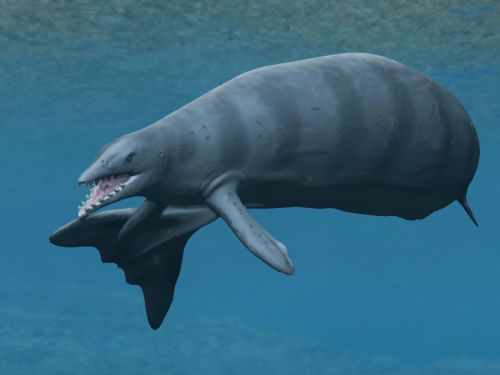
Basilosaurus isis itself had a long snout and was armed with pointed incisors and sharp cheek teeth, indicating that the animal actively hunted. Unlike modern whales that rely on suction feeding or filter feeding, these ancient predators were built for violence.
Scientists were able to estimate the bite force of Basilosaurus isis by analyzing the scarred skull bones of another species of prehistoric whale, Dorudon, and concluded that it could exert a maximum bite force of at least 16,400 newtons (3,700 lbs) and could possibly exceed 20,000 newtons (4,500 lbs). To put this in perspective, that’s more powerful than a great white shark’s bite.
Basilosaurus had teeth, which can tell scientists a lot about their diet and how they lived. Their teeth show signs of wear. This indicates that basilosaurus chewed their food before eating it. These weren’t simple puncture wounds these predators inflicted – they systematically dismembered their prey with methodical precision.
The Ultimate Proof: Prehistoric Crime Scenes
In 2015, a complete skeleton, the first-ever such find for Basilosaurus, was uncovered in Wadi El Hitan, preserved with the remains of its prey, including a Dorudon and several species of fish. The whale’s skeleton also shows signs of scavenging by large sharks such as the otodontid Otodus sokolovi, though the study considered it possible that this shark was also part of the diet of Basilosaurus.
The evidence comes from a newly discovered skeleton of Basilosaurus interpreted as a “whale fall,” an adult carcass that sank to the ocean floor more or less intact. This specimen is the first known Basilosaurus with stomach contents and includes bones from at least two young Dorudon, as well as remains of a large clam-eating fish known as Pycnodus. The Dorudon remains are found within the Basilosaurus behind its ribcage, are fragmentary, and show bite marks on the skull bones.
Mixed among the skeleton were the remains of a large fish called Pycnodus, part of a shark tooth, the remains of a smaller early whale called Dorudon. The shark tooth may have come from a scavenger, but the rest, Voss and coauthors propose, are gut contents from what the Basilosaurus consumed shortly before death. This fossil essentially captured an ancient predator’s last meal, frozen in time for millions of years.
Hunting Strategies of the Ancient Whale Killers
New research published by Manja Voss and colleagues shows that Dorudon and Basilosaurus weren’t just kin and neighbors, but that that Basilosaurus was actually hunting young Dorudon at their calving ground. Newly uncovered specimens support the idea that it was a calving ground for the dolphin-sized Dorudon, and that those calves were hunted by the much larger Basilosaurus.
Living orcas hunt very young humpback whale calves and target their bites on their heads. Voss and colleagues concluded that Basilosaurus must have been hunting in a similar way due to the similar bite marks on the young Dorudon. The parallels are chilling – these ancient predators employed hunting tactics still used by modern apex predators.
The finding further cements theories that B. isis was an apex predator that may have hunted newborn and juvenile Dorudon at Wadi Al Hitan when mothers of the latter came to give birth. Imagine nursery areas that became feeding grounds for massive predators. The ancient oceans were far more dangerous places than we might assume.
The Megalodon Connection: Coexisting Giants
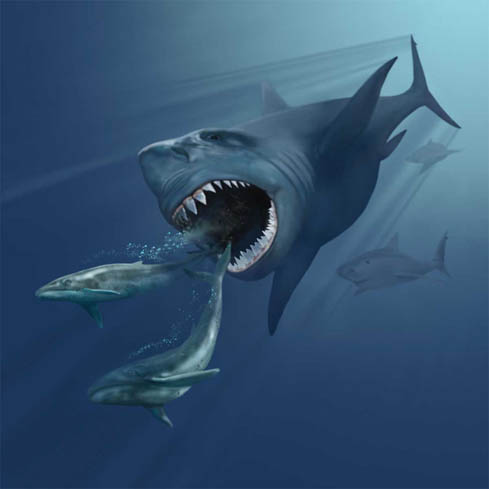
Basilosaurus was the first air-breathing apex predator of the oceans after the Cretaceous-Paleogene mass extinction wiped out the mosasaurs and plesiosaurs 66 million years ago. Additionally, it was the first among a number of different whales that took on the role of an apex predator. But Basilosaurus wasn’t the only giant predator lurking in ancient waters.
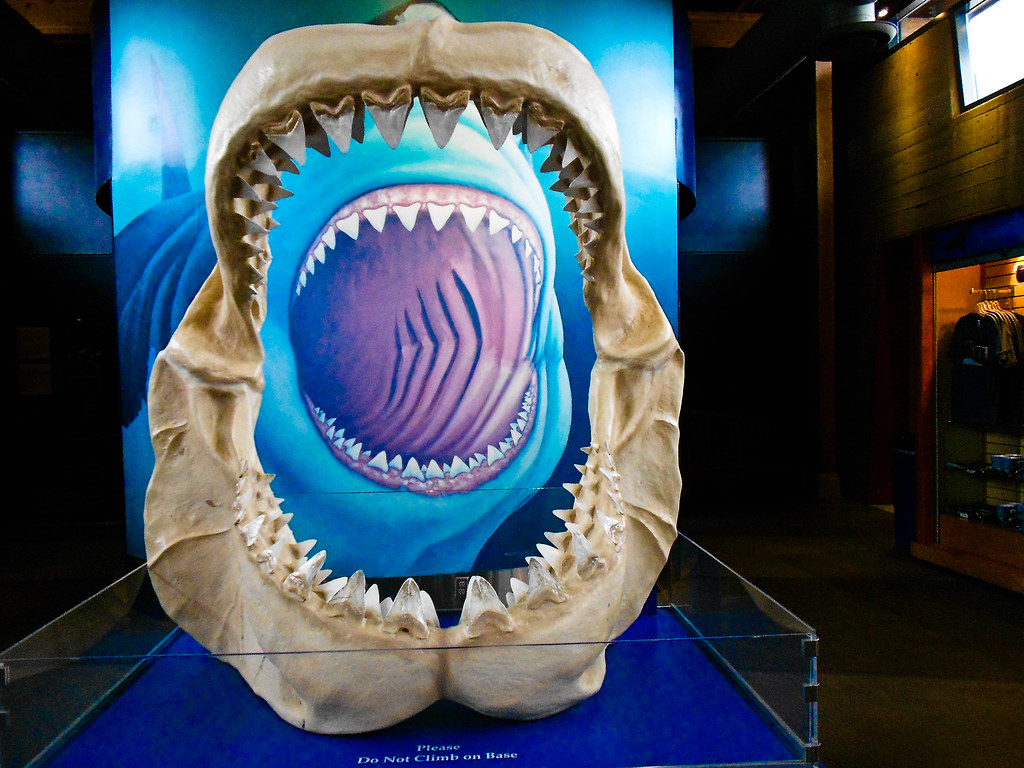
O. megalodon may have been the most proficient predator that ever lived, able to hunt the largest turtles, seals and whales. In fact, O. megalodon may have been the reason that modern whales, such as humpbacks, migrate into cold waters seasonally, as these are the only waters O. megalodon could not survive in. While Megalodon came later, around 23 to 2.6 million years ago, the lineage of giant predatory sharks was already developing.
The whale’s skeleton also shows signs of scavenging by large sharks such as the otodontid Otodus sokolovi, though the study considered it possible that this shark was also part of the diet of Basilosaurus. Even more fascinating is the possibility that these early whale predators may have actually hunted the ancestors of Megalodon.
The Evolution of Ocean Warfare
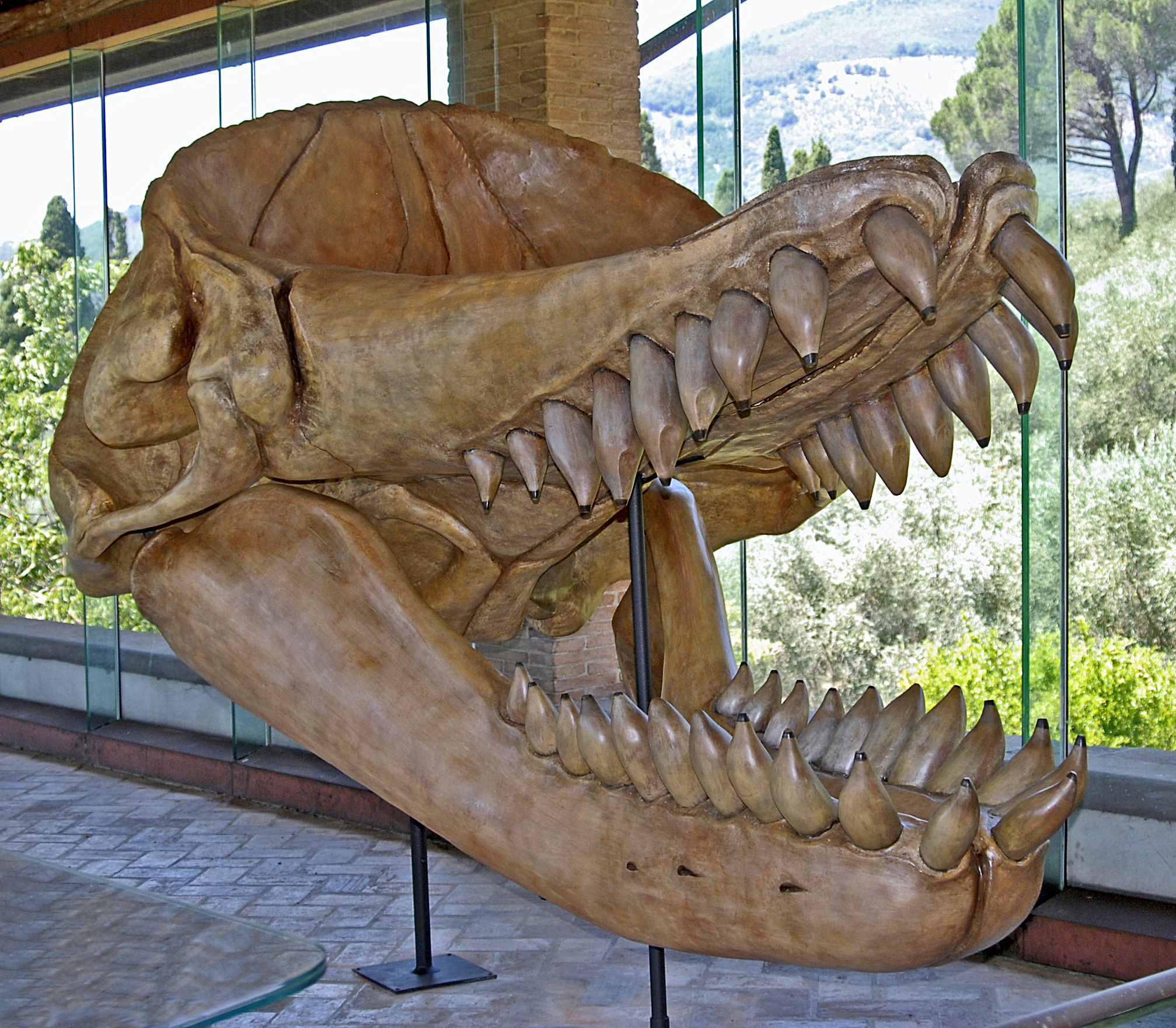
Their skulls were certainly very similar, all suggesting predation at higher trophic levels, meaning that basilosaurids were hunting large prey that were likely formidable carnivores themselves. Her own research into Basilosaurus and other fossil whales found that these carnivores were similar to giant seagoing reptiles like Mosasaurus, sharing long and low skulls full of gripping teeth.
Later examples include the sperm whale relative Livyatan which lived about 10 million years ago and the living orcas which are kin to dolphins and porpoises. This reveals a fascinating pattern – throughout geological time, whales have repeatedly evolved into apex predators, each generation more sophisticated than the last.
The whale may have interacted with the large extinct shark megalodon (Otodus megalodon), competing with it for a similar food source. The only thing we can tell that shared the water with them and was a comparable size and threat was the megalodon shark. The ancient oceans witnessed epic confrontations between whale predators and shark predators that would make any modern nature documentary pale in comparison.
Why These Ancient Predators Disappeared
The Basilosaur genus went extinct, with our last fossil evidence of them hailing from around 40 million years ago. We’re not entirely sure why they disappeared. Sometime around 40 million years ago, something happened to bring these toothy kings low. The mystery of their extinction adds another layer to their fascinating story.
Livyatan-like sperm whales became extinct by the early Pliocene likely due to a cooling trend causing baleen whales to increase in size and decrease in diversity, becoming coextinct with the smaller whales they fed on. Their extinction also coincides with the emergence of the orcas as well as large predatory globicephaline dolphins, possibly acting as an additional stressor to their already collapsing niche. Climate change and evolutionary competition proved more deadly than any prehistoric battle.
The pattern emerges clearly – as ocean conditions changed, smaller, more adaptable predators outcompeted these giants. The age of massive whale hunters gave way to more efficient, specialized predators that could adapt to changing environments.
These ancient shark-hunting whales remind us that evolution is an endless arms race. Every advantage eventually meets its counter, every giant eventually faces its successor. The oceans of today may seem peaceful compared to those prehistoric hunting grounds, but beneath the surface, the evolutionary struggle continues. What predators might be evolving in our oceans right now, preparing to claim the throne from today’s apex hunters?