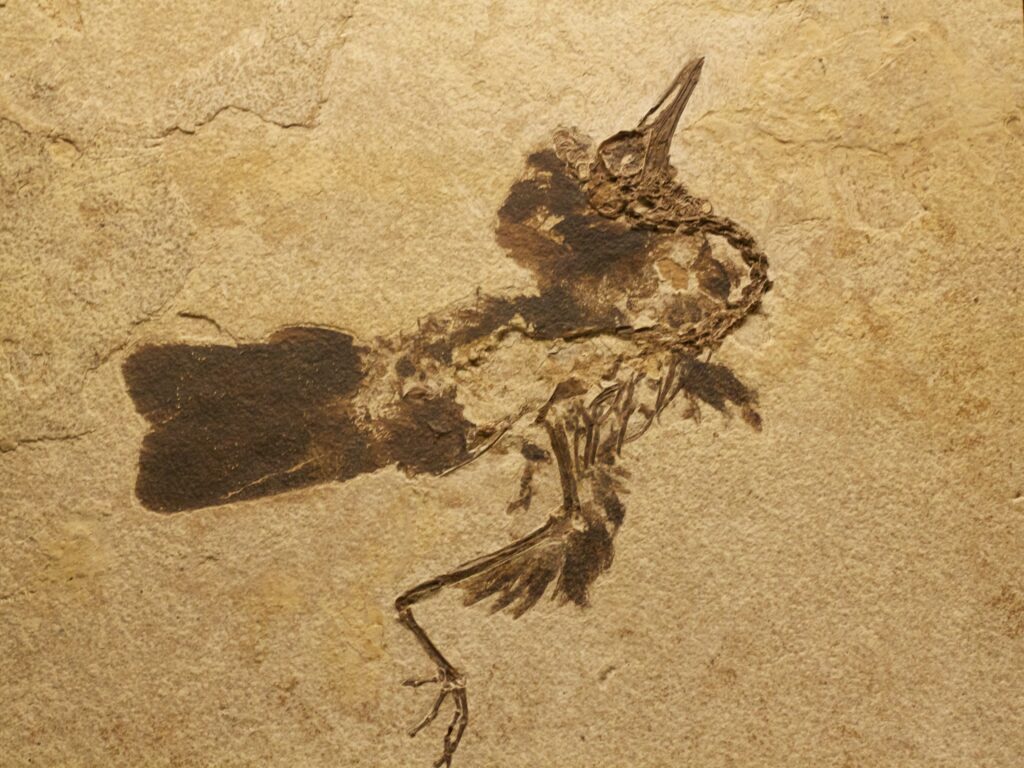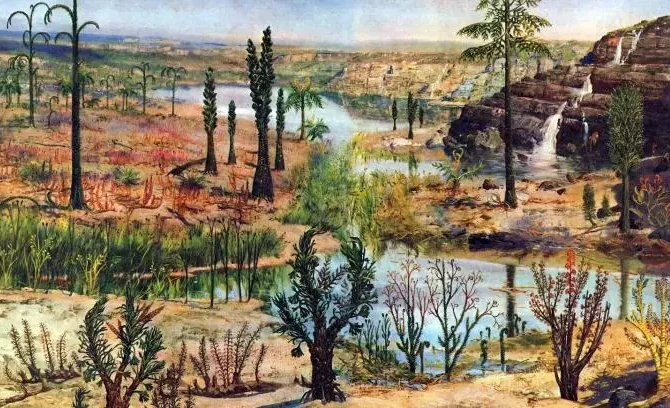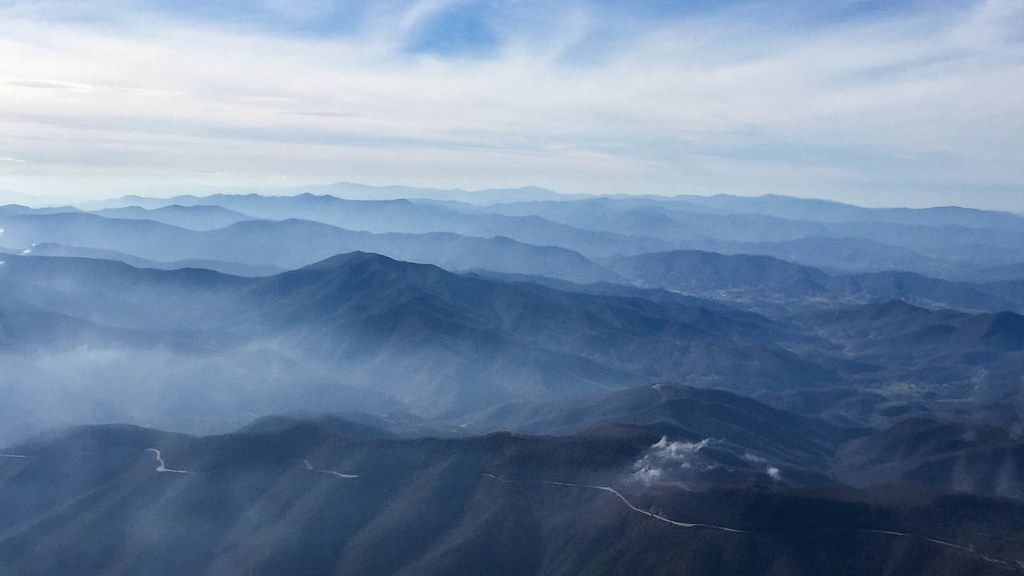
When you stand among the Appalachian peaks, you’re walking through living history that predates the dinosaurs. These mountains aren’t just old in the way we usually think of ancient things. They’ve witnessed the birth of continents, the assembly and breakup of supercontinents, and evolutionary experiments that unfolded over hundreds of millions of years.
Most people drive through these forested slopes without realizing they’re traversing one of the planet’s most remarkable biodiversity laboratories. Hidden beneath the canopy and tucked into misty valleys are ecosystems that have endured longer than almost any other temperate forests on Earth. Let’s be real, the Appalachians don’t grab headlines like the Rockies or the Himalayas. Yet what they lack in dramatic elevation, they more than compensate for with secrets written into their very bedrock and carried in the DNA of countless species found nowhere else.
Ancient Foundations Written in Stone
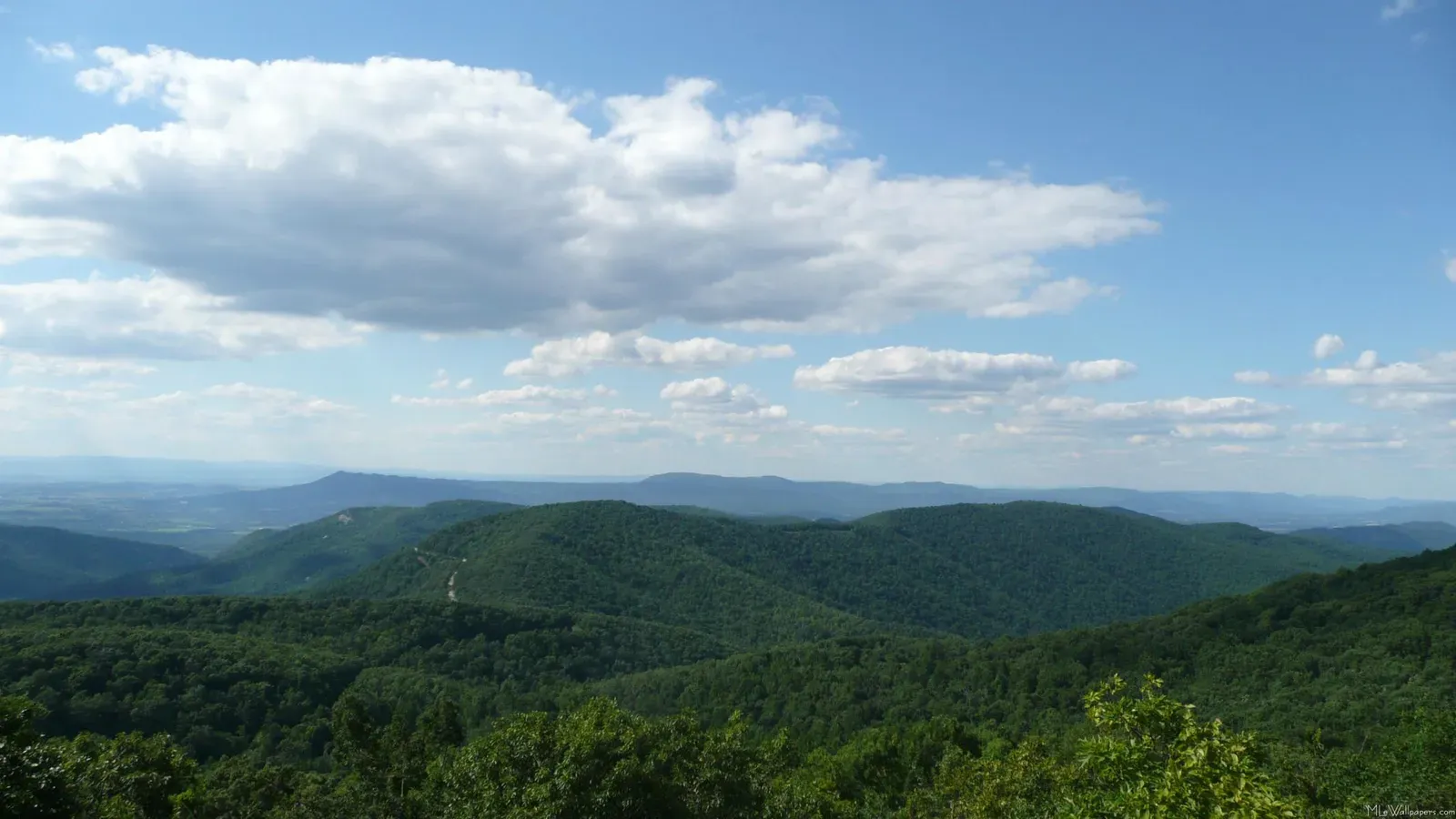
The geology of the Appalachians dates back more than 1.2 billion years to the Mesoproterozoic era when two continental cratons collided to form the supercontinent Rodinia. Think about that for a moment. These mountains began forming when Earth looked completely alien, long before complex life crawled onto land.
The Appalachian Mountains are an ancient range, first arising roughly 480 million years ago during the Ordovician Period, and they were once as tall as the Rocky Mountains before being reduced by the natural process of erosion. Picture peaks that once rivaled the Himalayas, now worn down into the gentle, rounded profiles we see today. Millions of years of erosion have worn down the jagged peaks, resulting in the characteristic rounded, heavily forested profile seen today.
This immense age isn’t just a geological curiosity. The Appalachian Mountains are considered one of the oldest mountain ranges on Earth, with some parts being over 1 billion years old, and this long history has shaped its unique ecosystems. Time has allowed these mountains to become something extraordinary, a refuge where life found ways to persist through ice ages, climate shifts, and continental rearrangements.
A Temperate Biodiversity Hotspot Rivaling the Tropics
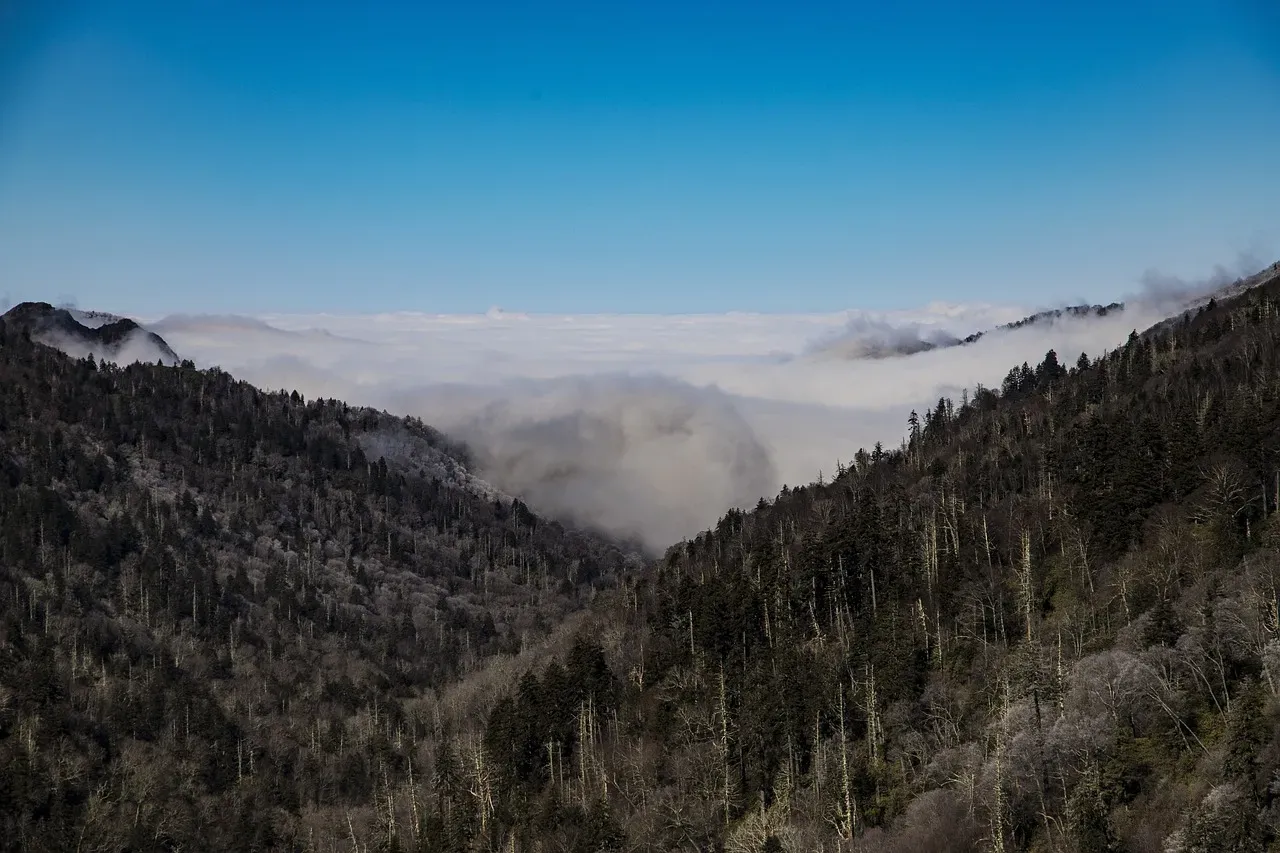
This ecoregion has a long evolutionary history and is one of the hotspots of temperate biodiversity in the world, with diversity of plants and animals higher than in any temperate forest region in the world except China. That comparison to China isn’t random. Both the Appalachians and central China contain relict habitats of an ancient forest that was once widespread over the Northern Hemisphere, and there are species, genera, and families of plants that occur only in these two locations.
The Appalachians are home to 158 different species of tree, more than anywhere else in North America. Walk through these forests and you’re surrounded by an embarrassment of riches. Oaks, hickories, maples, birches, and hemlocks create layered canopies that shelter an incredible array of life below.
The southern Appalachian Mountains are among the most biologically diverse regions in the temperate world, with this extraordinary biodiversity reflected in both the wide variety of species and their abundance, with nearly 10,000 species known to inhabit the region and more discovered each year, some entirely new to science. I know it sounds crazy, but scientists are still finding new species here in the 2020s. The mountains haven’t given up all their secrets.
The Salamander Capital of Planet Earth
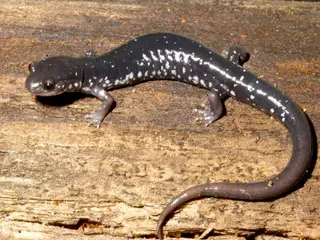
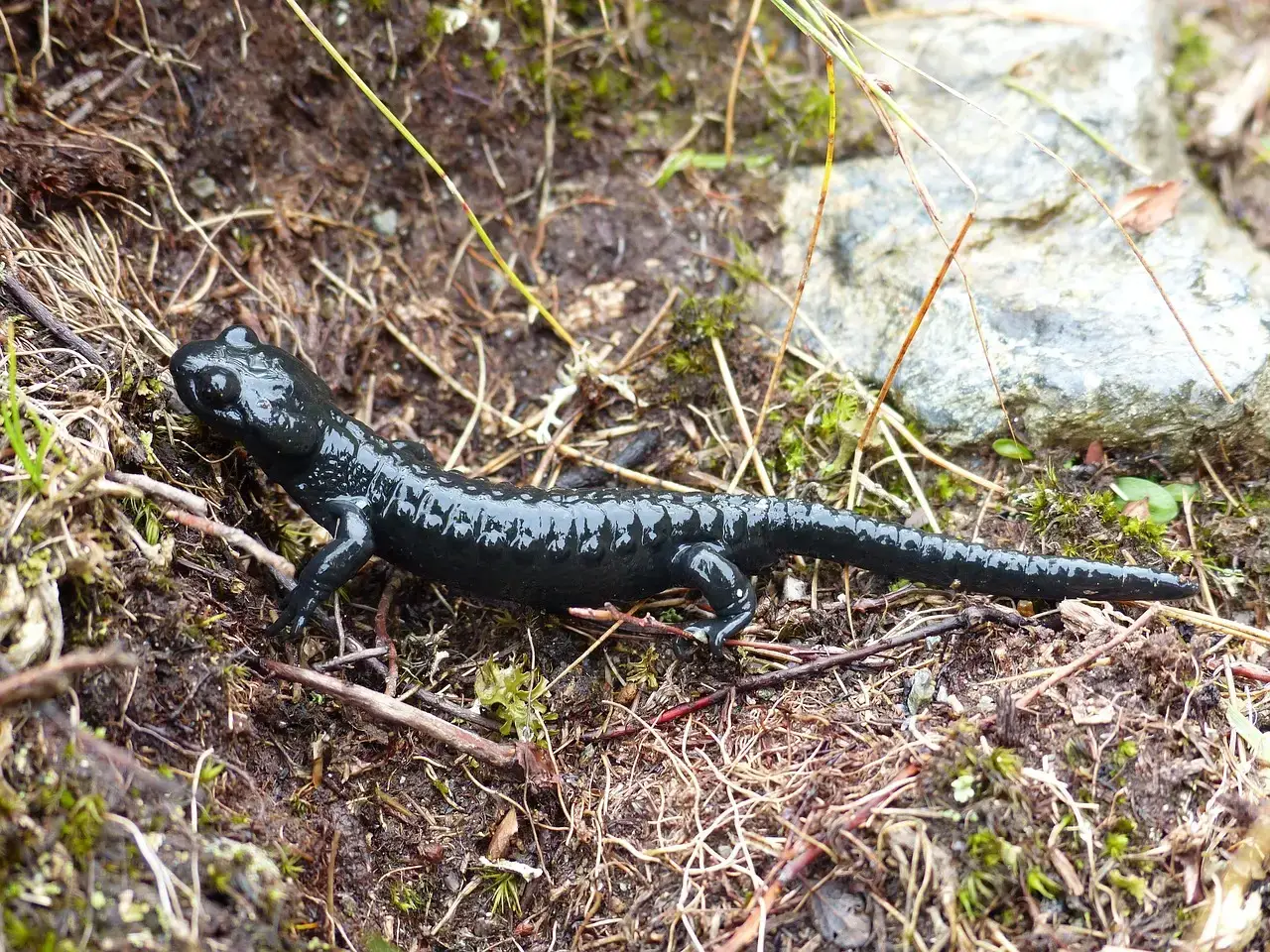
Here’s where things get truly wild. The region is a global center of evolution and diversity for the lungless plethodontid salamander family, with these salamanders collectively having higher biomass than any other animals in the forest, and more than 70 species of salamanders in this family occur in this ecoregion, a temperate zone record. Yes, you read that correctly. Salamanders outweigh all the deer, bears, and birds combined in terms of total animal biomass.
The Southern Appalachian Mountains harbor more species of salamanders than anywhere else on Earth, and they’re not just diverse, they’re abundant, with the Great Smoky Mountains National Park alone home to 30 species. These aren’t your garden-variety amphibians. Most Southern Appalachian salamanders are lungless and breathe through their skin, requiring consistently moist environments to avoid drying out, and the region’s cool temperatures and high humidity are a perfect match.
This consistently cool and damp environment has made the southern Appalachians the global hotspot for salamander diversity, with the region home to over 77 species, many of which are lungless salamanders that respire entirely through their skin, requiring a highly humid atmosphere and plentiful cool-water seeps for survival. The mountains essentially created perfect conditions for these remarkable creatures to diversify into an explosion of forms, colors, and ecological niches.
Ancient Forests That Witnessed History Unfold
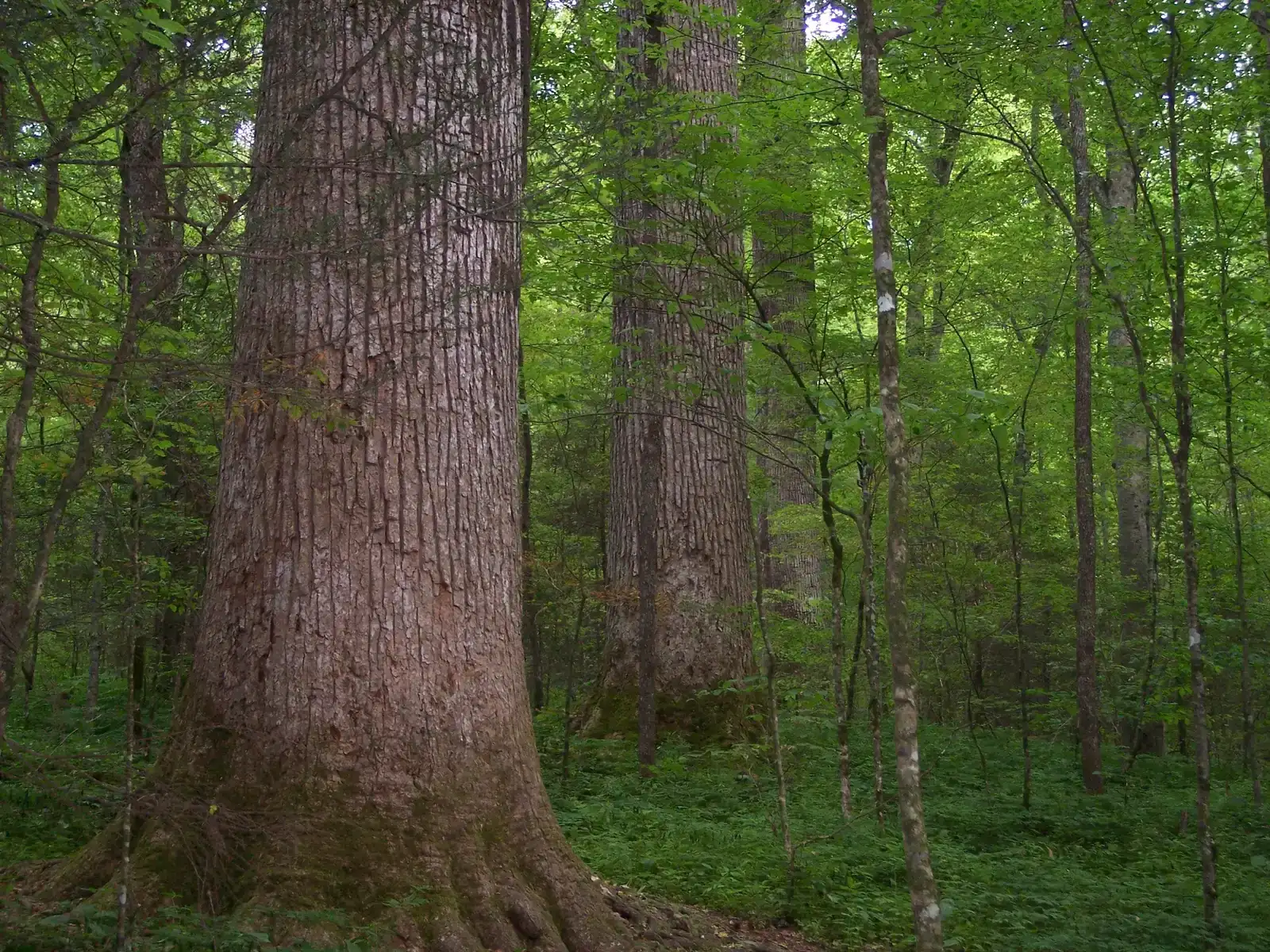
From Maine to Georgia, the Appalachian Mountain system was once almost totally covered with forest, and today some of the best and most-extensive broad-leaved deciduous forests in the world still flourish in the Appalachians and bordering areas, notably in southern Appalachia. However, the real treasures are the scattered remnants of old-growth forest that escaped the logger’s axe.
About 20 percent of Great Smoky Mountains National Park is old-growth forest, and while other old-growth is on high ridges where logging is difficult, the Albright Grove is a rare, accessible hike for visitors to enjoy. These ancient groves contain trees that were already towering giants when European settlers first arrived. Some hemlocks and tulip trees exceed 200 years in age, their massive trunks telling stories of centuries past.
Cathedral State Park is one of the last living commemorations of the vast virgin hemlock forest that once flourished in the Appalachian highlands, with trees up to 90 feet in height and 21 feet in circumference forming cloisters in the park. Standing among these giants feels like stepping into a cathedral indeed, with shafts of sunlight filtering through the canopy like natural stained glass. It’s hard to say for sure, but these places might offer the closest thing we have to time travel.
Evolutionary Islands in the Sky
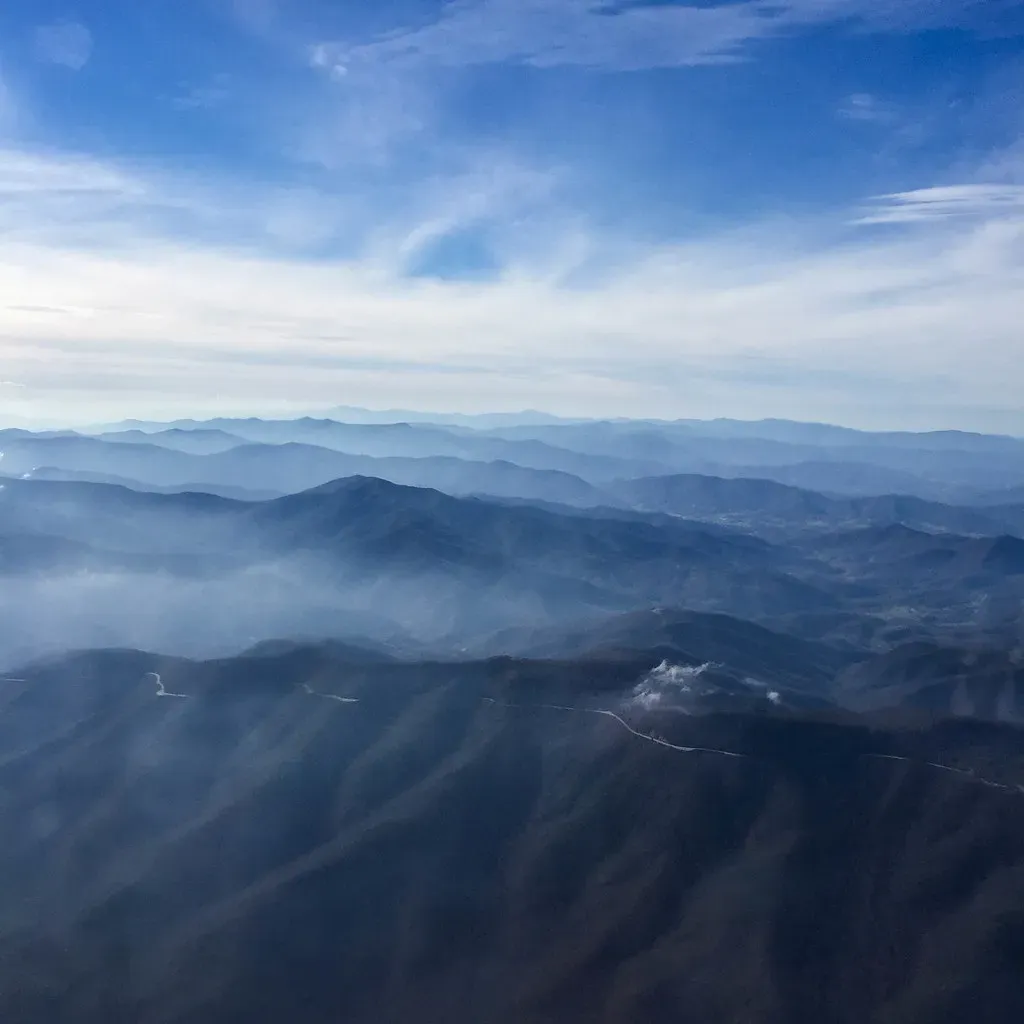
At elevations above 5,500 feet, the deciduous forest gives way to the Southern Appalachian spruce-fir forest, a relict ecosystem dominated by red spruce and Fraser fir trees that survived in these high-altitude islands after the last Ice Age. These mountaintop habitats function as biological islands, isolated from one another by warmer valleys that many cold-adapted species cannot cross.
The reasons for this biodiversity are the long-term geologic stability of the region, its long ridges and valleys which serve both as barrier and corridors, and their general north-south alignment which allowed habitats to shift southward during ice ages. This geography created something remarkable. The north–south orientation of the long ridges and valleys contributes to the high number of plant and animal species, as species were able to migrate through these from either direction during alternating periods of warming and cooling, settling in the microclimates that best suited them.
During the Pleistocene glaciations, while ice sheets bulldozed across much of North America, the Appalachian Mountains experienced the retreat of glaciers, and as northern species sought refuge in these southern mountains, they mingled with the existing flora and fauna, resulting in a vibrant and diverse ecosystem, with this intersection of species from different regions contributing to the unique biodiversity found in the Appalachians. The Appalachians became a refuge, a Noah’s Ark where species waited out the frozen ages.
Rare Endemic Species Found Nowhere Else
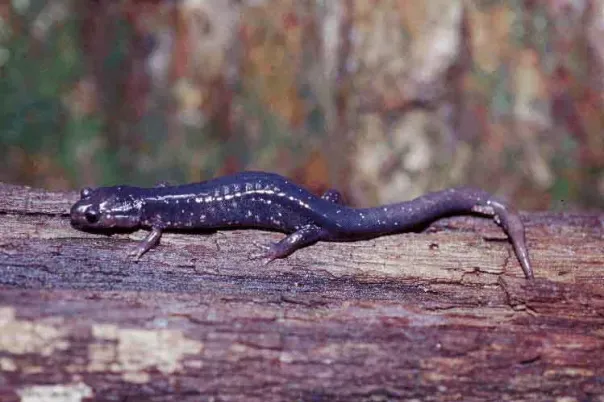
Certain groups of organisms, such as salamanders and fungi, reach their greatest diversity here, and many of these species are endemic to the region, meaning they are found nowhere else on Earth. The term endemic gets thrown around, but in the Appalachians it carries real weight. These mountains harbor creatures that represent unique evolutionary pathways that occurred nowhere else.
One of the rarest salamanders in the entire Appalachians is the Patch-nosed Salamander, described just 10 years ago as the first completely new genus of amphibian described in the United States in almost 50 years, with adults growing to just over 1 inch and the total known range covering approximately 15 square miles. New genera don’t pop up every day. This discovery underscores how much we still don’t know about these mountains.
The Carolina northern flying squirrel is only found in western North Carolina, eastern Tennessee, and southwestern Virginia, with the U.S. Fish & Wildlife Service adding it to the Endangered Species List in 1985, as they generally live in elevation areas that exceed 4,500 feet and prefer the spruce fir forest transition zones that border northern hardwood forests. Other endemics include peculiar snails, unique lichens, and specialized insects that have adapted to very specific mountain microhabitats.
Aquatic Treasures in Mountain Streams
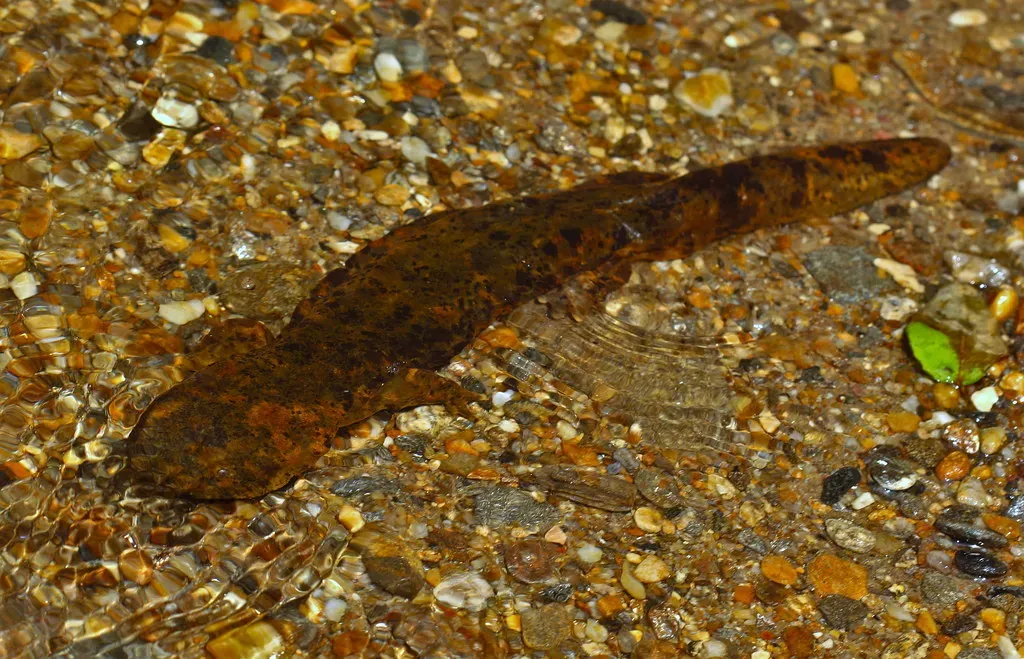
The diversity of fishes, mussels, snails, crayfish, stoneflies, and some other freshwater groups in this ecoregion’s streams and rivers are virtually unsurpassed globally, with the Tennessee-Cumberland and Mobile river basins of this and adjacent ecoregions being the premier freshwater biodiversity hotspots in the temperate world. People think biodiversity means rainforests, but these cold mountain streams tell a different story.
The Eastern hellbender salamander deserves special mention. The Eastern hellbender is the largest aquatic salamander in the United States, affectionately known as the snot otter, devil dog, and Allegheny alligator, averaging from 12 to 15 inches but known to grow over two feet in length, hiding reclusively during the day beneath flat rocks in shallow, clean, and quick moving streams. These bizarre creatures look prehistoric because, essentially, they are.
These unique creatures are very important indicators of water quality due to their sensitivity to certain factors such as pollution and siltation, with the International Union for Conservation of Nature listing them as near threatened and close to qualifying for vulnerable status. Their presence tells you the water is clean. Their absence speaks volumes about human impact.
Climate Refugia and Conservation Challenges
The Appalachians is one of the most climate-resilient, biologically diverse, and carbon-rich landscapes in the world, with this ancient chain of forested mountains, valleys, wetlands, and rivers nurturing a rich variety of wildlife, cultures, and communities. As climate change accelerates, these mountains may serve as crucial refuges for species displaced from other regions.
Yet challenges loom large. The southern Appalachian Mountains are a global hotspot for plethodontid salamander diversity, but plethodontids are lungless ectotherms, so their ecology is strongly governed by temperature and precipitation. Many plethodontid species in southern Appalachia exist in high elevation habitats that may be at or near their thermal maxima, and may also have limited dispersal abilities across warmer valley bottoms.
Climate projections paint a sobering picture. Studies suggest that many salamander species could lose significant portions of their suitable habitat by mid-century. Mountaintop species have nowhere higher to retreat as temperatures rise. The biological islands in the sky may become evolutionary dead ends unless we act to protect them.
A Living Laboratory for Understanding Earth’s History
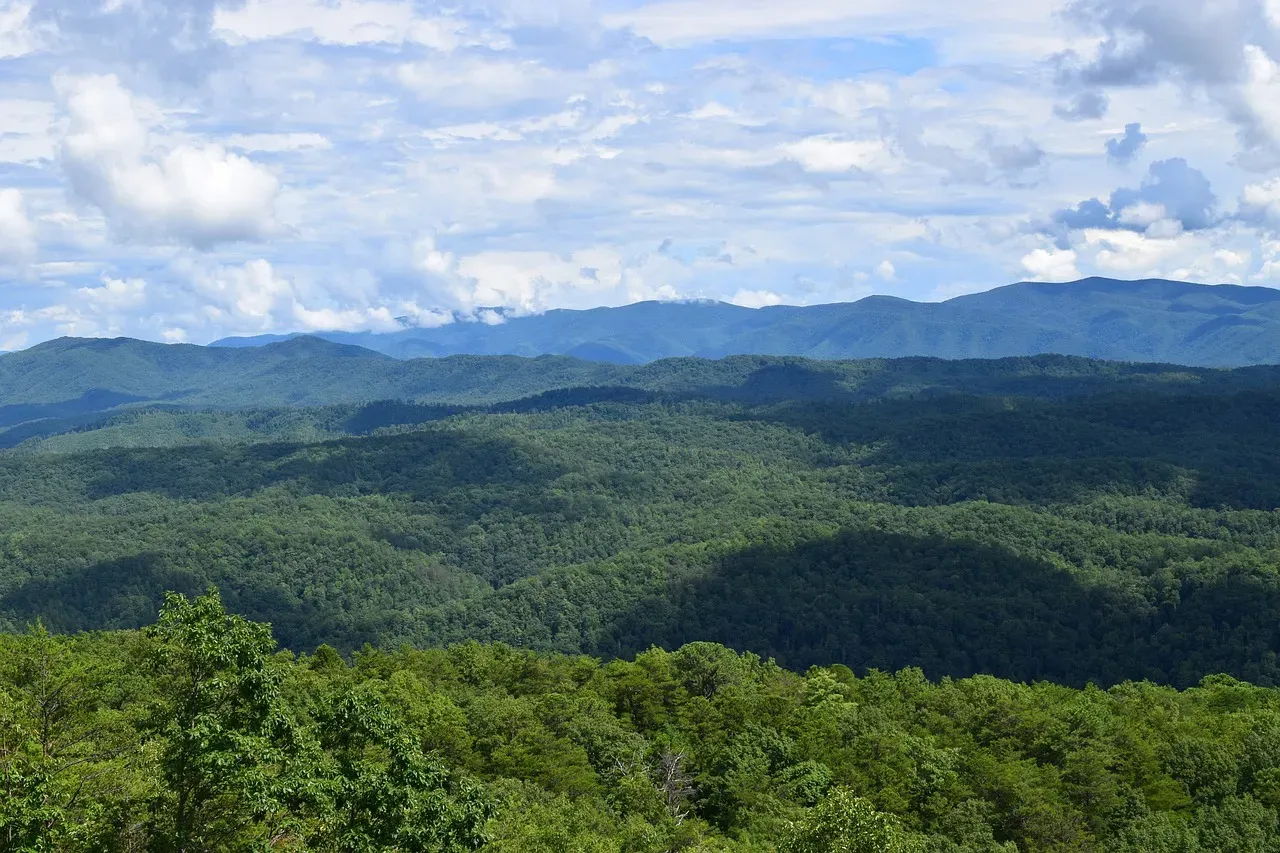
The Appalachians offer more than scenic beauty and recreational opportunities. They function as a living laboratory where scientists can study evolutionary processes, ecosystem dynamics, and species responses to environmental change over geological timescales. The Appalachian Mountain Range stretches roughly 3,200 kilometres, from Newfoundland and Labrador, across northwestern New Brunswick, down to Alabama.
Every salamander hiding under a log, every ancient tree reaching skyward, every endemic snail clinging to a moss-covered rock represents a piece of an ecological puzzle assembled over hundreds of millions of years. These ecosystems didn’t develop overnight. They’re the product of deep time, of evolutionary experiments conducted across epochs we can barely fathom.
Walking through these mountains, you’re not just hiking. You’re stepping through layers of biological history that connect us to a world that existed long before humans walked the Earth. The secrets held in Appalachian soil and stone remind us that some treasures can’t be measured in economic terms. They can only be experienced, protected, and passed on to future generations who will hopefully stand in the same wonder we feel today.
What do you think about these ancient ecosystems hidden in plain sight? Have you ever experienced the magic of old-growth forests or spotted any of these rare Appalachian species in the wild?