Imagine the Arctic, not as the frozen wasteland you know today, but as a lush, green world where giant reptiles roamed beneath towering forests. Sounds impossible, right? Yet scientists have uncovered fossil evidence that completely reshapes our understanding of this remote region’s ancient past.
The Arctic today is synonymous with ice, darkness, and brutal cold. It’s hard to picture anything thriving there, let alone massive dinosaurs wandering through dense woodlands. During the Cretaceous period, global average temperature was about 10 degrees Celsius higher than today, and carbon dioxide levels were around 1000 parts per million, more than double the current concentration. This greenhouse world transformed polar regions into places nearly unrecognizable by modern standards. What was once a subtropical paradise has become one of Earth’s most inhospitable frontiers, making these prehistoric discoveries all the more mind-blowing.
When Forests Flourished at the Top of the World
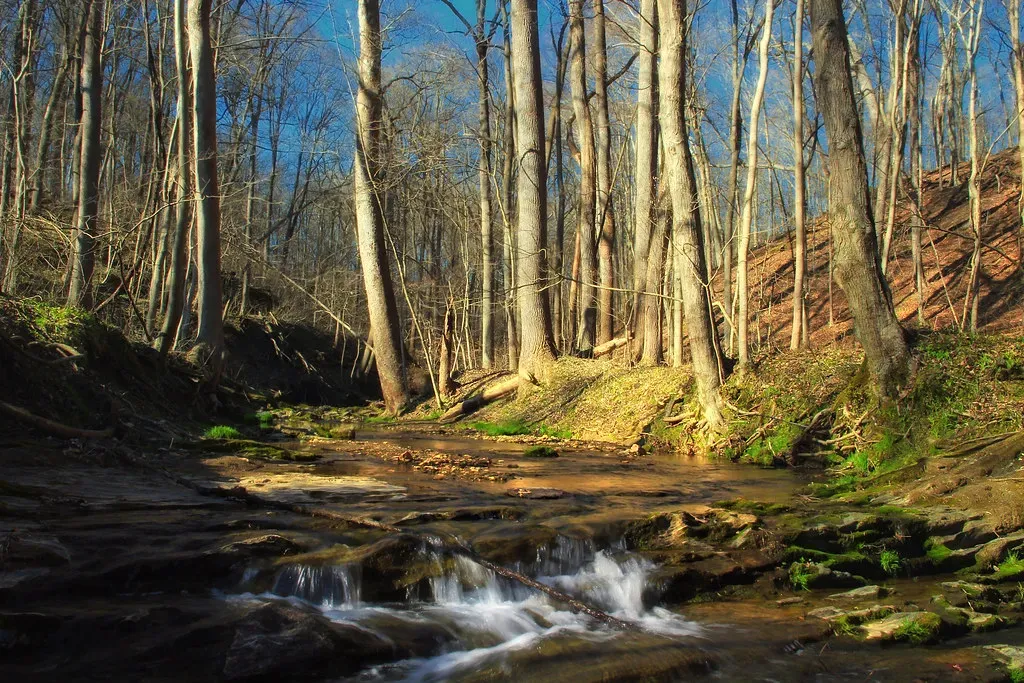
Let’s be real, the Arctic Cretaceous landscape would blow your mind. Evidence from West Antarctica shows polar forests dominated mainly by conifers, things like podocarps, araucarias, and probably gingko trees, with understories of ferns and cycads. These weren’t scrawny shrubs struggling to survive either. Picture towering trees creating thick canopies, their roots spreading through rich soil instead of permafrost.
Fossilized flora evidence suggests there were ancient forests up to latitudes of 85 degrees in both Northern and Southern hemispheres. That’s practically at the poles themselves. The vegetation was so abundant that it supported entire ecosystems of plant-eating dinosaurs, which in turn fed carnivorous predators. It wasn’t exactly a tropical rainforest, though. These forests had to survive something no modern temperate forest faces: each winter the Cretaceous polar forests would have had to survive four months of the year living in the total darkness of polar night. Honestly, it’s hard to imagine how plants managed it.
A Climate That Rewrote the Rules
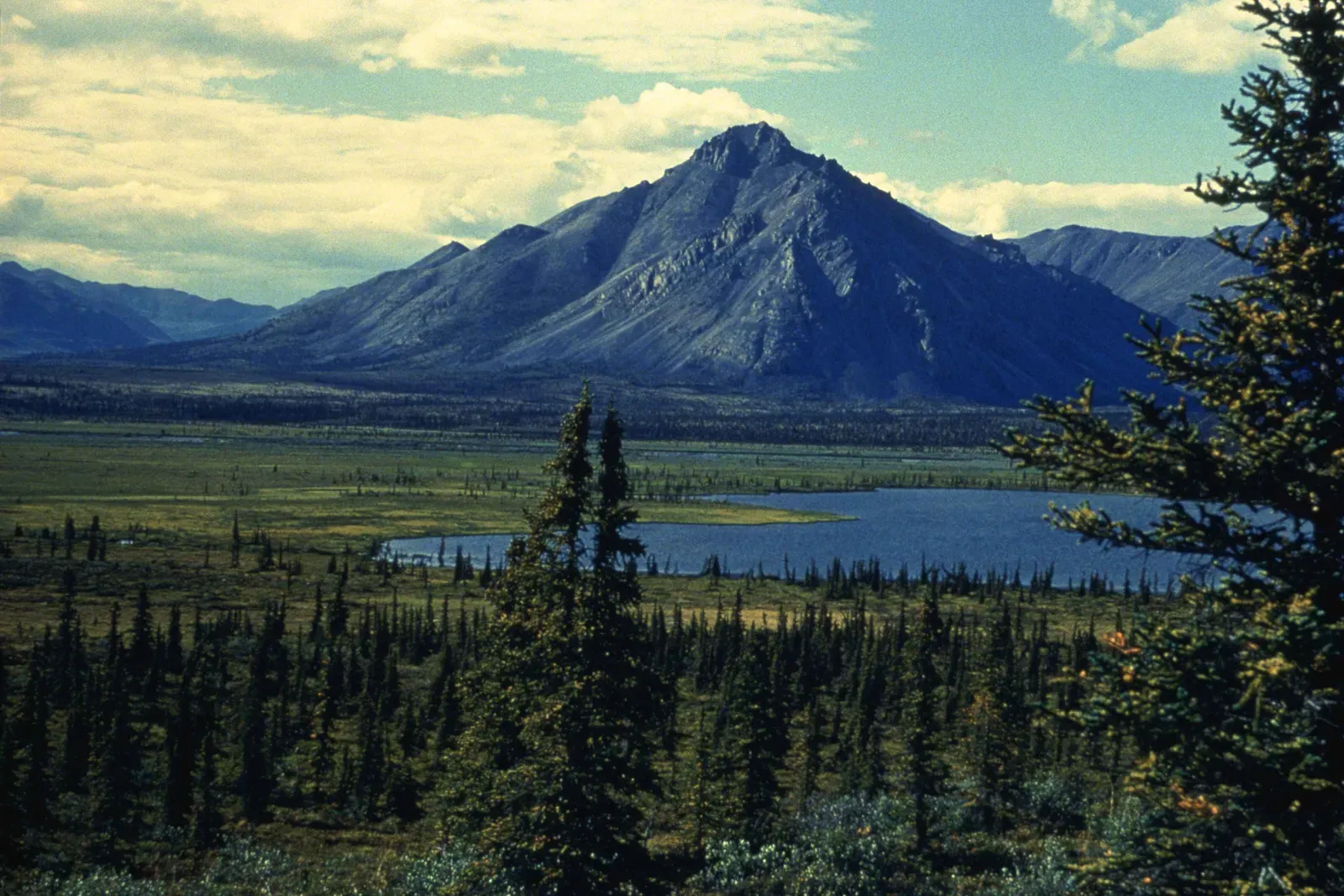
The temperatures alone tell a fascinating story. The average annual temperature on Alaska’s North Slope was about 42 degrees Fahrenheit, 30 degrees warmer than today, though that number is deceptive because at high latitude, the yearly highs and lows are far apart, with summer temperatures in the 70s but winters cold enough to produce snow and even ice. Think Portland or Seattle weather, but at the Arctic Circle.
Here’s the thing though. High latitudes in both hemispheres were much warmer than they are now, and the Earth lacked ice caps. The planet operated under completely different rules back then. Sea levels stood much higher, and moisture-rich air from warmer oceans created precipitation patterns that nourished those northern forests. The contrast between summer abundance and winter scarcity created a seasonal rhythm that profoundly shaped dinosaur life in ways we’re still piecing together.
The Dinosaurs That Called the Arctic Home
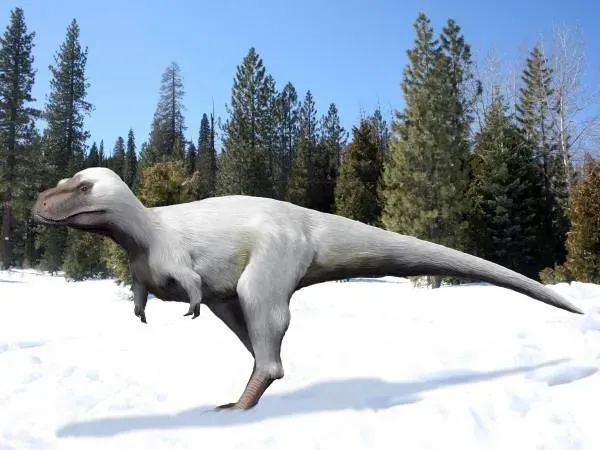
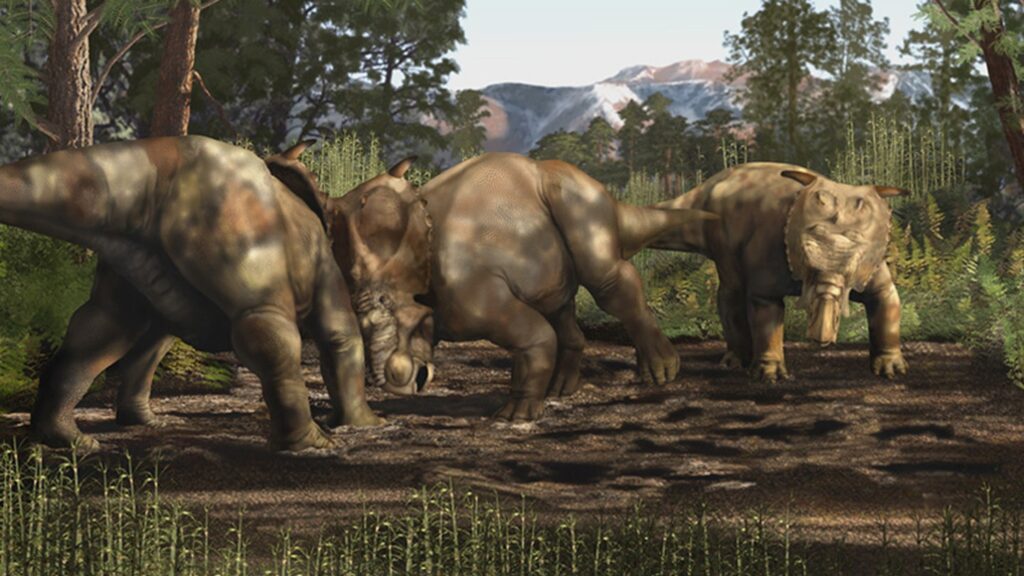
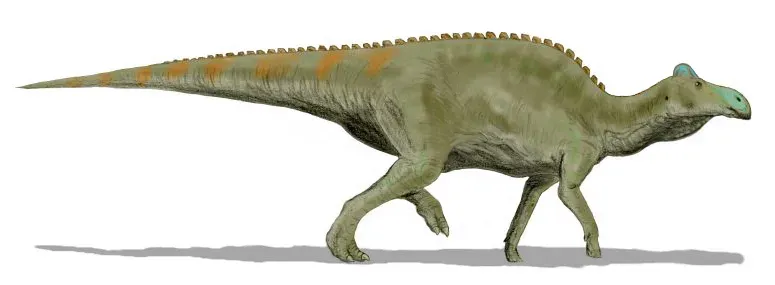
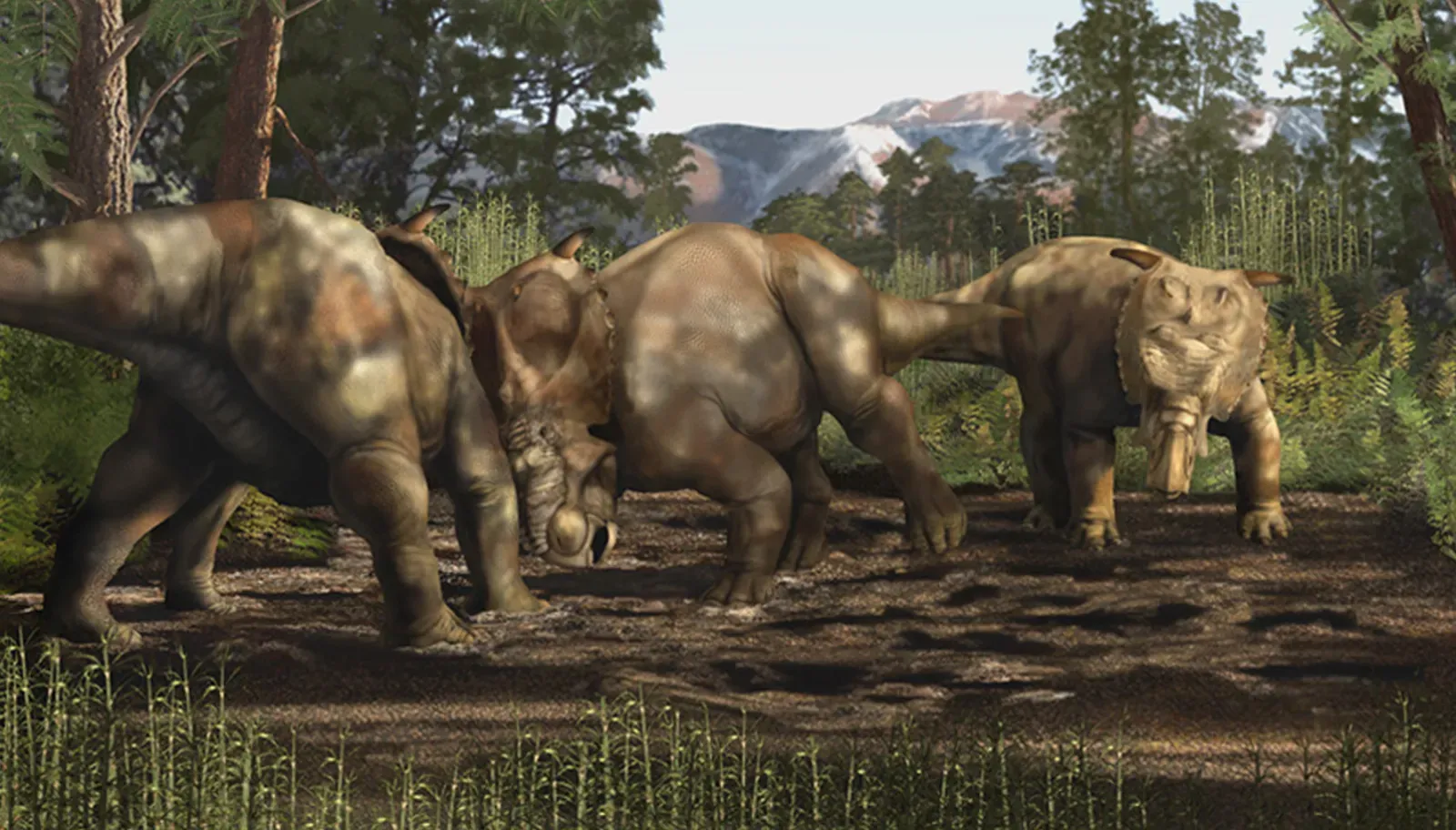
Alaska’s Prince Creek Formation contains fossils of horned dinosaurs, tyrannosaurs, duckbilled dinosaurs, raptors and more that lived within the Arctic Circle. We’re talking about a surprisingly diverse bunch here. Edmontosaurus, a duck-billed dinosaur, was one of the most common herbivores in the Arctic, growing up to 13 meters long, with a wide, flat beak perfect for stripping leaves from plants, with fossils found in Alaska and Canada.
The predators were equally impressive. Troodon was a feathery, eight-foot-long dinosaur with large eyes, and while rare elsewhere, it is the overwhelmingly abundant theropod dinosaur in Arctic sites, with its large eyes potentially giving it an advantage during the dark months. You can picture these sharp-eyed hunters prowling through winter darkness, taking advantage of what other predators couldn’t handle. Nanuqsaurus, a relative of Tyrannosaurus rex called the polar bear lizard, was smaller than its southern cousins, reaching only about 6 meters in length.
The Discovery That Changed Everything
When dinosaur fossils first turned up in polar regions, scientists were honestly skeptical. The traditional view was that dinosaurs were all overgrown reptiles that lived under tropical conditions. The assumption was simple: cold-blooded creatures need warm climates to survive. Finding them in Alaska seemed like a fluke at first, maybe just animals that died during migration.
Then came the game-changer. Hundreds of bones and teeth found along the Colville River in northern Alaska belonged to dinosaur hatchlings, representing seven dinosaur families including tyrannosaurs, duck-billed hadrosaurs and horned and frilled ceratopsids. Baby dinosaurs don’t migrate long distances. Their presence meant these creatures weren’t just passing through – they were breeding, nesting, and raising families in the Arctic. Instead of migrating to warmer regions to raise their young, polar dinosaurs stayed in ancient Alaska year-round and raised their offspring there. That revelation forced paleontologists to completely rethink dinosaur biology.
Surviving the Polar Night
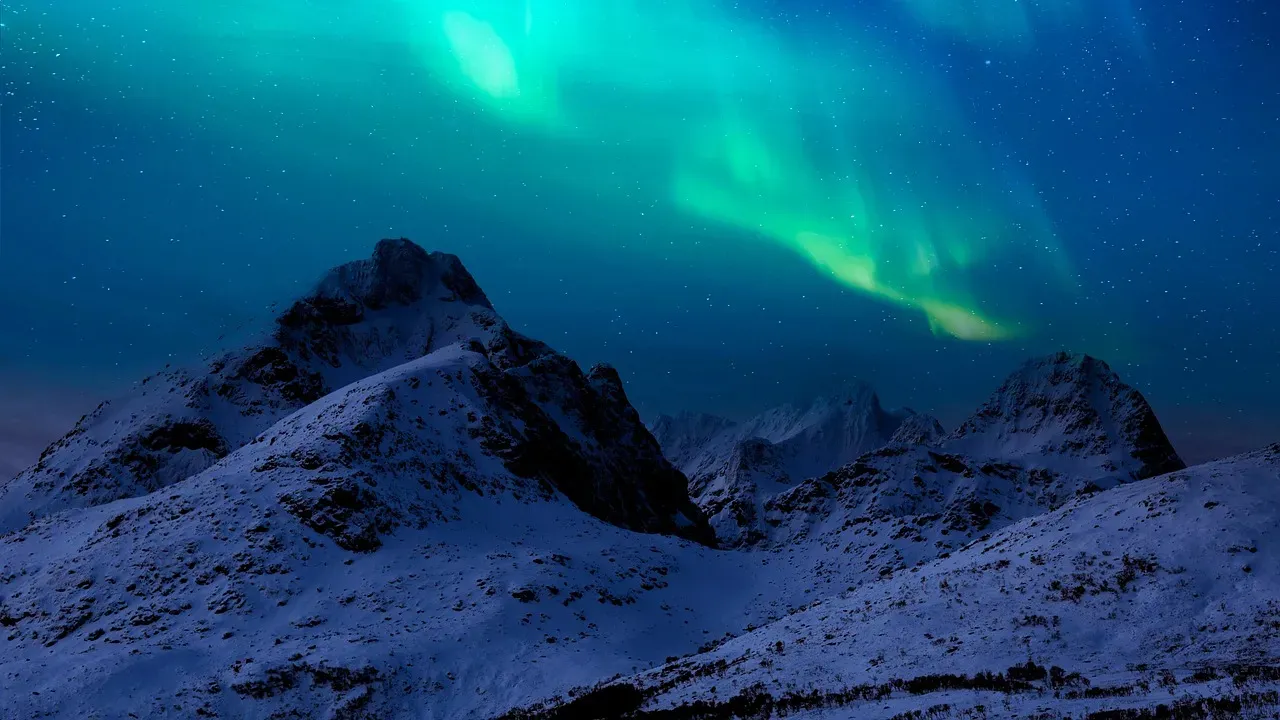
So how did they do it? The Arctic winter isn’t just cold – it’s dark. Dinosaurs lived year-round in extreme polar environments above the Arctic Circle, with mild summers of 4 to 5 months of total sunlight, harsh, snowy winters, and 5 to 6 months of complete polar darkness. Months without sunlight means limited plant growth, which creates a serious problem for herbivores.
Microscopic details of polar dinosaur bones show that some dinosaurs slowed their growth during harsh seasons to get by with less. It’s a brilliant adaptation when you think about it. Rather than trying to maintain the same metabolic rate year-round, they throttled back during lean times. Some carnivores probably thrived during winter, feasting on weakened herbivores struggling with food scarcity. Others might have developed seasonal behaviors we can only guess at – burrowing, hibernating, or storing fat reserves like modern Arctic mammals.
The Warm-Blooded Debate Gets Hotter
Here’s where things get really interesting. To survive dark Arctic winters, those dinosaurs could not have basked in the sun to warm their bodies as lizards do, suggesting they had endothermy, the ability of animals to warm their bodies through internal functions, indicating a degree of warm-bloodedness. This finding basically flips decades of assumptions on their head.
Not one crocodile fossil has been found along the Colville, which suggests that polar dinosaurs found a way to adapt to an environment that their cold-blooded cousins couldn’t. The absence of turtles, amphibians, and other truly cold-blooded animals from these sites tells us something crucial: the Arctic got cold enough to exclude creatures that relied entirely on external heat sources. Dinosaurs somehow bridged that gap. Maybe they weren’t fully warm-blooded like modern mammals, but they certainly weren’t standard reptiles either.
A Lost World Frozen in Time
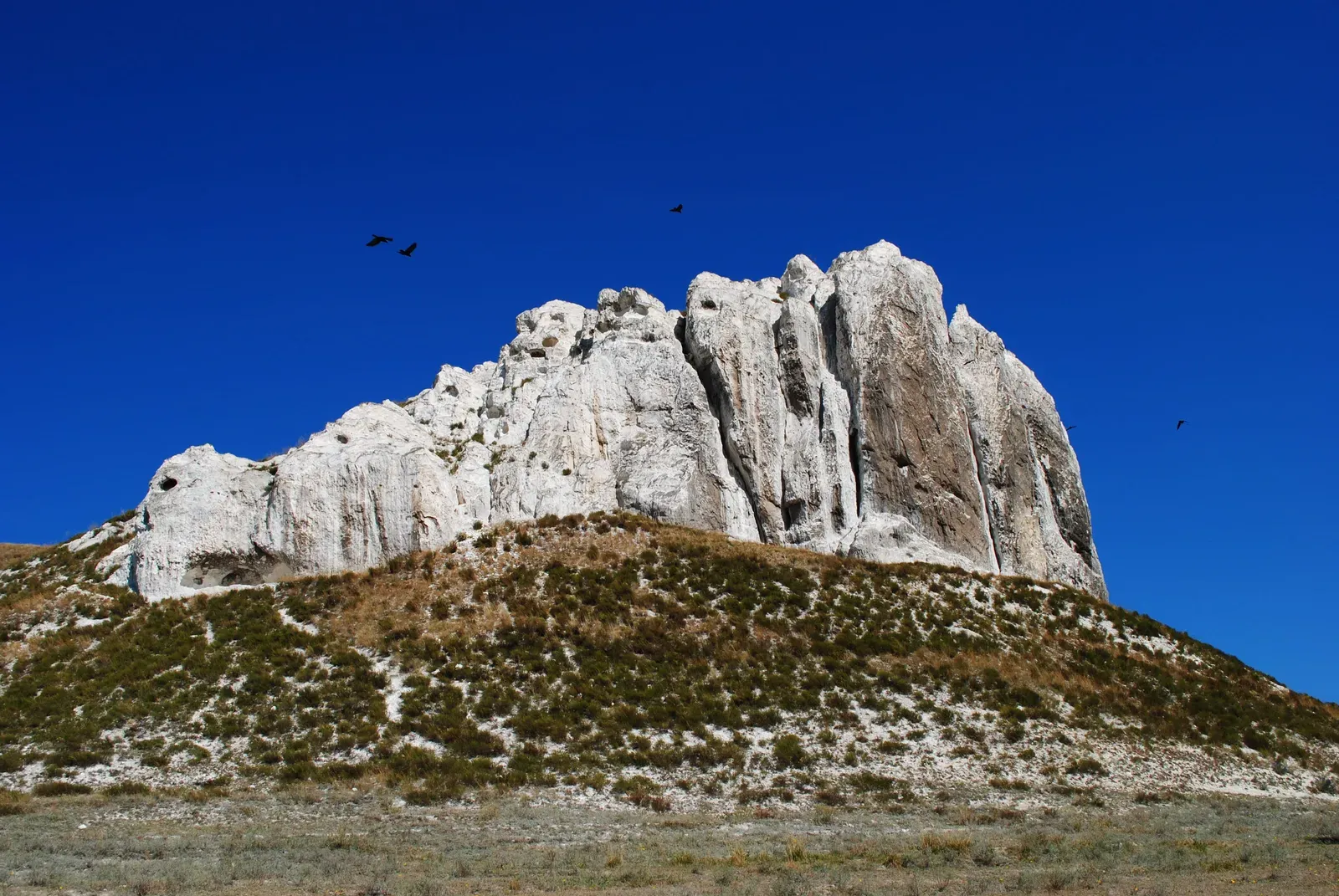
The Arctic’s prehistoric world represents something we’ve never seen on Earth in human history: a polar region without permanent ice. Discoveries continue being made, with recent fieldwork uncovering dinosaur tracks, turtle shells, tree trunks with termite damage and more, all parts of a lost polar world. Each fossil adds another piece to an extraordinary puzzle.
These Arctic fossil beds have dramatically changed our understanding of dinosaur distribution and adaptability, providing compelling evidence that dinosaurs were not limited to warm, tropical environments but were capable of thriving in a wide range of climates, including the challenging conditions of the prehistoric Arctic. The resilience and adaptability of these ancient creatures continues to amaze researchers. They conquered nearly every habitat Earth offered, from scorching deserts to frozen forests, proving themselves far more sophisticated and versatile than anyone imagined.
What do you think about these Arctic dinosaurs? Could you picture a Tyrannosaurus relative hunting through snowy forests in near-total darkness? The prehistoric world keeps surprising us, reminding us that Earth’s past was far stranger and more wonderful than we ever expected.