You’re used to thinking of elephants, whales, maybe even giraffes as the giants of the animal world. But when you step into the world of Argentinosaurus, all of that suddenly feels tiny. This dinosaur was not just big; it was on a completely different scale, so huge that its very footsteps may have sent tremors through the ground beneath it.
Imagine standing beside something longer than a basketball court and as tall as a small building, hearing the slow, deep thud of each step like distant thunder. You’re not just learning about an extinct animal; you’re trying to wrap your mind around a living, breathing piece of moving landscape. That’s what makes Argentinosaurus so addictive to think about: every new detail forces you to rethink what “large” really means.
You Are Looking at One of the Largest Land Animals Ever
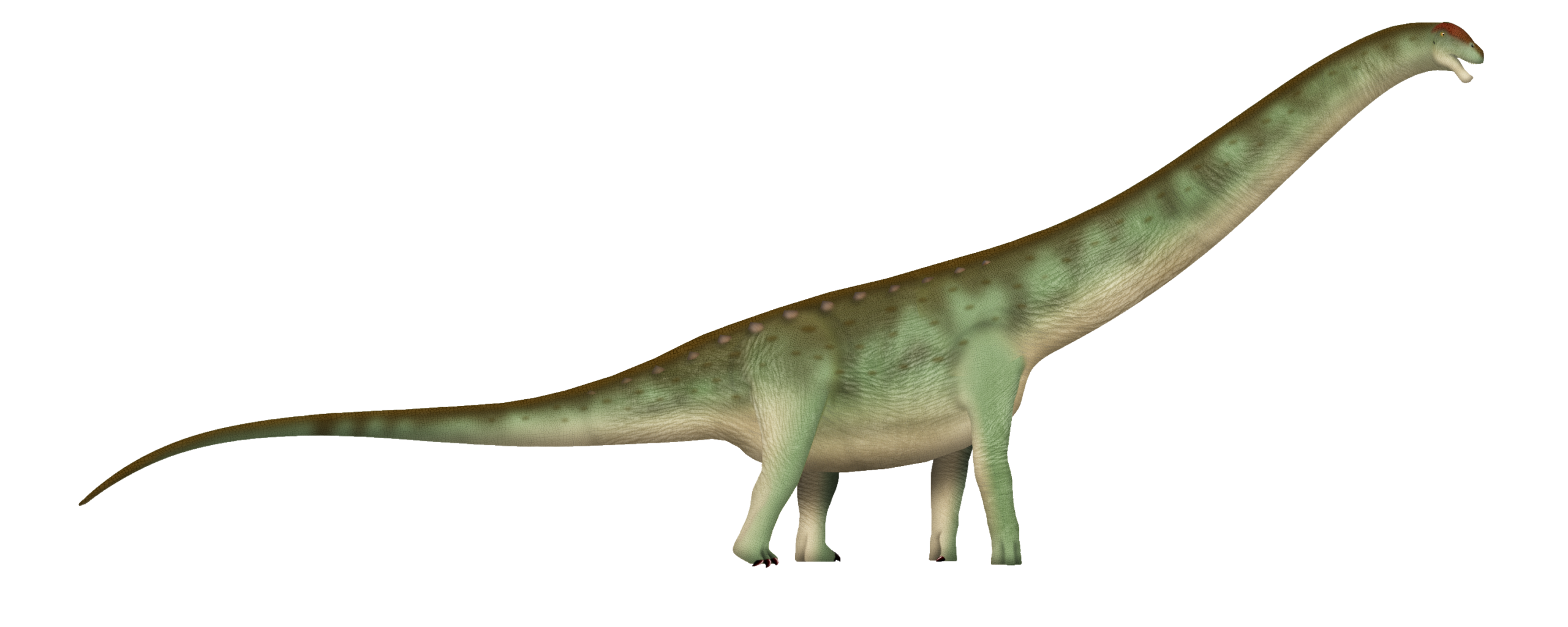
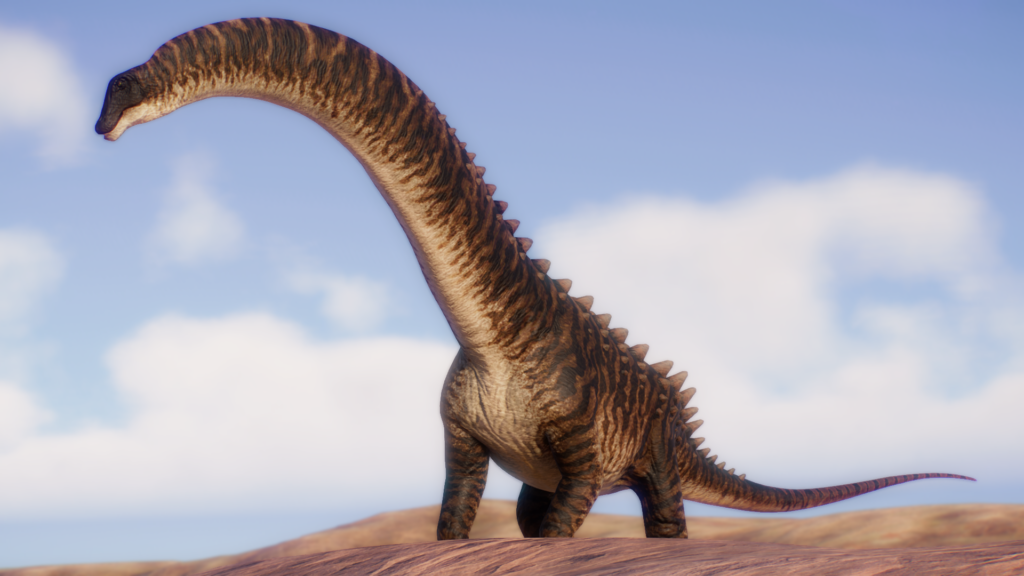
When you picture Argentinosaurus, you’re looking at an animal that may have stretched around one hundred feet from head to tail and weighed as much as several fully loaded trucks stacked together. You’re not dealing with a single elephant, but the rough equivalent of a small herd compressed into one body. Its neck alone could have been longer than a city bus, arching out to reach vegetation that most other dinosaurs could only dream of. Just trying to imagine that much living muscle and bone moving in one piece is enough to make your brain pause.
You also have to remember that scientists know Argentinosaurus from relatively few fossil bones, mostly from its vertebrae and parts of its limbs. That means when you read those jaw-dropping size estimates, you’re seeing careful reconstructions based on related dinosaurs and what those bones can realistically support. You’re not being sold fantasy; you’re being invited into an educated best guess built from comparing limb strength, vertebrae size, and the physics of how skeletons carry weight. In other words, you’re looking at a creature so large that even its partial remains redraw the ceiling of what you thought was biologically possible.
Every Step Likely Sent a Low Rumble Through the Earth
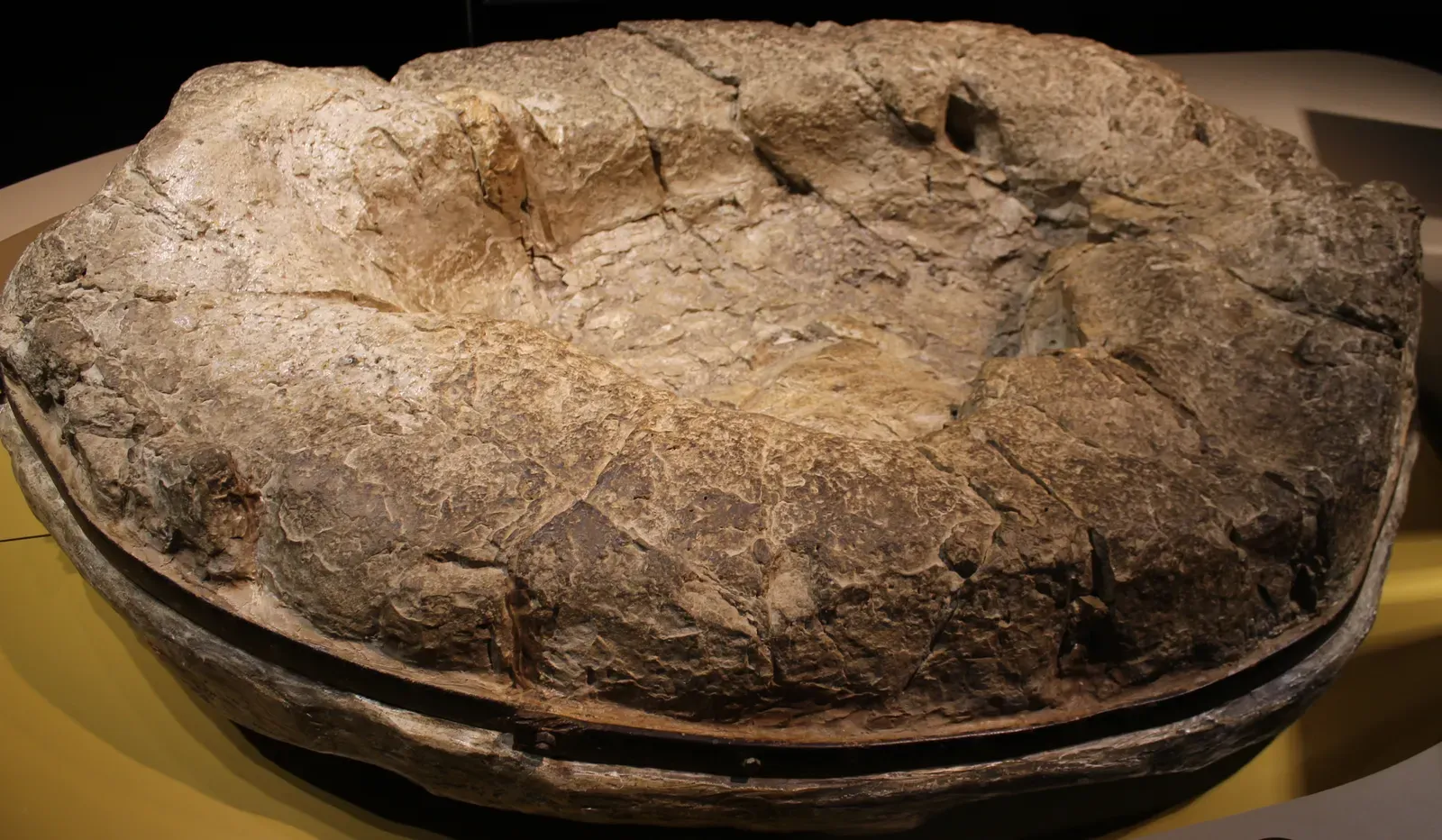
If you try to walk in Argentinosaurus’s footsteps, you have to slow yourself down and feel the world differently. A creature that heavy could not have moved with quick, bouncy strides; instead, each step would have been a deliberate, powerful press into the ground. You can imagine the soil compressing, pebbles shifting, and vibrations spreading out with every massive footfall. It’s the difference between someone walking across your floor and a fully loaded freight truck rolling past your house.
Paleontologists study how weight, speed, and ground type interact, and when you plug something like Argentinosaurus into that picture, you get a walking generator of ground tremors. You might not have felt a dramatic earthquake from a single step, but if you were nearby, you’d likely have sensed a dull, rhythmic thud in your chest and under your feet. Herds of these giants moving together would have turned the landscape into a kind of living drum, with each footfall sending out subtle waves of motion through the earth. You are essentially looking at an animal whose everyday stroll could have been physically noticeable from a distance.
You Live in a World Where Patagonia Once Hosted Giants
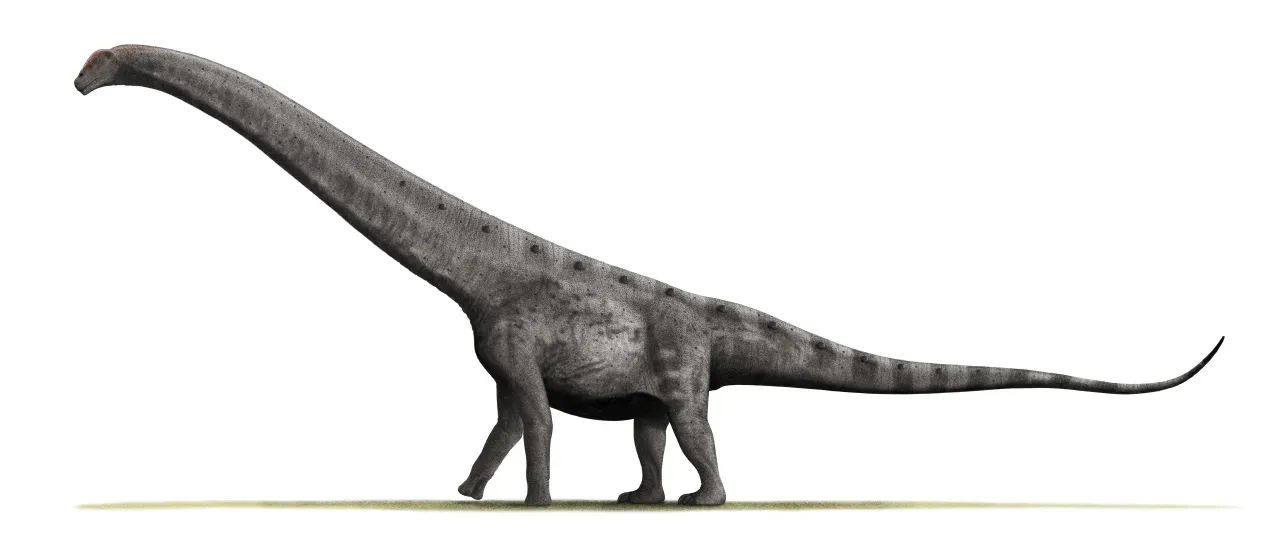
Argentinosaurus did not wander some vague, imaginary land; it walked across what is now Patagonia in Argentina, a region you could actually visit today. During the Late Cretaceous, that landscape would have looked very different from the windswept plains and rugged mountains you might picture now. You would have seen lush vegetation, river systems, and a climate warm enough to support huge plant-eaters on an almost industrial scale. This was an ecosystem built to feed giants.
When you stand in modern Patagonia and feel the wind coming off the steppe, you’re occupying the same ground where these colossal animals once left their footprints. You’re walking over layers of rock that were once soft soil under their feet, slowly hardened by time and pressure. It’s humbling to realize that a place you could explore with a backpack and hiking boots was once the highway for some of the largest land animals ever known. You’re not just reading about distant prehistory; you’re connected to it every time you look at a map of South America.
You Can Only See the Monster Through a Handful of Bones
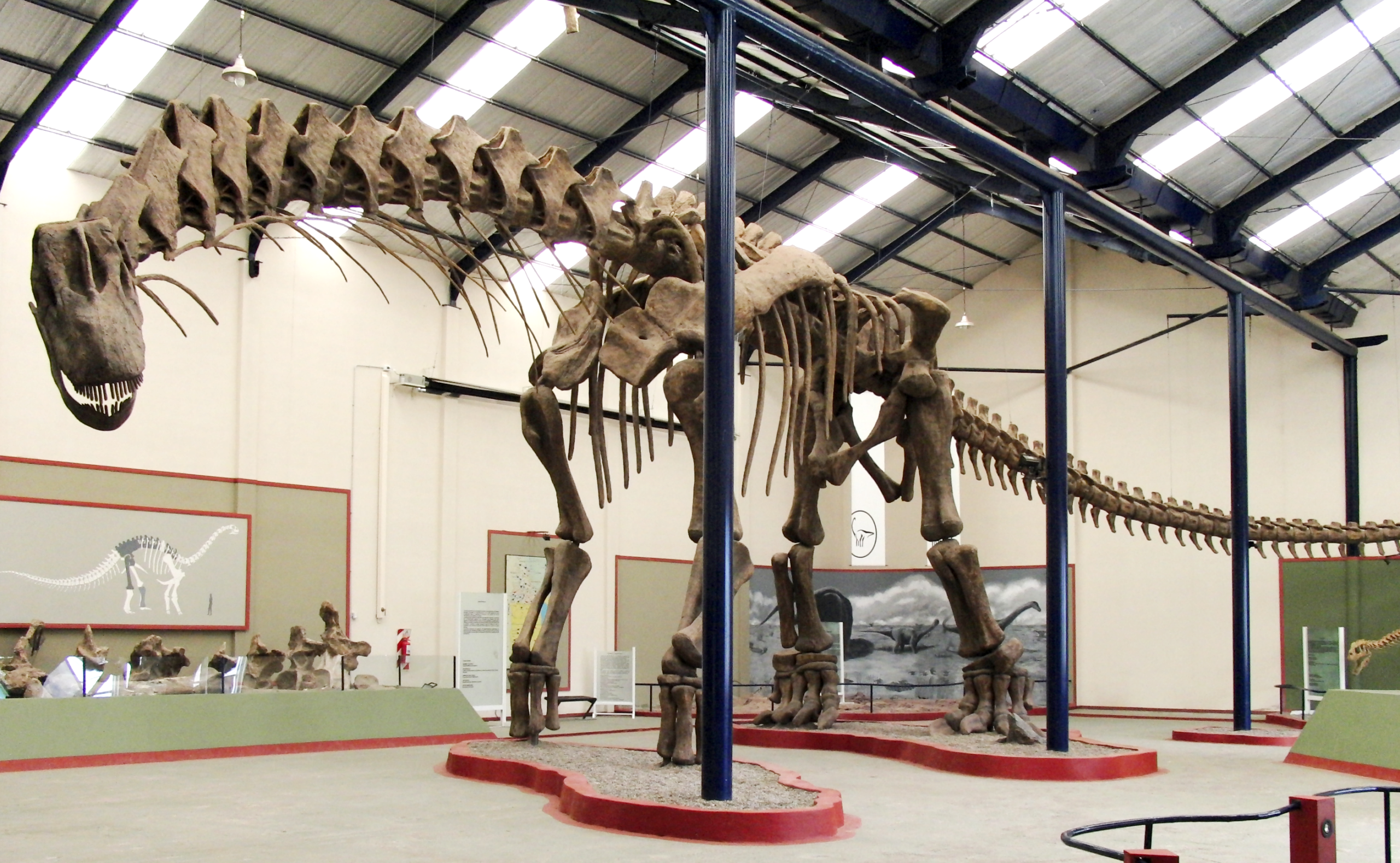
One of the most surprising things you discover about Argentinosaurus is how little of it has actually been found. You might expect a complete skeleton for such a famous giant, but instead you’re dealing with a small collection of huge bones: vertebrae from its backbone, sections of its hips, and parts of its limbs. That’s it. From that limited evidence, scientists have to reverse-engineer an animal that once dominated the landscape.
When you see a full-size Argentinosaurus model in a museum or illustration, you’re looking at a carefully reasoned reconstruction, not a perfectly preserved fossil puzzle. Paleontologists compare those known bones to better-preserved relatives, scaling up and adjusting where the anatomy demands it. You’re watching a scientific detective story where each fragment of bone acts like a coded message about body shape, posture, and movement. Instead of feeling disappointed that you do not have every piece, you start to appreciate how much can be drawn from so little, and how cautious those reconstructions have to be to stay honest.
You’re Meeting a Titan Belonging to the Sauropod Dynasty
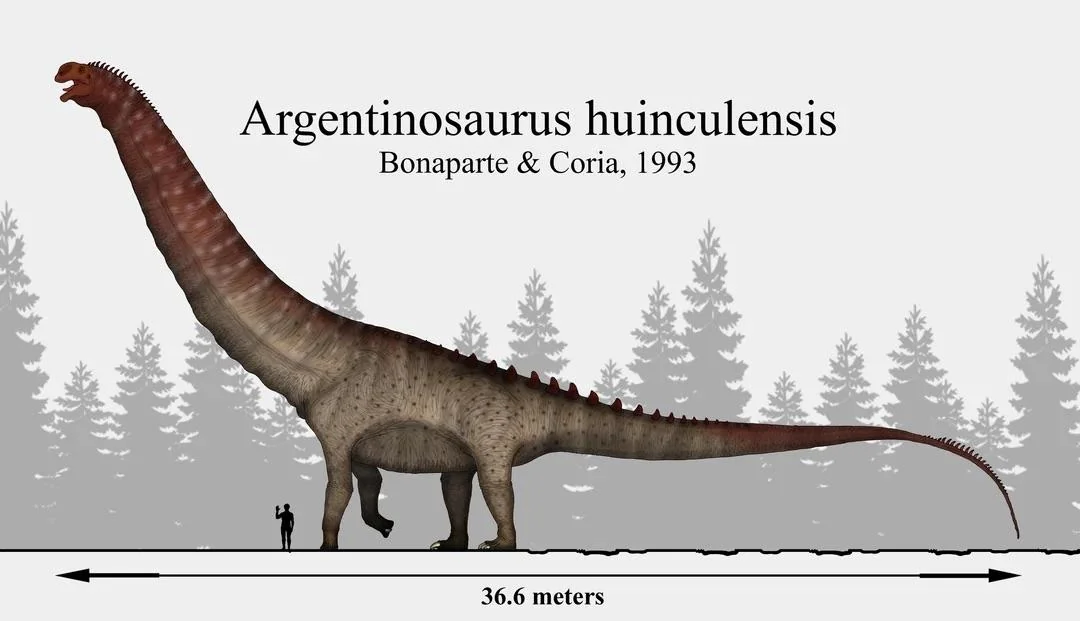
To really understand Argentinosaurus, you need to place it inside its family: the sauropods, those long-necked, long-tailed, barrel-bodied plant eaters you know from classic dinosaur images. You’re dealing with a group that includes other celebrities like Brachiosaurus and Diplodocus, but Argentinosaurus pushes this body plan toward an extreme. As a titanosaur, it sits within a subgroup known for heavy builds and armor-like features in some species, optimized for a life of nonstop plant consumption.
You can think of sauropods as nature’s answer to the question: how big can a land animal get and still function? In Argentinosaurus, you see that experiment cranked almost to its upper limit. Its long neck would have let it vacuum up vegetation over a wide area without moving much, while its massive gut likely acted as a fermentation tank for tough plant material. You are not just meeting a giant; you are seeing a blueprint perfected over millions of years, adapted to turn forests and floodplains into fuel efficiently enough to sustain something this massive.
You Can Trace How It Might Have Lived and Moved
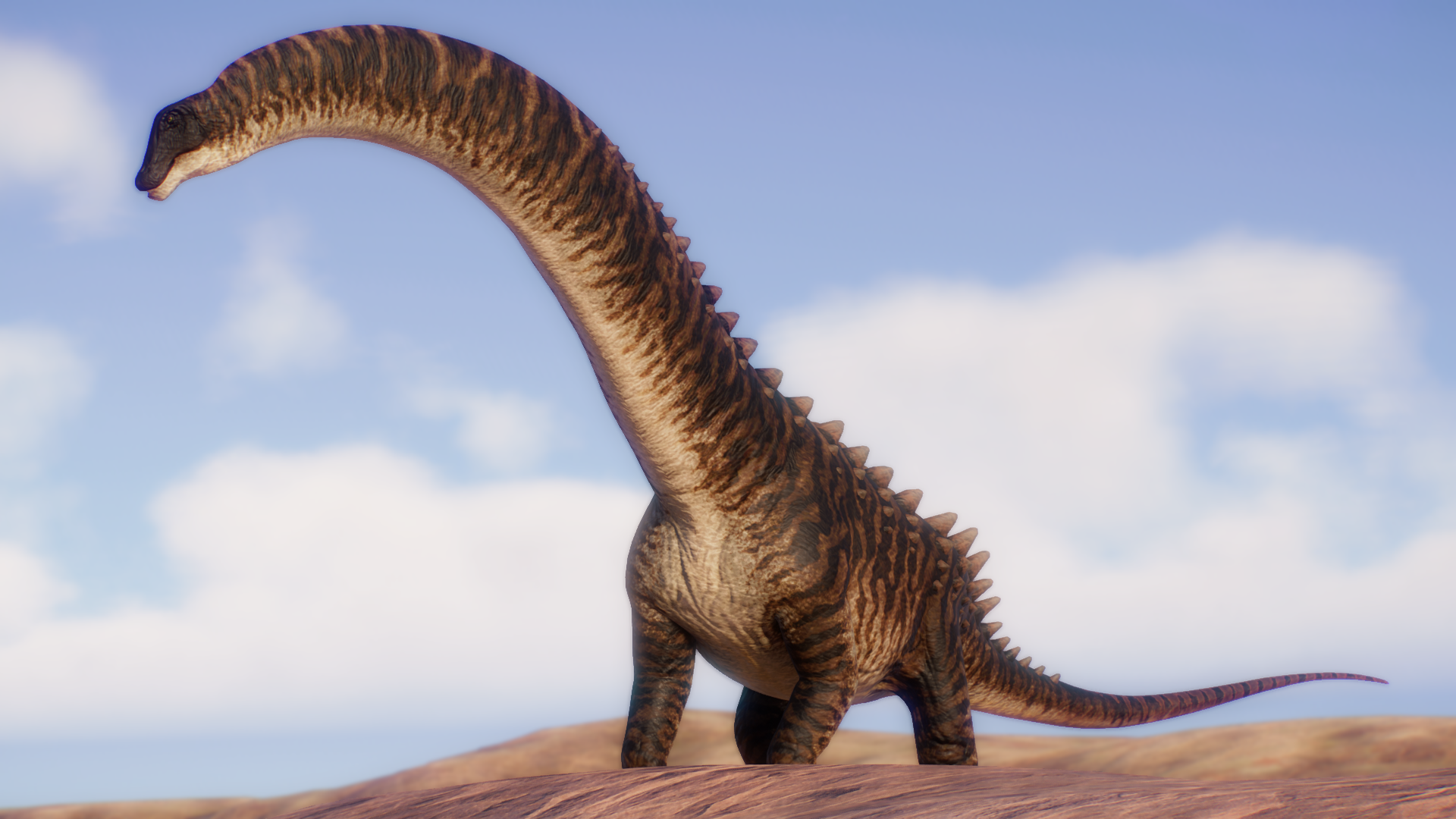
Even without a complete skeleton, you can piece together a surprisingly vivid picture of Argentinosaurus’s daily life. You can imagine it moving in small or moderate-sized groups, probably not sprinting but walking steadily as it tracked patches of vegetation. Its size alone would have been a powerful deterrent to most predators; you are not easily ambushing something the length of a court and the mass of multiple trucks. Any carnivore daring enough to try would likely have targeted juveniles or stragglers rather than a healthy adult.
When you think about how it moved, you can picture thick, column-like legs planted under its body like pillars holding up a massive bridge. The energy costs of lifting all that weight mean it probably favored energy-efficient, slow gaits over quick bursts of speed. Its long tail would have acted as a counterbalance to its huge neck, helping keep its center of gravity stable. You’re watching an animal that existed as a compromise between sheer size and the physical rules of movement, pushing close to the edge of what living tissue can handle without collapsing under its own mass.
You Are Part of an Ongoing Mystery That Science Is Still Unraveling
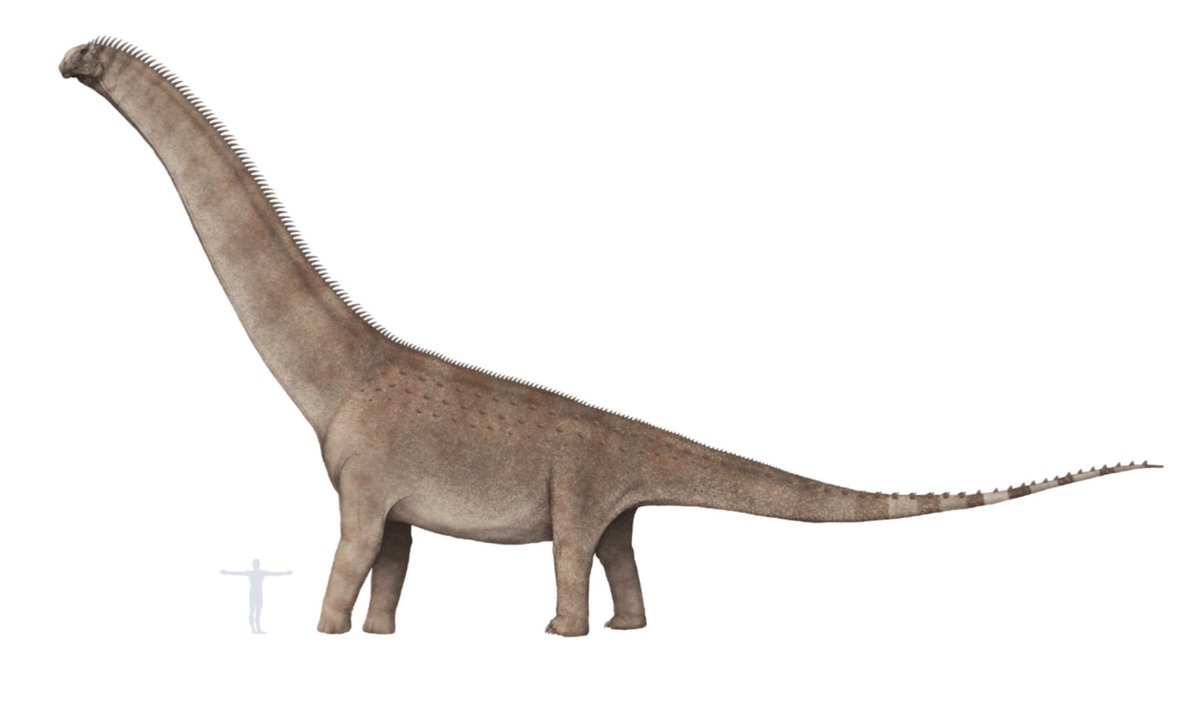
Argentinosaurus is not a closed case; it’s an active mystery you’re catching in the middle. New discoveries of related titanosaurs keep refining what you can reasonably assume about its appearance, posture, and even how fast it might have grown. With every new fossil find in South America and beyond, your mental picture gets nudged, corrected, or sharpened. You are not memorizing a finished answer; you are watching the answer evolve.
This means you have to live with uncertainty in a productive way. Exact weight, precise length, and many details of its skin, color, and behavior remain open questions. Instead of pretending those details are known, you can appreciate how science carefully brackets them with ranges and likelihoods. When you read about Argentinosaurus, you are stepping into a conversation rather than reading a final verdict, and that makes your curiosity part of the process, not just a passive reaction.
In the end, when you picture Argentinosaurus, you’re really asking yourself how far life can stretch the rules of physics before something breaks. You’re imagining a creature so massive that its footsteps may have sent gentle ripples through the ground, a living monument moving slowly across ancient floodplains. You stand on the same planet, under the same sky, but in a world that feels suddenly bigger and stranger than you realized. If something that huge once called Earth home, what else about your world might still be larger, wilder, and more surprising than you think?