For most of human history, you could only guess what color a dinosaur was. Artists painted them in safe shades of green, grey, and brown. Museum models wore dull, reptilian skin tones. And for a long time, scientists quietly agreed there was simply no way to know the truth. That assumption turned out to be wrong – spectacularly, beautifully wrong.
Dinosaur coloration is generally one of the great unknowns in the field of paleontology, since skin pigmentation is nearly always lost during the fossilization process. Yet studies of feathered dinosaurs and skin impressions have shown that the color of some species can now be inferred through analysis of color-determining organelles known as melanosomes preserved in fossilized skin and feathers. The science is young, fast-moving, and every new discovery seems to peel back another layer of the prehistoric world’s hidden palette. Be ready to be surprised by what you’re about to learn.
The Microscopic Key That Unlocked Everything: Melanosomes
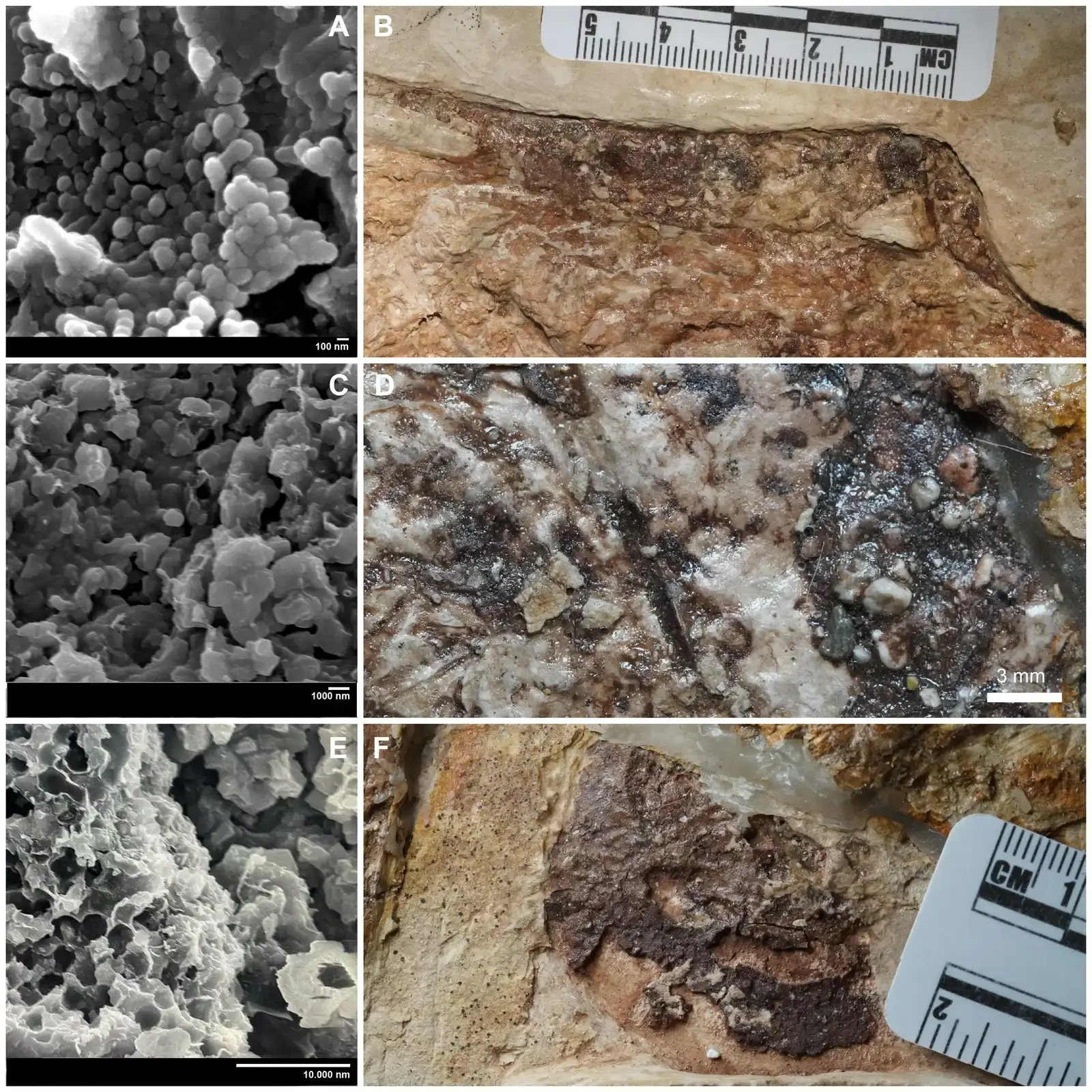
You might be wondering what on earth a melanosome is. Think of it like a tiny paint capsule locked inside a cell. Melanosomes are organelles within cells that synthesize, store, and transport melanin, the pigment responsible for skin, hair, eye, and feather colors. They are so tiny and so structurally resilient that they can survive millions of years locked inside fossilized tissue, outlasting nearly everything else that made the creature alive.
Melanin in living vertebrates is typically stored in rod- to sphere-shaped, lysosome-derived, membrane-bound vesicles called melanosomes. Black, dark brown, and grey colors are produced by eumelanin, and reddish-brown colors are produced by phaeomelanin. That means scientists can actually look at the shape of a fossilized melanosome under a powerful electron microscope and draw a scientifically grounded conclusion about the original color of the animal. It sounds almost like magic, but it is firmly rooted in chemistry and biology.
The Breakthrough Moment That Changed Paleontology Forever
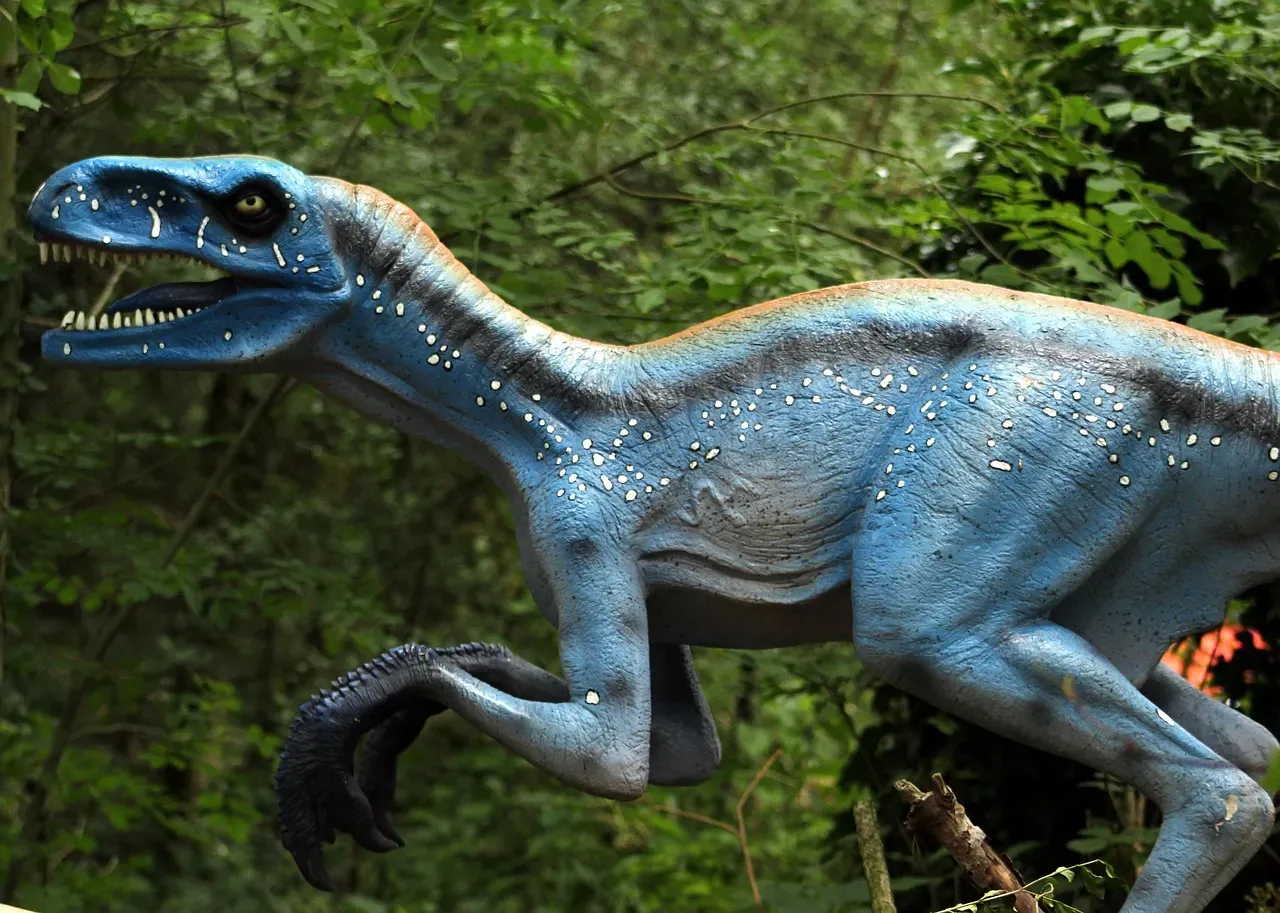
There was a time when even experienced paleontologists told their students that dinosaur color was permanently unknowable. Fossils had revealed virtually all that was known about dinosaurs, but their color had been left entirely to imagination. Indeed, paleontologist Michael Benton of the University of Bristol in the United Kingdom always taught his students that the colors of dinosaurs were something they would never know. That belief held firm for decades.
Scientists have for the first time detected the original coloring of dinosaurs and early birds, using a new technique that identifies fossilized cell pigments. In doing so, they also put forth new evidence in favor of the still-controversial idea that some dinosaurs sported feathers. The publication of this research in the journal Nature sent shockwaves through the paleontological community. Honestly, it’s hard to overstate just how much that single breakthrough changed the field.
Sinosauropteryx: The Reddish-Brown Striped Pioneer
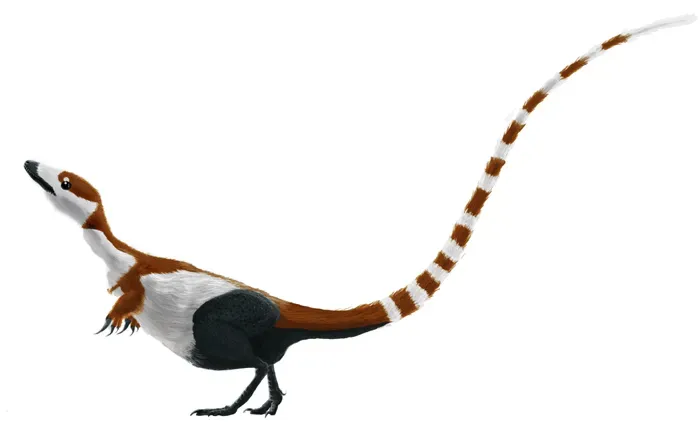
One of the first dinosaurs to have its true colors revealed is the small feathered theropod Sinosauropteryx. The dinosaur Sinosauropteryx had feather-like bristles running across its head, back, and tail. These bristles turned out to contain pheomelanosomes, revealing that the dinosaur had reddish-brown stripes covering the tail. Researchers suggest that areas completely missing melanosomes were most likely white. So this ancient predator was not grey, not green – it was a warm, striking ginger-and-white combination.
A 2017 study examined three specimens of Sinosauropteryx and reported that the body coloration extended to the face, creating a raccoon-like “mask” around the eyes. Researchers hypothesized that the countershaded pattern of Sinosauropteryx with the banded pattern of its tail likely acted as camouflage in an open environment. Let’s be real – a reddish dinosaur with a facial mask sounds more like a highly stylish woodland creature than the dull, lumbering beast people once imagined.
Anchiornis: The First Dinosaur to Receive a Full-Color Portrait
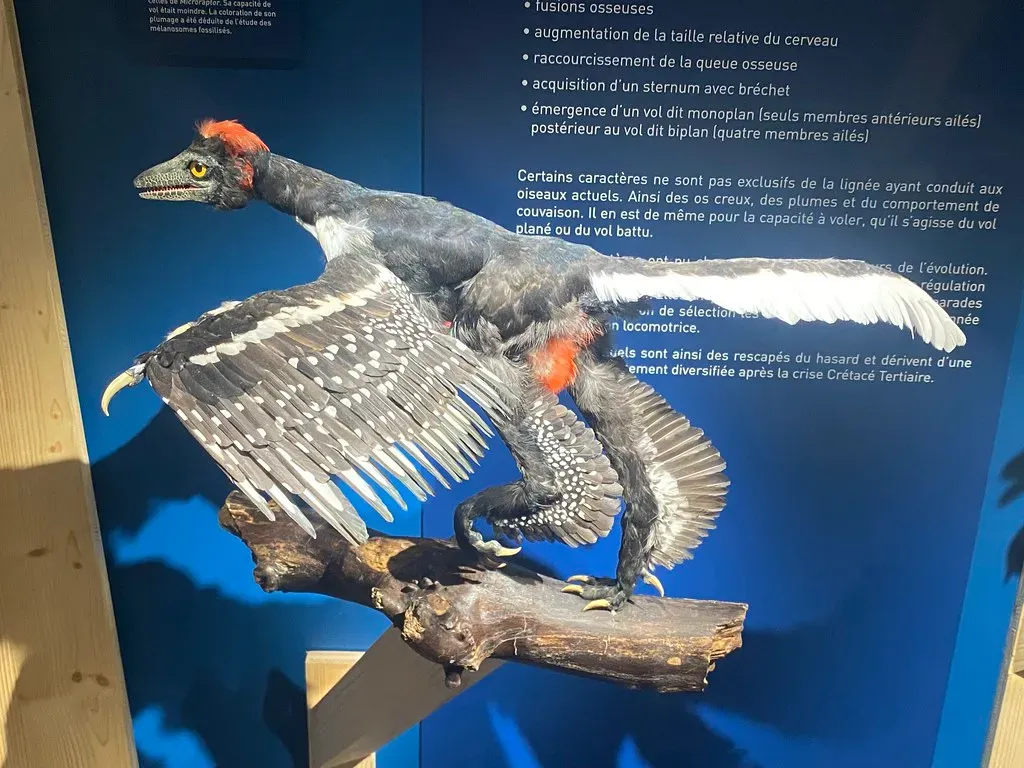
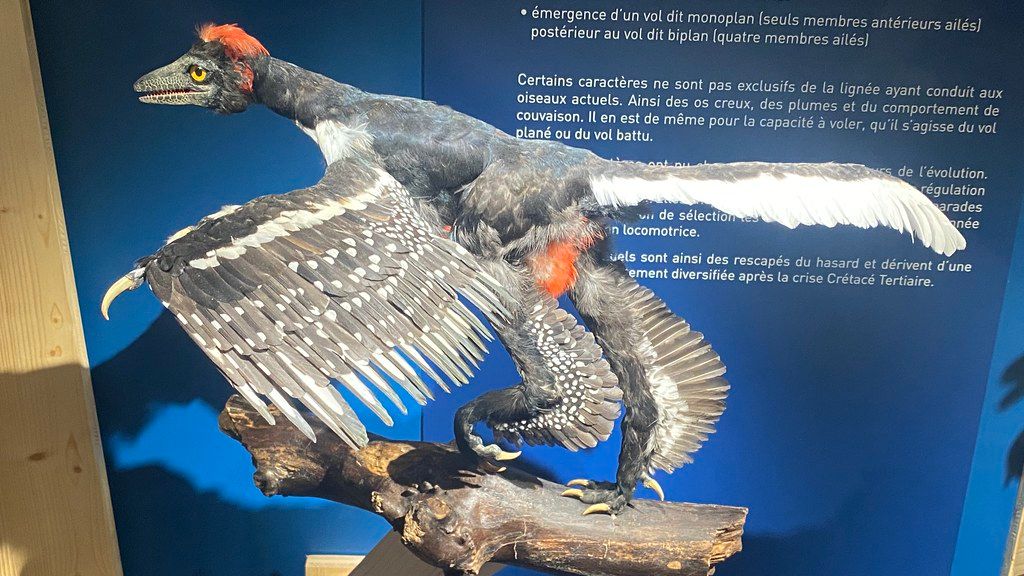
If Sinosauropteryx was the first color discovery, Anchiornis was the first dinosaur to receive what you might call a complete makeover based on actual science. By studying the types of melanosomes and comparing them with those of modern birds, scientists were able to map the specific colors and patterning present on Anchiornis when it was alive. Though this technique had been used on portions of other dinosaurs, Anchiornis became the first Mesozoic dinosaur for which almost the entire life coloration was known.
The study found that most of the body feathers of this Anchiornis specimen were gray and black. The crown feathers were mainly rufous with a gray base and front, and the face had rufous speckles among predominantly black head feathers. The forewing and hindwing feathers were white with black tips. The coverts, the shorter feathers covering the bases of the long wing feathers, were gray, contrasting with the mainly white main wings. You could almost picture it perched on a branch like an exotic bird you might see today.
Microraptor: A Dinosaur with an Iridescent Sheen
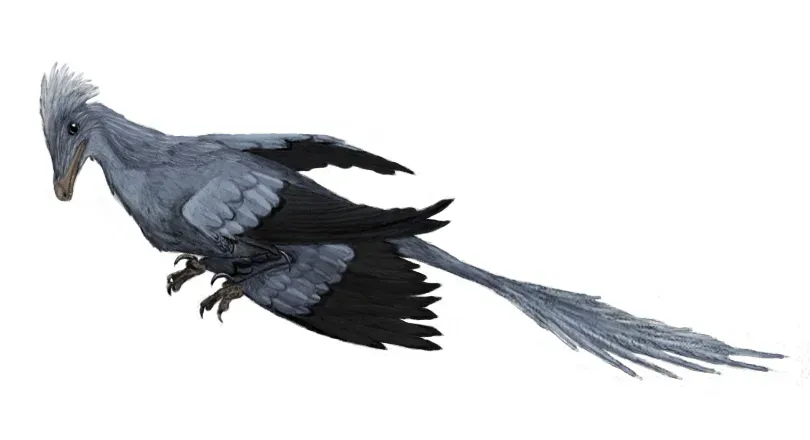
Here’s the thing – some dinosaurs didn’t just have plain colors. Some were downright dazzling. In 2012, the stacked arrangement of melanosomes found in the feathers of the four-winged dinosaur Microraptor was shown to create an iridescent sheen similar to that of a modern raven. Think about that for a moment. A creature that walked the Earth roughly 120 million years ago shimmered in the sunlight like a living jewel.
Knowing that Microraptor was iridescent also tells scientists about its life. Some researchers had suggested it was nocturnal, based on the large size of the bony ring around its eye. Yet iridescent birds are active during the day. If Microraptor was glossy, it probably wasn’t nocturnal. Modern birds mostly use iridescence during courtship displays, much like the seductive dance of a peacock. Perhaps Microraptor did something similar. Color, it turns out, is not just decoration – it’s a window into how an animal actually lived.
Color as Camouflage: Dinosaurs Were Masters of Disguise
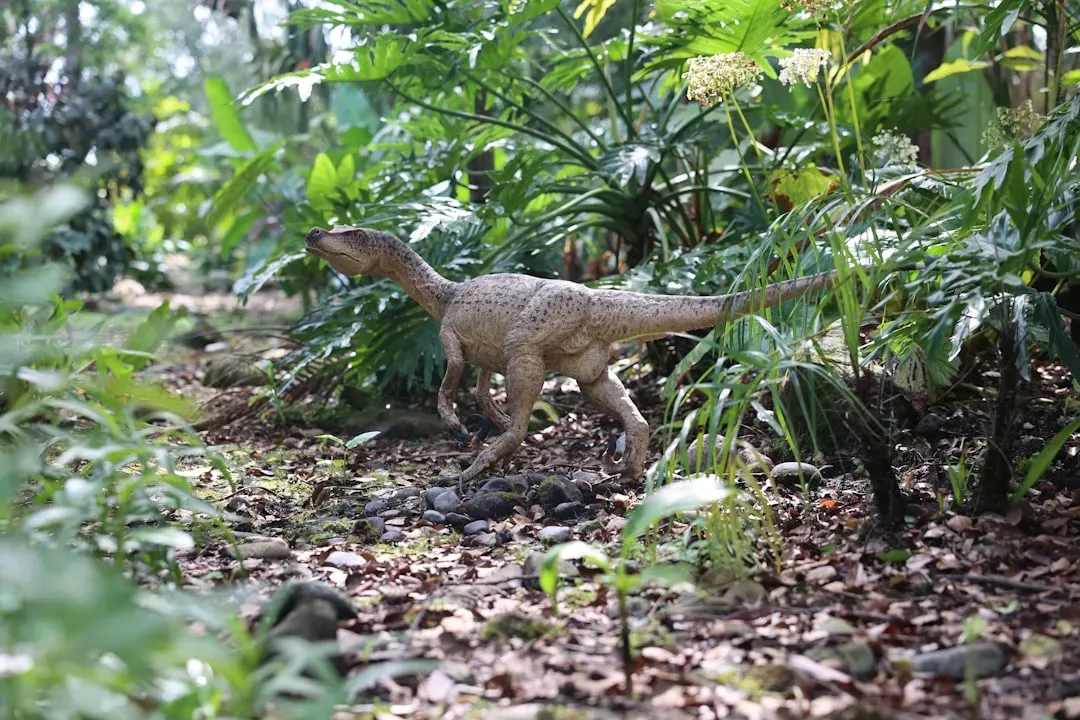
You might assume that only small, prey-like dinosaurs needed to hide from larger threats. Camouflage, specifically clever patterns of skin pigmentation, helped many modern animals hide from predators in plain sight. The same was true nearly 120 million years ago in the Cretaceous. Researchers studying that era have taken reconstruction of fossil remains a step further, using the pigmentation patterns preserved in the fossil of a small, horned dinosaur to find out where it most likely lived.
Analysis of exquisitely preserved fossil remains revealed one of the most elaborate dinosaur paint jobs ever seen, including a brown back and a lighter belly. Modern-day antelope, fish, and other animals have similar dark-and-light zones which confuse predators, but this was the first discovery of such markings on a dinosaur. The reconstructed patterns closely matched the “optimal countershading” for the diffuse light under a forest canopy. That corresponds well with evidence from previous paleobotanical studies of the region, which suggest it was dotted with lakes surrounded by coniferous forests. Color literally told scientists where a dinosaur was living. That is extraordinary.
The Diplodocus Discovery: Even Giants Had Complex Color Patterns
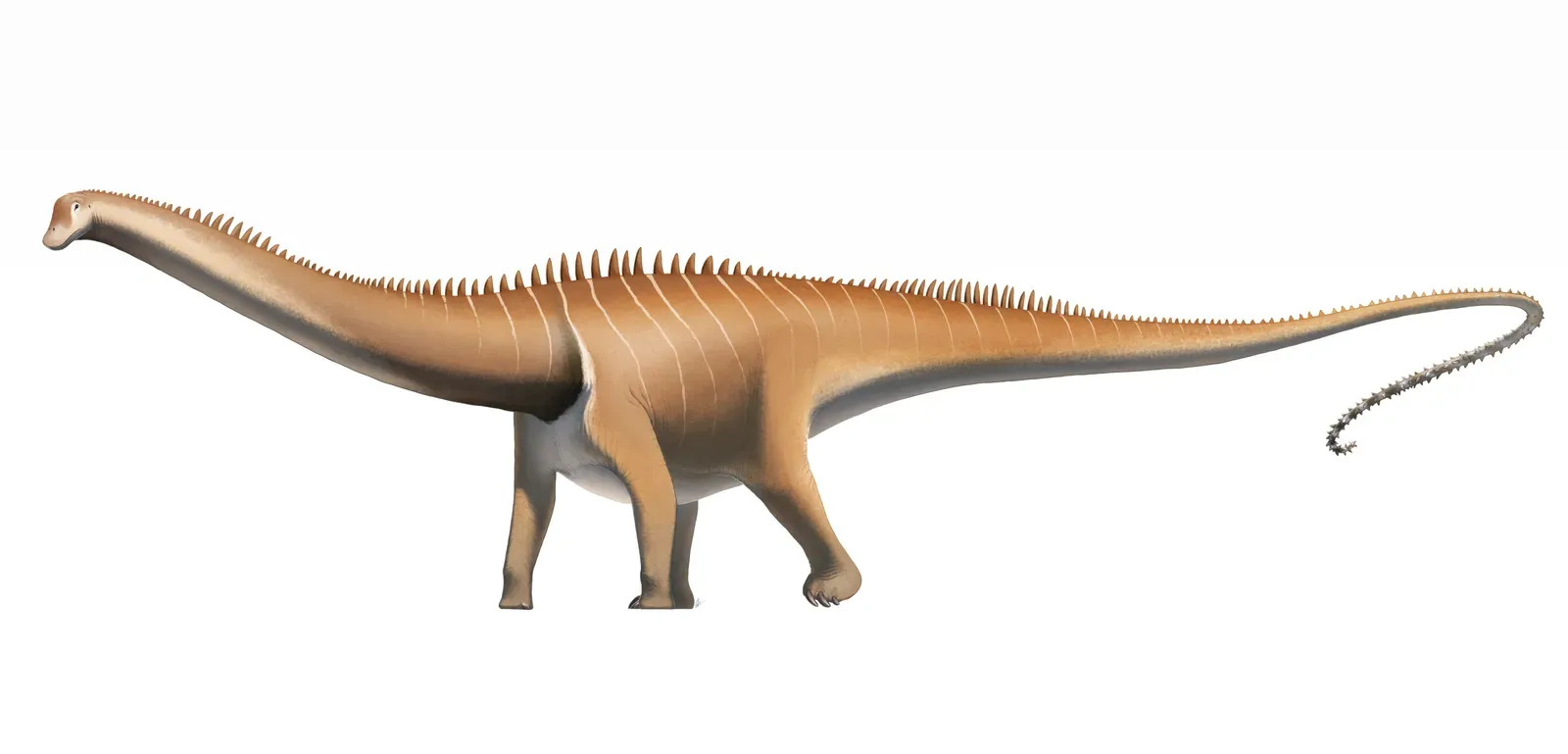
If you assumed that massive, long-necked sauropods were just uniformly dull-looking giants, science has something stunning to say about that. From the Jurassic rocks of Montana’s Mother’s Day Quarry, paleontologists uncovered fossils of sauropod skin so delicately preserved that they include impressions of pigment-carrying structures called melanosomes. They described the discovery in December in Royal Society Open Science. This is a genuinely jaw-dropping find – sauropod skin melanosomes had never been confirmed before this.
Some other dinosaur fossils with melanosomes preserved in their scales or feathers have been reconstructed in color. While the research team was reluctant to do that with the juvenile Diplodocus the skin came from, the researchers detected that the dinosaur would have had conspicuous patterns across its scales. The finding suggests sauropod dinosaurs were not uniformly gray or brown, but had complex color patterns like other dinosaurs, birds, and reptiles. While the identification of the disk-shaped microbodies is not fully definitive, the team suspects they are a form of platelet melanosome. If confirmed, it would represent the first evidence of melanosome shape diversity within dinosaur scales and the first record among sauropods. The age of the “boring big dinosaur” may officially be over.
Conclusion
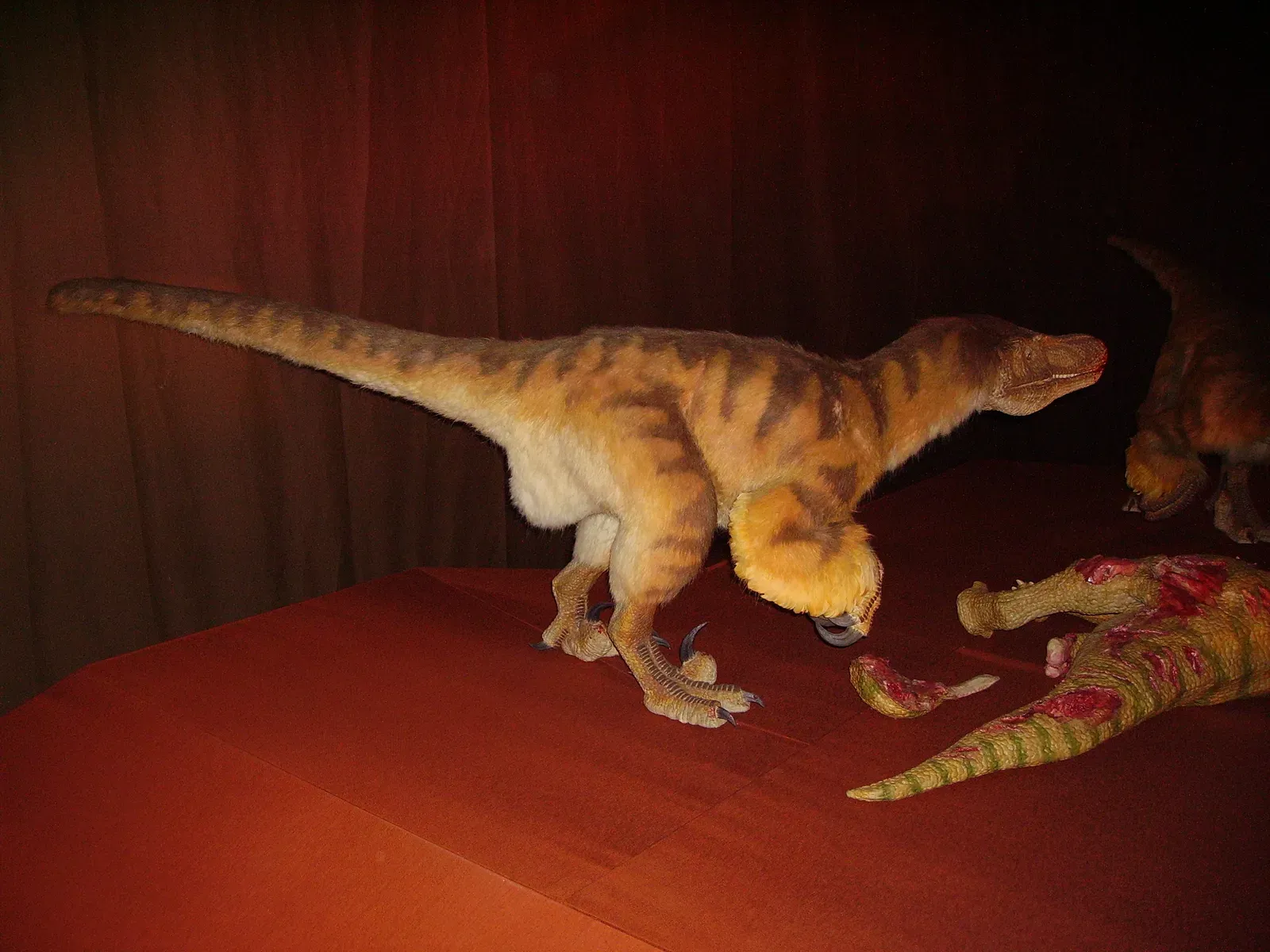
What began as a field where scientists openly admitted defeat has transformed into one of the most exciting frontiers of modern science. You now know that dinosaurs could be reddish-brown, iridescent black, patterned with camouflage bands, or speckled in ways that would make any modern bird envious. Feather color in dinosaurs may reveal whether color patterns were useful for camouflage or courtship displays, and whether there were color differences between the sexes, as in many modern birds. By searching for melanosomes and melanin not only in fossil feathers but also in other melanin-rich tissues such as skin, scientists won’t have to guess at the colors of extinct creatures anymore.
Think about how radically that changes the picture in your mind. Every museum mural, every childhood dinosaur book, every grey-and-green movie monster – all of it was a guess built on ignorance. Paleo color could paint a vivid picture of a dinosaur’s life, offering clues about behavior, habitat, and evolution. And we are only at the very beginning. As microscopes grow sharper, fossil sites yield more extraordinary specimens, and scientific techniques improve, the ancient world is going to keep getting more colorful, more vivid, and more alive than you ever dared to imagine. What color did you think they were?