Imagine waking up tomorrow morning and stepping outside to see a massive Tyrannosaurus rex prowling through your neighborhood. Picture herds of gentle Triceratops munching on grass in nearby parks while pterodactyls soar overhead. This wild scenario might seem absurd, but it forces us to confront one of paleontology’s most fascinating questions: what would have happened if that infamous asteroid had never slammed into Earth 66 million years ago?
The Big Bang That Changed Everything

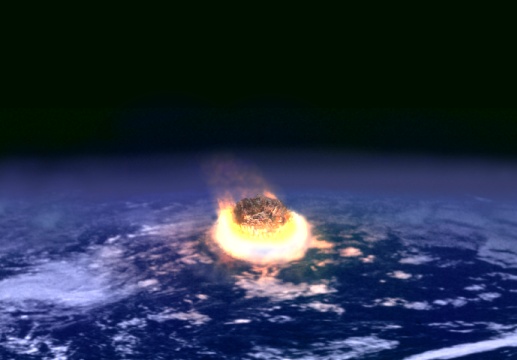
The Alvarez hypothesis was initially controversial, but it’s now the most widely accepted theory for the mass extinction at the end of the Mesozoic Era. “An asteroid impact is supported by really good evidence because we’ve identified the crater,” says Paul. This asteroid wasn’t some pebble from space – we’re talking about a colossal rock roughly six miles across that hit Earth with the force of billions of nuclear bombs.
It was formed slightly over 66 million years ago when an asteroid, about ten kilometers (six miles) in diameter, struck Earth. The crater is estimated to be 200 kilometers (120 miles) in diameter and 30 kilometers (19 miles) in depth. The impact created the Chicxulub crater in what is now Mexico’s Yucatan Peninsula, a scar on our planet that still exists today. Think of it as Earth’s permanent reminder of that catastrophic day when everything changed.
Life Before the Cosmic Catastrophe

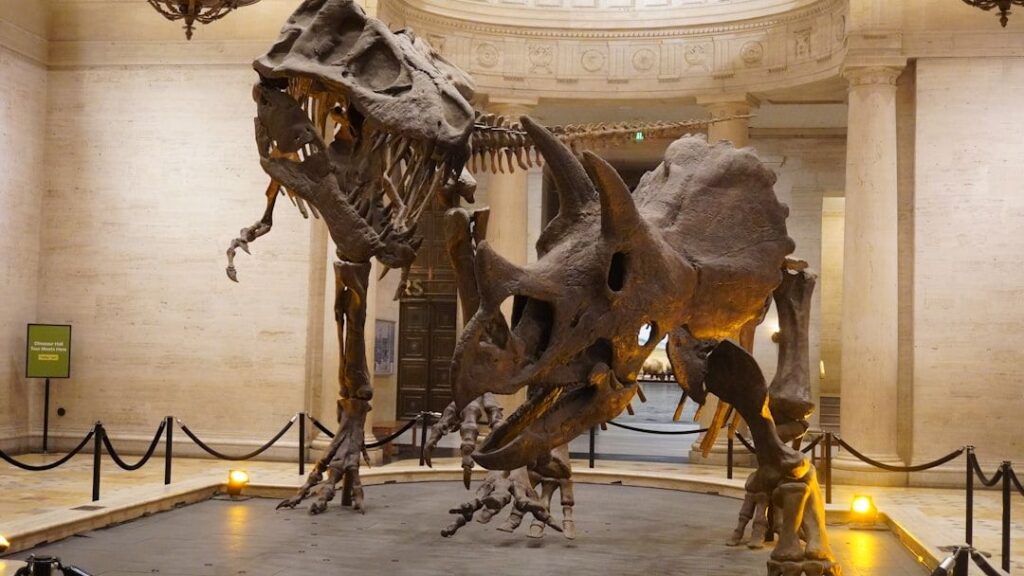
The late Maastrichtian rocks contain the largest members of several major clades: Tyrannosaurus, Ankylosaurus, Pachycephalosaurus, Triceratops, and Torosaurus, which suggests food was plentiful immediately prior to the extinction. A study of 29 fossil sites in Catalan Pyrenees of Europe in 2010 supports the view that dinosaurs there had great diversity until the asteroid impact, with more than 100 living species.
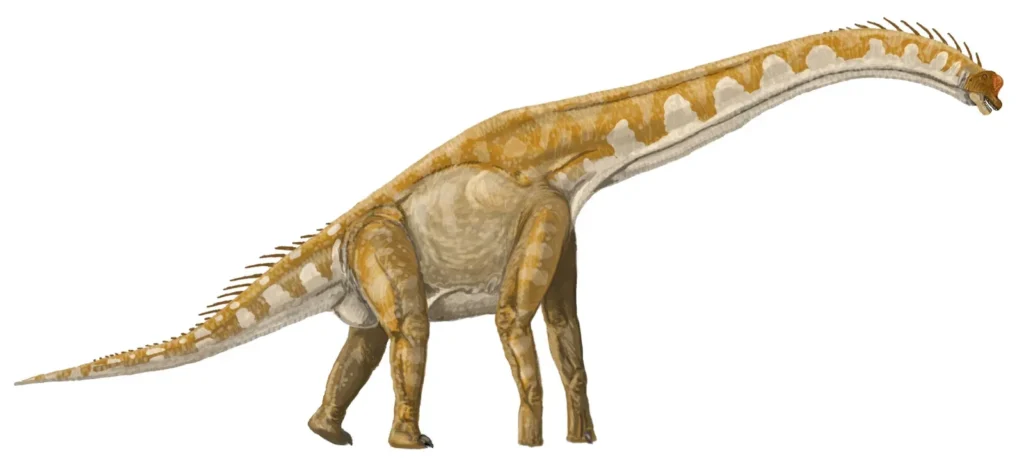
Despite what some doomsday theories suggest, the dinosaurs weren’t exactly struggling before the asteroid hit. They had been the planet’s dominant land animals for over 160 million years – that’s hundreds of times longer than modern humans have existed. “Dinosaurs were likely not doomed to extinction until the end of the Cretaceous, when the asteroid hit, declaring the end of their reign and leaving the planet to animals like mammals, lizards and a minor group of surviving dinosaurs: birds. Recent research shows they were thriving, not declining, painting a very different picture than previously thought.
The Climate Conspiracy Theory
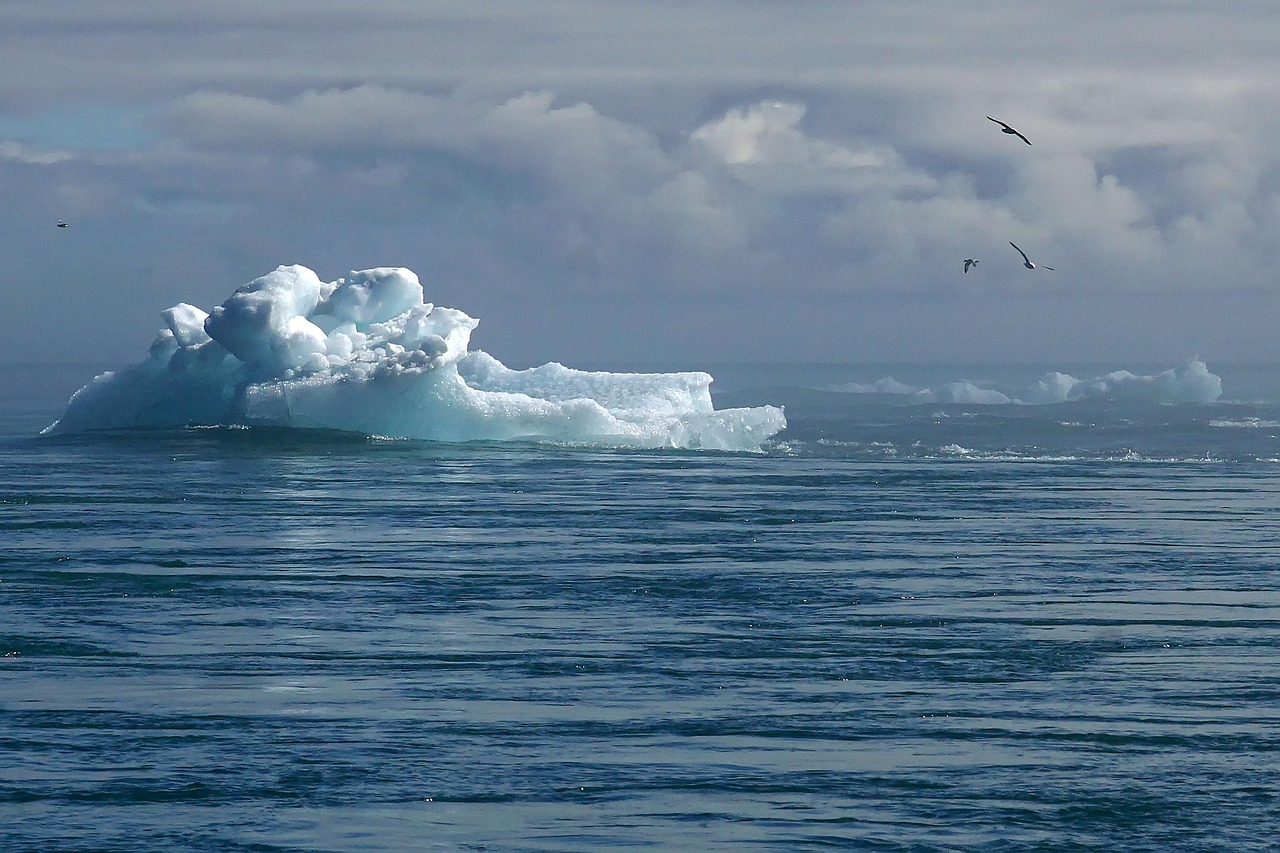
We investigate the influence of ecological and physical factors, and find that the decline of dinosaurs was likely driven by global climate cooling and herbivorous diversity drop. The latter is likely due to hadrosaurs outcompeting other herbivores. But here’s where things get interesting – some scientists argue that dinosaurs were already feeling pressure from gradual climate changes millions of years before the asteroid arrived.
We propose that rising temperatures and reduced availability of suitable nesting sites, influenced by increased precipitation, may have prompted dinosaurs in the Shanyang Basin to migrate in search of more hospitable habitats or face extinction. Our findings underscore the significant role of climate change, particularly precipitation, in shaping the evolution of Late Cretaceous dinosaurs in the Shanyang Basin, offering insights into the potential factors contributing to the extinction of nonavian dinosaurs. However, most evidence suggests these regional changes wouldn’t have caused a worldwide extinction on their own.
The Nuclear Winter That Wasn’t Natural

Aside from the hypothesized fire effects on reduction of insolation, the impact would have created a dust cloud that blocked sunlight for up to a year, inhibiting photosynthesis. The asteroid hit an area of gypsum and anhydrite rock containing a large amount of combustible hydrocarbons and sulfur, much of which was vaporized, thereby injecting sulfuric acid aerosols into the stratosphere, which might have reduced sunlight reaching the Earth’s surface by more than 50%.
The asteroid didn’t just kill dinosaurs directly – it triggered a global catastrophe that made survival nearly impossible for large animals. The study authors calculated that the initial energy in the impact tsunami was up to 30,000 times larger than the energy in the December 2004 Indian Ocean earthquake tsunami, which killed more than 230,000 people and is one of the largest tsunamis in the modern record. The team’s simulations show that the impact tsunami radiated mainly to the east and northeast into the North Atlantic Ocean, and to the southwest through the Central American Seaway It was like someone turned off the sun’s light switch and pressed the reset button on Earth’s climate.
Some Actually Did Survive the Apocalypse

The great splat of an asteroid that might have wiped out the dinosaurs apparently didn’t get all of them. Some controversial fossil evidence has been interpreted to suggest dinosaurs may have survived for up to half a million years after the impact in remote parts of New Mexico and Colorado. This discovery is both mind-blowing and controversial – imagine pockets of dinosaurs huddled in remote refuges, desperately clinging to life in a post-apocalyptic world.
The fossil remains include a group of 34 hadrosaur bones lying together, which Fassett said are “doubtless from a single animal.” If the bones had been exhumed from the older rock by a river, they would have likely been scattered in several locations, and wouldn’t be clustered together as they are. Even if the dinosaur bones do turn out to belong to disaster survivors, there probably were very few of them compared to their population before the crash. These survivors were likely living on borrowed time in a world that had fundamentally changed.
What If the Rock Had Missed?

But what if calamity hadn’t befallen the dinosaurs? Maybe not, according to a new study that says dinosaurs still had plenty of vim and vigor leading up to the mass extinction at the end of the Cretaceous period. This is where our imagination can really run wild. Without that cosmic game-changer, Earth’s evolutionary story would have unfolded in completely unexpected ways.
These results support the asteroid impact as the main driver of the non-avian dinosaur extinction. By contrast, induced warming from volcanism mitigated the most extreme effects of asteroid impact, potentially reducing the extinction severity. The scientific modeling suggests that volcanic activity alone wouldn’t have wiped out the dinosaurs. They had weathered climate changes before and likely would have continued adapting and evolving. The question becomes: what amazing creatures might they have become?
Mammals Would Still Be Living in the Shadows

Birds are the only members of the dino family tree that survived the ordeal, and the open niches left behind gave them and our early mammal ancestors their time in the ecological spotlight. Birds are the only members of the dino family tree that survived the ordeal, and the open niches left behind gave them and our early mammal ancestors their time in the ecological spotlight. Without the asteroid, our mammalian ancestors would probably still be small, furry creatures scurrying around in the undergrowth, trying to avoid being stepped on by dinosaur feet.
Picture this: instead of humans dominating the planet, we might have evolved intelligent dinosaur species. Some paleontologists have speculated about what might have happened if certain dinosaur lineages had continued evolving for another 66 million years. We could be sharing our world with dinosaur farmers, dinosaur cities, and dinosaur technology. The mammals that did evolve would likely be very different from today’s species, filling entirely different ecological roles in a dinosaur-dominated world.
The Evolutionary Arms Race Continues
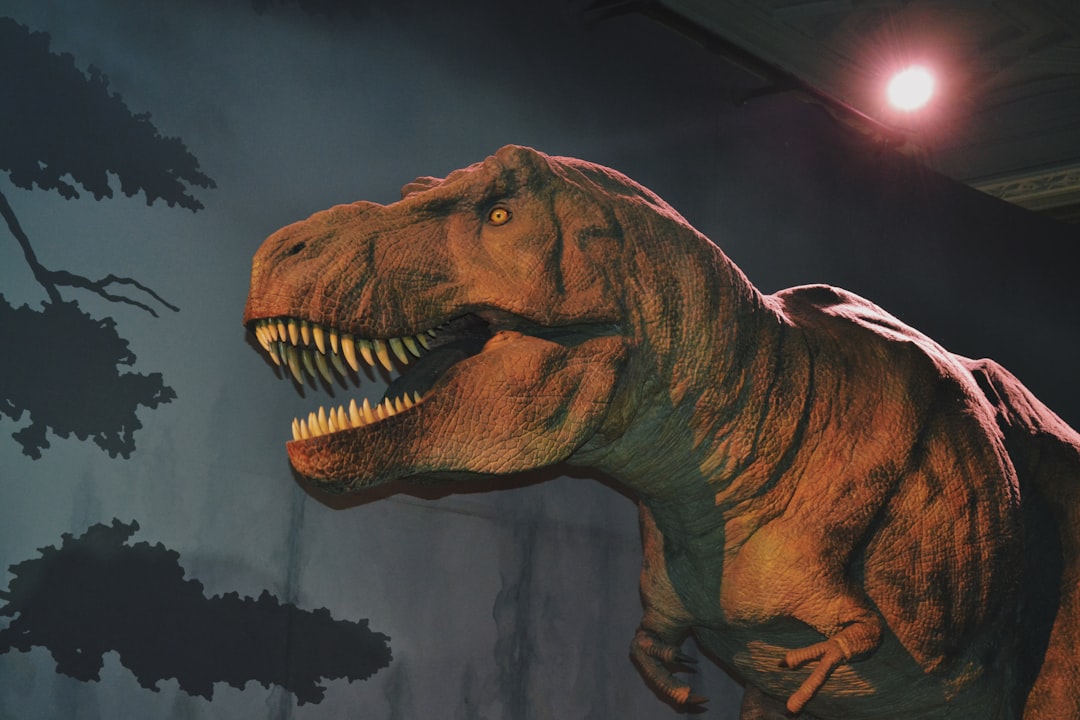
For dinosaurs on the other hand, this climate change was actually beneficial: Their populations started growing and they expanded their habitat. For dinosaurs on the other hand, this climate change was actually beneficial: Their populations started growing and they expanded their habitat. Throughout their long history, dinosaurs had shown remarkable adaptability to changing conditions. They had survived multiple smaller extinction events and climate shifts, suggesting they possessed the evolutionary flexibility to continue thriving.
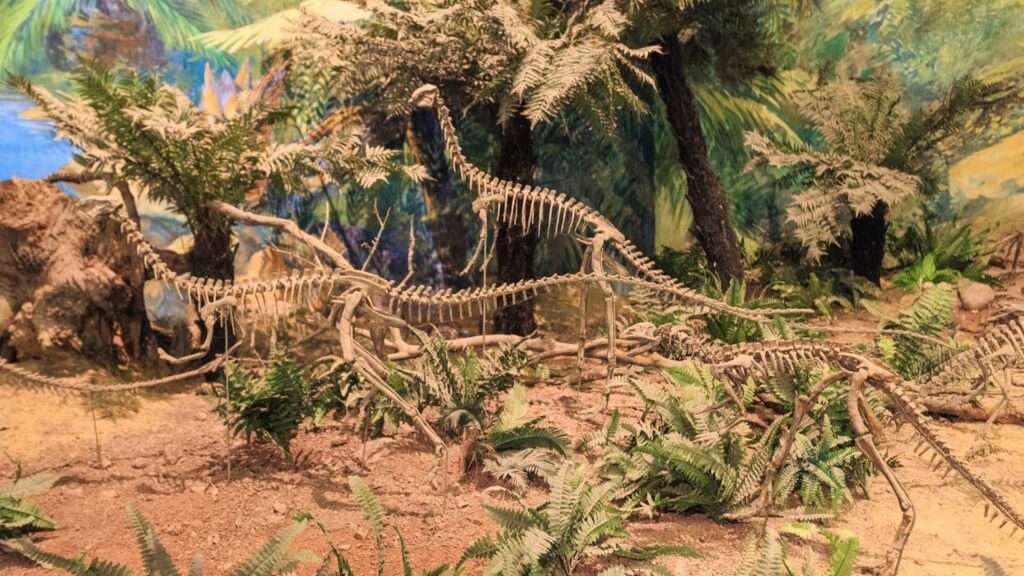
Evolutionary model-fitting analyses provide evidence for an important evolutionary shift from cooler to warmer climatic niches during the origin of Sauropoda. These results are consistent with the hypothesis that global abundance of sauropodomorph dinosaurs was facilitated by climatic change and provide support for the key role of climate in the ascendancy of dinosaurs. The dinosaurs had already demonstrated their ability to expand into new climates and habitats. Given another 66 million years, who knows what incredible forms they might have evolved into? Perhaps flying carnivores the size of modern elephants, or aquatic herbivores that could dive to ocean depths.
Without that asteroid impact, dinosaurs likely would have continued their evolutionary journey, potentially developing even more sophisticated behaviors, larger brains, and perhaps even primitive technologies. The cosmic lottery that ended their reign was just that – a random, catastrophic event that reset Earth’s biological trajectory. Steve Brusatte, a paleontologist at the University of Edinburgh, adds that the study very clearly implicates the asteroid as the reason the dinosaurs died out. Had that space rock missed our planet by just a few thousand miles, we might be living in a world where tyrannosaurs evolved into gentle giants and triceratops developed complex social structures that rival our own civilizations.
The story of dinosaur extinction isn’t really about inevitability – it’s about the profound impact of cosmic chance on the evolution of life on Earth. Sometimes the universe throws you a curveball that changes everything. Did you expect that 66 million years of evolutionary potential could be ended by a single rock from space?