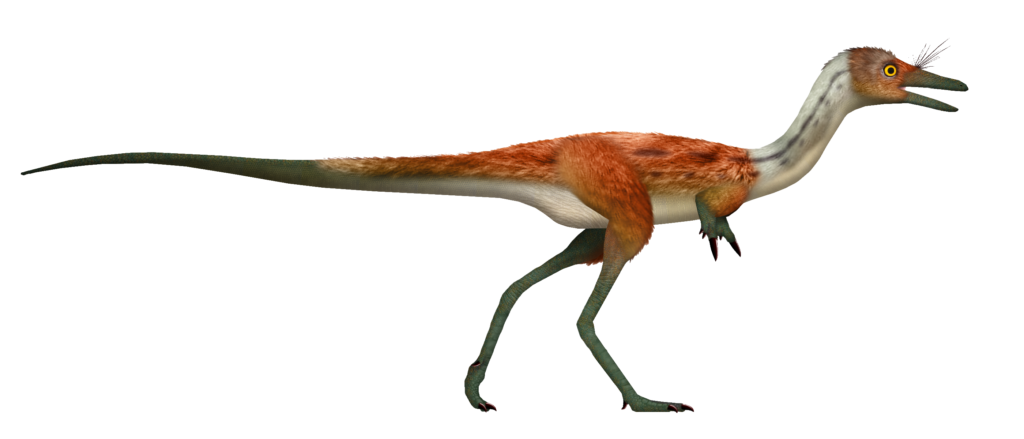
Imagine a dinosaur the size of a chicken that could hear like an owl, sprint like a tiny cheetah, and hunt in total darkness across desert sands. That is Shuvuuia: a bizarre, bird‑like predator that quietly rewrites what we thought dinosaurs could do. Its skeleton looks almost comical at first glance, yet the deeper scientists dig into its bones, the more it feels like something evolution built on “hard mode” just to show off.
Shuvuuia is not a household dinosaur name, and honestly, that’s part of its charm. While the spotlight usually goes to Tyrannosaurus or Velociraptor, this little hunter lived in the shadows – literally. It is one of the clearest cases we have of a dinosaur that specialized in nighttime hunting, and that alone makes its story weirdly intimate and thrilling, like sneaking a flashlight under the covers to read after dark.
A Tiny Desert Hunter With an Almost Ridiculous Body Plan
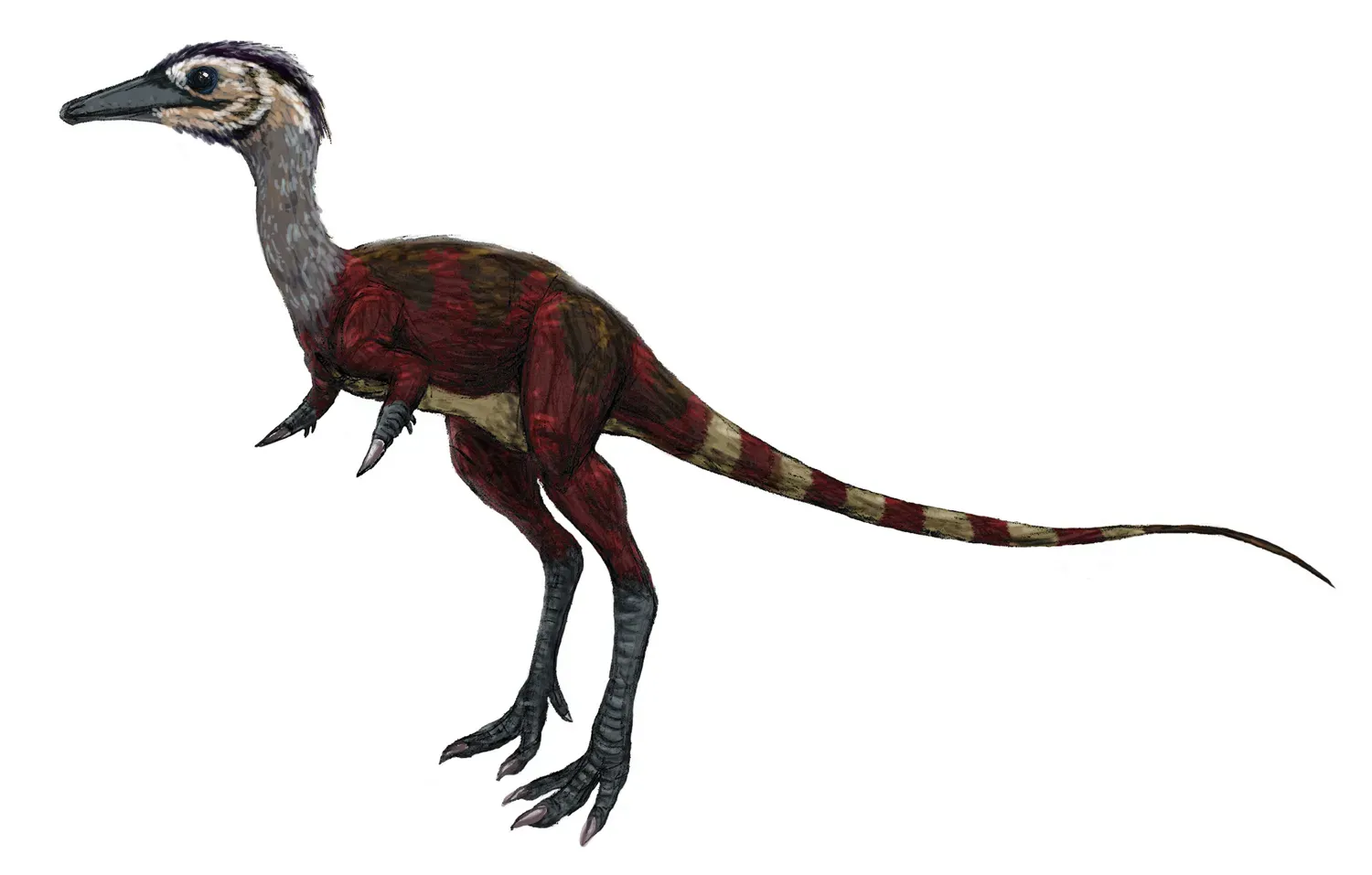
At first sight, Shuvuuia looks like a joke sketch someone drew in the margin of a notebook: long, running legs; a small, lightly built skull; a long tail; and in the middle of it all, a single massively built claw on each short forelimb. It belonged to a group called alvarezsaurs, dinosaurs that were already strange, but Shuvuuia takes that strangeness to an extreme. It was roughly the size of a chicken or small cat, feathered, and built to be incredibly light, like a bundle of springs and levers rather than a heavy lizard.
Those stubby arms are the real conversation starter. Each arm was short but very strong, anchored with powerful muscles and ending in one dominant claw shaped like a sturdy digging tool. If you picture a sprinting roadrunner crossed with a tiny anteater, you’re not far off. This is not a body designed for wrestling big prey; it is meant for precision, speed, and ripping into something small but well‑protected, like insects in wood or animals hiding in burrows.
Supersonic Legs: Built for Blistering Sprints Across the Sand
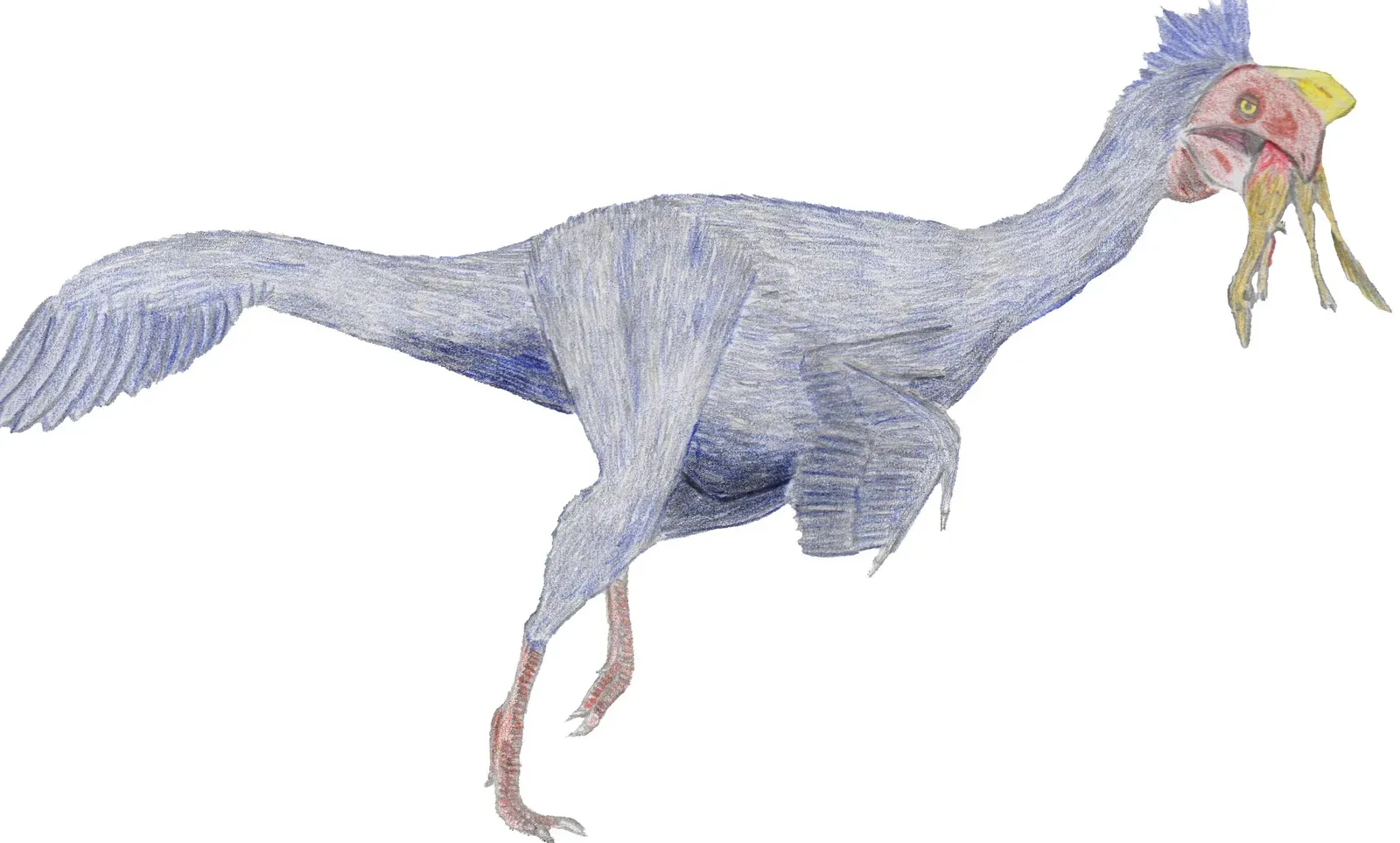
Speed is where Shuvuuia stops being “cute weird” and starts being terrifying – if you were a small animal living nearby, anyway. Its hind limbs were extremely long relative to its body, with an elongated lower leg and foot, a combination that in modern animals often signals high running speed. The bones are thin but reinforced in clever ways, the kind of architecture you see in animals that need to accelerate in a heartbeat and change direction without snapping anything essential.
Some researchers have compared its leg proportions to modern champion sprinters like cheetahs and ostriches, which is wild for something so small. That doesn’t mean Shuvuuia was breaking land‑speed records across the dinosaur world, but it was almost certainly one of the fastest things in its size class. I like to picture it as a streak of feathers darting between dunes, kicking up sand as it dashed toward the sound of something rustling under the surface.
Eyes and Ears Made for Midnight: How We Know It Was a Night Hunter
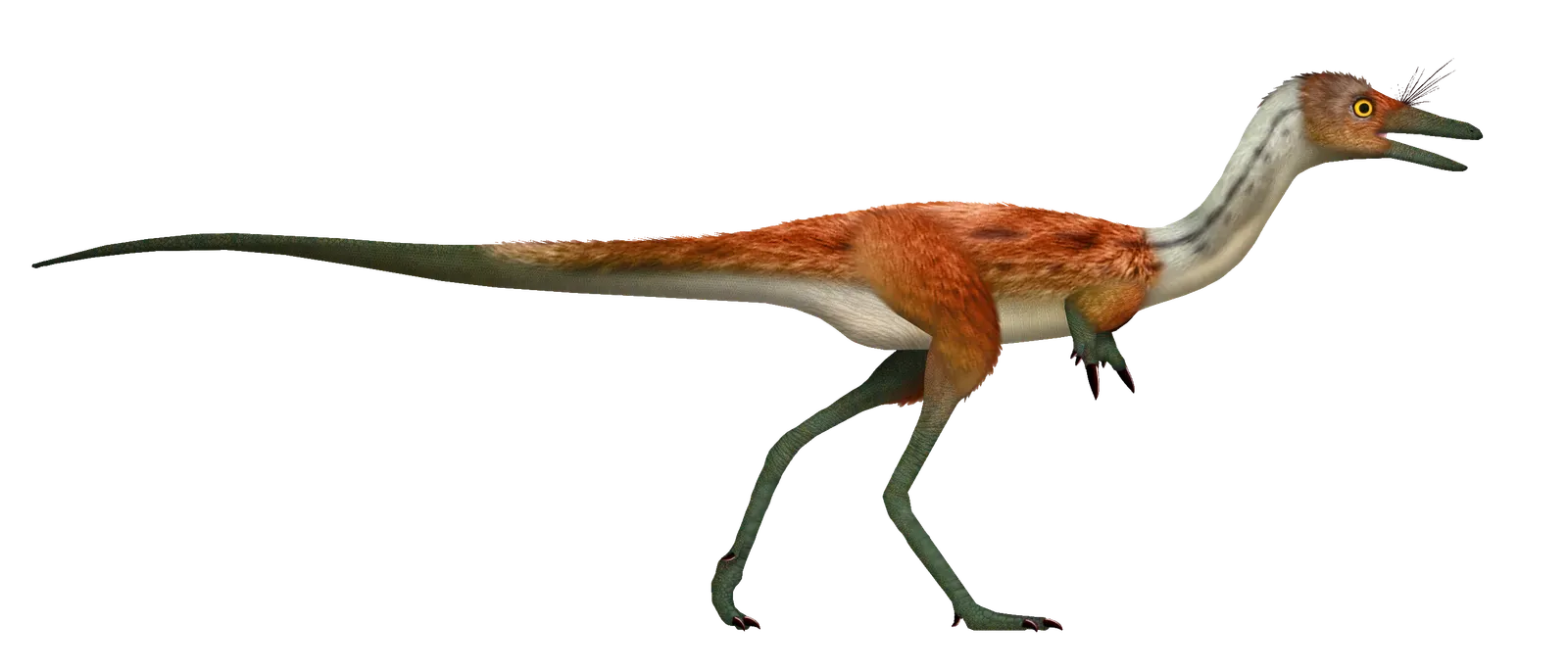
The real plot twist with Shuvuuia comes from its skull, especially its eyes and inner ear. Studies of the bony eye socket – where the eyeball sits – show it had a very large opening relative to its head, similar to what we see in modern nocturnal birds and mammals. Big eye openings mean more light can enter, which is exactly what you need when you are trying to see in the faint glow of the moon or in starlight over a desert plain.
Then there’s the inner ear. The part that senses sound, especially low and subtle noises, is unusually large and complex in Shuvuuia, more like what we see in owls than in most ground‑dwelling birds or dinosaurs. That combination – enlarged eyes suited for low light and an inner ear tuned for sensitive hearing – is a powerful signal that this animal hunted at night. It is one of the cleanest cases where paleontologists can say, with some confidence, that a dinosaur was a dedicated night stalker and not just occasionally active after dark.
Arms Like a One‑Clawed Power Tool: Digging, Tearing, or Something Stranger?
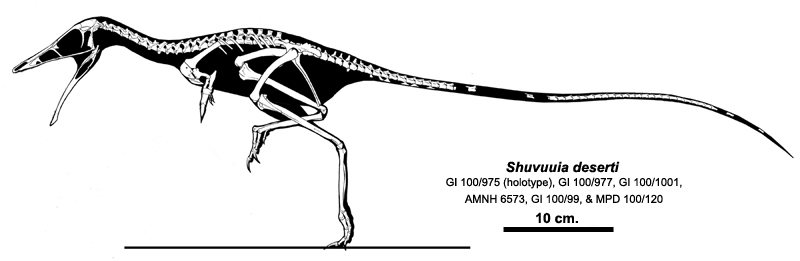
Those single‑clawed arms are one of the most debated features of Shuvuuia, and honestly, this is where the story feels deliciously unresolved. The bones show big attachment areas for muscles, telling us that the arms were far stronger than their length suggests. The claw itself is thick, curved, and built to handle stress, not like the thin, slicing claws of classic predators but more like the functional tools of an animal that pries, digs, or breaks things open.
One leading idea is that Shuvuuia used its claws to tear into insect nests, rotting logs, or small animal burrows, like a cross between a woodpecker and an aardvark. It might have sprinted toward faint movements underground, then stopped, braced its powerful legs, and gone to work on the surface until it reached its hidden meal. We do not have a perfect modern comparison, and that alone makes it exciting: this is not just a dinosaur doing a familiar trick; it is a unique experiment in how to build a small predator.
Life in a Harsh Cretaceous Desert: Surviving by Owning the Night
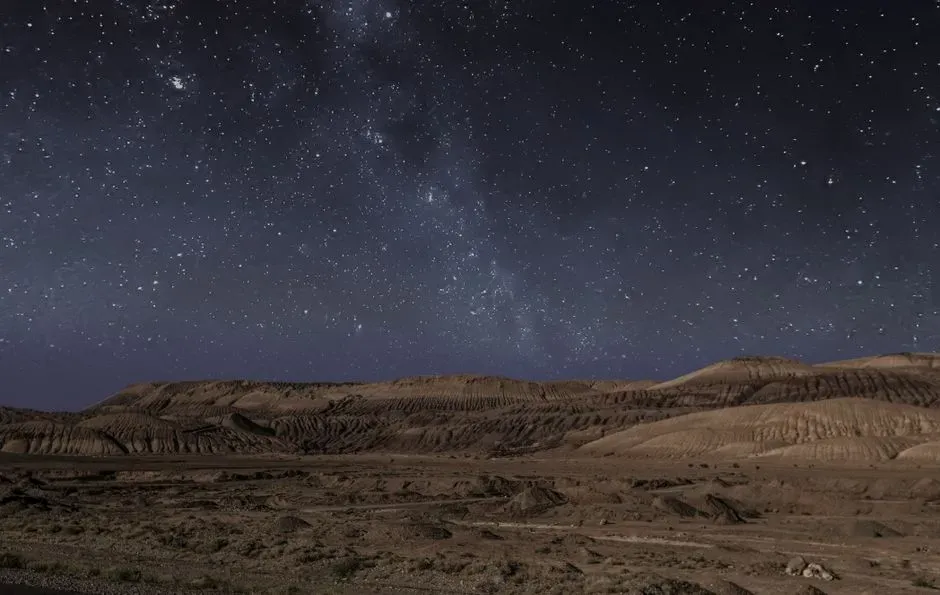
Shuvuuia lived in what is now Mongolia, in Late Cretaceous landscapes that were dry, open, and probably full of temperature extremes. Picture a desert or semi‑desert with scattered vegetation, shifting sand, and relatively little water. In that kind of environment, daytime can be punishingly hot, and many small animals avoid being active under the sun. If you are tiny, covered in feathers, and at risk of overheating or being spotted by bigger predators, nighttime suddenly becomes very appealing.
By hunting at night, Shuvuuia carved out a niche where competition was lower and the risk of being eaten was probably smaller. Its speed allowed it to cross open ground quickly, while its senses and claws let it find and extract hidden prey that might not even realize it was being stalked. To me, that makes it feel less like a typical dinosaur and more like a character from a stealth video game: avoiding the spotlight, slipping between threats, and attacking when everything else has relaxed into darkness.
Why Shuvuuia Matters: Rethinking What Dinosaurs Could Be
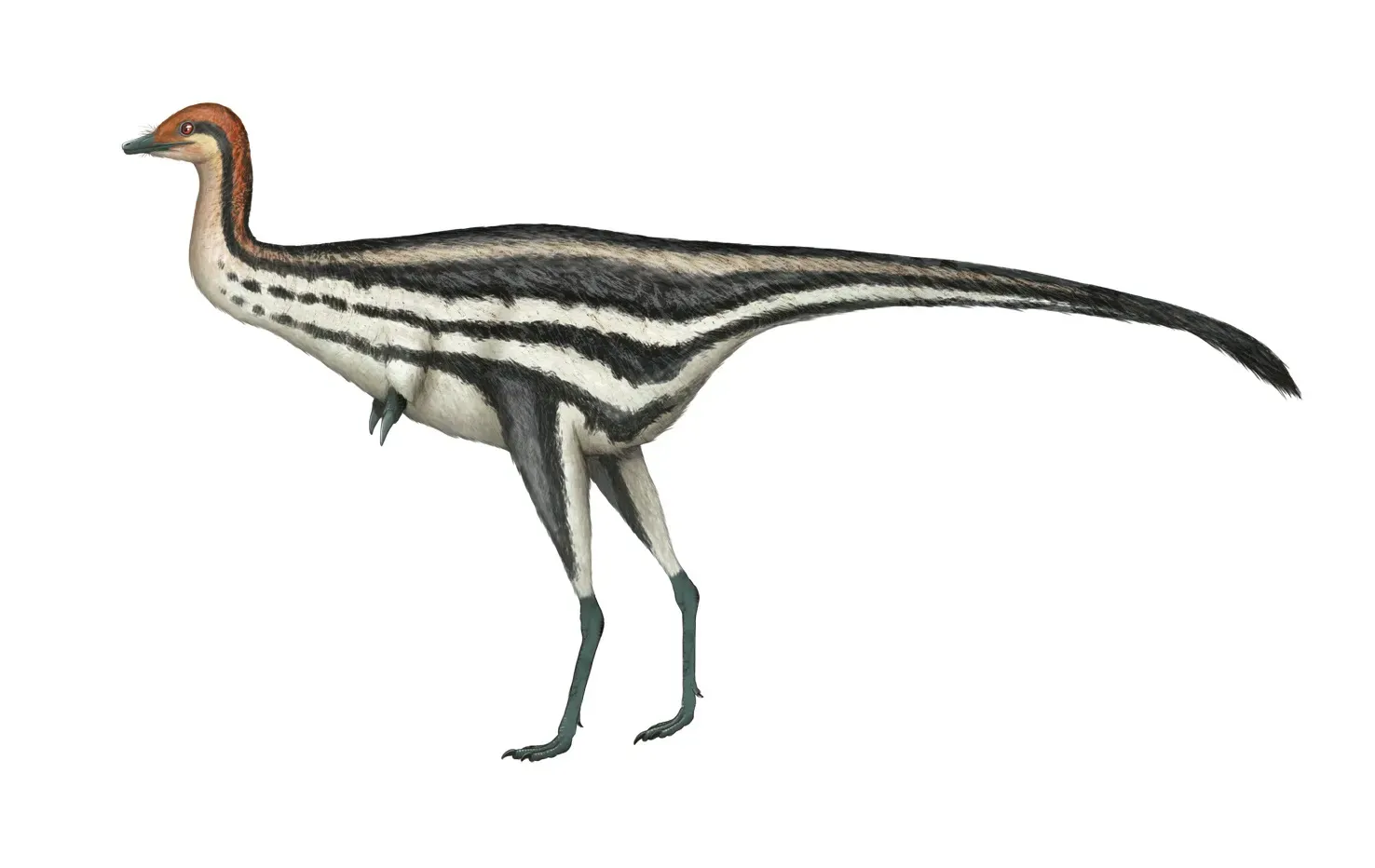
What makes Shuvuuia so compelling is not just that it was small, fast, and nocturnal, but that it forces us to widen our picture of dinosaur life. For a long time, the public image of dinosaurs has leaned heavily toward giant, roaring beasts crashing through jungles under bright sun. Here, instead, we have a tiny, specialized hunter behaving more like a mix of owl, jerboa, and termite‑eating mammal, and doing it successfully enough that its odd body plan could evolve and persist.
In my view, Shuvuuia is a quiet argument against underestimating evolution’s creativity. It shows that dinosaurs were not all generalists or big game hunters; some were niche experts operating in the margins of ecosystems, exploiting the dark and the underground to survive. Whenever we find species like this, I think it should permanently retire the idea that dinosaurs were somehow primitive or limited. If anything, they were as weird and diverse as today’s animals – we just happened to meet Shuvuuia a little late.
Conclusion: A Night Runner That Deserves the Spotlight
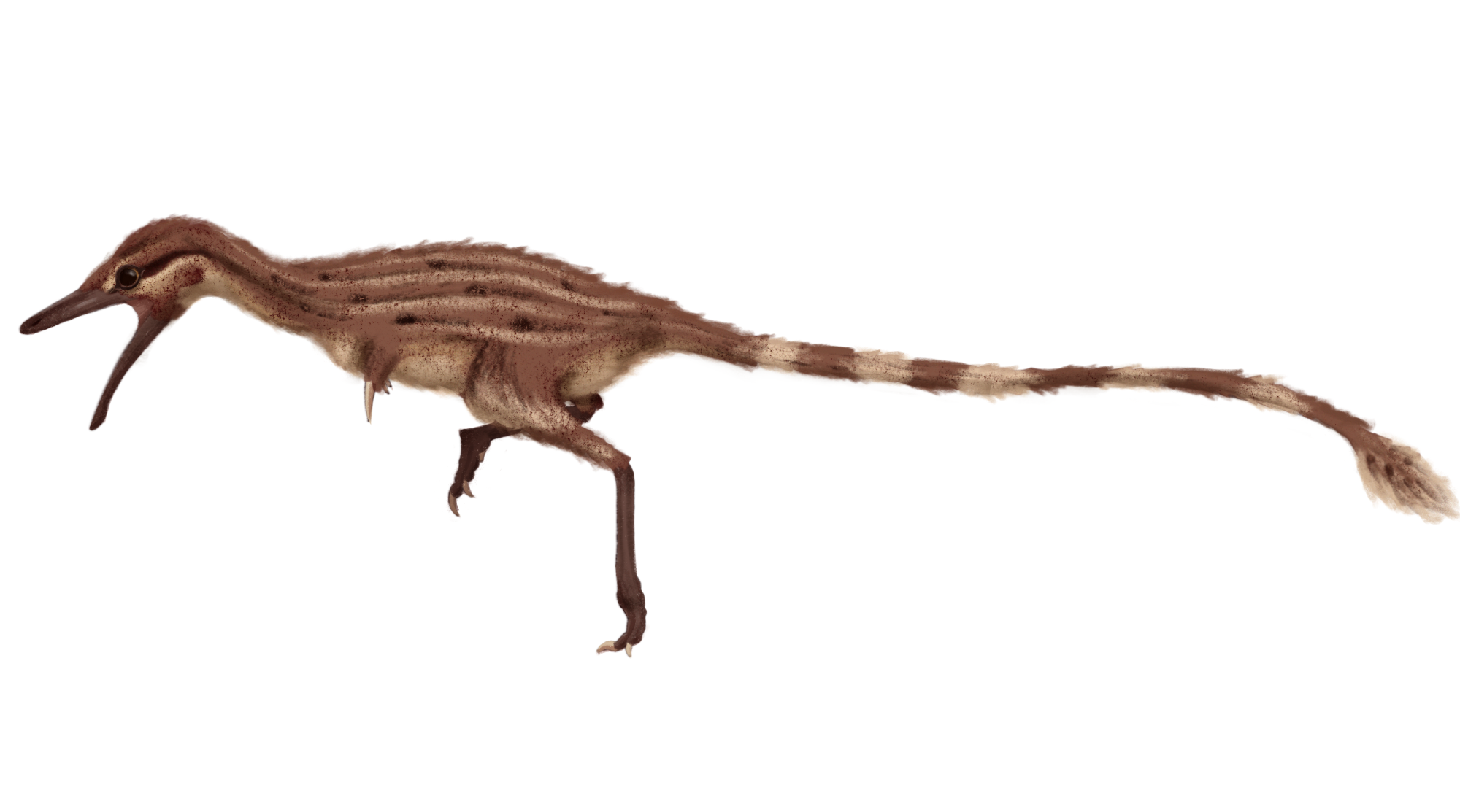
If I had to bet on one small dinosaur that will keep surprising us as new fossils and techniques come in, it would be Shuvuuia. Its anatomy already tells a bold story: a feathered, desert‑running insect or small‑prey specialist with night‑vision eyes, owl‑like hearing, and a single powerful claw for breaking into hidden food caches. That is not a half‑baked adaptation; it is a tightly tuned survival strategy that turned the harsh Cretaceous night into an opportunity instead of a threat.
Personally, I think Shuvuuia deserves to sit alongside the big names in dinosaur lore, not because it was huge or terrifying to humans, but because it shows how far evolution will go to fill a niche. It reminds us that some of the most impressive predators are not the ones casting big shadows at noon, but the ones we would never see unless we waited, patient and quiet, under desert stars. Next time you imagine the dinosaur age, will you picture a roaring giant in daylight – or a feathered blur racing through the dark, hunting by sound and starlight alone?