Imagine walking through ancient forests where every footstep shook the ground. Picture creatures so massive they could reach treetops without effort, animals whose sheer presence reshaped landscapes for millions of years. These weren’t science fiction monsters – they were Earth’s first mega-herbivores, the pioneering giants that fundamentally altered how ecosystems functioned.
Let’s be real: when you think about prehistoric life, your mind probably jumps to fearsome predators. Yet the true ecosystem architects were the plant-eaters, those colossal herbivores that turned barren landscapes into complex food webs. Their story is one of remarkable innovation, evolutionary experimentation, and environmental transformation that continues to influence the planet today in ways you might never expect.
The Revolutionary Transition From Carnivore to Plant-Eater
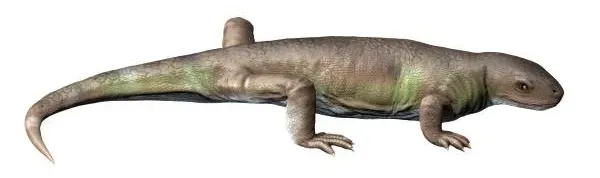
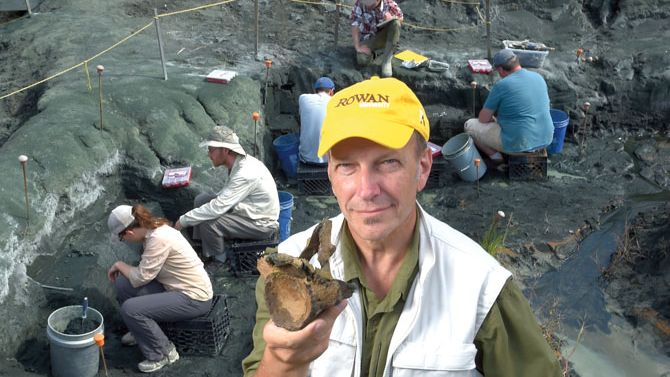
The evolution of herbivory was revolutionary to life on land because it meant terrestrial vertebrates could directly access the vast resources provided by terrestrial plants. Think about it: before herbivores emerged, early land ecosystems were populated almost entirely by carnivores competing for limited prey. The 300-million-year old fossilized juvenile skeleton of Eocasea martini, found in Kansas, consists of a partial skull, most of the vertebral column, the pelvis and a hind limb.
Honestly, the shift to eating plants wasn’t a simple switch. Eocasea was carnivorous, feeding on insects and other small animals, while younger members were herbivorous, clear evidence that large terrestrial herbivores evolved from small, non-herbivorous members. The ability to digest tough plant materials like cellulose had to evolve over time, and herbivory literally has its roots among meat-eaters.
When Giants First Walked: The Permian Pioneers
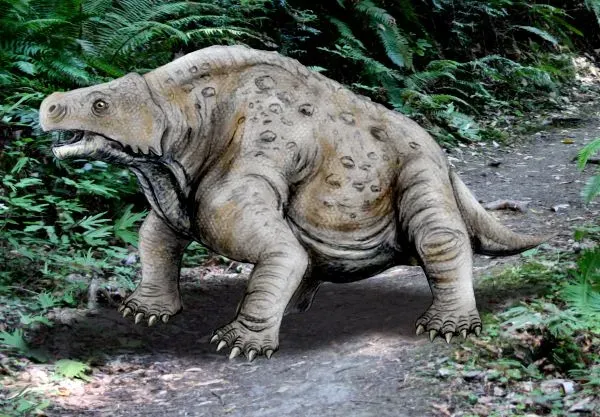
Megaherbivores first evolved in the early Permian (300 mya), and the earliest megaherbivores were synapsids, though they became somewhat rare after the Permian-Triassic extinction event, with taxa mainly consisting of dicynodonts and pareiasaurs. These early giants looked nothing like the dinosaurs that would follow them.
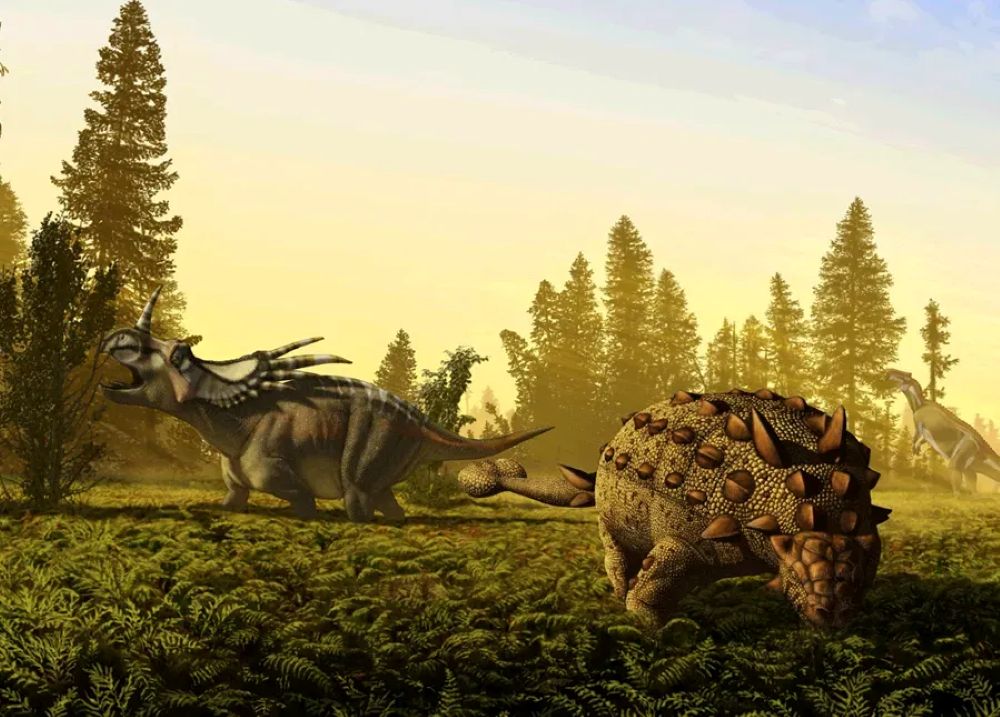
Scutosaurus and other large members of the pareiasaur family were among the first megaherbivores to walk the Earth, and they were pioneers in a niche that would later be dominated by dinosaurs such as Stegosaurus, Triceratops and Ankylosaurus. Interestingly, these armored creatures more closely resembled tortoises than the massive sauropods that would later steal the show. They were setting the stage for something even more spectacular to come.
The Birth of Modern Ecosystems: Plant-Eaters Reshape the Food Chain
Here’s where things get fascinating. Eocasea is the first animal to start the process that has resulted in a terrestrial ecosystem with many plant eaters supporting fewer and fewer top predators. This established the fundamental structure we see in every ecosystem today – from African savannas to rainforests – where numerous herbivores sustain a smaller number of apex predators.
Herbivory, the ability to digest and process high-fibre plant material such as leaves and shoots, was established not just in the lineage that includes Eocasea, but arose independently at least five times, including twice in reptiles. Multiple evolutionary lineages kept rediscovering this successful strategy. The adoption of plant-eating caused dramatic shifts in the size of early herbivores, with four groups showing a tremendous increase in size during the Permian Period.
Chewing: The Innovation That Changed Everything
You might not think chewing is particularly revolutionary, but it absolutely was. The advent of chewing by a group of herbivores 260 million years ago may have signaled one of the first great bursts of vertebrate life on land. Before this innovation, herbivores could only swallow vegetation whole, severely limiting how much nutrition they could extract.
Suminia getmanovi evolved a far more innovative and efficient way of eating by first chewing and shredding leaves into small bits before swallowing, thereby allowing maximum absorption of the plant’s energy and nutrients. This seemingly simple change had enormous consequences. The advent of chewing in this species is associated with Earth’s first great burst in the diversity and number of terrestrial herbivorous vertebrates, creating a link between land-dwelling herbivores processing food in the mouth and a great increase in animal diversity.
The Dinosaur Dynasty: Sauropods Dominate for 135 Million Years
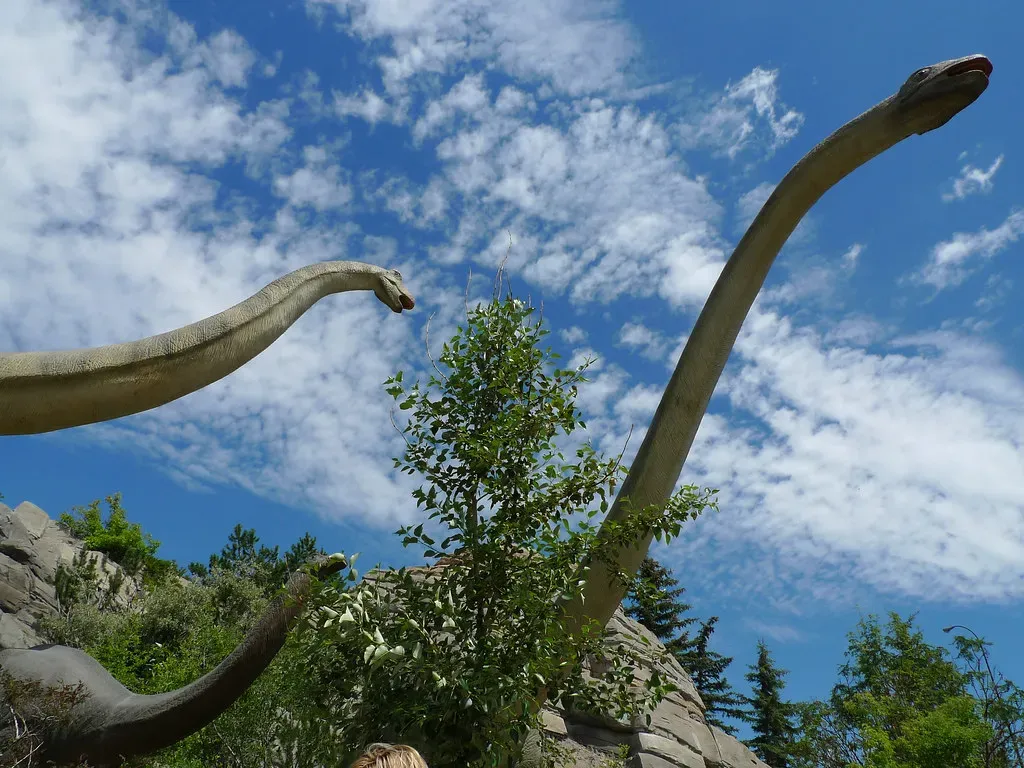
Whereas in popular culture sauropods are often depicted as failures in evolution, the opposite is true – no other herbivore in land animal history was equally successful by any measure, existing for a minimum of 135 million years from the beginning of the Jurassic to the end of the Cretaceous. Let that sink in for a moment. These animals ruled terrestrial ecosystems longer than any other group.
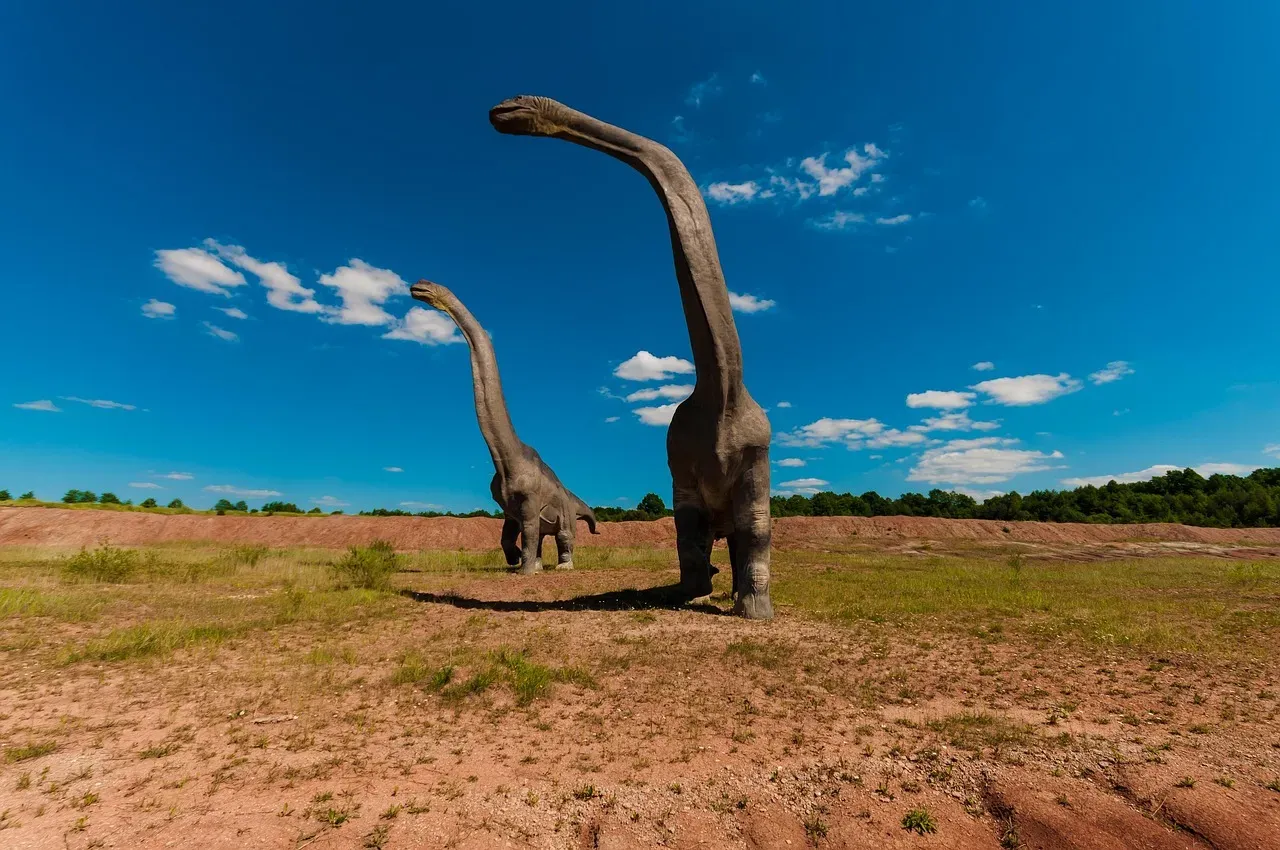
Sauropods had very long necks, long tails, small heads relative to their body, and four thick, pillar-like legs, and they are notable for the enormous sizes attained by some species, including the largest animals to have ever lived on land. Giant body size evolved independently in virtually all lineages of sauropods, with the 20-ton barrier being broken by some of the earliest sauropods. These weren’t evolutionary flukes – gigantism was the rule, not the exception.
Ecosystem Engineers: How Mega-Herbivores Transformed Landscapes
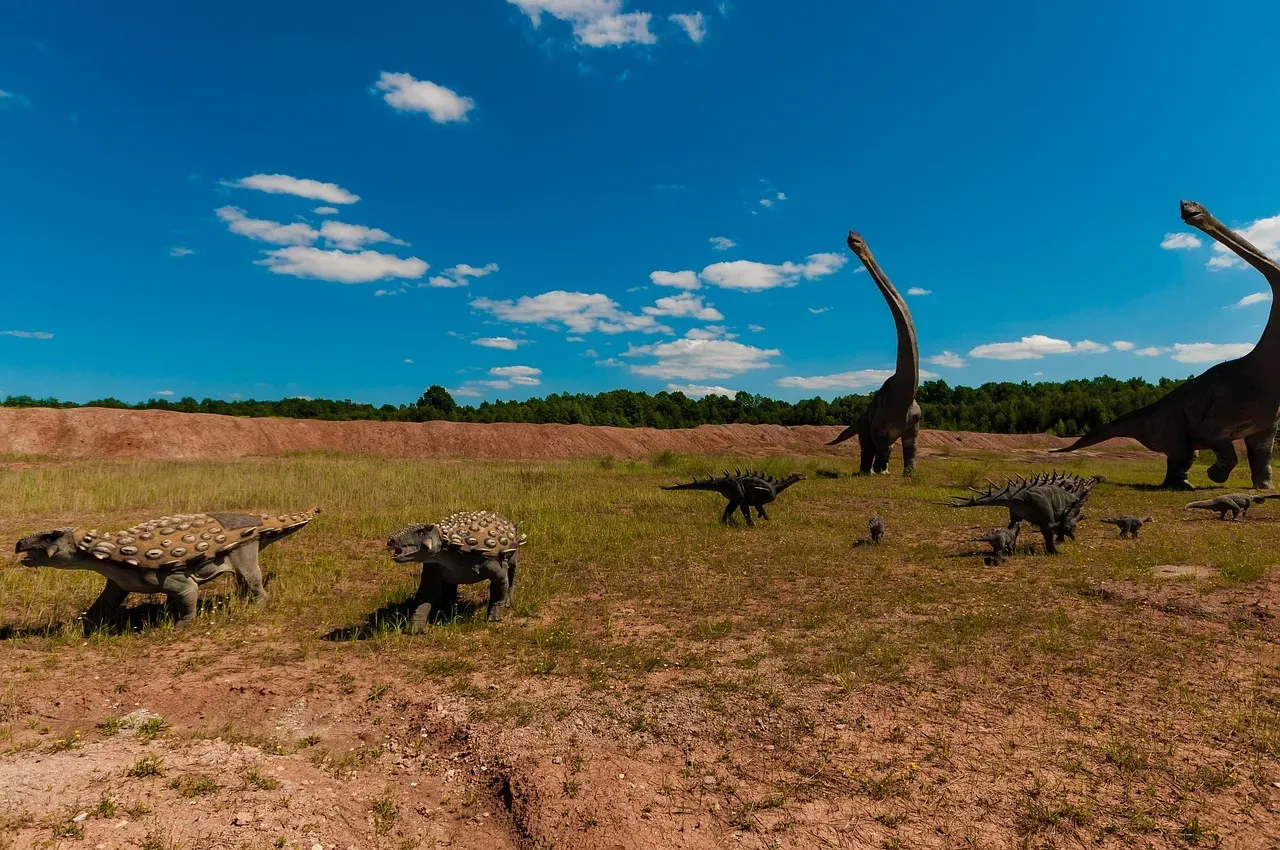
Sauropods played a starring role in the dinosaur ecosystem, acting as ecosystem engineers, and these massive dinosaurs are the largest creatures to ever walk on land. Their impact extended far beyond simply eating vegetation. Sauropods had a dramatic impact on their ecosystem, allowing us to measure and quantify the role they had for the first time, and reconstructing food webs helps compare dinosaur ecosystems across different periods.
Megafauna species have considerable effects on their local environment, including the suppression of woody vegetation growth and a consequent reduction in wildfire frequency, and they play a role in regulating and stabilizing the abundance of smaller animals. These giants literally sculpted entire landscapes. They prevented forests from becoming too dense, created habitat mosaics, and maintained vegetation openness that benefited countless other species.
Coevolution: The Evolutionary Arms Race Between Plants and Giants
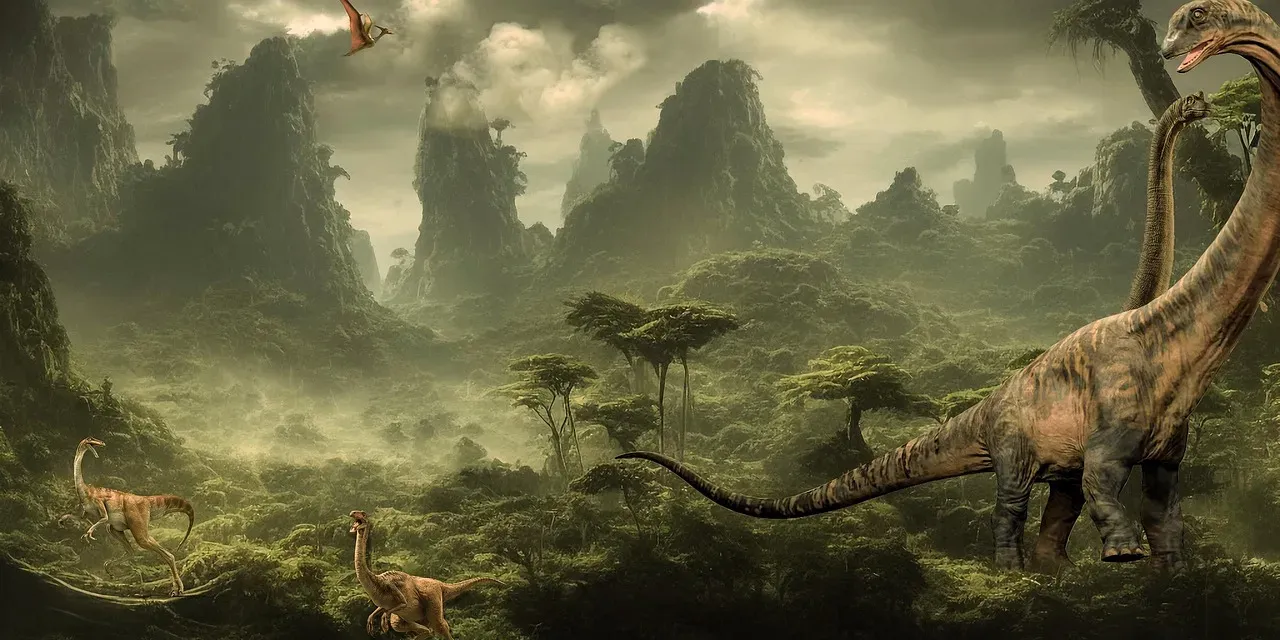
Evolutionary anachronism refers to attributes of native plant species – primarily fruit, but also thorns – that seemed best explained as having been favorably selected due to their coevolution with plant-eating megafauna that are now extinct. Even today, certain fruits and defensive structures only make sense when you realize they evolved in response to animals that disappeared thousands of years ago.
Large mammal herbivores are important drivers of plant evolution and vegetation patterns, but the extent to which plant trait and ecosystem geography currently reflect the historical distribution of extinct megafauna is unknown. The relationship was reciprocal – as herbivores evolved better ways to eat plants, plants evolved better defenses. Plant communities that once interacted with extinct large herbivores still contain many species with obsolete defences against browsing and non-functional adaptations for seed dispersal, and such plants may be in decline.
The Great Emptying: When the Giants Disappeared
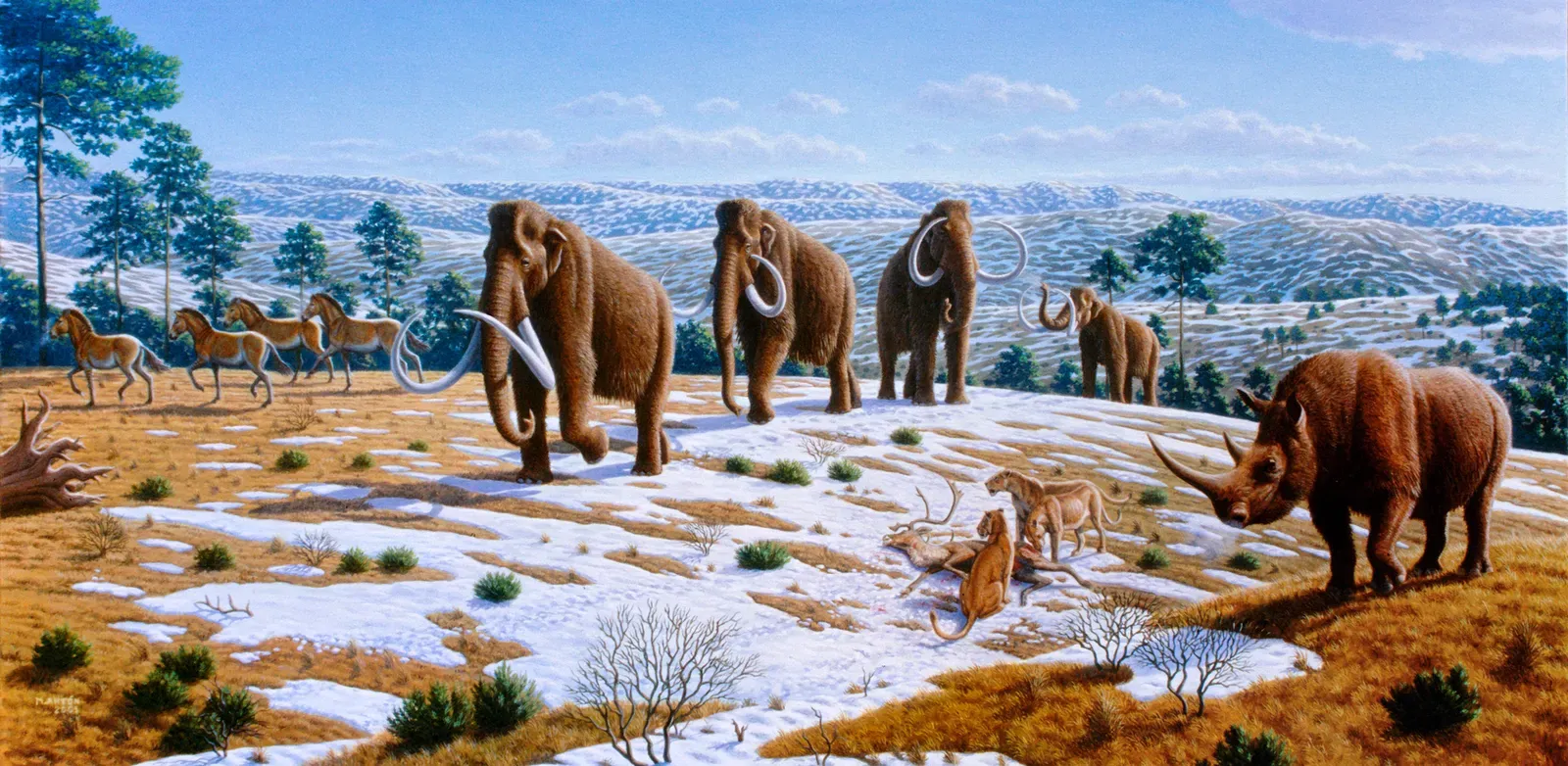
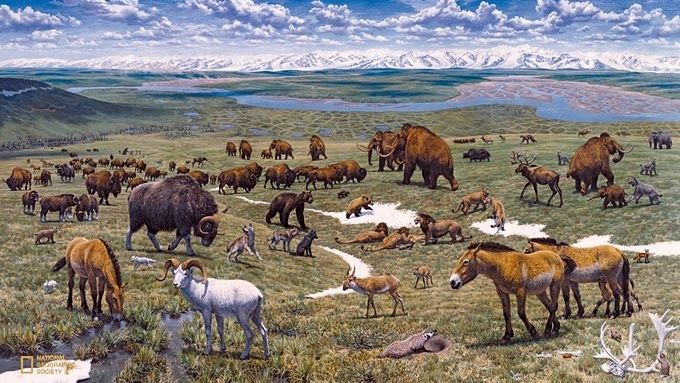
From about 80,000 years ago to the end of the Pleistocene, many large herbivores went extinct, including animals such as woolly mammoths, mastodons, and giant ground sloths. As part of the Late Pleistocene megafauna extinctions, 80% of megaherbivore species became extinct, with megaherbivores becoming entirely extinct in Europe, Australia and the Americas.
The consequences were staggering. The prehistoric declines of large-bodied herbivores led to widespread ecosystem changes, including reduced nutrient cycling and dispersal, reduced primary productivity, increased wildfire frequency and intensity, and altered vegetation structure. The extinction of large herbivores such as woolly mammoths likely substantially altered landscapes across the world, and those herbivores, which fed on sprouting trees and shrubs, played a key role in maintaining open landscapes – once they disappeared, dense woody vegetation became much more abundant. Entire biomes transformed within generations. Grasslands became forests. Fire regimes shifted dramatically. The world became fundamentally different in the absence of these ecosystem architects.
Conclusion: The Enduring Legacy of the First Giants
The story of Earth’s first mega-herbivores is ultimately about transformation. It was the first such occurrence, and it resulted in a colossal change in our terrestrial ecosystem. These animals didn’t just inhabit ecosystems – they fundamentally created them, establishing patterns that persisted for hundreds of millions of years.
Today, only nine species of terrestrial megaherbivores remain, all confined to Africa and Asia. We’re living in what scientists call an “ecologically impoverished” world, one where the absence of giants continues to reverberate through ecosystems in ways we’re only beginning to understand. Those enormous sauropods that once shook the ground with every step, those pioneering synapsids that first learned to digest plants – they left behind more than fossils. They left behind an evolutionary blueprint that shaped the very structure of life on land.
What would Earth look like if those giants still roamed? How different might your local ecosystem be with mega-herbivores maintaining it the way they did for millions of years? Perhaps understanding what we’ve lost is the first step toward appreciating what remains.