The ocean’s depths hold secrets that predate our most ancient understanding of Earth’s history. While thundered across continents for roughly 165 million years, some marine creatures were already ancient when these reptilian giants first emerged. These aquatic survivors have witnessed the rise and fall of entire ecosystems, enduring multiple mass extinctions that wiped out most life on Earth.
Imagine swimming through waters where jellyfish have drifted for 500 to 700 million years, where sharks have prowled for around 400 million years, and where mysterious crinoids have filtered nutrients from the same ocean currents for 500 million years. These aren’t just old species – they’re living time capsules that carry secrets from Earth’s most turbulent periods.
Jellyfish: The Ultimate Ancient Drifters
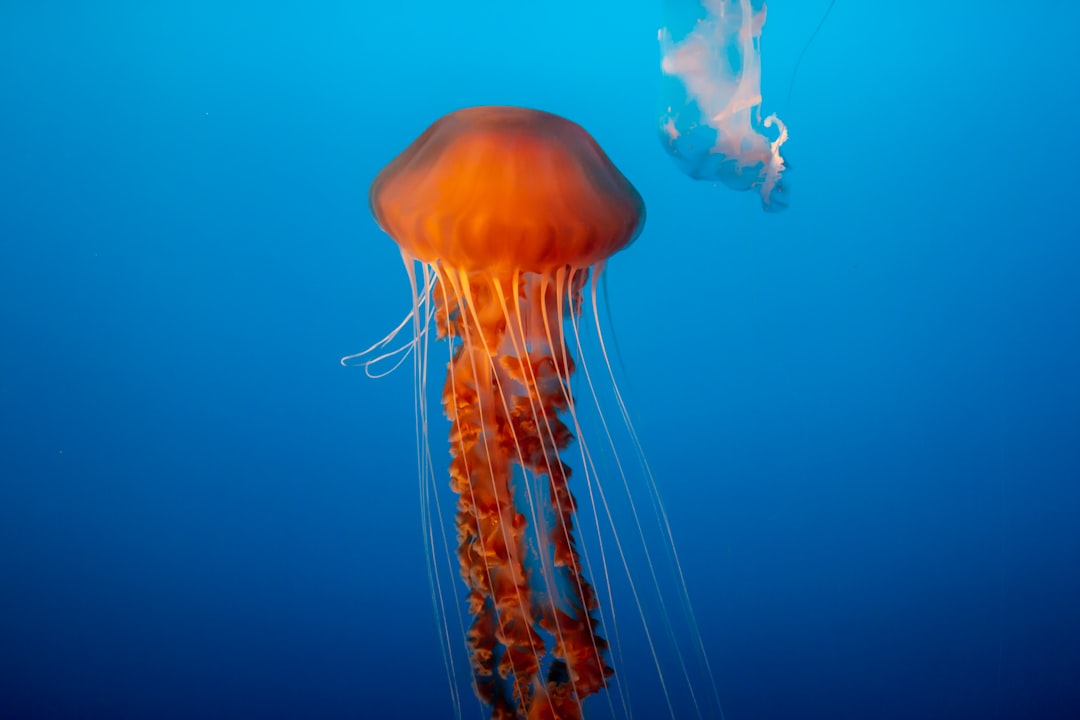
Jellyfish are perhaps the most ancient sea creatures, with a lineage dating back over 700 million years – long before dinosaurs ever walked the Earth. These mesmerizing creatures have mastered the art of survival through sheer simplicity. Sea jellies have a simple structure and lack almost everything that distinguishes plant from animal – including blood, a heart and a brain. They contain only a basic network of neurons that allow them to sense their environment.
What makes jellyfish true survivors isn’t their complexity, but their stunning adaptability. What sets sea jellies apart from the rest of the animals on this list is their high adaptability and predicted successful future. Because of their lack of complex features, things like temperature, salinity and acidity, which are causing the demise of so many ocean animals, are not a problem for sea jellies. In fact, as their predators decrease as a result of climate change, the jellyfish population is expected to boom – someday, these prehistoric creatures may rule the ocean as they did so long ago.
Sharks: Ocean Predators Since the Dawn of Fish
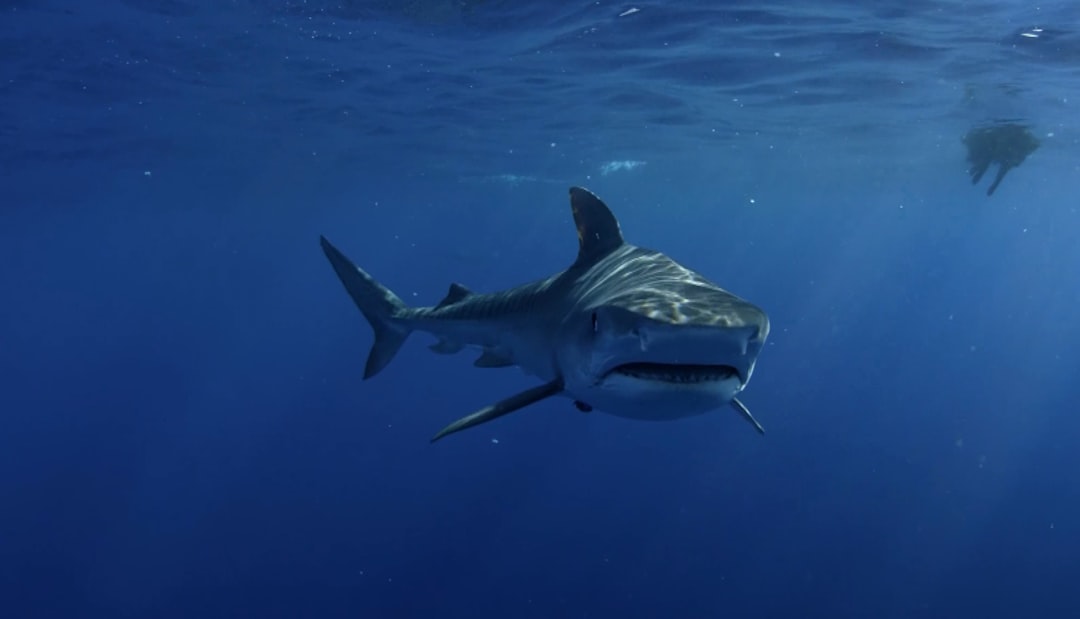
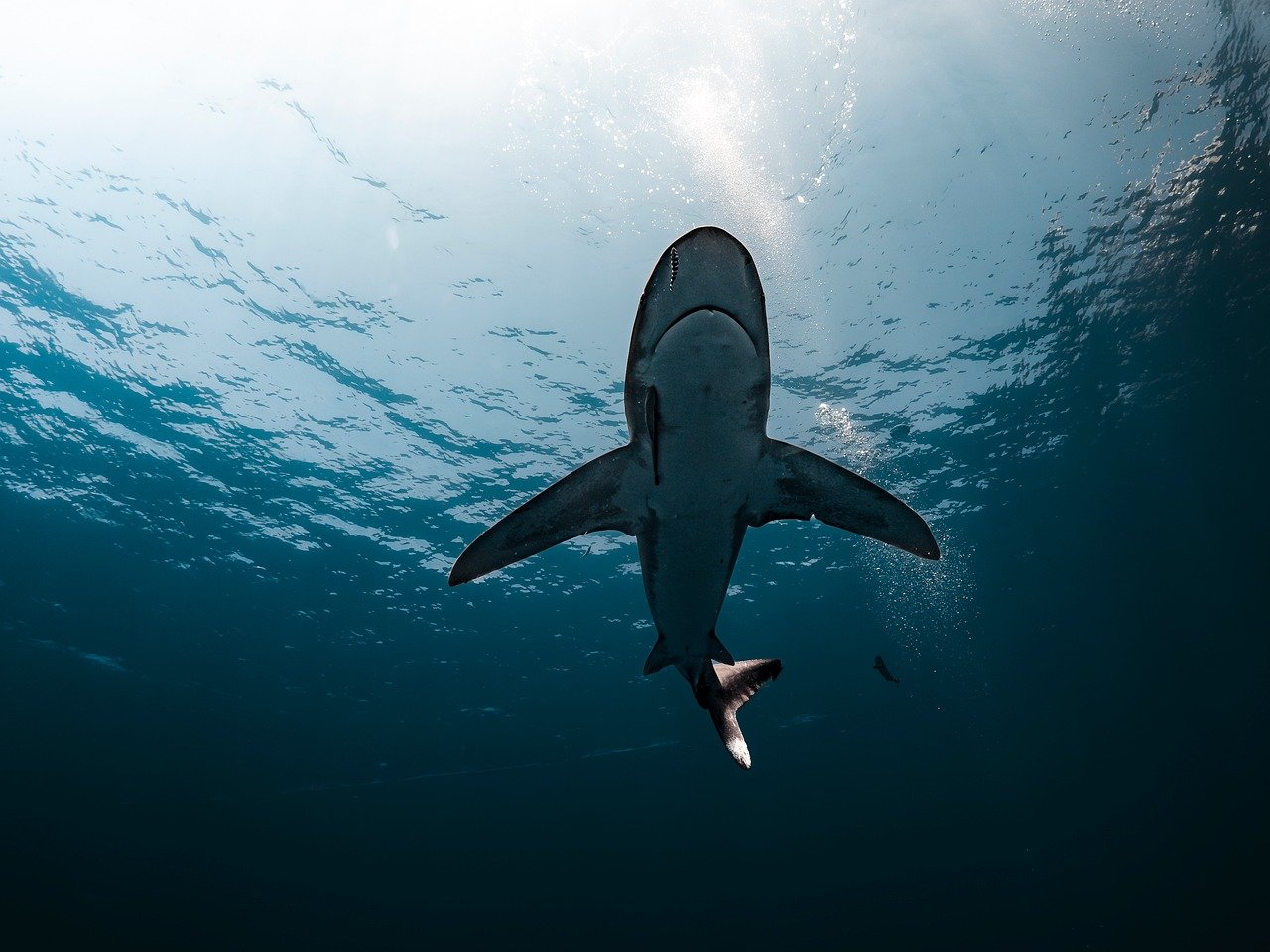
Sharks have existed for around 400 million years, appearing in the fossil record before trees and before the dinosaurs. They are the most impressive of the oldest living species – they have survived five mass extinctions! These apex predators had already perfected their hunting strategies long before any creature stepped onto dry land.
Despite their ancient lineage, sharks have continued to evolve and adapt, with modern species like the great white shark resembling their ancient ancestors in both form and function. Their ability to thrive in various marine environments speaks to their resilience and status as one of Earth’s oldest survivors. From tiny deep-sea species to massive whale sharks, these cartilaginous fish represent one of evolution’s most successful body plans.
Horseshoe Crabs: More Ancient Than Their Name Suggests
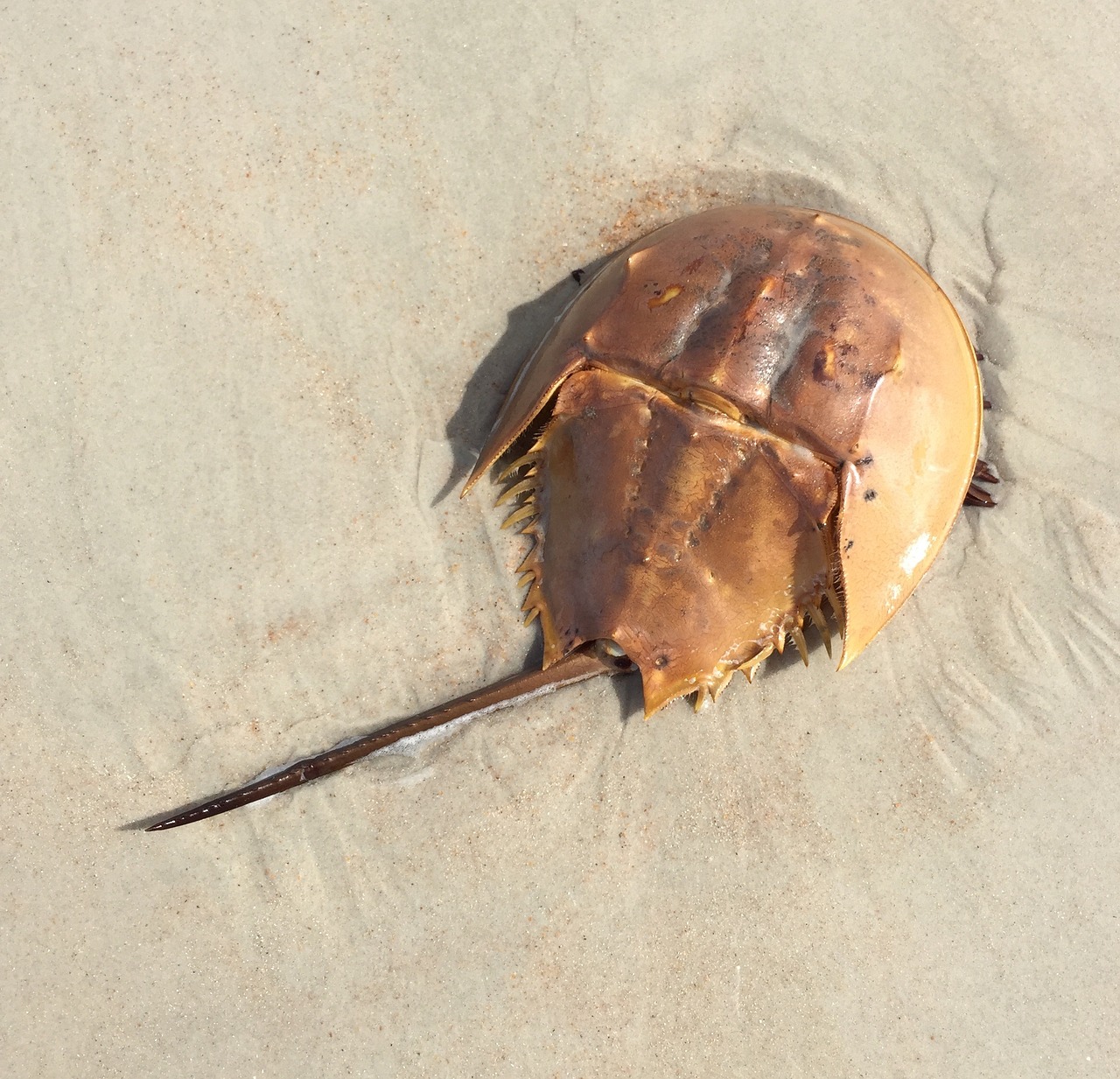
The horseshoe crab has not only but has also survived five mass extinctions. To them, not much has changed in the past 450 million years. Surprisingly, these creatures aren’t actually crabs at all. Found along the eastern coast of North America and in Southeast Asia, these creatures are more closely related to spiders and scorpions than to true crabs.
They play a crucial role in the ecosystem, and their blue blood is used in the medical field to test for bacterial contamination in vaccines and medical equipment. Yet despite their incredible resilience through deep time, horseshoe crabs are facing extinction for the first time in their existence. Scientists believe that this is a result of climate change, habitat loss, and human harvesting.
Coelacanths: The Fish That Time Almost Forgot
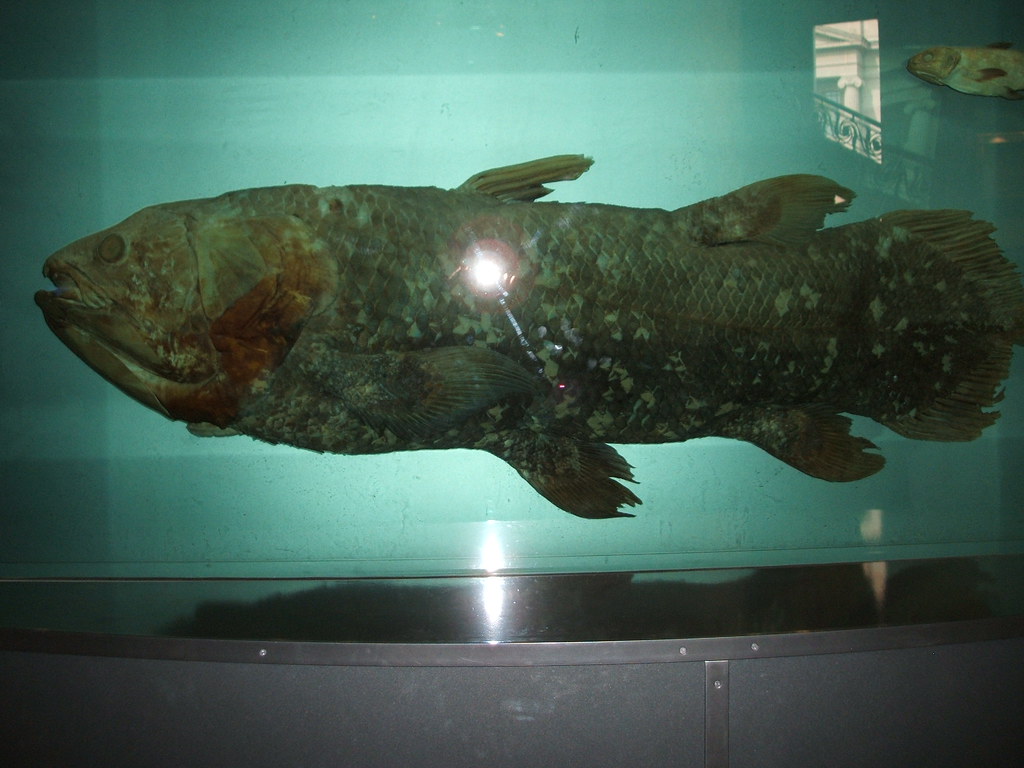
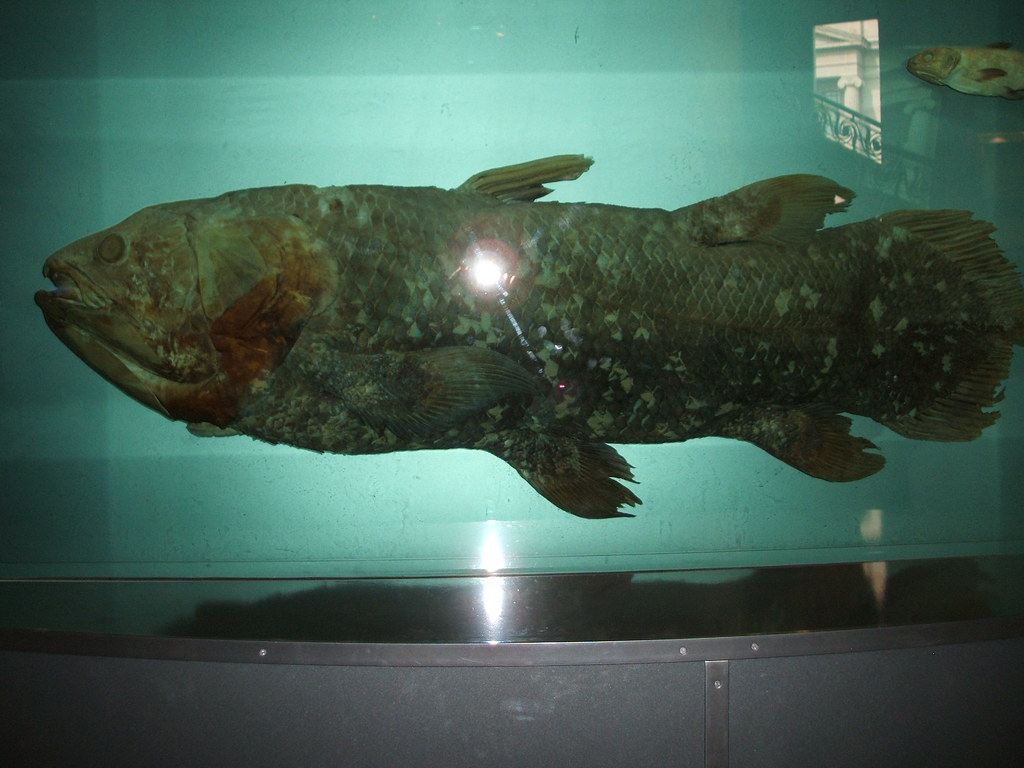
Coelacanth are a fish that scientists ruled to have gone extinct with the dinosaurs around 65 million years ago… only for it to be rediscovered in 1938! That means that these enormous fish have been around for around 400 million years. This dramatic rediscovery stands as one of biology’s greatest surprises.
Thought to be extinct since the days of the dinosaurs, the coelacanth’s rediscovery in 1938 reshaped our understanding of ancient fish, with its distinctive lobe-finned structure and ability to thrive in deep waters. These massive fish, some reaching six feet in length, represent a crucial link in understanding how fish eventually evolved limbs and moved onto land. Their fleshy, lobed fins contain bone structures remarkably similar to the limbs of early terrestrial vertebrates.
Nautiluses: Living Submarines of the Ancient Seas

Beating out the horseshoe crab on the timeline, this second hard-shelled mollusk has been around for the last 500 million years – before Pangea was even fully formed! Nautiluses are known for their distinctive spiral shells, which are divided into chambers. They use jet propulsion to navigate the deep sea.
These fascinating cephalopods have spiral-shaped shells and are often referred to as “living fossils.” Their ability to navigate the ocean using jet propulsion, along with their natural buoyancy, makes them both survivors and exceptional adaptors to their environment. Despite their longevity, nautiluses have changed very little over time, maintaining the same essential body structure they had in the Paleozoic era. Unfortunately, Nautilus’ are also at risk of extinction due to being very beautiful to humans and very slow at reproducing and growing. In today’s oceans, there are only a handful left.
Crinoids: The Ocean’s Ancient Gardens
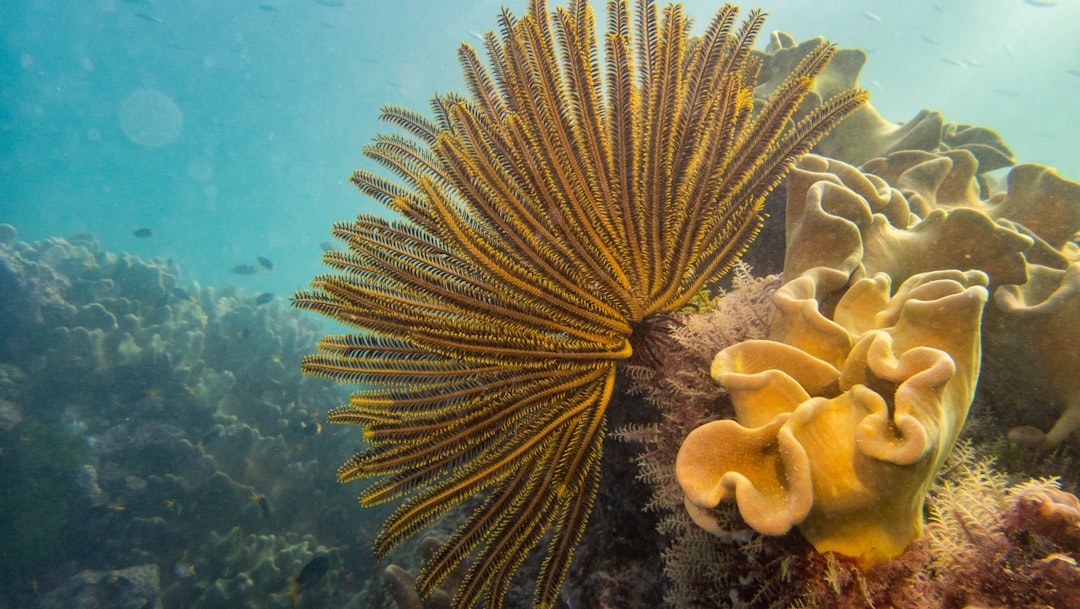
Crinoids, also known as feather stars, are some of the oldest animals living in the ocean today. They first appeared over 500 million years ago – long before the dinosaurs – and have changed very little since then. As a result, they are one of those rare examples of an organism considered to be a living fossil – a glimpse of what life was like in the ocean long before humans appeared.
These elegant creatures might look like underwater flowers, but they’re actually animals. Also known as sea lilies, Crinoids first appeared approximately 480 million years ago! Today, they inhabit much deeper ocean environments while their fossilised stems can be found in rocks across the globe. Their feathered ‘arms’ still play a vital role in the ocean ecosystem, filtering plankton from the ocean. The abundance of crinoid fossils has actually formed entire limestone beds, testament to their once-overwhelming presence in ancient shallow seas.
Sea Sponges: The Ocean’s First Apartment Buildings
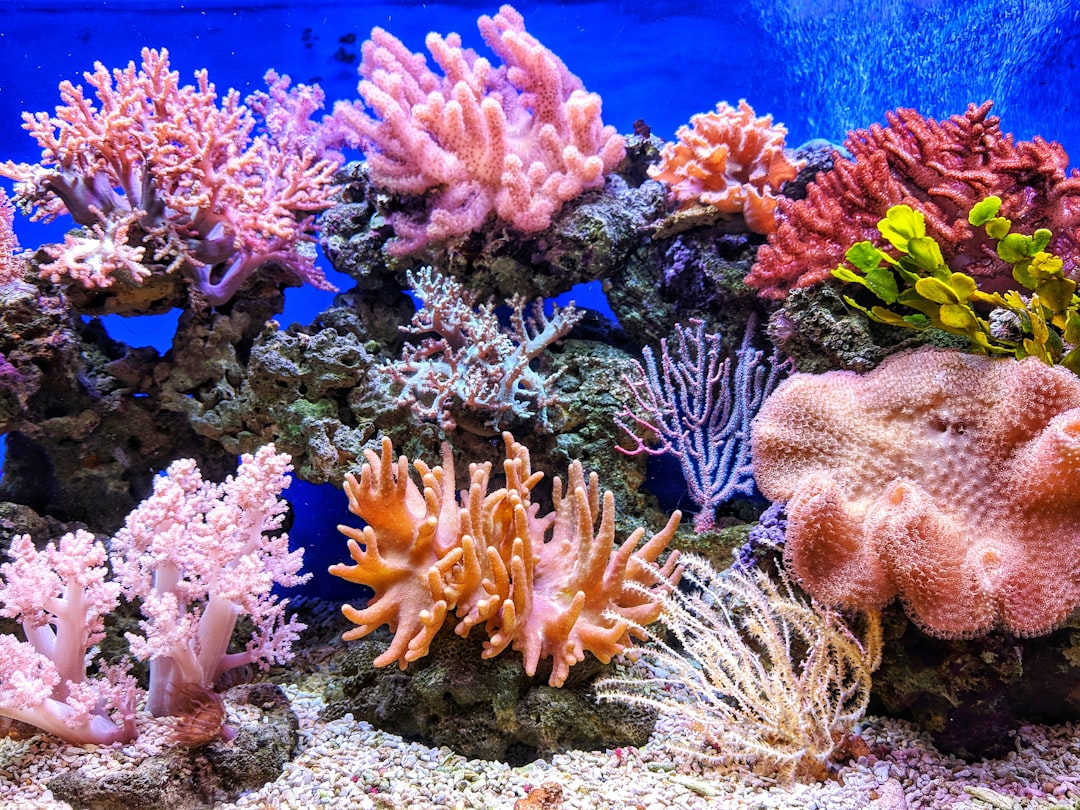
Sponges, belonging to the phylum Porifera, are among the oldest living species on Earth, with a lineage dating back more than 600 million years. These simple, multicellular organisms are found in a variety of marine environments, from shallow coastal waters to the deep sea. They represent some of the earliest experiments in multicellular life.
These simple creatures lack tissues and organs but are incredibly efficient filter feeders, extracting nutrients from the water around them. Sponges can be found in oceans worldwide, thriving in various habitats, from the deep sea to coral reefs. Despite their simple structure, sea sponges have remained largely unchanged for millions of years, proving the effectiveness of their evolutionary design. Their success lies in providing homes for countless other marine organisms while quietly filtering the ocean’s waters.
Hagfish: Ancient Slime Machines of the Deep
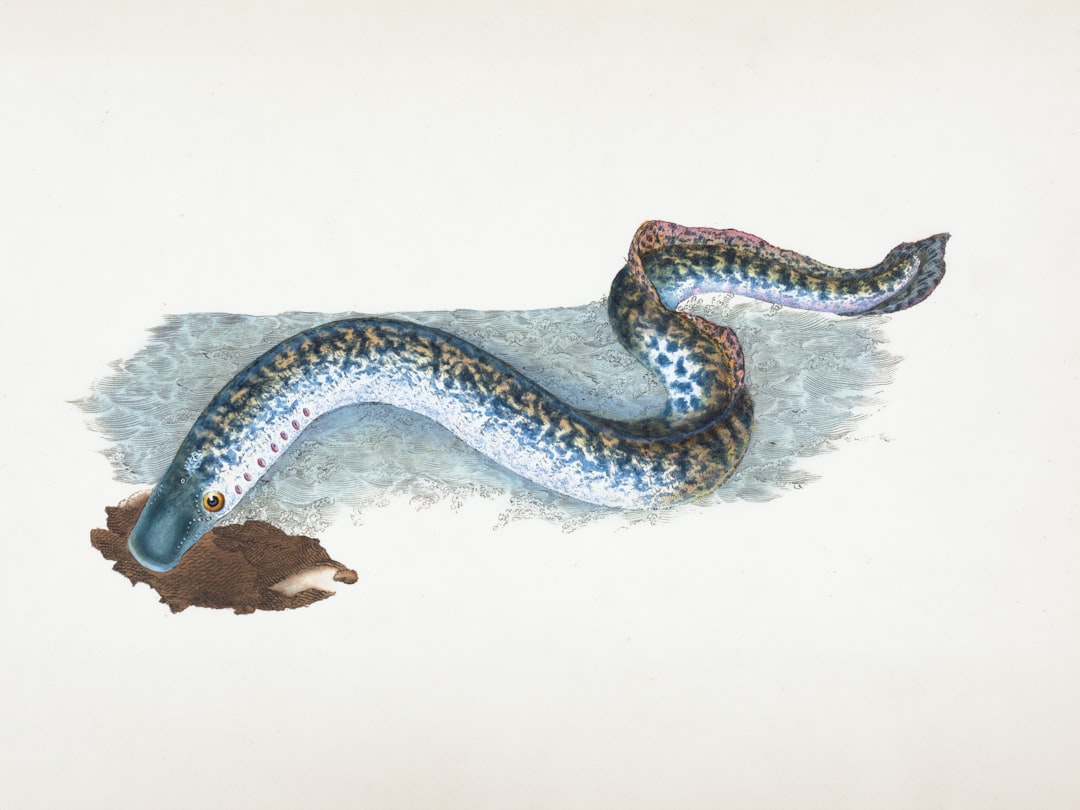
We find that crown hagfishes persisted through three mass extinctions after appearing in the Permian ~ 275 Ma, making them one of the oldest living vertebrate lineages. Dating back to 300 million years ago, Hagfish are one of the oldest living vertebrate relatives! These are eel-like creatures, living by clearing up decaying matter from deep seabeds and cleaning the surrounding ecosystem.
An interesting behaviour of the Hagfish is its production of extensive slime when threatened. These jawless vertebrates might seem primitive, but they’ve perfected their ecological niche as the ocean’s cleanup crew. Our results show that living hagfishes compose one of the oldest major vertebrate clades, with isolated species potentially representing up to 160 million years of unique evolutionary history.
Lampreys: Blood-Sucking Survivors
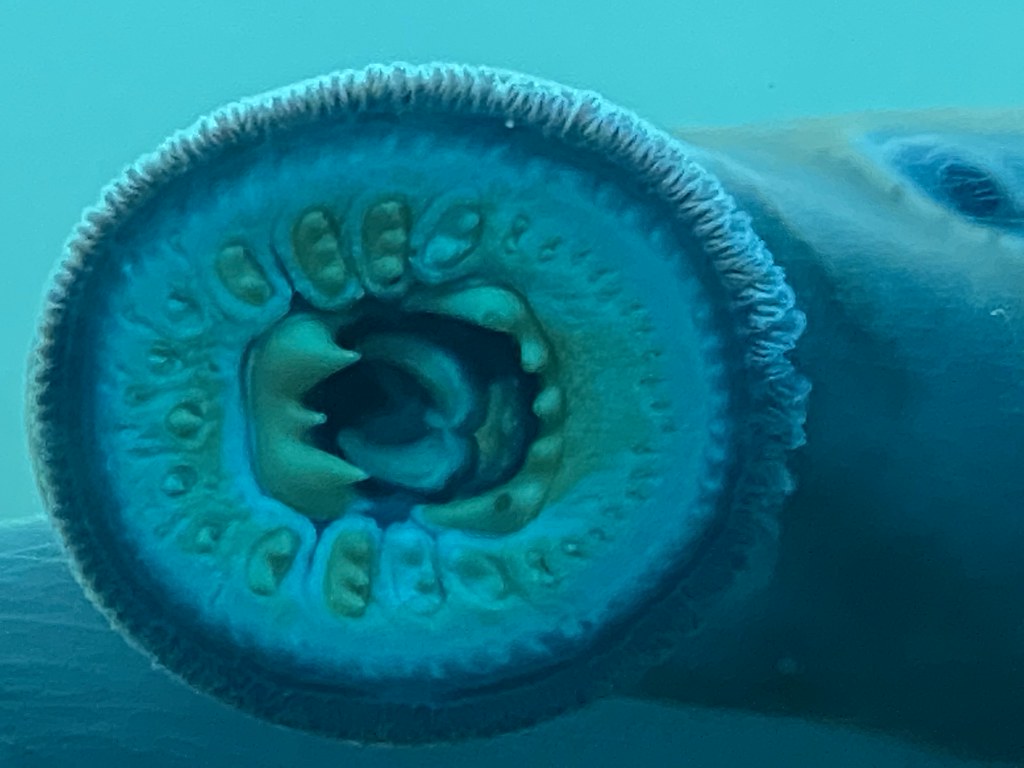
Another ancient fish with a snake-like body, the Lamprey has survived four major extinctions in their 360 million year existence. They are made completely of cartilage – no bones – similar to eels, and feed by sucking the blood of other creatures like leeches. These parasitic creatures have developed one of the most specialized feeding strategies in the animal kingdom.
To make matters even more fun, it’s the tongue of the Lamprey that does the damage and punctures its victim. If you want to find this creature, they live in the Atlantic Oceans and the Great Lakes. Despite their fearsome reputation, They were once a fond meal of English kings years ago, and are being studied by scientists to help improve how we heal spinal cord injuries. Their primitive nervous system offers unique insights into vertebrate evolution.
Sea Turtles: Ancient Mariners Still Swimming Strong
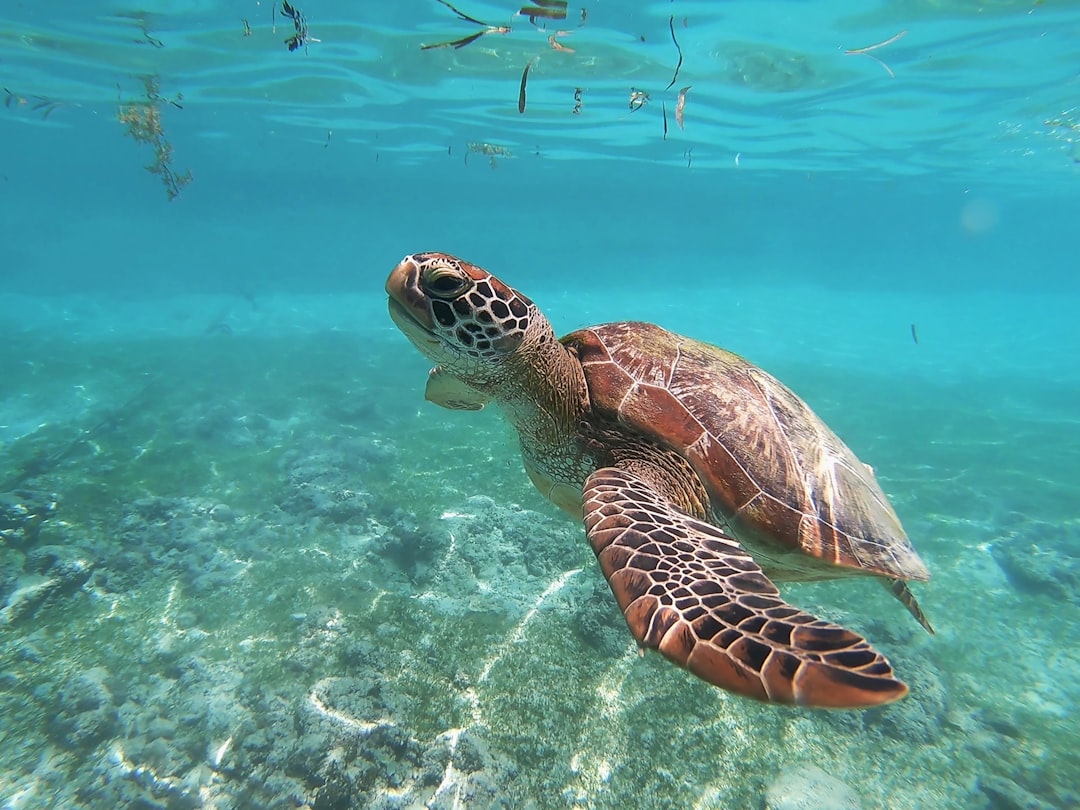
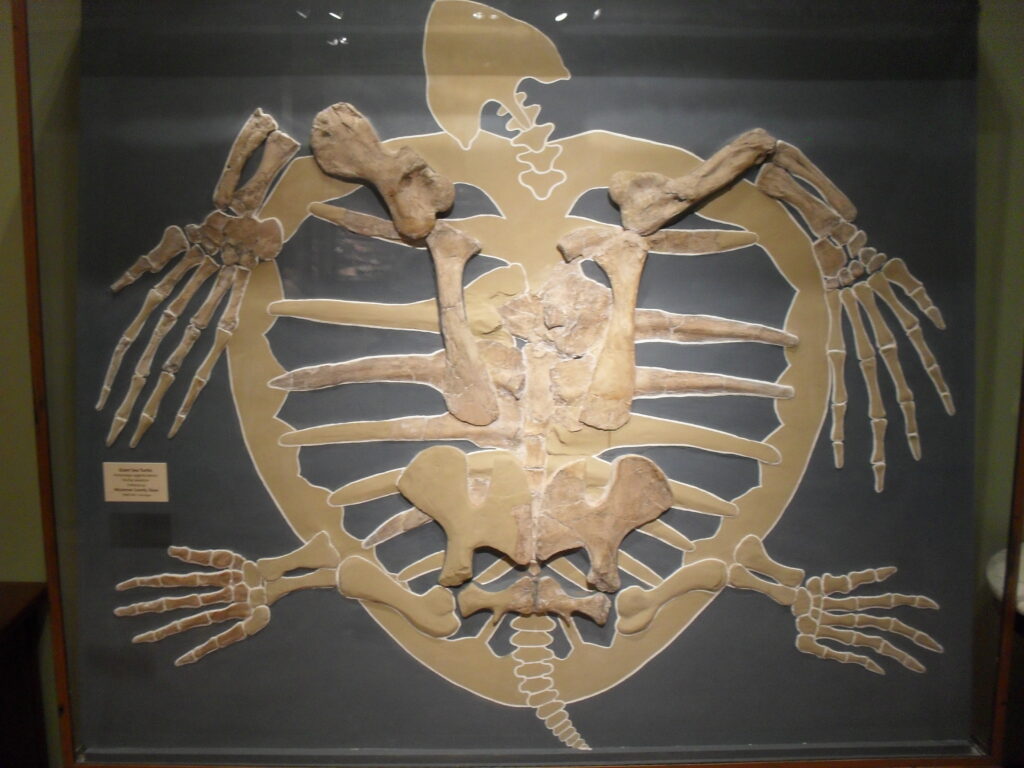
Having existed for around 110 to 120 million years, sea turtles are ancient survivors of evolutionary history. These ancient reptiles possess a hard shell that protects them from predators, and they have adapted to life in both saltwater and freshwater environments. Sea turtles are known for their long migrations and can live for several decades, making them a living testament to life after mass extinctions.
These marine reptiles have witnessed the rise and fall of countless species while maintaining their essential design. Green sea turtles are among the oldest living reptiles, with ancestors that date back over 110 million years. These ancient creatures have remained largely unchanged in their evolutionary development, maintaining the same basic features throughout their long history. Green sea turtles are also known for their impressive longevity, living up to 80 years in the wild. Their ability to navigate vast ocean distances using magnetic fields remains one of nature’s most remarkable navigation systems.
Living Through Earth’s Greatest Catastrophes
The animals on this list have seen and lived through mass extinctions, the dinosaurs, and Pangea while remaining relatively the same. So the next time you see one of them, make sure you give them a bit of respect. These creatures survived the Permian-Triassic extinction that killed 96 percent of all marine species, the asteroid impact that ended the dinosaurs, and countless smaller catastrophes.
What’s remarkable is how these survivors adapted to catastrophic environmental changes that would devastate most modern ecosystems. Because of their lack of complex features, things like temperature, salinity and acidity, which are causing the demise of so many ocean animals, are not a problem for sea jellies. In fact, warm temperatures and dead zones (areas of water with depleted oxygen) are places where sea jellies thrive; and because their natural predators (sea turtles, fish and sharks) struggle in these changing environments, their numbers will only continue to grow. Their success often came from being simple, flexible, and undemanding.
These ancient mariners of the deep continue to swim, crawl, and drift through our oceans, carrying within their genes the secrets of survival that span hundreds of millions of years. Yet ironically, many now face their greatest threat not from asteroid impacts or massive volcanic eruptions, but from human activities that are changing the ocean’s chemistry faster than these ancient survivors can adapt. What do you think about these incredible time travelers? Tell us in the comments.