Some dinosaurs have a better PR team than others. The same few species keep hogging the spotlight in movies, games, and merch, while far more fascinating creatures are left in the fossil dust. When you actually compare the science to the hype, a lot of our so‑called “star dinosaurs” start to look… well, a bit overbooked and oversold.
This list is not about hating dinosaurs; it is about calling out the gap between reputation and reality. Think of it like that band everyone says is life‑changing, but their live show is just fine. From misunderstood monsters to walking memes, here are the dinos that pop culture keeps putting on a pedestal – and why they might not deserve quite so much of the spotlight.
Tyrannosaurus rex: The Drama Queen of Movie Monsters
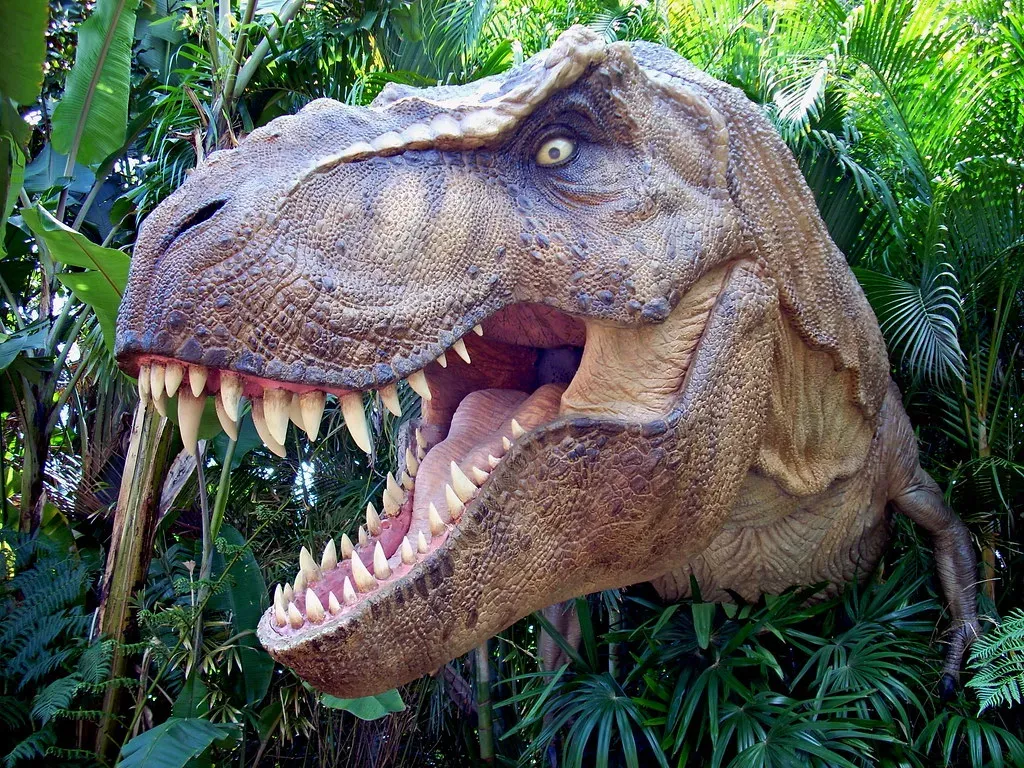
T. rex is the Beyoncé of dinosaurs: iconic, everywhere, and constantly framed as the ultimate apex predator. In films, it is always sprinting at highway speeds, outsmarting humans, and roaring like a dragon with a sound system. The truth is still impressive, but less cartoonish: this animal was large, powerful, and terrifying up close, but not a supernatural engine of chaos.
Evidence from its skull, teeth, and leg bones suggests T. rex was a strong biter and a capable walker, but not a cheetah in scaly form. Its vision was probably good, its sense of smell excellent, and it almost certainly scavenged sometimes instead of chasing everything that moved. The reality is a big, heavy, efficient predator, not a park‑chasing sprinter or psychic supervillain – still cool, just not the immortal boss fight pop culture insists on.
Velociraptor: Not Your Slinky Jurassic Ninja
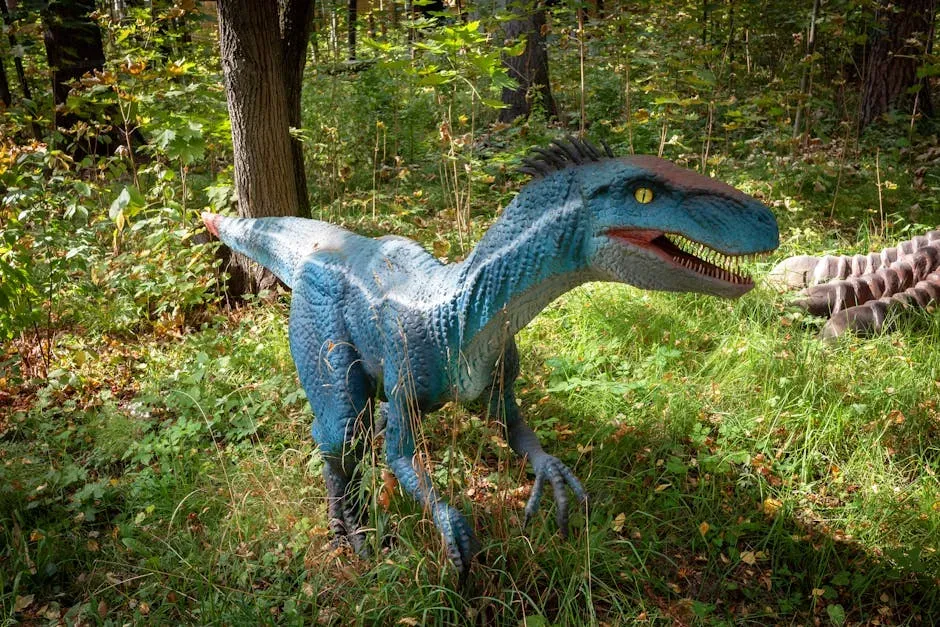
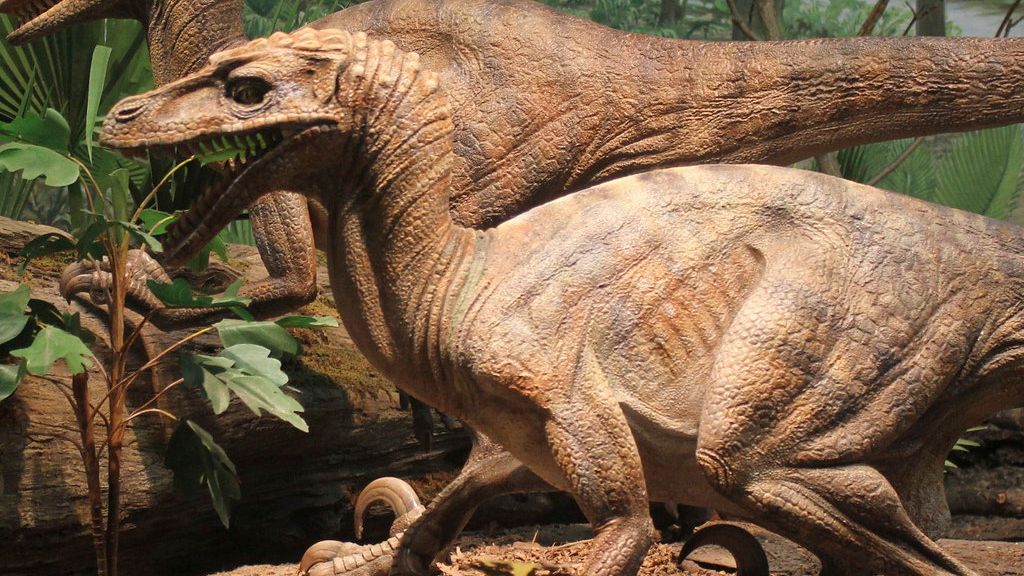
If you picture Velociraptor as a tall, scaly, door‑opening horror movie villain, you have Hollywood to thank. The real animal was closer to a turkey‑sized, feathered predator than a human‑sized assassin. In life, it would have been about knee‑high to an adult person, with feathers and a long stiff tail for balance, not a leathery, lizard‑skinned monster.
Its famous sickle claw and pack‑hunting image are also more complicated than movie scripts suggest. The claw likely helped pin or grip struggling prey rather than slice people open like a knife fight, and there is limited evidence that Velociraptor hunted in coordinated wolf‑style packs. What we actually have is a clever, agile, birdlike carnivore that pop culture keeps re‑casting as a stealth commando – a huge glow‑up from reality.
Triceratops: The Perpetual Underdog That Probably Wasn’t
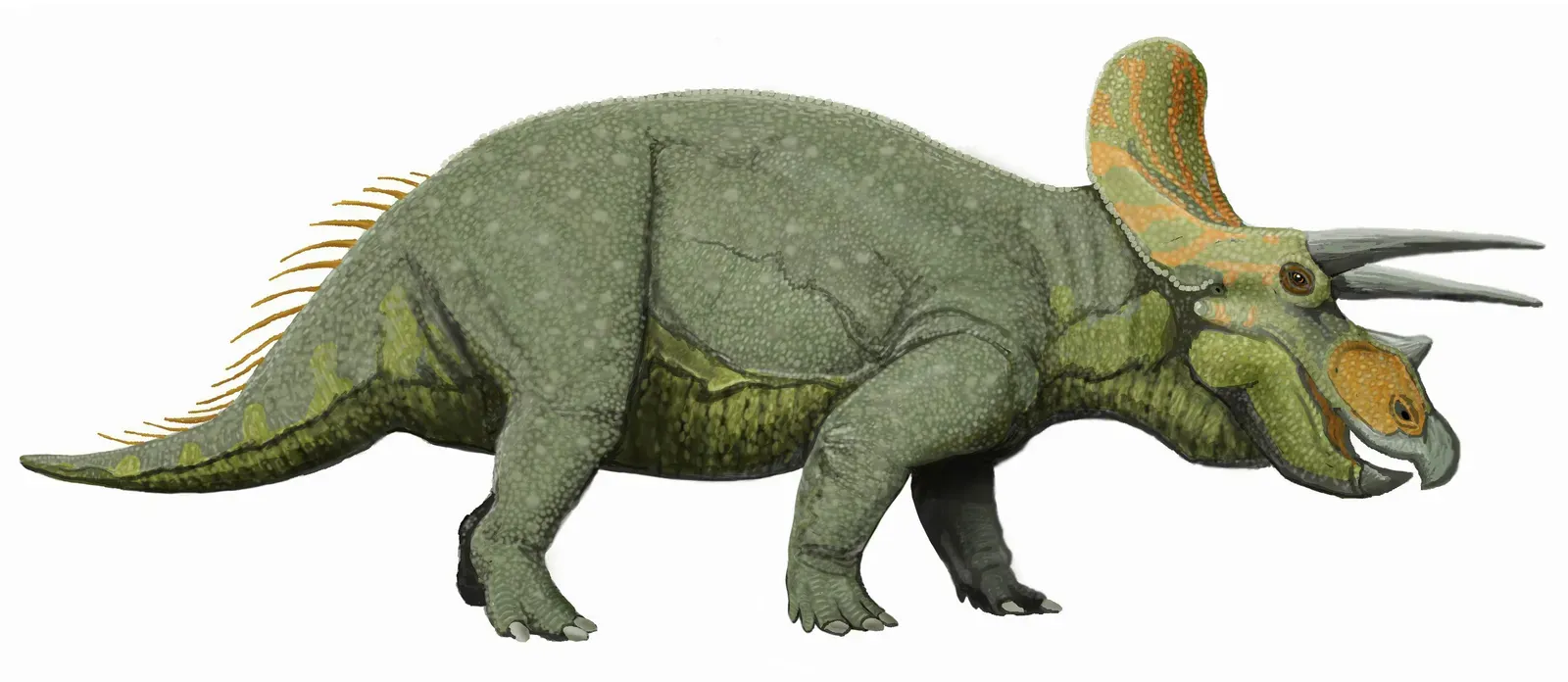
Triceratops is almost always framed as the tragic hero that exists only to get wrecked by T. rex. The three‑horned face, the massive frill, the sad death scenes – it is dinosaur cinema’s favorite victim. Yet, when you really look at its anatomy, this was less a helpless herbivore and more of a living tank with horns.
Its skull was enormous and heavily built, its neck shielded by a solid frill, and its horns were positioned to deliver serious damage. Fossils show injuries and healed wounds that suggest horn‑to‑horn combat with its own species and likely brutal confrontations with predators. The popular image of Triceratops as a background prop for the “real star” carnivores seriously undersells how dangerous it probably was to anything foolish enough to attack it head‑on.
Brachiosaurus: The Gentle Giant That Might Not Have Been So Chill
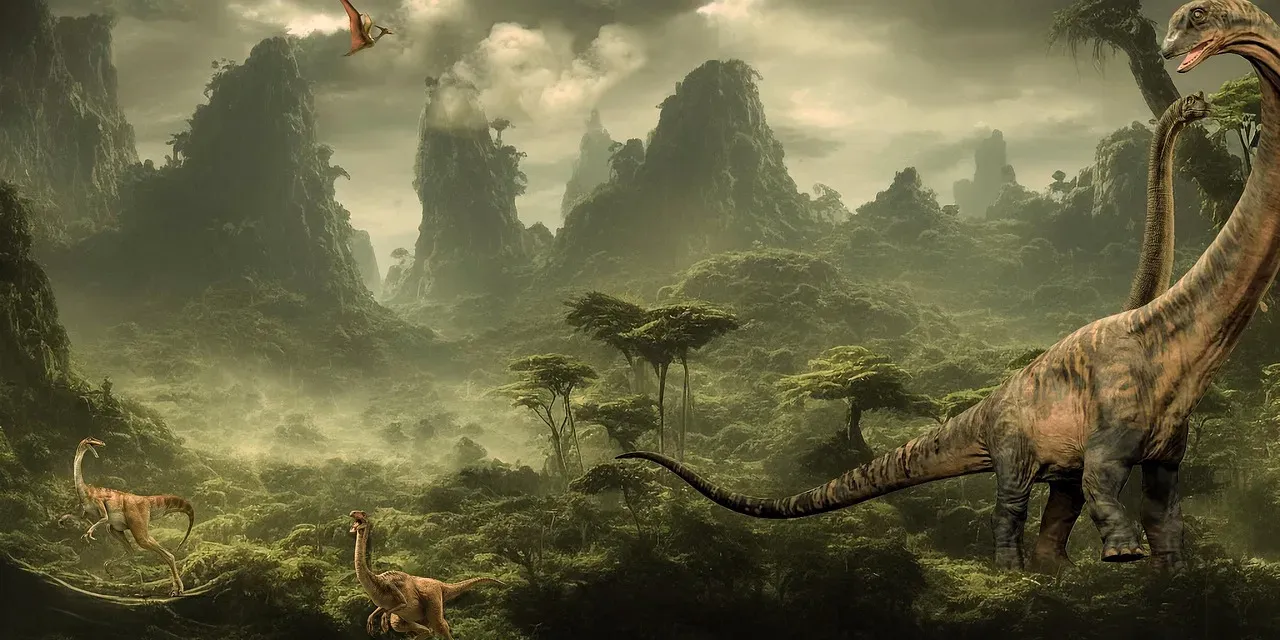
Popular media loves Brachiosaurus as the quiet, awe‑inspiring giant peacefully nibbling from treetops while music swells in the background. It is portrayed almost like a moving landscape feature, a big soft backdrop for human characters to react to. Scientifically, though, there is a lot more going on than “very tall vegetarian that just vibes.”
This sauropod carried a massive body supported by thick column‑like legs, and moving that much mass required serious cardiovascular and muscular engineering. Its size alone would have been intimidating, and even a small tail swing or misstep could have been deadly to anything nearby. While it likely was not a deliberate attacker, the idea that such a colossal animal existed only as a gentle set piece underplays the harsh physical reality of sharing an ecosystem with something that big and potentially destructive without even trying.
Stegosaurus: Iconic Plates, Oversimplified Brain
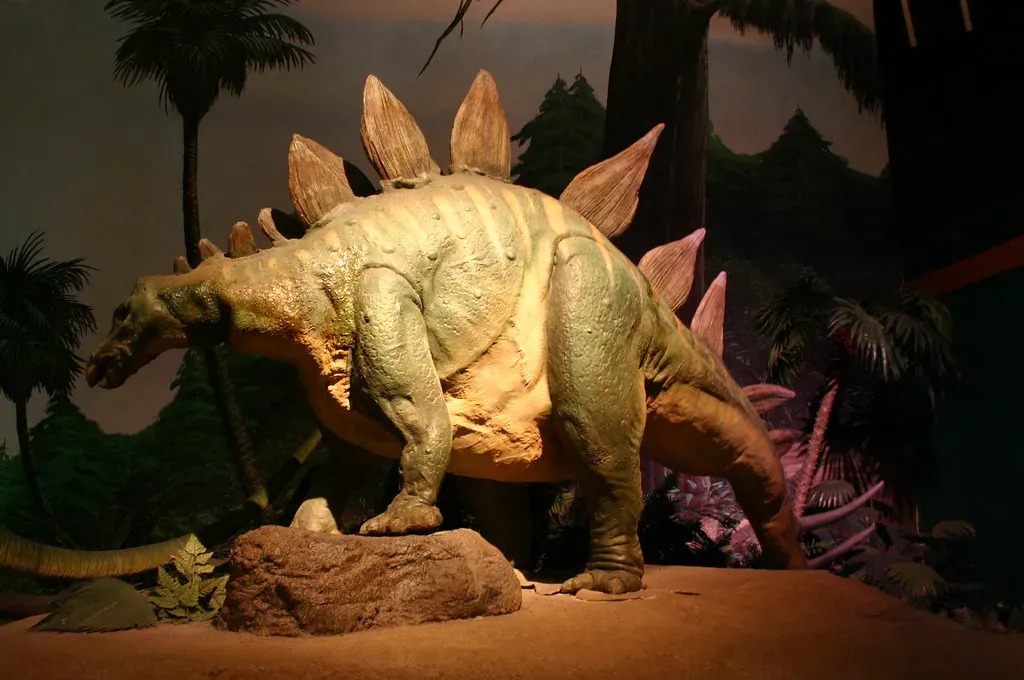
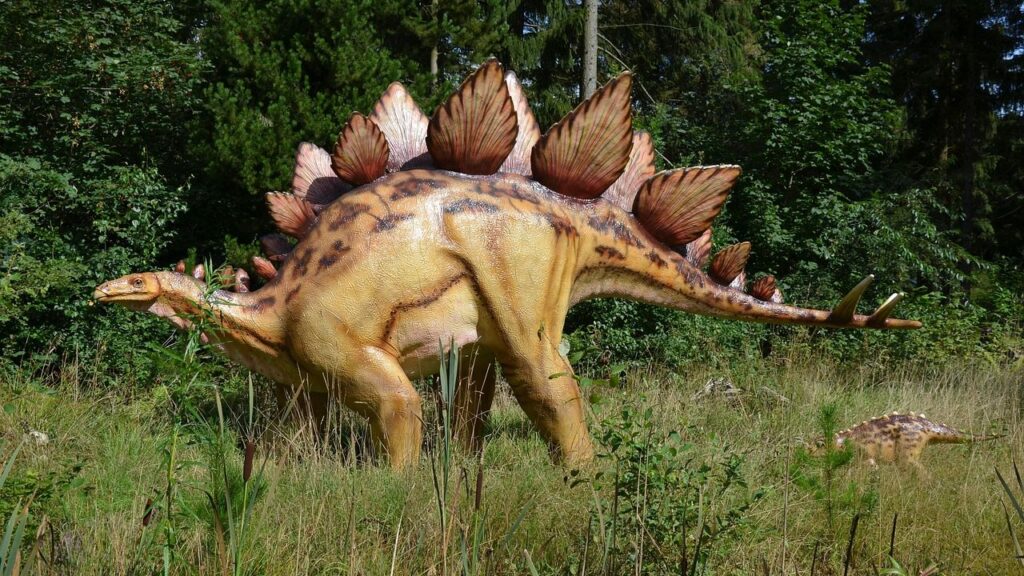
Stegosaurus might be the poster child for “cool silhouette, shallow story.” The double row of plates and the spiked tail show up everywhere from kids’ toys to logos, usually with a running joke about it having a tiny brain. That “dumb dinosaur” narrative is not only oversimplified; it basically ignores how brains scale with body size across animals in general.
While Stegosaurus probably was not writing poetry, its nervous system was likely just fine for what it needed to do: find plants, avoid or defend against predators, and navigate its environment. Its tail spikes, sometimes nicknamed the “thagomizer,” were serious weapons, and there is fossil evidence that they were actually used in defense. In making it a mascot for stupidity, pop culture strips away the fascinating question of how an animal with such a unique body plan lived, moved, and fought in the real world.
Ankylosaurus: The Walking Tank Turned One‑Note Meme
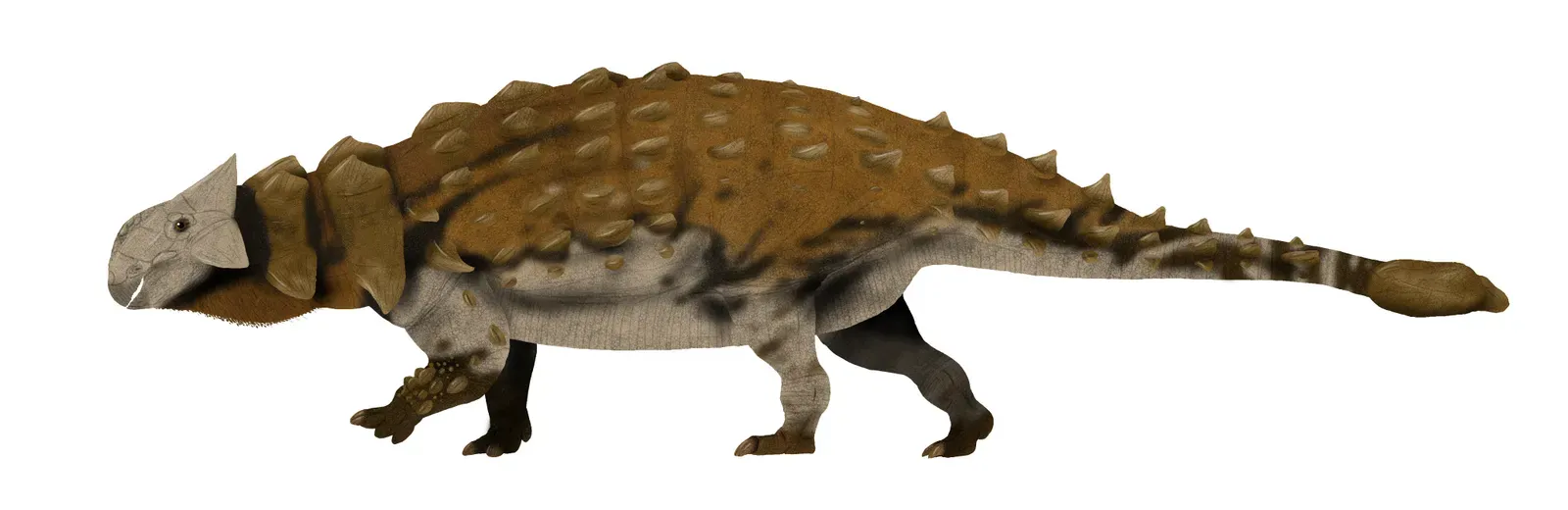
Ankylosaurus usually gets flattened into a single idea: it is the “tank” with a big tail club that smashes anything that annoys it. In games and movies, that is basically its entire job description. But evolution does not produce armored battering rams for fun; every piece of that body had a cost, a function, and a story.
The heavy osteoderms (bony armor plates) and the clubbed tail meant trade‑offs in speed, agility, and energy use. This animal likely relied on a mix of low profile, tough armor, and targeted defense rather than just wading into every fight. When we portray Ankylosaurus only as a mindless bruiser, we overlook the subtlety of its design – a plant‑eater that invested in defense so heavily that it shifted its entire lifestyle, not just its fight scenes.
Spinosaurus: The Shape‑Shifter That Pop Culture Keeps Getting Wrong
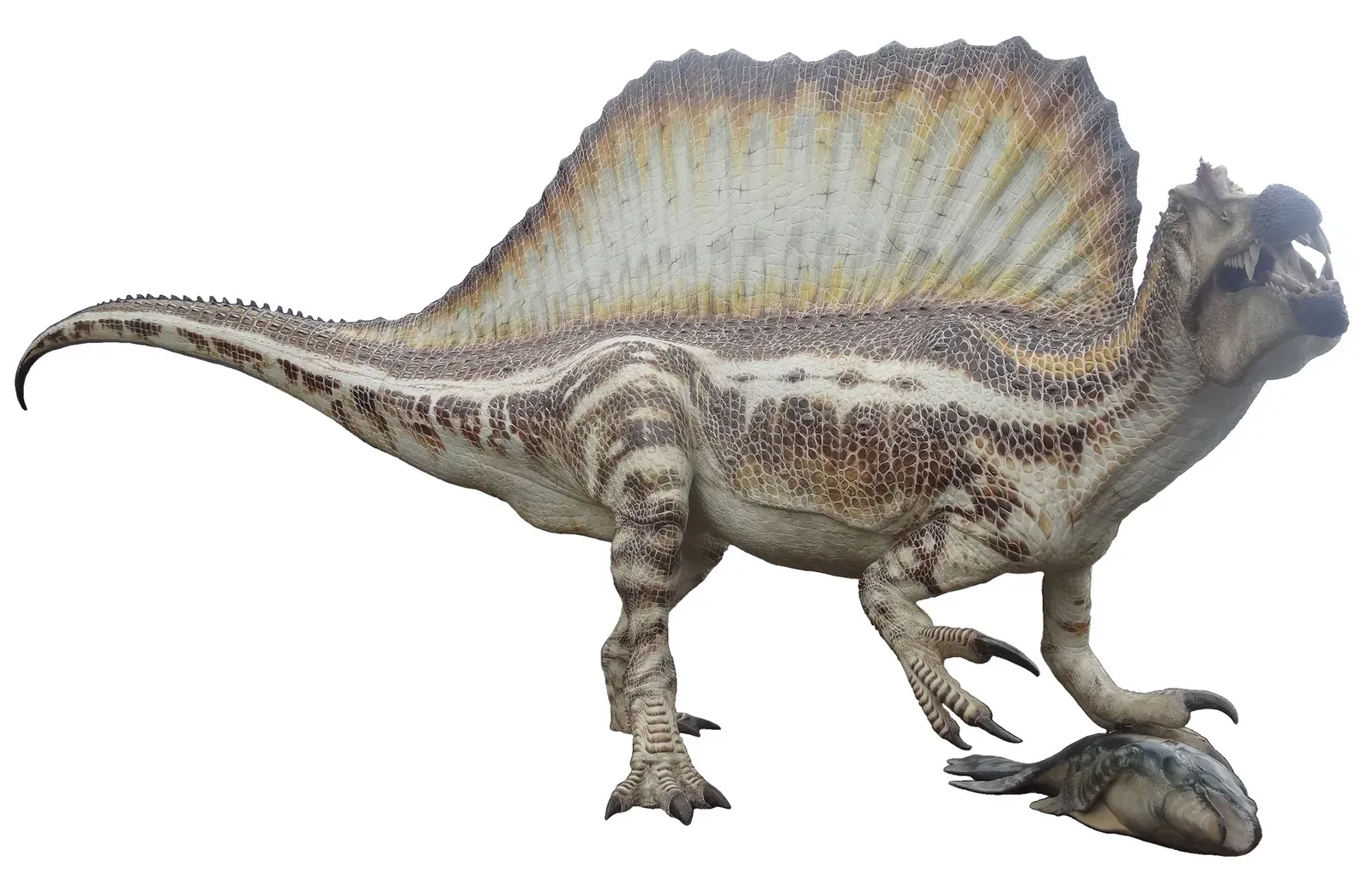
Spinosaurus might be the most dramatic example of a dinosaur whose pop culture image cannot keep up with the science. One decade it is a land‑stalking super predator beating T. rex in staged fights, the next it is being reinterpreted as a semi‑aquatic hunter spending a lot of time in the water. As new fossils have turned up, the animal has become stranger and less like the fantasy version on posters.
Its long narrow jaws and conical teeth look more like a fish specialist than a bone‑crushing land tyrant, and its limb proportions and sail suggest a lifestyle closely tied to rivers and lakes. The problem is that movies and games keep locking onto outdated or exaggerated designs, turning Spinosaurus into whatever villain or boss they need that year. The real animal is arguably more interesting – a gigantic, possibly semi‑aquatic predator – but as long as the fictional version keeps changing like a rebooted superhero, its pop image will stay more hype machine than honest reconstruction.
Pteranodon (And Its Flying Cousins): The “Dinosaur” That Wasn’t
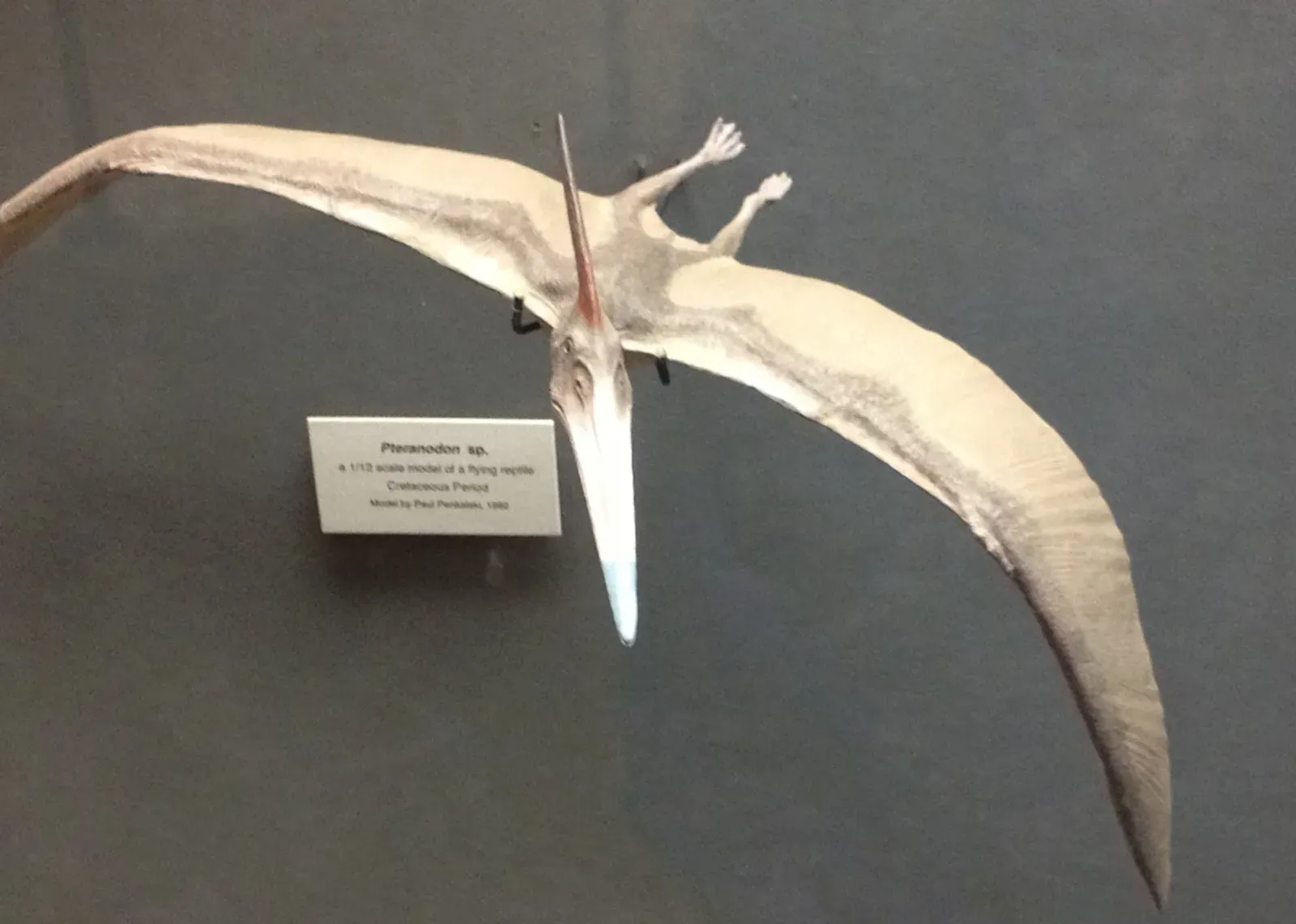
Flying reptiles like Pteranodon constantly get lumped in with dinosaurs in pop culture, even though they are a related but separate branch of the reptile family tree. They often show up as generic “flying dinosaurs,” swooping down to grab people, flap like birds, and scream across the sky. That shorthand blurs some genuinely fascinating differences between pterosaurs and true dinosaurs.
Pteranodon and its relatives had wings supported by an extraordinarily long fourth finger, lightweight skeletons, and often elaborate crests whose functions are still debated. Many likely soared on air currents like modern seabirds or vultures rather than constantly flapping in a frantic chase. By flattening these animals into background dragon‑like threats and shoving them into the dinosaur label, pop culture inflates their role as monsters while shrinking their identity as a unique, separate evolutionary experiment in flight.
Compsognathus: The Tiny Terror That Was Probably Just… Small
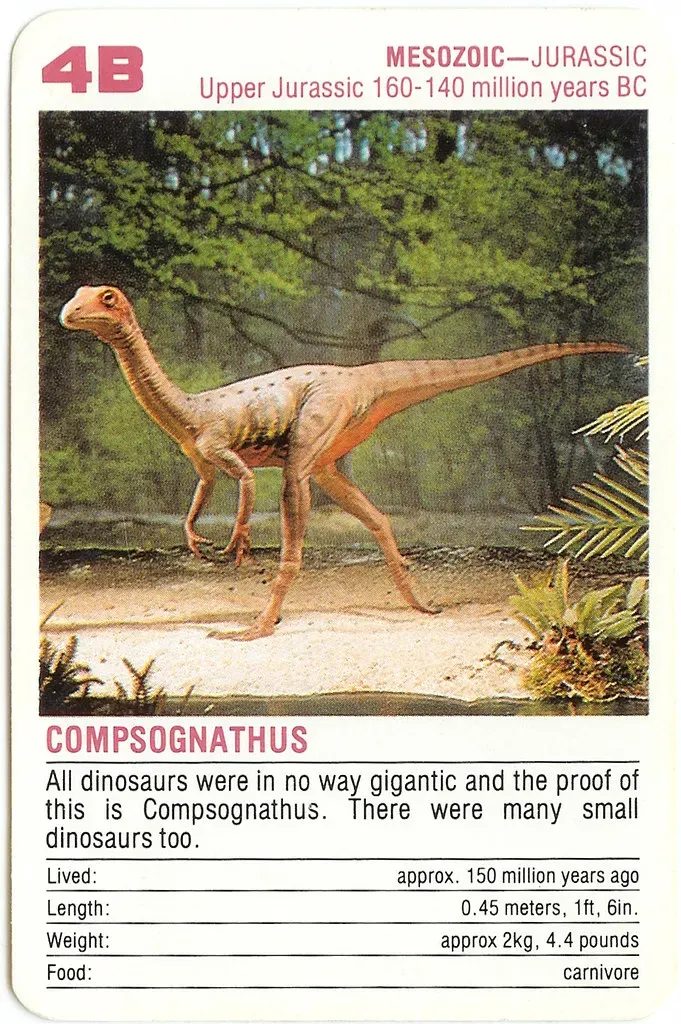
Compsognathus is often cast as the “swarm raptor,” a pack of pint‑sized carnivores that team up to devour unlucky humans. The real fossil record, however, suggests a small, lightly built predator that ate much smaller animals, like lizards. There is no strong evidence that it behaved like a coordinated, murderous cloud of piranhas with legs.
Part of the problem is that storytellers love contrast: small but deadly is a compelling hook. But turning Compsognathus into a horror trope distracts from how interesting small predators actually are in an ecosystem. They fill niches, control populations of tiny prey, and often evolve diverse shapes and behaviors. In the rush to make every dinosaur a direct threat to human‑sized characters, this little theropod gets upgraded from modest insect‑and‑lizard hunter to jump‑scare mascot, and that glow‑up just does not match the evidence.
Generic “Raptors”: The Catch‑All Dino Trope That Eats Everything
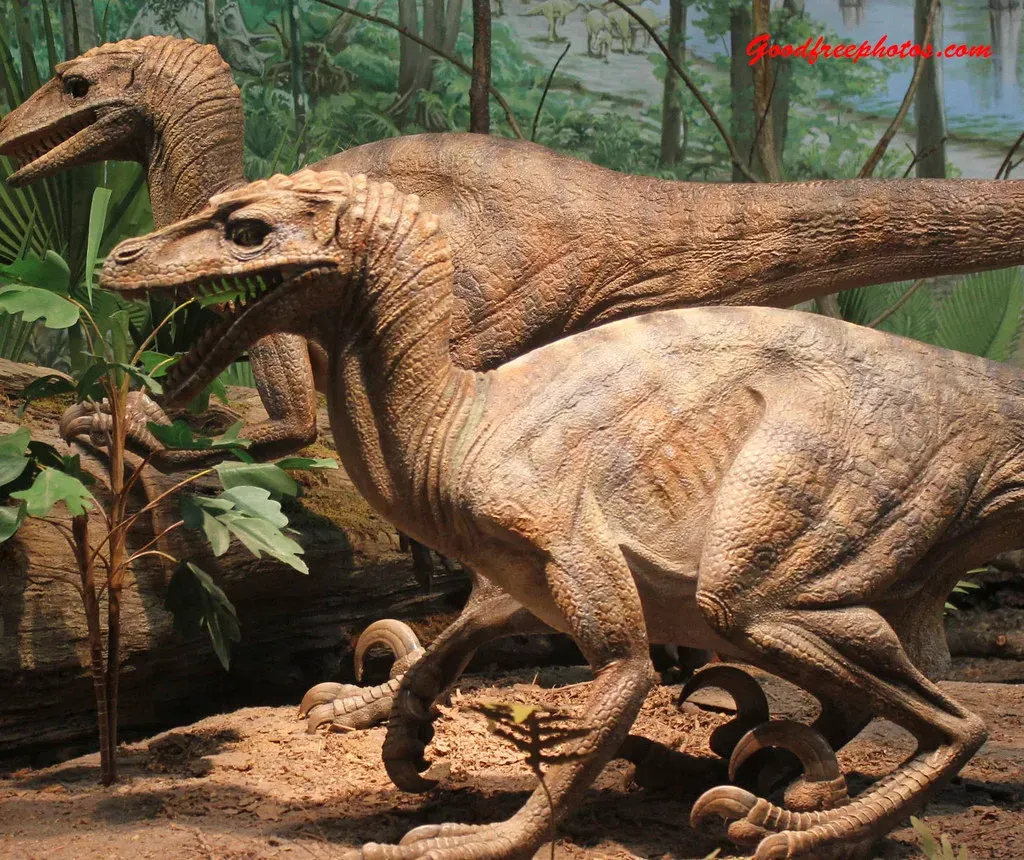
In modern media, “raptor” has become a lazy shorthand for any mid‑sized, fast, sharp‑clawed predator that fills a chasing‑the‑heroes role. Dromaeosaurs like Deinonychus, Utahraptor, and others all get blurred into one stock character: fast, hyper‑intelligent, permanently enraged. The result is a mess where real diversity in size, habitat, and behavior gets erased in favor of one familiar monster archetype.
Some of these animals were quite large, others smaller; some lived in forested environments, others in different settings; and many almost certainly carried full feather coverings rather than sleek lizard skin. Grouping them all under one scary nickname and giving them the same personality is convenient for storytelling but wildly inflates their shared image as the universal super‑predator. In reality, they were a varied bunch of bird‑like theropods, not a cloned army of identical horror‑movie villains.
Conclusion: Let the Underrated Dinosaurs Take the Stage for Once
Overrated does not mean unworthy; it means the story we tell is louder than the evidence we have. T. rex, Velociraptor, Triceratops, and the rest absolutely deserve a place in the spotlight, but not at the expense of accuracy or the countless other species that never get screen time. When the same overhyped characters dominate every poster and trailer, the dinosaur world starts to feel smaller and simpler than it really was.
I still love these “celebrity dinosaurs” – I grew up on the same movies you probably did – but the more I learn about the fossil record, the more I want fresh faces and better science in the mix. Imagine a blockbuster that treats feathered raptors like actual birds of prey, or a series that puts obscure but fascinating dinosaurs center stage instead of recycling the same five mascots. Maybe the real revolution in dinosaur fandom is not making them bigger, scarier, or louder, but letting the weird, less famous ones finally steal the show. Which overrated favorite would you bench so an underrated oddball can finally get its moment?