Picture this: you’re sitting on a park bench, tossing crumbs to a pigeon. Ordinary, right? Now consider that the creature pecking at your feet shares a direct family tree with some of the most fearsome predators that ever walked the Earth. That pigeon, that sparrow on your windowsill, the eagle soaring overhead – they are all, in the truest scientific sense, living dinosaurs.
Among the most revolutionary insights to emerge from over 200 years of research on dinosaurs is that the clade Dinosauria is represented by approximately 11,000 living species of birds. Although the origin of birds among dinosaurs has been reviewed extensively, recent years have witnessed tremendous progress in our understanding of the deep evolutionary origins of numerous distinctive avian anatomical systems. This isn’t some fringe theory. It’s one of the most compelling, best-documented evolutionary transitions in the entire history of life on this planet. So let’s dive in.
The Ancient Ancestors: Theropod Dinosaurs and the Bird Lineage
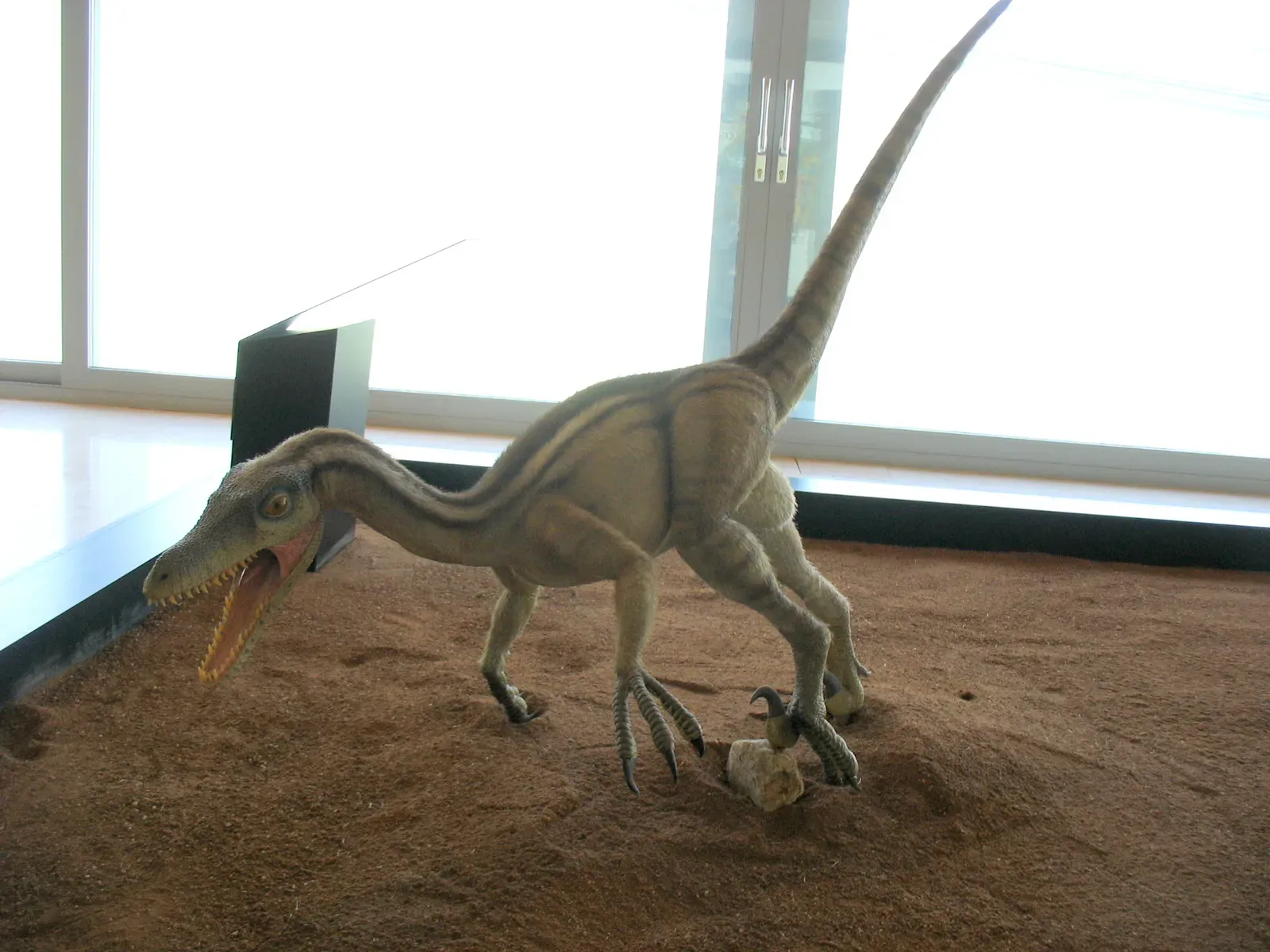
Here’s the thing that still blows my mind every time I think about it – the same group of animals that produced Tyrannosaurus rex also produced the hummingbird. The present scientific consensus is that birds are a group of maniraptoran theropod dinosaurs that originated during the Mesozoic era. That’s not a metaphor or a loose comparison. Birds are literally classified within the dinosaur family tree.
Birds evolved from theropod dinosaurs during the Jurassic, around 165 to 150 million years ago, and their classic small, lightweight, feathered, and winged body plan was pieced together gradually over tens of millions of years of evolution rather than in one burst of innovation. Think of it less like a sudden makeover and more like a slow, painstaking renovation that never quite stopped. Each generation brought a tiny tweak, a new feature, a small adjustment – and eventually, the dinosaur became the bird.
Archaeopteryx: The Iconic Missing Link
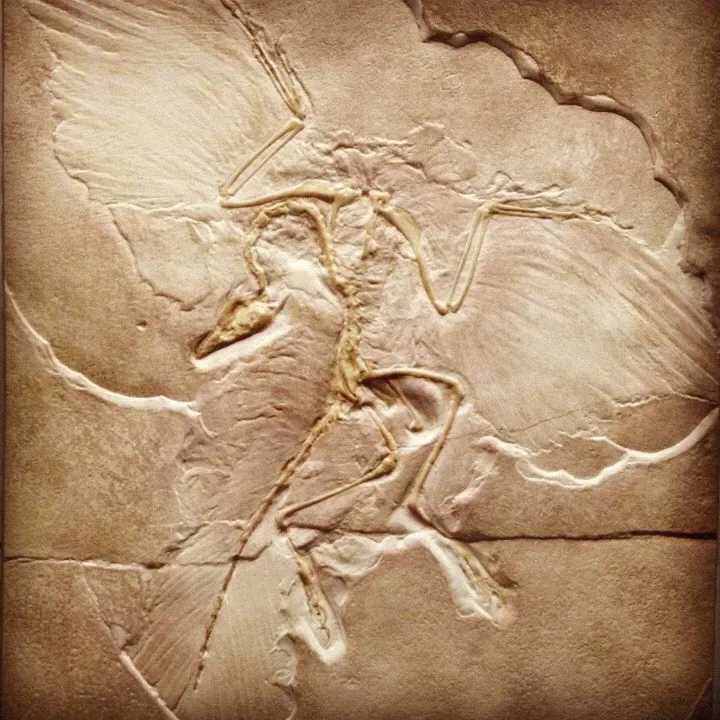
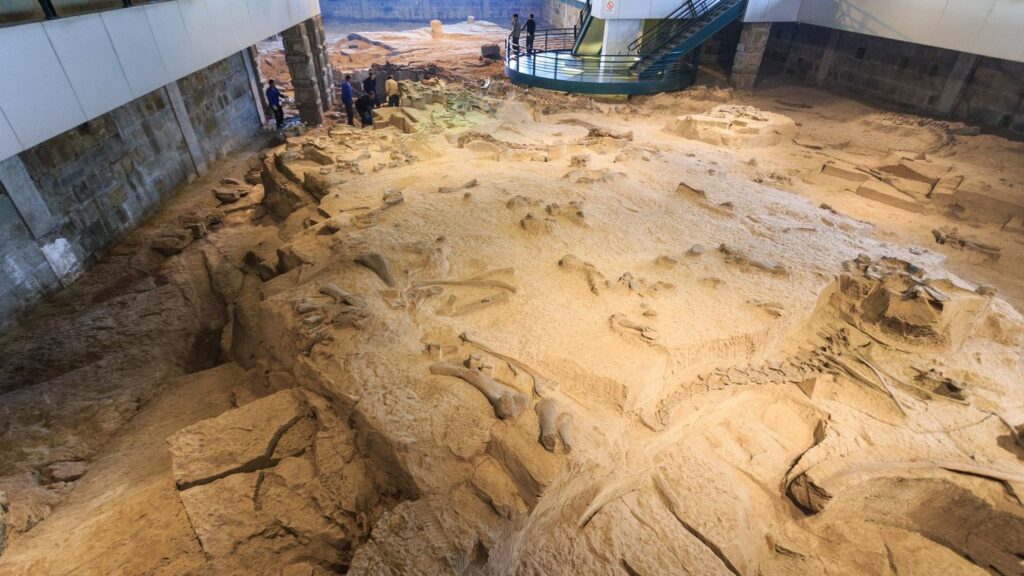
A close relationship between birds and dinosaurs was first proposed in the nineteenth century after the discovery of the primitive bird Archaeopteryx in Germany. This creature, roughly the size of a raven, was a sensation when it was unearthed, and honestly, it still is. It was like nature had left a bookmark exactly halfway between two wildly different types of animal.
Archaeopteryx had feathers, hollow bones, and wings. It was roughly the size of a raven and had a wishbone, or furcula, a hallmark feature of birds today. Yet it also had a mouth full of sharp teeth and a long, bony tail. That combination is what makes it so extraordinary. Archaeopteryx, a bird-like dinosaur that lived around 150 million years ago, has played a significant role in understanding how some dinosaurs evolved to become birds. Even after more than 160 years of scientific scrutiny, this creature keeps revealing new secrets.
Feathers Before Flight: The Surprising Truth About Plumage
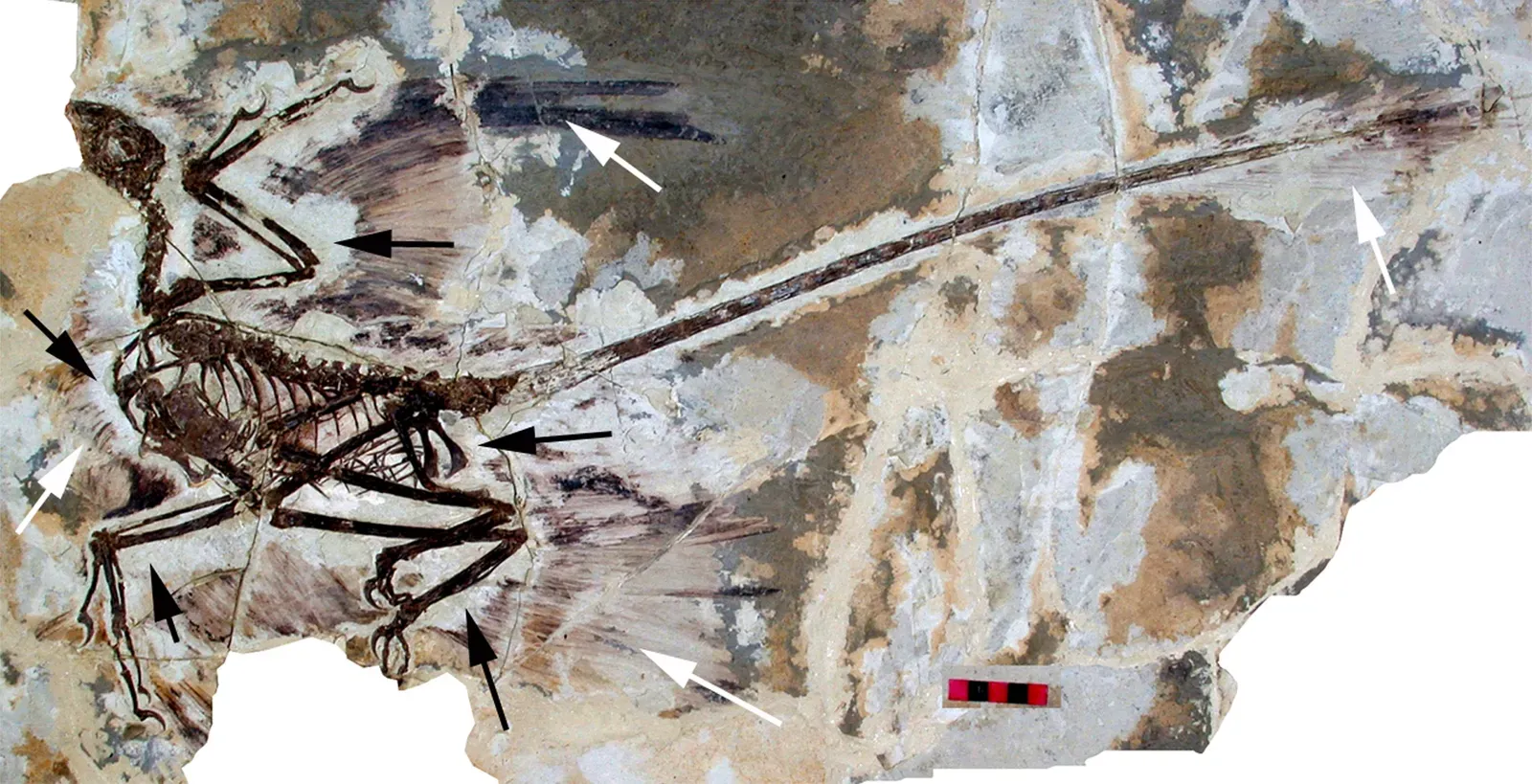
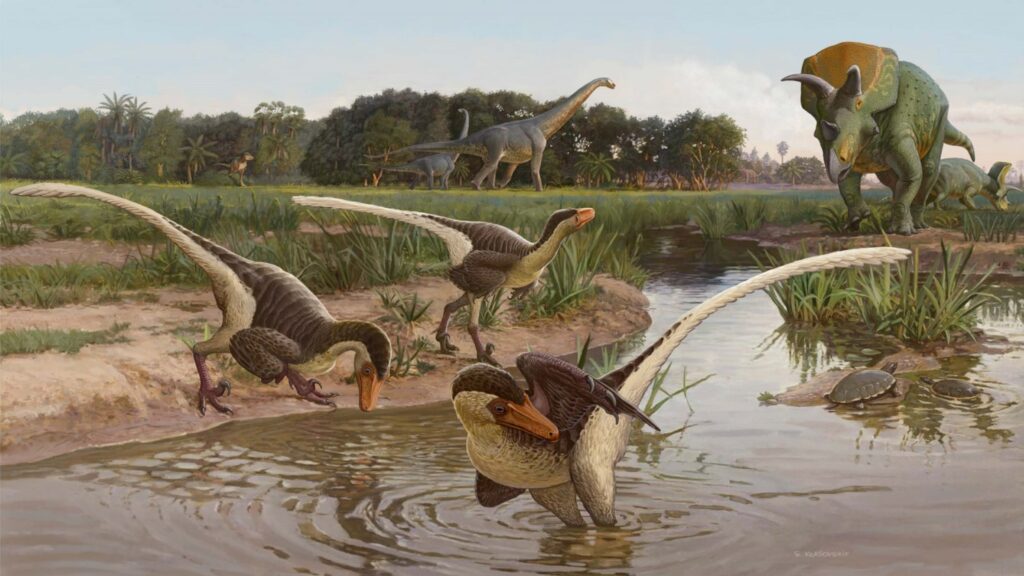
Most people assume feathers evolved for flight. Honestly, that makes intuitive sense – until you look at the actual evidence. Feathers, once thought unique to birds, must have evolved in dinosaurs long before birds themselves developed. This changes everything about how we picture ancient dinosaurs. They weren’t all scaly, lumbering beasts. Many were fluffy, feathered, and colorful.
Current evidence supports the hypothesis that filamentous and vaned feathers evolved with the divergence of coelurosaurs and maniraptorans. An important corollary of these discoveries is that feathers did not evolve in the context of flight. With the sole exception of Microraptor, it is certain that none of these feathered dinosaurs were able to take to the air. So what were the feathers actually for? These feathered dinosaurs indicate that, at their onset, feathers must have had a different function, perhaps insulating the bodies of animals that had metabolically diverged from their cold-blooded, reptilian ancestors.
Shrinking to Survive: How Dinosaurs Got Smaller Over Millions of Years
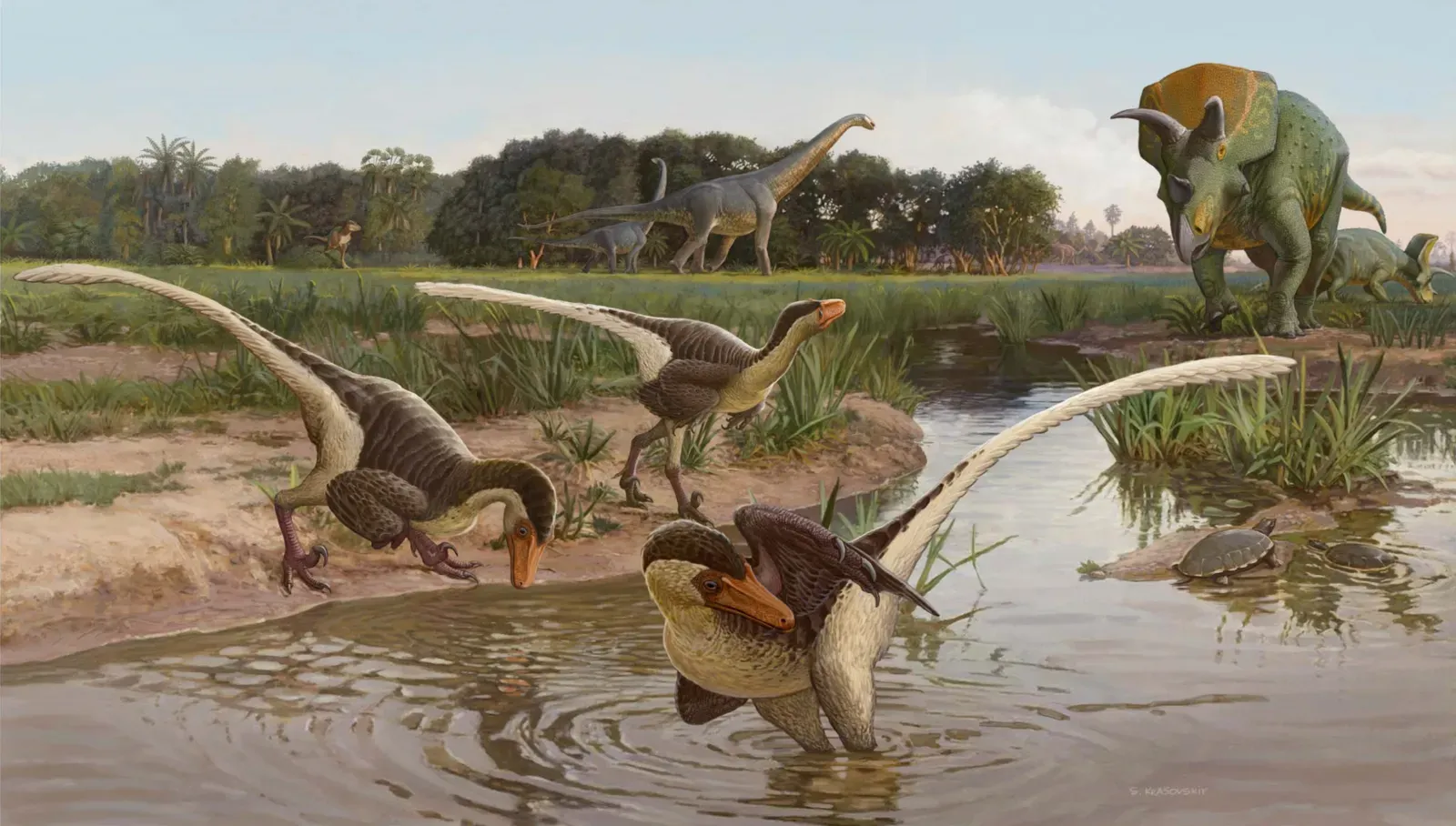
One of the most startling facts in evolutionary science is what happened to body size in the bird lineage. Recent theories propose that theropod body size shrank continuously over a period of 50 million years, from an average of 163 kilograms down to 0.8 kilograms, eventually evolving into over 11,000 species of modern birds. This was based on evidence that theropods were the only dinosaurs to get continuously smaller, and that their skeletons changed four times as fast as those of other dinosaur species.
Let’s be real – shrinking to roughly half a percent of your ancestor’s body weight over millions of generations is extraordinary. Some coelurosaurs started shrinking as far back as 200 million years ago, a full 50 million years before Archaeopteryx emerged. At that time, most other dinosaur lineages were growing larger. It’s almost as if one branch of the dinosaur family quietly decided to take a completely different evolutionary road while everyone else went in the opposite direction.
Bone Deep: Skeletal Transformations That Made Flight Possible
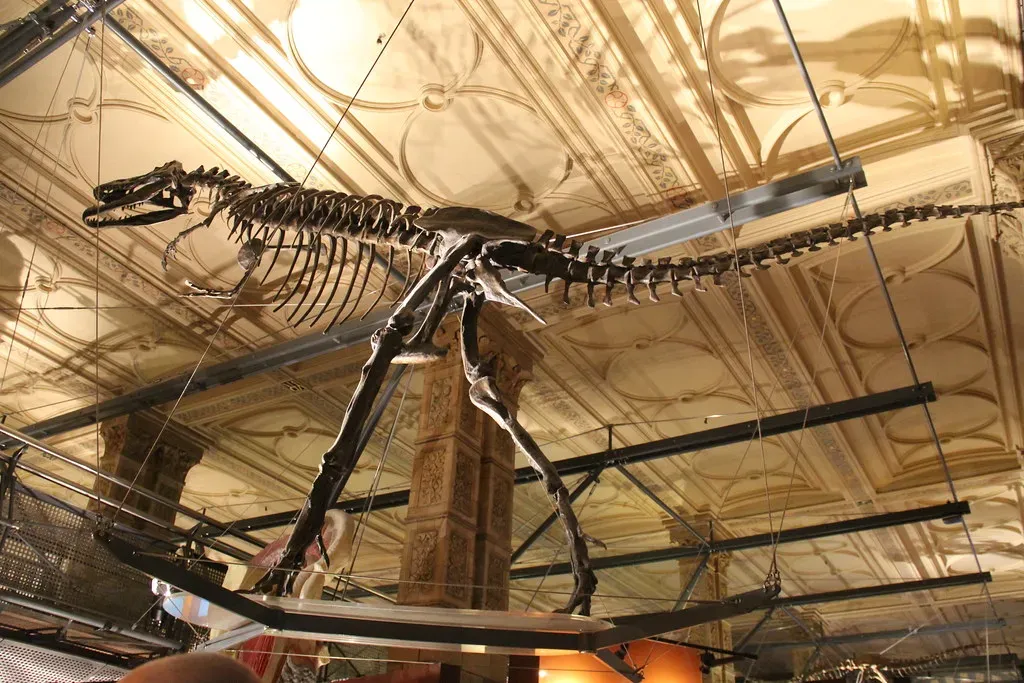
You can learn a remarkable amount about evolution just by looking at bones. Skeletal similarities between birds and theropods include the skull, tooth structure, neck, uncinate processes on the ribs, an open hip socket, a retroverted long pubis, flexible wrist, long arms, three-fingered hand, general pectoral girdle, shoulder blade, furcula, and breast bones. That’s not a short list. It’s an overwhelming catalog of shared traits.
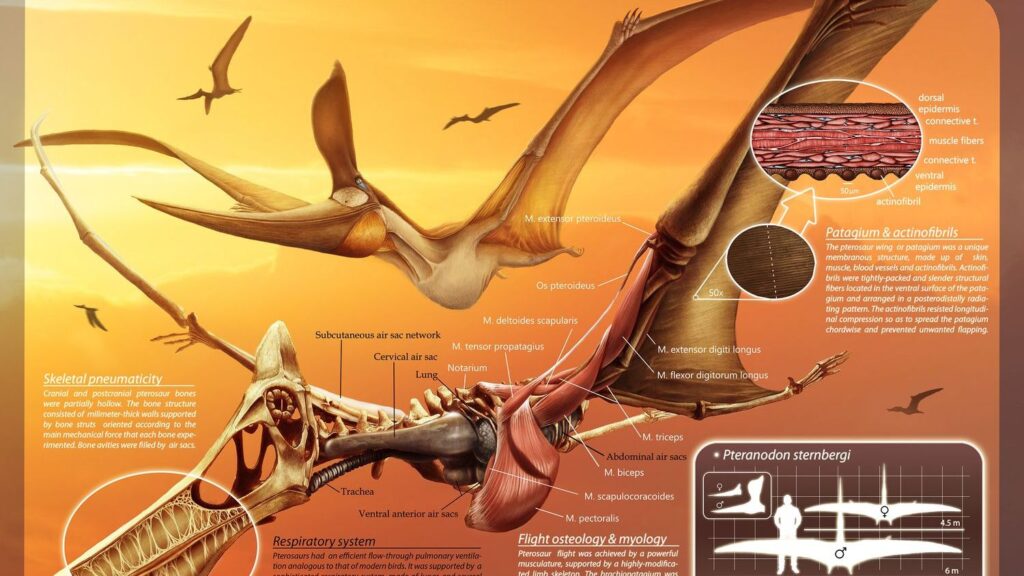
Dinosaur ancestors possessed solid bones that gradually became hollow through evolutionary pressure for aerial locomotion. Early bird ancestors developed pneumatic bone systems that connected to air sacs, reducing overall body weight by 15 to 25 percent compared to their terrestrial relatives. The wishbone is another key piece of this puzzle. The wishbone, or furcula, stores elastic energy during wing beats, acting like a spring that helps power flight. Formed by fused clavicles, it creates part of the robust shoulder framework and releases stored energy during the upstroke, improving flight efficiency and reducing muscular energy expenditure.
Wings, Display, and the Origin of Flight
Here’s where things get genuinely fascinating – and a little controversial. The origin of flight in birds is one of the most debated questions in all of paleontology. Two theories have dominated most of the discussion: the cursorial theory proposes that birds evolved from small, fast predators that ran on the ground; the arboreal theory proposes that powered flight evolved from unpowered gliding by tree-climbing animals. Neither side has fully won the argument yet.
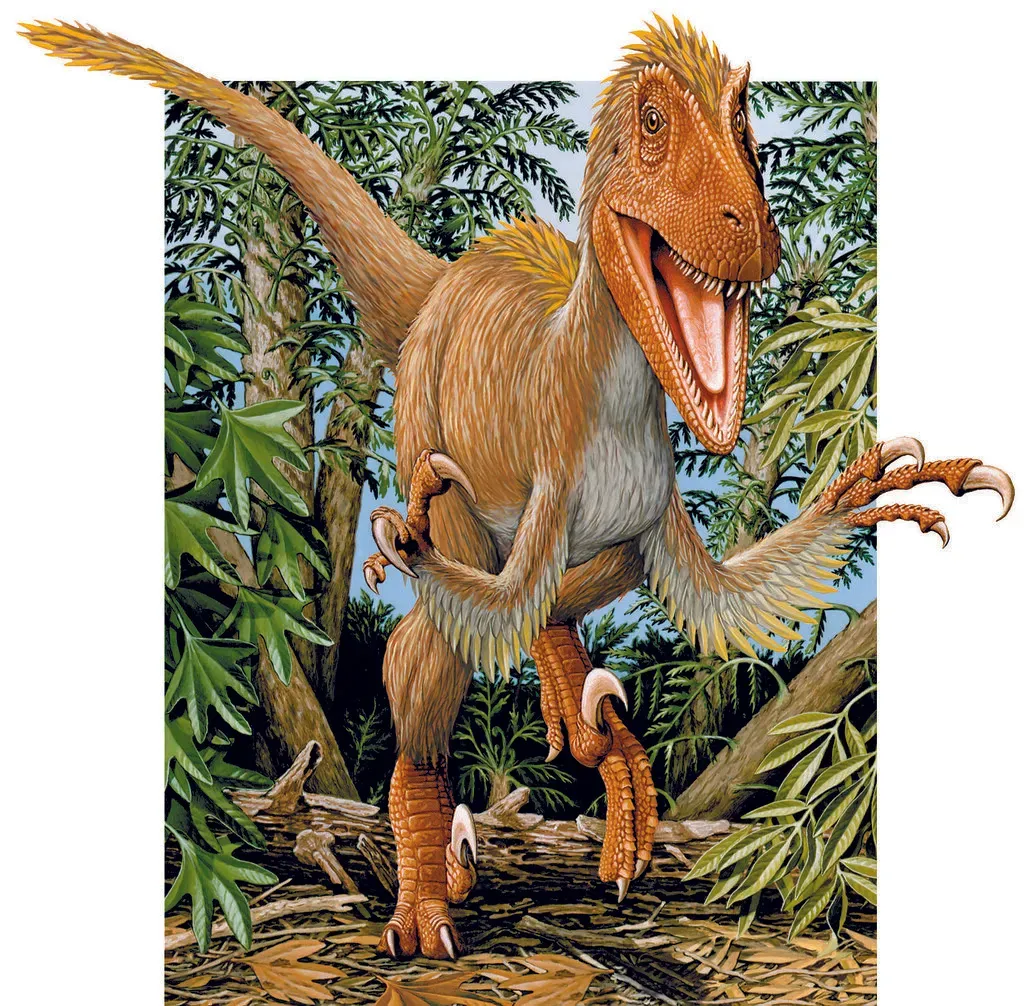
However, a third possibility has gained traction that I think is genuinely underappreciated. The latest findings suggest that wings instead evolved to serve another, less widely recognized function: display. It turns out that the feathers of nonflying, winged dinosaurs were a rainbow of colors. Some were even iridescent, like the plumage of today’s crows. These shiny-sheened accoutrements would have been perfect for attracting mates or intimidating rivals. Imagine entire species of dinosaurs competing through elaborate feather displays, totally unaware that those same structures would eventually carry their descendants across the sky.
Behavior and Brooding: Nesting Habits That Connect Dinosaurs to Birds
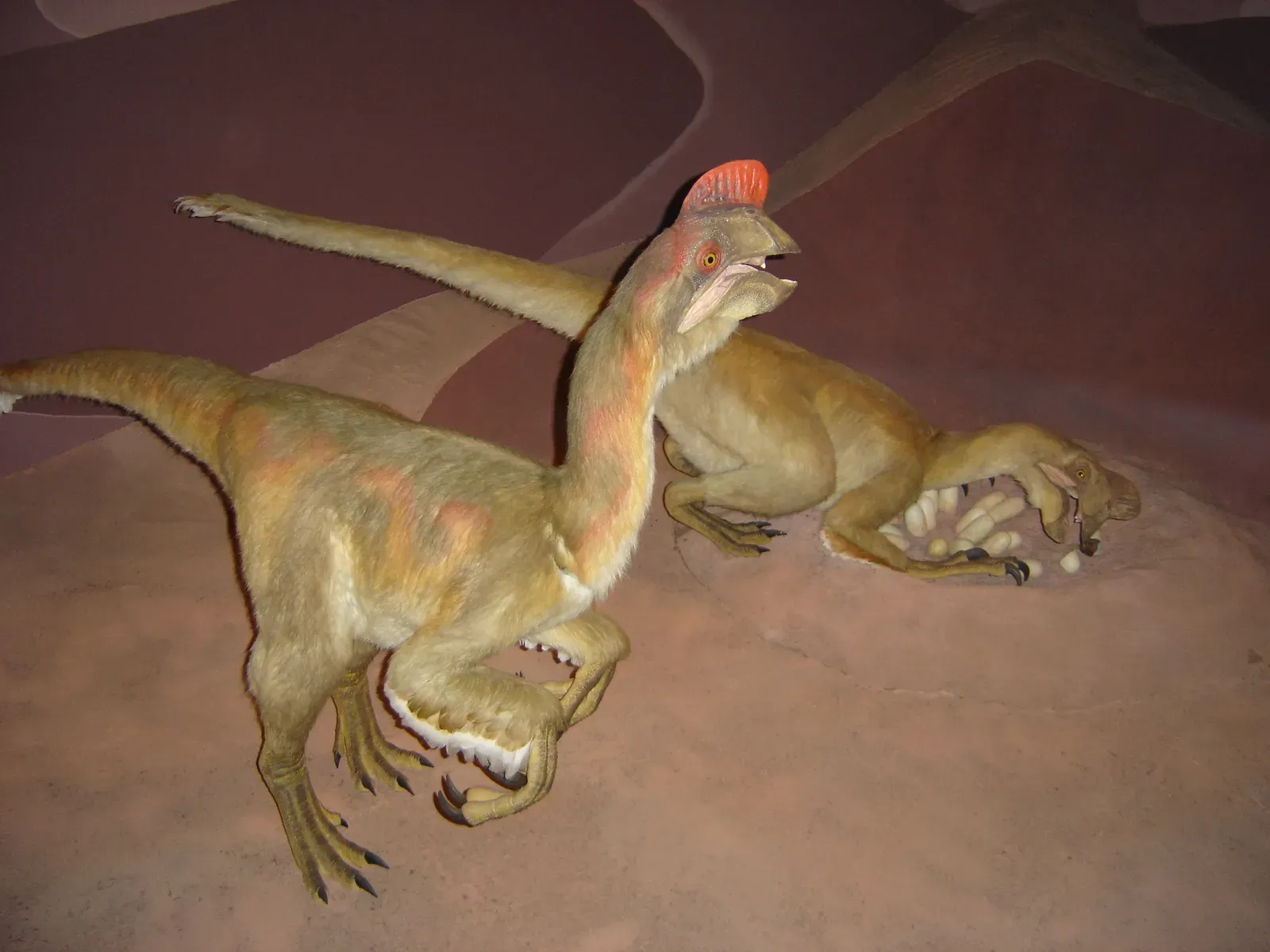
The connection between dinosaurs and birds goes far beyond bones and feathers. Behavior, it turns out, is another powerful window into this evolutionary relationship. These discoveries suggest that, regardless of its specific role in protection or incubation, typical avian nesting behaviors such as adults sitting on top of their nests were widespread among nonavian maniraptorans. You can picture it right now – something that looks like a feathered Velociraptor, hunched over a nest in a posture every chicken keeper would recognize instantly.
Fossils of troodontids with their skeleton arranged such that the hindlimbs are flexed beneath the belly, the neck is turned backwards, and the head is tucked between the wing and the body have documented that at least some of the maniraptoran precursors of birds had already evolved stereotypical resting poses familiar to many birds. It’s hard to say for sure how much of modern bird behavior stretches back this far, but the fossil record keeps pushing that boundary further and further back in time.
The Cretaceous Catastrophe: How Birds Survived the Asteroid

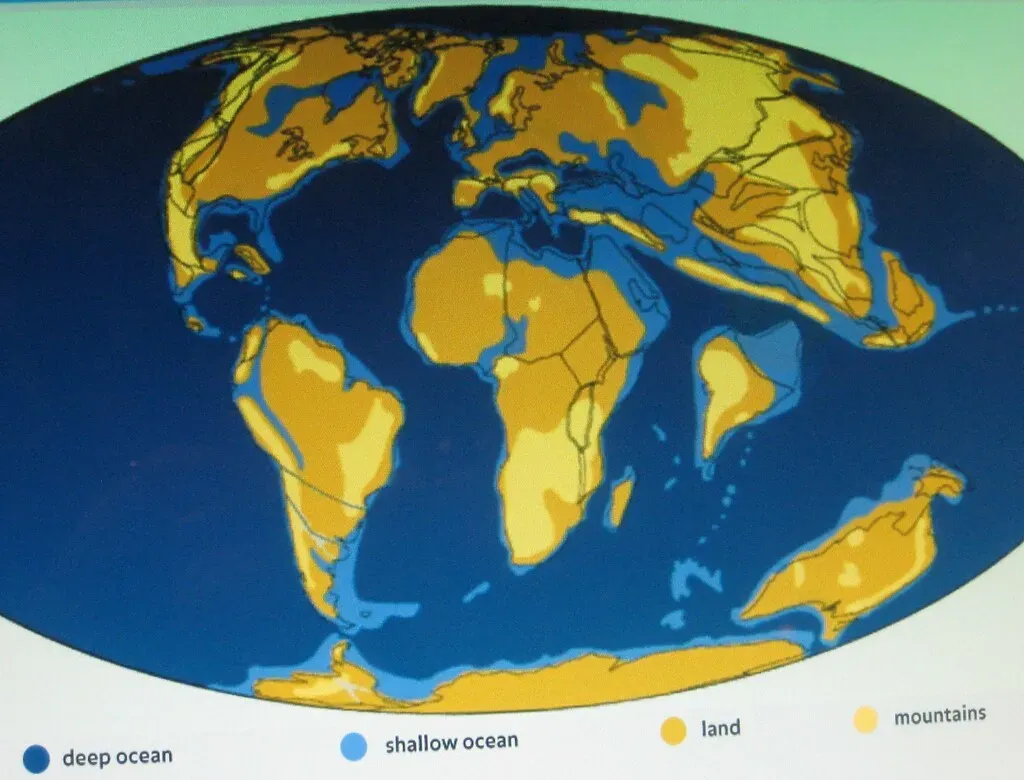
About 66 million years ago, a massive asteroid slammed into what is now the Yucatan Peninsula of Mexico, triggering a cascade of environmental disasters that wiped out the vast majority of life on Earth. The K-Pg mass extinction killed off plesiosaurs and mosasaurs, devastated teleost fish, sharks, mollusks, and many species of plankton in the oceans. It is estimated that roughly three-quarters of all animal and marine species on Earth vanished. Yet birds made it through.
Avians may have been able to survive the extinction as a result of their abilities to dive, swim, or seek shelter in water and marshlands. Many species of avians can build burrows, or nest in tree holes, or termite nests, which provided shelter from the environmental effects at the K-Pg boundary. Long-term survival past the boundary was assured as a result of filling ecological niches left empty by the extinction of non-avian dinosaurs. The birds that survived the end-of-Cretaceous extinction were likely ground-dwelling and thus persisted despite the worldwide destruction of forests.
After the Asteroid: The Explosive Rise of Modern Birds

Early birds diversified throughout the Jurassic and Cretaceous, becoming capable fliers with supercharged growth rates, but were decimated at the end-Cretaceous extinction alongside their close dinosaurian relatives. After the mass extinction, modern birds explosively diversified, culminating in more than 10,000 species distributed worldwide today. That explosion of diversity is one of the most dramatic events in the entire history of vertebrate life on Earth.
Bird clades originating near the K-Pg boundary exhibited numerous shifts in the mode of molecular evolution, suggesting a burst of genomic heterogeneity at this point in Earth’s history. These inferred shifts in substitution patterns were closely related to evolutionary shifts in developmental mode, adult body mass, and patterns of metabolic scaling. The results suggest that the end-Cretaceous mass extinction triggered integrated patterns of evolution across avian genomes, physiology, and life history near the dawn of the modern bird radiation. In other words, the very disaster that wiped out their closest relatives essentially handed birds a blank evolutionary canvas – and they painted it brilliantly.
Conclusion: The Dinosaur Outside Your Window
The story of how dinosaurs became birds is, when you step back and look at it whole, one of the most profound narratives in all of natural history. It tells us that extinction is never a clean ending, that evolution is patient and relentlessly creative, and that the most dramatic transformations often happen so slowly that no single generation could ever notice.
Every bird you see today – from the most magnificent eagle to the most unremarkable city pigeon – carries within its bones, its feathers, and its behavior hundreds of millions of years of unbroken evolutionary story. The birds are simply a twig on the dinosaurs’ branch of the tree of life. That twig, against all odds, survived an asteroid, outlasted every other dinosaur, and diversified into the extraordinary variety of winged life you can observe on any given morning.
The next time a bird lands near you, take a second look. You’re not just watching a bird. You’re watching a living fossil, a survivor of the most catastrophic event in recent Earth history, and the last breathing chapter of the age of dinosaurs. Does that change how you see the world around you?