The darkness of prehistoric s wasn’t as empty as we once thought. While most people picture dinosaurs basking in sunlight and ruling the daylight hours, recent scientific discoveries have revealed a completely different story. Some of these ancient beasts were masters of the , equipped with extraordinary adaptations that allowed them to hunt under the cover of darkness.
These nocturnal dinosaurs developed specialized eye structures and remarkable hearing abilities that rival even modern-day owls and other predators. I think it’s fascinating that millions of years before the first owl took flight, similar evolutionary pressures were already shaping dinosaur anatomy for time survival. The evidence for these time hunters comes from the fossilized remains of their eyes and inner ears, providing us with a window into their shadowy world.
The Revolutionary Discovery of Shuvuuia deserti
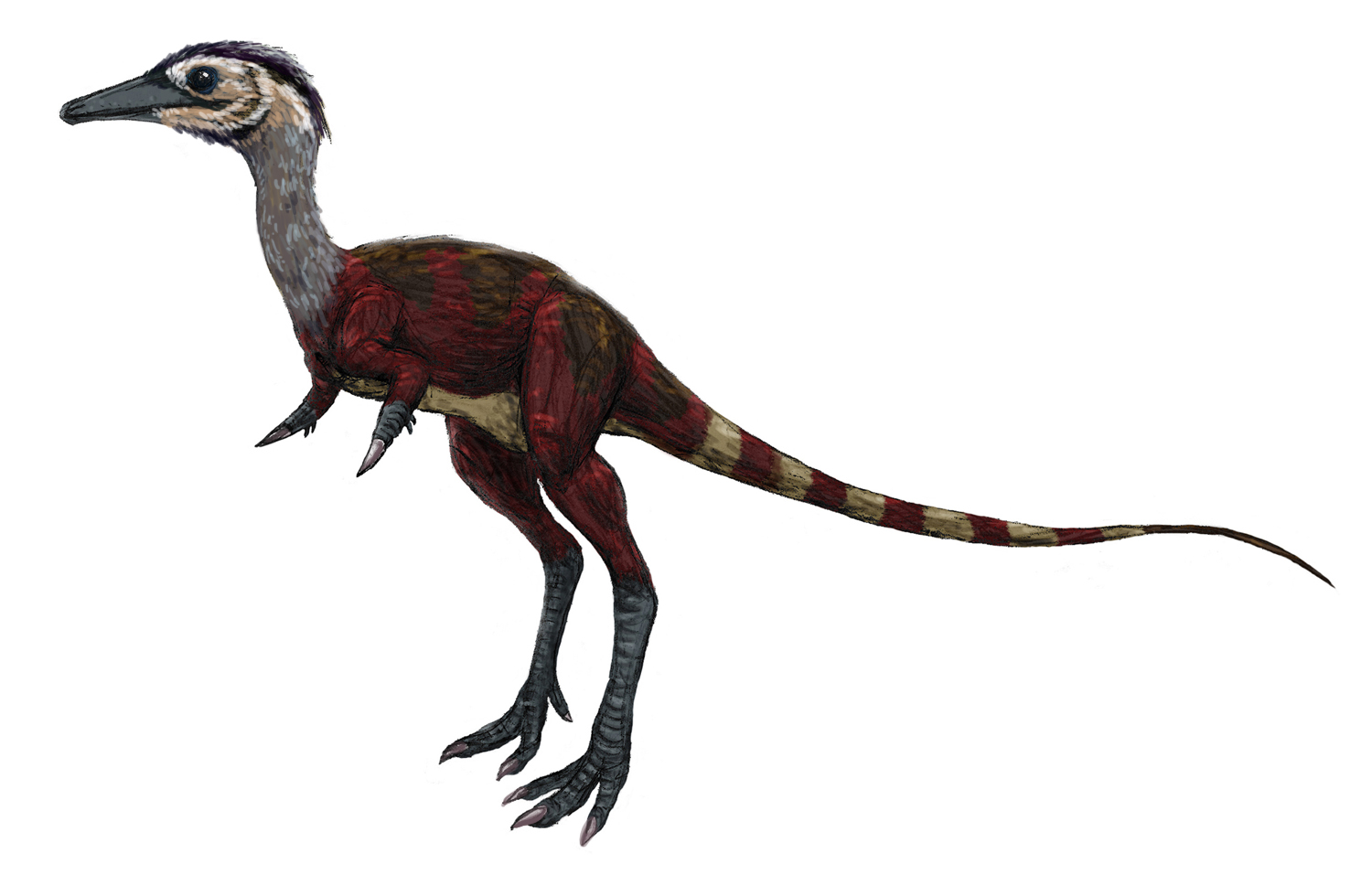
Two fossil species – Haplocheirus sollers and Shuvuuia deserti – likely had extremely good night vision. But our work also shows that S. deserti also had incredibly sensitive hearing similar to modern-day owls. This is the first time these two traits have been found in the same fossil, suggesting that this small, desert-dwelling dinosaur that lived in ancient Mongolia was probably a specialized night-hunter of insects and small mammals.
This tiny predator was about the size of a modern chicken, yet it possessed sensory capabilities that would make any nighttime hunter envious. The extremely large lagena of this species is almost identical in relative size to today’s barn owl, suggesting that Shuvuuia could have hunted in complete darkness. The eyes of Shuvuuia were also exceptional, as they had some of the proportionally largest pupils yet measured in either birds or dinosaurs, suggesting that Shuvuuia could likely see very well .
Understanding Scleral Rings in Nocturnal Vision
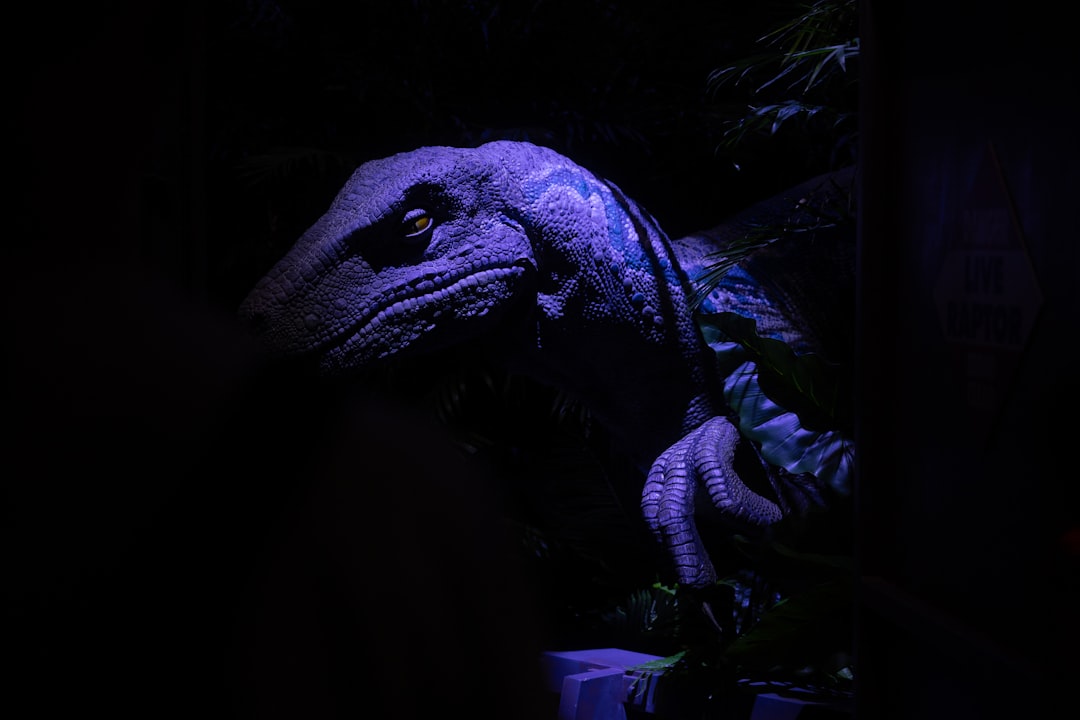
Rectangular bone plates in the eye structures called scleral ossicles, or sclerotic rings, provided the clues about night vision. They are thin and form a raised ring-like structure around the pupils, and can be found in both dinosaurs and modern-day lizards and birds.
These bony rings act like nature’s night vision goggles. Diameter and circumference of the structure directly correlate with the effectiveness of modern animal night vision and is hypothesized to do the same in dinosaurs. A larger scleral ring indicates an increased capacity to capture ambient light, thereby amplifying nocturnal visual acuity. Think of them as prehistoric camera lenses that could open wider to let in more light during the darkest hours.
Scientists discovered something remarkable when they measured these rings. S. deserti’s pupil made up more than half of its eye, very similar to night-vision specialists that live today like geckos and nightjars. This proportion suggests eyes perfectly adapted for gathering every available photon of moonlight and starlight.
The Barn Owl Connection
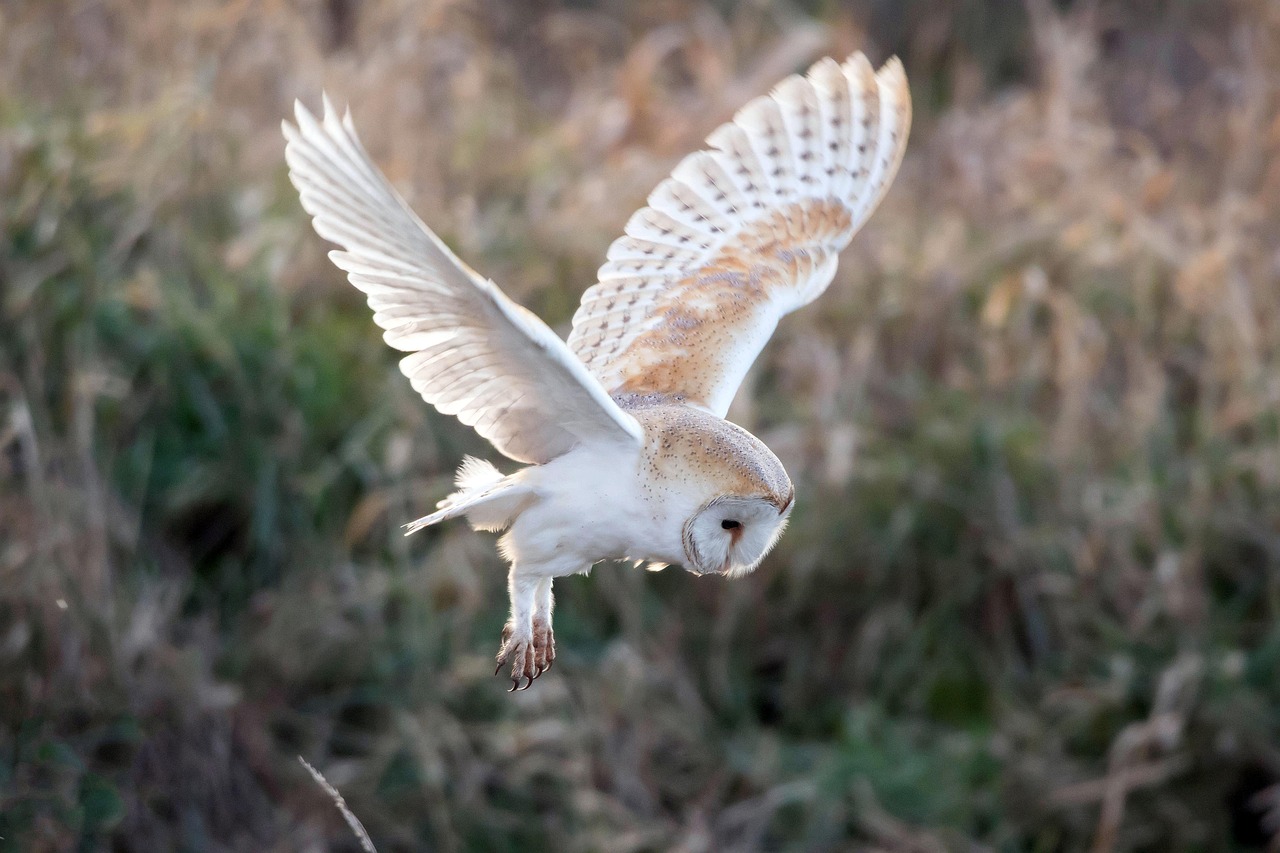
The comparison between Shuvuuia and modern barn owls is absolutely stunning in its precision. Molds of the inner ear canal from a barn owl (left) and S. deserti (right) are almost identical, suggesting that the small dinosaur had incredible hearing.
The barn owl, which can hunt in complete darkness using hearing alone, has the proportionally longest lagena of any bird. The lagena is the hearing organ in reptiles and birds, similar to our cochlea. What’s truly extraordinary is that Shuvuuia evolved this same specialized hearing structure independently, millions of years before owls existed.
This convergent evolution shows us how powerful environmental pressures can be. The ability to hunt in darkness was so valuable that both dinosaurs and much later birds developed nearly identical solutions. It’s like nature found the perfect blueprint and used it twice, separated by vast stretches of time.
Troodontids and Their Night Vision Capabilities
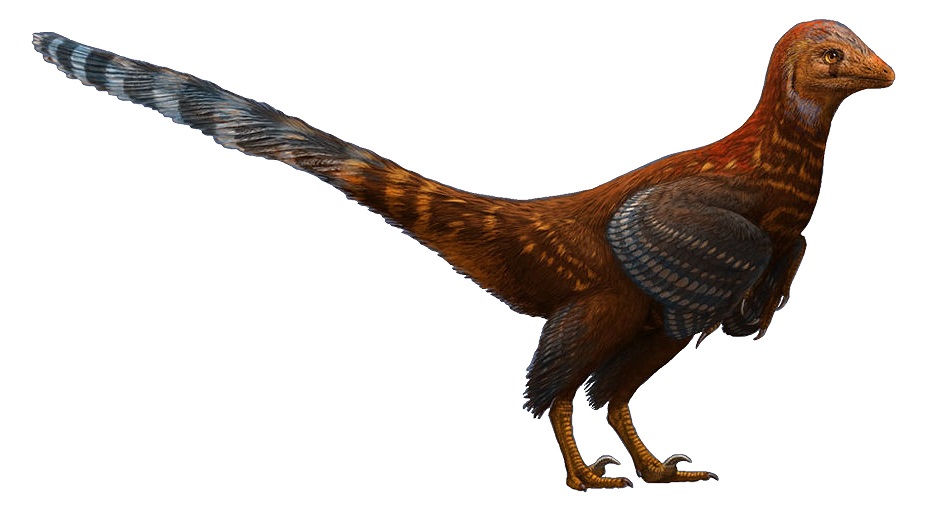
Troodontids had unusually large brains among dinosaurs, comparable to those of living flightless birds. Their eyes were also large, and pointed forward, indicating that they had good binocular vision. The ears of troodontids were also unusual among theropods, having enlarged middle ear cavities, indicating acute hearing ability.
Stenonychosaurus (now often called Troodon) represents another fascinating example of nocturnal adaptations. Good troodontid braincases, first described in the 1960s and supplemented by more complete specimens described in the 70s and 80s, showed that these dinosaurs had enormous eyes and middle ear cavities, and relatively large brains. The big eyes obviously indicate good vision, and both enhanced nocturnal vision and enhanced diurnal vision have been argued for. The large ear cavities suggest that hearing was also acute, and an unusual structure termed the basisphenoid bulla may be involved here.
These dinosaurs possessed a truly unique feature that connects them to modern owls. In some troodontids, ears were also asymmetrical, with one ear placed higher on the skull than the other, a feature shared only with some owls. The specialization of the ears may indicate that troodontids hunted in a manner similar to owls, using their hearing to locate small prey.
Megapnosaurus kayentakatae and Dawn-Dusk Hunting
Not all nocturnal dinosaurs were strictly nighttime hunters. While H. sollers and S. deserti showed the strongest evidence for nocturnal abilities, the researchers looked at other species as well, such as Megapnosaurus kayentakatae (now often considered Coelophysis kayentakatae), Almas ukhaa and Velociraptor mongoliensis. Of the three, M. kayentakatae and A. ukhaa were better suited for nighttime hunting, while V. mongoliensis had eyesight more ideal for hunting around dawn or dusk.
Comparisons between the scleral rings of Megapnosaurus and modern birds and reptiles indicate that it may have been nocturnal. This small coelophysoid dinosaur lived during the Early Jurassic period and represents an important link in understanding how nocturnal behavior evolved among theropods.
The evidence suggests these dinosaurs were crepuscular hunters, taking advantage of the twilight hours when many prey animals were most active. But we also found some species – like Velociraptor mongoliensis – with eyesight seemingly adapted for medium light levels. This might suggest that they hunted around dawn or dusk. This hunting strategy would have given them access to different prey than their daytime competitors.
The Scientific Evidence Behind Nocturnal Dinosaur Research
The breakthrough research relied on advanced technology to peer inside fossilized skulls. The international team of researchers used cutting-edge CT scanning and 3D reconstruction methods, along with detailed measurements to collect information on the relative size of the eyes and inner ears of over 100 living birds compared with those of extinct dinosaur species.
Statistical analysis provided remarkable confidence in these findings. According to the statistical analyses our team performed, there is a very high chance – higher than 90% – that H. sollers and S. deserti were nocturnal. This level of certainty is extraordinary for paleontological research, especially when dealing with behavioral inferences from fossils.
The methodology compared fossil measurements with 55 living species of lizards and 367 species of birds with known day or night activity patterns. This comprehensive database allowed scientists to make accurate predictions about ancient behavior based on modern analogues. The research represents the first time both vision and hearing have been studied together in fossil animals, providing a more complete picture of these ancient predators’ sensory capabilities.
Conclusion
The discovery of nocturnal dinosaurs fundamentally changes how we view prehistoric ecosystems. These weren’t simple, brutish reptiles stumbling around in daylight. Instead, they were sophisticated predators with finely tuned sensory systems that allowed them to exploit nighttime niches millions of years before mammals claimed the darkness as their own domain.
From the owl-like Shuvuuia with its extraordinary hearing to the keen-eyed troodontids stalking prey in twilight forests, these dinosaurs prove that evolution found successful solutions to nighttime hunting long before the first true nocturnal mammals appeared. The next time you hear an owl hunting in the darkness, remember that dinosaurs were perfecting those same skills when the world was a very different place.
What fascinates you more about these discoveries? Tell us in the comments.