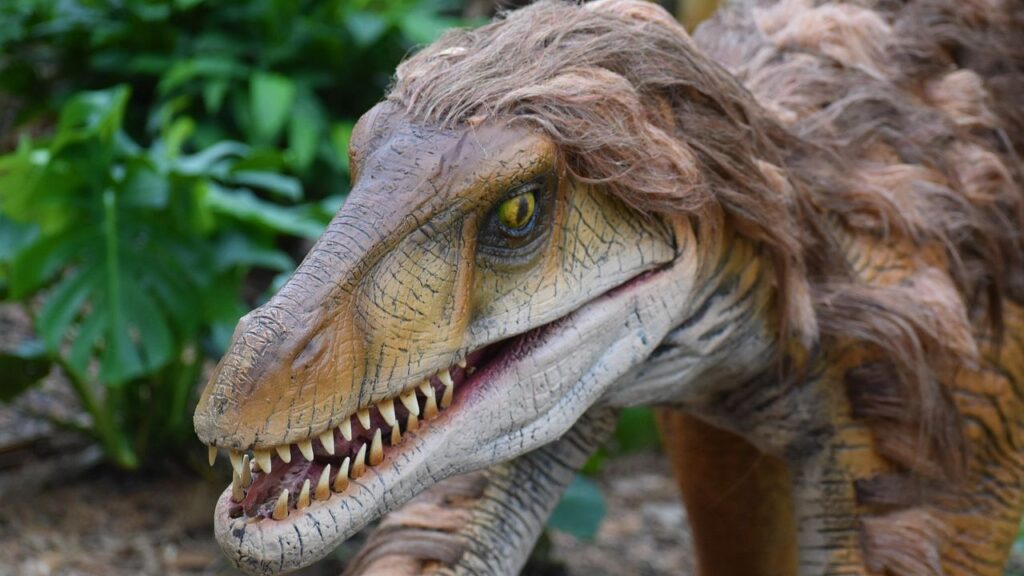
When you picture a fearsome dinosaur, you probably imagine massive teeth, powerful claws, and razor-sharp killing instincts. You might think of the infamous Velociraptor slashing through its prey. What you probably don’t imagine is a creature that looks more like it belongs waddling around a pond than terrorizing the prehistoric world.
Yet that’s exactly what scientists discovered when they first laid eyes on Halszkaraptor, a dinosaur so bizarre that researchers initially questioned whether it was even real. This wasn’t your typical predatory dinosaur. With its impossibly long swan-like neck, flipper-like arms, and duck-like posture, Halszkaraptor challenged everything we thought we knew about how ancient predators lived and hunted. Let’s dive into the fascinating world of this aquatic oddball that rewrote the rulebook on dinosaur lifestyles.
A Discovery Born from Controversy
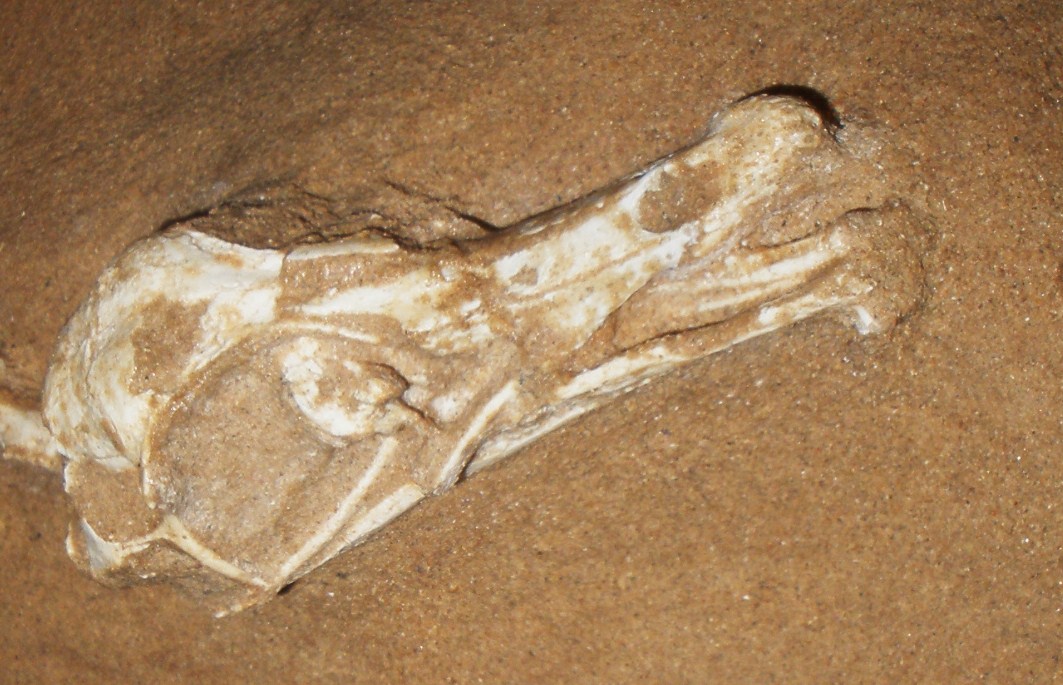
Halszkaraptor’s journey to scientific fame began in the shadowy world of fossil poaching, where its holotype specimen was illegally removed from Mongolia’s Djadochta Formation at Ukhaa Tolgod in southern Mongolia before 2011. The fossil found its way through Japan and Great Britain, changing hands among private collectors for several years until François Escuillié of the Eldonia company obtained it.
The specimen’s murky origins sparked immediate skepticism among paleontologists. When Dr. Andrea Cau first examined the fossil, he admitted to questioning whether it was genuine, stating that the unexpected mix of traits made it difficult to place within traditional classifications. Scientists worried these quirky features might have been accidentally created by a hodgepodge of different species buried together, so they scanned the specimen using sophisticated synchrotron technology to confirm its authenticity.
The Swan-Like Neck That Changed Everything
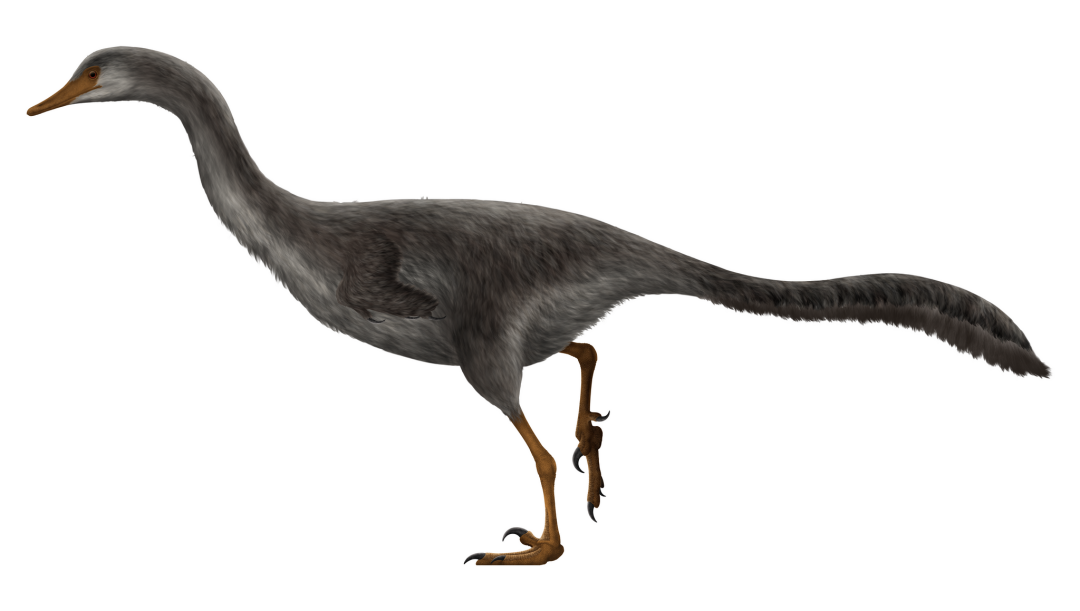
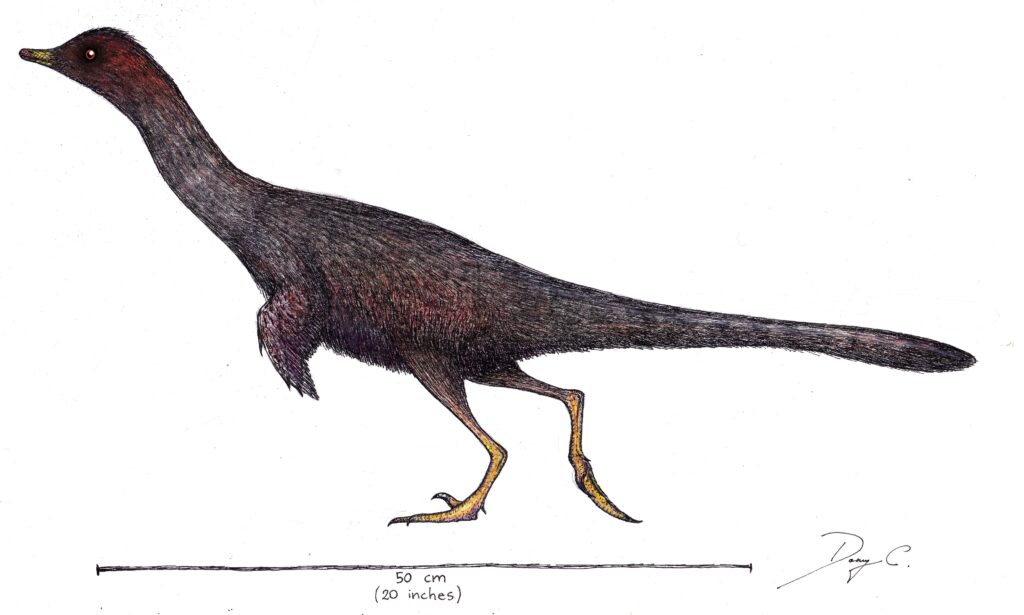
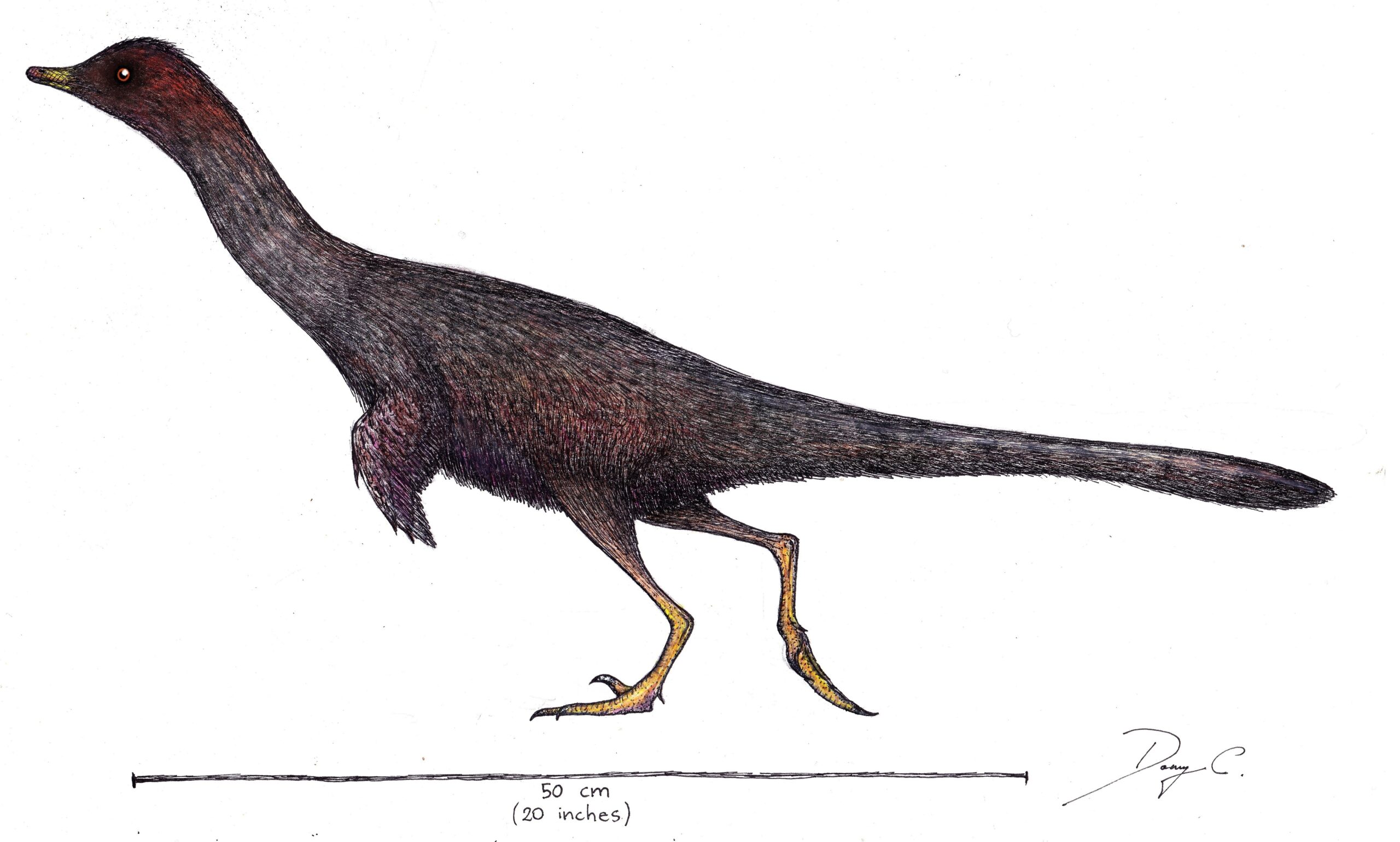
At roughly the size of a mallard duck, Halszkaraptor’s most striking feature was its remarkably long neck, which was exceptionally long relative to its body size. This neck was genuinely swan-like in its proportions and appearance, creating an unexpected silhouette that immediately distinguished it from other predatory dinosaurs.
The neck wasn’t just for show. It was extremely elongated, representing half of the entire snout-to-vent length of the animal. Scientists believe this adaptation allowed Halszkaraptor to function as an opportunistic predator that could exploit both terrestrial and aquatic resources, using its long neck for foraging and ambush hunting in water environments.
Flipper-Like Arms Built for Swimming
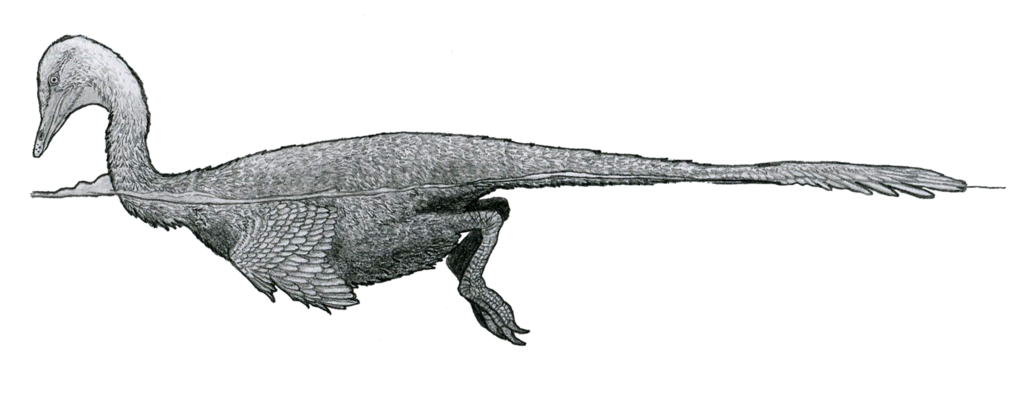
Unlike the powerful grasping arms of its raptor relatives, Halszkaraptor evolved something completely different. Its short, broad forelimbs resembled those of swimming birds like penguins, designed for aquatic locomotion rather than terrestrial hunting. These smaller flipper-like forelimbs worked in conjunction with strong hindlimbs, allowing the dinosaur to run on land while also being capable of swimming.
All the bones in the upper limb were relatively shortened and flattened, with the hand showing progressive elongation of the lateral fingers. This unique combination created what researchers describe as a bimodal locomotory system. On land, Halszkaraptor remained an obligate biped, but in water, it could use its specialized forelimbs to push through the water while employing its long neck for foraging.
A Duck’s Posture with a Difference
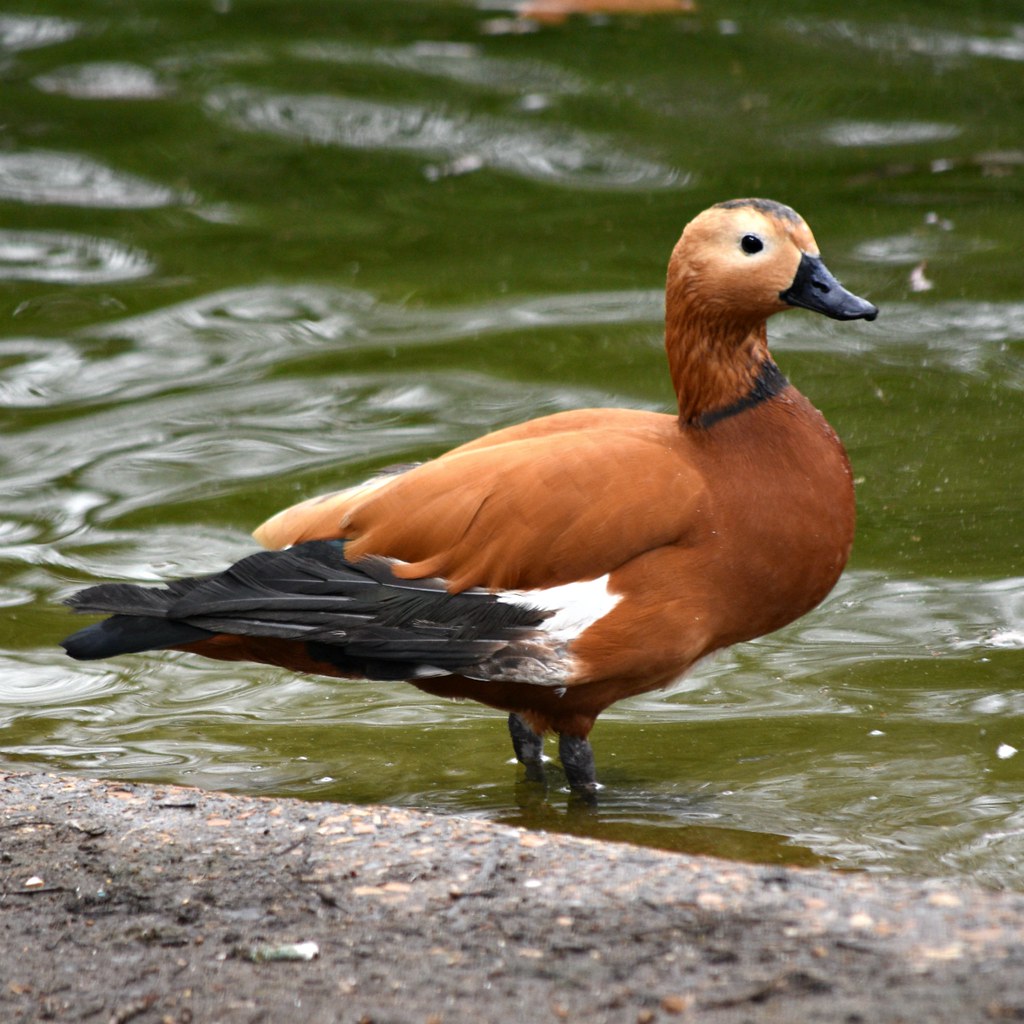
The way Halszkaraptor carried itself was another testament to its amphibious lifestyle. Its short tail brought the center of gravity forward, which proved more useful for swimming than walking, and the torso was held more vertically than normal for theropods. This gave the dinosaur a distinctive goose-like waddle when moving on land.
The creature displayed postural adaptations similar to short-tailed birds like ducks, allowing it to walk bipedally on land while maintaining the body positioning necessary for aquatic maneuvering. These modifications represent a remarkable evolutionary compromise between maintaining terrestrial mobility and gaining aquatic efficiency.
Specialized Sensory Systems for Underwater Hunting
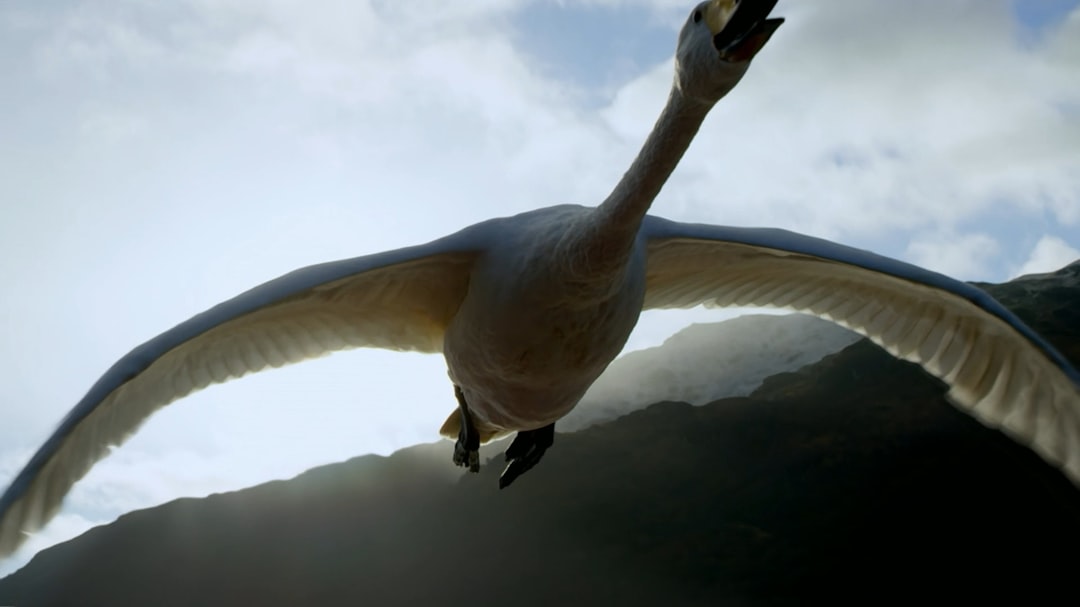
Perhaps the most fascinating aspect of Halszkaraptor was its sophisticated sensory equipment designed for aquatic hunting. The dinosaur possessed many sharp, backward-curving teeth and sensory neurons in its snout that may have allowed it to detect vibrations in water, leading scientists to believe it actively hunted aquatic prey.
From a larger chamber in the rear of its skull, neurovascular channels permeated the entire premaxilla bone, not just the sides as in other dinosaurs, but also the top. These channels probably housed electro-sensory organs, and researchers identified a neurovascular mesh inside its snout that resembles those of modern crocodiles to a remarkable degree.
Record-Breaking Teeth for Aquatic Prey
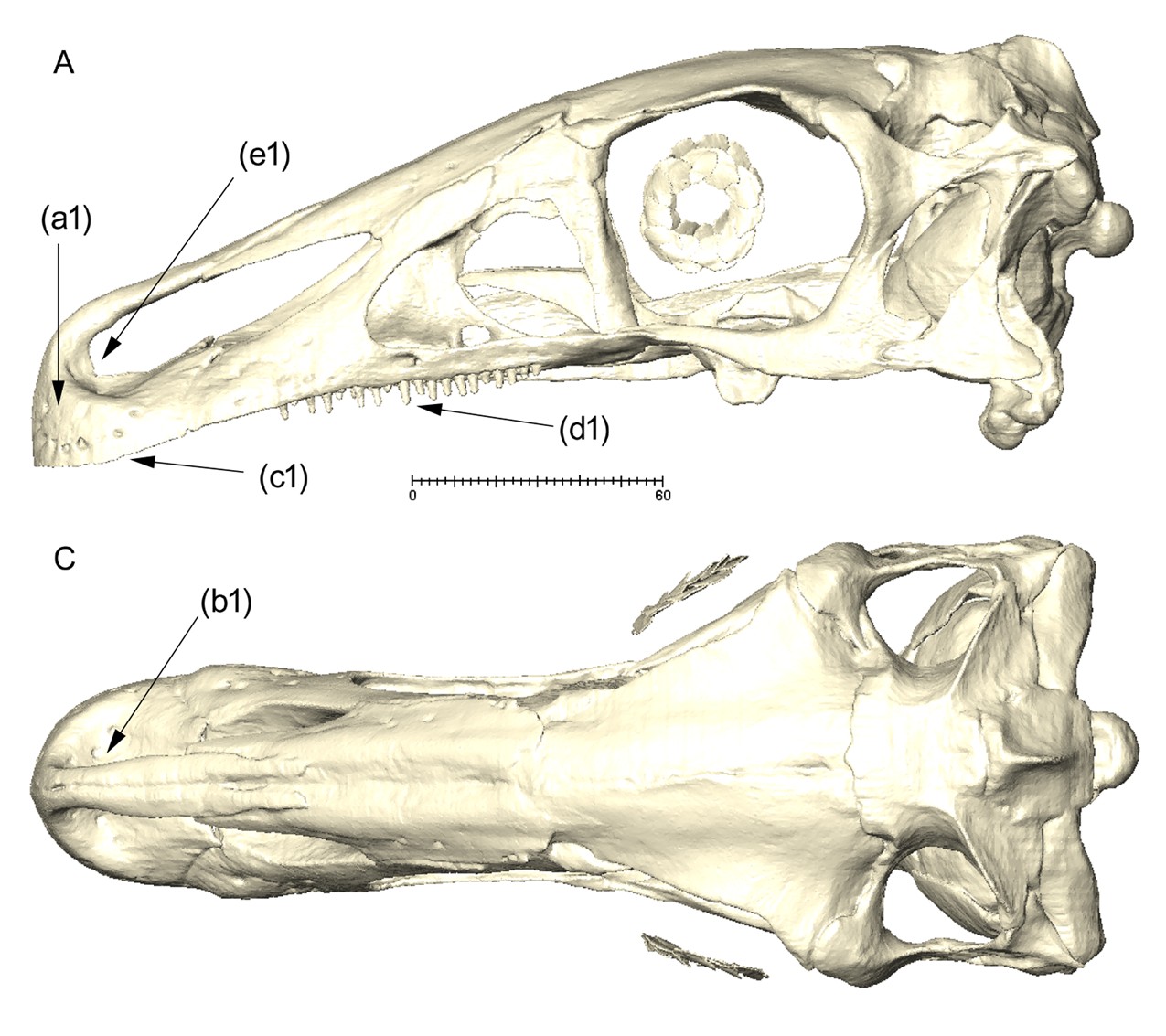
Halszkaraptor’s dental arrangement was as unusual as the rest of its anatomy. Each premaxilla bore eleven teeth, an unusually high number for dinosaurs. While many theropods have fewer premaxillary teeth, Halszkaraptor shattered these expectations.
These teeth were very closely packed, actually touching each other, and were extremely elongated with gradual recurving. The arrangement created what researchers describe as an ideal trap for slippery aquatic prey, preventing fish and other water-dwelling creatures from escaping once caught.
The Great Debate: Swimming or Not Swimming?
The scientific community remains divided on just how aquatic Halszkaraptor actually was. In 2022, some researchers argued against a semi-aquatic lifestyle, noting the dinosaur had low bone density, a trait not typically observed in semi-aquatic animals. However, Andrea Cau responded by pointing out that swans similarly have low bone density yet possess adaptations for semi-aquatic feeding.
Some recent research has suggested that Halszkaraptor may have been adapted for hunting small prey rather than fish, possibly in low-light conditions or murky water, given its relatively large eye sockets that suggest exceptional low-light vision. The debate continues as new evidence emerges.
Conclusion
Halszkaraptor stands as one of paleontology’s most remarkable discoveries, challenging our understanding of dinosaur diversity and ecological adaptation. Whether it was truly semi-aquatic or simply an unusual terrestrial predator with aquatic-looking features, this swan-like dinosaur proves that the Mesozoic world was far more complex and surprising than we ever imagined.
As Dr. Cau noted, this discovery demonstrates how much diversity remains unknown, showing that even after over a century of paleontological expeditions in Mongolia, new and unexpected species continue to emerge. Halszkaraptor reminds us that evolution is endlessly creative, producing forms so bizarre they seem almost too strange to be real.
What do you think about this incredible swimming raptor? Does it change how you picture life in the age of dinosaurs?