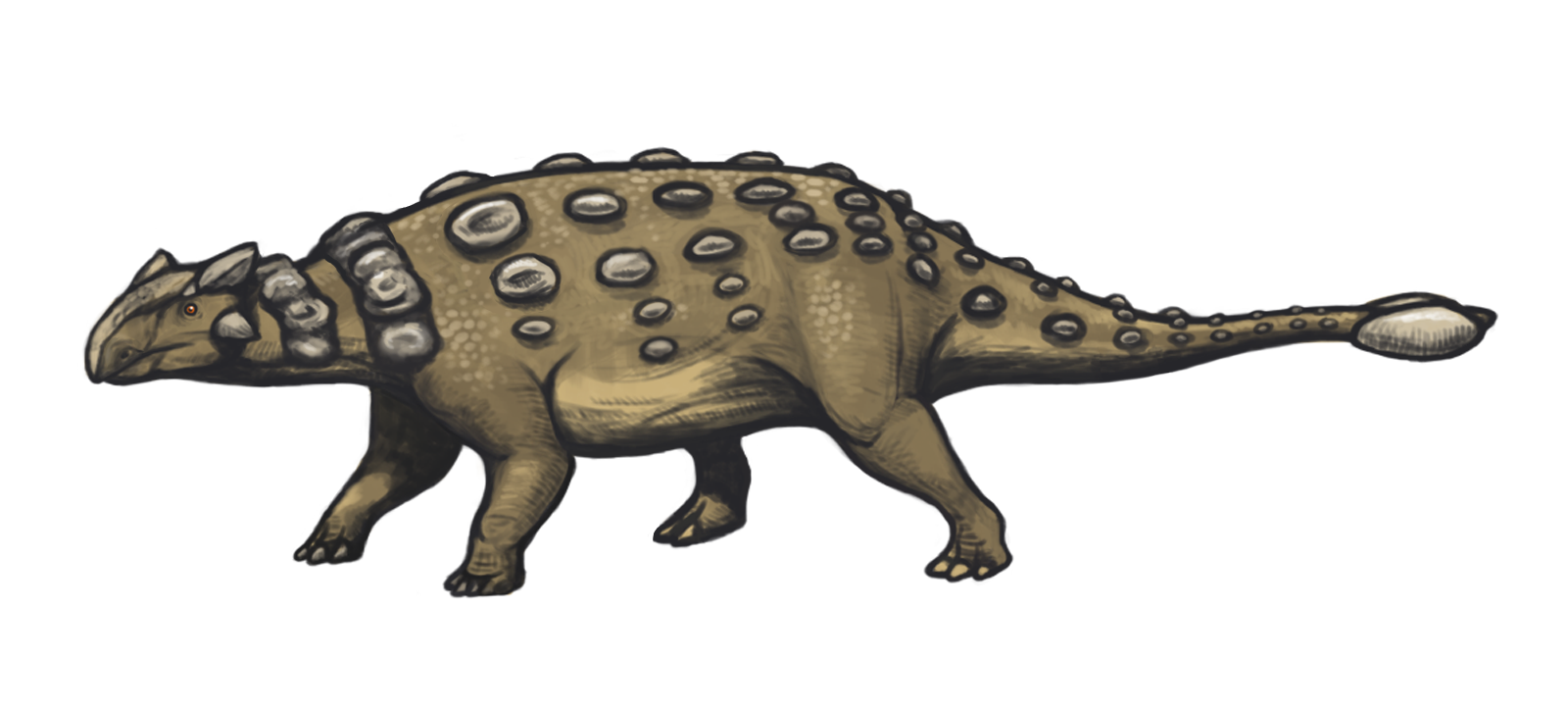
Picture a living tank from 66 million years ago, roughly the size of a small bus but built like a fortress. This was no ordinary dinosaur. It was covered in , or osteoderms, with bony half-rings covering the neck, and had a large club on the end of its tail. The Ankylosaurus wasn’t just armored – it was practically weaponized, a walking testament to nature’s ingenuity in the face of prehistoric predators.
Ankylosaurus lived between 68 million to 66 million years ago during the Late Cretaceous period alongside terrifying predators like Tyrannosaurus rex. Yet this remarkable herbivore developed one of the most sophisticated defense systems ever seen in the animal kingdom. Let’s explore how this incredible creature turned its entire body into an impenetrable fortress.
A Living Fortress With Bony Plates
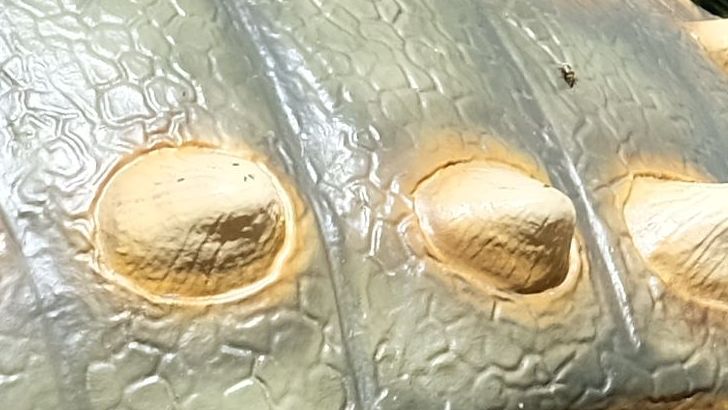
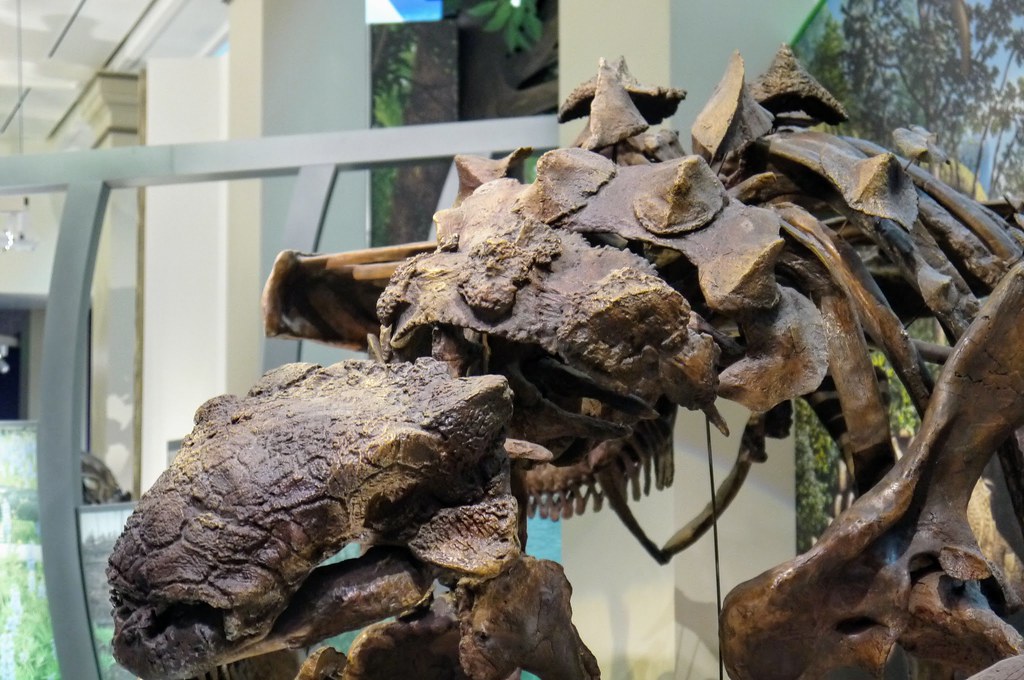
A prominent feature of Ankylosaurus was its armor, consisting of knobs and plates of bone known as osteoderms, or scutes, embedded in the skin. These weren’t just scattered pieces of protection – they formed an almost complete covering across the dinosaur’s massive frame. The osteoderms varied dramatically in size and shape, creating a complex defense system that would make any modern military jealous.
The osteoderms ranged from 1 centimeter in diameter to 35.5 cm in length, and varied in shape. The osteoderms of Ankylosaurus were generally thin walled and hollowed on the underside. Think of them as natural riot shields, perfectly positioned to deflect the teeth and claws of attacking predators.
Complete Protection From Head to Toe
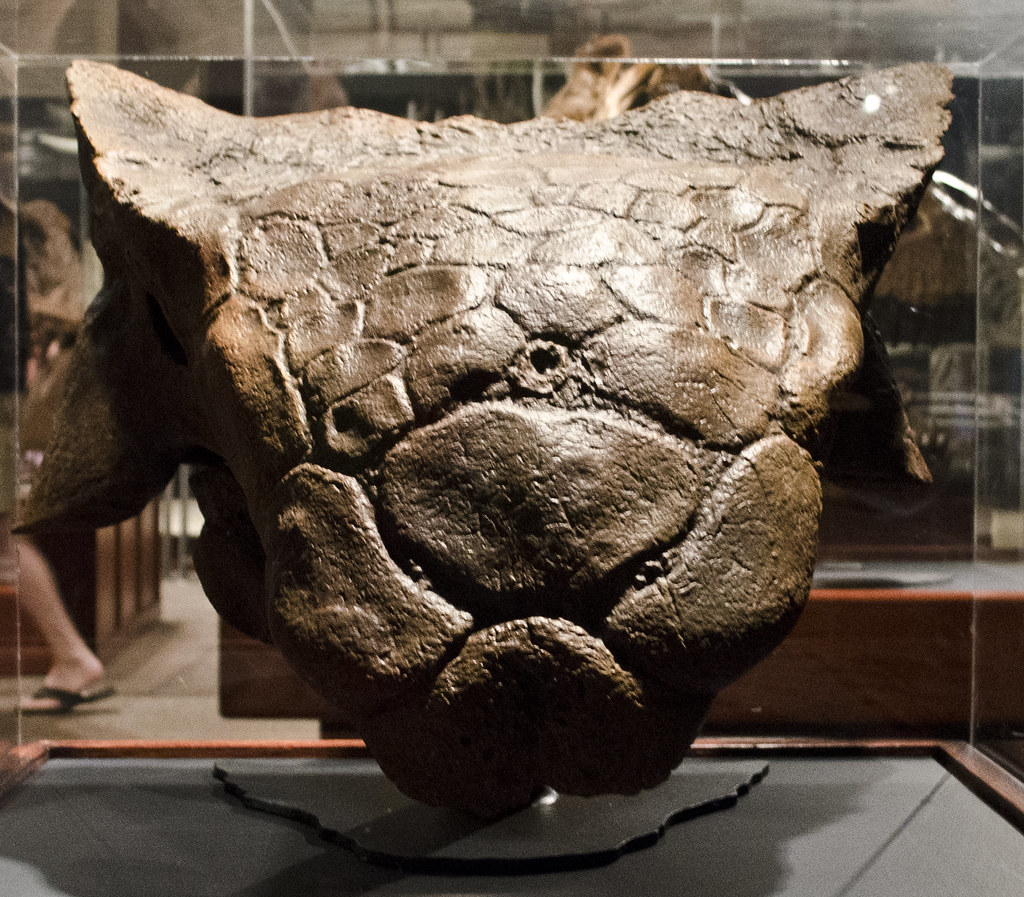
Ankylosaurs were so heavily armored that even their upper eyelid was protected by a bony plate. This wasn’t just body armor – it was total coverage. Even the most vulnerable parts of the animal were shielded with specialized protective elements.
The top of the dinosaur was almost completely covered with thick armor consisting of massive knobs and oval plates of bone, known as osteoderms or scutes, which are also common on crocodiles, armadillos and some lizards. “They are bones that form within the skin, just like crocodiles,” Carpenter said. The comparison to modern armored animals helps us understand just how sophisticated this defense system truly was.
The Engineering Behind Bone Plates
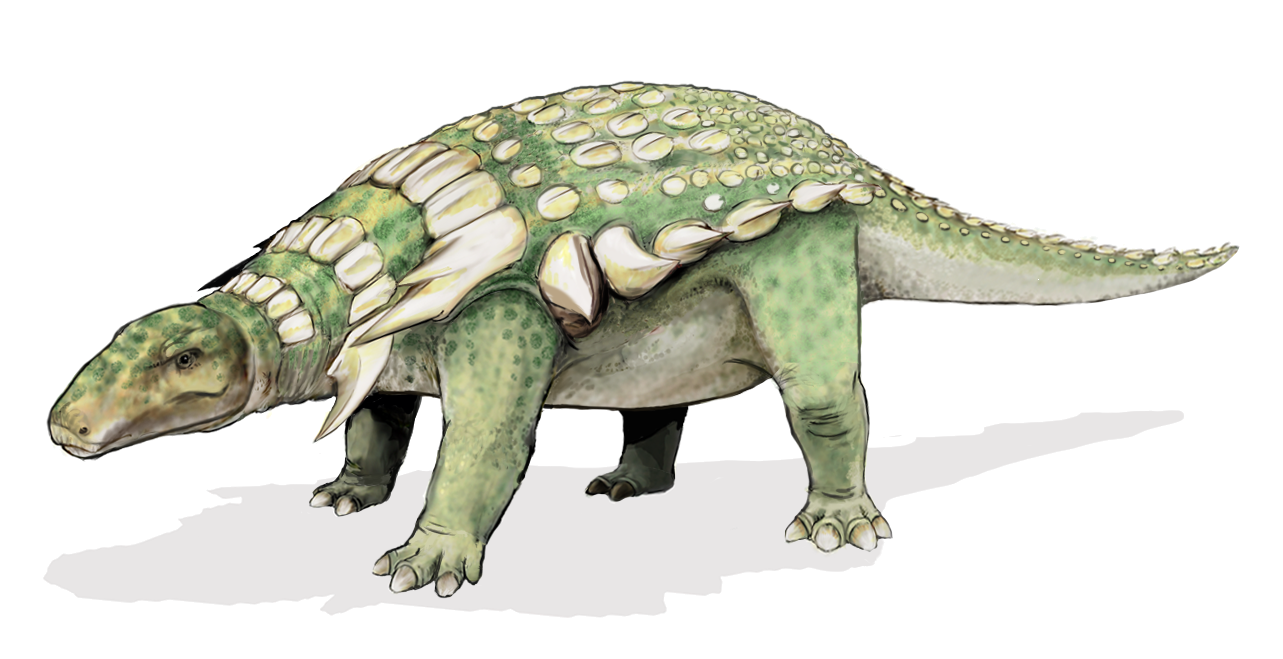
These histological similarities suggest that various types of osteoderms in ankylosaurs retained the thin compact bone and abundant fiber structures of the small osteoderms during their evolution. Ankylosaurid plates with hollow bases are very thin in morphology and show thin compact bone. The genius wasn’t just in having armor – it was in the engineering of that armor.
Compared to Euoplocephalus, the osteoderms of Ankylosaurus were smoother. Many smaller osteoderms and ossicles probably occupied the space between the larger ones, as in other ankylosaurids. This created a seamless defensive network with no gaps for predator attacks to exploit.
More Than Just Defense
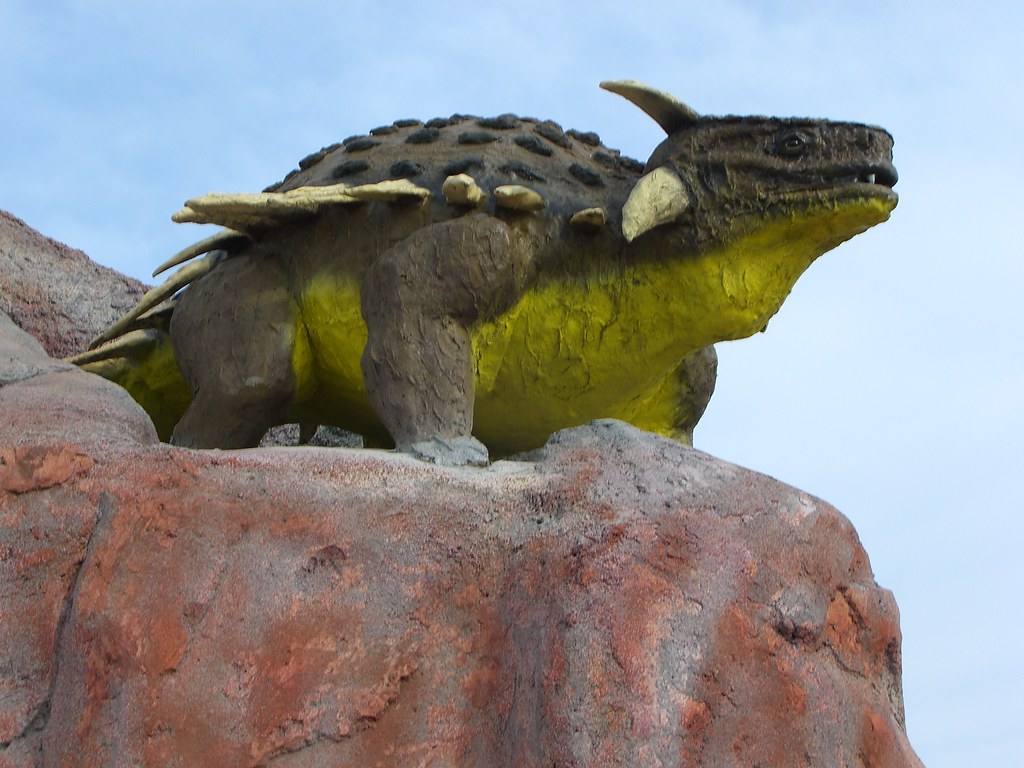
These results imply that the bone strengths of polacanthid spikes and ankylosaurid plates are lower than spikes and clubs of other ankylosaurs, indicating that they may be used more probably as display and/or thermoregulation rather than as weapons. It is thus probable that ankylosaur armor in general played more than just a defensive role.
The might have served multiple purposes beyond protection. Scientists theorize they could have helped regulate body temperature or even played a role in social displays. However, their primary function remained clear: keeping this massive herbivore alive in a world full of deadly predators.
The Ultimate Weapon: A Devastating Tail Club
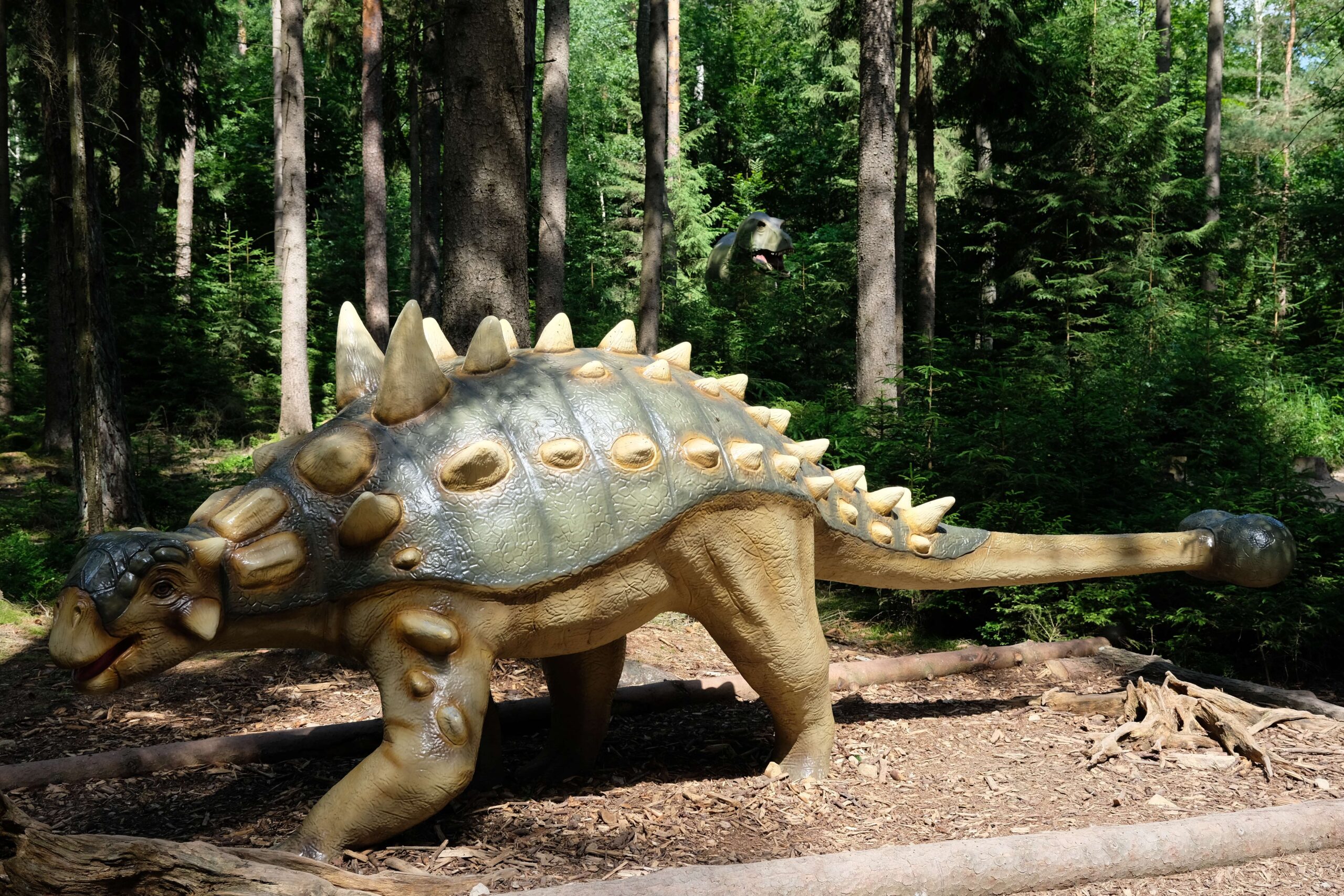
They are best known for their distinctive tail club composed of stiff, interlocking vertebrae (the handle) and large, bulbous osteoderms (the knob), which may have been used as a weapon. This wasn’t just any tail – it was essentially a biological sledgehammer capable of delivering devastating blows.
The tendons of the tail were partially ossified and were not very elastic, allowing great force to be transmitted to the club when it was used as a weapon. The engineering here was remarkable: a stiff handle provided the leverage while the knob delivered the impact.
Scientific Evidence of Destructive Power
Coombs suggested in 1979 that several hindlimb muscles would have controlled the swinging of the tail, and that violent thrusts of the club would have been able to break the metatarsal bones of large theropods. A 2009 study estimated that ankylosaurids could swing their tails at 100 degrees laterally, and the mainly cancellous clubs would have had a lowered moment of inertia and been effective weapons.
Victoria Arbour has established that ankylosaurid tails could generate enough force to break bone during impacts. Imagine a weapon that could literally shatter the leg bones of a Tyrannosaurus rex – that’s the kind of destructive power we’re talking about.
Conclusion
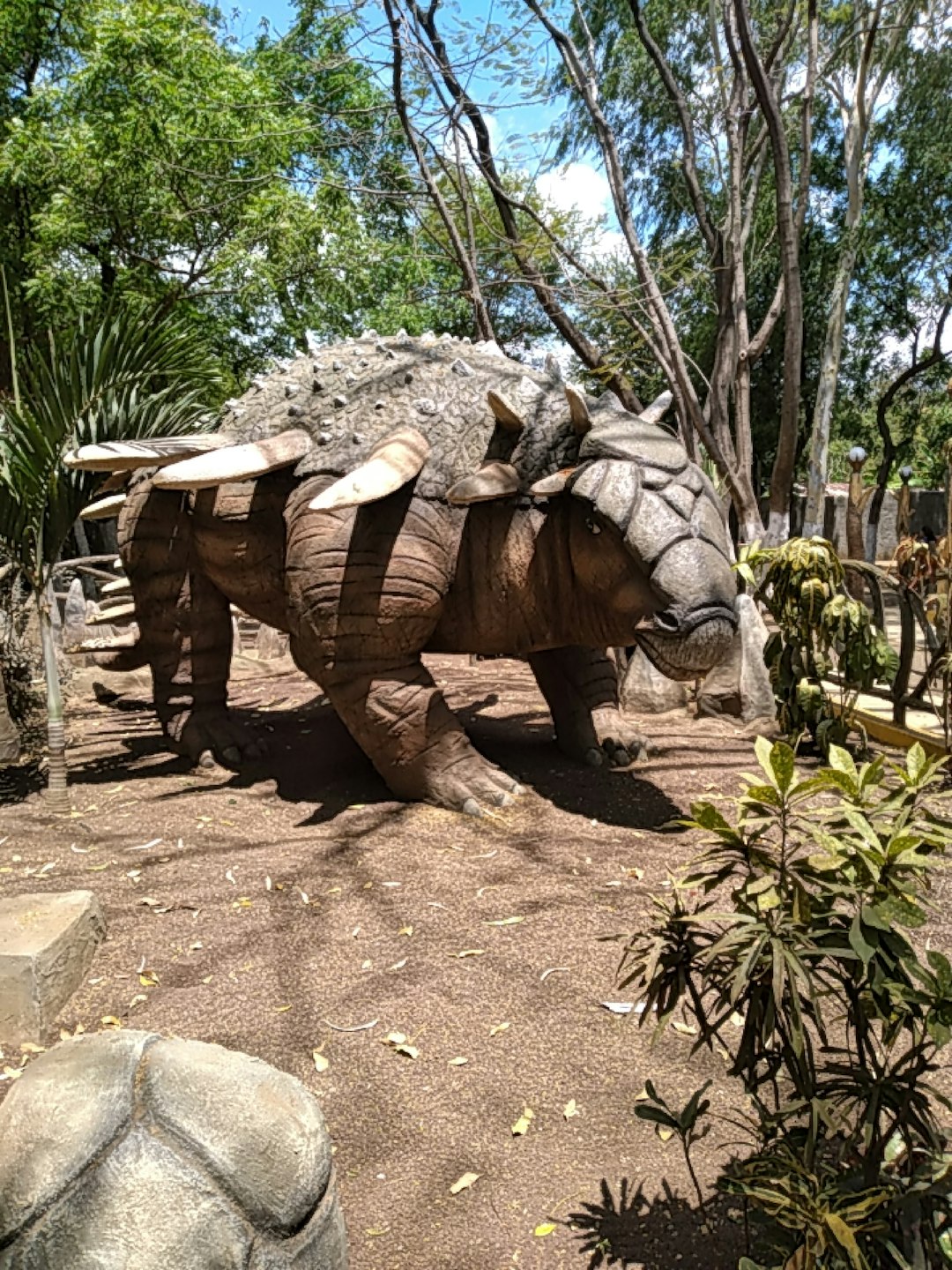
The Ankylosaurus represents one of evolution’s most remarkable success stories in defensive adaptation. The comprehensive analysis of Ankylosaurus’ armor and ecological role underscores the evolutionary pressures that shaped its unique defensive and morphological traits, ensuring its survival in a predator-rich environment. From its comprehensive armor plating to its bone-crushing tail club, every aspect of this dinosaur was designed for survival.
This incredible creature managed to thrive for millions of years not through speed or aggression, but through the ultimate in defensive engineering. It turned its entire body into a living fortress that even the most fearsome predators would think twice about attacking. Did you expect that such sophisticated defensive systems existed over 65 million years ago?