Every few months, it seems, paleontologists announce another earth-shaking discovery that forces scientists to redraw the diagram you once studied in school. The dinosaur family tree, that beautifully tidy illustration of prehistoric lineage, keeps getting messier, more complicated, and honestly, far more fascinating. We are not just filling in gaps anymore. We are finding whole branches that nobody knew existed.
If you think dinosaurs are a solved mystery, you are in for a wild ride. From the sun-scorched deserts of Mongolia to the red rock badlands of Montana, new species are being unearthed at a pace that would have seemed almost unimaginable to scientists just a generation ago. Let’s dive in.
We Are Living in a Golden Era of Dinosaur Discovery
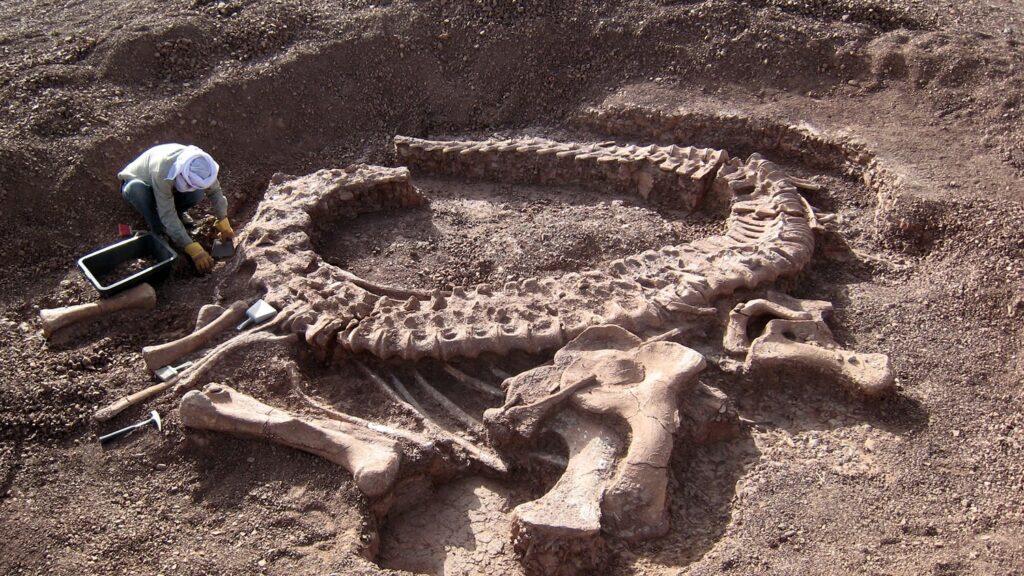
Let’s be real – you might assume most dinosaur discoveries happened back in the 1800s or early 1900s, the golden age of pick-and-shovel fossil hunting. That assumption could not be more wrong. Around 1,400 dinosaur species are now known from more than 90 countries, with the rate of discovery accelerating in the last two decades. Think about that for a second. That number keeps climbing, not slowing down.
The year 2025 alone saw the discovery of 44 new dinosaur species, nearly one a week. Many new discoveries come from paleontological hotspots such as Argentina, China, Mongolia and the US, but dinosaur fossils are also being found in many other places, from a Serbian village to the rainswept coast of northwest Scotland. It is a bit like finding new rooms in a house you thought you already knew inside out.
Khankhuuluu: The Dragon Prince That Rewrote the Tyrannosaur Story
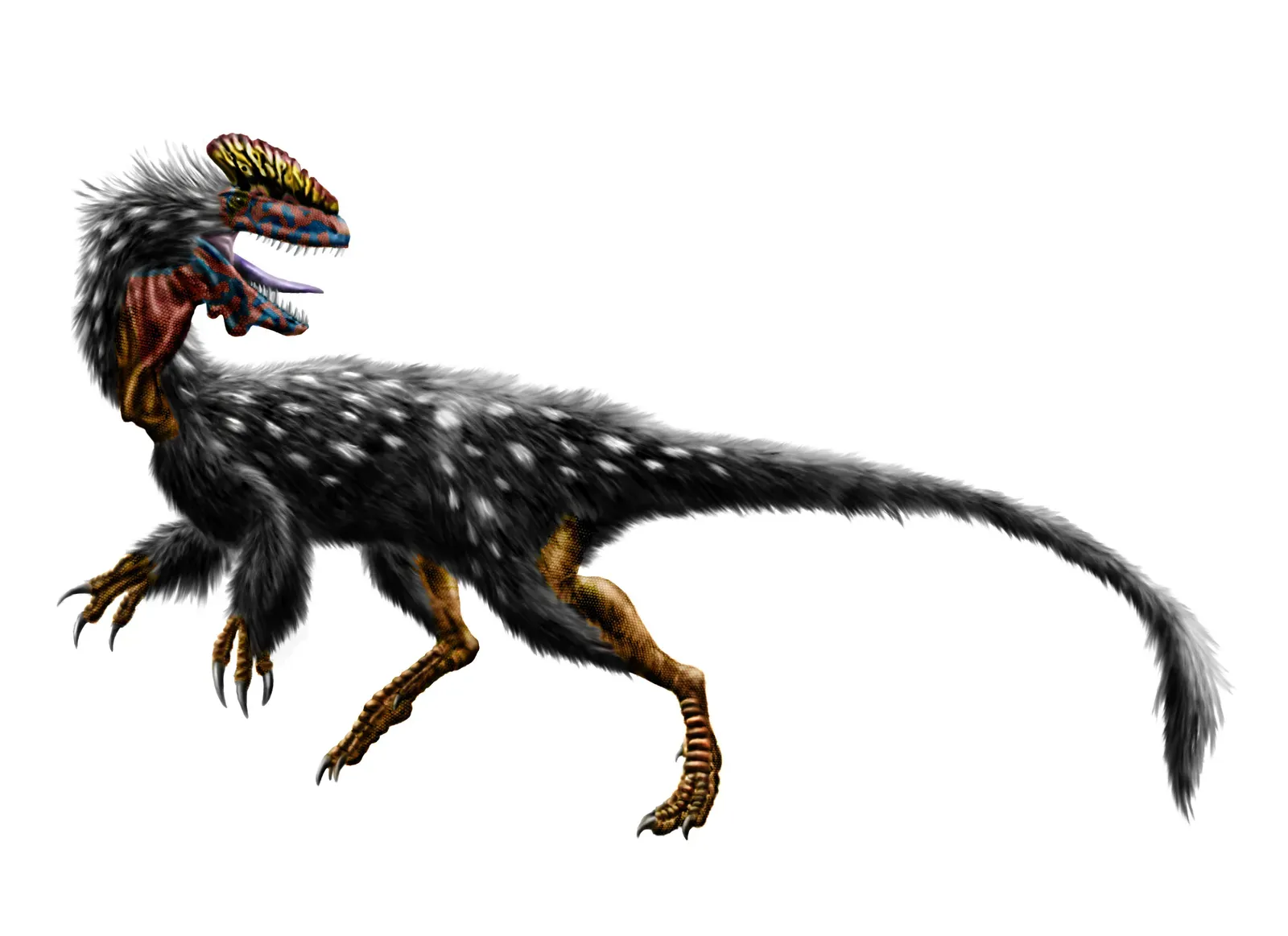
If there is one discovery that captures how dramatically new finds reshape our picture of dinosaur evolution, it is the Khankhuuluu mongoliensis, nicknamed the “Dragon Prince of Mongolia.” Named Khankhuuluu, which roughly translates to “dragon prince,” this small carnivore lived about 86 million years ago in what is now the Gobi Desert. It is how Khankhuuluu adjusts the tyrannosaur family tree that makes it a standout specimen, as the study published in Nature details multiple tyrannosaur migrations, millions of years apart.
Here is the thing – the bones had actually been sitting in a Mongolian museum collection since the 1970s, misidentified the entire time. When University of Calgary paleontologist Jared Voris studied the bones during a research trip to Mongolia in 2023, he soon realized that the bones did not belong to Alectrosaurus at all. The bones from the two skeletons belonged to a new form of tyrannosaur that had been waiting to be discovered in collections for half a century. According to the study, the Khankhuuluu helps fill a gap in the origin story of tyrannosaurs. The implications for how you understand T. rex’s ancestry are profound.
Tyrannosaurs Were Global Travelers, Not Just American Giants
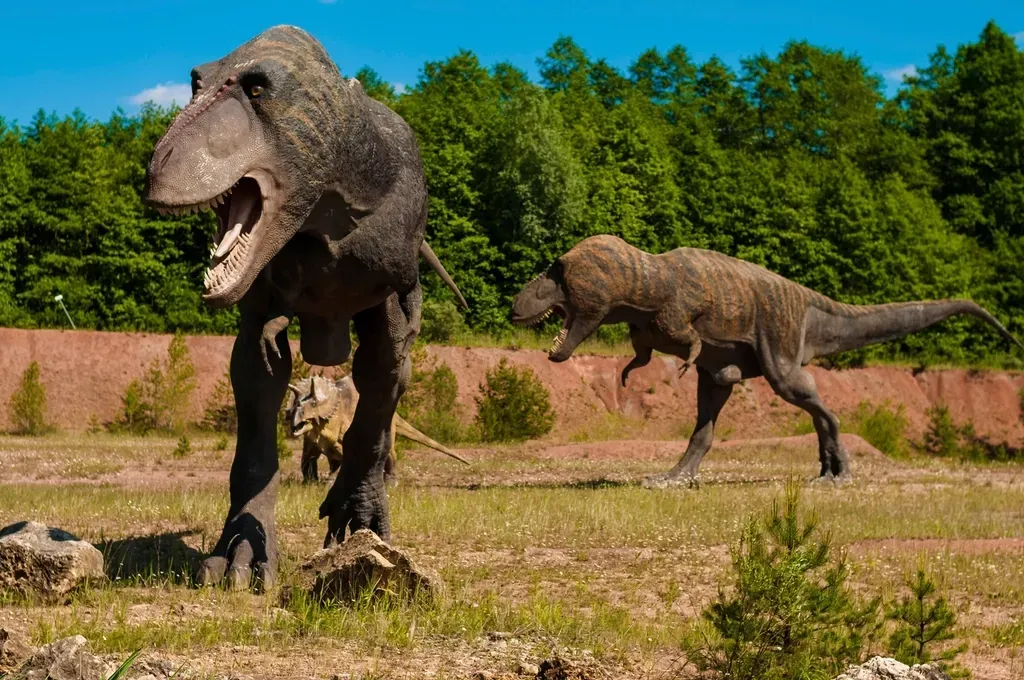
You probably picture T. rex as quintessentially North American, stomping across Cretaceous forests in what is now Montana and South Dakota. The real story is far more adventurous, almost like a multi-continent road trip spanning tens of millions of years. Instead of a simple line of evolution from early tyrannosaurs to T. rex, paleontologists have uncovered a wildly branching evolutionary bush of different tyrannosaur subgroups that came and went through the Cretaceous.
Khankhuuluu mongoliensis, or a closely related ancestor species, likely migrated from Asia to North America across a land bridge between Alaska and Siberia that connected the continents 85 million years ago. Because of this migrant species, we now know that tyrannosaurs actually evolved first on the North American continent and remained there exclusively over the next several million years. One more migration happened as tyrannosaurs continued to evolve, and a gigantic tyrannosaur species crossed back into North America 68 million years ago, resulting in Tyrannosaurus rex. Your mental image of dinosaur evolution just got a lot more globe-trotting.
Nanotyrannus: The Dinosaur That Was Hiding in Plain Sight for Decades
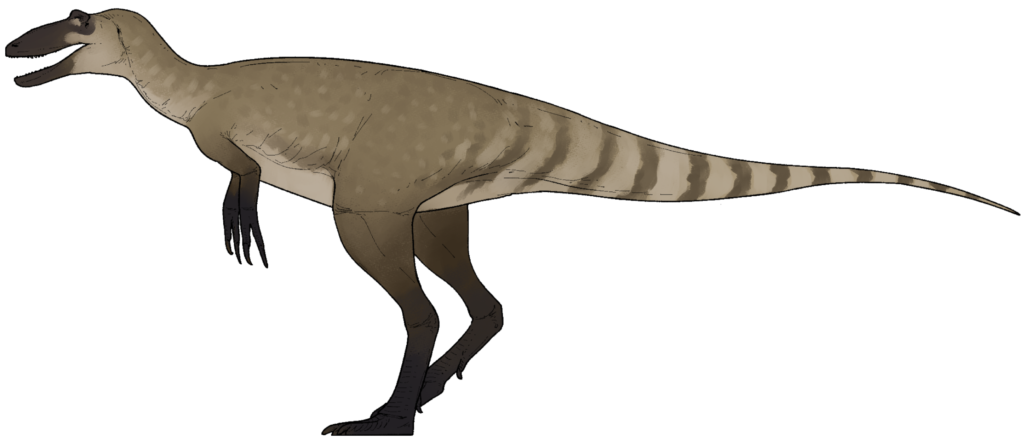
Honestly, this one might be the most dramatic identity crisis in the history of paleontology. For more than three decades, scientists argued bitterly over whether a certain group of medium-sized tyrannosaur fossils represented juvenile T. rexes still growing into their massive frames, or an entirely separate species. A complete tyrannosaur skeleton ended one of paleontology’s longest-running debates. The fossil, part of the legendary “Dueling Dinosaurs” specimen unearthed in Montana, contains two dinosaurs locked in prehistoric combat: a Triceratops and a small-bodied tyrannosaur. That tyrannosaur is now confirmed to be a fully grown Nanotyrannus lancensis, not a teenage T. rex as many scientists once believed.
Using growth rings, spinal fusion data and developmental anatomy, the researchers demonstrated that the specimen was around 20 years old and physically mature when it died. Its skeletal features, including larger forelimbs, more teeth, fewer tail vertebrae, and distinct skull nerve patterns, are features fixed early in development and biologically incompatible with T. rex. Confirmation of the validity of Nanotyrannus means that predator diversity in the last million years of the Cretaceous was much higher than previously thought, and hints that other small-bodied dinosaur species might also be victims of mistaken identity. The late Cretaceous was not T. rex’s exclusive kingdom. You had competition.
Zavacephale: The Dome-Headed Dinosaur That Pushed Back the Clock
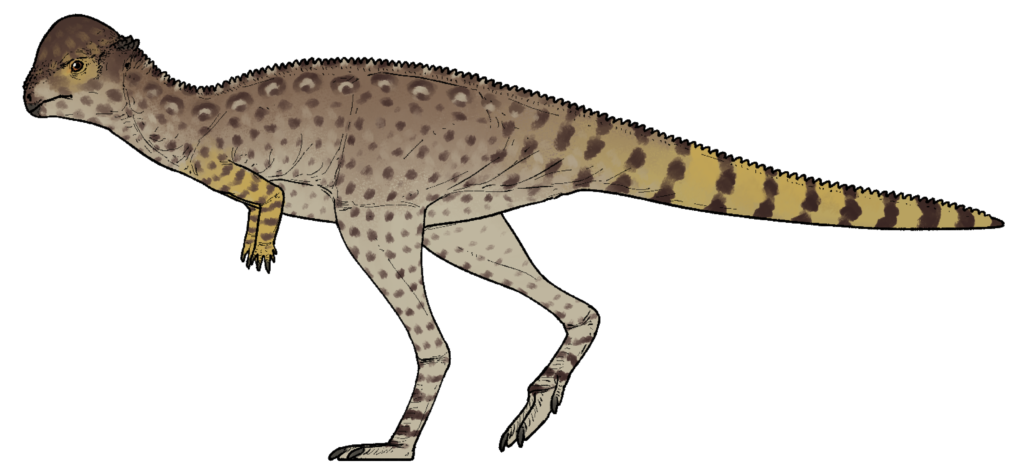
Imagine being a paleontologist and stumbling across a polished dome-shaped skull emerging from the desert rockface like something from a dream. That is precisely what happened in southeast Mongolia when paleontologist Chinzorig Tsogtbaatar spotted something strange on the other side of a rocky hill. Scientists discovered a new pachycephalosaur, Zavacephale rinpoche, in Mongolia’s Gobi Desert, dating back to 108 million years ago. This is the oldest pachycephalosaur fossil ever found. It includes a well-preserved skull, limb and tail bones, as well as the first discovery of hand bones and stomach stones. Despite being a juvenile, Z. rinpoche already had a fully developed skull dome, offering new insights into dome development in early pachycephalosaurs.
The new specimen is 15 million years older than what had previously been the oldest pachycephalosaur ever found. This was not the case for Zavacephale. Over half of its skeleton has been found, including features such as a hand and full tail, neither of which have ever been found in pachycephalosaurs before. The discovery of these stomach stones lends support to the theory that pachycephalosaurs probably ate both plants and animals, that they were omnivores. Every assumption about this group of dinosaurs you had before 2025 deserves a second look.
Africa and Untapped Regions Are Changing Where the Family Tree Grew
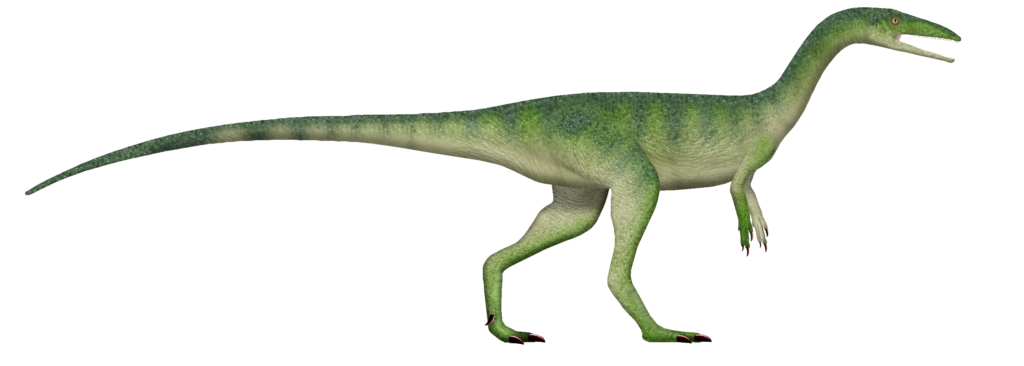
For much of paleontology’s history, the dinosaur family tree was built from fossils found in North America, Europe, and parts of Asia. That is simply because those regions had better-funded expeditions and more accessible fossil beds. Now, underexplored regions are beginning to yield treasures that quietly reshape entire branches of the tree. The discovery of Musankwa sanyatiensis is particularly significant as it is the first dinosaur to be named from the Mid-Zambezi Basin of northern Zimbabwe in more than 50 years. The fossil follows only three previous dinosaur discoveries in the region: Syntarsus rhodesiensis in 1969, Vulcanodon karibaensis in 1972, and Mbiresaurus raathi in 2022.
An evolutionary analysis reveals that Musankwa sanyatiensis was a member of the Sauropodomorpha, which were widespread during the Late Triassic. The dinosaur appears to be closely related to contemporaries in South Africa and Argentina. Weighing in at around 390 kilograms, the plant-eating Musankwa sanyatiensis was one of the larger dinosaurs of its era. The Late Triassic and Early Jurassic sediments of Zimbabwe are crucial for understanding the End-Triassic extinction, a catastrophic event that dramatically reshaped Earth’s biodiversity around 200 million years ago. You see, the full story of dinosaur evolution was never just a Western story.
New Species Are Forcing Scientists to Rethink Anatomy Itself
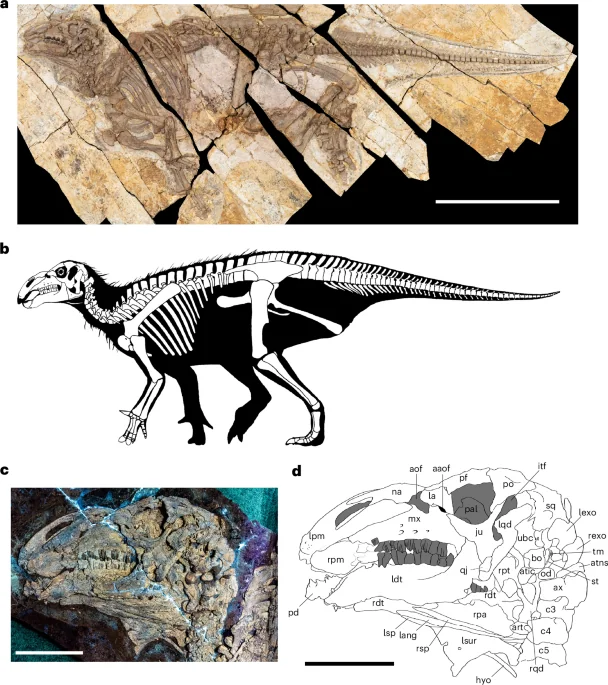
Some of the most jaw-dropping recent discoveries are not just about new names on the family tree. They are about entirely new biological features that nobody predicted. In early 2026, a discovery from China introduced the world to an iguanodontian dinosaur with body coverings that had never been documented in any dinosaur, ever. Researchers identified a previously unknown species that carried a type of body covering never before documented in any dinosaur. Scientists from the CNRS and collaborating institutions made the discovery in China, where they uncovered the fossilized remains of a remarkably well-preserved young iguanodontian. What makes this specimen extraordinary is not just its skeleton, but its preserved skin. Soft tissues rarely survive for millions of years, yet in this case, even microscopic details endured.
Unlike horns or bony plates, the spikes were not solid extensions of bone. Instead, they were hollow structures, a feature that has never previously been observed in dinosaurs. The newly identified species has been named Haolong dongi. This discovery not only adds a new species to the Iguanodontia group, but also reveals that dinosaur skin and body coverings were more varied and innovative than previously understood. Think of it like discovering, quite suddenly, that penguins can fly. The rules keep changing, and the textbooks cannot keep up.
Conclusion: The Dinosaur Family Tree Is Far From Finished
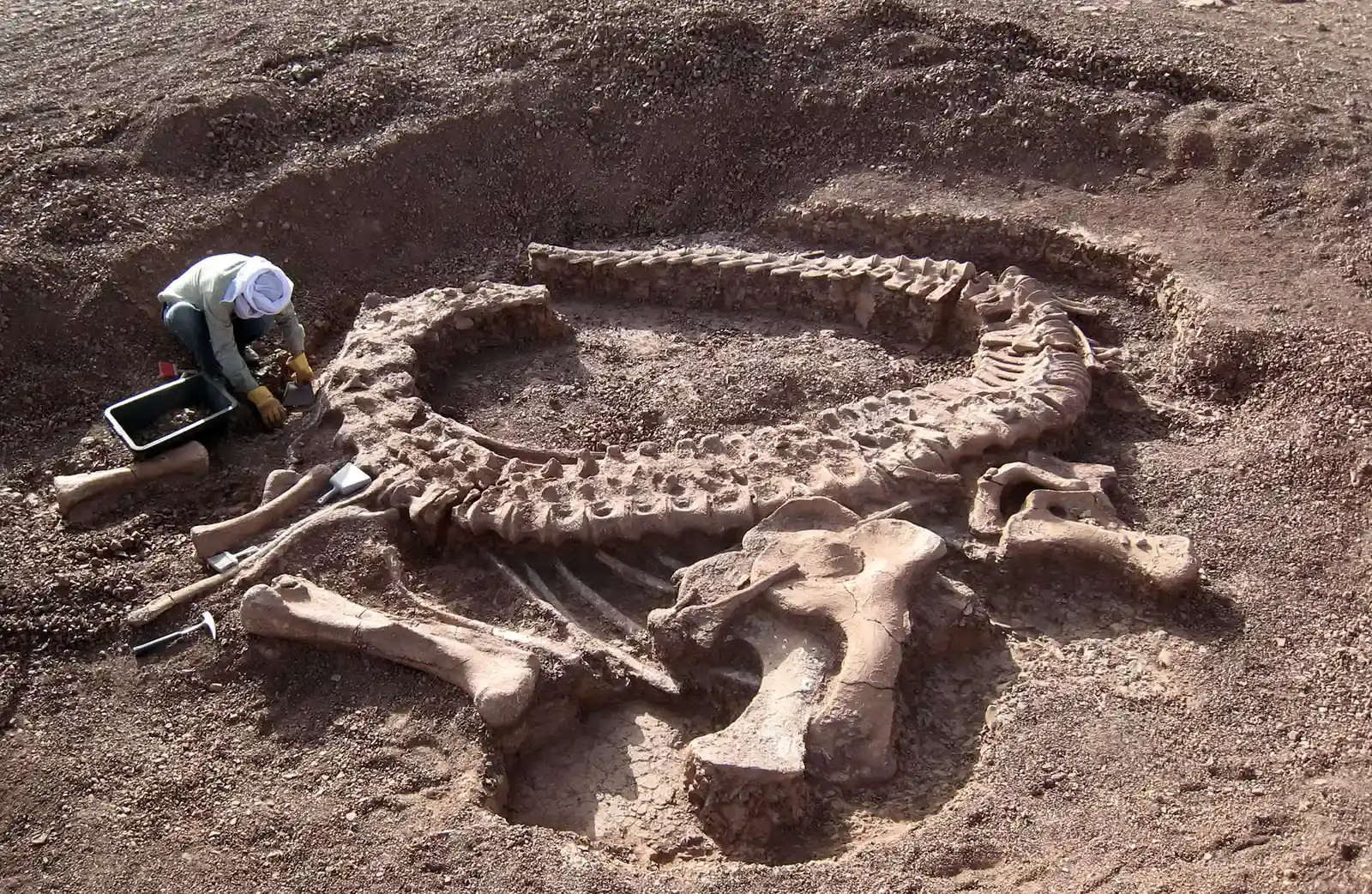
The idea that dinosaurs are a closed chapter of Earth’s history has never been more wrong. Every single year, new species emerge from rock formations across every continent, and each one forces scientists to redraw relationships, revise timelines, and question assumptions that seemed rock-solid just a decade ago. The family tree is not a finished diagram. It is a living, growing document being rewritten in real time.
What is perhaps most thrilling is that the pace of discovery is accelerating, not slowing. New imaging technologies, expanded fieldwork in underexplored regions, and a fresh look at bones already sitting in museum drawers are all contributing to a revolution in our understanding of prehistoric life. The Dragon Prince of Mongolia waited 50 years in a collection before revealing its secrets. How many others are still waiting?
If you thought you knew everything about dinosaurs, the science politely, persistently, and wonderfully disagrees. What surprises you most about how much is still out there to discover? Tell us in the comments.