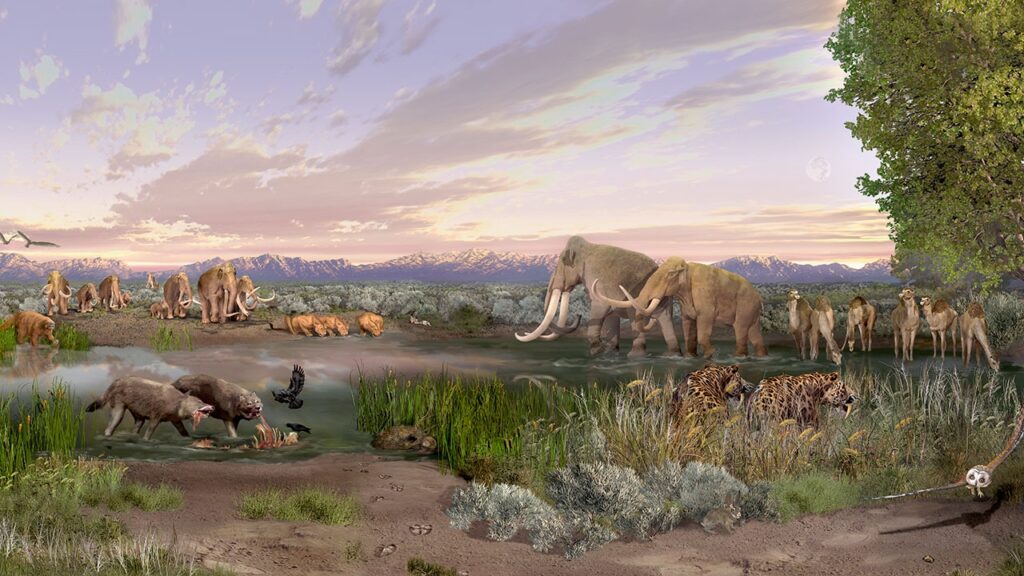
Imagine standing in what is now the American Midwest, surrounded by shaggy-furred elephants the size of double-decker buses, saber-toothed predators stalking the tree line, and giant ground sloths so massive they could tear the top off a forest canopy just by standing upright. This wasn’t a scene from a fantasy novel. It was just yesterday, geologically speaking. The Earth once belonged to creatures of truly staggering proportions, and the fossil record doesn’t let you forget it.
Megafauna, the collective term for the planet’s largest animals across time, shaped continents, rewrote food chains, and dominated ecosystems with a thoroughness that modern nature simply cannot replicate. Their story is humbling, sometimes shocking, and absolutely worth telling. So let’s dive in.
A World Built for Giants: What Megafauna Actually Means
Here’s the thing most people don’t realize: the word “megafauna” isn’t just a cool label slapped onto dinosaurs. In zoology, megafauna literally translates from Greek and Neo-Latin to mean “large animal life,” with a common weight threshold of around 45 kilograms, though other definitions push that threshold all the way up to 1,000 kilograms depending on the ecosystem being studied. Think of it like a sliding scale. A wolf qualifies in some systems. A woolly mammoth qualifies in all of them.
Large body size in megafauna is generally associated with a slow rate of reproduction and, in large herbivores, reduced or negligible adult mortality from predation. That last point is stunning when you sit with it. These animals were so enormous that virtually nothing could kill a healthy adult. They were, in a very real sense, built to last.
The Age of Dinosaurs: When Reptilian Giants Ruled Absolutely
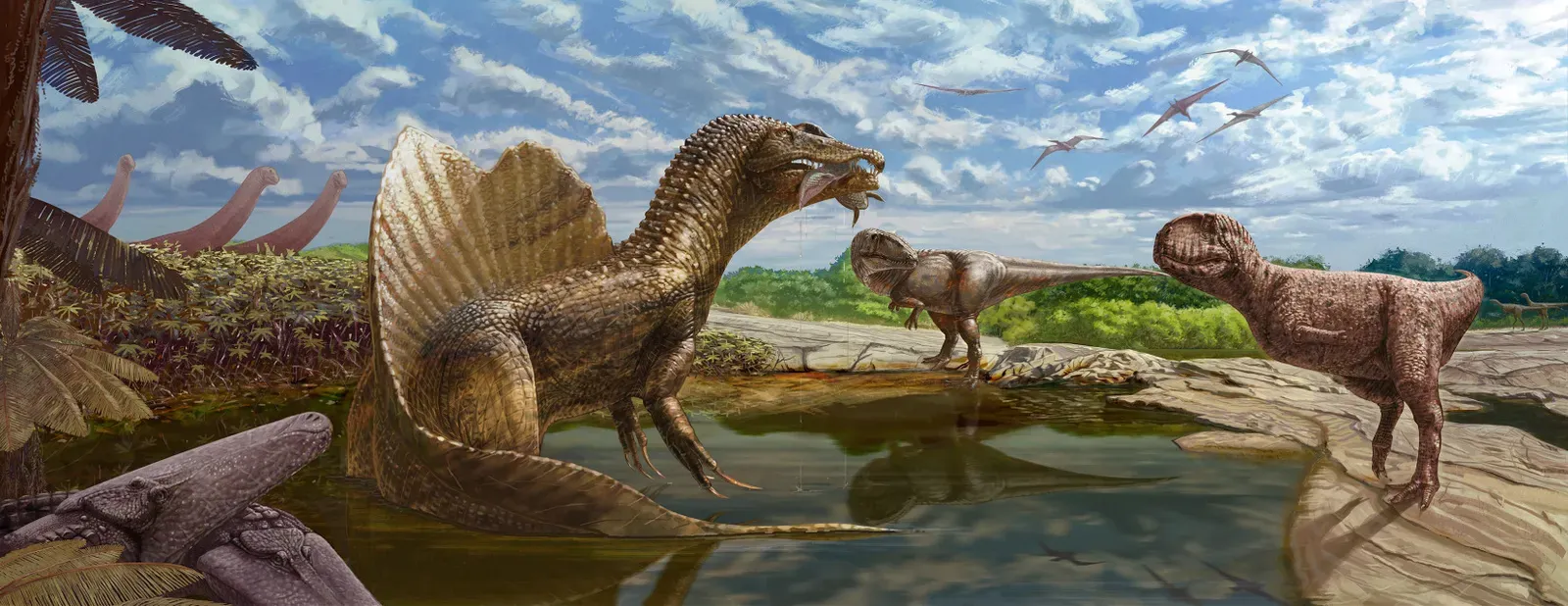
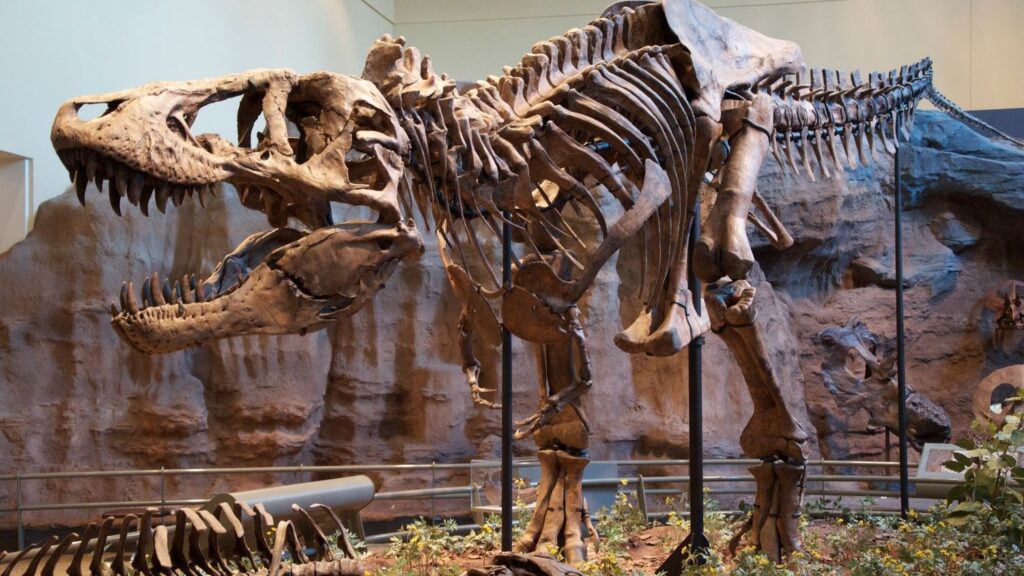
Dinosaurs dominated life on Earth for 180 million years, between the Triassic and the Cretaceous periods. That is a number so large it almost loses meaning. For context, modern humans have existed for roughly 300,000 years. Dinosaurs had more time to evolve and diversify than we can meaningfully comprehend.
Creatures both before, after, and during the dinosaur reign reached comparable sizes, though none on land reached the same titanic proportions as the massive sauropods. Pterosaurs dominated the Mesozoic skies before the first birds came into being, and reached sizes that dwarf any bird, living or extinct. One of the most jaw-dropping examples of aerial megafauna was Quetzalcoatlus. With a wingspan nearing 40 feet and a standing height of 15 to 20 feet, Quetzalcoatlus was not only easily the largest pterosaur, it was the largest flying animal in the entire history of planet Earth.
After the Dinosaurs: Mammals Inherit the Earth and Go Big
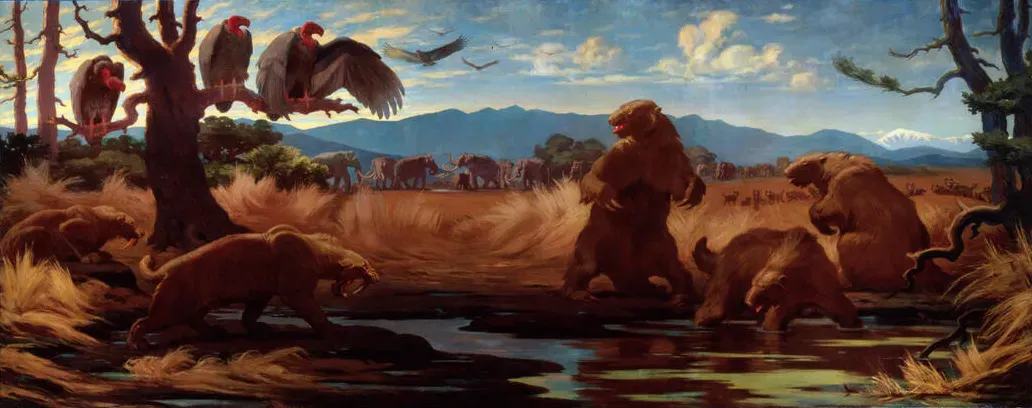
Scientists believe that after the mass extinction that wiped out dinosaurs, mammals evolved to fill the vacant ecological niches. Freed from competition with the dinosaurs, they diversified into a wide range of sizes, diets, and lifestyles. It’s almost as if evolution exhaled and said, “Finally, room to breathe.” The resulting explosion of giant mammal life was extraordinary.
Some mammals were already pretty big 50 million years ago, but the largest examples comparable to African elephants did not roam the planet until late in a time known as the Eocene, between 41 and 34 million years ago. By the Oligocene, around 34 to 23 million years ago, large mammals were found all over the world, including the largest mammal to ever live on land, a 20-ton hornless rhinoceros. Twenty tons. That’s roughly the weight of four full-grown African elephants stacked on a scale. Honestly staggering.
The Ice Age Peak: When Giants Covered Every Continent
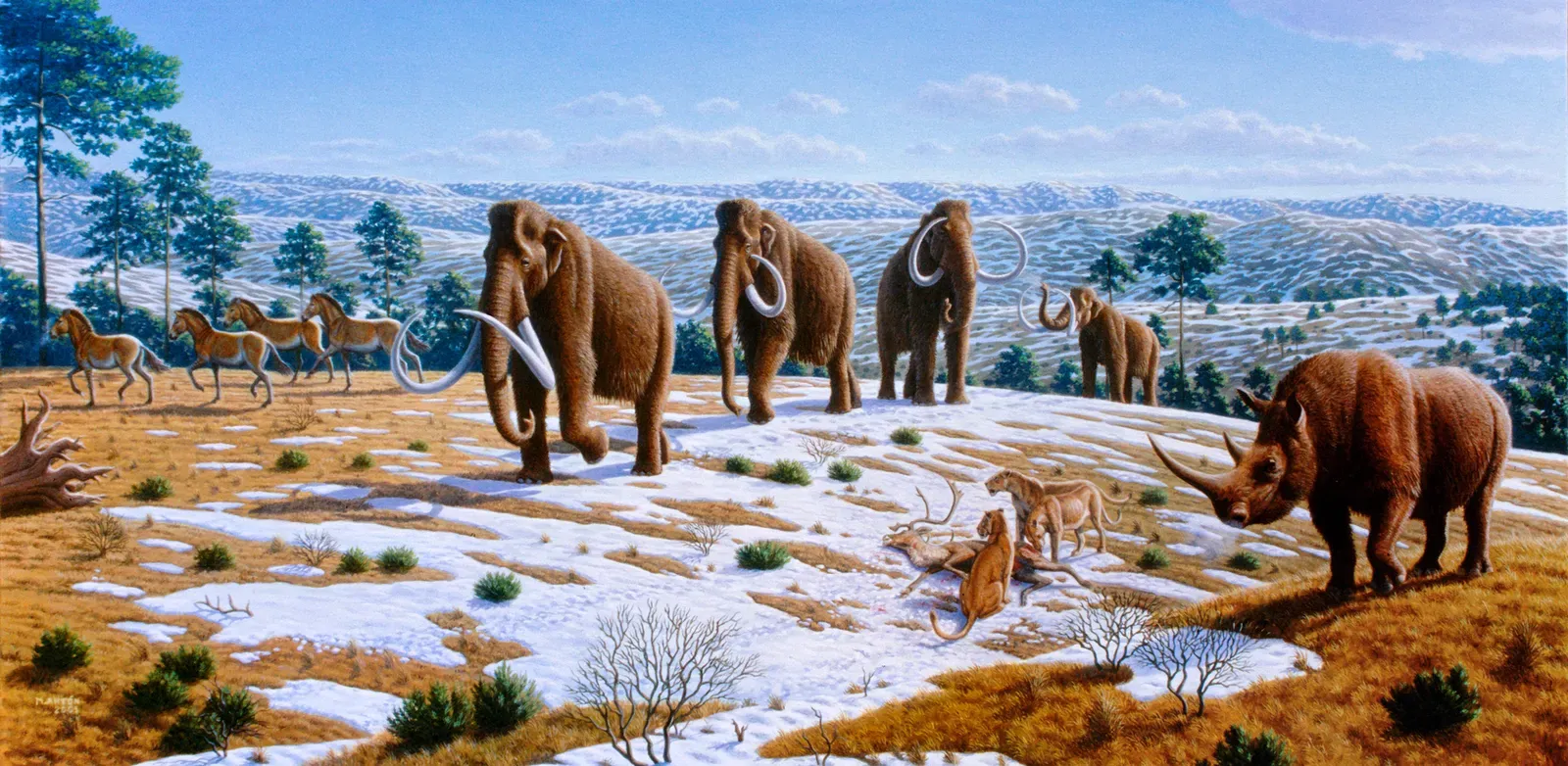
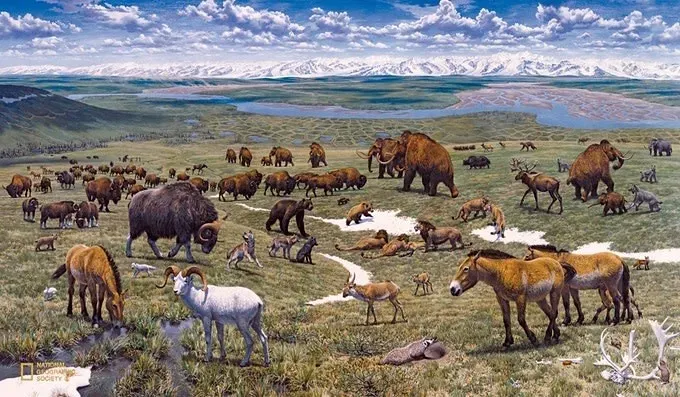
It was during the Pleistocene, between 2.58 million years ago and 11,700 years ago, when the age of giant mammals was at its absolute peak, with many species present on all continents. This was megafauna’s greatest era. You could barely walk a few miles on any landmass without encountering something enormous.
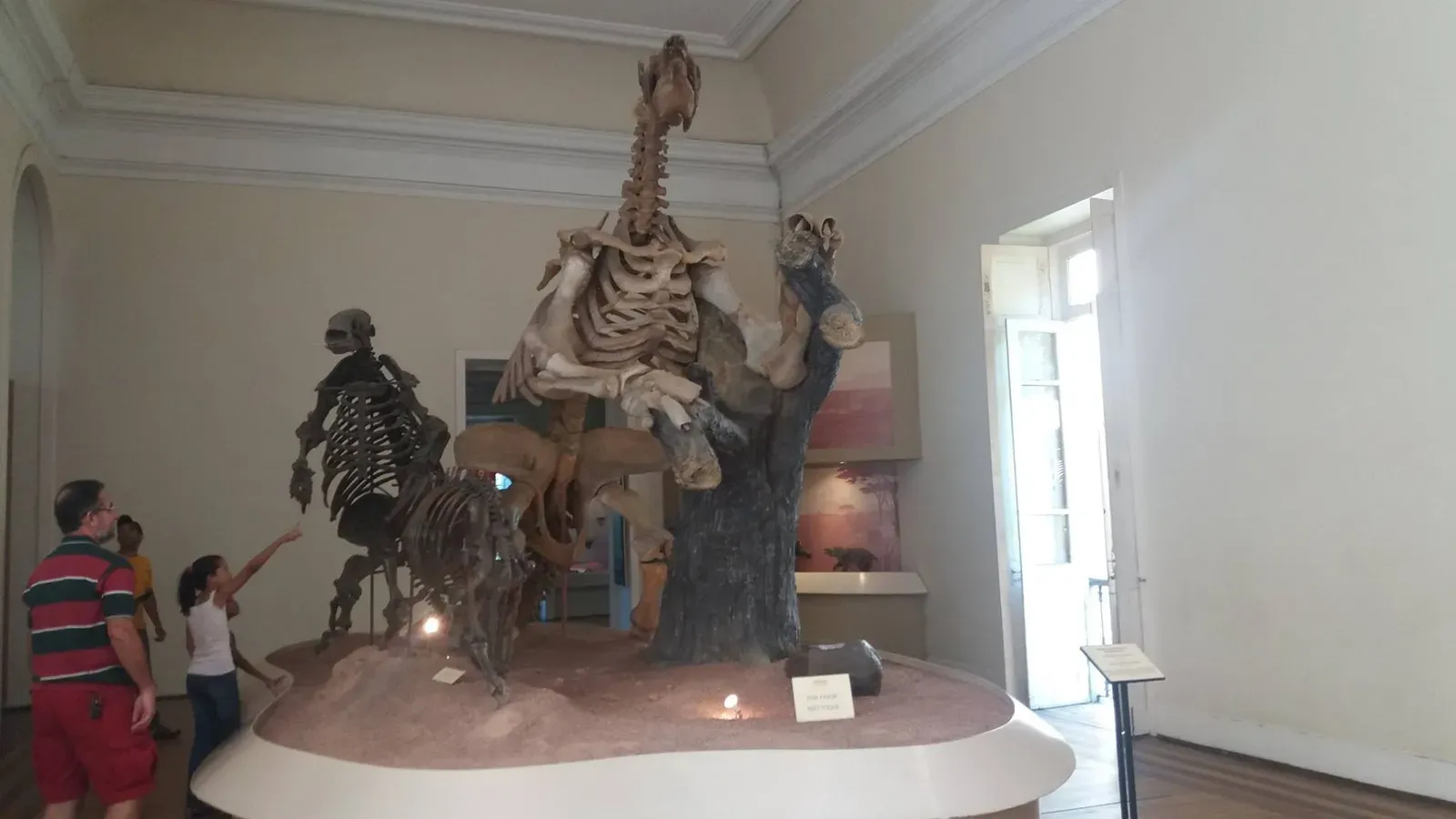
In Australia, megafauna included the huge wombat-shaped Diprotodon and giant goanna Megalania. European megafauna included woolly rhinoceroses, mammoths, cave lions, and cave bears. In North America, megafauna included giant ground sloths and sabre-toothed tigers, and African megafauna included elephants, giraffes, rhinoceroses, and hippopotamuses. Every single continent had its cast of giants. The planet was, in every practical sense, a world of monsters.
Giants You’d Never Expect: Strange and Surprising Megafauna
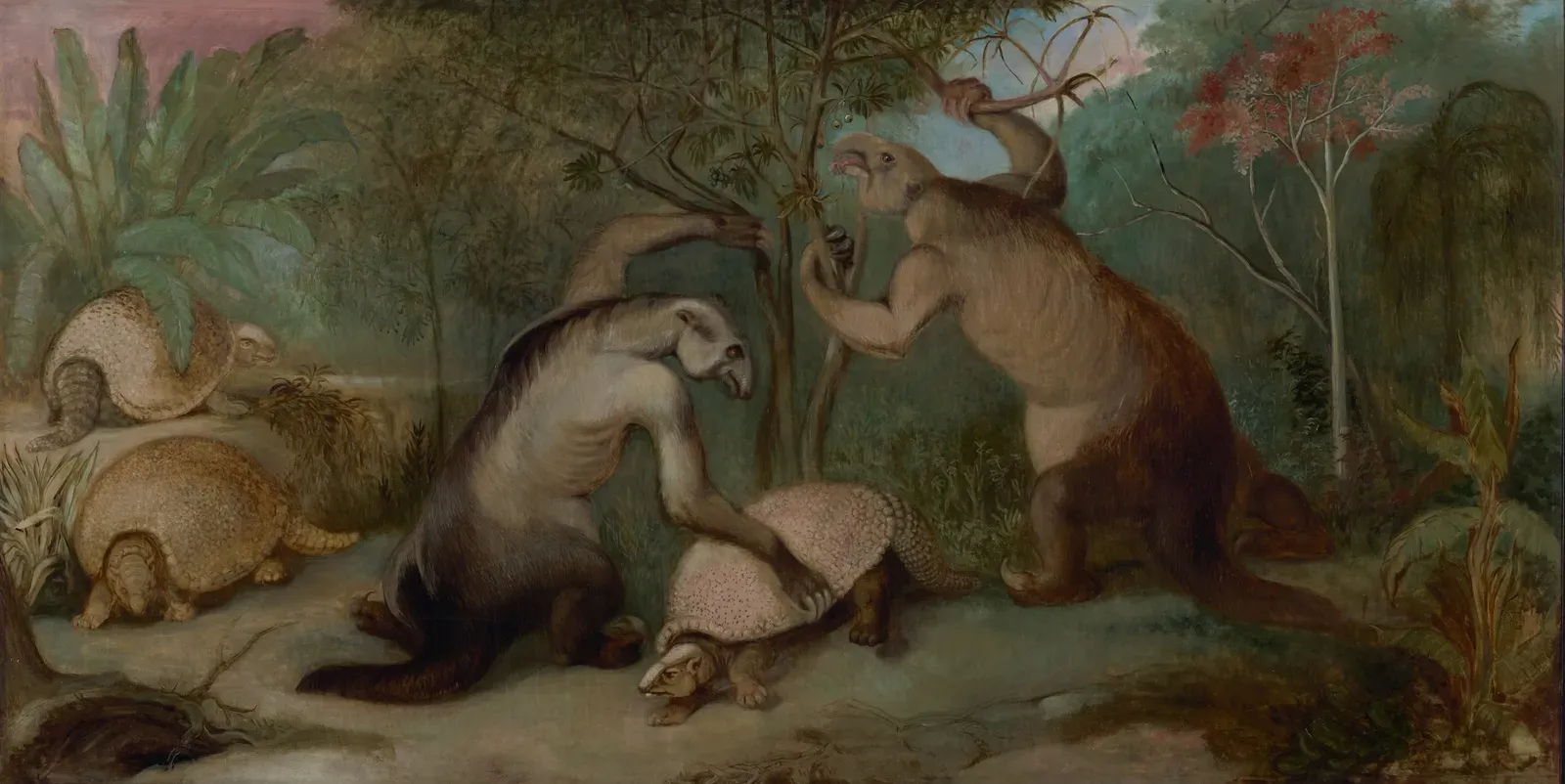
Let’s be real, when most people picture prehistoric giants they think of mammoths and T. rex. Yet some of the most fascinating megafauna were animals you’d never expect. The Glyptodon, whose name means “carved or grooved teeth,” was an incredibly large mammal that was a relative of modern-day armadillos. Like armadillos, glyptodons had armor that was extremely hard and shell-like. These massive creatures could weigh up to 4,000 pounds and reach a length of 5 feet. Imagine an armadillo the size of a small car. That’s a Glyptodon.
The largest known non-hominid primate was Gigantopithecus blacki, with studies estimating heights around 9 to 12 feet tall and a weight of 225 to 300 kilograms. That’s a primate standing taller than most basketball hoops. Gigantopithecus is an extinct genus of apes that lived from perhaps nine million years ago to as recently as one hundred thousand years ago, across what is now India, Vietnam, China, and Indonesia. It was, in other words, roaming Asia while early modern humans were already walking Africa.
The Giants as Ecosystem Engineers: How Size Shaped the World
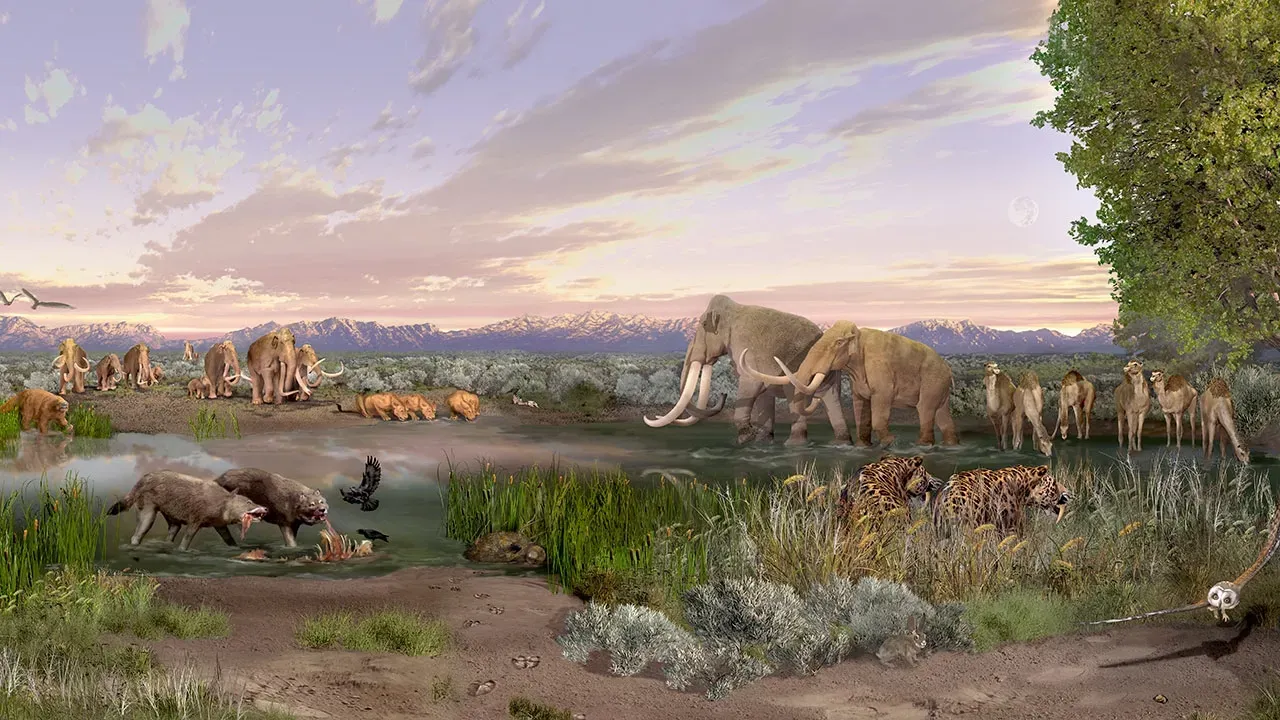
Size wasn’t just an intimidating feature. It was a functional force that literally built landscapes. Modern megafauna are disproportionately important to the health and functioning of global ecosystems, often referred to as “ecosystem engineers.” Large herbivores such as elephants shape entire landscapes by suppressing woody vegetation through grazing and browsing, which can reduce the frequency of wildfires. Now scale that impact up to a Pleistocene world filled with dozens of such species across every continent.
These animals are also important for seed dispersal over long distances and for creating waterholes by digging, which provides resources for countless smaller species. The loss of megafauna can trigger an ecological cascade, negatively affecting nutrient cycling and plant community structure. Prehistoric ecosystems weren’t just home to giants. They were quite literally engineered by them. Remove the giants, and the whole system starts to wobble.
The Great Dying: How the Giants Disappeared
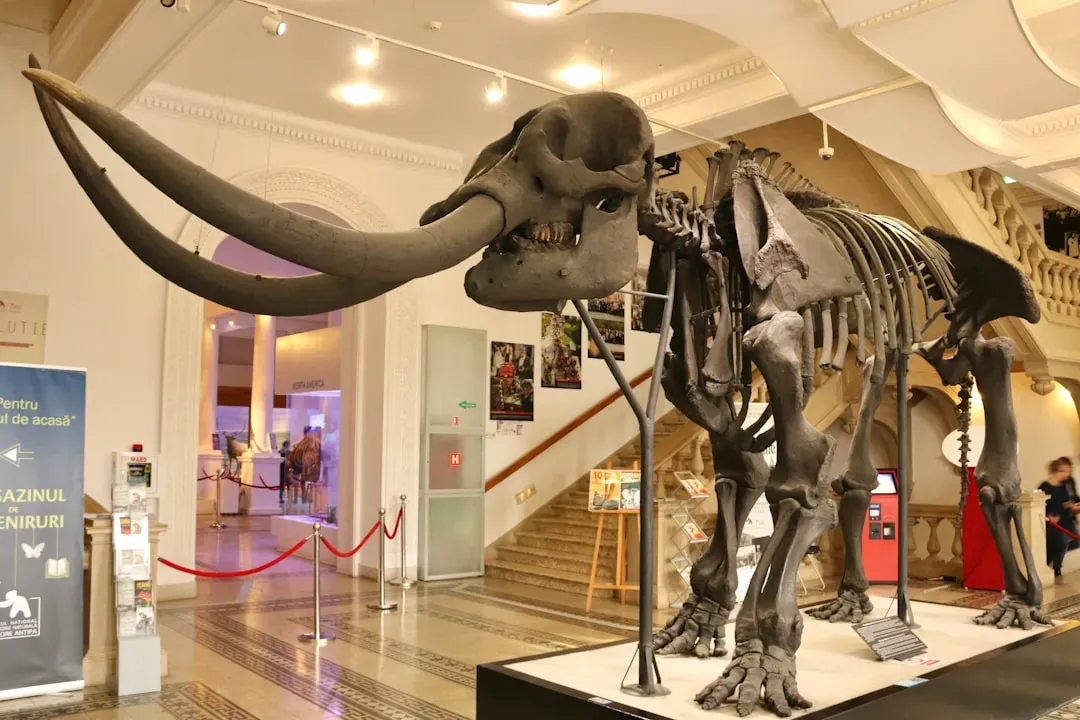
During the Late Pleistocene, particularly from around 50,000 years ago onwards, most large mammal species became extinct, including the vast majority of all mammals greater than 1,000 kilograms, while small animals were largely unaffected. This is what makes the extinction pattern so peculiar and so chilling. Small species sailed through it. Only the biggest paid the price.
Various theories have attributed the wave of extinctions to human hunting, climate change, disease, extraterrestrial impact, competition from other animals, or other causes. However, this extinction near the end of the Pleistocene was just one of a series of megafaunal extinction pulses that have occurred during the last 50,000 years over much of the Earth’s surface, with Africa and Asia being comparatively less affected. Most current research suggests the extinctions were likely caused by a combination of both factors, with human pressure exacerbating the stress of a changing climate. It wasn’t one smoking gun. It was a slow, compounding collapse.
What Remains: The Last Giants Still Walking Among Us
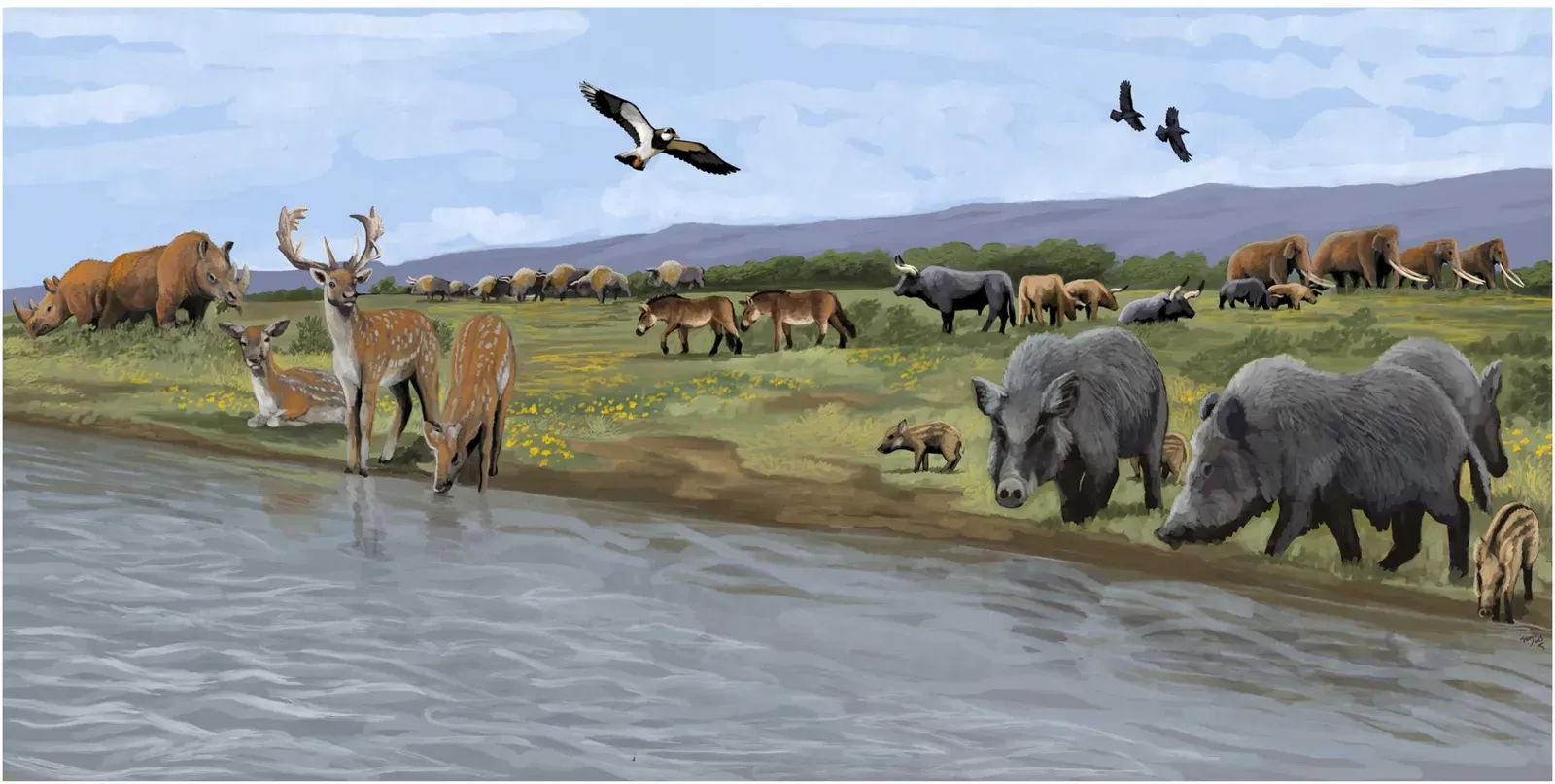
Here’s a thought worth sitting with: you are alive during a time when megafauna still exists. Despite the massive losses of the Pleistocene, a significant number of megafauna species still inhabit the Earth, though their distribution is now far more restricted. The African savanna is the remaining stronghold for terrestrial megafauna, featuring the African bush elephant, the largest land animal, along with rhinoceroses, giraffes, and hippopotamuses.
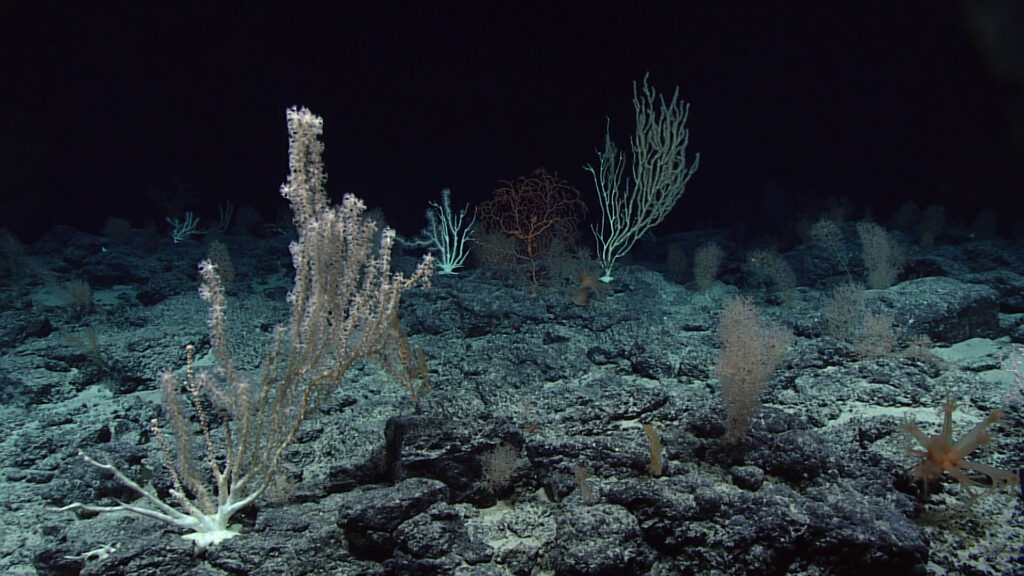
In the oceans, the megafauna category is dominated by marine mammals and large fish that far surpass the size of their terrestrial counterparts. This group includes all species of whales, such as the blue whale and humpback whale, which are integral to the open ocean ecosystem. The world’s largest species are currently facing severe threats, leading to dramatic range contractions and population declines. Habitat loss, driven by human expansion and agricultural development, is a major factor, as megafauna require vast territories to sustain their populations. Illegal poaching for body parts, particularly affecting elephants and rhinos, presents an immediate threat. We are, it seems, still finishing what our ancestors started.
Conclusion: A Planet That Once Trembled Beneath Giant Footsteps
The evidence is written in stone, preserved in frozen tundra, and etched into cave walls by the very humans who may have helped end the age of giants. Earth was once a place where colossal creatures set the rules. They shaped forests, redirected rivers, and kept entire ecosystems in balance simply by existing. Their absence echoes through every thinned-out woodland and overgrown savanna we see today.
Understanding megafauna isn’t just a paleontology lesson. It’s a mirror. Studying extinct megafauna gives us vital information about how the animals went extinct, which can help us understand the risks that animals now face. Whether these giants disappeared because of a changing climate or our human ancestors, their extinction should be one more reason for us to question our role as the dominant species on the planet.
The giants are mostly gone now. The question that lingers, quietly and uncomfortably, is whether the last of them will disappear on our watch too. What do you think we owe to the final megafauna still sharing this planet with us? Tell us your thoughts in the comments.