Have you ever wondered what it was like for the very first people who set foot in North America? The story of the earliest Americans is far more complex than what many of us learned in school. For decades, textbooks told a simple tale of ancient hunters crossing an icy land bridge. Yet modern discoveries have unraveled that story, revealing a narrative filled with mystery, controversy, and surprises that continue to reshape our understanding of human history.
These ancient pioneers didn’t just arrive once and settle down. Recent evidence suggests multiple waves of migration, different routes taken, and cultures that flourished thousands of years earlier than once believed. Let’s dive in.
The Clovis First Theory Has Been Shattered
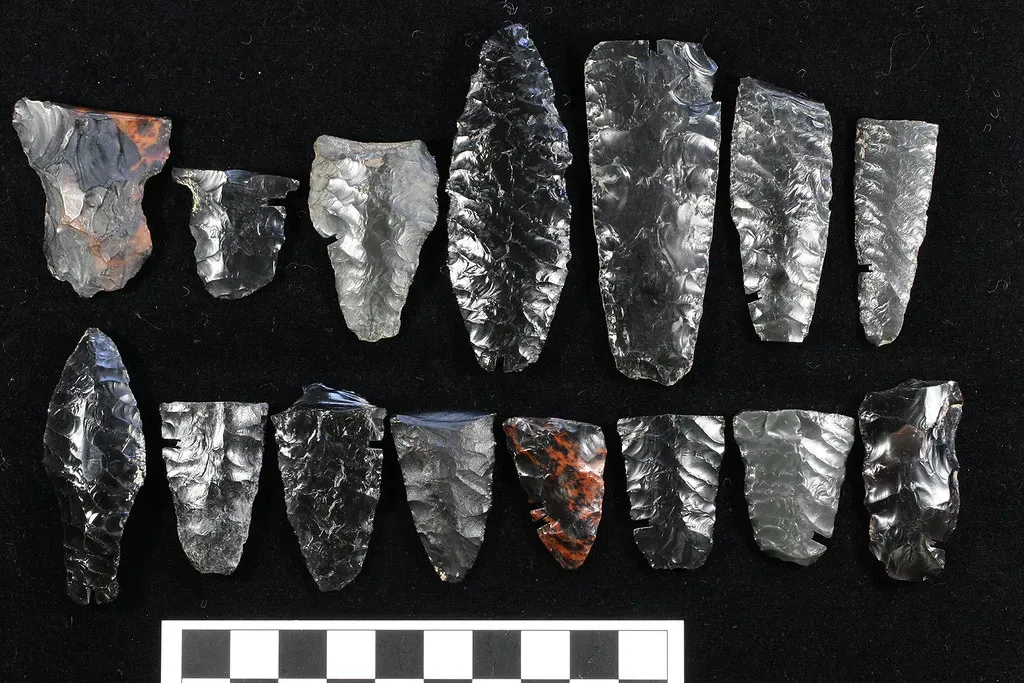
For many years, you would have learned in archaeology classes that the first humans arrived in North America roughly thirteen thousand years ago, and these people were collectively known as the Clovis people. They got their name from distinctive spear points discovered near Clovis, New Mexico.
This theory dominated archaeological thinking for most of the twentieth century. Experts now look at mounting evidence as the final nail in the Clovis first coffin. Sites scattered across both North and South America have yielded artifacts and human remains dating back much further. Archaeological finds have pushed the arrival time back by thousands of years and added details to the complex picture of how people arrived and spread, probably multiple times via multiple routes. The old certainties have crumbled, replaced by a far more intriguing puzzle.
Footprints Tell a Story Twenty Thousand Years Old
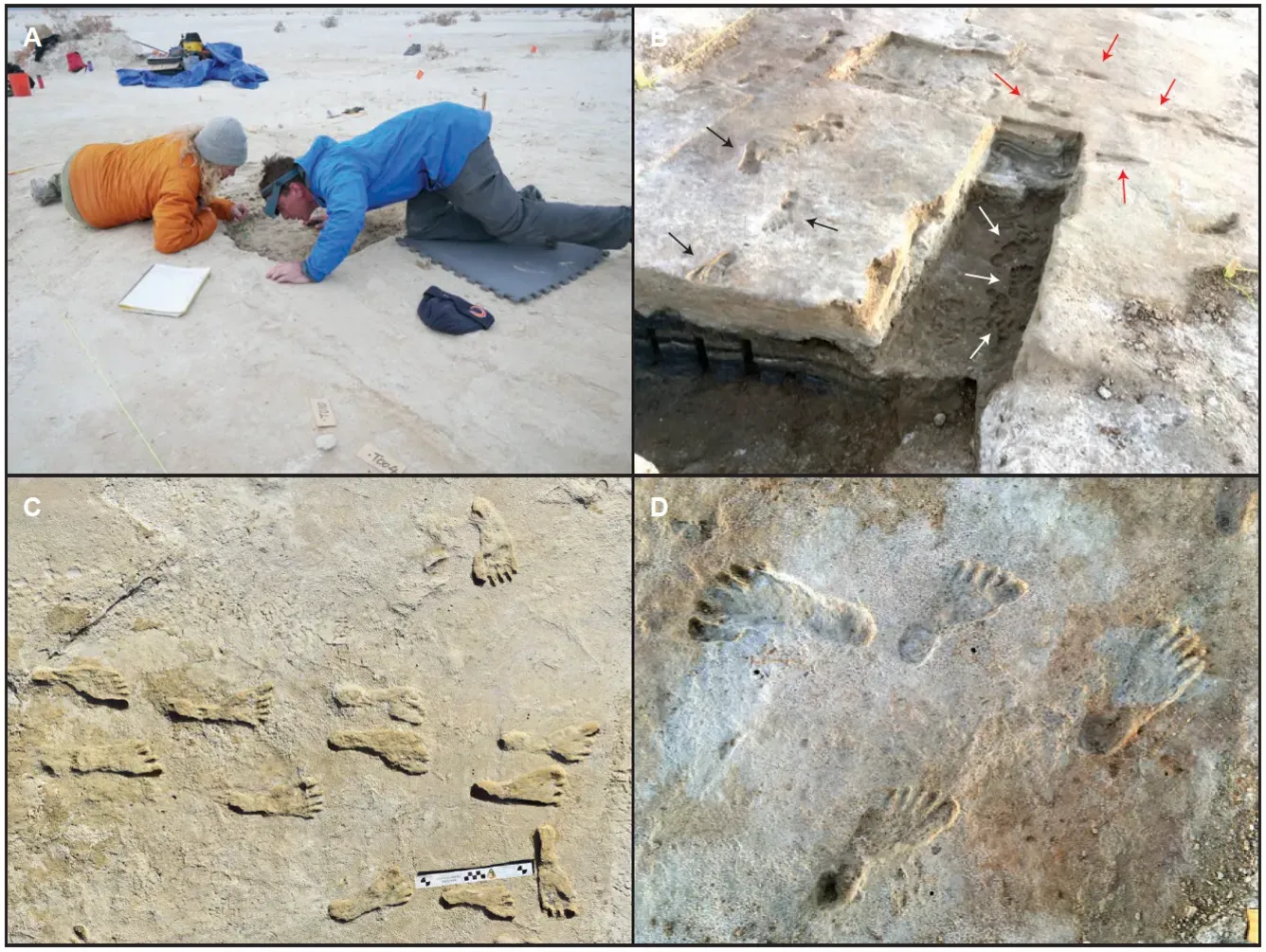
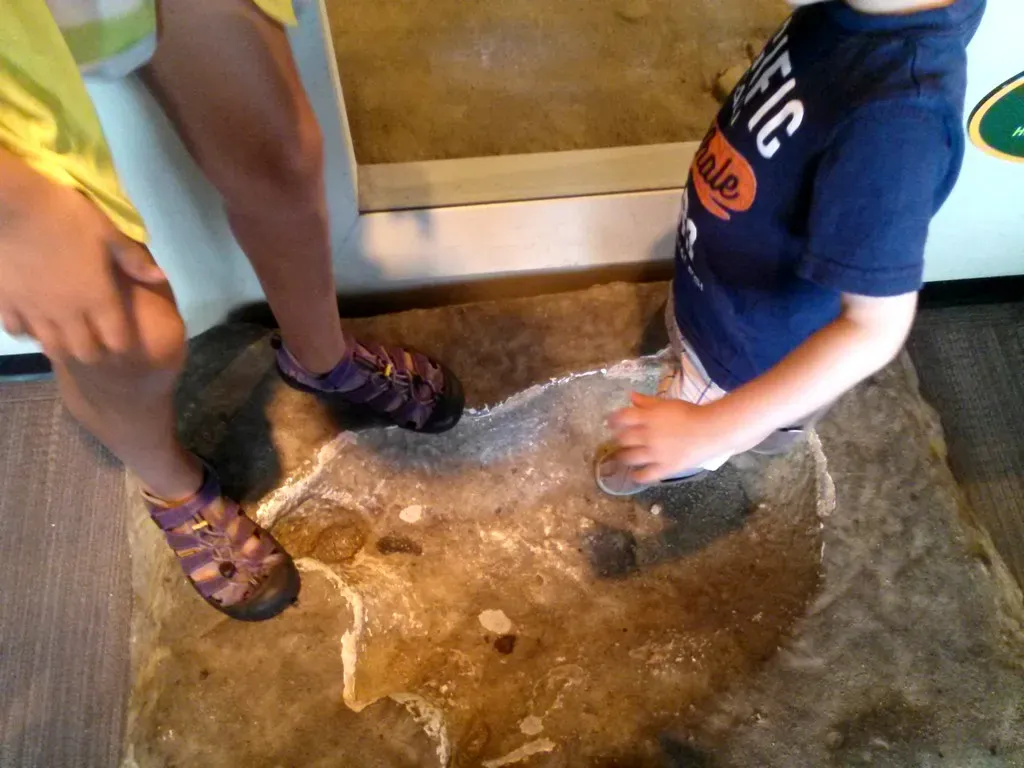
The oldest tracks at White Sands National Park in New Mexico date back roughly twenty three thousand years. These aren’t just marks in ancient mud. They represent actual human beings walking beside mammoths and giant ground sloths during the height of the Last Glacial Maximum.
Think about that for a moment. Judging by their size, the tracks were left mainly by teenagers and younger children, with the occasional adult, giving a picture of what was taking place with teenagers interacting with younger children and adults. Initially, skeptics questioned the dating methods used. Researchers used optically stimulated luminescence dating and found that quartz samples within the footprint layers had a minimum age of around twenty one thousand five hundred years, with three separate lines of evidence pointing to the same age range. The footprints are real, and they change everything.
Pacific Coast Migration May Have Been the Real Route
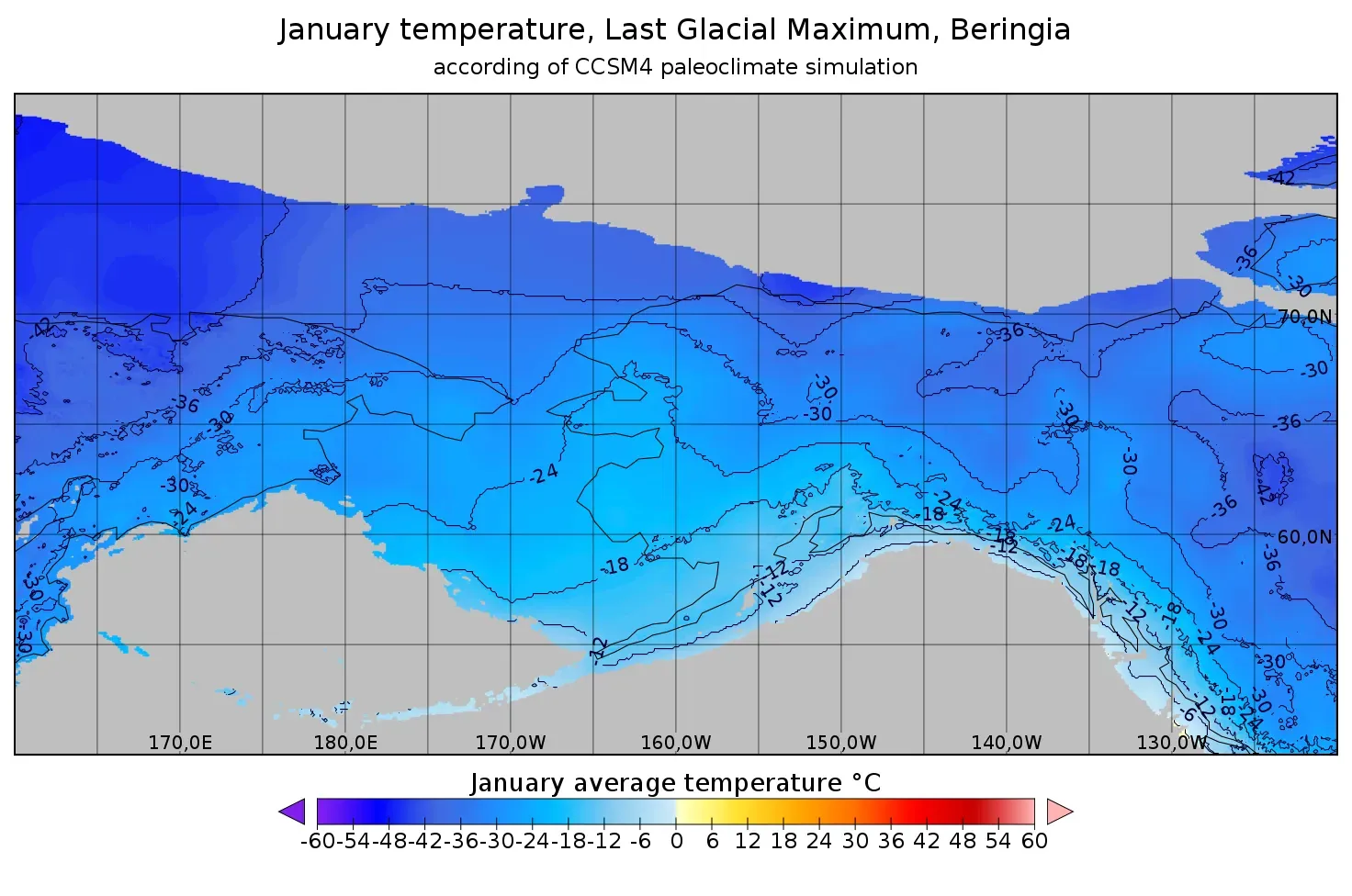
You might assume ancient peoples walked through an ice free corridor down the middle of Canada. Findings support the idea that the first people who traveled over the Beringia land bridge moved down the Pacific coast, probably in boats, following the rich hunting and fishing grounds of the kelp forests just off the coastline.
When people encountered the mouth of the Columbia River, they essentially found an off ramp from coastal migration and their first viable interior route to areas south of the ice sheet. At Cooper’s Ferry in Idaho, archaeologists found evidence of human activity dating between fifteen and sixteen thousand years ago. This was more than a thousand years before glaciers opened up that inland corridor everyone assumed was the main highway. It seems likely that the first Americans were coastal people, probably fishermen, shellfish harvesters, and hunters of marine mammals, who migrated in numerous waves.
Stone Tools Reveal Surprising Technological Sophistication
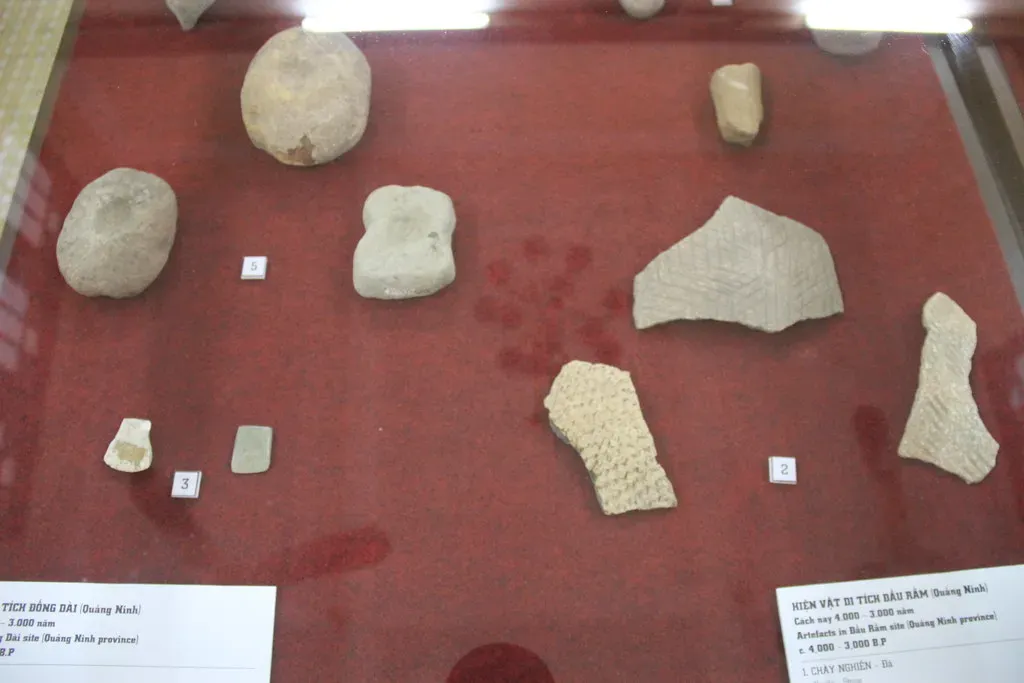
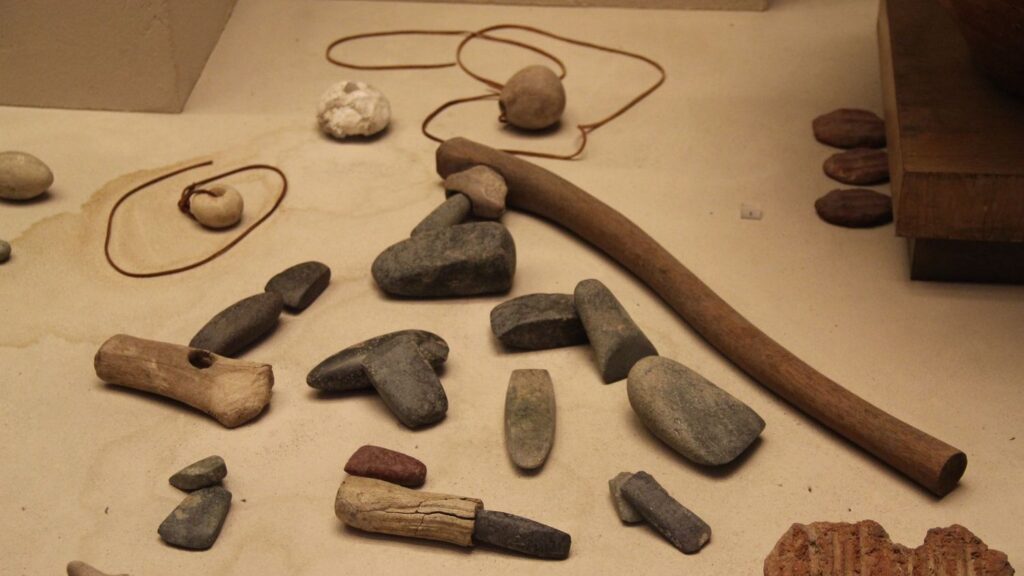
The tools these ancient people made weren’t crude rocks banged together. Clovis points are projectile points with a fluted, lanceolate shape, showing remarkable craftsmanship. Clovis hunter gatherers are characterized as high technology foragers who utilized sophisticated technology to maintain access to resources while being highly mobile, and in many localities, stone tools found at a site were hundreds of kilometers away from the source stone outcrop, in one case over nine hundred kilometers away.
Western stemmed points found at places like Cooper’s Ferry represent a completely different technological tradition. These discoveries challenge the notion of a single unified culture spreading across the continent. The western stemmed points found at Cooper’s Ferry may be among the oldest found in the Americas, and they might be evidence that this tool making technology developed before Clovis, cementing the fact that stemmed point technology represents the earliest technology in the Americas. Different groups arrived with different knowledge, adapting their techniques to new landscapes and available materials.
DNA Tells Us They Came From Siberia But With Complications
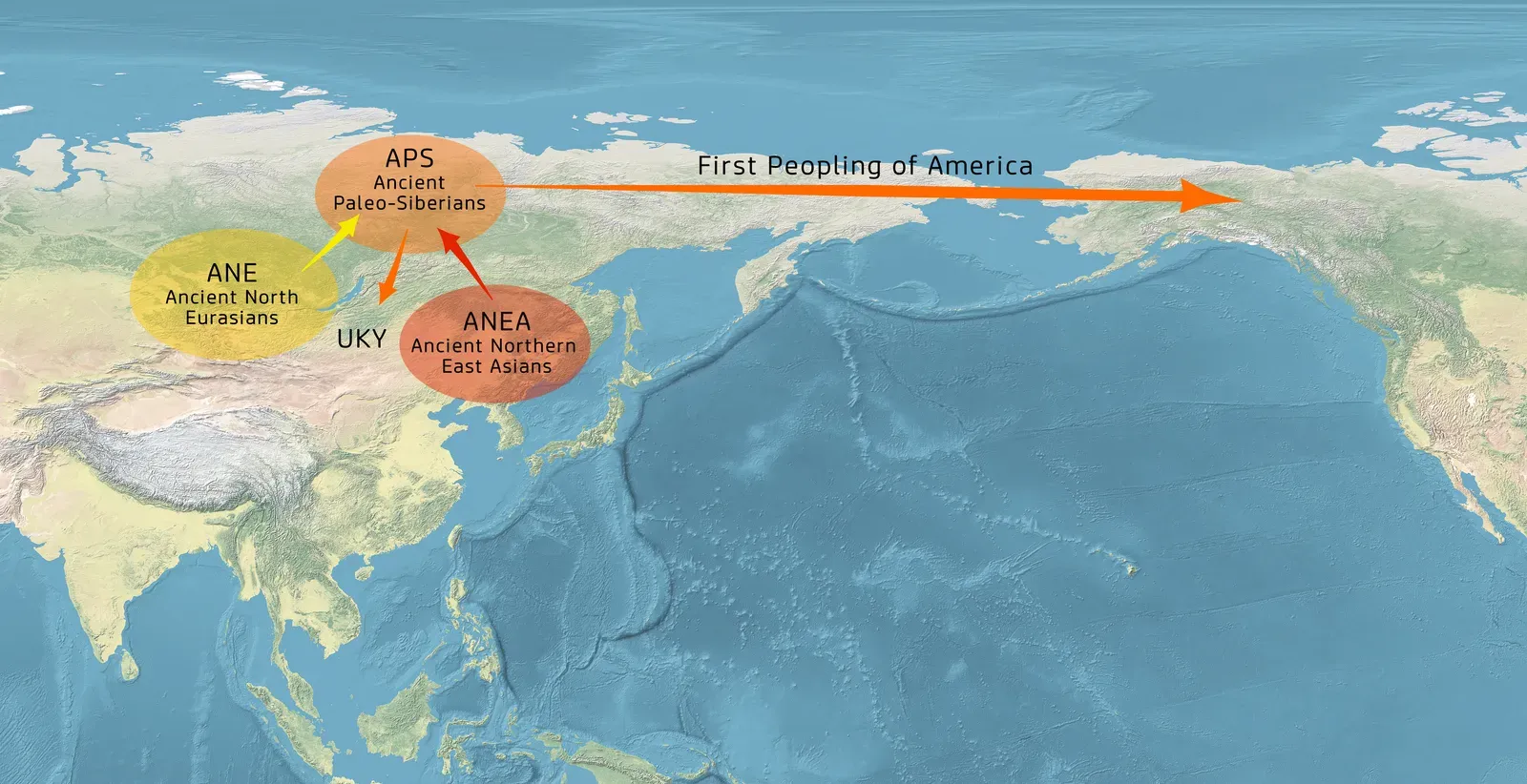
The ancestral Native American lineage was estimated as having been formed between twenty and twenty five thousand years ago by a mixture of East Asian and Ancient North Eurasian lineages. This genetic evidence confirms the Asian origin of the earliest Americans.
Here’s where it gets interesting. Analysis of ancient remains showed that while related to contemporary Indigenous peoples, some individuals were part of a previously unknown lineage that split from modern Native Americans about twenty thousand years ago, suggesting that her group lived in isolation in Beringia, Siberia, or North America for a long time, crossing the land bridge earlier than thought and over a much longer time span than previously assumed. The genetic story suggests a period of isolation, multiple splits, and complex movements that defy simple explanations. Native Americans must have returned to the region twice, the first time as many as five thousand years ago, and the second time around fifteen hundred years ago, showing that migration wasn’t just one directional.
They Lived Alongside Ice Age Megafauna for Millennia
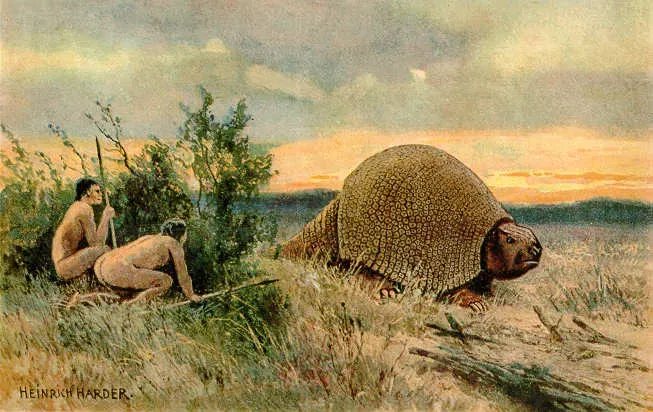
All Paleo Indian groups lived in a relatively dynamic landscape that they shared with Pleistocene flora and fauna, most notably with megafauna such as mammoths, mastodons, giant bison, giant ground sloths, sabre toothed cats, and short faced bears. You can imagine the danger and the opportunity these massive creatures presented.
The Clovis people in New Mexico flourished on lush grasslands populated with mammoths, giant bison, dire wolves, camels, huge turtles, giant ground sloths, and the fierce saber toothed tiger. Evidence from kill sites shows they hunted these enormous animals successfully. Research has shown that the Clovis people did eat their fair share of mammoth and giant bison, however, they also hunted many small game animals, like rabbits, deer, mice, and dogs. The relationship between humans and megafauna lasted for thousands of years before these giant animals vanished around twelve thousand years ago.
Pre Clovis Sites Are Rewriting the Timeline
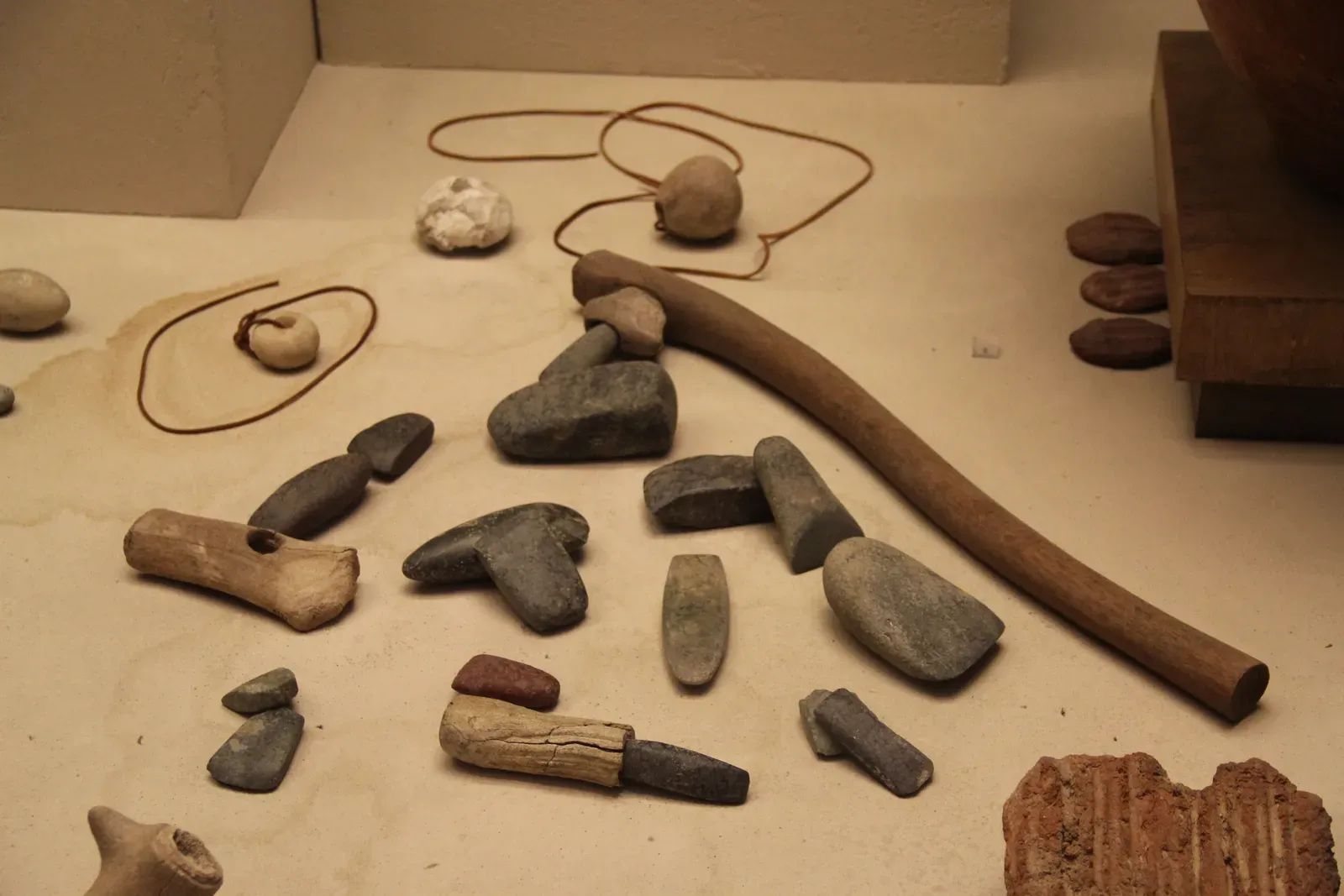
The earliest widely accepted settlement in the Americas is located at Monte Verde, dated to fourteen thousand five hundred years ago, on the west coast of South America. How did people get all the way down there so quickly if they only arrived in North America around the same time?
Sites like Meadowcroft Rock Shelter in Pennsylvania have sparked decades of debate. Sometime, perhaps twenty thousand years ago, hunters, travelers, foragers, and collectors of chert and jasper started using the shelter regularly, and in all, ten thousand artifacts significant to human culture were recovered from the dig, as well as hundreds of thousands of animal bones and plant remains. The Topper site in South Carolina has yielded controversial claims of tools dating back potentially fifty thousand years. At Topper, numerous small tools were unearthed in sediment dated by optically stimulated luminescence at an age of sixteen to twenty thousand years old, though these remain contentious.
Each new discovery forces researchers to reconsider what they thought they knew. The picture that emerges is one of persistent human presence far earlier than the Clovis culture, with people adapting, innovating, and thriving in environments we once thought were too harsh to support them. The story of the earliest Americans is still being written, and every excavation has the potential to turn our understanding upside down once again.
What do you think about these discoveries? Does it change how you view the ancient history of the Americas? The earliest people who walked this land were far more resourceful and adventurous than we ever gave them credit for.