Picture a forest without birdsong. No squirrels darting between branches, no deer grazing beneath. Just the wind whistling through bizarre, alien-looking trees that would barely recognize if you stumbled upon them today. Hard to imagine, right? Yet roughly four hundred million years ago, this was the reality of our planet’s first forests, and these ancient woodlands were so radically different from anything growing today that you might not even call them trees.
Long before dinosaurs stomped across the continents, before flowers bloomed or grass carpeted the earth, these pioneering plants were conducting one of the most audacious experiments in evolutionary history. They were transforming a barren, rocky landscape into something livable, fundamentally reshaping the planet’s atmosphere and climate in the process. Let’s dive into this strange world where nothing looked quite right yet everything changed forever.
Trees That Split Their Own Guts to Grow
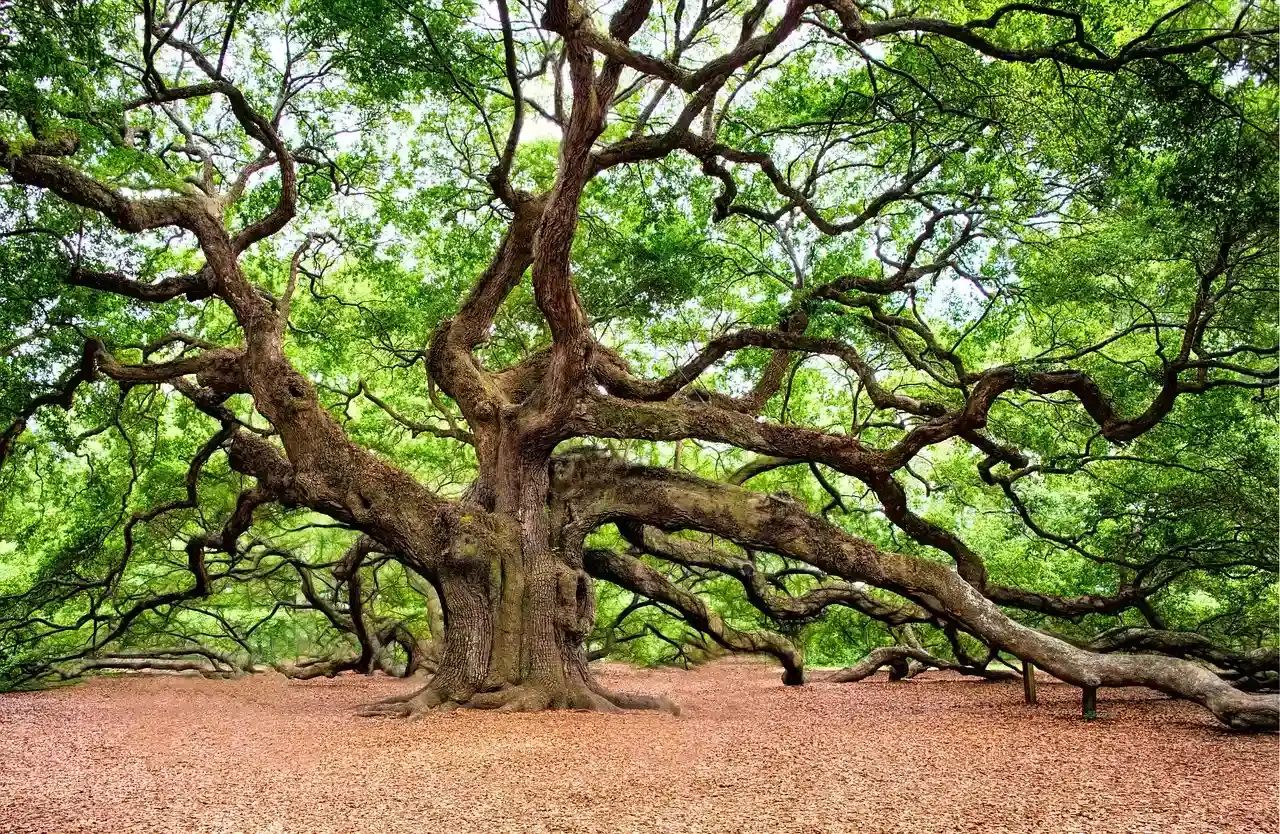
The earliest trees had what scientists describe as the most complex growth strategy ever seen, despite being the oldest. Unlike modern trees with a single solid shaft, cladoxylopsids had multiple xylem columns spaced around the perimeter of a hollow trunk. Think of them like living scaffolding rather than the solid pillars we’re used to seeing.
Their trunks weren’t solid pillars but hollow cylinders lined with xylem columns, bound by a network of fibres, with soft tissue between the fibres expanding like foam, pushing the trunk outward to gain girth and height. Brutally, each expansion split the xylem skeleton, forcing the tree to repeatedly heal itself. Scientists estimate cladoxylopsids could have been eight to twelve meters tall, which is impressive given their strange construction method. Eventually, their own weight became their downfall, flattening the base like a deflated balloon.
When New York Revealed the Planet’s First Woodland
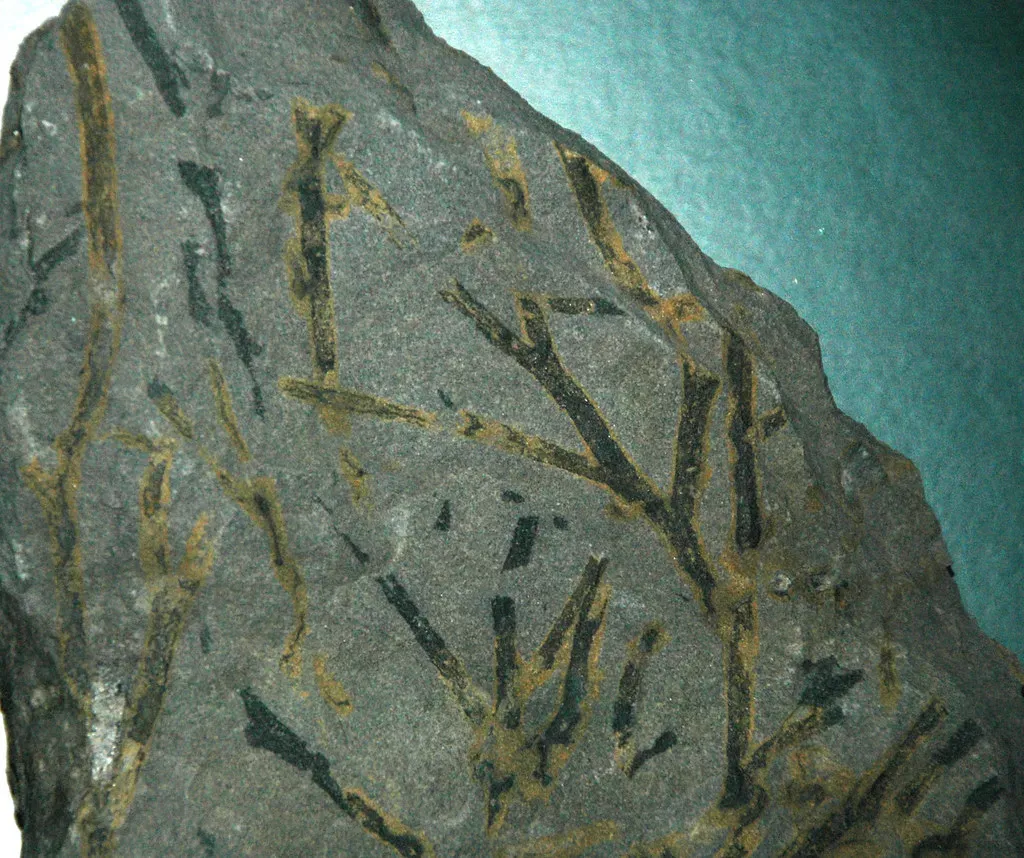
You’d never guess that upstate New York holds one of paleontology’s most stunning secrets. The planet’s oldest forest was discovered in Cairo, New York in 2019, with scientists recognizing a fossil record believed to be three hundred eighty-five million years old, which is two to three million years older than what was previously thought to be the oldest. For context, that’s about one hundred forty million years older than the first dinosaurs.
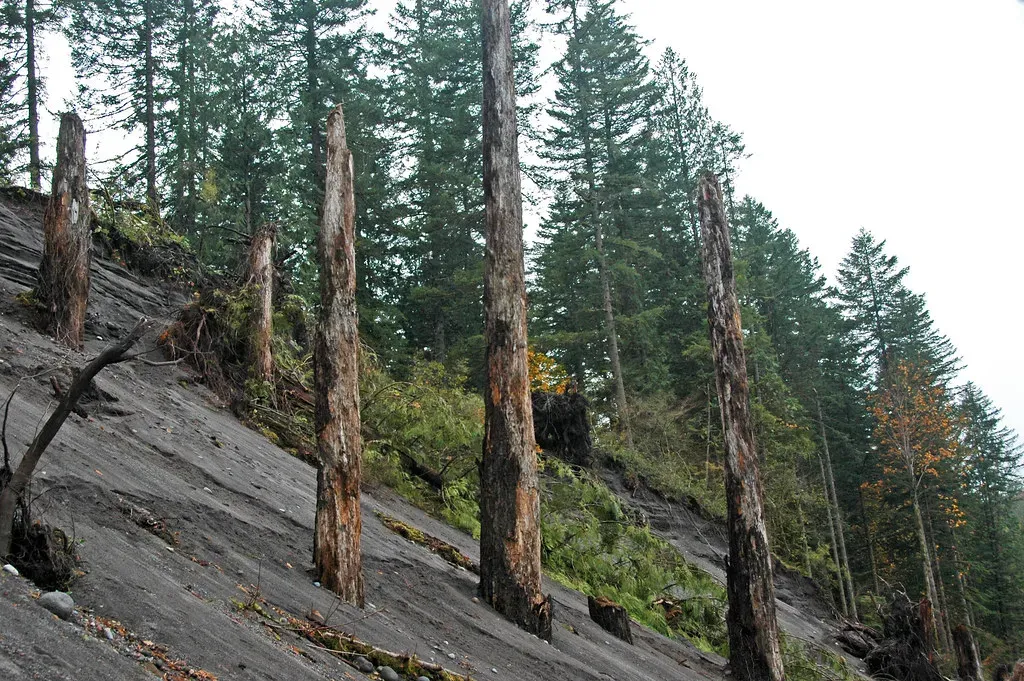
Researchers traced eleven lines to a single point and realized what they showed: the roots of an ancient and very large tree, at a time when forests were still new in the world, mapping out the world’s oldest forest tree by tree. Paleobotanists have been interested in the Gilboa site since the 1920s when construction work for a water supply project found several large, vertical fossilized stumps, some of which remain on display at the Gilboa Dam site and the New York State Museum. What makes these discoveries so remarkable is that you can literally walk through the root systems preserved in ancient soils.
The Bizarre Architecture of Ancient Trees
The fossilised trees, known as Calamophyton, at first glance resemble palm trees, but they were a prototype of the kinds of trees we are familiar with today, with trunks that were thin and hollow in the centre. They also lacked leaves, and their branches were covered in hundreds of twig-like structures, with the largest being between two and four metres tall. Honestly, if you saw one, you might not even register it as a tree in the traditional sense.
It was a pretty weird forest, not like any forest you would see today, with no undergrowth to speak of and grass hadn’t yet appeared. The most famous of the cladoxylopsids is the tree whose stumps thronged the Gilboa forest, Eospermatopteris, which photosynthesised through fronds that spread out from the crown like a feather-duster. As the trunk grew upwards, the branches dropped off and the outer tissues remodeled themselves, making branch scars gradually disappear. Modern cycads and palms have a similar structure, but they’re seed plants, totally unrelated to these ancient oddities.
Archaeopteris: The Tree That Changed Everything
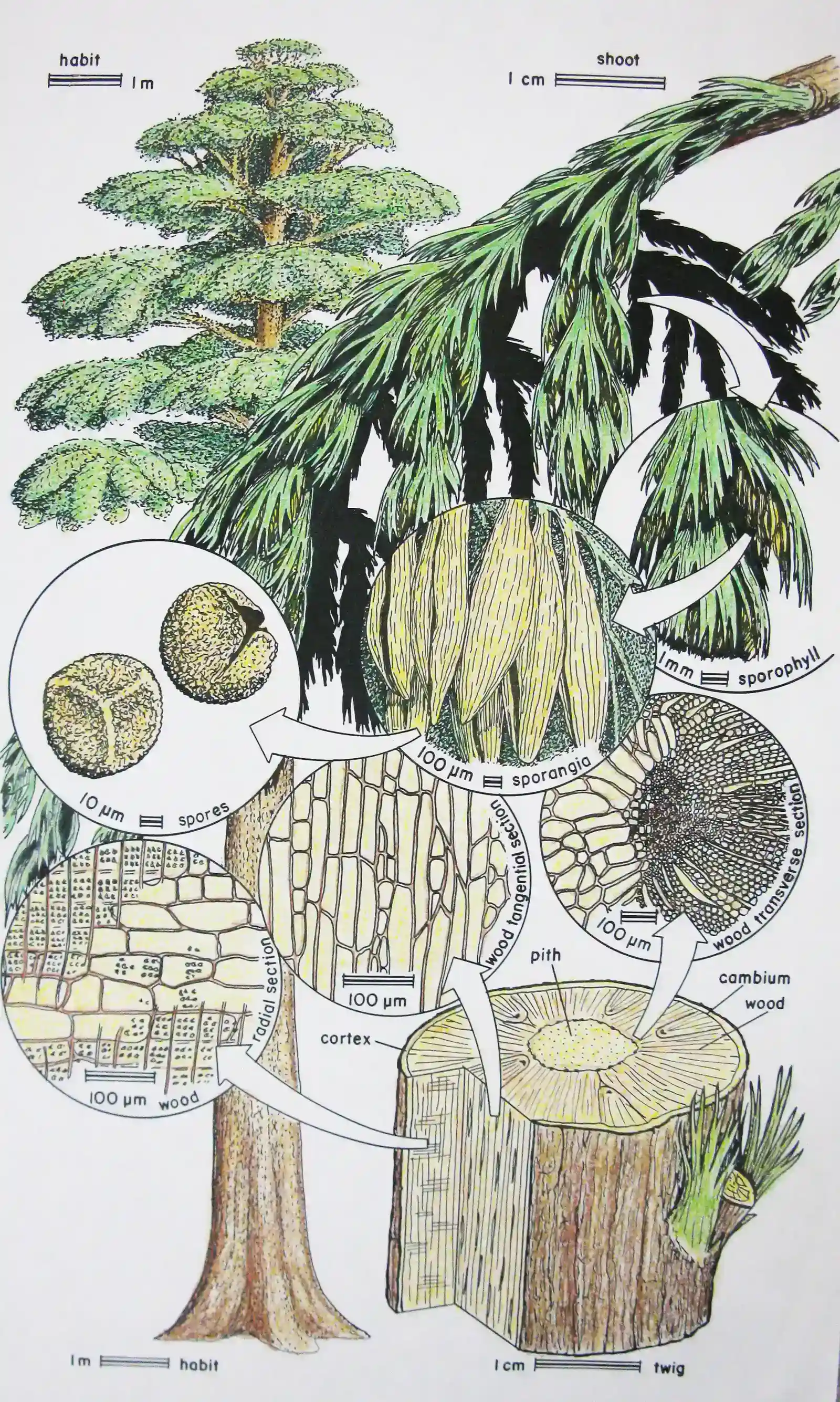
While the hollow cladoxylopsids were evolutionary dead ends, another tree emerged that looked far more familiar. The trees of Archaeopteris typically grew to twenty-four meters in height with leafy foliage reminiscent of some conifers, with large fern-like fronds thickly set with fan-shaped leaflets or pinnae. Here’s the thing though: despite looking like a modern conifer, it reproduced using spores like ferns do today.
When Archaeopteris appeared, it very quickly became the dominant tree all over the Earth, with all of the land areas that were habitable having this tree. Before this time, shallow, rhizomatous roots had been the norm, but with Archaeopteris, deeper root systems were being developed that could support ever higher growth. One species was even found within what was then the Antarctic Circle, showing just how globally dominant these trees became. They survived for an amazing sixty million years before vanishing around three hundred twenty-three million years ago.
How These Forests Fundamentally Altered Earth’s Climate
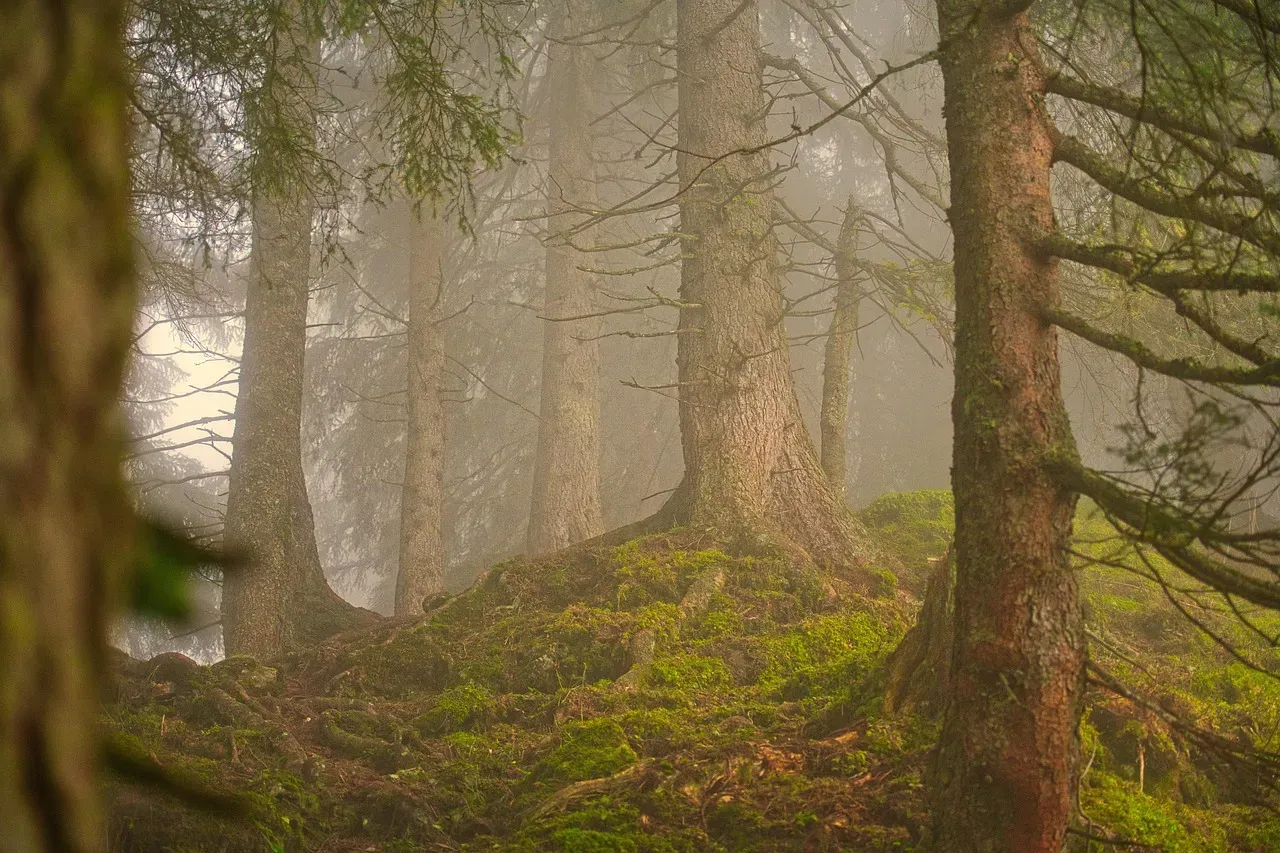
Deep roots penetrate and break up the rocks within and below the soil in a process called weathering, which triggers chemical reactions that pull CO2 from the atmosphere and turn it into carbonate ions in groundwater, which ultimately runs off into the sea and is locked away as limestone. This was a massive planetary transformation happening in geological slow motion.
Partly because of weathering and its knock-on effects, atmospheric CO2 levels dropped to modern levels soon after the appearance of woody forests, when a few tens of millions of years earlier they had been ten to fifteen times higher than today. Some research suggests the removal of so much atmospheric CO2 led directly to a sustained rise in oxygen levels, with the atmosphere containing about thirty-five percent oxygen by three hundred million years ago. That’s crazy when you think about it – nearly double today’s oxygen levels, which allowed insects to grow to terrifying sizes.
A Silent World of Millipedes and Spiders
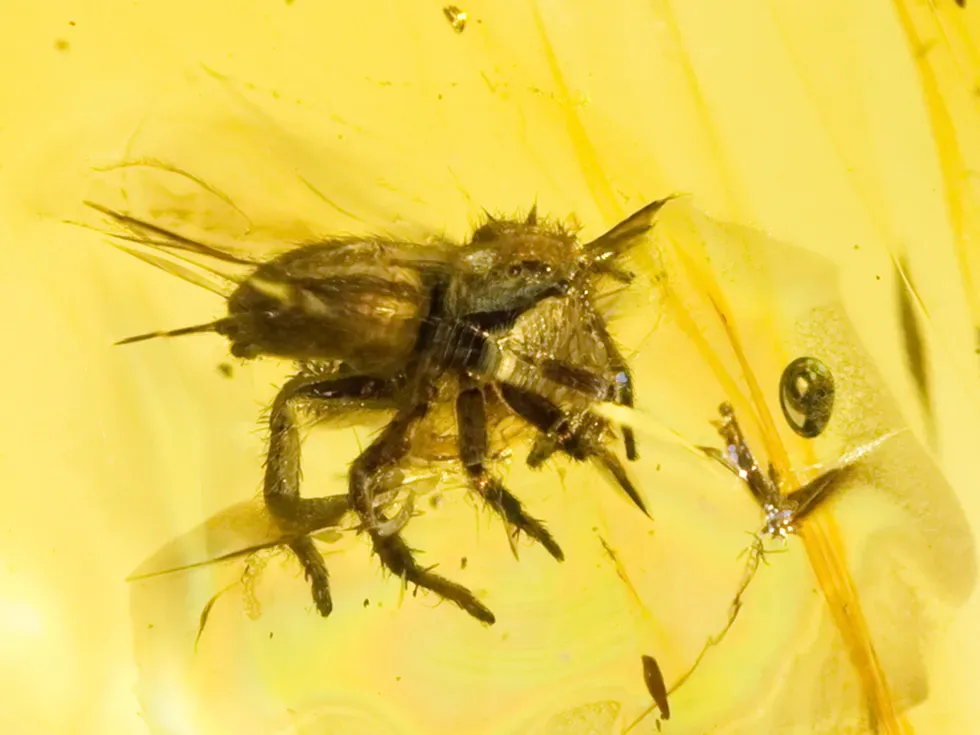
At the time this ancient forest existed, no birds or vertebrates lived on land, with dinosaurs not appearing for another one hundred fifty million years, and the forest was likely home to millipede-like bugs and other insects. Let’s be real: walking through these forests would have been eerie. No animal calls, no rustling of mammals in the undergrowth.
The evolution of gigantic insects at that time, some with wing spans of seventy centimeters, may have lived in the ancient forests. Picture dragonflies the size of seagulls buzzing through those strange, frond-crowned trees. There wasn’t any undergrowth to speak of and grass hadn’t yet appeared, but there were lots of twigs dropped by these densely-packed trees, which had a big effect on the landscape. The forest floor would have been carpeted with shed fronds and plant debris, creating the first complex terrestrial ecosystems.
The Legacy These Ancient Forests Left Behind
Despite their early critical role in the evolution of life on Earth, the cladoxylopsids do not have any modern descendants, disappearing at the end of the Devonian period, perhaps because they were left in the shade of taller, more robust trees, or because changing environmental conditions may have favored Archaeopteris. Still, their impact echoes through time in unexpected ways.
The trees that grew a few tens of millions of years after the Cairo forest have also had an indirect impact on the modern climate, as the fossilized remains of these forests formed the coal that fueled the Industrial Revolution in Europe and North America. It’s remarkable when you think about it: these bizarre, alien trees that split their own trunks to grow taller eventually powered the steam engines and factories that launched our modern world. It is no exaggeration to say that event was unique in Earth’s history and of highest importance to understanding how Earth’s systems interconnect. What started as strange experiments in being tall on dry land transformed our entire planet’s atmosphere, ecology, and even human civilization millions of years later.
Next time you walk through a modern forest with its towering oaks, whispering pines, and carpets of ferns, remember that you’re enjoying the end result of hundreds of millions of years of evolutionary refinement. Those first forests may have looked nothing like what we know today, but without their bold, messy experiments in reaching for the sky, our green world simply wouldn’t exist. What do you think it would have been like to witness that silent, alien woodland? Share your thoughts in the comments.