Imagine you’re dropped in the middle of the ocean. No GPS. No stars visible. No coastline in sight. Just endless water in every direction. Now imagine navigating thousands of kilometers with pinpoint accuracy anyway, using nothing but an invisible force field wrapped around the planet. Sounds like science fiction, right? For ancient animals, it was simply Tuesday.
The story of how life on Earth learned to “read” the planet’s magnetic field is one of the most astonishing chapters in evolutionary biology. It stretches back tens of millions of years, weaves through bacteria, fish, birds, insects, and sea turtles, and has only recently begun to yield its deepest secrets. You might be surprised by just how far back this invisible navigation system goes, and how sophisticated it truly was. Let’s dive in.
An Invisible GPS Older Than You Think
Most people assume that sophisticated navigation is a modern animal trick, something that evolved alongside complex brains and elaborate sensory organs. The truth is far more humbling. The discovery provides the first direct evidence that animals have been navigating using the Earth’s magnetic field for at least 97 million years. That means creatures were using Earth’s magnetic field as a map while dinosaurs were still roaming the planet.
Until recently, the earliest evidence of such magnetoreception dated to roughly 50 million years ago. The new fossils push that timeline back by nearly double and suggest the sensory ability arose far earlier in evolutionary history than previously thought. Think about that for a moment. The internal GPS you associate with homing pigeons and sea turtles is almost twice as old as anyone had previously imagined.
What Are Magnetofossils and Why Do They Matter?
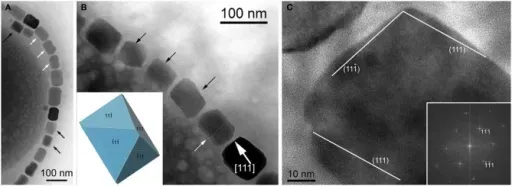
Giant magnetofossils are unusual, micron-sized biogenic magnetite particles found in sediments dating back at least 97 million years. Their distinctive morphologies are the product of biologically controlled mineralisation, yet the identity of their biomineralising organism and the biological function they serve remain a mystery. That last part is key. For years, scientists knew these tiny structures existed, but no one truly understood what they were doing.
These crystals were first spotted in 2008. They looked similar to the magnetic particles made by modern bacteria, but they were far larger and showed up in sediments from many ages and climates. Their clean chemistry and precise shapes made it clear that a living organism had built them, yet no one knew which creature was responsible or what purpose the crystals once served. It is a bit like finding a perfectly engineered mechanical part buried in ancient rock, with absolutely no instruction manual attached.
The Magnetic Vortex Hidden Inside Ancient Fossils
The researchers applied a new technique to visualise the fossil’s internal structure, revealing how magnetic moments, tiny magnetic fields generated by spinning electrons, are arranged inside the magnetofossil. Until now, scientists had been unable to capture 3D magnetic images of larger particles, such as giant magnetofossils, because X-rays couldn’t penetrate them. It took a genuinely new kind of science to crack them open.
The result revealed a swirling magnetic vortex that curved through the spearhead like a tiny tornado. At its center lay a narrow core where the magnetic direction flipped, a feature linked to a rare magnetic defect known as a Bloch point. This vortex pattern was not random. It pointed to a structure built to remain stable even when pushed by outside forces. Stability under pressure, in other words, the hallmark of a reliable navigation tool.
How Bacteria Started the Whole Thing
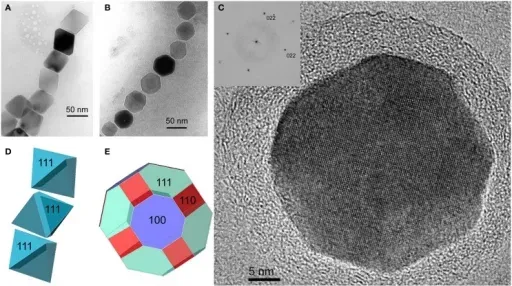
Here is where the story gets even more fascinating. The roots of magnetic navigation do not begin with fish or birds at all. They begin with microbes. Magnetite’s starring role in orientation was first uncovered in certain micro-aerobic bacteria, where chains of magnetite crystals serve to rotate the tiny cell into alignment with the Earth’s field lines, causing these prokaryotes to swim obliquely down, away from the poisonous surface oxygen.
Certain bacteria found in lakes and water bodies worldwide possess a primitive form of magnetoreception. Chains of tiny magnetic particles inside the bacteria allow them to line up with the magnetic field, helping them swim to their preferred depth in the water column. So the very first biological compass was not about finding north. It was just about avoiding a toxic surface. Evolution, as always, found a way to repurpose a simple survival trick into something spectacular.
The Spearhead Crystal That Outperformed Modern Fish
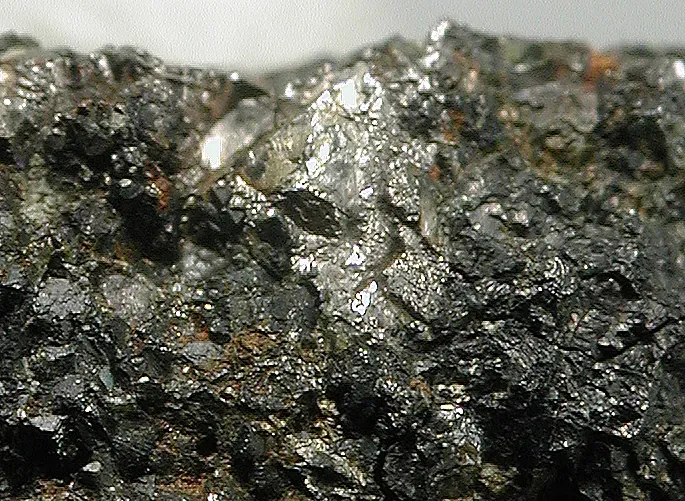
If you thought nature could not outdesign modern technology, the spearhead magnetofossil might change your mind. When the researchers compared the fossil’s performance to well-studied magnetite sensors in trout, the differences were striking. The spearhead could deliver a magnetic energy output more than twenty times greater. A sensor built from such a crystal could detect slight shifts in the angle and strength of Earth’s field with far greater precision. Estimates suggest it could determine direction within about one degree.
The team then modelled 24 different shapes of giant magnetofossils, including needles, bullets, spindles, and spearheads. All fell within an energy range that matched what modelling studies predict for strong magnetic sensing. None grew beyond a size where the magnetic pattern would become unstable, which hinted at an evolutionary pressure to maintain clean, reliable magnetic behaviour. Nature, it seems, had a strict quality control department even 97 million years ago.
The Mystery Creature Behind the Fossils
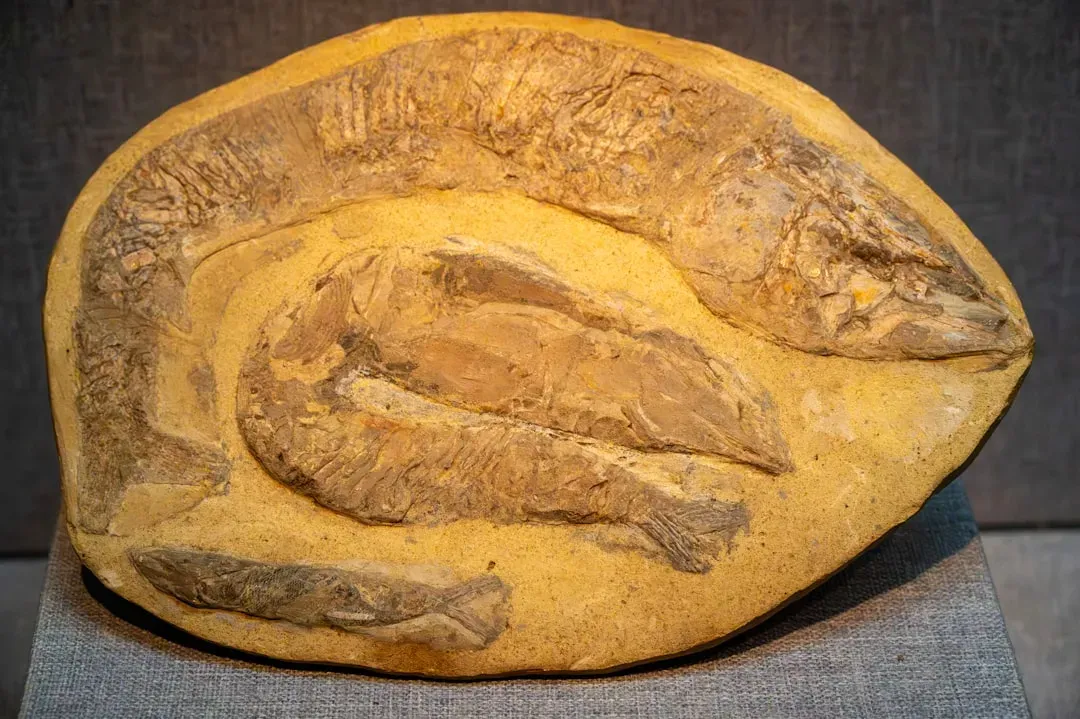
This is honestly one of the most intriguing open questions in modern paleontology. We have strong, direct evidence of a sophisticated navigation system. We just have no idea which animal built it. This discovery also helps narrow the search for the creature that made them. It would need to be small but not microscopic, common in ancient oceans, and likely able to travel long distances. Some researchers suggest eels as a possible source, since they evolved around the same time and are known to migrate across the Atlantic.
Researchers note that we need to look for a migratory animal that was common enough in the oceans to leave abundant fossil remains. European and American eels travel thousands of kilometres from freshwater rivers to spawn in the Sargasso Sea. Though they can sense Earth’s magnetic field, how they do so remains unclear. Magnetite particles have been detected in eels but not yet imaged directly in their cells and tissues, partly because of their tiny size and the fact they could be hidden anywhere in the body. The eel, quietly mysterious, is still hiding its secrets.
From Compass to Map: A Navigation Upgrade Millions of Years in the Making

There is a big difference between knowing which direction is north and knowing exactly where you are on a planet. In addition to providing animals with a source of directional or compass information, Earth’s magnetic field also provides a potential source of positional or map information that animals might exploit to assess location. In less than a generation, the idea that animals use Earth’s magnetic field as a kind of map has gone from a contentious hypothesis to a well-established tenet of animal navigation.
Diverse animals ranging from lobsters to birds are now known to use magnetic positional information for a variety of purposes, including staying on track along migratory pathways, adjusting food intake at appropriate points in a migration, remaining within a suitable oceanic region, and navigating toward specific goals. Honestly, the more you learn about animal navigation, the more your own phone’s GPS starts to feel a little underwhelming by comparison.
How Modern Animals Still Use the Magnetic Field Today

A magnetic compass has been found to be widespread. It has now been demonstrated in members of all vertebrate classes, in mollusks and several arthropod species, in crustaceans as well as in insects. That is a staggering spread of species. It is not a rare, specialized trick limited to a handful of animals. It is practically a universal feature of complex life.
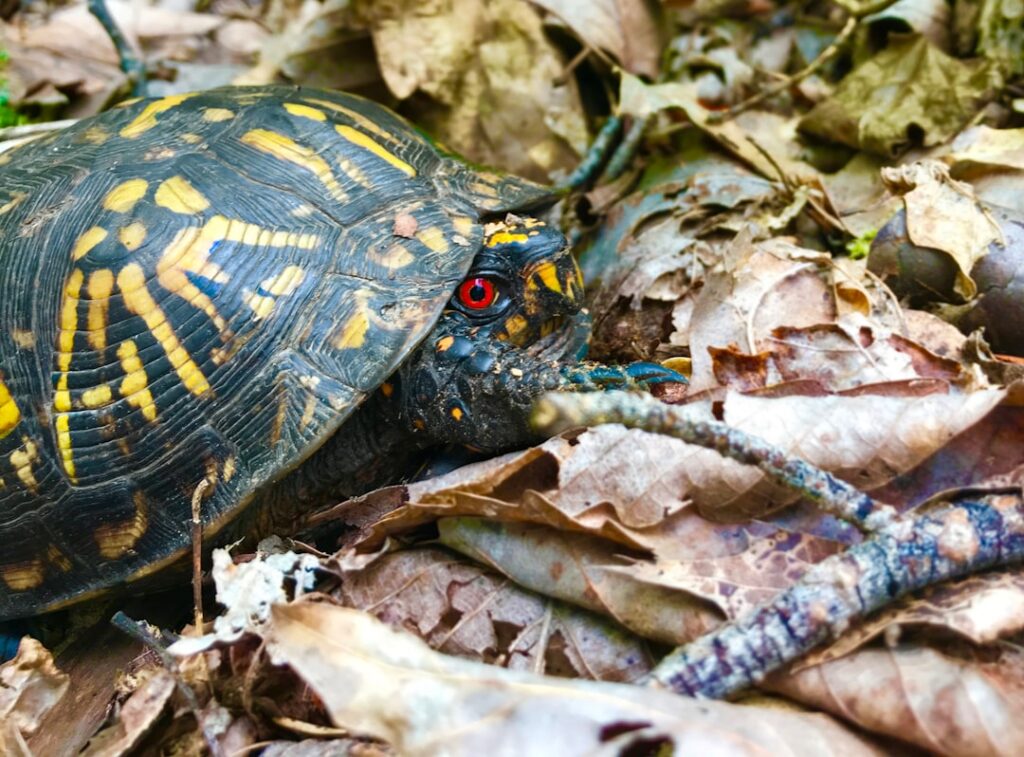
Sea turtles, salmon, and a few other animals use these magnetic cues to navigate during long-distance migrations. In the case of sea turtles, magnetic map information can be used either to guide a turtle toward a particular area or to help it assess its approximate location along a transoceanic migratory route. In effect, sea turtles have a low-resolution biological equivalent of a global positioning system, but one that is based on geomagnetic information instead of on satellite signals. Nature built the GPS. Humans just reinvented it with satellites a few decades ago.
The Science That Made These Discoveries Possible
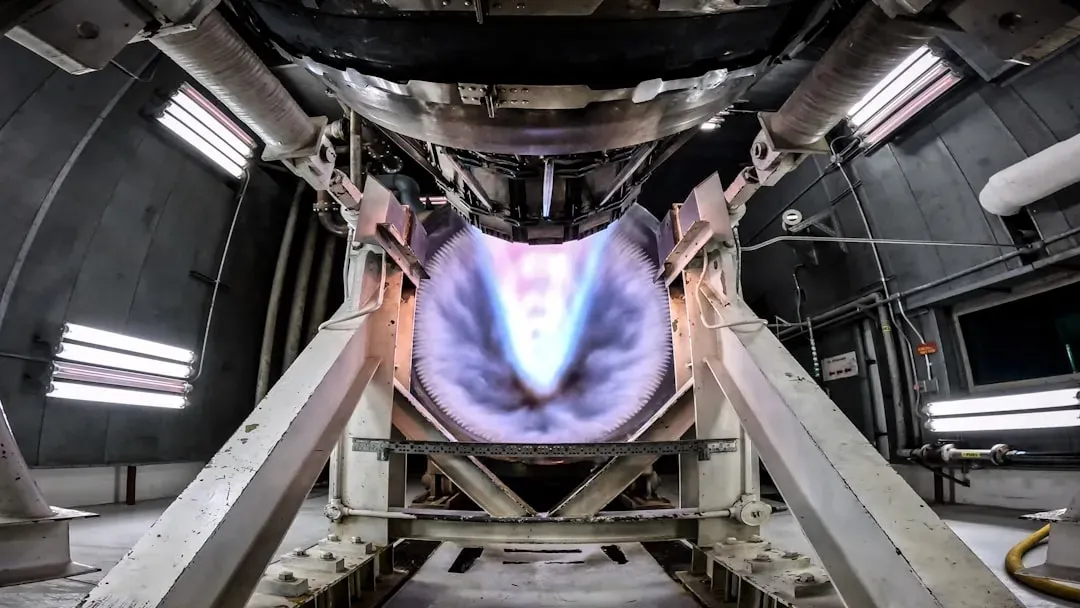
You might wonder how scientists even manage to read the magnetic structure of a fossil smaller than a human cell. The answer is a genuinely stunning piece of modern technology. The breakthrough was made possible by an imaging technique called magnetic tomography, developed by Dr. Claire Donnelly, a physicist at the Max Planck Institute for Chemical Physics of Solids and a co-author of the study. Working at Britain’s Diamond Light Source synchrotron, Donnelly used magnetic fields to map the orientation of tiny magnetic moments inside the fossils.
To overcome this, the researchers used a mix of soft X-rays and a technique called ptychography. It allowed them to record magnetic information from different angles while rotating the particle. After gathering dozens of images, they used magnetic vector tomography to build a full three-dimensional map of how magnetism flowed through the entire crystal. These crystals also preserve magnetic information extremely well, which may help scientists trace the rise of magnetoreception across many branches of life. The new imaging technique will allow researchers to study other biogenic minerals and may one day help analyze samples brought back from Mars. From ancient seafloors to the red planet, the implications of this science are genuinely out of this world.
Conclusion: An Ancient Sense We Are Still Learning to Understand
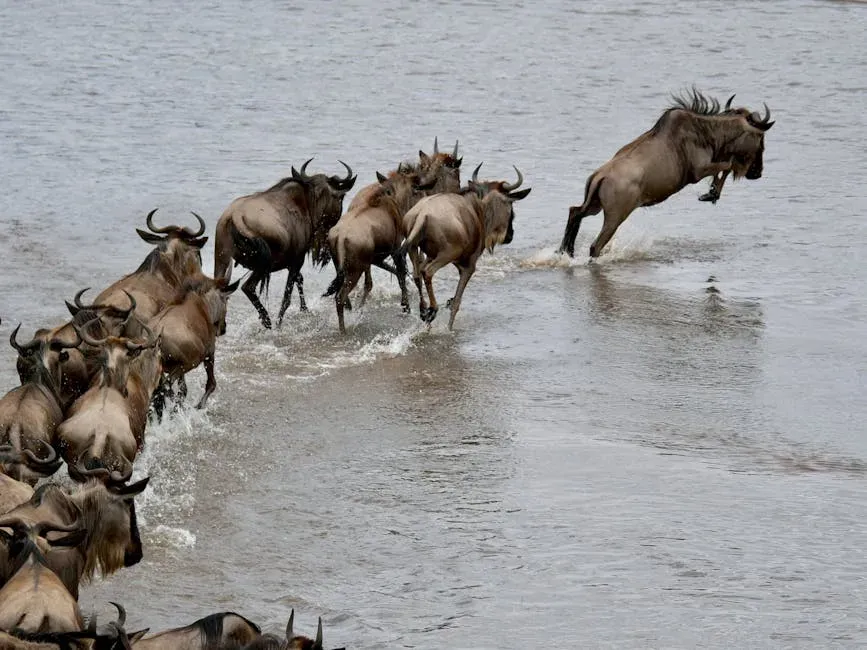
What this field of research keeps reminding us is that nature solved the hardest problems of navigation long, long before any human civilization put pen to map. The ability to detect and respond to magnetic fields would have been crucial for surviving in an ancient world, where animals would have needed to navigate vast, featureless oceans with limited visual cues. The study highlights the evolutionary importance of magnetoreception, which likely played a pivotal role in the survival and success of many species.
Although the presence of functional magnetoreception in extant mollusks, amphibians, fish, reptiles, birds, and mammals argues that magnetoreception dates back well before the Cambrian explosion, to at least the first bilaterians 550 million years ago, the new work provides the first fossil evidence that navigational magnetoreception developed as a sense in eukaryotes at least 97 million years ago. The story of magnetic navigation is not just about ancient animals. It is about the deep, invisible architecture that life built into itself to survive and flourish on a dynamic planet. We are only beginning to read it properly.
The next time you watch a flock of birds wheel south in autumn, or see a documentary about sea turtles returning to the exact beach where they were born, consider what is quietly happening inside those animals. An ancient, elegant system, older than most of the continents as we know them, is doing its invisible work. What other biological secrets are still buried in the seafloor, waiting for the right technology to find them?