Walk into almost any dinosaur hall and you’ll see familiar names that feel as stable as mountains. But behind the scenes, those names can be surprisingly fragile. All it takes is one awkward discovery, a dusty old specimen in a drawer, or a new scan of a classic fossil, and suddenly a beloved dinosaur is not what everyone thought it was. Then comes the cringey part: museums have to quietly admit the mistake and change the signs.
One of the most striking modern examples involves Dracorex and Stygimoloch, two fan-favorite “head-butting” dinosaurs that turned out to be, awkwardly, just growth stages of Pachycephalosaurus. It is a case study in scientific humility and public embarrassment. The story reveals how messy dinosaur science really is, why names get taken away, and how curators handle the uncomfortable task of telling millions of visitors that the dinosaur they loved never really existed as a separate species.
A Crowd-Favorite Dinosaur with a Rock-Star Name
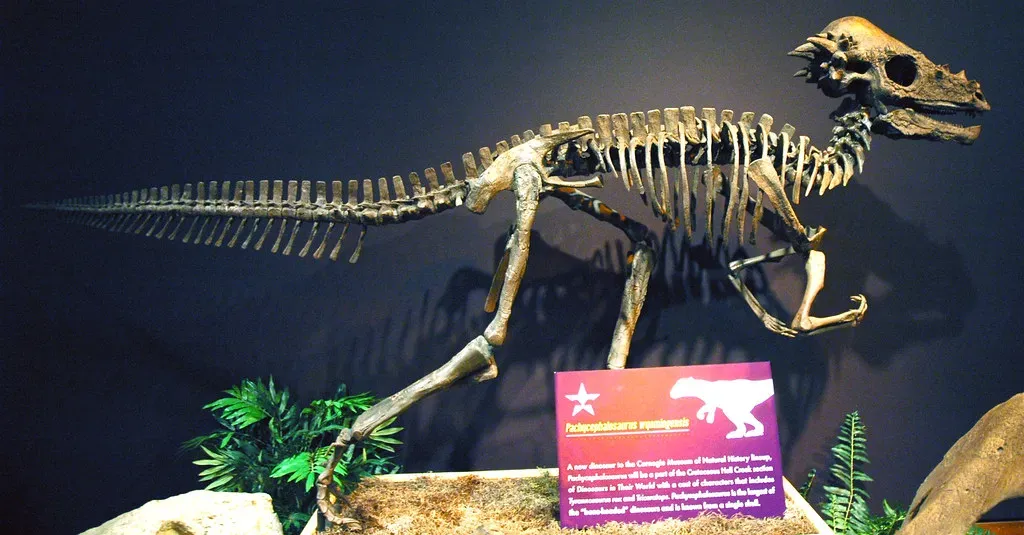
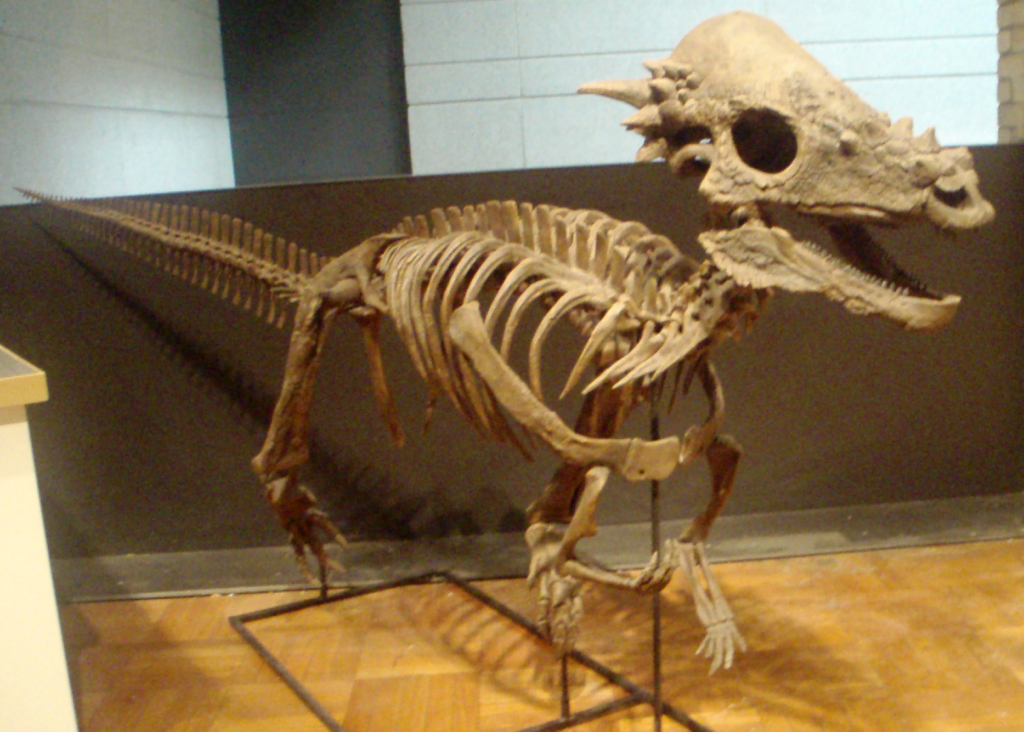
For years, visitors were drawn to dramatic skulls with spikes and knobs labeled with exotic names like Dracorex and Stygimoloch. The names alone felt like a marketing dream: one suggested a dragon, the other sounded like something from a heavy metal album. Kids would point at the skulls and repeat the names proudly, as if they were secret passwords to a prehistoric world.
These dinosaurs were presented as distinct creatures: strange, possibly head-butting pachycephalosaurs with unique headgear and personalities attached to them. Museums built stories around them, books featured them, and collectible cards and toys cemented their identities in popular culture. No one in the public gallery suspected that, biologically speaking, these “species” were standing on very thin ice.
The Scientific Twist: When Teenagers Masquerade as New Species
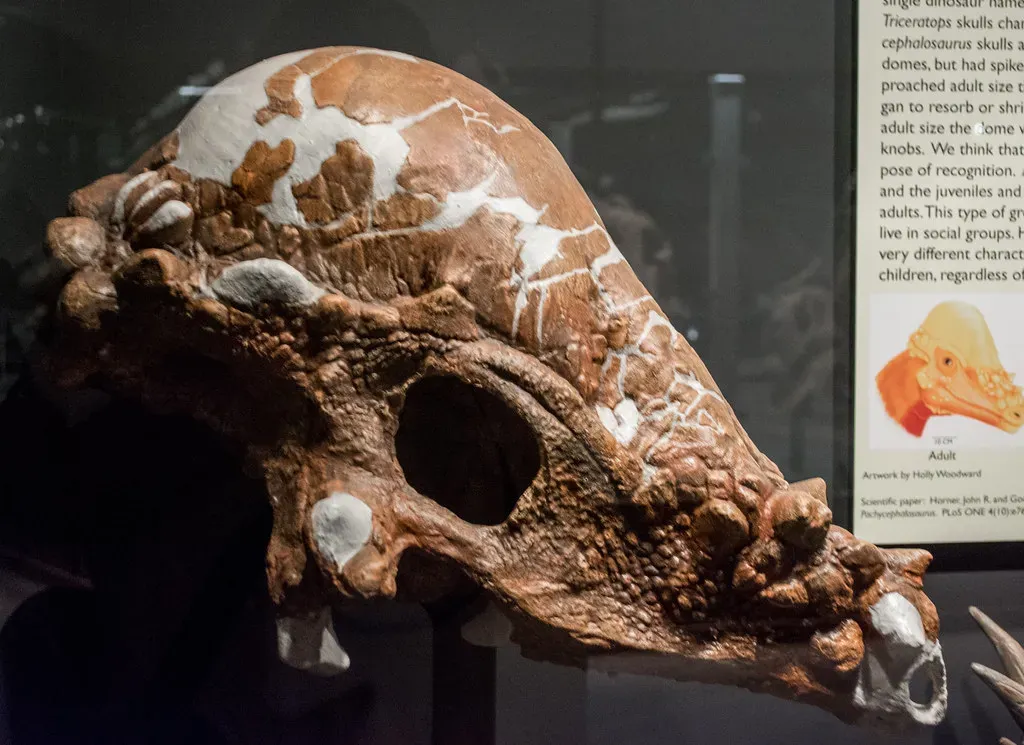
The embarrassing part came when paleontologists started taking a closer look at the skulls of these dome-headed dinosaurs. Evidence began to pile up that the supposedly different species might just be different ages of one single animal, Pachycephalosaurus. Subtle features in bone texture and growth patterns suggested that what looked like unique species were basically the dinosaur equivalent of awkward teenage phases.
Think of it like mistaking baby, teenage, and adult photos of the same person for three different people because their hairstyles and faces change over time. Researchers realized that Dracorex, with its flatter skull and spiky ornaments, and Stygimoloch, with a partially domed skull and long spikes, lined up neatly in a growth series leading to the full, thick dome of Pachycephalosaurus. Once that clicked, the beloved “species” were demoted to growth stages, not separate dinosaurs.
How Bone Texture and Growth Rings Gave the Game Away
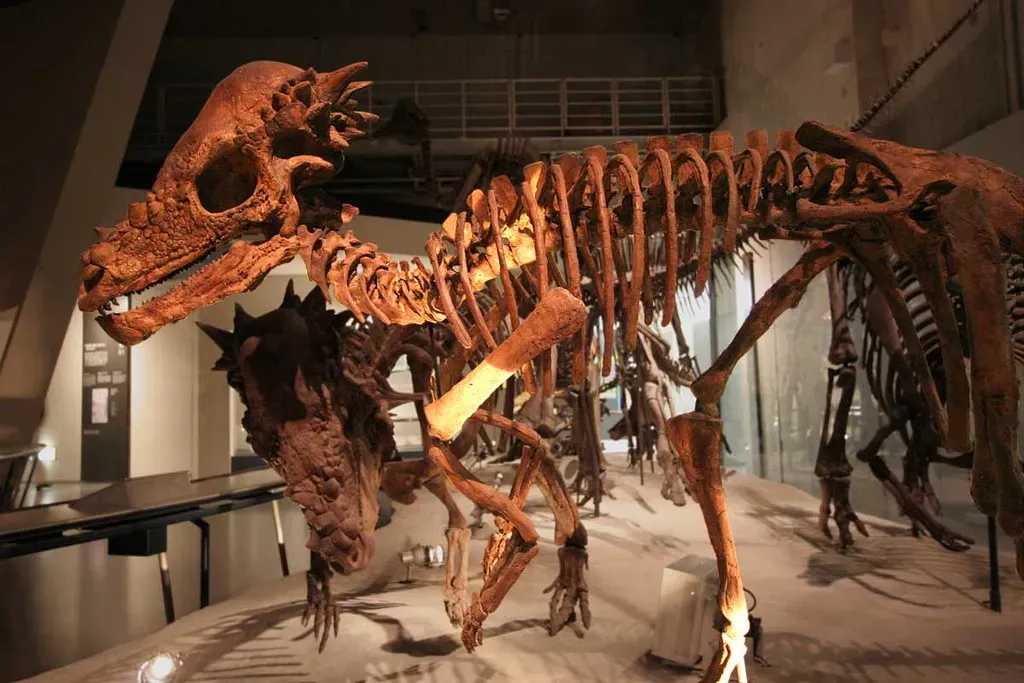
What convinced scientists was not just shape, but microscopic and surface details of the bones themselves. Younger skulls showed different bone textures, more porous and actively growing, while older domes were denser and more fully fused. The spikes on the younger forms appeared to be in transition, remodeling as the dinosaur aged. That kind of pattern is what you expect when you are watching an animal grow up, not when you are comparing unrelated species.
Paleontologists also compared internal structures using modern imaging techniques, allowing them to see how the bone had grown, fused, and changed over time. The skulls essentially told a time-lapse story: first a flatter, spiky-headed juvenile (Dracorex), then a more domed, spiky subadult (Stygimoloch), then finally the classic, thick-domed Pachycephalosaurus adult. Once you see that timeline, it becomes very hard to insist they are separate dinosaurs without ignoring the evidence right in front of you.
The Museum Headache: When Signs, Audio Guides, and Toys Are Suddenly Wrong
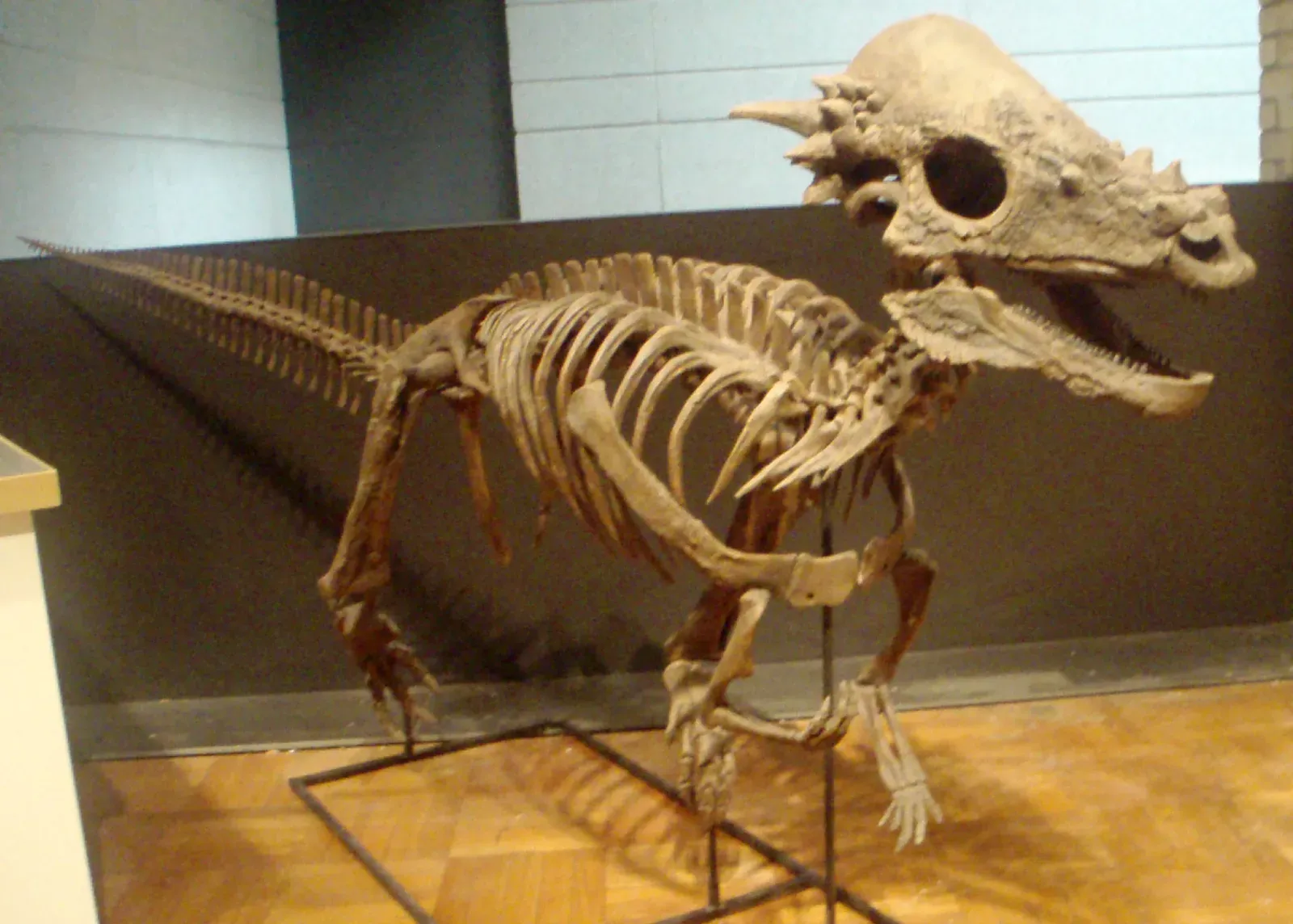
The scientific reshuffle created a very down-to-earth problem: museums had their galleries, signs, audio guides, and educational materials all built around the idea that these were separate species. Overnight, Dracorex and Stygimoloch went from stars of the show to “former names for growth stages of Pachycephalosaurus.” That is not the kind of punchy phrase that sells postcards. Curators had to decide whether to remove models completely or re-label them in a way that did not confuse visitors.
Updating signage may sound minor, but it is expensive and time-consuming. Wall panels need redesigning, dioramas must be relabeled, and staff and tour guides have to adjust their scripts. Some museums used the reclassification as a teaching moment, adding explanations about how science changes. Others simply updated names a bit more quietly, hoping no one would notice that the dramatic dragon-sounding dinosaur on the pedestal now had a more ordinary label.
Why This Kind of Embarrassment Is Actually a Victory for Science
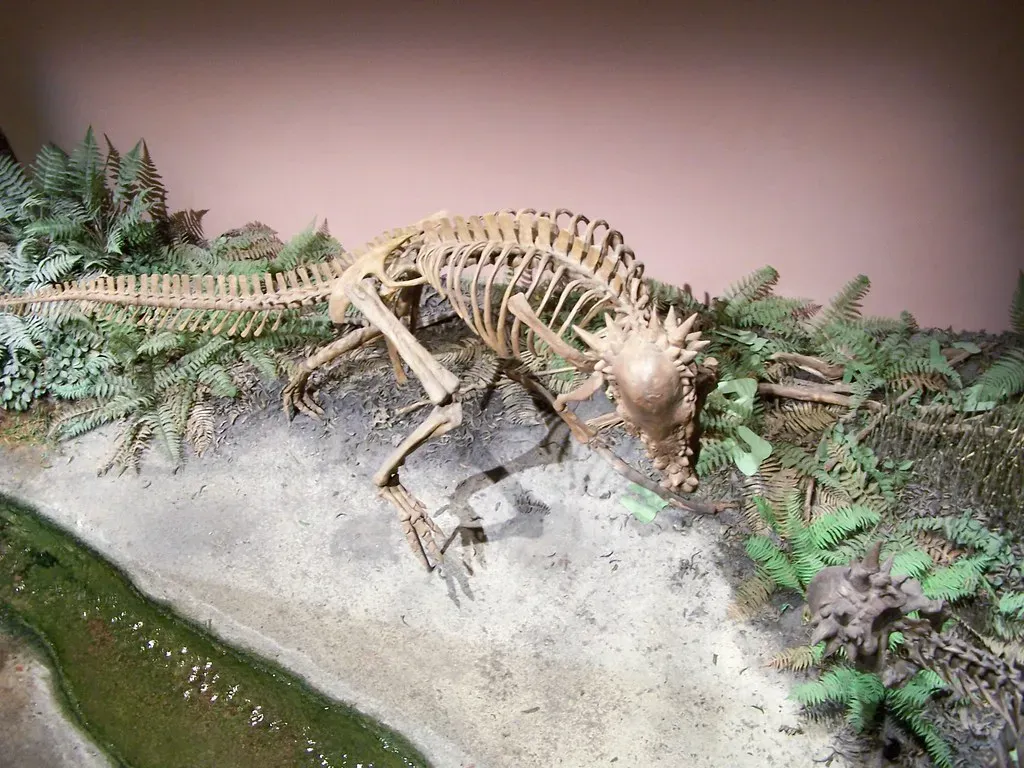
On the surface, it looks humiliating: scientists declare a new dinosaur, children fall in love with it, and then years later experts admit it was never a separate species. But if you zoom out, this is exactly how science is supposed to work. New evidence appears, old assumptions get tested, and the understanding improves, even if it means erasing a name that once seemed certain. The embarrassment comes from pride being punctured, not from the process itself being broken.
Personally, I think this kind of correction is one of the most honest things a scientific institution can do. It shows that museums are not temples of eternal truth; they are more like evolving stories updated as new chapters are discovered. Yes, it stings to tell a kid that their favorite “dragon king” dinosaur is just a younger version of another animal. But it is far better than pretending that an outdated idea is still correct just because it is popular or printed on a thousand gift-shop mugs.
Living with the Awkwardness: How Visitors and Fans Should Think About Reclassified Dinosaurs
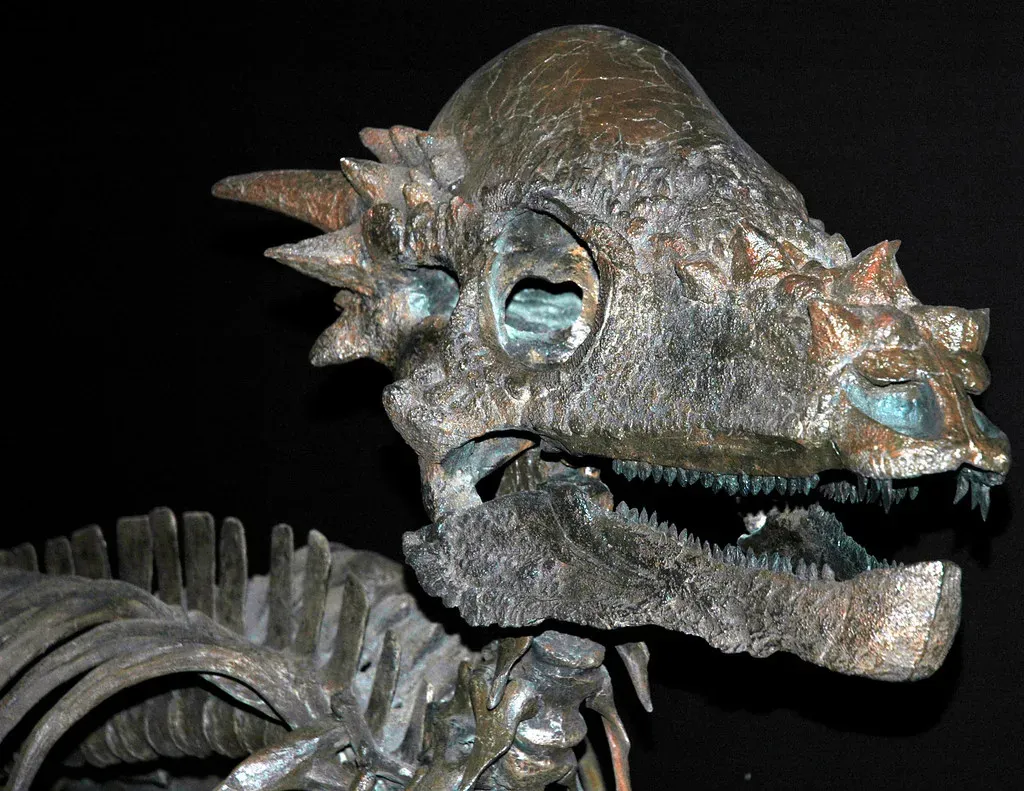
If you are a dinosaur fan, having a favorite species reclassified can feel oddly personal, almost like finding out your favorite fictional character was written out of the show. But in reality, the animal itself has not disappeared. The bones are the same; what changed is the label and the story we attach to those bones. Instead of mourning the “loss” of Dracorex or Stygimoloch as unique species, you can see them as glimpses into different life stages of a real dinosaur that is now better understood.
In a way, this makes the story richer. Now, when you stand in front of a Pachycephalosaurus skull, you can imagine it as a cranky teenager once branded with a cooler, edgier name. You are witnessing not just a fossil, but a full life cycle that scientists are still piecing together. And the next time a museum quietly swaps out a nameplate, maybe the right reaction is not annoyance, but curiosity: what new evidence forced that change, and what does it say about how our picture of the past keeps evolving?
Conclusion: Embarrassing Names, Honest Science, and Why It All Matters
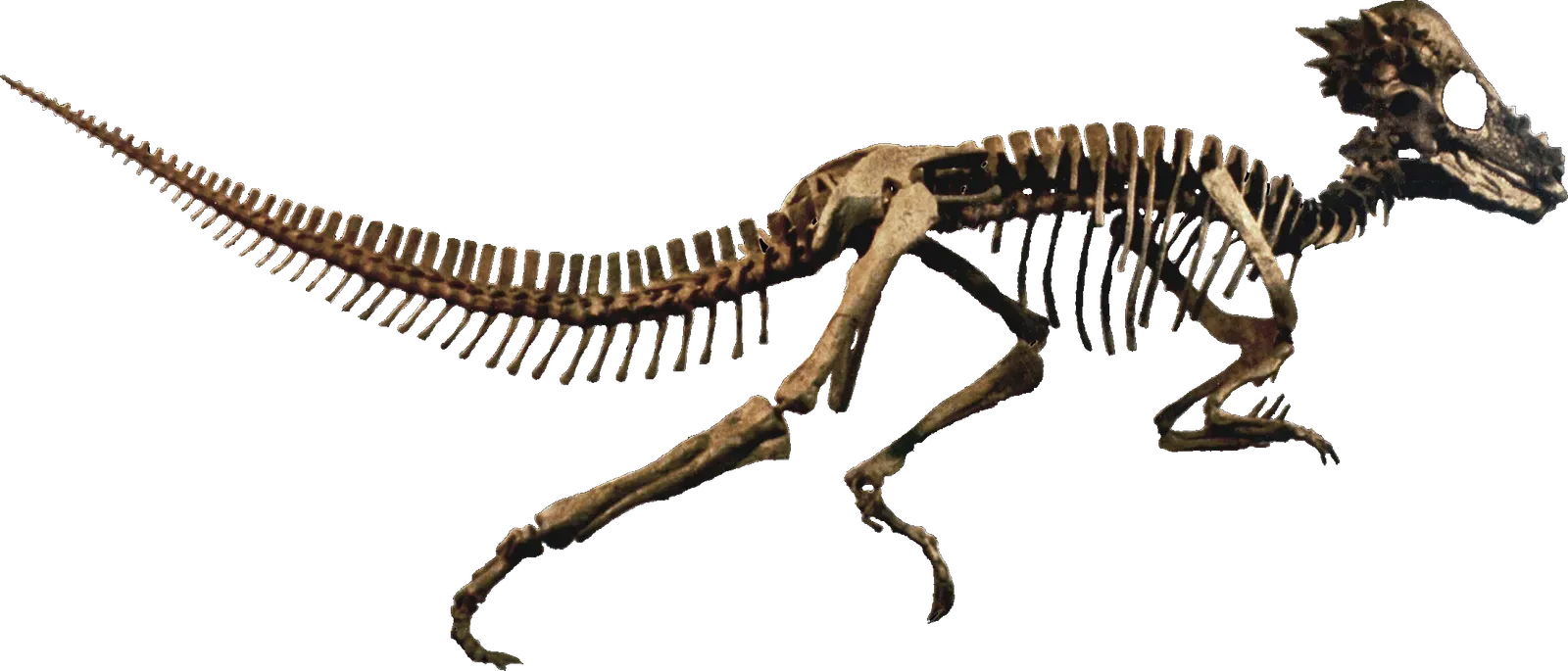
The reclassification of beloved dinosaurs like Dracorex and Stygimoloch into growth stages of Pachycephalosaurus is undeniably awkward for museums and a little heartbreaking for fans. It forces institutions to admit that what was once presented with authority was, at best, an early draft of the truth. Still, I would argue that this embarrassment is a small price to pay for a more accurate, more honest reconstruction of deep time. The dinosaurs do not care what we call them, but our willingness to change our minds says everything about how seriously we take evidence.
From my point of view, the real scandal would be if museums refused to update their signs, choosing comfort over correction. Instead, every changed label is a reminder that knowledge is alive, not frozen like the fossils on display. The next time you see a new name or a revised story in a dinosaur hall, you are catching science in motion, not science in retreat. And it is worth asking yourself: which is more impressive, a museum that never admits it was wrong, or one that is brave enough to rewrite its own story in front of everyone?