Walk into a lot of school classrooms today and you’ll still see the same dinosaurs you grew up with: swamp-dwelling brutes, dragging their tails, all green and scaly and weirdly expressionless. It feels comforting… until you realize how badly wrong much of it is. In the last few decades, paleontology has exploded with new discoveries, and many of the facts in old textbooks are now about as accurate as a map from the age of sail.
What frustrates many scientists and teachers is not that we were once wrong, but that so many schools are still teaching things we have known are outdated for years. Kids are memorizing “facts” that working paleontologists would gently wince at. Let’s walk through ten of the biggest corrections about dinosaurs that deserve to finally shove those dusty, Jurassic Park–era images off the classroom wall.
1. Dinosaurs Did Not Drag Their Tails Like Giant Lizards
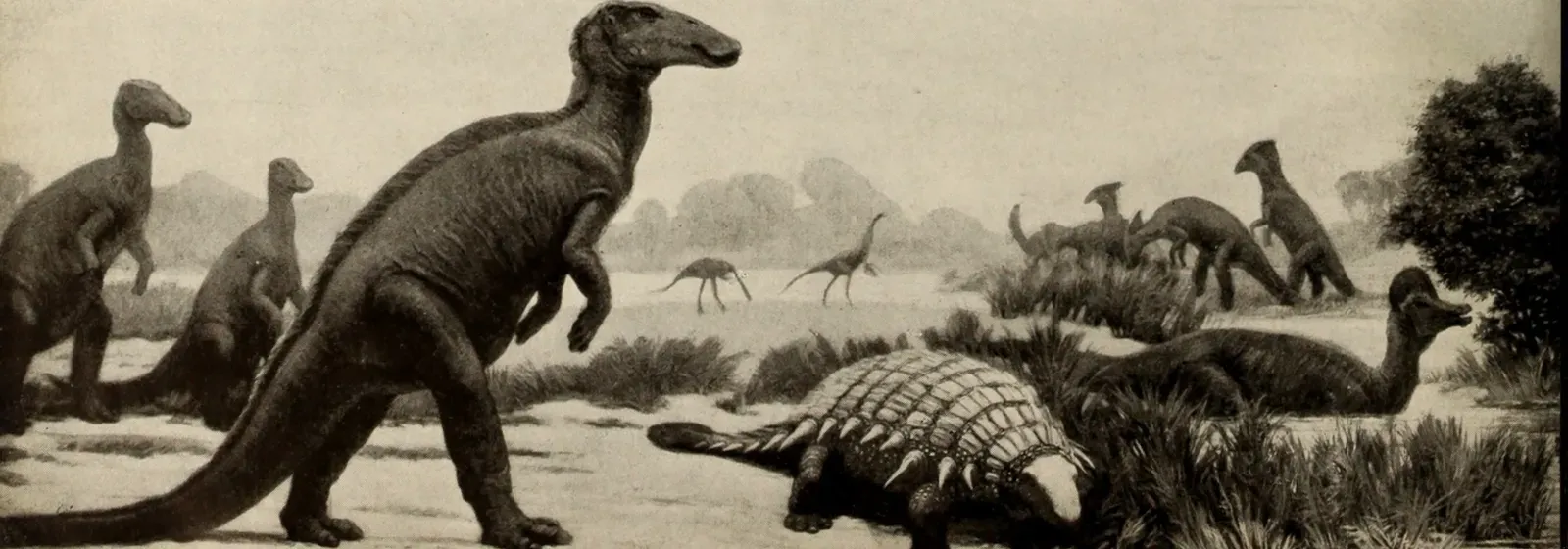
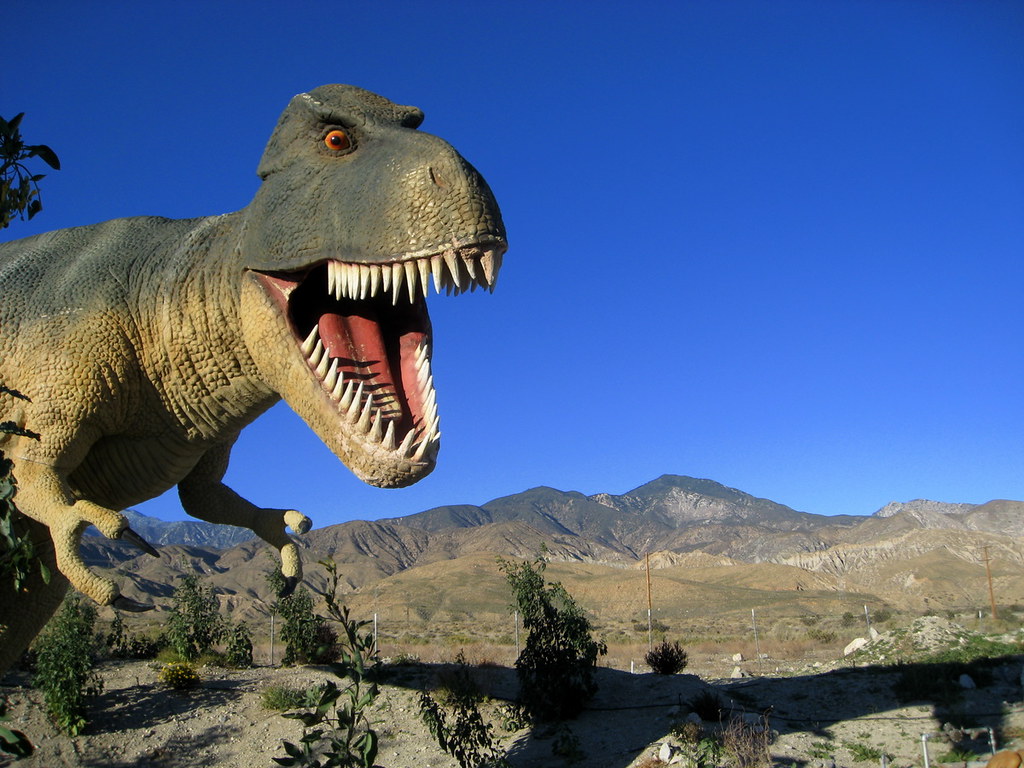
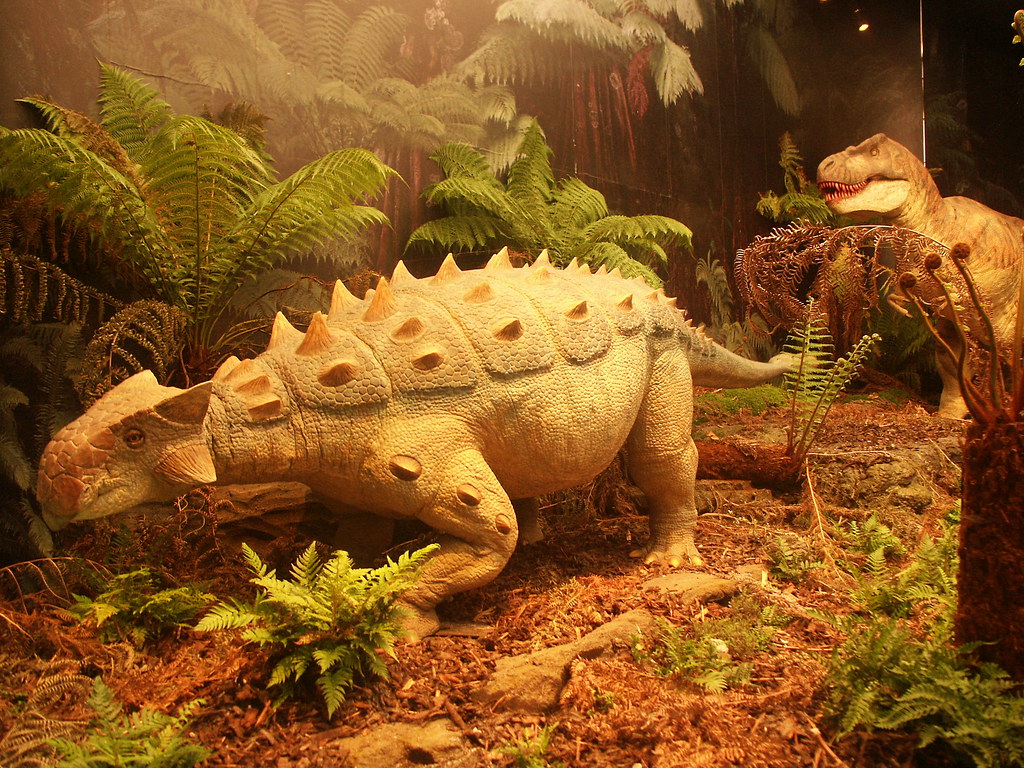
If you look at older textbooks or museum murals, dinosaurs often look like overgrown iguanas with tails scraping the ground behind them. That image is basically the dinosaur version of a floppy disk: once useful, now wildly out of date. Trackways discovered around the world show clean, crisp footprints with no continuous tail grooves, which means those tails were held aloft, not dragged like dead weight.
Modern reconstructions show most large dinosaurs carrying their tails straight out behind them, acting like a balancing pole. Think of a tightrope walker holding a long bar to steady themselves; a tyrannosaur used its tail in a similar way to counterbalance its big head and torso. Once you see that posture, the old tail-dragging art starts to look like a cartoon where someone forgot how basic physics works.
2. Many Dinosaurs Had Feathers, Not Just Scales
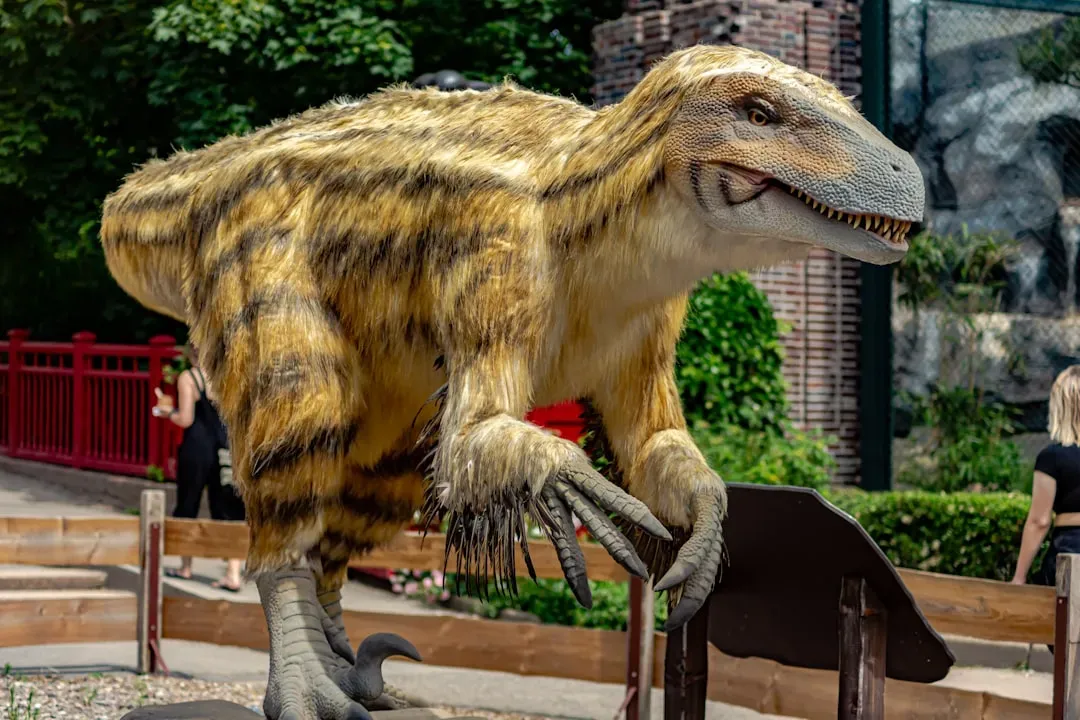
One of the most shocking shifts in dinosaur science is that quite a few of them were feathered, and not just tiny birdlike ones. Fossil beds in China and elsewhere have revealed skin impressions and preserved feather structures on animals that once would have been drawn as naked, scaly predators. We are not talking about a single oddball species; there is a whole family tree of feathered dinosaurs.
Yet a lot of schools still hand kids worksheets covered in lizard-skinned raptors. The reality is closer to a strange mash‑up of a bird of prey and a reptile. Some had full feather coats, others had simple filament-like fuzz, and some mixed scales and feathers. It does not make them less fearsome; if anything, a six‑meter, feather‑covered predator sounds even more unsettling than the old smooth-skinned movie monsters.
3. Birds Are Dinosaurs, Not Just “Related To” Them
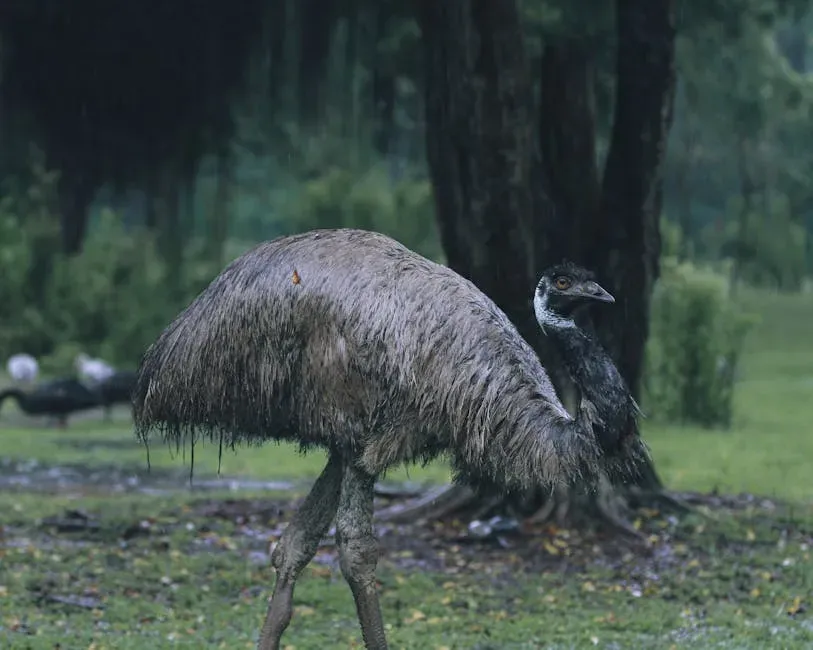
Many kids learn that birds “evolved from dinosaurs,” as if the dinosaurs are safely in the past and birds are something new. The cleaner, more accurate statement is that birds are dinosaurs. They are the only surviving branch of the dinosaur family tree, in the same way that humans are one surviving branch of the primate tree. When a pigeon stares at you in a parking lot, you are looking at a living dinosaur.
This matters because it changes how we think about extinction and survival. The so‑called non‑avian dinosaurs died out at the end of the Cretaceous, but one lineage adapted, shrank, and took to the skies. The dinosaurs did not vanish completely; they reinvented themselves. You can literally go outside, look at a sparrow, and see the last chapter of the dinosaur story still being written.
4. Dinosaurs Were Often Warm-Blooded and Active, Not Sluggish Cold-Blooded Brutes
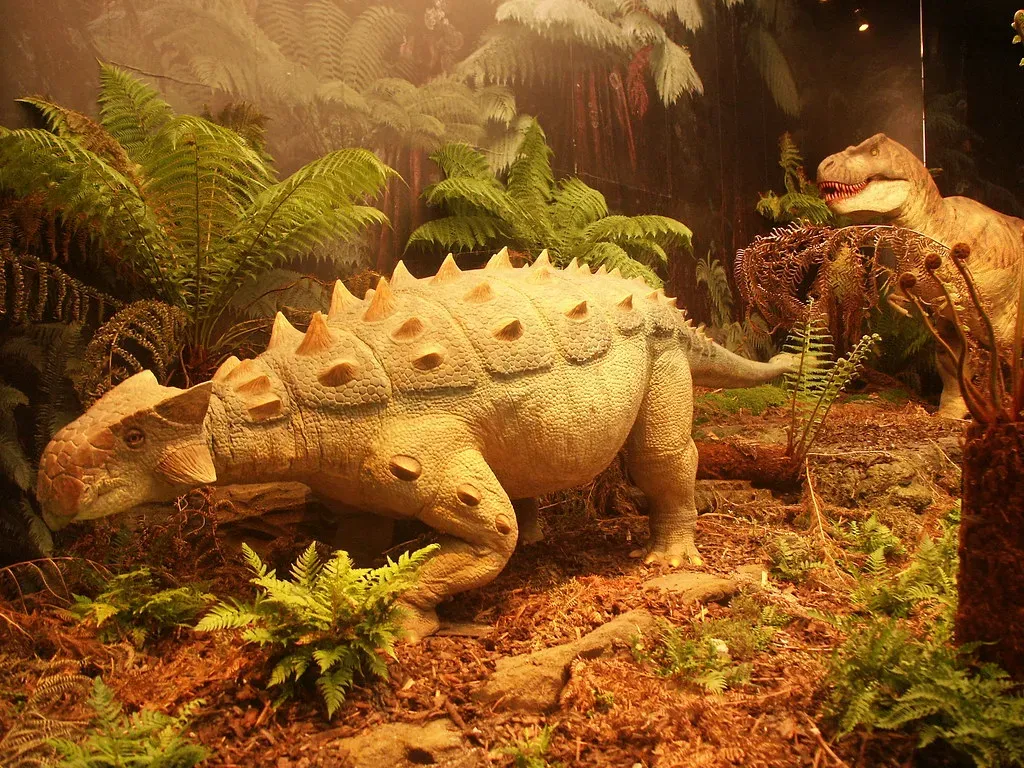
Older teaching loved to describe dinosaurs as slow, stupid, cold‑blooded reptiles that spent their days lumbering and basking, like gigantic crocodiles on land. That picture has cracked under decades of evidence. Bone growth rings, isotope chemistry, and comparisons with modern animals all suggest that many dinosaurs had high metabolisms more like birds and mammals than like lizards.
This helps explain why so many dinosaurs grew rapidly to huge sizes, moved efficiently, and occupied such a wide range of environments. They were not half‑asleep monsters waiting for the sun to warm them up; they were dynamic, active animals. In a way, it is more accurate to imagine something with the energy of a large bird or a fast-running mammal scaled up to terrifying size than a giant sleepy iguana.
5. Tyrannosaurus Rex Was Not Just a Clumsy Scavenger
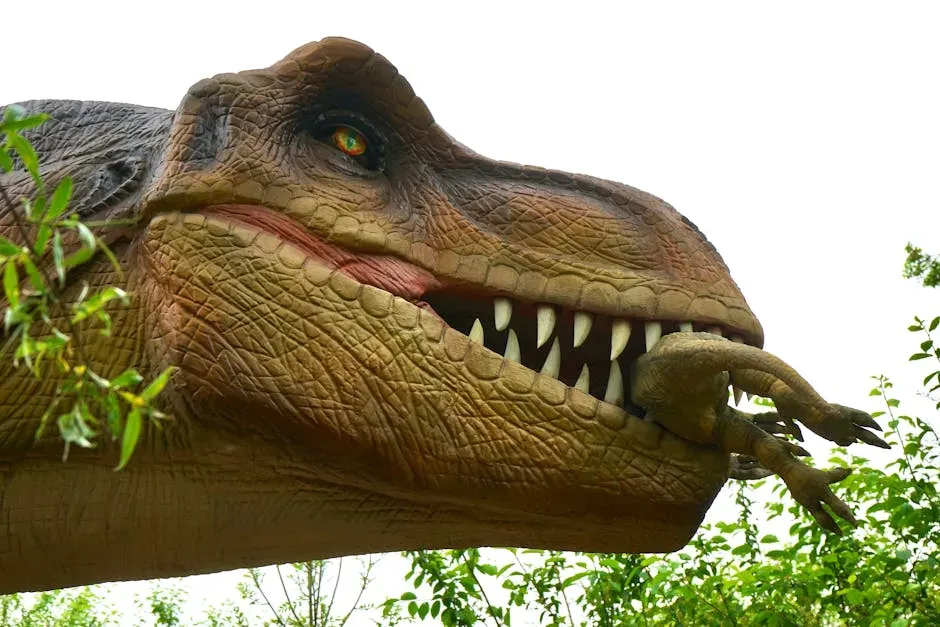
There was a brief period when popular articles loved the idea that Tyrannosaurus rex might have been too slow and awkward to hunt, surviving mainly as a scavenger. That debate made good headlines, so it stuck in the public imagination, and some school materials simplified it into “T. rex was a scavenger.” The more balanced view now is that tyrannosaurs were both opportunistic scavengers and effective predators, much like many large carnivores today.
Evidence such as healed bite marks on hadrosaur bones that match tyrannosaur teeth, along with biomechanical studies of their jaws and legs, points toward active hunting ability. Could a T. rex steal a dead carcass from something else? Absolutely. Would it pass up a wounded or slow herbivore walking right in front of it? Extremely unlikely. Think of it as a very large, very flexible eater rather than a pure garbage picker.
6. Many Dinosaurs Were Social, Not Lonely Solitary Monsters
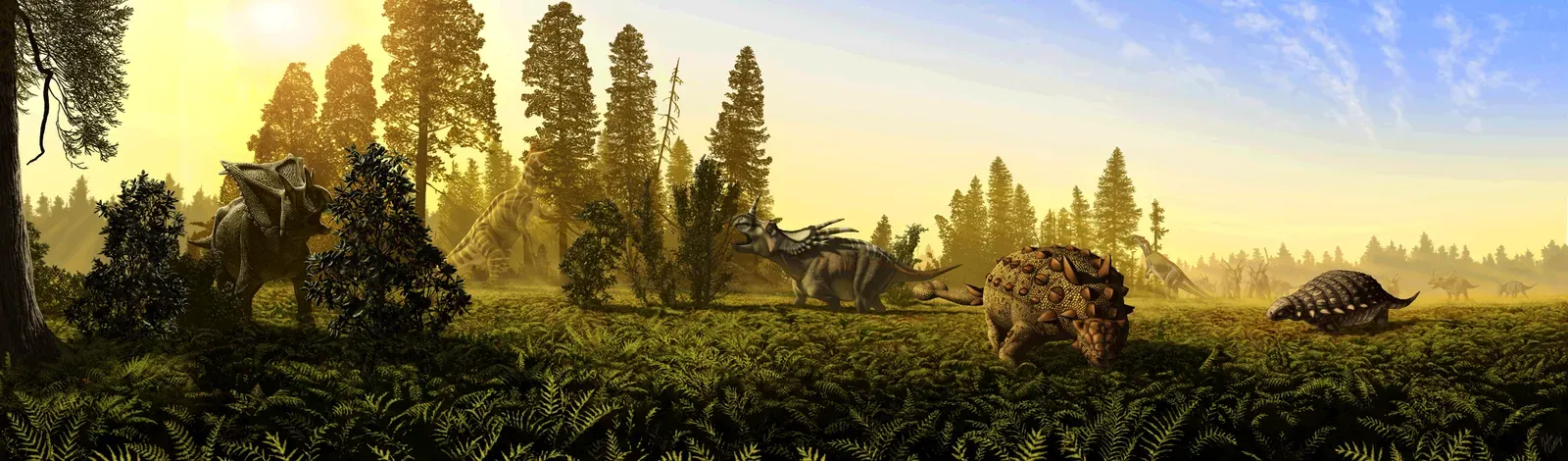
Classic dinosaur art often shows single animals standing dramatically alone against a prehistoric sunset, like moody teenagers of the Mesozoic. Fossil evidence tells a different story. Bonebeds with multiple individuals, trackways showing groups moving together, and nesting grounds with many eggs in close proximity all suggest that at least some dinosaurs lived in herds, flocks, or family groups.
That social behavior could have included coordinated movement, protection of young, and maybe even simple forms of communication using calls or displays. It makes the ancient world feel less like a series of one‑on‑one monster duels and more like a bustling landscape full of complex interactions. If you picture a busy migration of herbivores with predators shadowing the edges, you are probably closer to reality than those lonely, poster‑worthy poses.
7. Dinosaurs Were More Colorful and Visually Expressive Than Old Art Suggests
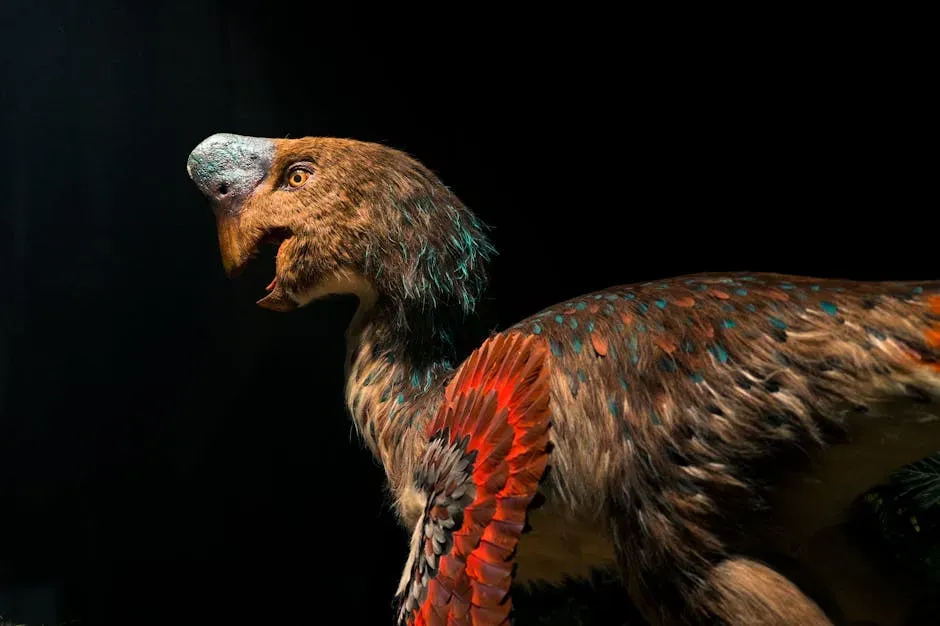
For a long time, dinosaurs in textbooks came in two flavors: dull green and dull brown. Part of that was caution; color rarely fossilizes, so scientists did not want to guess. But new techniques studying microscopic structures in fossil feathers have given clues about pigmentation, showing that at least some feathered dinosaurs had patterns of dark and light, and likely reds, browns, and even iridescent sheens, similar to modern birds.
Once you accept that many dinosaurs were using feathers for display, insulation, and communication, it becomes hard to justify the old, gray monotone look. A world full of visually oriented animals is not going to limit itself to two paint chips. We do not know the exact palette for every species, and we probably never will, but it is now safer to imagine a vivid, varied world than a drab army of mud‑colored reptiles.
8. The Meteorite Was Not the Only Factor in Dinosaur Extinction
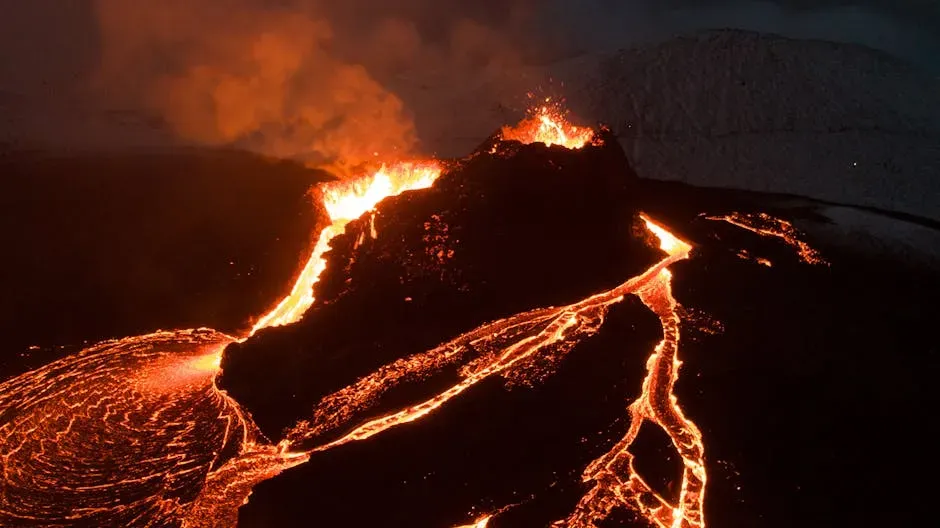
Most kids learn a simple story: a big rock from space hit Earth, the dinosaurs all died, the end. The impact at the end of the Cretaceous was absolutely catastrophic and central to the extinction event, but research over the last few decades shows that the picture is more nuanced. Massive volcanic activity, climate shifts, and long‑term ecological changes were already stressing ecosystems before the impact delivered the final blow.
This more complex story is not just a detail; it matters for how we understand extinction in general. Large planetary changes often build up over time, with multiple factors piling on until a tipping point is reached. The meteorite was likely the most dramatic and visible cause, but it struck a world already off balance. That layered explanation is harder to fit into a single classroom sentence, which is probably why the old, simple version refuses to die.
9. Not All Dinosaurs Were Giants; Many Were Small, Fast, and Adaptable
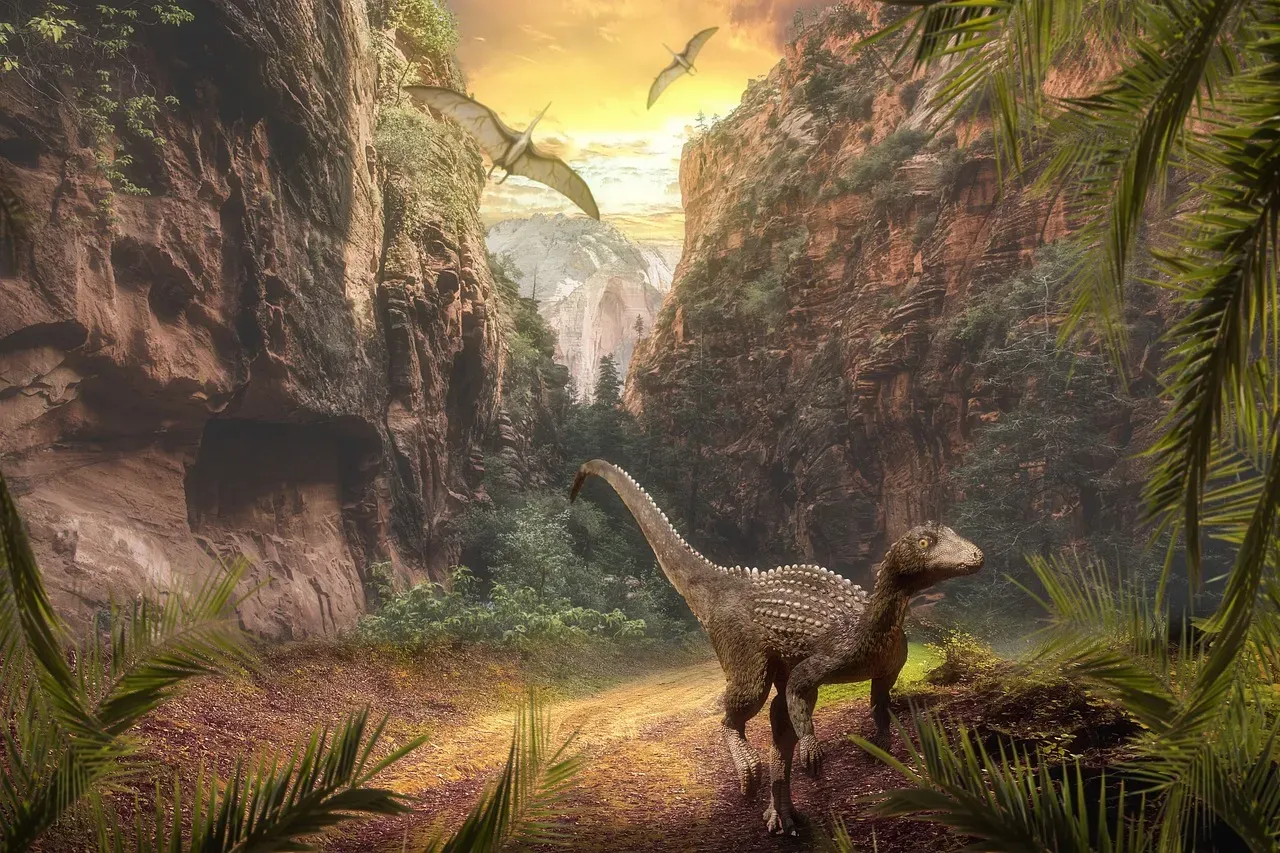
School posters love the huge celebrities: long‑necked sauropods bigger than buses, predators taller than houses. Those animals were real and spectacular, but they were only part of the dinosaur story. A huge number of species were small to medium sized, some no larger than a turkey or a dog. These smaller dinosaurs were likely agile, quick, and able to exploit all sorts of ecological niches.
Thinking only of giants makes it harder to grasp why dinosaurs were so successful for so long. Diversity at smaller body sizes is a buffer against change; it allows evolution to experiment. In a way, the survival of birds as small, flying dinosaurs is the ultimate proof that being compact and adaptable beats being massive when the world turns hostile. Teaching kids only about the towering giants is like teaching human history and only talking about kings.
10. Evolution Is Not a Ladder: Dinosaurs Were Not “Primitive Failures”
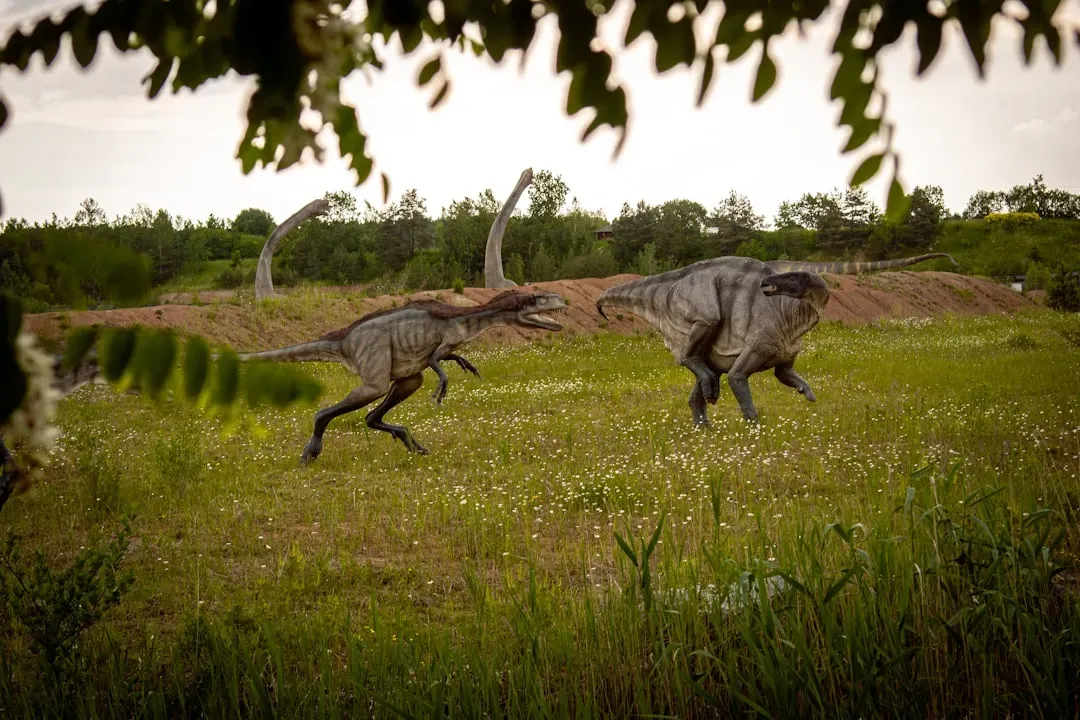
A subtle but damaging lesson that still sneaks into classrooms is the idea that dinosaurs were somehow “failed experiments” that had to die so that mammals and humans could take over. That way of thinking turns evolution into a ladder with us at the top, and everything else as a rough draft. In reality, dinosaurs were incredibly successful, dominating terrestrial ecosystems for tens of millions of years, far longer than humans have existed.
They did not vanish because they were poorly designed; they were hit by extraordinary events that reshaped the planet. Calling them primitive or obsolete is like calling a company that thrived for centuries a failure because it eventually closed after a freak disaster. If anything, their story should humble us: even the most successful lineages can be swept aside when conditions change fast enough.
Conclusion: Why Are We Still Teaching Outdated Dinosaurs?

When I visit schools and see kids coloring in tail‑dragging, naked‑skinned dinosaurs, it feels a bit like watching someone proudly use a rotary phone in the age of smartphones. The science has moved on, but the classroom art, the worksheets, and sometimes even the language in lessons are stuck in another era. Part of this is inertia: curricula are slow to update, budgets are tight, and teachers are already overwhelmed.
But holding on to these outdated images does more than just misrepresent a few animal species; it quietly teaches kids that science is static and settled, not a living process that changes as new evidence comes in. Updating how we teach dinosaurs is a small but powerful way to show that knowledge can be revised, that being wrong is part of progress, and that curiosity beats nostalgia. The next time a child draws a feathered, bright‑colored, sharp‑eyed dinosaur and calls a sparrow its cousin, maybe we should wonder: are they already ahead of the textbooks we keep handing them?