If you could stand on Earth sixty-six million years ago, you’d barely recognize the place. Giant dinosaurs ruled the land, flying reptiles owned the skies, and vast, warm seas teemed with bizarre marine reptiles. Then, in what must have felt like an instant on a geological timescale, that world ended. The event you know as the end-Cretaceous extinction did not just wipe out the dinosaurs; it rebooted the entire planet’s living system.
When you look around today at birds in the trees, flowers in your garden, and even mammals like yourself, you are seeing the winners of that catastrophe. The story of this extinction is not just about destruction; it is also about opportunity, adaptation, and deep-time luck. By understanding how this single , you get a clearer sense of why the modern world looks the way it does – and why your own existence is tied to a rock that fell from the sky.
A Planet on the Edge Before the Asteroid Struck
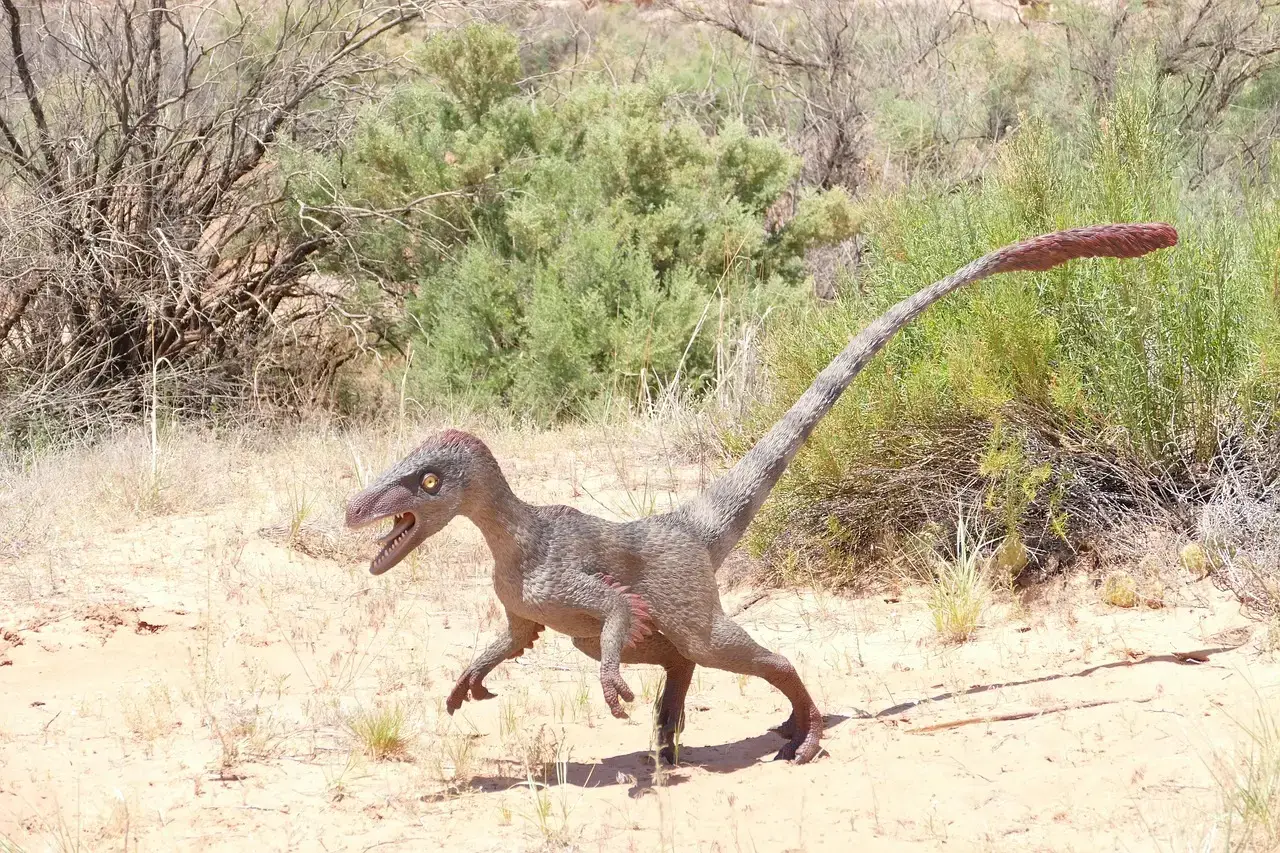
You might imagine the dinosaurs striding across a perfectly stable world, suddenly blindsided by a rogue asteroid, but the truth is more complicated. Before impact, Earth was already under stress: volcanic provinces such as the Deccan Traps in what is now India were releasing massive amounts of gases, altering climate and ocean chemistry over long stretches of time. You would have seen swings in temperature, shifting sea levels, and ecosystems slowly trying to keep up with the changing conditions. Life was still rich and diverse, but it wasn’t living in a perfectly calm, unchanging paradise.
If you walked through a late Cretaceous forest, you would have noticed flowering plants spreading across landscapes, insects diversifying with them, and mammals quietly evolving in the shadows of giant reptiles. The biosphere was dynamic, and many lineages were already under pressure from gradual environmental shifts. That background stress did not cause the mass extinction on its own, but it probably made the entire system more fragile. When the asteroid finally arrived, it hit a planet already primed for a tipping point, not a world in perfect balance.
The Chicxulub Impact: A Planet’s Worst Day
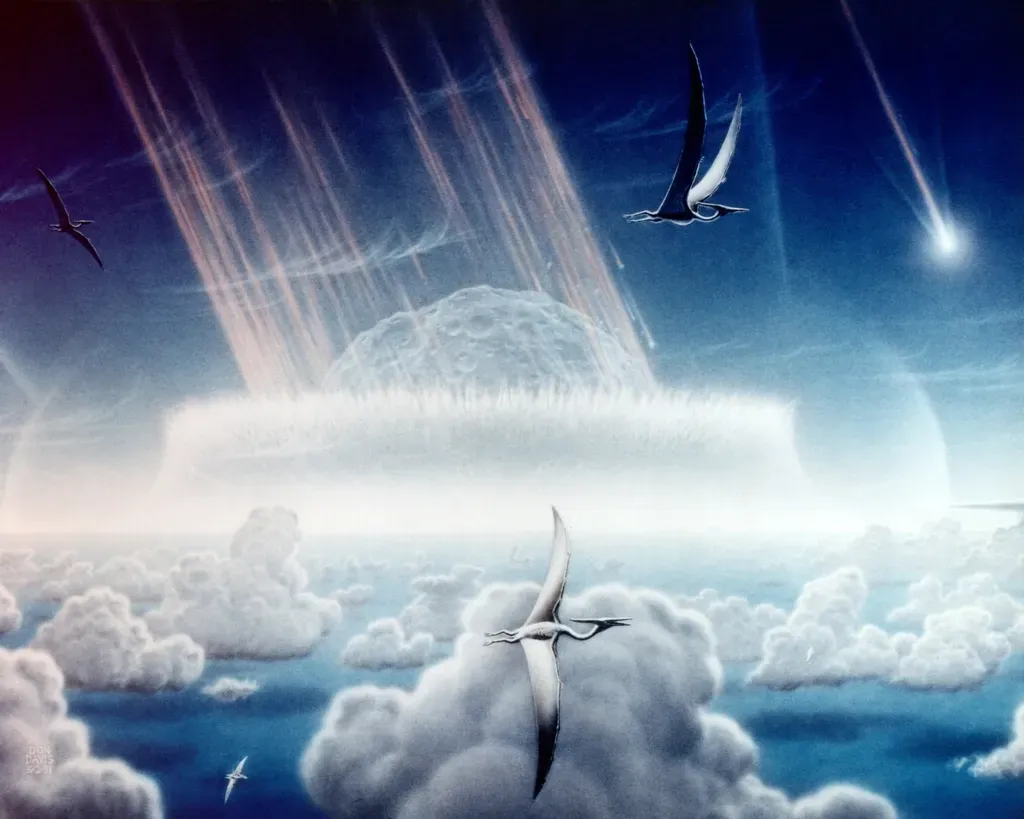
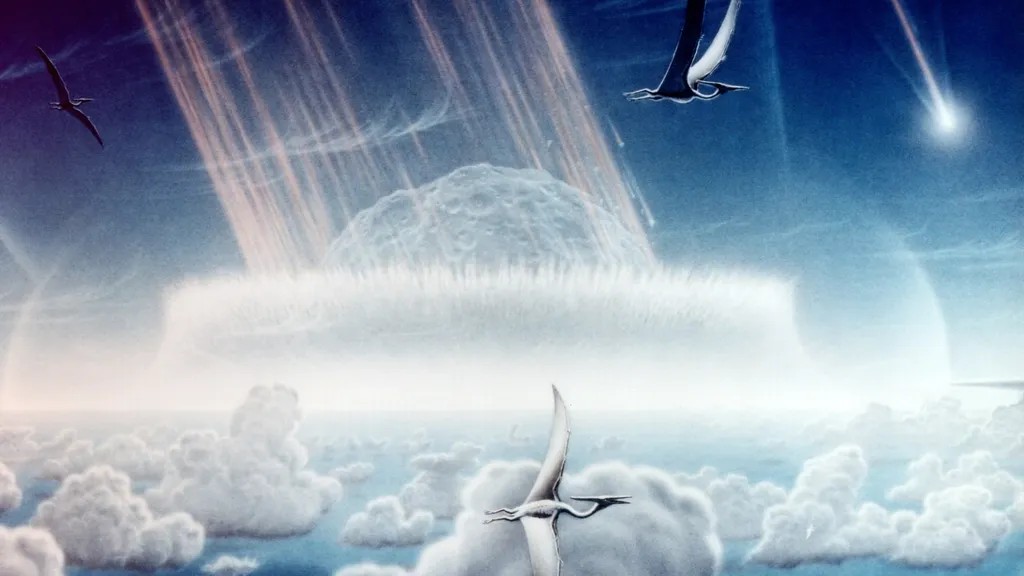
The turning point comes when an asteroid, roughly several miles across, slams into what is now the Yucatán Peninsula in Mexico, carving out the Chicxulub crater. If you could have watched from a safe distance, you’d have seen a blinding flash as energy equivalent to billions of nuclear bombs exploded in an instant. Rock and vapor shot into space and rained back down across continents, igniting wildfires and sending shockwaves through the crust. In the immediate vicinity, anything alive would have had no chance of survival; the devastation there was absolute.
But the real disaster, from your point of view as a global observer, unfolded over weeks, months, and years. The impact vaporized sulfate-rich rocks and blasted dust and aerosols into the atmosphere, wrapping the planet in a sun-blocking veil. Daylight dimmed or nearly vanished, temperatures plunged, and photosynthesis crashed almost everywhere. If you relied on sunlight – whether as a plant, a plankton cell, or an animal that fed on them – you suddenly found yourself in a world where your basic energy source had nearly disappeared. The worst day turned into a prolonged planetary winter.
When Food Webs Collapse: How Seventy Percent of Species Vanished
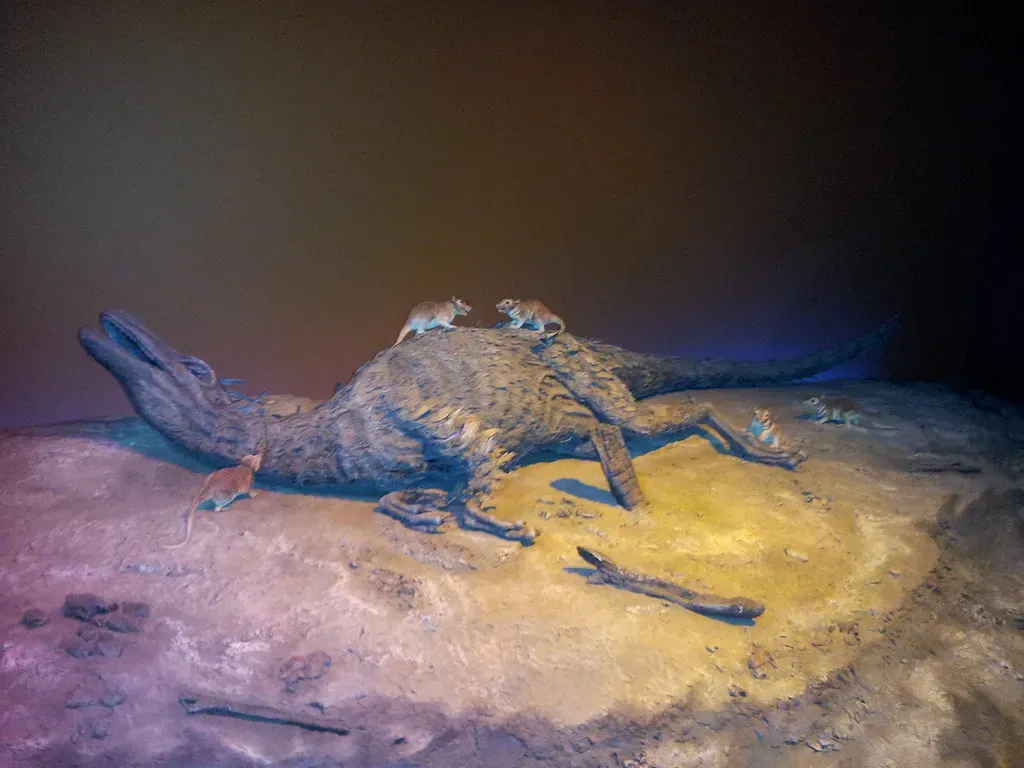
To understand how the end-Cretaceous extinction reshaped life, you need to picture food webs as stacked ladders of dependence. At the bottom, photosynthetic organisms use sunlight to build energy; on top of them sit herbivores, and above those predators and scavengers. Once the impact winter dimmed the sun, you would have watched the base of those ladders crumble. Marine plankton populations dropped sharply, terrestrial plants withered, and the animals depending on them began to starve. It was not so much a single killer blow as a cascading collapse through every level of life.
As the months passed, the biggest losers were large, specialized animals that needed a lot of food or very particular conditions. Non-avian dinosaurs, huge marine reptiles, and many flying reptiles could not easily handle sustained scarcity or rapid environmental swings. In contrast, smaller, generalist species – those that could eat many things, hide, burrow, or go dormant – had better odds. You would have seen roughly about three out of every four species on Earth vanish from the fossil record around this boundary, a staggering turnover that cleared space for entirely new communities to emerge once the skies finally brightened again.
Why Birds Survived When Other Dinosaurs Did Not
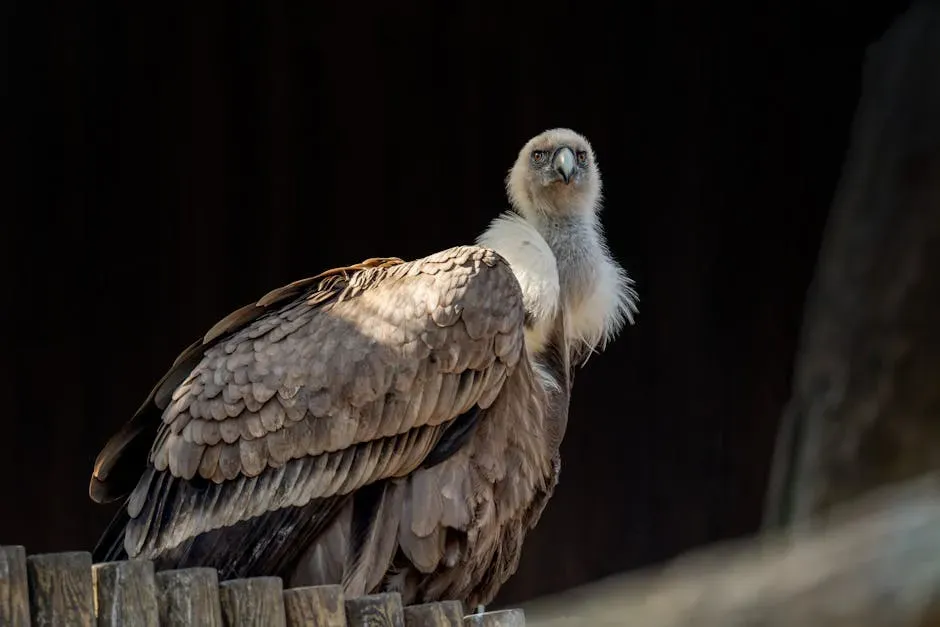
If you watch a modern bird hopping across a branch, you are looking at one of the few dinosaur lineages that made it through the catastrophe. The differences that helped them survive might seem subtle to you at first glance: smaller body sizes, high metabolic efficiency, and flexible diets played huge roles. Many early birds could likely eat seeds, insects, and other tough or varied foods, which gave them a lifeline when lush vegetation disappeared. Some could also use sheltered habitats like forest floors, lakeshores, or coastal areas to ride out the worst conditions.
As the post-impact world slowly recovered, those surviving birds were in the right place at the right time. You would have seen them radiate into open ecological space, evolving into a dizzying variety of forms: ground dwellers, fish hunters, nectar sippers, and everything in between. Their success helps explain why you see birds almost everywhere on Earth today, from city sidewalks to high mountain peaks. When you hear a bird call outside your window, you are listening to a living echo of the dinosaur world, shaped by a disaster that nearly erased their kind but also gave them the stage.
Mammals Seize the Moment: How Your Distant Relatives Took Over
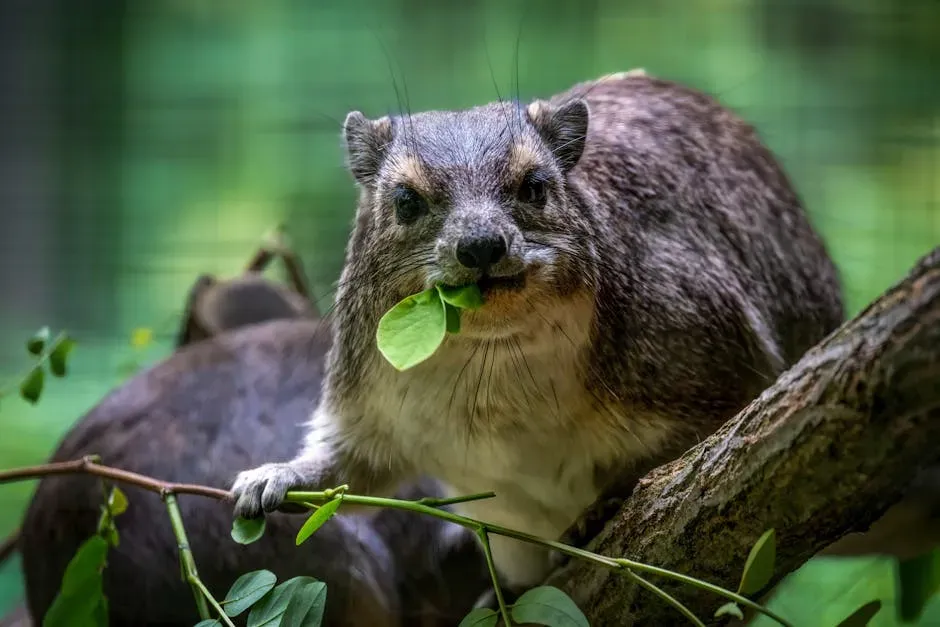
Before the extinction, if you were a mammal, your life would have been modest and cautious. Most mammals were small, often nocturnal, and lived in the shadow of giant dinosaurs that dominated major ecological roles. Once those large reptiles disappeared, however, the rules of the game changed dramatically. Suddenly, ecological niches that had been tightly held for tens of millions of years were wide open. If you could survive the immediate chaos and the long winter that followed, you had access to opportunities no mammal had ever seen before.
Over millions of years after the event, you would have watched mammals grow larger, diversify their diets, and explore new ways of living. Some moved into the oceans, becoming whales and seals; others took to the trees, eventually giving rise to primates; still others turned into grazers, predators, and burrowers across every continent. The line that would eventually lead to you is part of this explosion of forms. Your very existence depends on that window of time when mammals stepped into roles once held by dinosaurs, proving that survival is not just about getting through the crisis but also seizing the possibilities that follow.
Rebuilding Ecosystems: Forests, Oceans, and the New Earth
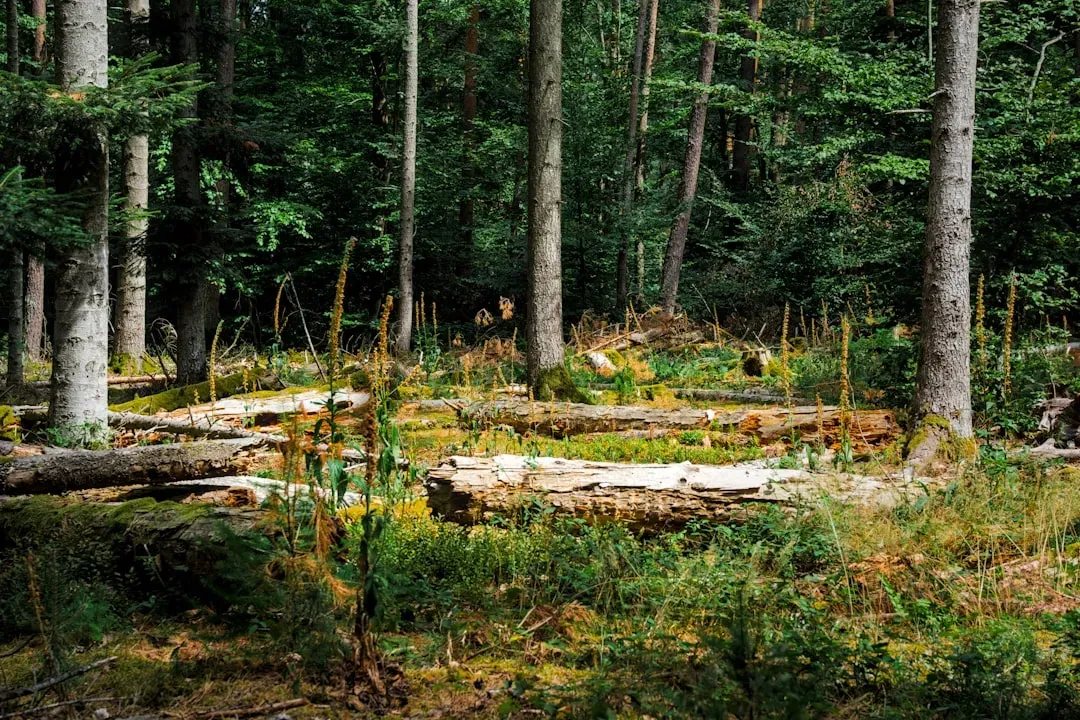
Once the dust and aerosols in the atmosphere settled and sunlight returned, the planet did not snap back to its old self. Instead, you would have seen a patchwork recovery, with some areas bouncing back faster than others. Forests regrew from pioneer plants and hardy survivors, gradually rebuilding multilayered canopies and diverse undergrowth. In the oceans, plankton communities changed in composition, and coral reef ecosystems slowly reassembled, sometimes in different regions and with different dominant species than before. The old Cretaceous cast was gone, and a new one was assembling scene by scene.
One of the most striking long-term changes you would notice involves the rise of flowering plants and the insects and animals that depend on them. As these plants spread, they reshaped soils, water cycles, and the very look of landscapes. Pollinators like bees, butterflies, and many birds built intricate relationships with the blossoms, weaving tight ecological partnerships that define a lot of modern biodiversity. By the time you arrive in the present, the post-extinction Earth has a very different look and feel than the dinosaur-era planet, even if they share the same continents and oceans.
Lessons for Your Future: Extinction, Resilience, and Responsibility
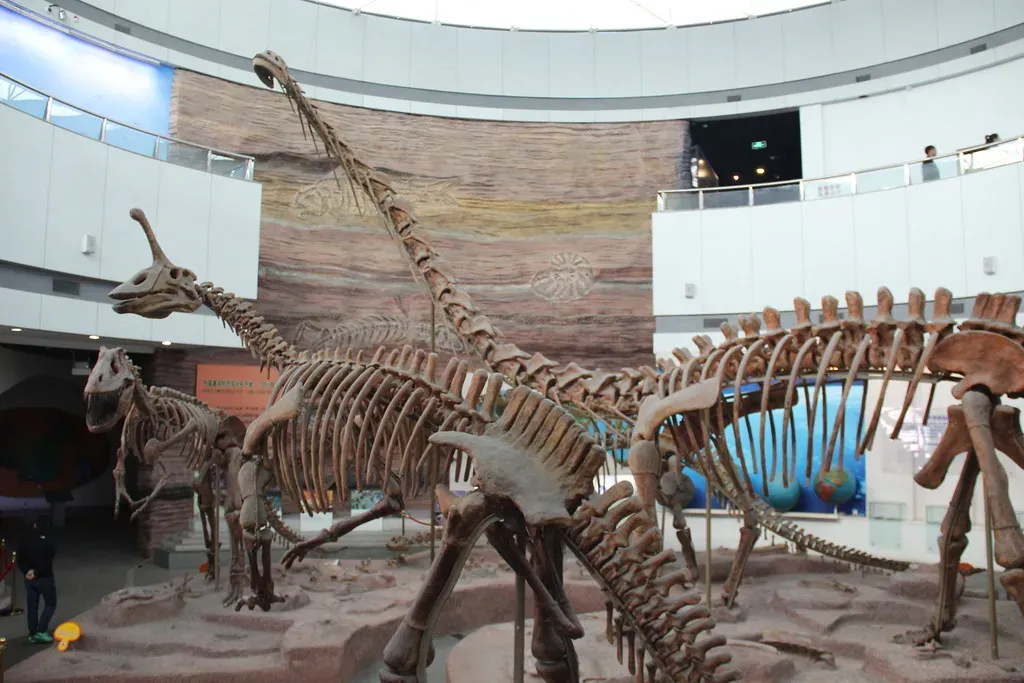
When you step back and look at the end-Cretaceous extinction from today’s vantage point, it stops being just a distant prehistoric drama and becomes a mirror. You live in a time when human activity is altering climate, reshaping habitats, and driving many species toward extinction at an unnerving pace. The fossil record tells you that life as a whole is resilient, but it also shows you that resilience comes with a cost: it can take millions of years for diversity to recover after a major crash. From your perspective, that means losses you cause now will outlast your civilization, and possibly your species.
The asteroid that hit sixty-six million years ago was not something life on Earth could control; your choices today are different. You have the ability to protect habitats, curb pollution, and stabilize climate trends before they push ecosystems past a tipping point. When you understand how a single catastrophic event rewrote the story of the entire planet, you get a sobering sense of what is at stake now. The dinosaurs did not get a say in their future, but you do. The question is what kind of world you want your distant descendants to inherit when they look back at this moment in deep time.
In the end, the end-Cretaceous extinction did more than just end the age of dinosaurs; it paved the way for the world you know and for you yourself to exist. From the survival of tiny bird-like dinosaurs to the rise of mammals and the rebuilding of forests and oceans, each step pulled the planet further from its ancient past and closer to its present form. When you look at a bird in flight, a flowering meadow, or even your own reflection, you are seeing the legacy of a catastrophe that turned into a new beginning. If one rock from space could reshape , what do you think your choices can do over the next few centuries?