Picture a bustling desert metropolis rising from sand and stone, where modern Phoenix spreads endlessly beneath Arizona’s intense sun. Few who drive these streets realize they’re traveling above one of history’s most remarkable engineering achievements. Long before concrete highways and air conditioning, a civilization mastered this unforgiving landscape in ways we’re only beginning to understand.
The Sonoran Desert doesn’t forgive mistakes. With temperatures exceeding triple digits for months and rainfall barely enough to sustain scrub brush, this environment seems designed to repel human settlement. Yet between roughly 300 CE and 1450 CE, the Hohokam people didn’t just survive here – they flourished, building a society that would leave clues buried beneath parking lots and shopping centers for future generations to puzzle over.
Masters of an Impossible Landscape
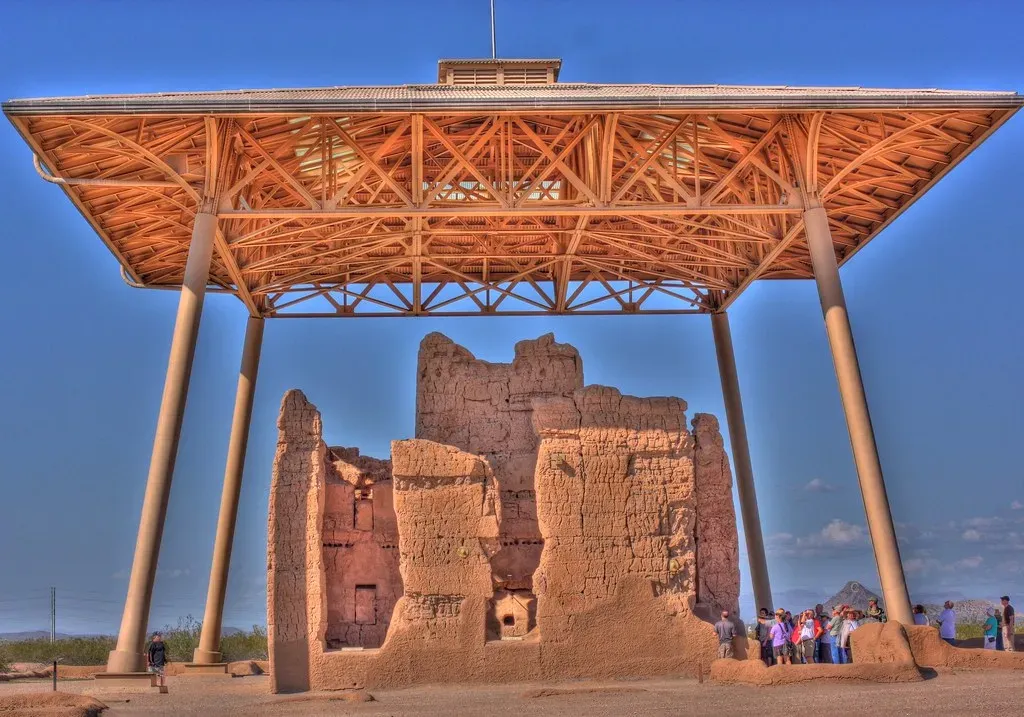
The word Hohokam comes from the O’odham language, used by archaeologists to identify groups who lived in the Sonoran Desert. The name itself carries weight – often translated as those who have vanished or all used up. At its height, the culture flourished for more than 1000 years in the unforgiving Sonoran desert before disappearing around 1450 CE, with population estimates reaching as many as 80,000 individuals.
The environment these people called home was brutally challenging. Summer temperatures regularly exceeded 100 degrees, and annual rainfall for much of the region was often less than 30 centimeters. Think about that for a moment – twelve inches of rain per year to sustain tens of thousands of people. The reality of their engineering achievements becomes increasingly remarkable when compared to other preindustrial cultures, especially as the Hohokam lacked the wheel, draft animals, and metals such as bronze or iron.
Engineering Genius with Stone and Muscle
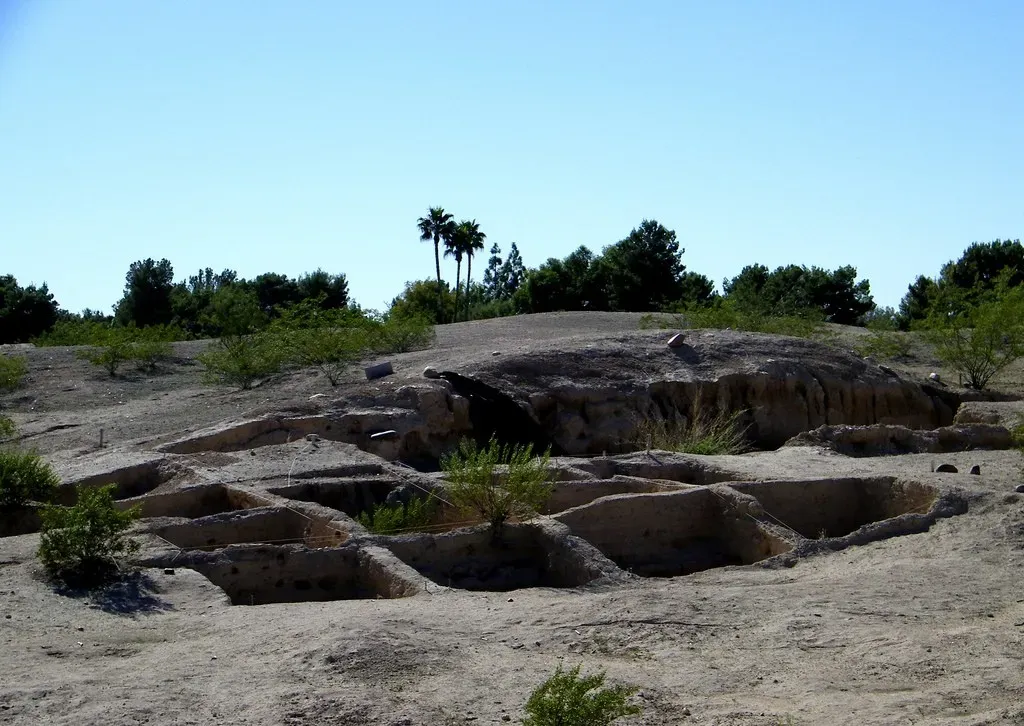
Here’s the thing that still astonishes archaeologists: By 1300 the Hohokam had created the largest canal system in prehistoric North America, with 500 miles of canals providing irrigation to over 100,000 acres of cropland. Let’s be real – we struggle to build infrastructure with modern equipment. They accomplished this with digging sticks and baskets.
From 800 to 1400 CE, their irrigation networks rivaled the complexity of those of ancient Near East, Egypt, and China, constructed using relatively simple tools yet achieving drops of a few feet per mile, balancing erosion and siltation. The canals followed the contours of the land, achieving a gradient of only one to two feet per mile – a remarkable degree of precision even by modern standards. The mathematical precision involved is staggering when you consider they had no laser levels or surveying equipment.
Taming Water Through Innovation
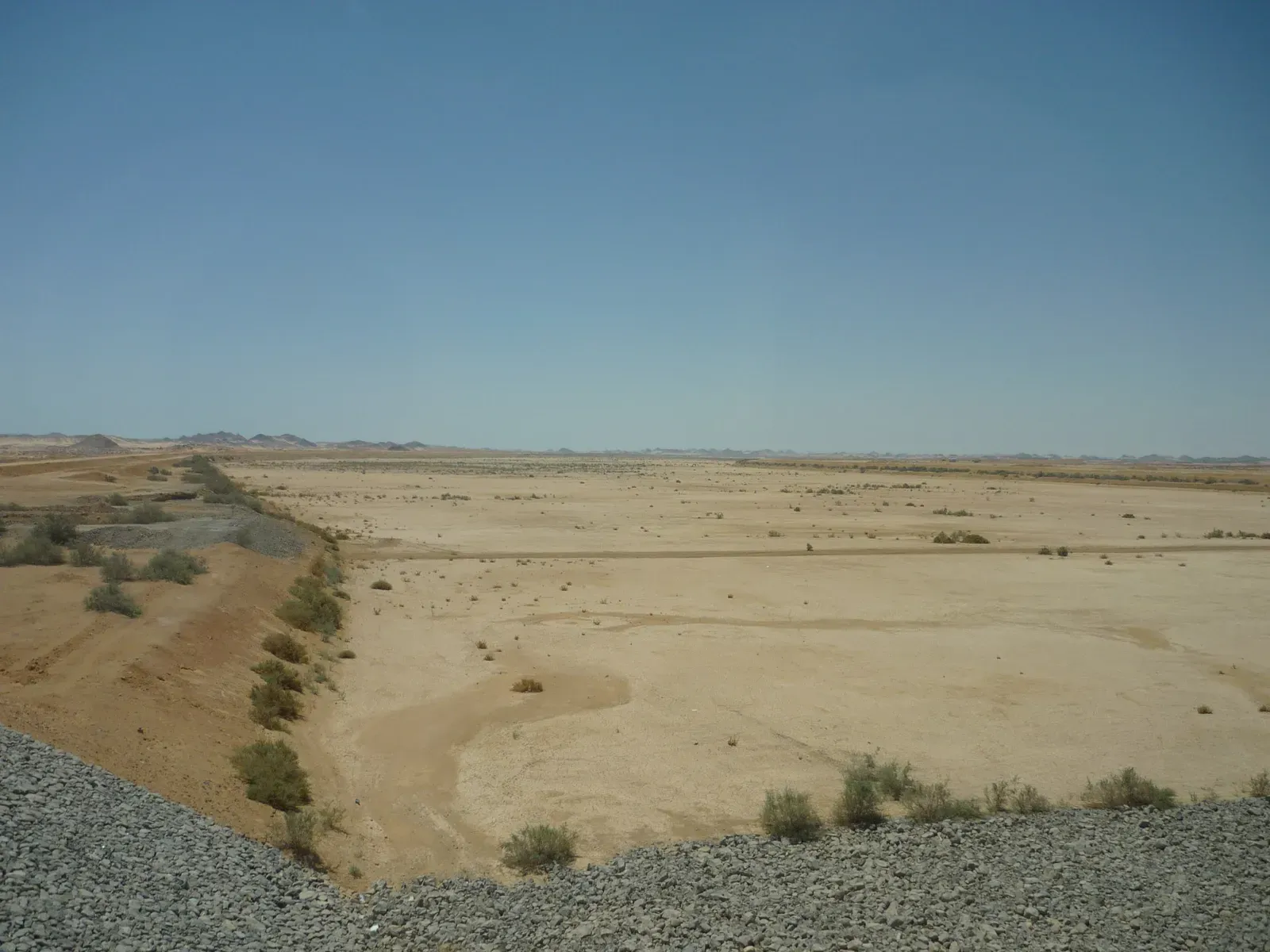
The Hohokam didn’t just dig ditches – they created a sophisticated hydraulic system that would make modern engineers pause in admiration. In areas of inadequate water, the channel would be narrowed, increasing velocity of water, which decreased sediment buildup, discharge into fields and evaporation. Meanwhile, where water flow surged too strong, they widened channels to prevent erosion.
A weir, or partial dam, forced water into the headgate of the canal, creating maximum force and more efficiently carrying water to local farms. This wasn’t accidental design – it was deliberate engineering based on deep understanding of hydraulics. The ground in the Phoenix Basin consists primarily of caliche, a sedimentary rock amalgam extremely hard and difficult to excavate even using modern equipment, making the amount of effort required to dig canals over twelve feet deep truly impressive.
A Diverse Agricultural Economy
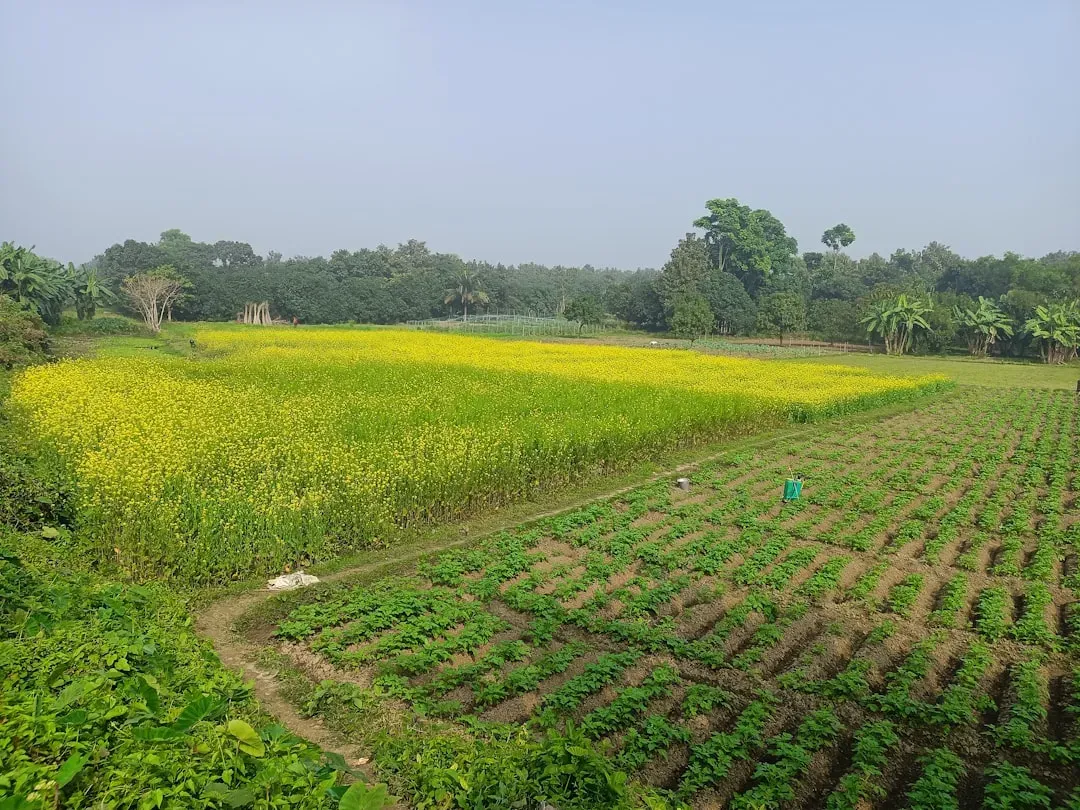
Water was only the beginning. They thrived on a varied diet of corn, jackbeans, tepary beans, lima beans, squash, barley, and amaranth. Honestly, their crop diversity rivals what you’d find at a modern farmers market. They grew cotton, gourds, and tobacco for textiles, art, and possibly ceremonial use.
But the genius went beyond primary crops. Weeds including chenopods, amaranths, and spiderling flourished in Hohokam fields, and the Hohokam protected them and probably even sowed or transplanted them, providing an alternative source of food especially in years where other crops performed poorly. The Hohokam made use of almost 200 species of Sonoran Desert species, encouraging the growth of cholla cactus and agave. They understood something we sometimes forget – resilience comes from diversity.
Social Organization and Water Management
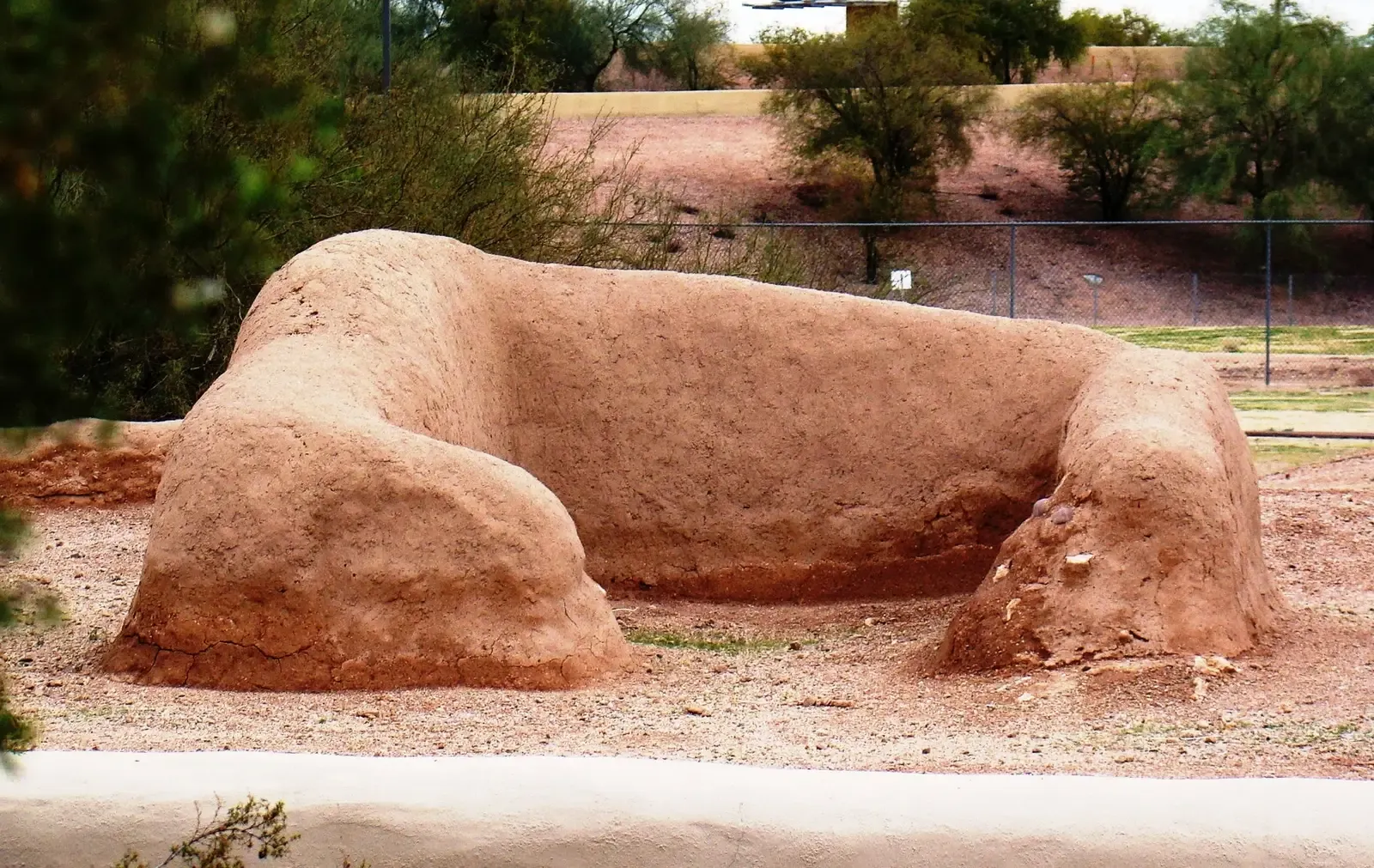
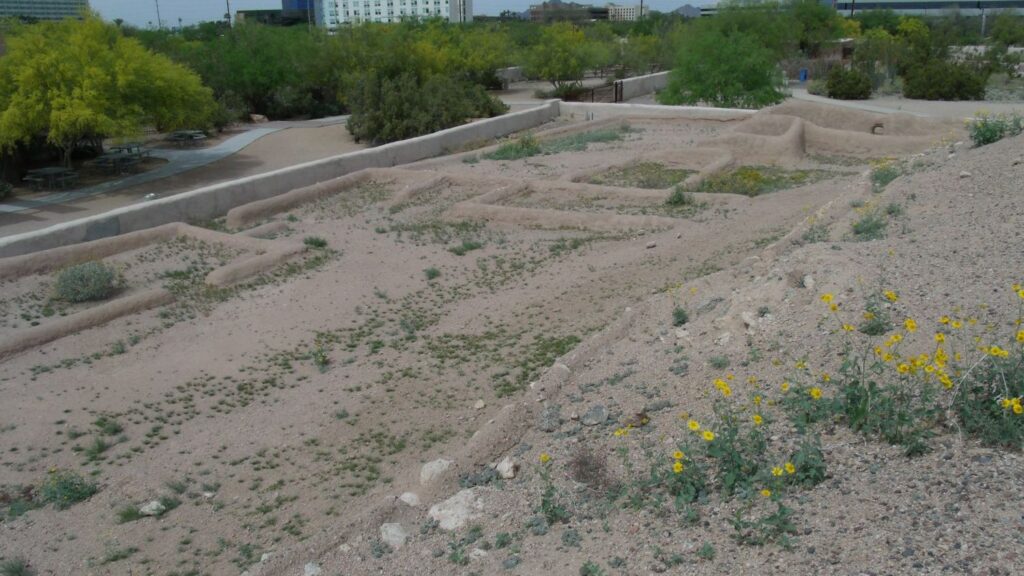
Moving all that water required more than engineering – it demanded cooperation on a massive scale. Platform mounds were found approximately every three miles along the major irrigation canals, and it seems likely that these villages served as management stations where elite dictated canal construction, maintenance, and water allocation.
The largest permanent sites, the villages, would have been the key level of organizing irrigation systems, with more than one village relying on a single main canal, requiring cooperation among villages for water allocation and water scheduling. I think this is fascinating – they essentially created the first water utilities in North America. Hohokam irrigation systems faced different issues as they expanded in size, with systems needing adaptation as irrigated area grew and the number of users increased.
Environmental Wisdom and Sustainability
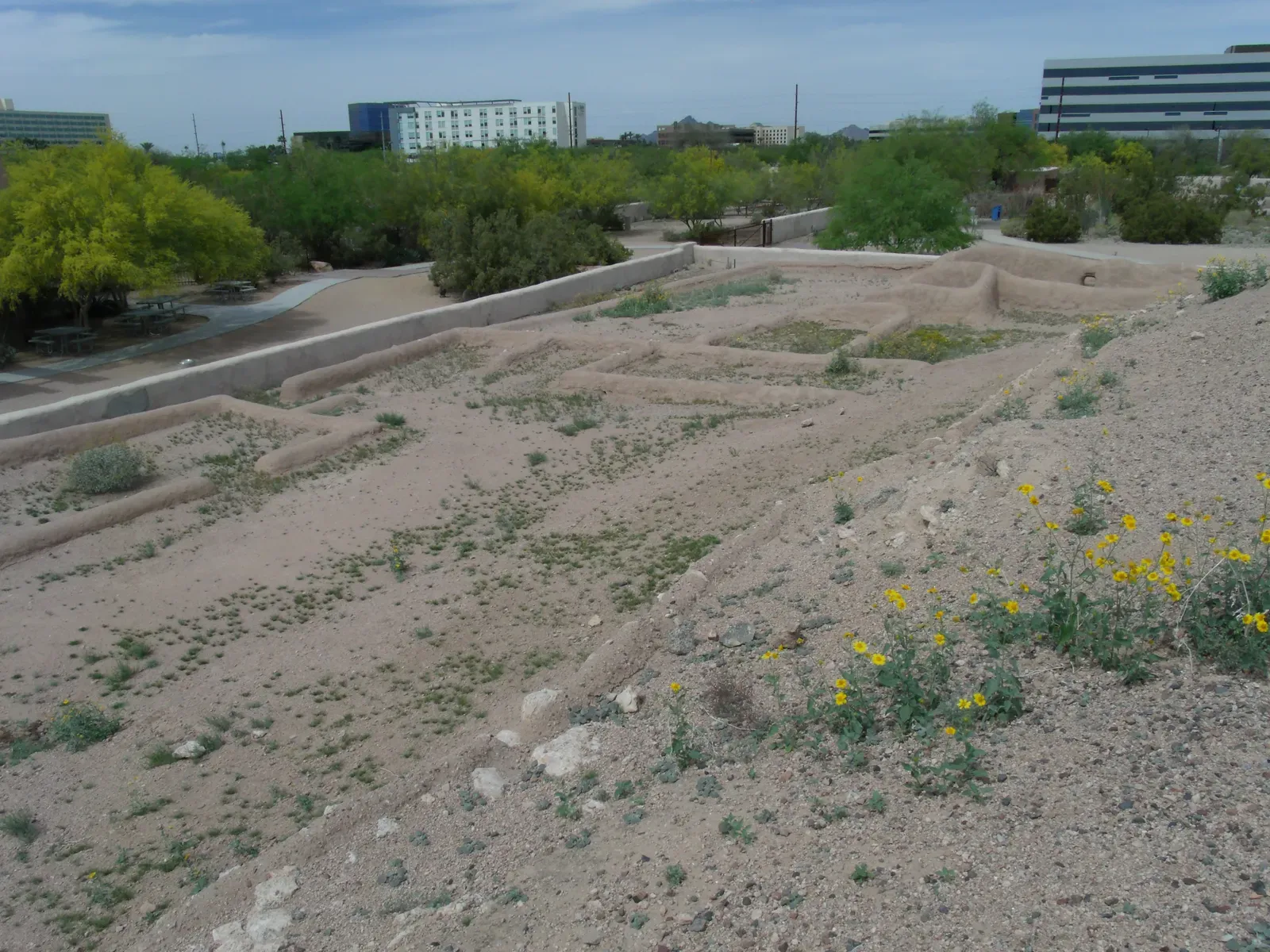
The Hohokam weren’t just taking from the land – they were managing it thoughtfully. The Hohokam recognized the value of trees in their landscape, protected trees in fields, allowed them to grow densely in hedgerows, and minimized fuelwood consumption by cooking food slowly with heated stones in covered pits often shared by several households.
Here’s something that amazes me: The irrigation canals and runoff catchment systems harnessed fertile sediment carried by running water, and this sediment was both added to fields along with irrigation water and manually spread on fields during periodic cleaning of canals. They essentially created a system that fertilized itself – closed-loop thinking centuries before we coined the term sustainability.
The Mystery of Disappearance
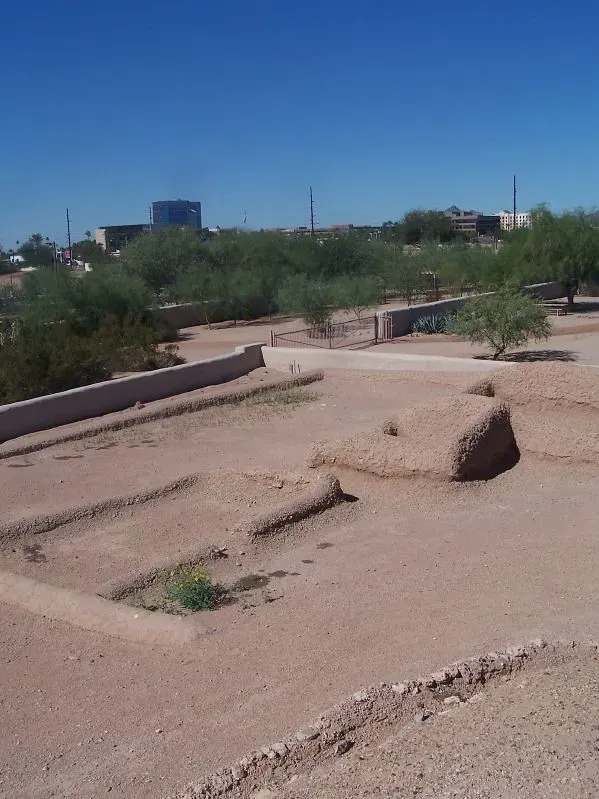
Between 1350 and 1375 CE, the Hohokam tradition lost vitality and stability, with many of the largest settlements abandoned as climate change apparently greatly affected Hohokam agriculture. The collapse remains one of archaeology’s enduring puzzles.
Repeated floods in the mid-14th century greatly deepened the Salt River bed and destroyed canal heads, with additional flooding removing irreplaceable segments of extensions, effectively rendering hundreds of miles of canals virtually useless. Gradual decline resulted in the loss of more than roughly three-quarters of the population from the early 1300s to the mid 1400s. Multiple theories compete – drought, flooding, soil salinization, disease, warfare – but no single explanation satisfies all the evidence.
Living Legacy in Modern Phoenix
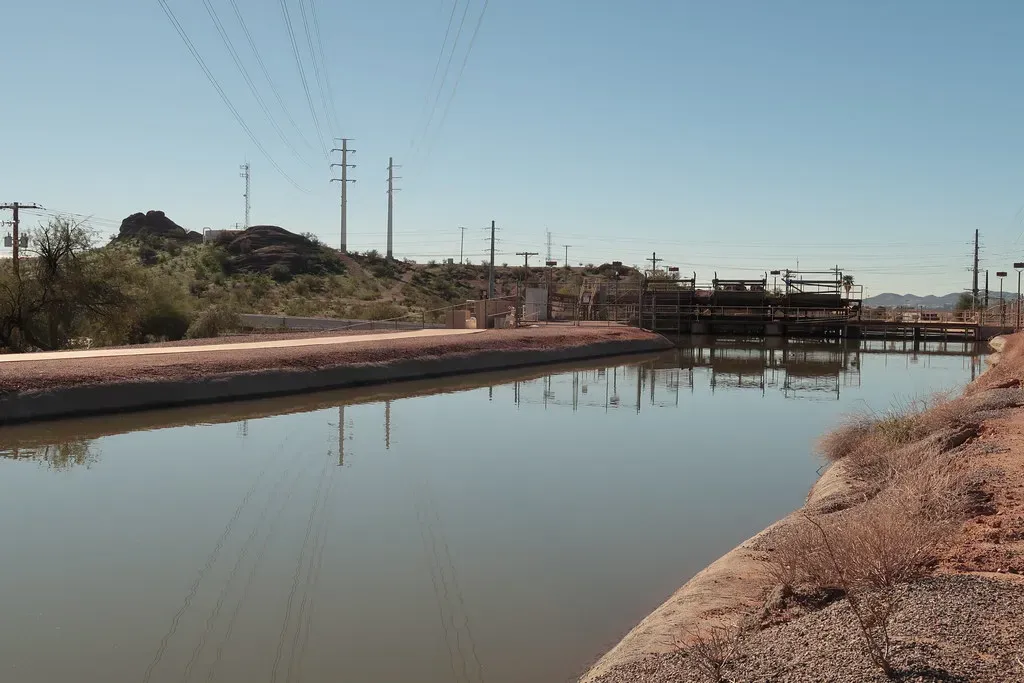
Walk through Phoenix today and you’re quite literally following ancient footsteps. In 1868, Jack Swilling re-established canals that led to the settlement of Phoenix, a city named for the mythical Egyptian bird that rose from ashes, and today central Arizona’s major canal system makes use of the same ancient routes.
A portion of the ancient canals has been renovated for the Salt River Project and helps supply the city’s water, with original dirt ditches now lined with concrete. A system that once brought water to thousands is now being used to help supply the modern water needs of millions. It’s hard to say for sure, but this might be the most directly impactful ancient infrastructure still functioning in North America.
The Hohokam left more than ruins – they left a blueprint for desert survival that remains relevant as climate change brings increasing water scarcity to the American Southwest. Their thousand-year experiment in desert agriculture, water management, and sustainable living offers lessons we desperately need. Perhaps the real question isn’t why they disappeared, but what their wisdom can teach us about thriving in harsh environments. What strategies from this ancient civilization might save modern cities facing similar challenges? The answer might be flowing through Phoenix’s canals right now.