You’ve seen the documentaries. You’ve watched the blockbuster films. The image is burned into popular culture: colossal reptiles ruling the Earth for millions of years, then suddenly vanishing in a catastrophic flash. Yet despite decades of research and countless scientific breakthroughs, the question remains as compelling today as it was when the first dinosaur bones were discovered centuries ago.
The mystery deepens when you consider that we’re not just talking about a few scattered species. The Cretaceous–Paleogene extinction event was a major mass extinction of three-quarters of the plant and animal species on Earth approximately 66 million years ago. This wasn’t merely the end of the dinosaurs – it was the collapse of entire ecosystems across the globe. So let’s dive into the ultimate paleontological puzzle and explore what really happened on that fateful day millions of years ago.
The Chicxulub Impact: Death from Above
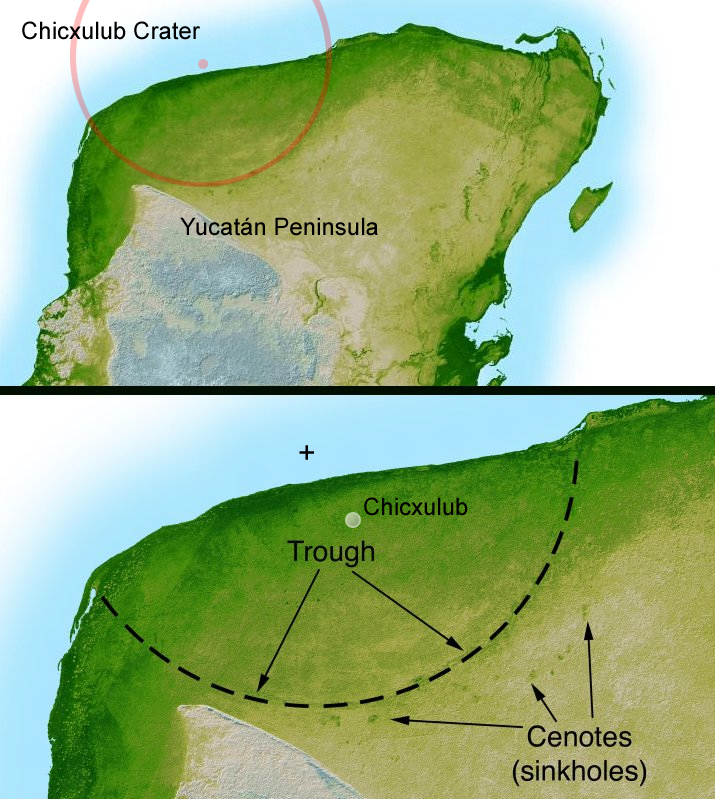
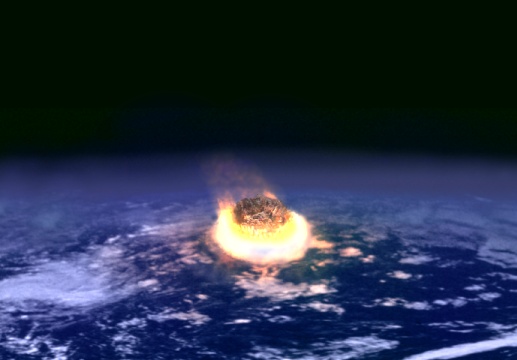
Picture this: a massive rock hurtling through space at incomprehensible speed, larger than Mount Everest. Scientists determined that a 10-to-15-kilometer-wide (6 to 9 mi) asteroid hurtled into Earth at Chicxulub on Mexico’s Yucatán Peninsula. When it collided with our planet, the impact released energy equivalent to billions of nuclear bombs.
The evidence for this cosmic catastrophe is overwhelming. When looking at the impact layer, the K-Pg boundary, around the globe and performing chemical analysis on the clay, they discovered elevated levels of iridium within the thin clay layer. This metallic signature, more common in asteroids than Earth’s crust, forms a deadly calling card preserved in rock layers worldwide. It wasn’t until 1990 that Hildebrand and colleagues connected the previously identified Chicxulub crater to the extinction event. With those two important data points, Hildebrand and colleagues believed they had managed to find the crater that wiped out the dinosaurs.
The immediate aftermath would have been apocalyptic. Previous research has suggested this dust may have dimmed the amount of sunlight reaching the Earth by as much as 20 percent, inducing a frigid winter that swiftly killed off plants and destroyed habitats. Imagine a world plunged into darkness, where photosynthesis ground to a halt and food chains collapsed like dominoes.
Volcanic Fury: The Deccan Traps Alternative

Yet some researchers point to an entirely different culprit: volcanoes. Not just any volcanoes, but some of the most massive eruptions in Earth’s history. Western India is home to the Deccan Traps–a huge, rugged plateau that formed when molten lava solidified and turned to rock. The Deccan Traps date back to around 66 million years ago, when magma from deep inside Earth erupted to the surface.
The scale of these eruptions defies imagination. In some parts of the Deccan Traps, the volcanic layers are more than two kilometers (1.2 miles) thick, making this one of the largest volcanic eruptions on land. The environmental consequences would have been devastating in their own right.
Volcanic activity of this magnitude would have spewed out huge amounts of carbon dioxide into the atmosphere, causing greenhouse warming. The eruptions would have also caused levels of toxic gases like sulfur and chlorine to rise, resulting in acid rain and further damaging the global environment. However, recent research has challenged this theory’s timing.
The Latest Scientific Verdict: Recent Breakthrough Research
Recent research suggests that while the volcanism caused a temporary cold period, the effects had already worn off thousands of years before the meteorite impacted. The scientists therefore conclude that the meteorite impact was the ultimate cause of the dinosaur extinction event.
Research methodology using fossil molecules in ancient peats has allowed scientists to reconstruct air temperatures for the time period covering both the volcanic eruptions and the meteorite impact. Using this method, the researchers show that a major volcanic eruption occurred about 30,000 years before the meteor impact, coinciding with at least a 5° Celsius cooling of the climate.
Most importantly, the scientists discovered that by around 20,000 years before the meteorite impact, temperatures on Earth had already stabilized and had climbed back to similar temperatures before the volcanic eruptions started. This timing effectively rules out volcanism as the primary extinction driver.
The Double Whammy Theory: When Bad Gets Worse

Some scientists propose that dinosaurs faced a deadly one-two punch. Rather than choosing sides between asteroid impact and volcanism, they suggest both played crucial roles. Some geophysical models suggest that the Chicxulub impact could have triggered some of the largest Deccan eruptions, as well as eruptions at active volcano sites anywhere on Earth.
This scenario paints a picture of cascading disasters. An impact event occurred, causing collapses in photosynthesis-based food chains, both in the already-stressed terrestrial food chains and in the marine food chains. The timing becomes critical here – not just what happened, but when it happened.
They determined that the largest period of Deccan volcanic eruptions, or the Wai subgroup, occurred 50,000 to 100,000 years after the Chixculub impact, which is consistent with theoretical predictions modeling the length of time after which eruptions should occur. The group also confirmed that the length of time between the extinction and subsequent biological recovery was consistent with the length of Deccan volcanic activity, proposing that the eruptions paused the recovery of the marine ecosystems destroyed by the impact.
The Decline Debate: Were Dinosaurs Already Struggling?
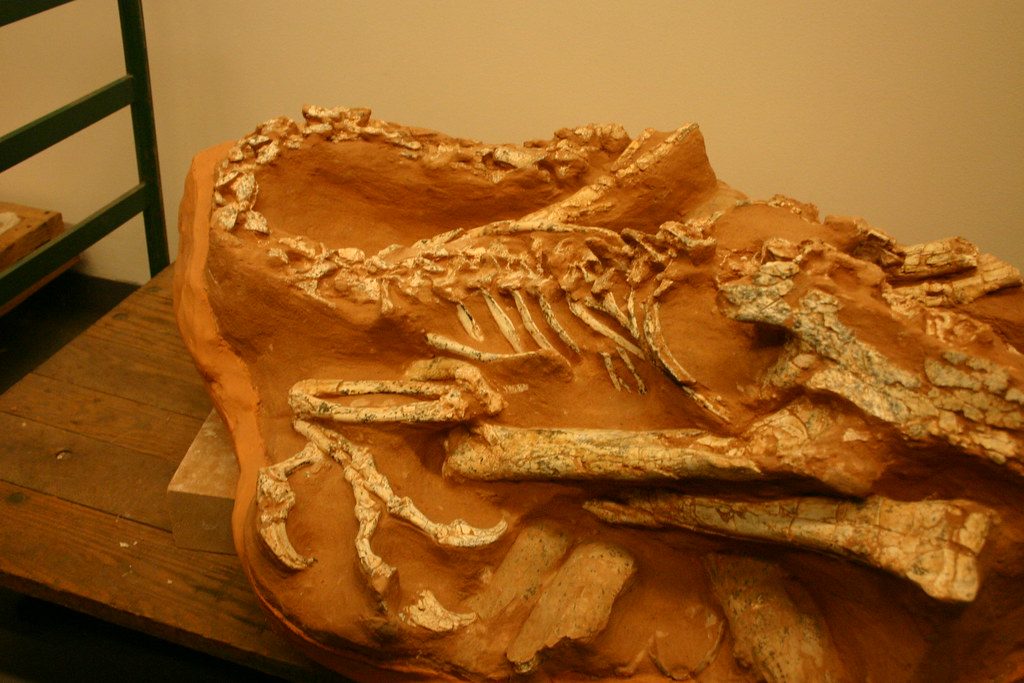
Here’s where things get really interesting. Were dinosaurs thriving when disaster struck, or were they already on their way out? Recent research has provided some answers. Analysis published in the journal Current Biology, adds to a growing body of evidence that the dinosaurs were doing just fine before the asteroid’s deadly impact.
The apparent decline might be nothing more than a trick of the fossil record. The analysis adds to a growing body of evidence that the dinosaurs were doing fine before the asteroid’s deadly impact. The study found dinosaur habitat areas remained stable and the risk of extinction stayed low. Limited exposed rock from that time period may have created an illusion of declining dinosaur diversity.
Think of it like trying to understand modern wildlife by only looking at roadkill statistics – you’d get a very skewed picture of what’s actually happening in nature. The research team found this trend was due to fossils from that time being less likely to be discovered, primarily because of fewer locations with exposed and accessible rock from the very latest Cretaceous. “Dinosaurs were probably not inevitably doomed to extinction at the end of the Mesozoic.
Climate Chaos: Environmental Stress Before the Impact
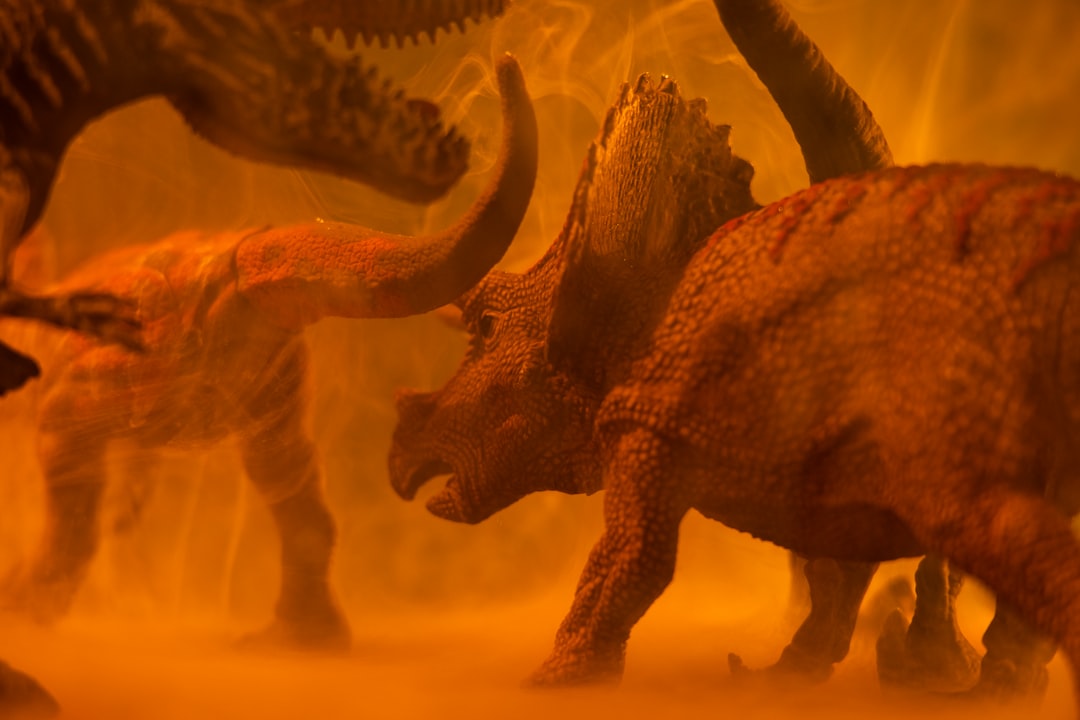
Climate change was already wreaking havoc on dinosaur ecosystems long before any asteroid appeared. Some evidence suggests that the climate was becoming cooler and more variable in the Late Cretaceous, potentially making dinosaurs more susceptible to extinction. Sea level changes: Significant sea level fluctuations occurred during the Late Cretaceous, altering coastal habitats and potentially stressing dinosaur populations.
The environmental picture becomes even more complex when you consider the massive geographical changes happening. Marine regression also resulted in the loss of epeiric seas, such as the Western Interior Seaway of North America. The loss of these seas greatly altered habitats, removing coastal plains that ten million years before had been host to diverse communities such as are found in rocks of the Dinosaur Park Formation.
These changes weren’t just inconvenient – they were potentially catastrophic for large animals that required vast territories and specific habitats. These factors alone likely wouldn’t have caused a mass extinction, but they could have weakened dinosaur populations, making them more vulnerable to the catastrophic effects of the asteroid impact.
The Weird and Wonderful: Discarded Extinction Theories
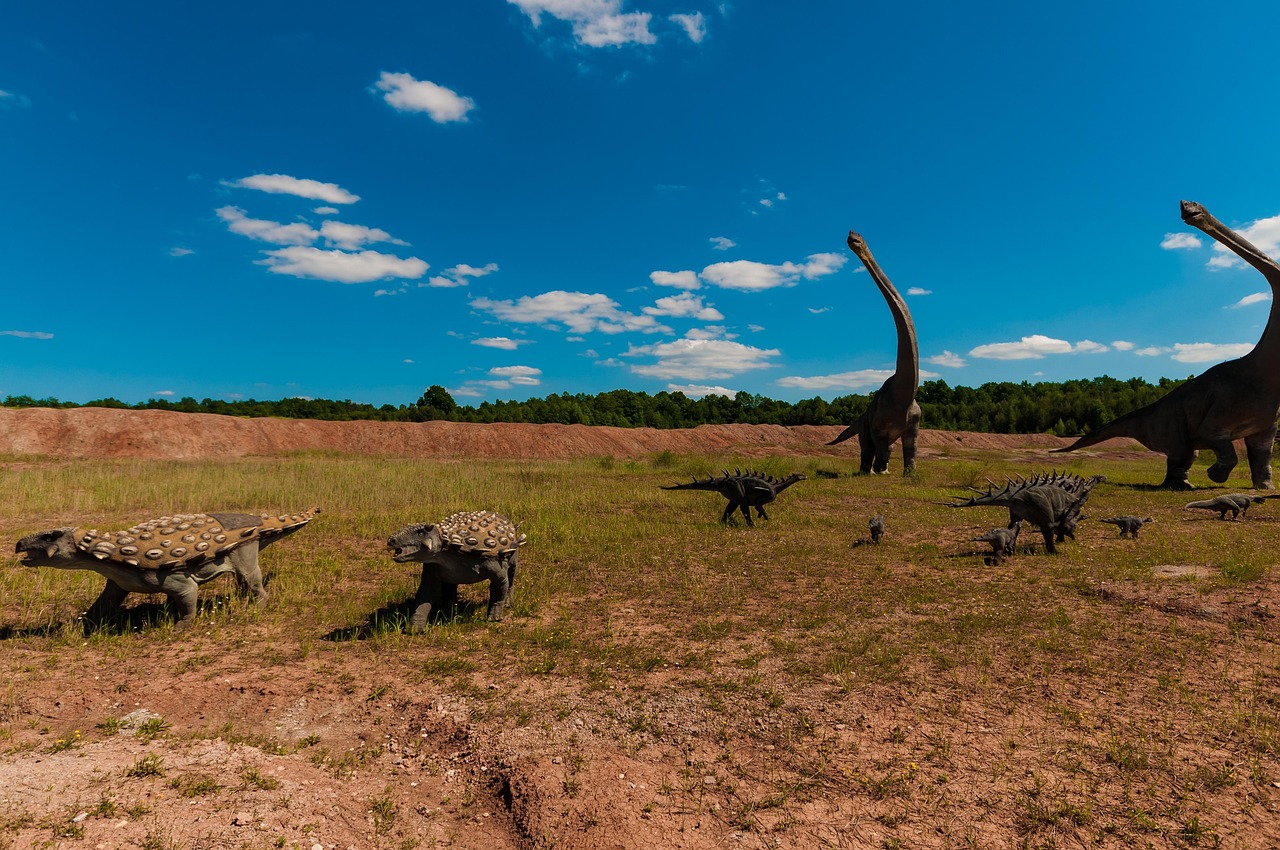
Before settling on asteroid impact as the primary culprit, scientists proposed some truly bizarre explanations for dinosaur extinction. Cataracts, slipped discs, epidemics, glandular problems and even a loss of sex drive have all been proposed as the reason non-avian dinosaurs perished about 66 million years ago. Honestly, reading these old theories feels like browsing through a medical textbook of prehistoric ailments.
Some ideas were downright creative. In 1971 physicist Wallace Tucker and paleontologist Dale Russell suggested another kind of death from above. Although the researchers lacked any direct evidence for their idea, they proposed that a nearby supernova could have had catastrophic consequences for life at the end of the Cretaceous. The explosion of a neighboring star, Tucker and Russell proposed, would bombard the upper atmosphere with X-rays and other forms of radiation that would quickly alter the climate, causing temperatures on Earth to plummet.
Even more amusing was the brief media frenzy over dinosaur flatulence. The idea that dinosaurs farted themselves into extinction was never a scientific hypothesis. The researchers speculated that the dinosaurs’ annual output of methane gas would have been enough to influence the global climate, but the researchers said nothing about extinction. Ignoring the actual research by Wilkinson and colleagues, various news sites jumped on the study to suggest that dinosaurs gassed themselves into oblivion. Talk about blowing hot air!
Survival of the Smallest: Who Made It Through?
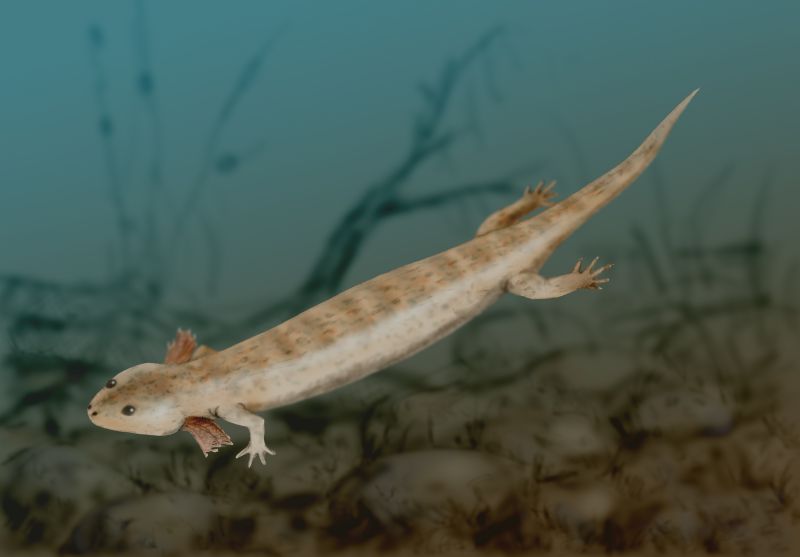
The extinction wasn’t equally devastating for all life forms. On land nothing bigger than 25 kg survived. All survivors were small – lizards, snakes, crocodiles, turtles, mammals, frogs, salamanders. This size limit wasn’t arbitrary – it reflects the brutal reality of survival during a global catastrophe.
Think about it: smaller animals need less food, can hide more effectively, and reproduce faster. No non-avian dinosaurs survived, but smaller animals generally have higher survival rates during mass extinctions. Larger dinosaurs, with their higher energy needs and longer generation times, were more vulnerable. It’s like nature’s cruel lottery, where your ticket size literally determined your survival chances.
Surprisingly, some groups that should have been vulnerable made it through relatively unscathed. Strangely, turtles, crocodilians, lizards, and snakes were either not affected or affected only slightly. Effects on amphibians and mammals were mild. This selective survival pattern continues to puzzle researchers today.
Modern Detective Work: How Scientists Solve Ancient Mysteries
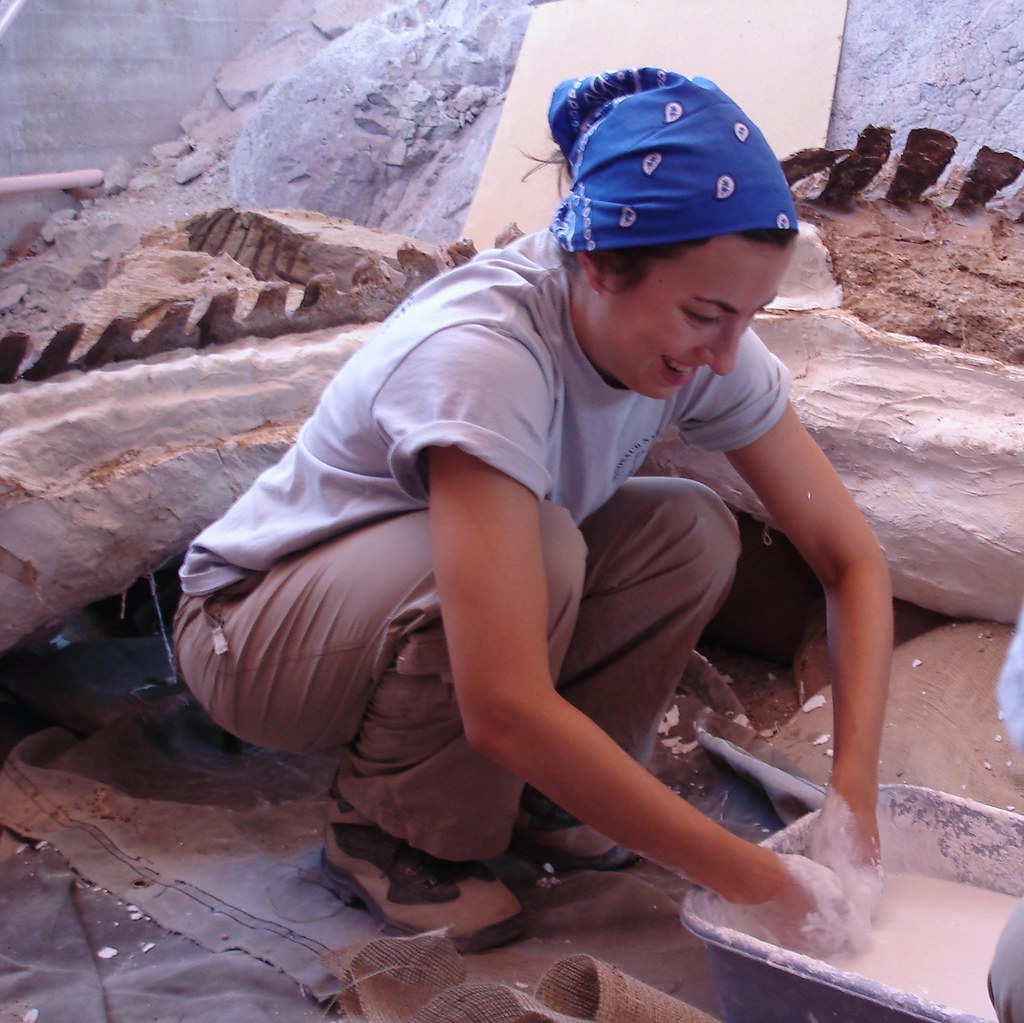
Today’s paleontologists use incredibly sophisticated techniques to unravel this ancient mystery. The fossil peats that the researchers analyzed contain specific membrane-spanning molecules produced by bacteria. The structure of these molecules changes depending on the temperature of their environment. By analyzing the composition of these molecules preserved in ancient sediments, scientists are able to calculate past temperatures.
This molecular archaeology allows researchers to create detailed “temperature timelines” spanning thousands of years. By analysing the composition of these molecules preserved in ancient sediments, scientists can estimate past temperatures and were able to create a detailed “temperature timeline” for the years leading up to the dinosaur extinction. The field areas are ~750 km apart and both show nearly the same temperature trends, implying a global rather than local temperature signal.
Even the Chicxulub crater continues to reveal new secrets. The crater it left behind in the Gulf of Mexico was a literal hotbed for life enriching the overlying ocean for at least 700,000 years, according to research published today in Nature Communications. Scientists have discovered that a hydrothermal system created by the asteroid impact may have helped marine life flourish at the impact site by generating and circulating nutrients in the crater environment. It’s remarkable how destruction and creation can be so intertwined.
The mystery of what killed the dinosaurs has captivated us for generations, and rightfully so. While the asteroid impact theory has emerged as the clear scientific consensus, supported by overwhelming evidence and the latest 2025 research, the story remains beautifully complex. Environmental stresses, volcanic activity, and climate change all played supporting roles in this prehistoric drama.
Perhaps most fascinating is how this ancient catastrophe opened doors for new life to flourish. Without the extinction of non-avian dinosaurs, mammals might never have had their chance to diversify and eventually give rise to us. It’s a sobering reminder of how quickly everything can change – and how resilient life can be in the face of unimaginable challenges. What do you think would have happened if that asteroid had missed Earth entirely? Tell us your thoughts in the comments.