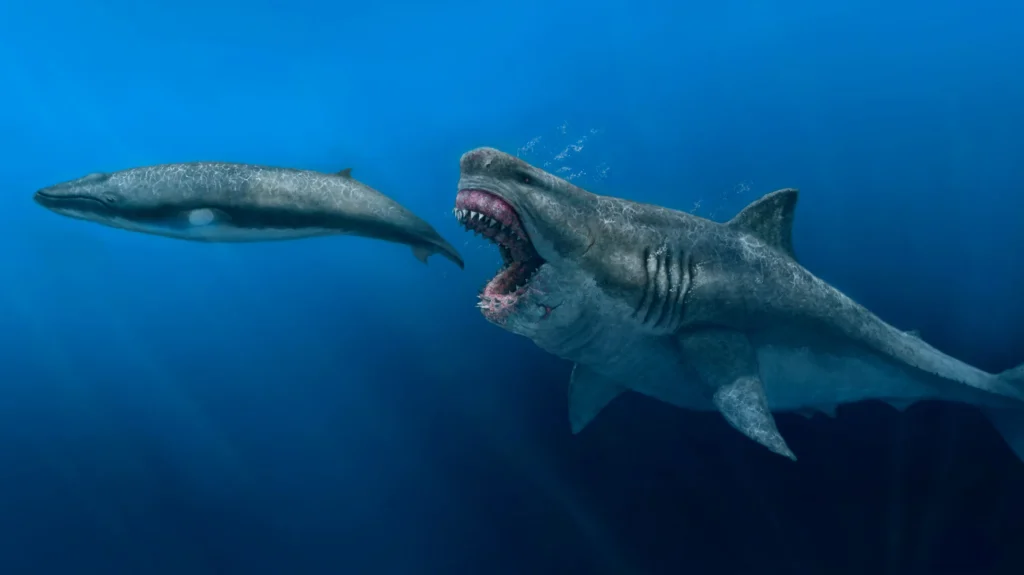
Picture yourself standing on an ancient shoreline millions of years ago. The water ripples, then suddenly explodes as something massive breaks the surface.
This isn’t some Hollywood fever dream. This was reality when megalodon ruled the seas. For more than twenty million years, this colossal predator dominated every ocean on Earth, leaving behind clues that still puzzle scientists today. You’ve probably seen the sensational documentaries and movies. The question is: how much of what you think you know is actually real? Let’s dive in and separate the myths from the mind-blowing truth.
The True Titan of Size: Not Your Average Shark
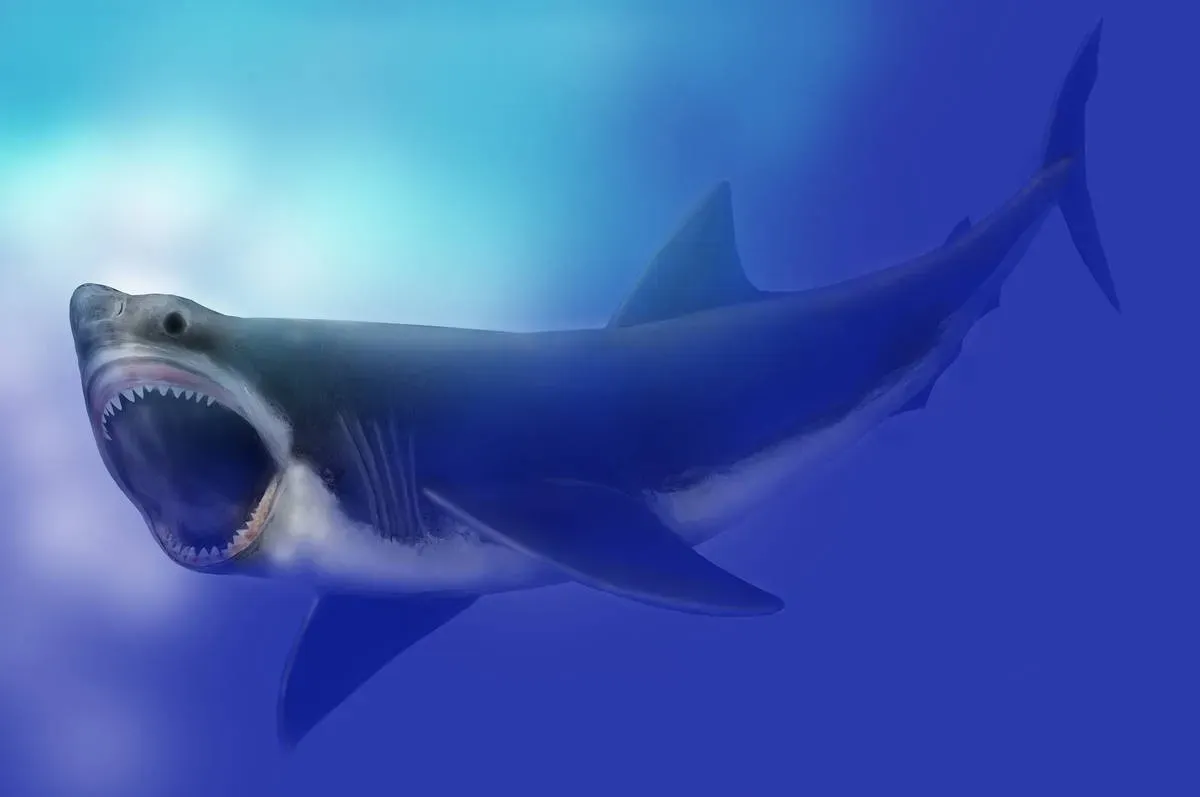
Recent research from 2025 suggests that megalodon may have grown up to 24.3 metres long. Think about that for a second. That’s longer than a bowling lane. It’s nearly the length of two school buses parked end to end.
Here’s the thing though. Scientists used a new method, studying nearly complete and partial megalodon vertebral columns found in Belgium and Denmark, comparing them to 170 species of living and extinct sharks. Earlier estimates placed them around fifty to sixty feet, but this updated science reveals something even more staggering. A shark this size may have weighed up to 94 tonnes and may have been up to 3.9 metres long at birth.
Scientists now suggest that megalodon may have had a much slenderer body, possibly with proportions like a lemon shark, making it more efficient in the water. For years, reconstructions depicted this beast as basically a supersized great white shark. Turns out, that was wrong.
Teeth That Tell Tales: The Megalodon’s Arsenal
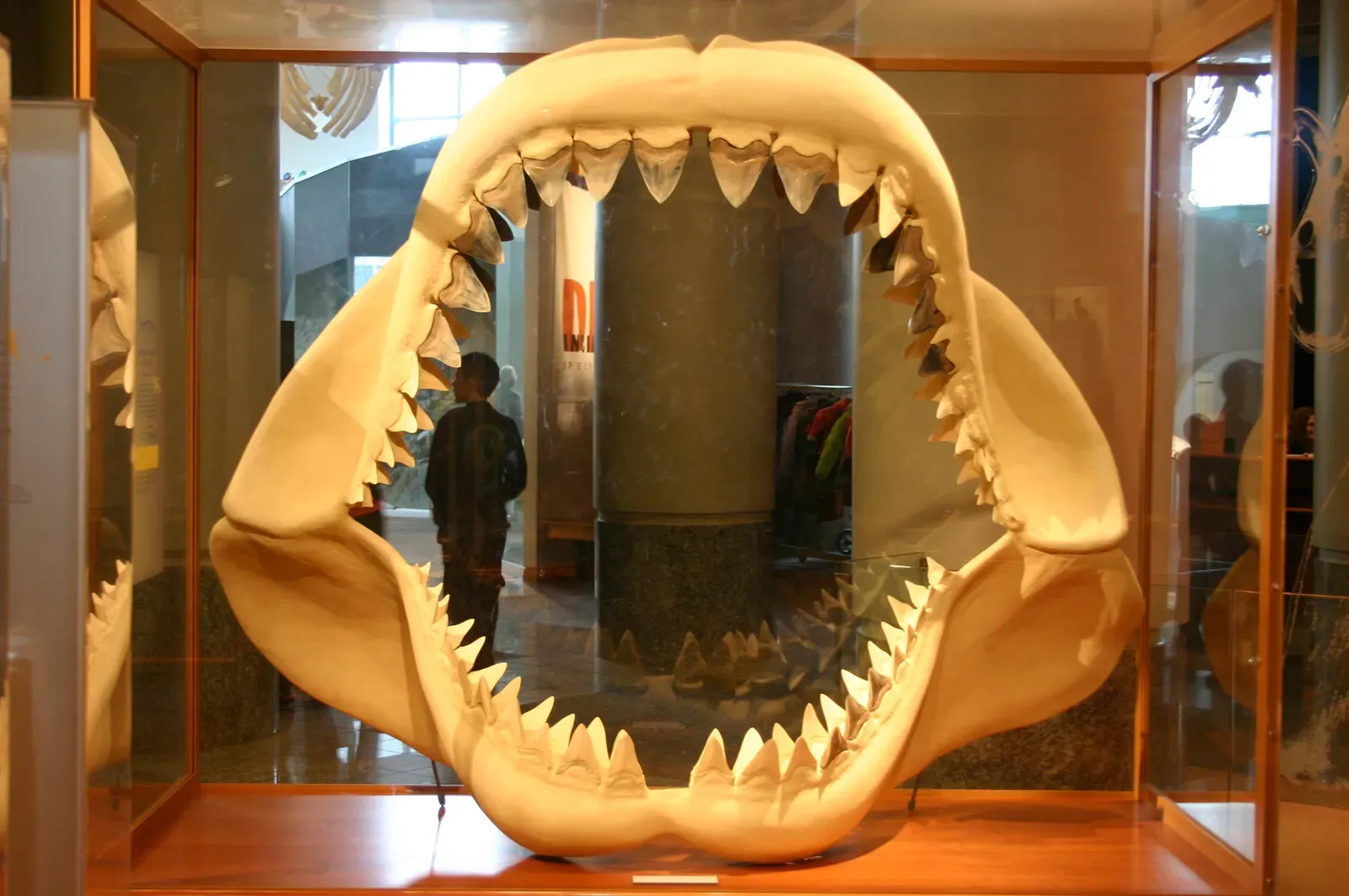
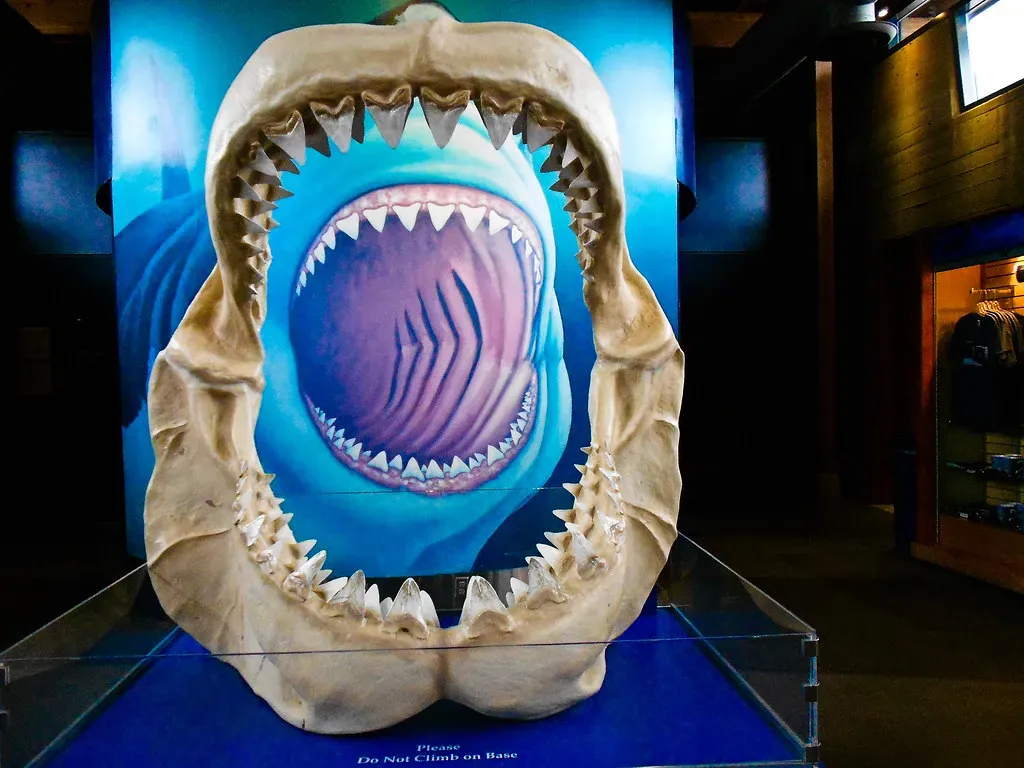
Imagine a tooth bigger than your entire hand. Megalodon teeth can reach 18 centimetres long, and that’s just the average specimen. The largest tooth ever discovered measured over seven inches.
These jaws were lined with 276 teeth, and studies reconstructing the shark’s bite force suggest that it may have been one of the most powerful predators ever to have existed, with a bite of between 108,514 and 182,201N. To put that in perspective, humans bite down with about 1,317 Newtons, and even a great white shark only manages around 18,216 Newtons. Megalodon’s bite was roughly six to ten times stronger than a great white’s and at least three times stronger than a T-Rex’s.
Megalodon teeth have been found on every continent except Antarctica. Sharks constantly shed and replace their teeth throughout their lives. Some estimates suggest a single megalodon could go through forty thousand teeth in its lifetime. That’s why finding these fossils is relatively common, even today.
Feast Mode: What Did This Monster Actually Eat?
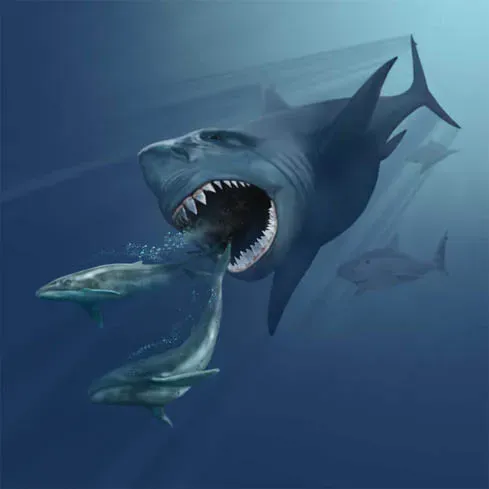
You’ve probably heard that megalodons were specialized whale killers. Honestly, that’s only part of the story. Recent research from 2025 shows that Otodus megalodon exhibited a broad and flexible diet, consuming both marine mammals and large fish across multiple food chain levels, making it an ecologically versatile generalist.
Minerals in fossilized teeth reveal that megalodon might have been an opportunistic feeder to meet its remarkable 100,000-calorie-per-day requirement. Let that sink in. One hundred thousand calories. Every single day. With its large serrated teeth megalodon would have eaten meat, most likely whales and large fish, and probably other sharks, including animals as small as dolphins and as large as humpback whales.
It wasn’t picky. Megalodon bite marks on whale fossils suggest that it employed different hunting strategies against large prey, with one particular specimen providing the first opportunity to quantitatively analyze its attack behavior. The evidence shows they’d strike flippers and tails first to immobilize prey, then go in for the kill.
Home Sweet Ocean: Where Megalodons Roamed
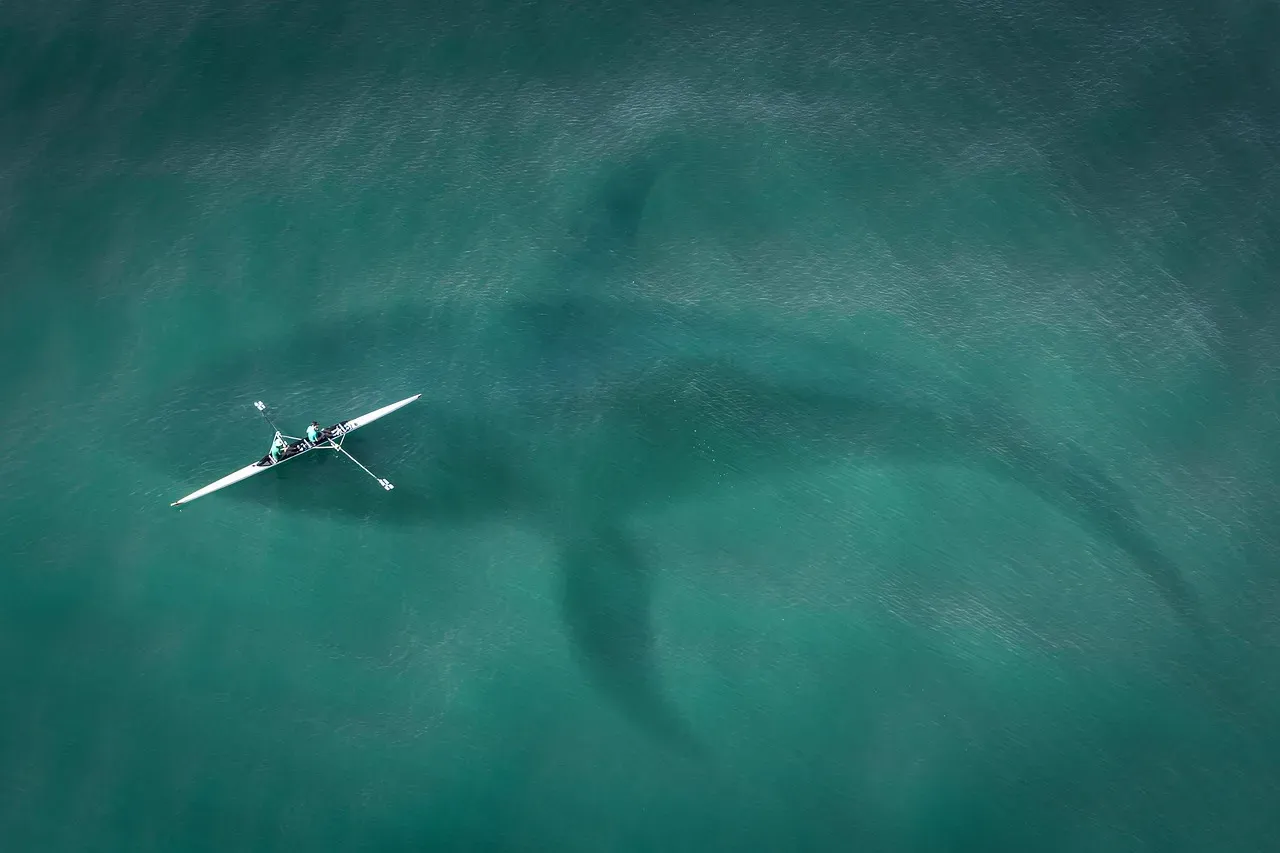
Megalodon inhabited a wide range of marine environments including shallow coastal waters, areas of coastal upwelling, swampy coastal lagoons, sandy littorals, and offshore deep water environments, with adult megalodon mostly inhabiting offshore areas. They weren’t just hanging out in one spot. These sharks had a global distribution.
Fossil remains of megalodon have been found in shallow tropical and temperate seas along the coastlines and continental shelf regions of all continents except Antarctica, with distribution expanding throughout the Miocene from pockets in the Caribbean and Mediterranean seas to waters off northern Europe, South America, southern Africa, New Zealand, and east Asia. Let’s be real: if you lived during the Miocene epoch and went swimming in most warm ocean waters, you were in megalodon territory.
Megalodon made use of nursery areas to birth their young, specifically warm-water coastal environments, with nursery sites identified in the Gatún Formation of Panama, the Calvert Formation of Maryland, Banco de Concepción in the Canary Islands, and the Bone Valley Formation of Florida. These protected nurseries gave baby megalodons a fighting chance in a dangerous ocean.
Baby Sharks and Growing Up Gigantic
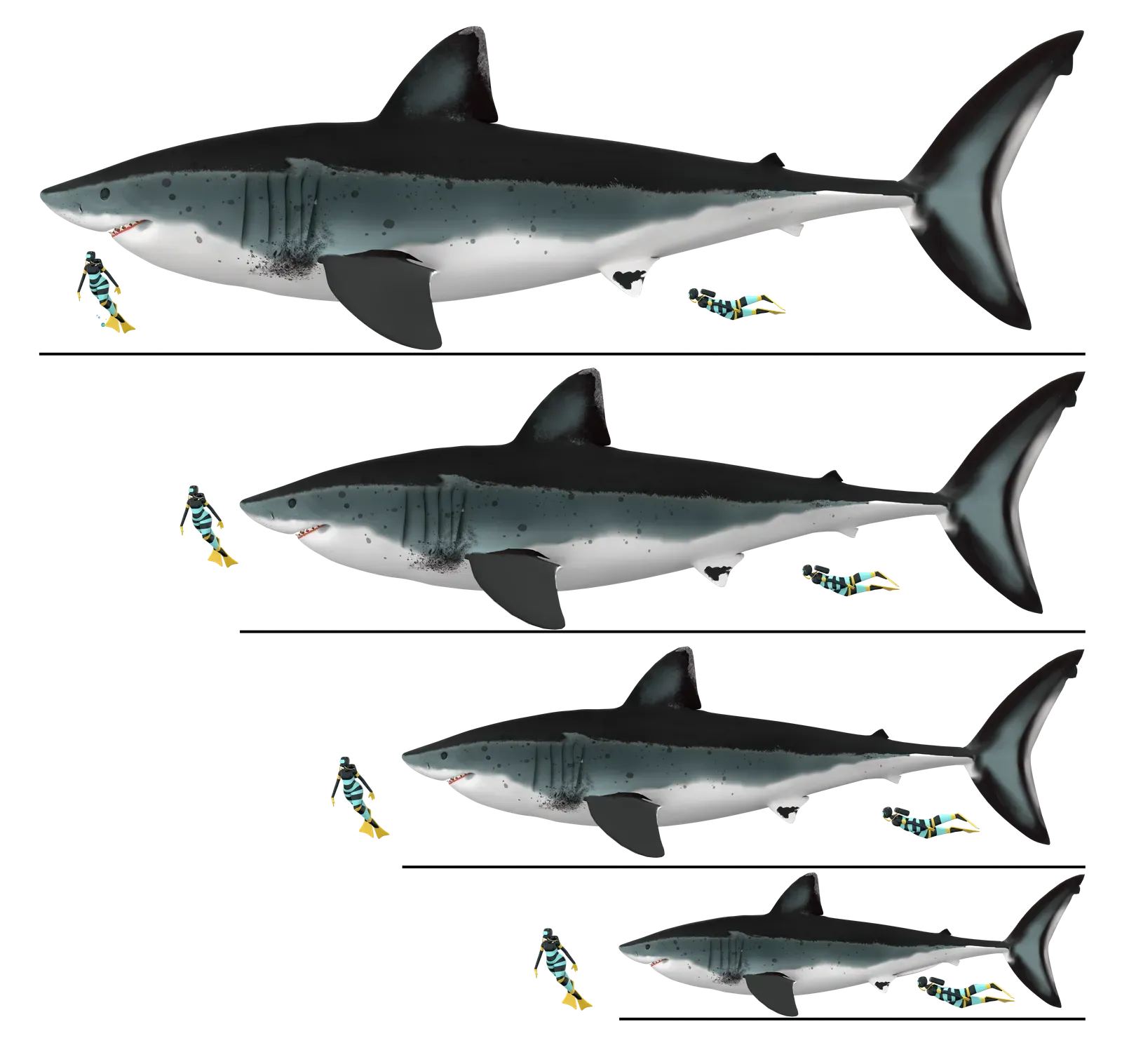
Here’s something wild: megalodon babies were already terrifying. Analysis of teeth suggests that megalodon had the largest neonate size of any shark species, of up to 2 metres in total length. That’s roughly six and a half feet at birth. Most adult humans are shorter than that.
Like the modern-day bull shark, megalodons gave birth in specific nursery habitats that included protected bays and estuaries, providing the shark pups with plenty of fish and a safe environment to grow, away from larger predators, with nursery habitats discovered in Panama, Maryland, the Canary Islands, and Florida. Even as the ocean’s future apex predators, young megalodons needed protection. Newborn megalodons, which were only about six feet long, were likely sometimes eaten by other adult sharks.
Growing to full size took time. Scientists believe that megalodon was slow to reproduce and took a long time to reach maturity. This slow growth strategy worked for millions of years, until suddenly, it didn’t.
Hunting Like a Nightmare: The Predatory Playbook
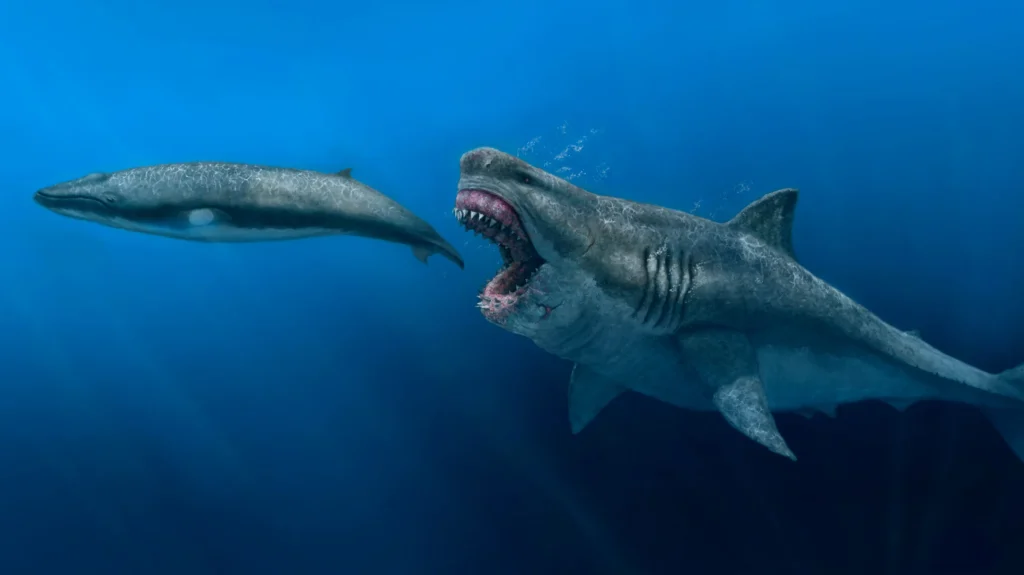
Megalodon had strong, powerful jaws with an estimated bite force of 11 to 18 tons. But raw power wasn’t their only weapon. Sharks often employ complex hunting strategies to engage large prey animals, and megalodon bite marks on whale fossils suggest that it employed different hunting strategies against large prey than the great white shark.
As the most powerful ocean predator to have ever existed, megalodon was an active hunter of large whales, with tooth marks on the tail and fin bones of whales suggesting megalodon attempted to immobilise its prey before feeding. One particularly fascinating discovery involved a sperm whale tooth with distinctive bite marks. Evidence suggests that a megalodon may have aimed for the head of the sperm whale to inflict a fatal bite, with the placement of bite marks more consistent with predatory attacks than scavenging, and the fact that bite marks were found on the tooth’s roots suggesting the shark broke the whale’s jaw during the bite.
Speed was also on their side. Scientists estimated with their massive size they could swim at 16.5 ft per second, twice as fast as any shark on the planet today. Combine that speed with strategic thinking and you have an almost unbeatable predator.
The Final Curtain: Why Did Megalodon Vanish?
We know that megalodon had become extinct by the end of the Pliocene, 2.6 million years ago, when the planet entered a phase of global cooling, with new evidence suggesting it was at least 3.6 million years ago. The real mystery is why such a dominant predator disappeared. It’s hard to say for sure, but several factors converged at once.
Scientists think that up to a third of all large marine animals became extinct as temperatures cooled, and the cooling of the planet likely resulted in a significant loss of habitat as adult sharks were dependent on tropical waters, and may have resulted in the megalodon’s prey either going extinct or adapting to the cooler waters and moving to where the sharks could not follow. Global cooling caused megalodon to lose suitable habitat and prey, and its range would have shrunk dramatically as it was limited by its warm water niche, while ice forming at the poles and lowering sea levels would have destroyed nursery areas.
But there’s another twist. One cause of megalodon’s extinction may have been competition over food with other sharks, as deduced from analyzing zinc isotopes in the enamel of fossil shark teeth. A study from 2022 suggests that competition with great white sharks for food may also have contributed to megalodon’s downfall. The smaller, more agile great whites may have simply outcompeted their massive cousins when resources got scarce. Even superpredators aren’t immune to extinction.
What do you think about it? Could a creature that dominated for twenty million years really just disappear because the water got a bit colder and the competition got smarter? The ocean keeps its secrets well.