Have you ever wondered what it would be like to swim in an ocean ruled by creatures that make today’s great white sharks look like guppies? Picture this: waters where armored fish with guillotine jaws patrol the depths, reptiles the size of buses hunt with crushing force, and sharks with teeth longer than your hand dominate entire ecosystems. This wasn’t some fantasy film. This was Earth’s reality for hundreds of millions of years.
Most people have heard of Megalodon, that massive prehistoric shark that captures imaginations worldwide. Yet that beast represents just a tiny fragment of the nightmare that was prehistoric ocean life. The ancient seas hosted an assembly of predators so bizarre, so perfectly engineered for killing, that modern marine life seems almost tame by comparison. Let’s be real, if you could time travel, the last place you’d want to land is in these waters. So let’s dive in and explore why the era of giant sea monsters was far more terrifying than you ever imagined.
When Armored Fish Ruled With Blade-Like Jaws
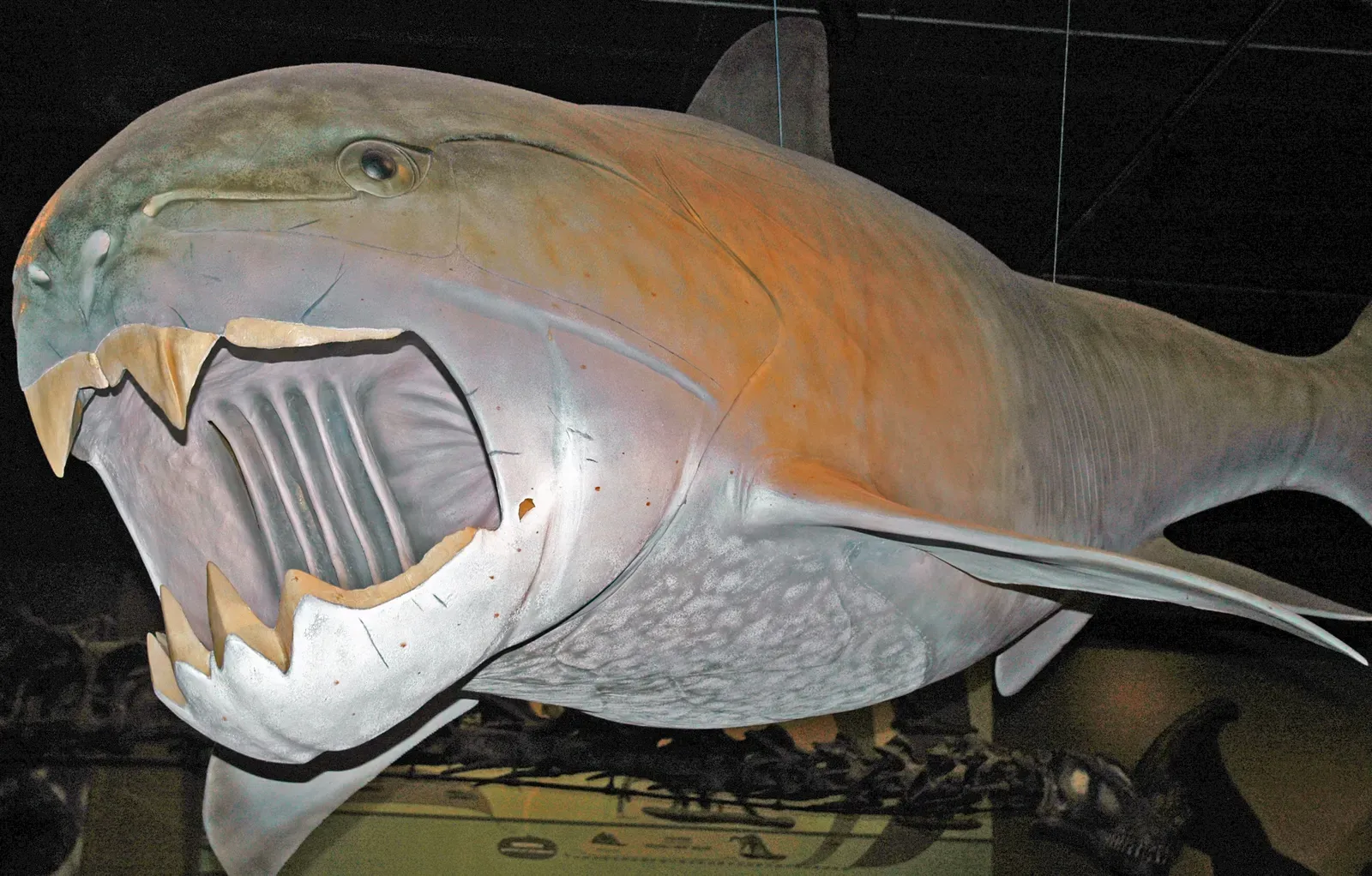
Long before sharks became the ocean’s top predators, an extinct group of armored fish called Dunkleosteus terrorized the seas during the Late Devonian period, about 382 to 358 million years ago. Imagine encountering a fish that didn’t need teeth because its jawbones were literally razor-sharp blades that sharpened themselves every time the creature opened and closed its mouth. This fierce predator had blade-like jawbones that sharpened themselves, made possible by a hinge at the top of its head that allowed both upper and lower jaws to move, enabling the fish’s mouth to open to a startling 45-degree angle.
Dunkleosteus terrelli was one of the largest known placoderms, with its maximum size being estimated anywhere from roughly 13 to 33 feet by different researchers, though lengths over 16 feet are poorly supported by most recent studies. Studies suggest this mechanism allowed the creature to achieve high speed jaw opening in just 20 milliseconds and produce bite forces estimated at around 4,414 to even 7,495 Newtons, which would be among the highest of any animal. It could suck in and bite straight through any animal alive at that time, from thick-shelled ammonites to other armored fish, and studies found scrape and puncture marks on Dunkleosteus armor made by larger members of its own species, suggesting they even ate each other. Talk about a bad day at the office for anything swimming nearby.
Mosasaurus: The Marine Reptile That Swallowed Prey Whole
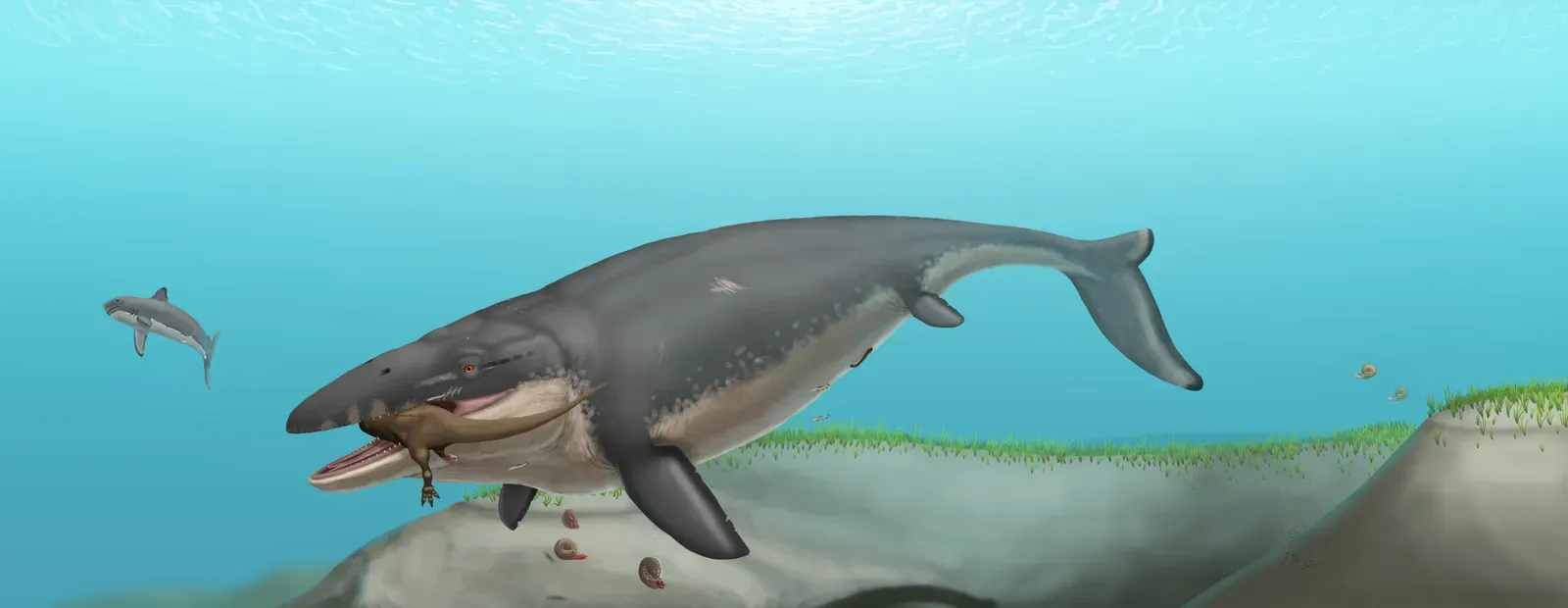
Fast forward to the Late Cretaceous period, and you’d encounter an entirely different breed of terror. Mosasaurus ruled between 82 and 66 million years ago as one of the largest marine predators during the late Cretaceous period, growing up to 60 feet long and weighing more than 2,200 pounds. These weren’t fish at all but massive marine reptiles that had to surface for air, making them the closest thing the ancient oceans had to modern whales, except far more vicious.
Mosasaurus had around 40 to 50 massive conical and sharp teeth fitted into a jaw that was long and tapered, with a double-hinged flexible skull that enabled them to gulp down their prey whole much like modern snakes rather than taking large bites. Scientists believe that during the Cretaceous period, Mosasaurus was the top predator of the seas, preying on large fish, sharks, other marine reptiles, and even smaller mosasaurs. The really unsettling part? The Cretaceous ocean was dubbed “Hell’s Aquarium” and determined to be the most dangerous sea due to the sheer number of different predators present, including 56-foot giant mosasaurs. You literally couldn’t escape because predators occupied every niche.
Megalodon: The Ultimate Shark Nightmare
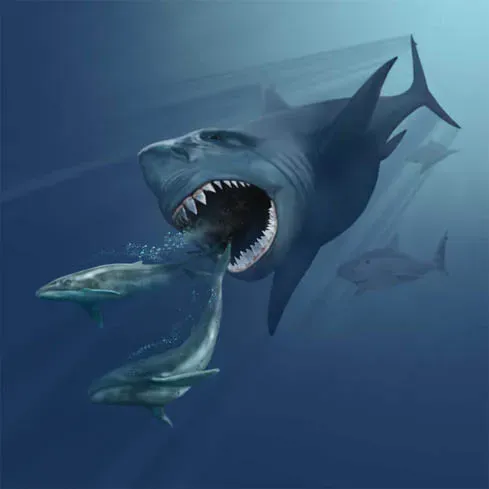
Let’s talk about the celebrity of prehistoric predators. The Megalodon was one of the most frightening species of shark to ever roam the oceans, with scientists estimating it reached lengths of up to 59 feet. With lengths estimated to reach up to an awe-inspiring 60 feet or more, the Megalodon’s enormous size gave it an edge in terms of sheer mass and power, armed with rows of serrated teeth that could be up to 7 inches long and capable of crushing bone with a whopping 40,000 psi bite.
Fossil evidence suggests that megalodon was an active predator of large whales, with teeth marks found on whale vertebrae, and their teeth were built in a way that they would rarely crack even if they hit bone. So strong and impactful was Megalodon upon its local aquatic communities that entire ecosystems could be affected by how this apex predator chose to hunt its food. Honestly, it’s hard to say for sure, but the idea of a 60-foot shark with teeth the size of your hand is the kind of thing nightmares are made of. Megalodon was an apex predator that had no rivals and nothing that posed a physical threat to its supremacy, likely more experienced with facing larger prey given its diet of marine mammals like whales.
Liopleurodon and the Pliosaur Killing Machines
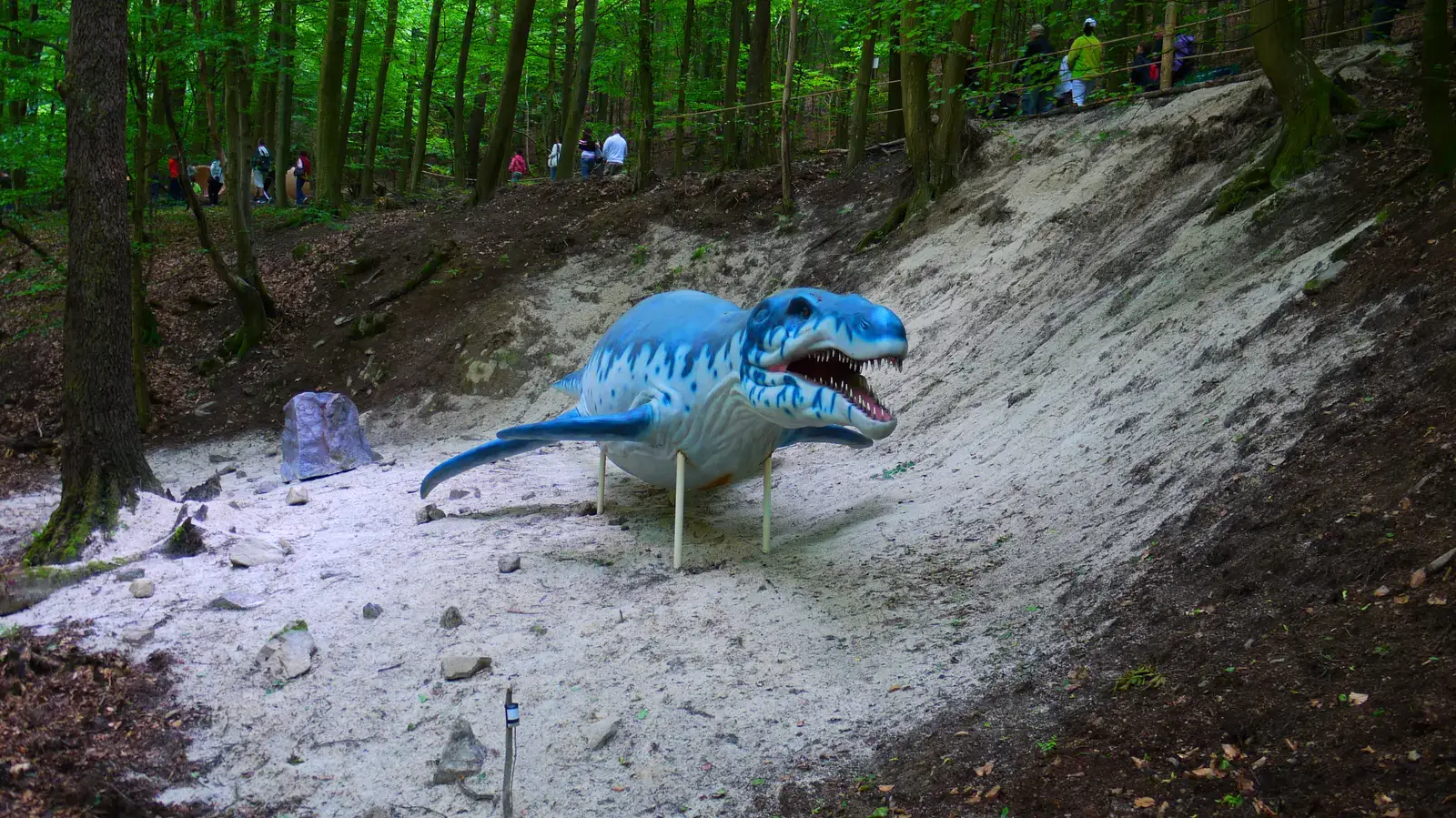
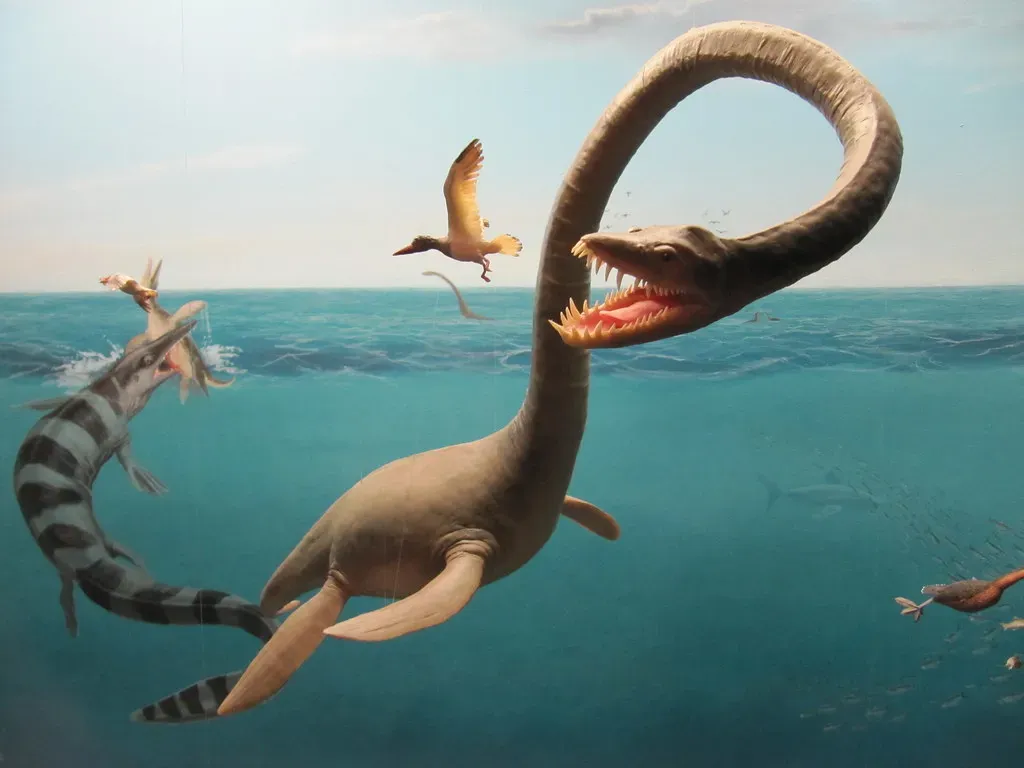
The Liopleurodon possessed a name that translates to “smooth-sided teeth,” and there was little that could stand against this apex predator that prowled European waters during the Jurassic period thanks to its no-nonsense capacity for killing as a strong, propulsive swimmer that likely pounced upon prey with an ambush-type approach, with one species measuring over twenty feet. Liopleurodons were fearsome apex predators that ruled the now-European waters where they resided, not only having massive mouths full of razor-sharp teeth but boasting an incredible bite force and immense speed, and they likely had an incredible sense of smell, meaning no prey was safe from being ambushed.
Pliosaurs were the largest members of Plesiosauria, reaching lengths of more than 11 meters in cases like Kronosaurus and Pliosaurus macromerus, and were the largest marine reptiles for the majority of their existence, ruling the world’s oceans. For more than 80 million years, the pliosaurs were the apex predators of the world’s oceans, feasting on all manner of prey from large fish to other marine reptiles, including their close cousins the plesiosaurs. The largest pliosaurs are thought to have hunted by ambushing their prey from below using powerful jaws and incredibly sharp teeth to dismember prey in a single bite, and like great whites, it’s thought that pliosaurs may have used countershading as camouflage to make themselves undetectable to prey.
Ichthyosaurs: The Dolphin-Shaped Giants
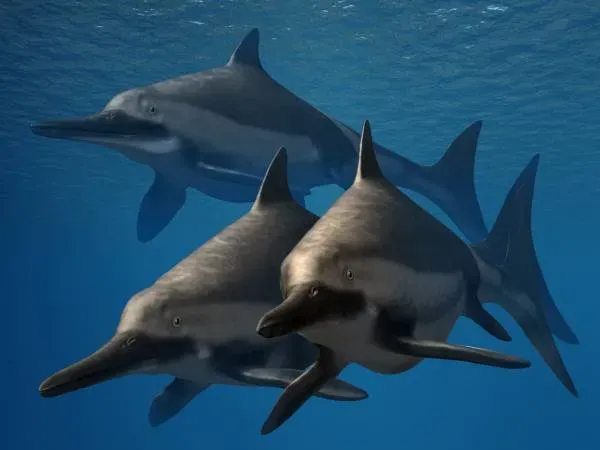
These marine reptiles looked deceptively familiar, resembling modern dolphins in shape. Ichthyosaurs thrived during much of the Mesozoic era, first appearing around 250 million years ago and at least one species surviving until about 90 million years ago, evolving from a group of unidentified land reptiles that returned to the sea in a development similar to how mammalian ancestors of modern dolphins and whales returned to the sea millions of years later.
Here’s the thing: some of these creatures were absolutely enormous. Simple scaling suggests that one ichthyosaur has an estimated total length of up to 26 meters, or 82 feet, making it the largest known marine reptile to date, with fossils dated to be 202 million years old. Within a few million years of their evolution, some ichthyosaurs had evolved to reach at least 49 feet long, and by the Late Triassic roughly 200 million years ago the largest ichthyosaurs had evolved, though these giant ichthyosaurs are believed to have gone extinct during the Triassic-Jurassic extinction event and never again reached such gargantuan size. Their jaws were often equipped with conical teeth to catch smaller prey, though some species had larger, bladed teeth to attack large animals.
Helicoprion: The Buzzsaw Shark From Your Nightmares
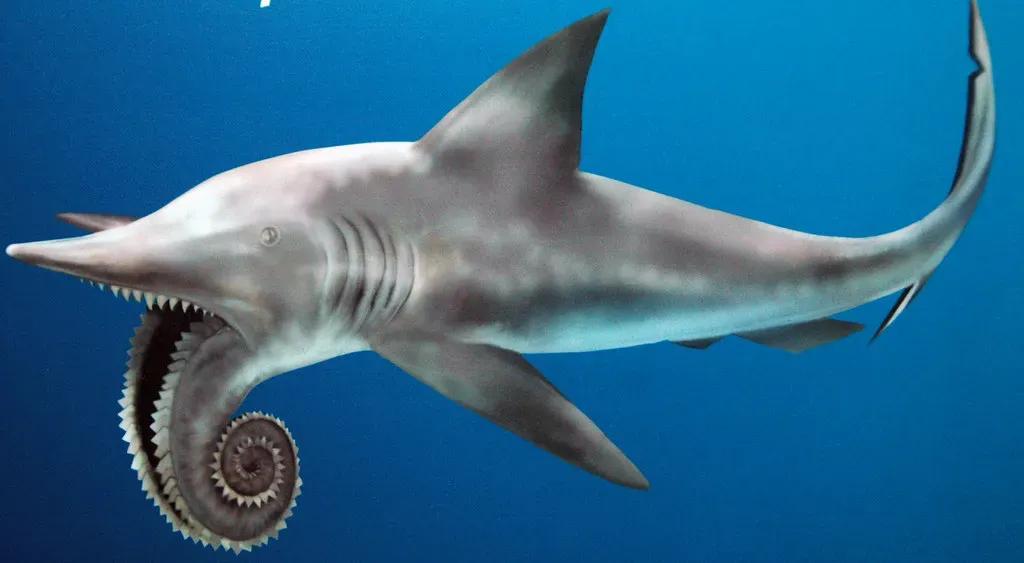
If you thought modern sharks were scary, wait until you hear about this absolute oddity. An attack from the bizarre shark-like fish known as Helicoprion would be more akin to being put through a meat grinder, as Helicoprion translates to spiral jaw, and its most identifiable and alarming trait is its “tooth whorls,” spirally arranged clusters of teeth that sit in its lower jaw. Scientists believe that these teeth all had individual functions, with some teeth hooking prey while others cut them apart or pushed them into Helicoprion’s oral cavity, allowing it to consume all sorts of animals.
Helicoprion was a shark that lived during the Permian era around 290 million years ago, and though it went extinct around 250 million years ago, it was a survivor that lived through the Permian-Triassic mass extinction event. Testament to the toughness of Helicoprion is the fact that fossils are known from the late Permian and early Triassic, proving that Helicoprion survived the Permian extinction, the largest extinction event in the history of the planet where approximately 95 percent of all animal species were wiped out. This thing survived the worst mass extinction event Earth has ever seen. Let that sink in.
Tylosaurus and the Diversity of Prehistoric Terror
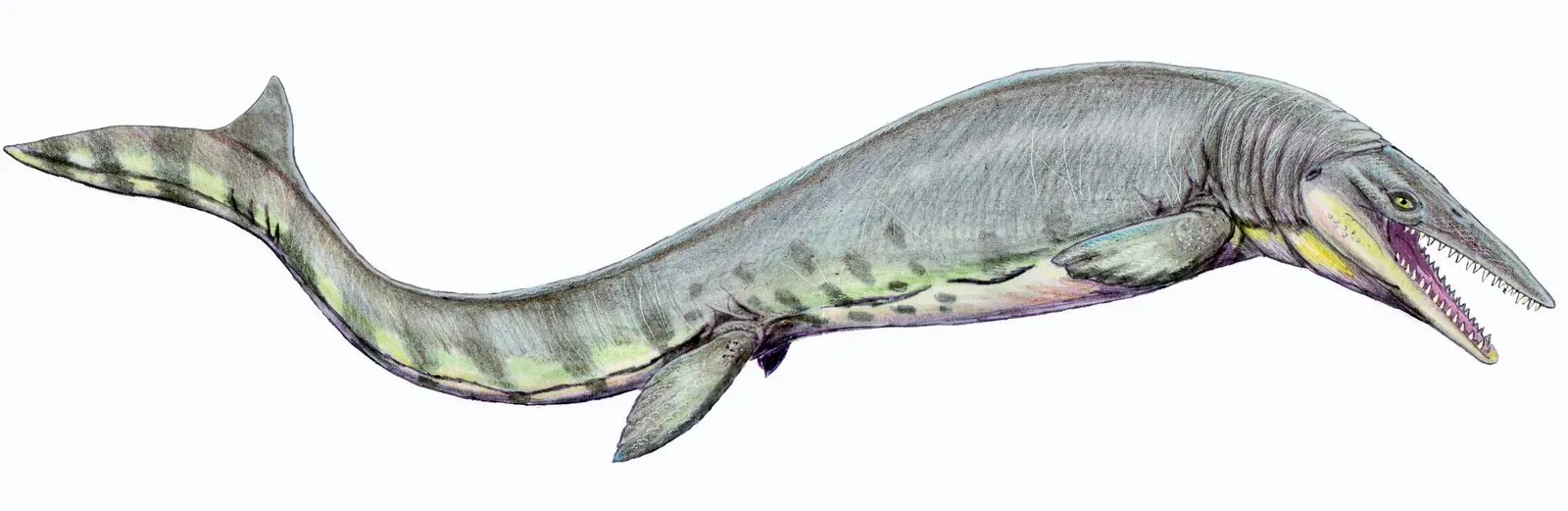
When it came to Tylosaurus’s diet, almost everything was on the menu as these animals ate fish, sharks, other marine reptiles, and even some flightless birds, and Tylosaurus had a unique way of catching its prey, using its huge and powerful skull to ram into its victims before tearing them to pieces. The Tylosaurus, meaning “knob lizard,” was a massive carnivorous mosasaur that ruled the late Cretaceous seas, reaching lengths of up to 15 meters and patrolling the Western Interior Seaway that once covered North America.
What makes the Cretaceous sea worse than any other in history is that there wasn’t just one predator to worry about but a whole collection of them, including sharks, lightning-fast killer fish, and fearsome giant marine reptiles called mosasaurs. Towards the end of the Cretaceous, giant mosasaurs were undoubtedly the top predators, with genus like Tylosaurus growing towards 50 feet in length, and Tylosaurus proriger is the marine equivalent of Tyrannosaurus rex but a good deal bigger. Multiple apex predators competing in the same waters meant nothing was safe, not even other predators.
Why These Monsters Eventually Vanished
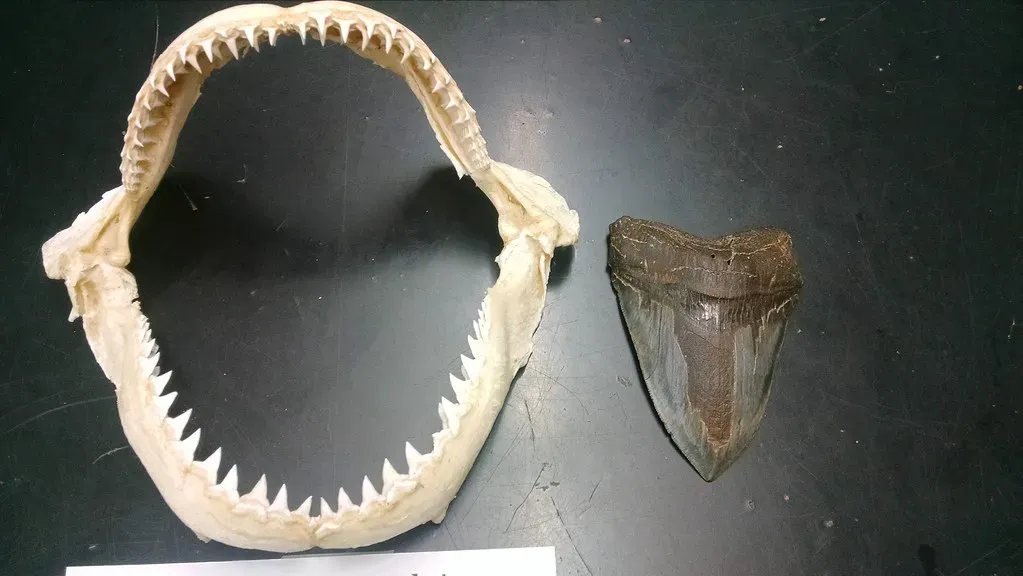
So why aren’t we still sharing the oceans with these titans today? The answer involves a combination of climate change, competition, and catastrophic extinction events. Earth’s climate began to change rapidly, significantly affecting marine life as ocean temperatures dropped and warm locations where baby Megalodons thrived no longer existed, and around the same time a new species of shark began to appear, the great white shark, and since their diets overlapped Megalodon’s prey began to decrease, and these factors likely contributed to the extinction of Megalodon.
The highest trophic niches in Mesozoic oceans were filled by diverse marine reptiles including ichthyosaurians, plesiosaurians, and thalattosuchians dominating food webs during the Jurassic and Early Cretaceous, yet during the mid-Cretaceous ichthyosaurs, thalattosuchians, and pliosaurids vanished, replaced by mosasaurs, xenopsarian plesiosaurians, and new groups like sharks, fish, turtles, and birds, and this shift restructured marine ecosystems. Scientists believe that about 66 million years ago, a meteor strike caused massive environmental changes on Earth leading to the mass extinction of many species including the dinosaurs, and during this catastrophic event the Mosasaurus also vanished from Earth’s oceans. Still, these creatures ruled the waves for an almost incomprehensible amount of time before their eventual downfall.
Conclusion
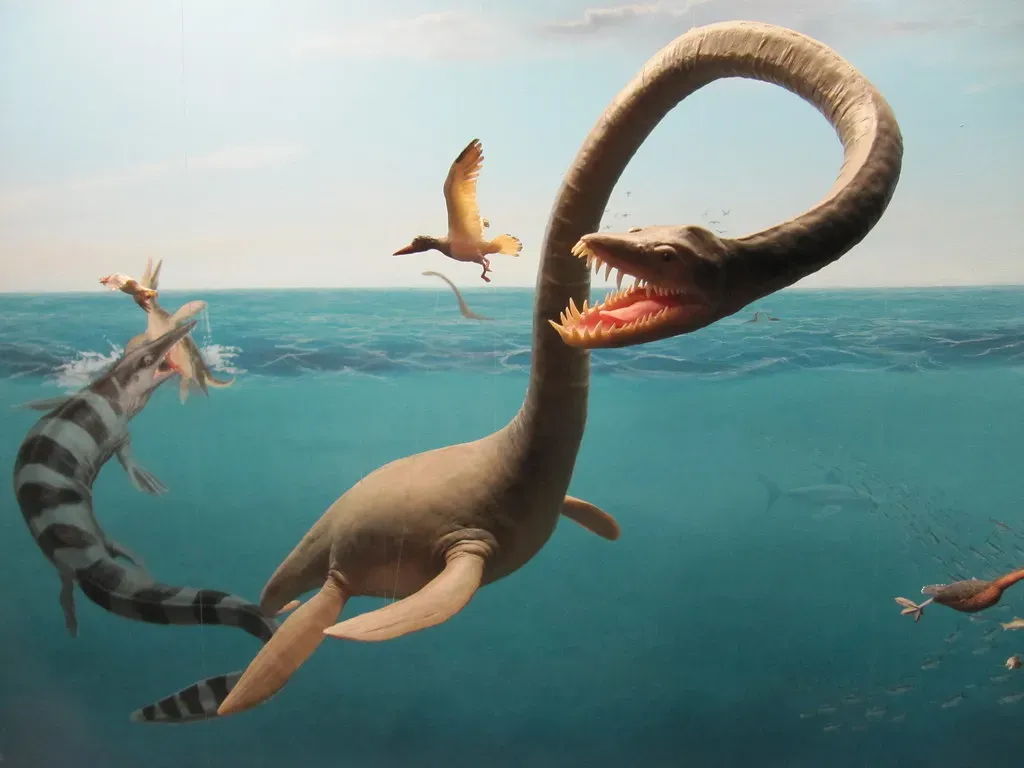
The prehistoric oceans were a realm of unimaginable terror, filled with predators that possessed evolutionary adaptations so extreme they seem almost fictional. From the self-sharpening jaws of Dunkleosteus to the whale-hunting prowess of Megalodon, from the ambush tactics of Liopleurodon to the bizarre spiral teeth of Helicoprion, these creatures represent millions of years of perfected predation. They survived multiple mass extinctions, adapted to changing climates, and dominated every ecological niche available in the ancient seas.
Today’s oceans, while still home to impressive predators, are relatively peaceful by comparison. The great white shark, despite its fearsome reputation, would have been just another item on the menu for creatures like Megalodon or Mosasaurus. These ancient monsters remind us that Earth’s history is far stranger and more terrifying than most people realize. The next time you’re at the beach, take a moment to appreciate that you’re living in an era where the scariest thing in the water is probably just a jellyfish. Did you expect that the ancient seas were quite this nightmarish? What would you think if one of these creatures was discovered still alive in the deep ocean today?