

Imagine waking up tomorrow in a world where you could still talk, gesture, sing, and argue passionately in person – but there were no books, no screens, no notes, no street signs, no messages left behind in any form. Your memories would last only as long as you or your friends remembered them. Your ideas would vanish the moment they slipped from your tongue. That invisible layer of written words that quietly holds your whole life together would simply be gone.
That is how dramatically the evolution of written language has reshaped human existence. It did not just give us a new way to communicate; it rewired how we think, how we organize power, how we understand time, and even how we see ourselves. From clay tablets and knotted cords to cloud drives and encrypted chats, writing has turned human thought into something that can be stored, copied, questioned, and upgraded across generations. Once we learned how to trap words on surfaces, everything changed – and it is still changing.
From Breath To Brick: Why Writing Was Such A Shock To The Human Mind
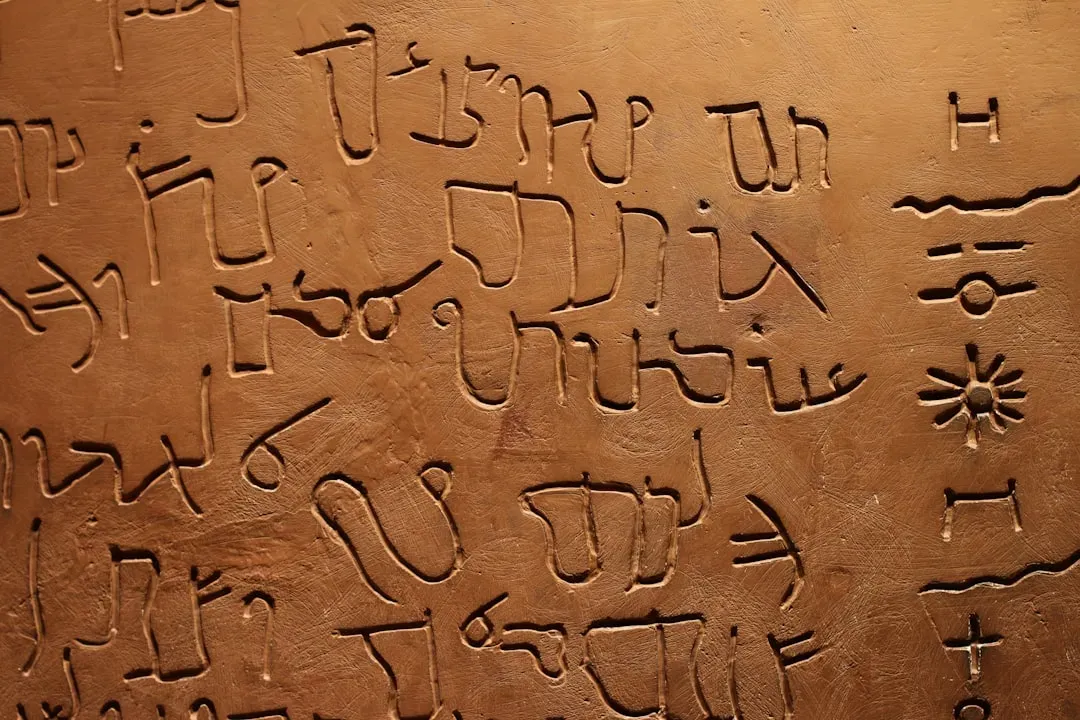
Here is the wild part: for almost all of human history, language was only sound and fleeting gesture. Stories, laws, history, and knowledge were carried in people’s memories and voices, passed along in songs, myths, and rituals. In oral cultures, remembering was a full-time superpower. People used rhythm, rhyme, and repetition because their very survival depended on keeping information alive inside human minds rather than outside them.
When the first marks that truly counted as writing appeared in ancient Mesopotamia more than five thousand years ago, they were more like accounting hacks than epic poetry. Clay tokens and impressions represented grain, cattle, and debts. That might sound boring, but this was the first time thoughts could be detached from a speaker and frozen in physical form. A spoken promise disappeared in the air; a written record stayed put, outlasting the people who made it.
How Writing Turned Memory Into A Technology
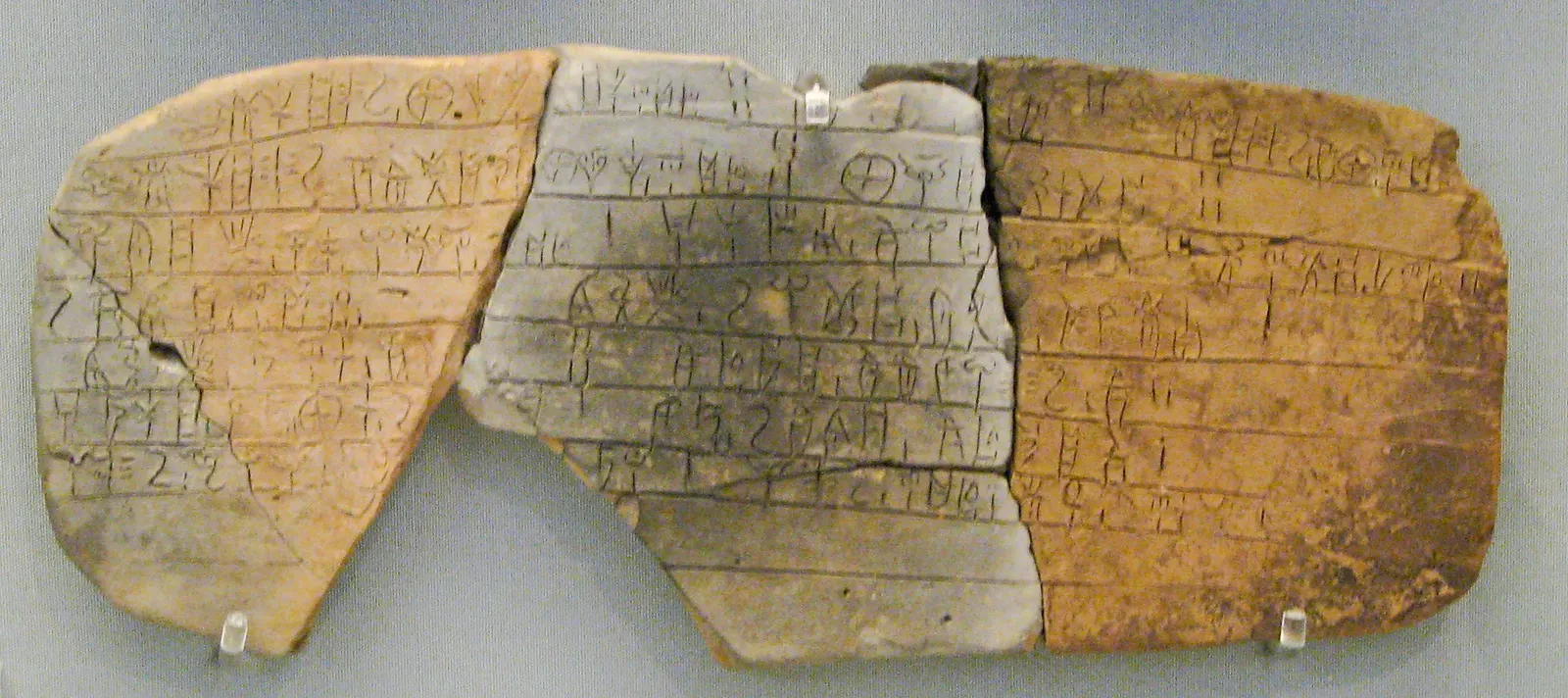
Before writing, human memory was like a live concert: powerful, moving, but tied to being there in the moment. After writing, memory became more like a vast, expanding archive that no single person had to hold alone. Lists, ledgers, calendars, and chronicles slowly shifted the burden of remembering from brains to external marks. This did not just make life easier; it changed the kinds of things people even tried to keep track of.
Once ideas could be written down, they could be revisited, compared, criticized, and improved over time. Scientific thinking, detailed legal systems, and long, complex arguments depend on exactly this ability to return to earlier statements and refine them. Writing turned memory from a fragile, perishable resource into a kind of shared hard drive for whole societies. It is no coincidence that long-term planning, complex bureaucracy, and large-scale collaboration explode in the historical record right alongside the spread of writing.
Empires, Taxes, And Power: The Bureaucratic Revolution Of Script
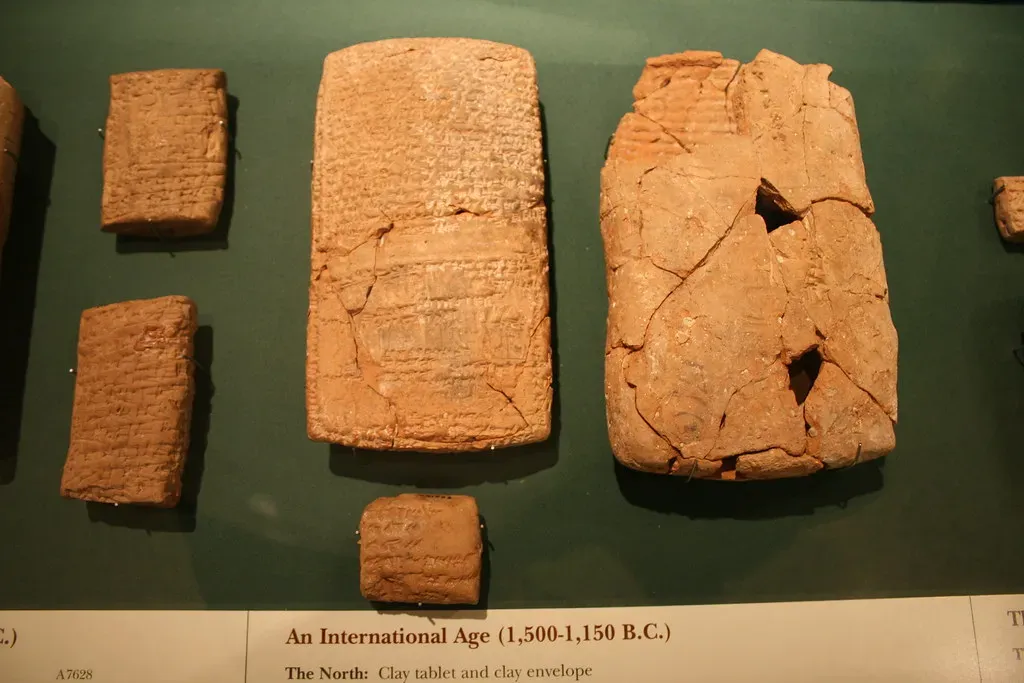
If you follow the trail of early writing, you do not just find poets and philosophers; you mostly find administrators. Kings and city-states needed to track land, labor, tribute, and taxes. Writing made it possible to manage people and resources across distances and years in a way that spoken orders never could. Clay tablets, carved inscriptions, and later papyrus records were the nervous system of early states, connecting rulers to far-off officials and storehouses.
This comes with a darker side: the same tools that allowed fairness in contracts and stability in governance also made it easier to extract wealth, enforce hierarchies, and standardize obedience. Written law codes looked neutral and objective, but they often protected those who could read and write at the expense of those who could not. Literacy quietly became a gatekeeper for power, while archives and records gave rulers a long memory that ordinary people lacked. Writing was not just a gift; it was also a weapon.
Religions On Paper: How Sacred Texts Rewired Belief
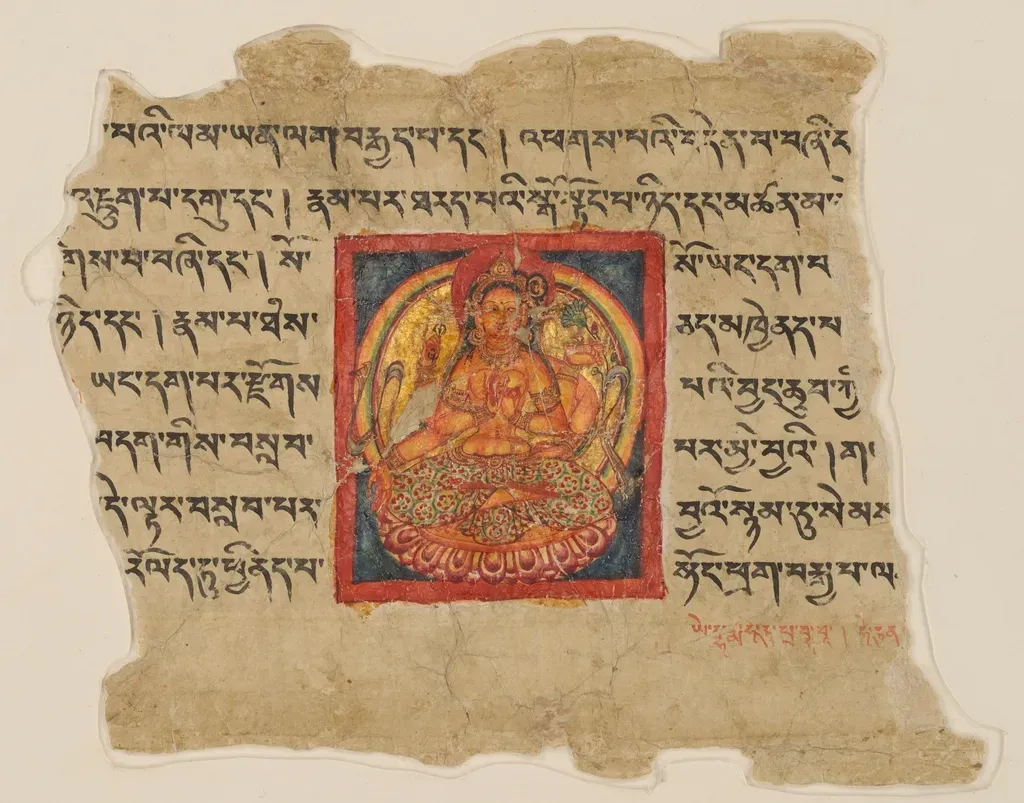
Writing did something radical to religion: it allowed gods, myths, and moral rules to survive almost unchanged across centuries and continents. Before sacred texts, teachings traveled mostly as oral traditions that adapted fluidly to local cultures. Once teachings were written down, religious ideas could be copied word for word, debated line by line, and enforced as fixed doctrines. A divine command carved in stone or copied in a manuscript carried a different weight than a story told by a traveling teacher.
At the same time, written scriptures opened up new forms of personal spirituality. People who could read sacred texts for themselves were no longer entirely dependent on priests or elders to interpret everything. That shift has fueled some of the biggest religious transformations in history, from reform movements to new interpretations that challenged established hierarchies. Texts gave religious communities a way to stay connected over distance, but also a reason to argue fiercely over tiny differences in wording. In that sense, writing made belief both more stable and more contested.
From Scrolls To Screens: Literacy As A Cognitive Upgrade
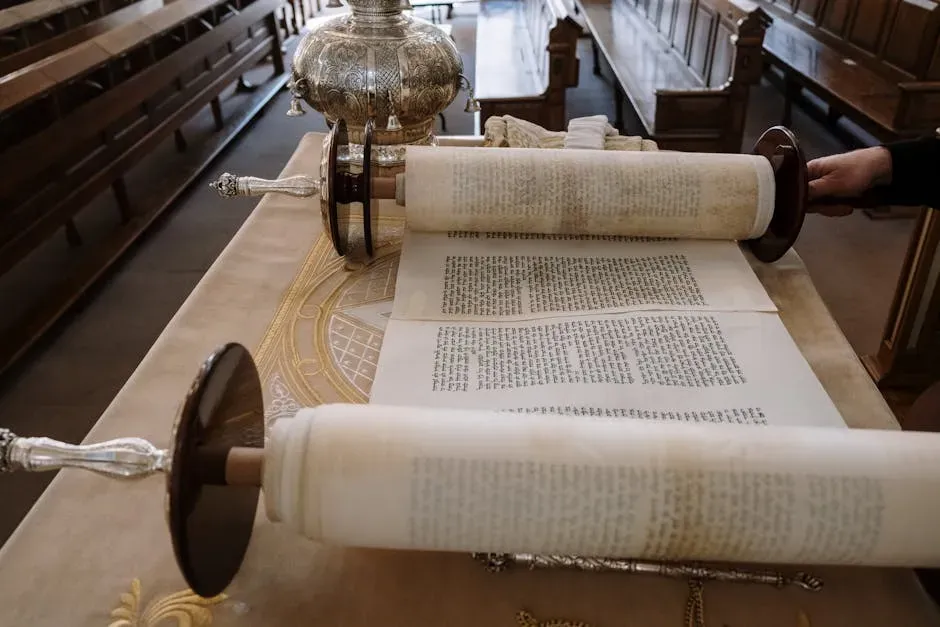
Learning to read and write does not just add a skill; it literally changes how the brain processes information. Neuroscience research has shown that literacy strengthens connections between regions involved in vision, language, and abstract reasoning. This helps explain why literate societies tend to develop new forms of analytical thought, systematic logic, and critical reflection. When you can stare at a sentence, rearrange ideas on a page, and compare passages side by side, your thinking becomes more structured and less tied to the flow of speech.
On a personal level, most of us underestimate how much our inner lives are shaped by writing. We journal to make sense of emotions, text to maintain relationships, and take notes to clarify our thinking. Being able to externalize thoughts and look at them from the outside is like having a second mind that can calmly analyze what the first mind is feeling. When I started keeping a small notebook of scattered ideas, I realized how many half-formed thoughts would have just evaporated without a place to land. Writing became a kind of mental prosthetic – an extension that lets me think more deeply than my raw memory ever could.
The Printing Press And The Viral Spread Of Ideas
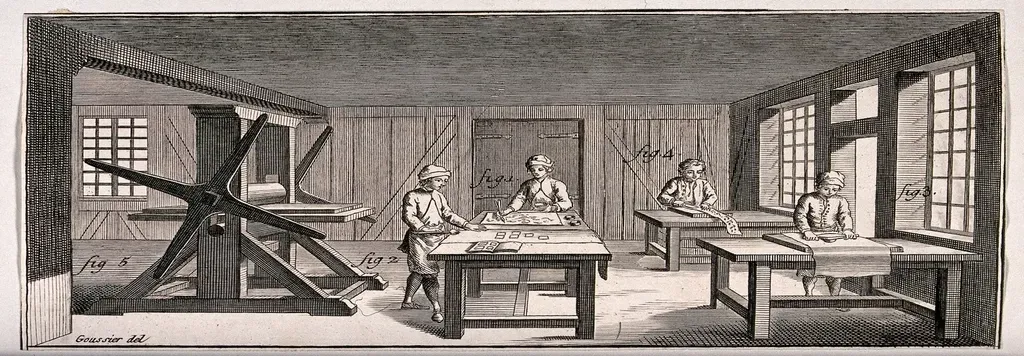
For most of history, written texts were precious and scarce. Copying by hand was slow and expensive, which meant that books were usually reserved for elites, temples, or royal courts. The invention of the printing press in fifteenth-century Europe ripped that world open. Suddenly, the cost of copying a text dropped sharply, and identical copies could flood cities and cross borders in large numbers. Ideas that would once have faded in a single monastery could now move like a storm system across a whole continent.
This mass reproducibility supercharged everything from science to politics. Pamphlets, treatises, and newspapers allowed reformers, rebels, and visionaries to reach people they would never meet in person. Old authorities could be questioned not in whispers, but in print that anyone literate could see. Of course, misinformation and propaganda also rode this wave, just as they do on today’s social media. The printing press did not make humans wiser overnight, but it did make the stakes of written language far higher, turning it into the main battlefield for public opinion.
Digital Writing, Infinite Copies, And The Fragility Of Our Records

Today we live in a strange paradox: we write more than any generation before us, yet many of our words are more fragile than ink on paper. Messages vanish in feeds, old formats become unreadable, and entire platforms disappear, taking years of conversations with them. On the other hand, digital text can be copied, searched, translated, and distributed at a speed and scale that would have seemed godlike even a century ago. A single post can leap across languages and time zones in moments, shaping the thoughts of millions.
This digital layer of writing has blurred the line between public and private, permanent and temporary. Notes, jokes, diary-level confessions, and carefully crafted essays all mingle in the same timelines. We are constantly performing, archiving, and revising ourselves in text. The risk is that we start treating words as disposable, forgetting that written language still quietly shapes laws, reputations, and memories. Yet there is also something deeply hopeful about this era: people who once had no access to publishing, platforms, or formal education can now write themselves into the global conversation.
Writing As Selfhood: How Text Turns Us Into Ongoing Projects

One of the most underrated revolutions writing created is the idea of a continuous, persistent self. Diaries, letters, social media timelines, and long message threads all stitch together pieces of who we have been across time. When you stumble on an old notebook or an ancient text message thread, you meet a version of yourself you had almost forgotten. Writing makes it harder to pretend we have always been the way we are now; it confronts us with evidence of our own changes and contradictions.
At the same time, written language lets us design ourselves more consciously. Resumes, bios, profiles, and posts are curated narratives about who we think we are and who we hope to become. It is easy to mock this as shallow branding, but underneath it is something very human: the desire to turn a messy life into a story that makes sense. In that way, writing is not just a record of identity; it is one of the main tools we use to build identity in the first place.
Conclusion: We Are The Species That Learned To Rewrite Reality

When you zoom out, the evolution of written language looks less like a minor technological step and more like a complete reboot of what it means to be human. It gave us long memories, complicated laws, vast religions, scientific revolutions, national myths, and personal diaries. It helped empires rise and fall, preserved the voices of people long dead, and let a single idea travel farther than any body ever could. Writing did not just change how we share information; it changed the structure of our minds and the architecture of our societies.
I think we underestimate its power at our own risk. Every time we treat text as background noise – endless terms of service, mindless scrolling, throwaway comments – we forget that we are playing with the same force that built civilizations and toppled them. The evolution of written language did change everything we know, and it is still changing us, line by line, post by post. The real question is whether we will use this power to deepen our understanding or to drown in our own words. When you look at the next thing you write today, are you treating it like noise – or like a tiny piece of the world you are helping to rewrite?