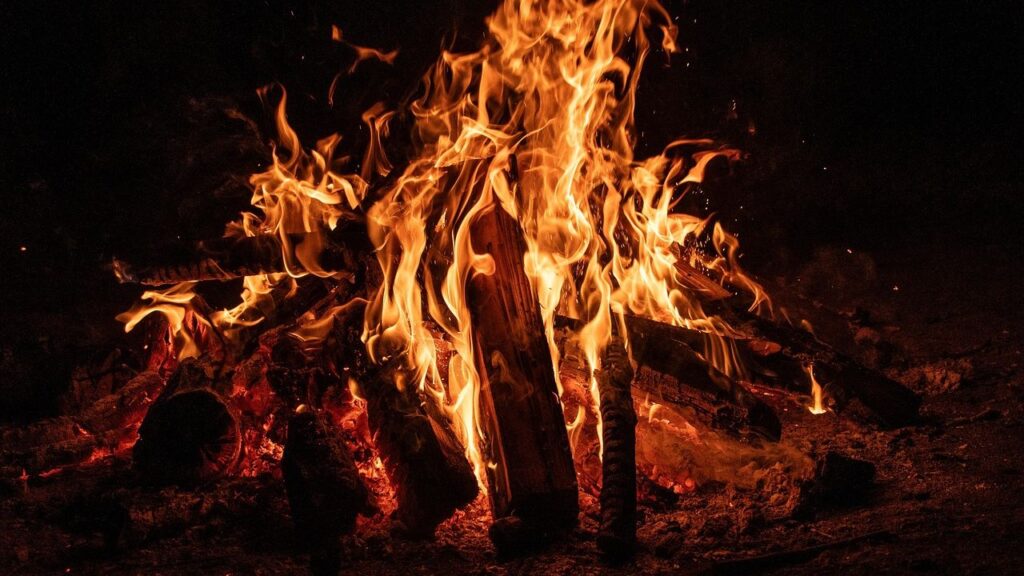
Picture your ancestors huddled in darkness, watching lightning strike a distant tree, flames erupting against the night sky. Something shifted in that moment. Something profound. Fire wasn’t just a dangerous force anymore. It became a tool, a companion, a lifeline that would separate humans from every other species on Earth. This wasn’t just about warmth or light. It was about fundamentally altering the trajectory of human evolution itself.
You’ve probably never considered how much you owe to that first bold hominin who carried a burning ember back to camp or struck two rocks together to create a spark. Yet, fire stands as a critical technology that enabled the evolution of humans. Let’s journey back through time and explore exactly how this single innovation changed everything about who we became.
The First Encounters: When Lightning Struck and Curiosity Sparked
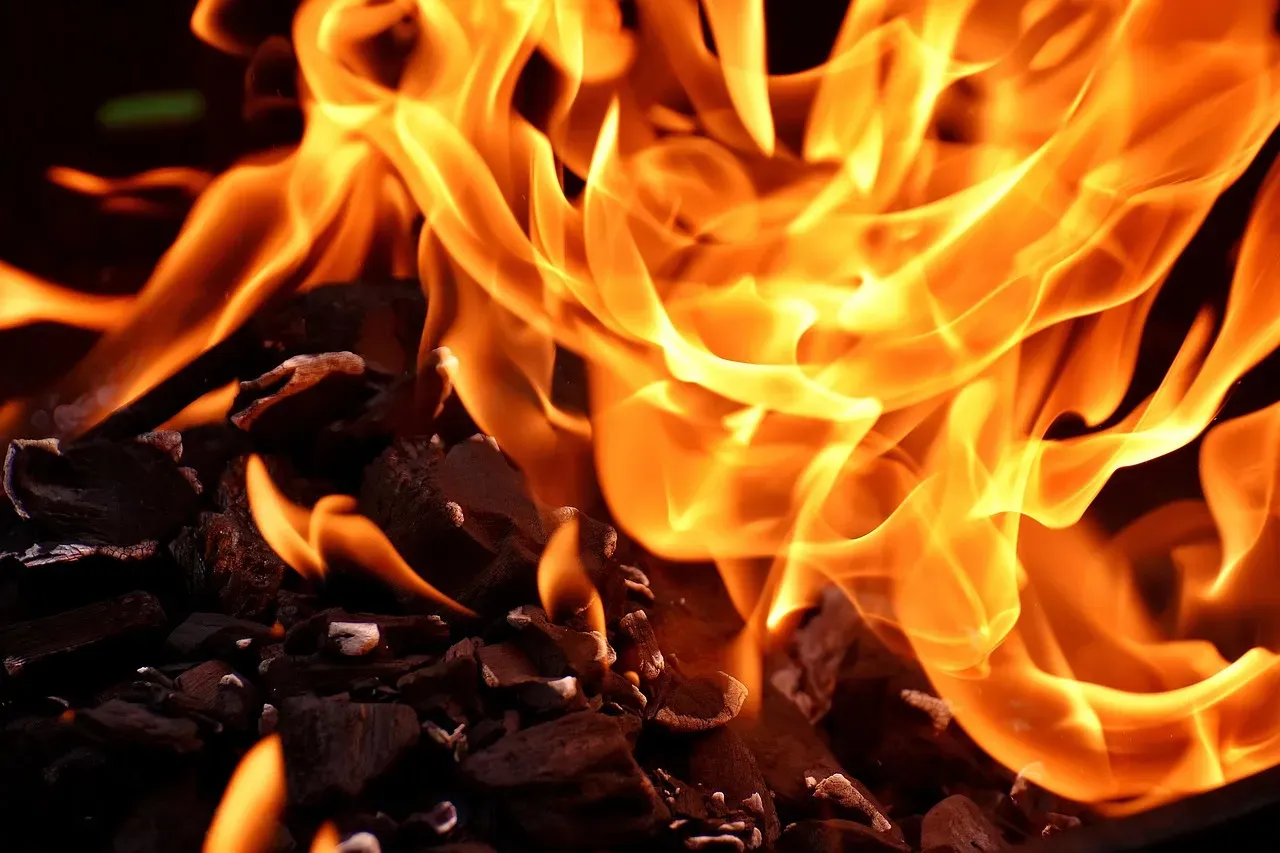
Long before your ancestors could create fire at will, they encountered it in the wild. Lightning strikes made fire evident to early humans in the form of bush fires, and these natural blazes were impossible to ignore on the African savannas. Think about it from their perspective. Here’s this bright, warm, terrifying thing that animals flee from, yet somehow it transforms everything it touches.
Birds such as hawks and other predators caught animals disturbed by fires, and similar benefits likely underlie the first human involvements with fires. Early hominins weren’t stupid. They watched, they learned, they followed the flames to find roasted prey or easy meals. The earliest human fires were probably embers taken from wildfires ignited by lightning and carried back to a cave, with claims for the earliest evidence of fire use ranging from 1.7 to 2.0 million years ago. Imagine the courage that took.
The Long Road to Control: From Harvesting to Mastering
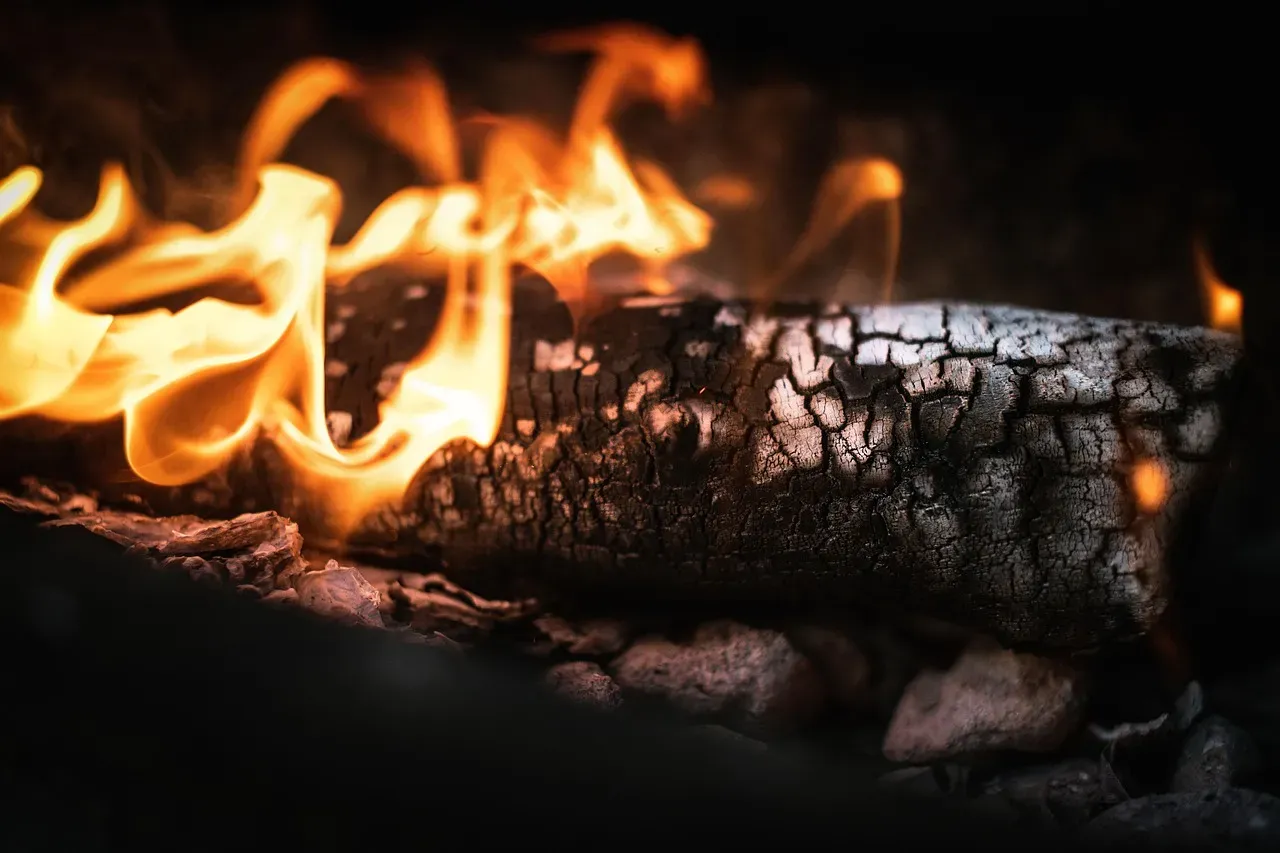
You have to understand, controlling fire didn’t happen overnight. Fire use developed over a million years, progressing from harvesting natural fire to maintaining and ultimately making fire. This was an agonizingly slow process, trial by literal fire, probably countless failures and maybe even some tragic accidents along the way.
Early humans may have experienced a phase during which they used fire passively, gathering and transporting embers ignited by natural causes, prior to learning how to actively generate and control it. Think of the logistics here. Keeping a fire alive through wet seasons, through migrations, protecting those precious coals like liquid gold. One hominin always had to tend the flames, always had to feed them, always had to stay vigilant.
Yet despite this gradual process, evidence for fire use by Homo erectus beginning roughly one million years ago has scholarly support, with some of the earliest traces found at sites dated to around 790,000 years ago. Your ancestors were playing the long game, and honestly, they were getting pretty good at it.
The Groundbreaking Discovery: Intentional Fire Making Emerges
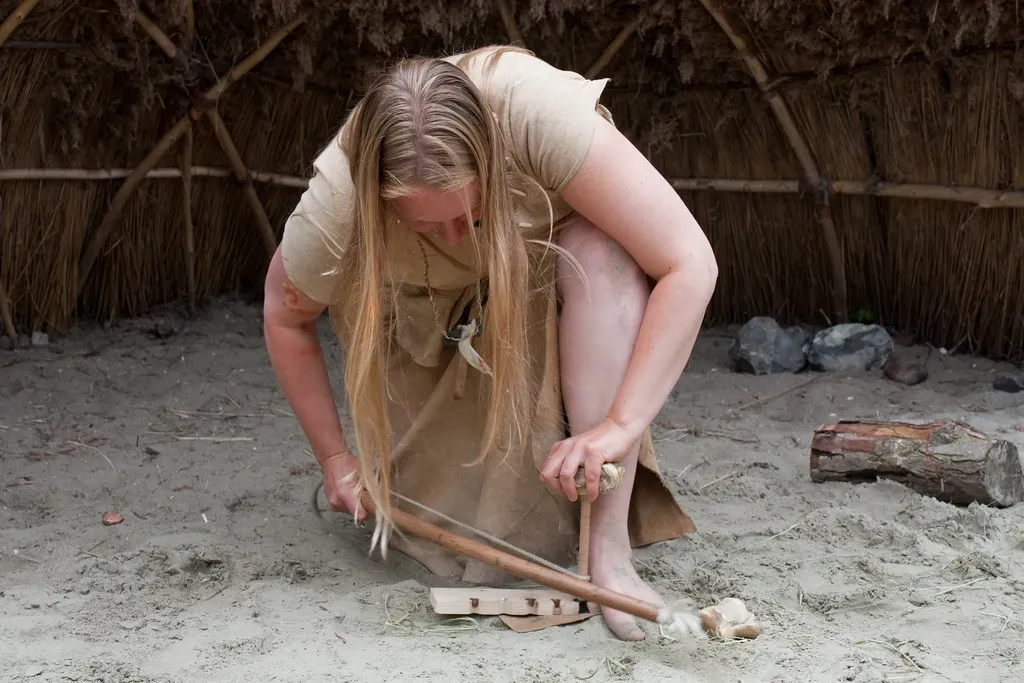
Here’s where things get truly exciting. Recent archaeological findings have pushed back our understanding of intentional fire making dramatically. Baked sediment, heat-shattered artifacts and introduced pyrite at a 400,000-year-old site in Suffolk, UK provide evidence of intentional fire-making, representing what researchers consider a pivotal moment in human development.
Researchers at Barnham identified baked clay, flint hand axes fractured by intense heat, and two fragments of iron pyrite, with pyrite not occurring naturally at the site, suggesting deliberate collection. Let’s be real: this is mind-blowing. Ancient hominins might have had the skills to conjure flame as early as 400,000 years ago, which is 350,000 years older than scientists’ previous earliest example.
The evidence from this site indicates that Neanderthals purposefully lit fires before our own species emerged in Africa around 300,000 years ago. Think about what that means for a second. We weren’t the first fire makers. We weren’t even close to being the pioneers.
The Cooking Revolution: How Heat Unlocked Human Potential
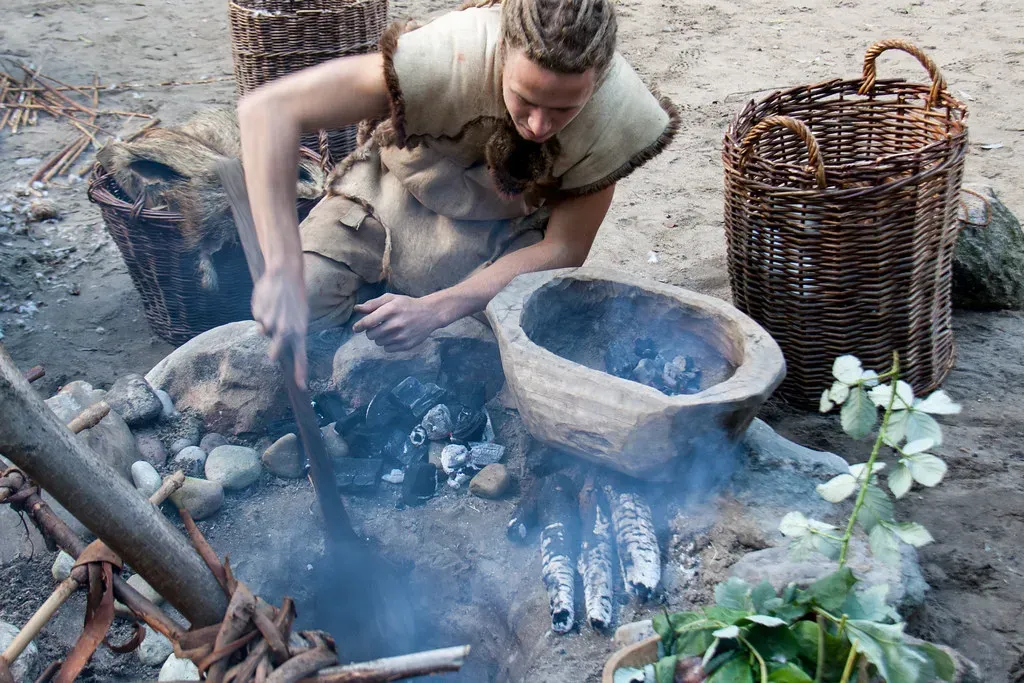
Now we arrive at perhaps the most controversial yet compelling theory in paleoanthropology. The ability to harness fire and cook food allowed the brain to grow and the digestive tract to shrink, giving rise to Homo erectus some 1.8 million years ago, according to the cooking hypothesis.
Cooking breaks down toxins in roots and tubers and kills pathogens in meat, improving digestion and releasing more energy to support larger brains. It’s honestly quite simple when you break it down. Studies show that caloric intake from cooking starches improves 12 to 35 percent, and 45 to 78 percent for protein. That’s not a small difference. That’s a massive nutritional advantage that could fuel bigger, more energy-hungry brains.
Big brains make a big difference, because brains use more energy than any other human organ, up to 20 percent of our bodies’ total energy use. Your brain is essentially a calorie hog, and cooked food was the breakthrough that made feeding it possible. Cooking made starchy and fibrous foods edible, greatly increased the diversity of foods available, and could kill parasites and release more nutrients.
Physical Transformations: Bodies Built by Fire
Fire didn’t just change what humans ate. It fundamentally reshaped their bodies. The molar teeth of Homo erectus gradually shrank in response to consuming cooked foods, and cooked foods selected for differentiation of teeth, eventually leading to decreased jaw volume with smaller teeth. Look in a mirror. Your relatively small jaw and teeth? Thank fire for that.
Due to increased digestibility of cooked foods, less digestion was needed, and as a result, the gastrointestinal tract decreased in size, with humans evolving from the large colons seen in other primates to smaller ones. Basically, you traded a big gut for a big brain. Skeletal changes including a shortened gut, smaller abdominal cavity, and larger brains suggest that archaic humans became obligatorily connected to fire around 1.9 million years ago.
The physical evidence is compelling. Fossils show the teeth and digestive tract of Homo erectus decreased in size around the same time brain size increased, likely meaning our ancestors started eating softer, higher-quality foods. These weren’t random mutations. These were adaptations directly tied to a cooked diet.
Social Metamorphosis: Fire as the Original Social Network
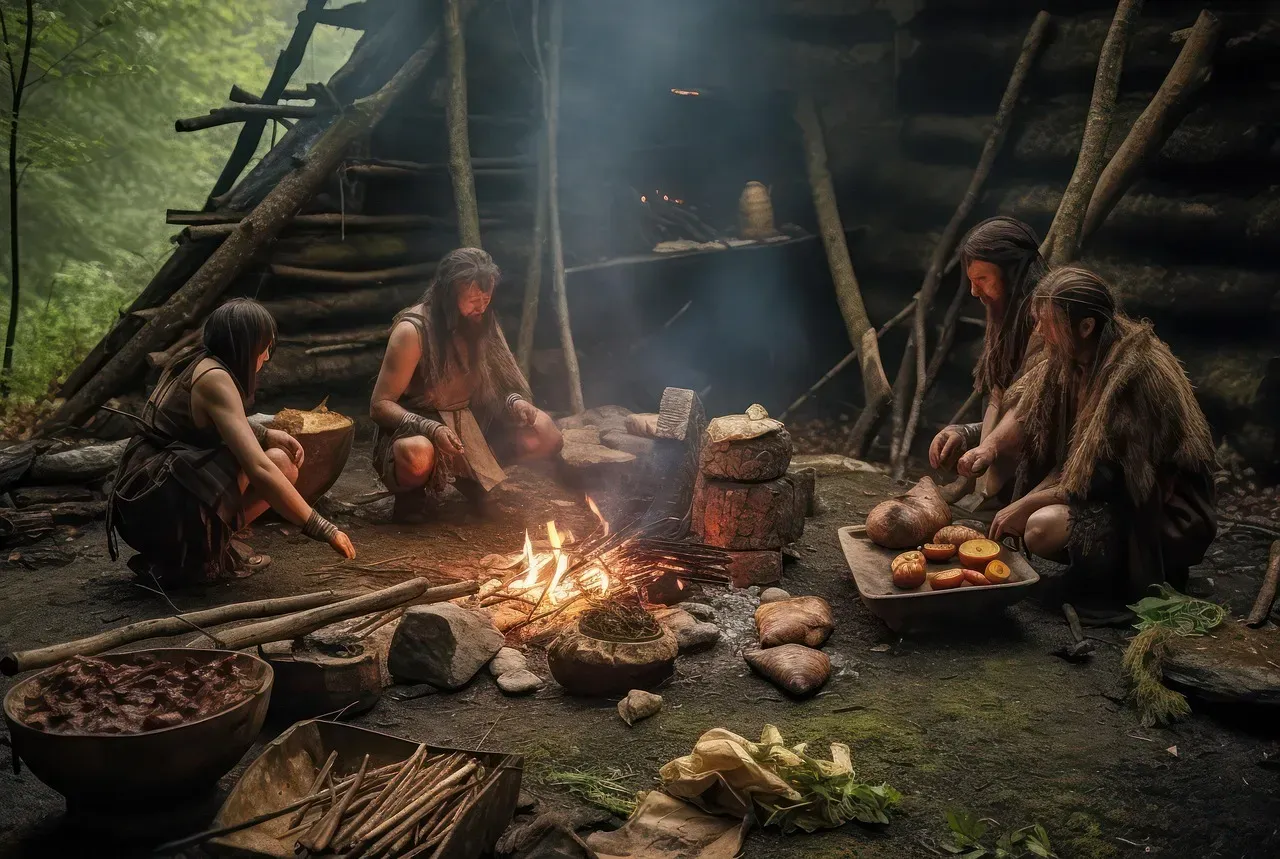
Here’s something you might not expect. Fire didn’t just change bodies. It revolutionized social structures. Fire enabled new forms of social life, with evening gatherings around a hearth providing time for planning, storytelling and strengthening group relationships, behaviors often associated with the development of language and more organized societies.
Early humans shared stories, taught skills, and passed knowledge to younger members, with the extra daylight from flames allowing for social interaction after dark, and shared meals cooked over fires strengthening group bonds. Picture this scene: darkness falls, but instead of sleeping immediately, your ancestors gathered around flickering flames, sharing experiences, teaching youngsters, planning hunts. This is culture being born.
Exposure to artificial light during later hours of the day changed humans’ circadian rhythms, contributing to a longer waking day. You essentially gained extra hours of consciousness, extra time to think, to communicate, to bond. Fire kept predators away, making it safer for humans to indulge in more REM sleep, allowing humans to retain skills and repeat learned tasks, with modern humans spending 25 percent of sleep in REM compared to up to 15 percent for apes and monkeys. Even your dreams became richer because of fire.
Beyond Survival: Fire as the Ultimate Multi-Tool
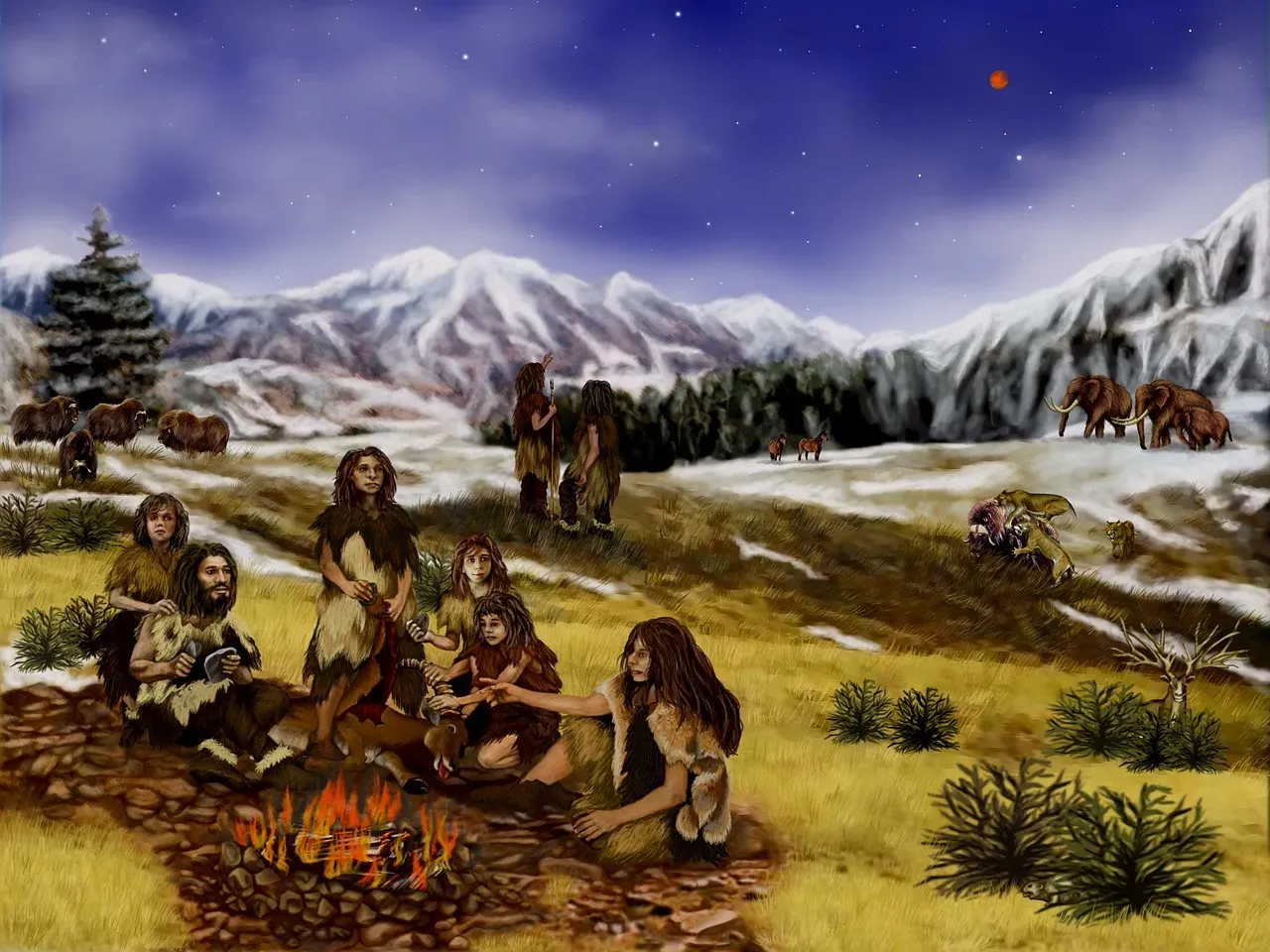
Let’s talk about the practical applications that extended far beyond cooking and warmth. Fire provided a source of warmth and lighting, protection from predators especially at night, a way to create more advanced hunting tools, and a method for cooking food. Fire was basically the Swiss Army knife of the Paleolithic.
Meat could be dried and smoked by fire for preservation, fire was used in manufacturing hunting and butchering tools, and hominids learned that starting bushfires could increase land fertility and clear terrain to make hunting easier. Your ancestors were landscape engineers, using controlled burns to shape entire ecosystems to their advantage. Modern hunter-gatherers use fire to warm themselves, cook food, and socialize, but also deploy it as an engineering tool, with ancient hunter-gatherers transforming vegetation into more fire-tolerant woodlands.
The mastery of fire opened doors to technologies you might never have considered. Early humans in South Africa during the Middle Stone Age used fire to alter mechanical properties of tool materials by heat-treating silcrete, which were then tempered into crescent-shaped blades or arrowheads. Fire became the foundation for essentially every advanced technology that followed.
The Legacy Burns On: Fire’s Enduring Impact
Standing here in 2026, you might take fire for granted. Flip a switch, turn a knob, strike a match. Easy. Yet cooking continues in every known human society, with humans being biologically adapted to cook food, as it’s part of who we are and affects us in every way imaginable: biologically, anatomically, socially. You’re literally built for cooked food now. Homo sapiens is unable to survive on a diet of raw wild foods, making a critical question for understanding human evolution when the adaptive obligation to use fire developed.
Being able to make fire instead of taking advantage of natural fire was an important moment in human evolution, with the ability to create and control fire representing one of the most important turning points in human history with practical and social benefits that changed human evolution. This wasn’t just an innovation. It was the innovation that made us human.
Fire gave your ancestors the power to extend their day, to venture into colder climates, to socialize in ways that birthed language and culture. Wherever humans have gone in the world, they have carried two things: language and fire, carrying precious embers through tropical forests and recreating fire in the barren Arctic, with Darwin himself considering these the two most significant achievements of humanity.
Fire didn’t just help humans survive. It fundamentally transformed what it meant to be human. From the first cautious approach to a lightning-sparked blaze to the deliberate striking of pyrite against flint, from the first roasted root to the communal gatherings that sparked language itself, fire shaped your destiny in ways both obvious and profound. Every time you cook a meal, turn on a light, or gather with others on a cold evening, you’re participating in a ritual that stretches back hundreds of thousands of years, connecting you to those first brave souls who dared to harness the flames.
What do you think about the fact that something as simple as controlling fire essentially created modern humanity? Does it change how you view that campfire or candle flame?